
Irina Shayk for Xti: The 2011–12 Footwear Campaign
Studio heat and product-first posing: Irina Shayk’s early-2010s Xti shoe campaign for the Spanish label’s 2011–12 collection—boots, flip-flops, and saturated backdrops.

Spanish footwear label Xti built a stretch of early-2010s advertising around Irina Shayk as a recurring face—often paired in campaign imagery with Brazilian model Arthur Sales. The collection associated with this gallery is the 2011–12 shoe lineup presented in Madrid and circulated as Xti’s seasonal footwear story. By the time fashion blogs kept sharing the stills into 2012, the campaign language was clear: bold studio color, product-forward posing, and shoes treated as the headline rather than an afterthought under a gown.
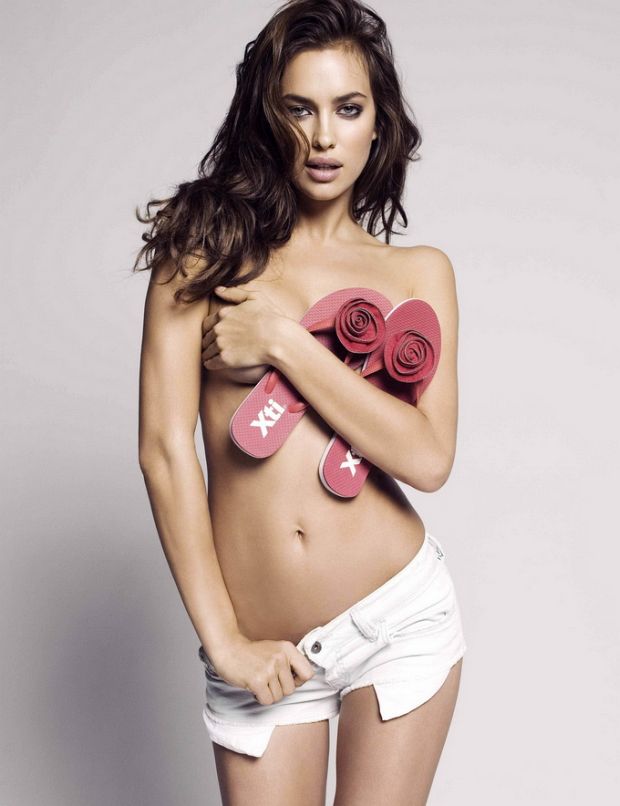
That product focus is the angle that separates Xti from Shayk’s swim and lingerie work of the same era. Beach Bunny sold carnival bikinis. La Clover sold Valentine’s lace. Sports Illustrated sold Seville as magazine travel. Xti sold boots, sandals, and flip-flops you could name, price, and put in a shopping bag. The recovered frames still read that way: magenta walls, vintage suitcase props, tall leather boots with sock peek, and studio portraits where a red rose-trimmed flip-flop becomes a graphic object in the hand.
Era captions often led with football-adjacent shorthand—“Cristiano Ronaldo’s girlfriend presents the new Xti 2011–12 shoe collection.” That headline habit was real in 2011–2012 tabloid packaging. Historically useful as context for how the images traveled; commercially incomplete as a description of the work. The campaign’s real subject is footwear merchandising with a glamorous messenger—so the shoes stay in the center.
A Spanish shoe brand’s casting bet
Xti positioned itself as young, accessible fashion footwear with seasonal drop energy—boots for cold months, statement sandals and flip-flops for warm ones, plus bags in related campaigns. Bringing Shayk back for consecutive seasons signaled that the brand wanted international model heat without luxury-house pricing. Arthur Sales as male counterpart pushed many ads toward couple chemistry and sensual posing, a common European commercial strategy at the time: two beautiful people, one product category, high recall.
The Madrid presentation at IFEMA in March 2011 made the partnership public theater. Shayk appeared on a trade-show stage in lace and peep-toe booties while cameras treated the launch like a celebrity arrival. Campaign imagery that followed—and continued circulating through 2012 blog roundups—kept the focus tighter. Studio lights, saturated backdrops, and shoes placed where the eye cannot miss them. Launch-day red carpet energy and catalog stills are related but not identical; this gallery leans toward the stills that sold pairs.
For readers landing on this URL years later, the usual question is identification: which brand, which season, why the suitcase and magenta wall, why flip-flops held like trophies. Answer: Xti’s early-2010s footwear advertising with Shayk, selling the 2011–12 collection language of boots, casuals, and decorative warm-weather pairs inside a Spanish commercial fashion system.


What the collection language looked like
Spanish fashion coverage of Xti’s autumn/winter 2011–12 proposals listed a wide retail menu: corsair-height boots, military ankle boots, oxford-inspired laced styles, casual sneakers, sky-high pumps, and lady-like ballerinas with floral or bow detail. A “working class woman” bootie story—crepe platforms, suede, shearling touches in browns, navy, grey, black, taupe—spoke to cold-weather practicality with trend gloss. Bags arrived alongside in retro-chic shapes and everyday neutrals meant to sit beside coats and jeans.
You do not need every SKU visible in every photo to feel that merchandising breadth. The gallery’s boot frames emphasize leather shaft, buckle strap, and the styling trick of ribbed socks rising above the cuff—an early-2010s habit that made boots look layered and intentional rather than bare. Flip-flop frames swing the other way: summer hardware, rose embellishment, logo printed on the footbed, minimal clothing so the sandal owns the rectangle. One mode sells winter street; the other sells beach-to-city heat. A seasonal shoe brand needs both stories inside one face contract.
Studio design choices amplify product. A mottled magenta wall turns brown leather cinematic. A worn suitcase becomes a prop stage that suggests travel without leaving the cyclorama. Neutral grey seamless backgrounds push attention to red roses on rubber straps. None of this is documentary street style. It is catalog theater with supermodel voltage—exactly the hybrid that mid-market European shoe brands chased when Instagram was still young and print-plus-blog still moved inventory.




Commercial sensuality as sales tool
Xti’s Shayk campaigns were frequently described as daring. That tone was strategy, not accident. Accessible shoe brands in the early 2010s competed in a crowded mall and online market; heat was a differentiator when price points could not rely on couture mystique alone. Crossed arms holding flip-flops, elevated legs in boots, direct gaze against hot color—these are advertising sentences meaning “remember us at the register.”
Importantly, the sensuality still serves the product. If you crop the shoes out of several frames, the ads lose their reason. That is the test of a footwear campaign. Lingerie can survive as mood. Swim can survive as body-and-beach myth. Magazine destination editorials can survive as place. Shoes need the pair visible, desirable, and distinct. Xti’s art direction understood that: logo on footbed, buckle at ankle, rose on strap, shaft height readable even in a compressed blog thumbnail.




How this page differs from Shayk’s other 2012–2013 URLs
Keep the map simple and stubborn. Xti equals Spanish commercial footwear, studio color, product hero. Beach Bunny equals U.S. swim retail, carnival beach fantasy. La Clover equals Chinese Valentine’s lingerie, intimate rooms. SI 2013 equals magazine destination editorial in Seville. Same model across the early-2010s circuit; different clients buying different sentences. Approaching the gallery that way prevents the blur that happens when every Shayk page becomes interchangeable “hot campaign” prose.
Here the useful questions are boot height, sole logo, sock styling, backdrop chroma, and whether the shoe would still read if the celebrity caption vanished. If the answer is yes—the shoe still reads—you are looking at successful product advertising. If the answer is no, you are looking at pure celebrity packaging. Xti’s better frames pass the first test.



Quick checklist for what this campaign sells:
- Boots with attitude: tall shafts, buckles, sock layering, cold-weather trend cues.
- Warm-weather statements: decorative flip-flops and sandals that photograph as objects.
- Studio saturation: magenta and clean grey backdrops that make leather and logo pop.
- Prop staging: suitcase and color walls that imply travel without leaving the studio.
- Model as amplifier: Shayk’s fame as reach, not as the merchandise itself.
If those boxes are checked when you scroll the set, you are reading the Xti story correctly—as early-2010s Spanish shoe advertising, preserved as campaign history rather than celebrity gossip recycled for a new decade.

Comments
Continue reading
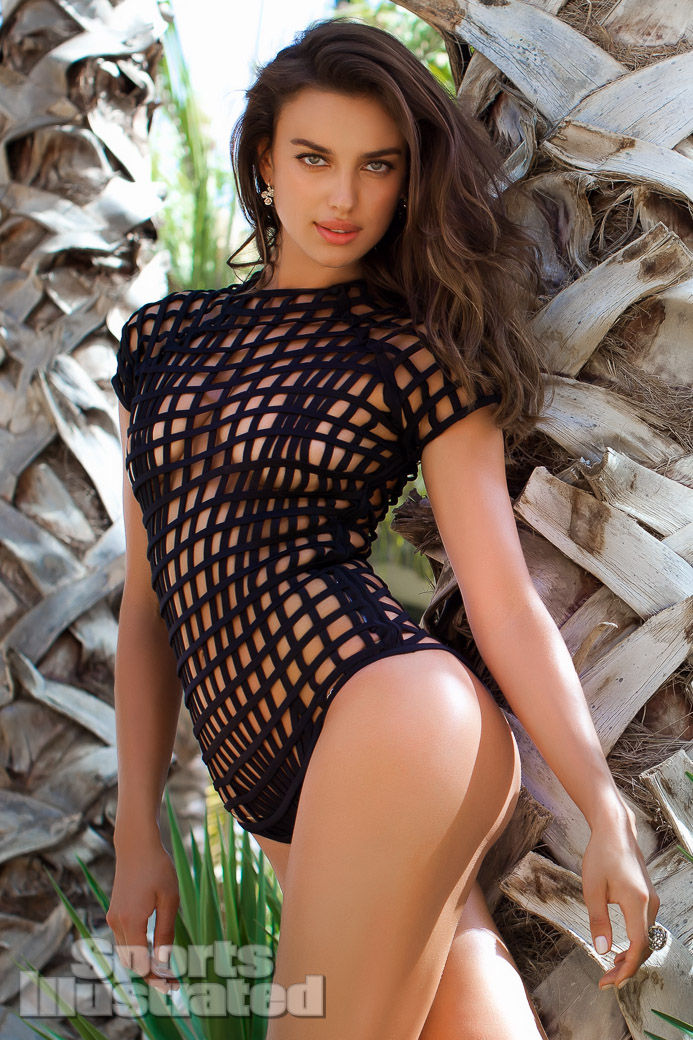
Irina Shayk in Sports Illustrated Swimsuit 2013: Seville with Alex Cayley
A gallery feature on Irina Shayk’s 2013 Sports Illustrated Swimsuit shoot in Seville—tiled stairs, stone light, and bullring pageantry by Alex Cayley.
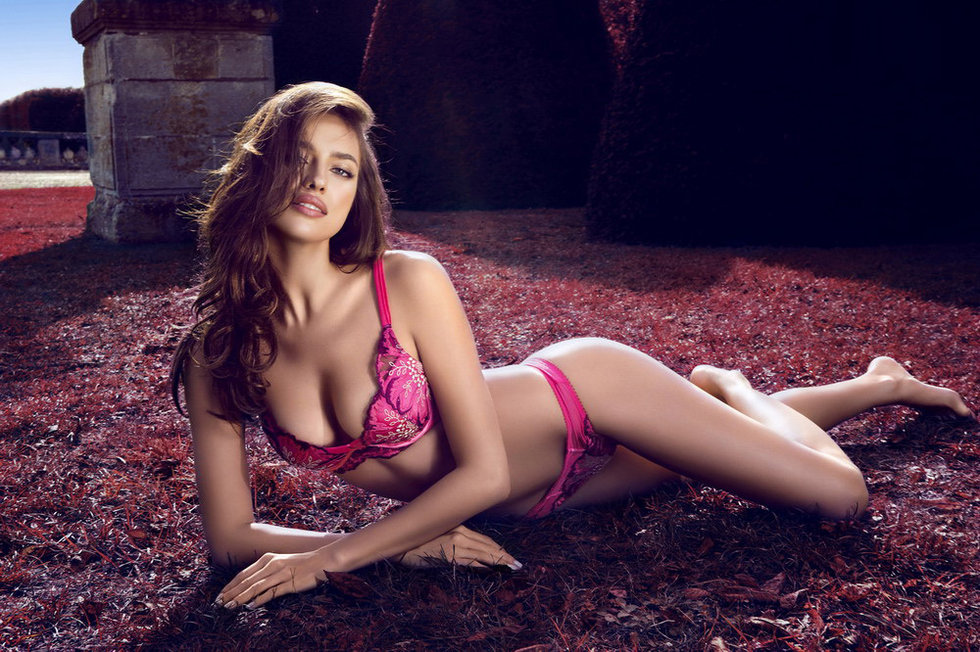
Irina Shayk for La Clover: Valentine’s Day Lingerie Campaign 2013
Irina Shayk fronts Chinese lingerie house La Clover’s Valentine’s Day 2013 campaign—lace, magenta, and intimate rooms framed as early-2010s seasonal fashion history.

Photo vs Illustrated Save-the-Dates: How to Choose a Format
A practical comparison of photographic and illustrated save-the-dates—when a portrait earns the stamp, when a drawing carries the date, and how to match format to venue, guests, and printing.