
Lovely Pregnancy Photos: Soft Light and Sweet Expectation
A warm maternity-portrait gallery—silhouette, fabric, gentle light, and practical notes on comfort and consent while documenting the short season of waiting.
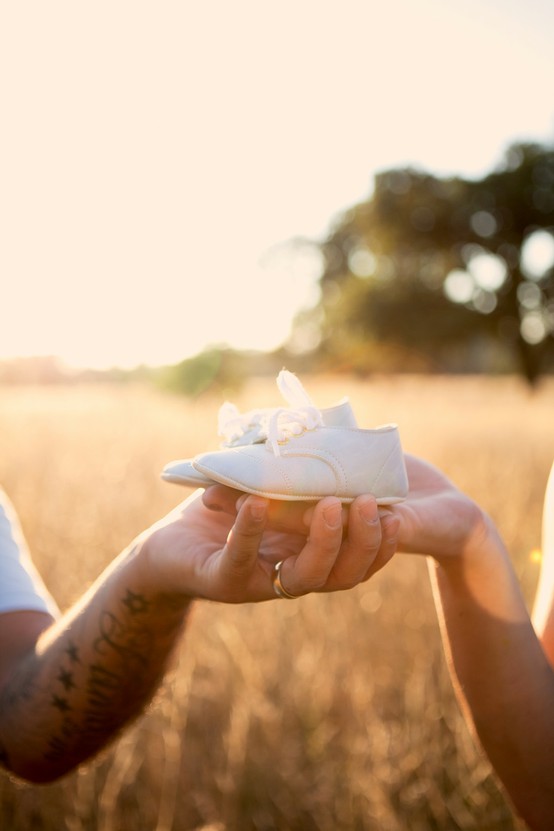
Pregnancy photographs sit in a strange, tender category of family pictures. They document a body in transition and a future person who is present only as weight, motion, and hope. Clothes strain. Hands find the belly without being told. Partners lean in. Light gets softer because everyone wants the memory to feel kind. The preciousness is not sentimental decoration; it is the point of the sitting.
This gallery gathers maternity portraits in that spirit—quiet studio and lifestyle frames that treat expectation as something worth looking at carefully. The images do not need celebrity names or product placements. They need posture, fabric, shadow, and the particular confidence of people who know a chapter is closing while another opens.
What maternity portraits are actually for
People schedule pregnancy sessions for many reasons: to mark a first pregnancy, to celebrate after a hard road to conception, to include older children before the household rearranges, to give grandparents a picture that feels ceremonial. Underneath the occasions sits a simpler urge. Bodies change quickly. Faces look tired and luminous in the same week. Without a deliberate portrait, the middle months vanish into grocery lists and clinic appointments.
Unlike newborn sessions, maternity work happens while the subject is fully awake to the experience. That awareness can make poses feel vulnerable. A good photographer answers with patience and collaboration rather than a rigid catalog of Pinterest shapes. The best frames look chosen by the person inside the body, not imposed on them.
Time context matters too. These pictures belong to a long popular tradition of belly silhouettes, partner hands, and soft window light that flourished in the late 2000s and early 2010s as digital photography made studio and lifestyle hybrids affordable. Trends shift—more candid movement one decade, more editorial fashion the next—but the emotional job stays stable: keep proof that waiting was real.

Silhouette, fabric, and the architecture of the belly
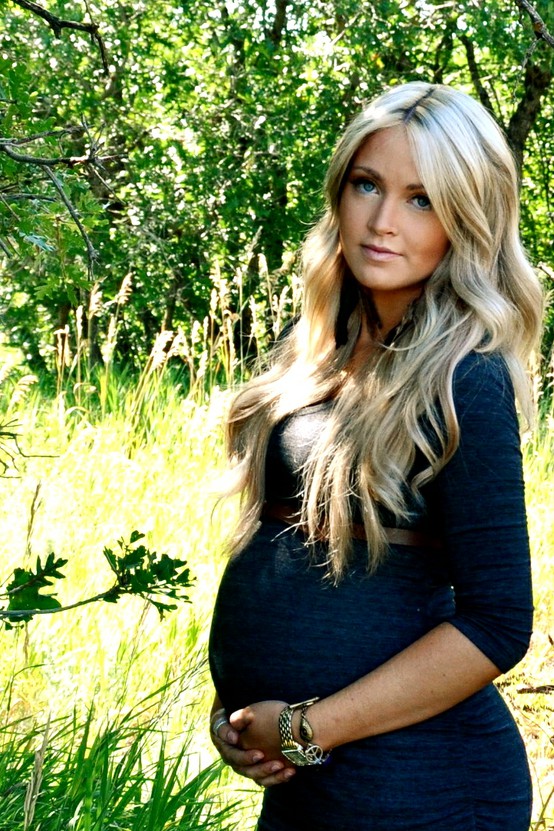
Classic maternity portraiture loves profile. A side view turns pregnancy into a clean line—spine, belly arc, sometimes a lifted chin toward light. That silhouette reads instantly even at thumbnail size. It also flatters a wide range of clothing: fitted knits, draped jersey, open shirts that frame rather than squeeze.
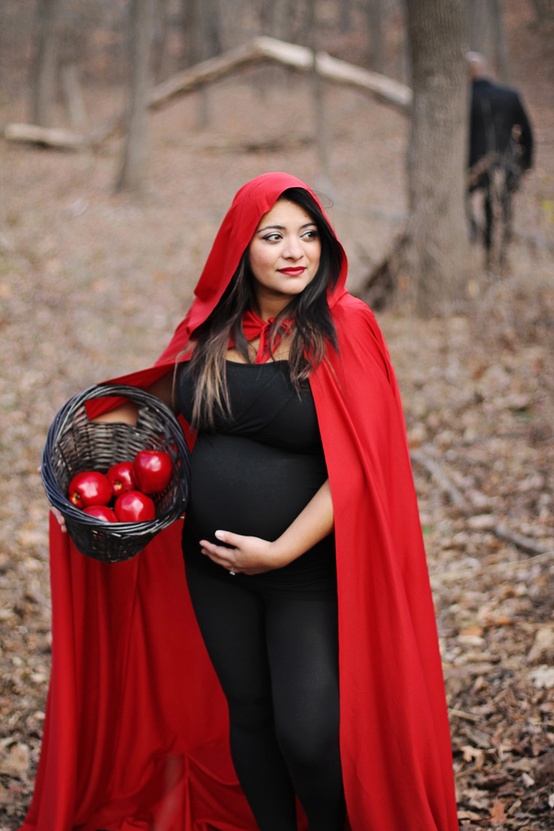
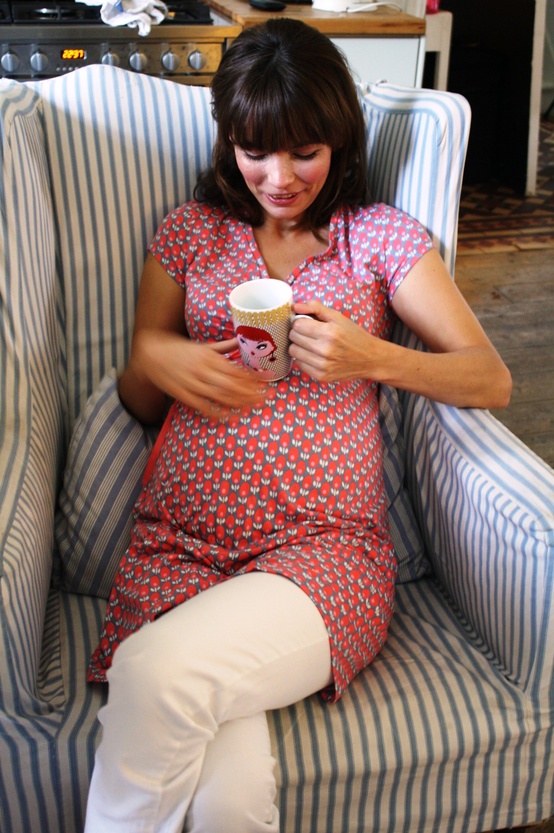
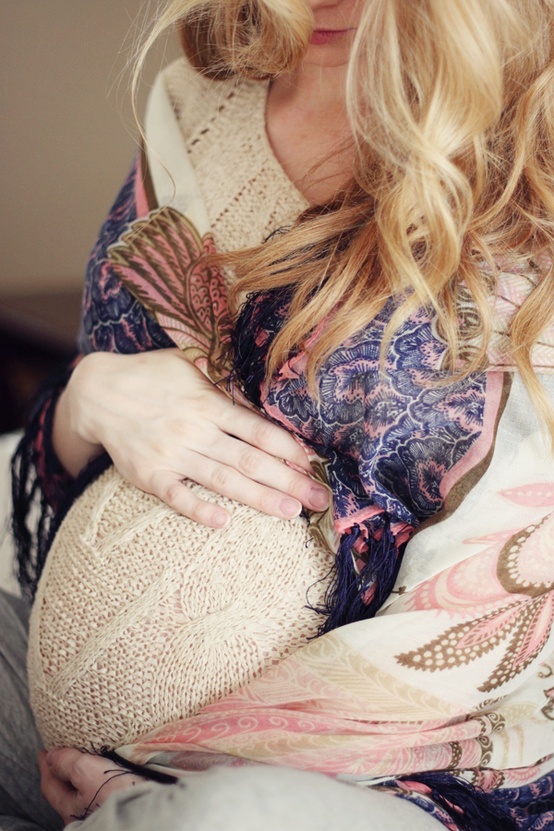
Fabric does storytelling work. Soft textures photograph as comfort. Flowing dresses create motion even when the subject stands still. Dark tones slim and dramatize; light tones glow and feel airy. Bare skin can be powerful when the subject wants it and the setting supports privacy; it is never mandatory for meaning. Hands on the belly remain the universal caption: this is where attention lives.
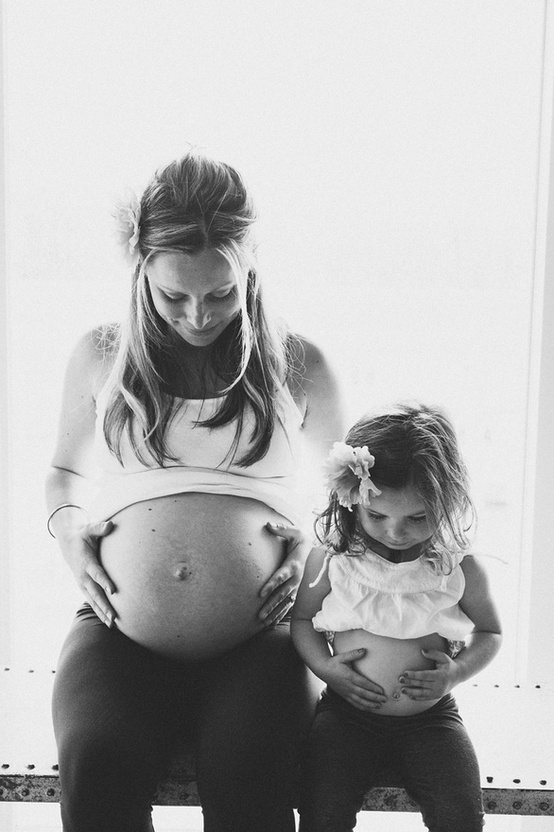
Partners and children change the geometry. A second pair of hands overlapping the first builds a visual sentence about shared waiting. An older child pressed to a mother’s side introduces scale and sometimes comedy—someone small competing with someone smaller still unseen. Including family members can keep a session from feeling like isolation theater. Leaving them out can honor solitude. Both choices are legitimate.
Light that treats expectation gently
Hard overhead light is rarely a friend to maternity work. It digs shadows under eyes already tired from interrupted sleep and digs uneven texture across stretched skin. Window light, softboxes, open shade outdoors, and late-day sun are kinder. Catchlights in the eyes keep portraits alive when the body is the compositional hero.
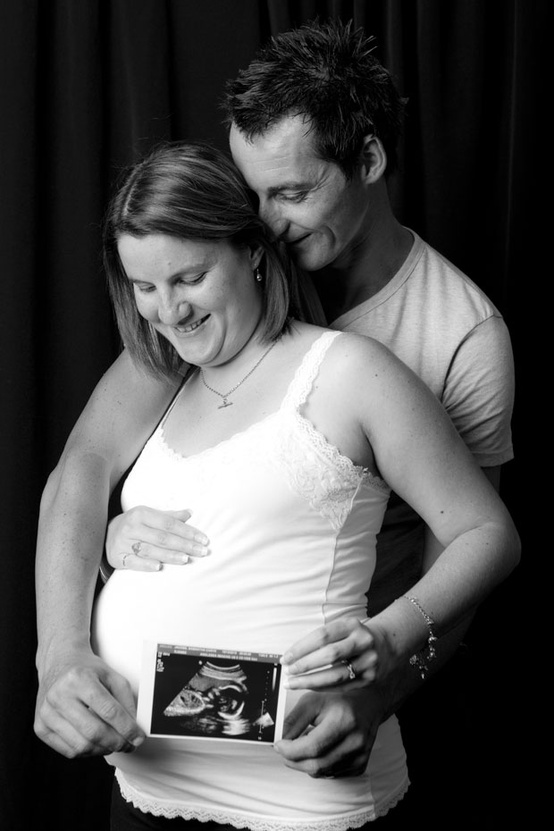
Black-and-white conversions remain popular because they emphasize form over fashion dating. Color stays valuable when skin warmth and clothing palette are part of the memory. Neither is morally superior; match the treatment to the subject’s taste. A gallery that mixes both can feel like chapters rather than indecision.
Movement helps when stillness feels stiff. A slow turn, a laugh, a walk toward the lens, a seat-to-stand transition—these micro-actions loosen shoulders. Pregnancy is physical work; photographs that allow breath look more honest than locked mannequin poses.


Comfort, consent, and the ethics of looking
Maternity sessions should feel like care, not endurance tests. Short standing intervals, a chair within reach, water nearby, and permission to stop are part of craft. Clothing should be chosen for how it feels after twenty minutes, not only how it looks in a mirror for two. If a pose hurts, it is the wrong pose.
Consent includes more than a signed form. It includes ongoing checks: Are you comfortable with this angle? Do you want skin covered more? Should we include partners in every frame? Online sharing deserves a separate conversation. Some families want public galleries; others want prints in a drawer. Photographers and subjects serve the memory best when distribution matches privacy needs.
It also helps to refuse one-size narratives. Not every pregnancy is uncomplicated joy. Sessions after loss, during high-risk monitoring, or in nontraditional family structures may need quieter direction and fewer assumptions in the chat between shots. Warmth is not the same as forcing cheer.
How to look through this set
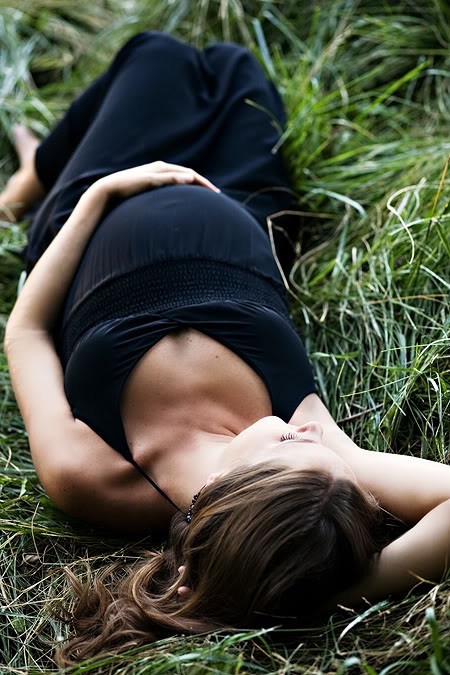
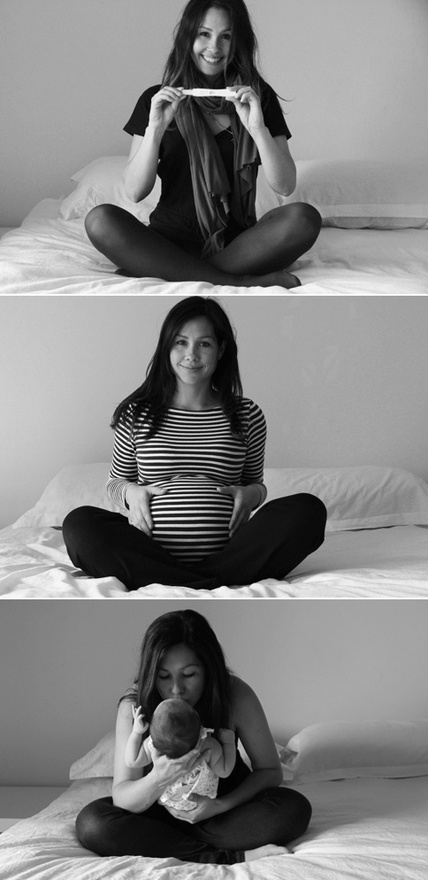
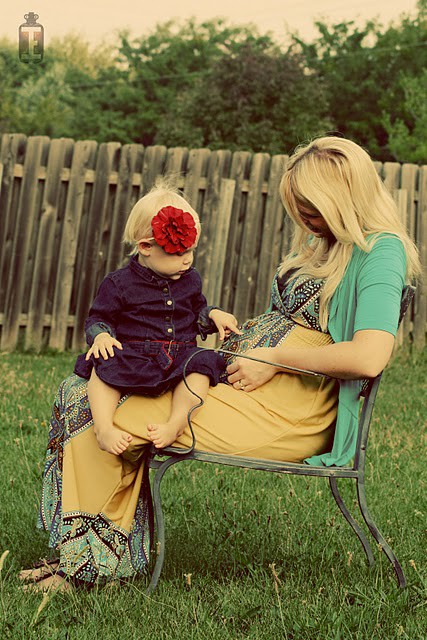
Move image by image without racing. Notice which frames emphasize face versus form. Notice whether the belly is centered as monument or held casually as everyday fact. Notice background simplicity—seamless paper, bedroom corners, outdoor blur—and how emptiness makes the subject louder. Maternity portraits often succeed by subtraction.
Compare vertical and tighter crops. Tall frames honor standing silhouettes and dresses with length. Closer crops trade grandeur for intimacy: eyes, hands, fabric grain. A full gallery usually needs both so the story has landscape and close-up chapters.
If you are planning your own session, borrow principles rather than cloning poses:
- Book when you still feel mobile enough to enjoy standing and walking.
- Choose clothes you can breathe in for an hour.
- Prefer soft directional light over harsh overhead fixtures.
- Include at least a few candid minutes between formal setups.
- Decide sharing boundaries before the gallery goes online.
- Keep one frame that feels ordinary—hair imperfect, smile half-formed—because ordinary ages into treasure.
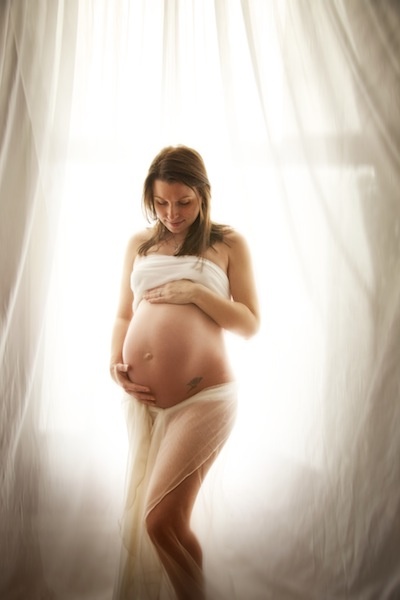
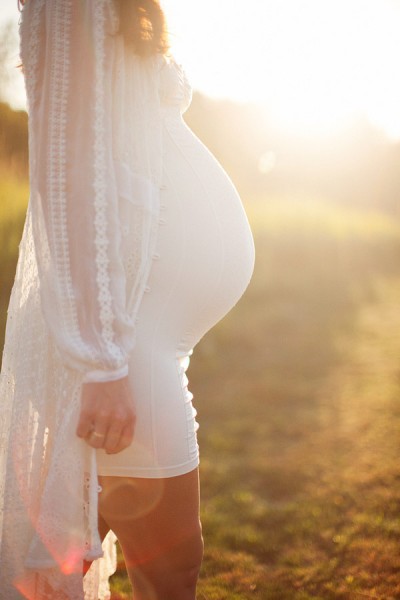
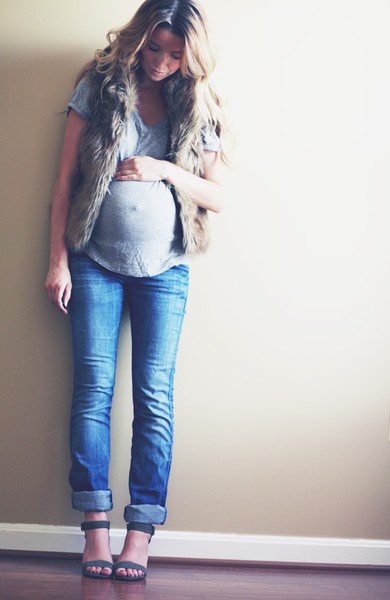
Sweet expectation sounds like a greeting-card phrase until you remember how short the season is. One month the clothes still button; the next they do not. One week the belly feels abstract; the next it answers a touch with a kick. Lovely pregnancy photos do not invent that drama. They slow it down long enough to keep.

Comments
Continue reading
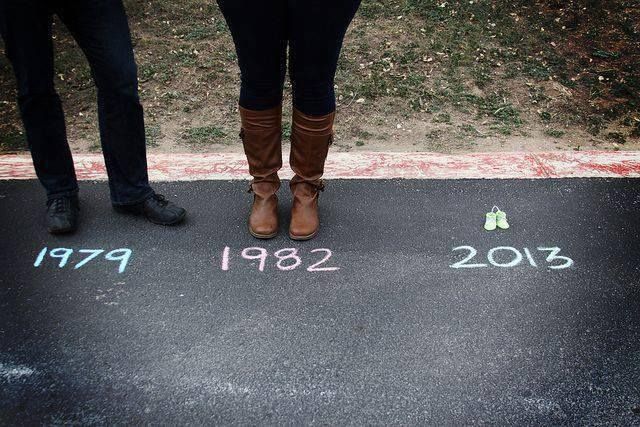
Pregnancy Announcement Ideas: Photos, Humor & Quiet Reveals
Creative pregnancy announcement photo ideas with timing, audience, humor that stays kind, sibling tips, shooting notes—and a full inspiration gallery.
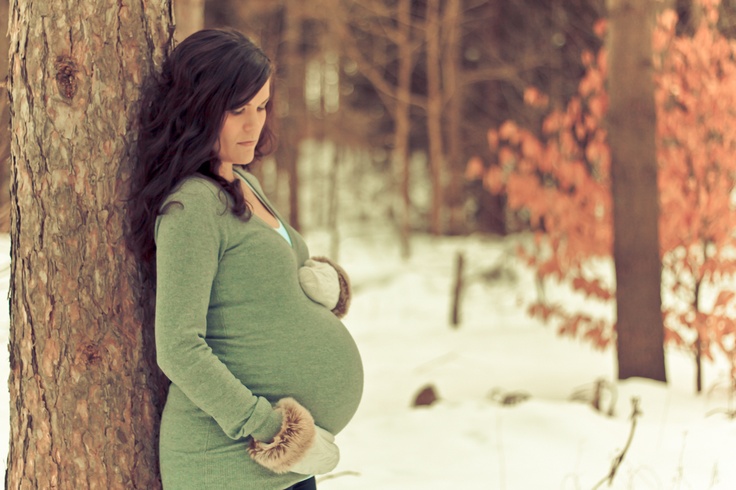
Winter Maternity Photo Shoot Ideas: Light, Layers, and Warmth
A practical guide to winter maternity photography—locations, wardrobe, timing, posing, and comfort-first planning when snow is part of the set.
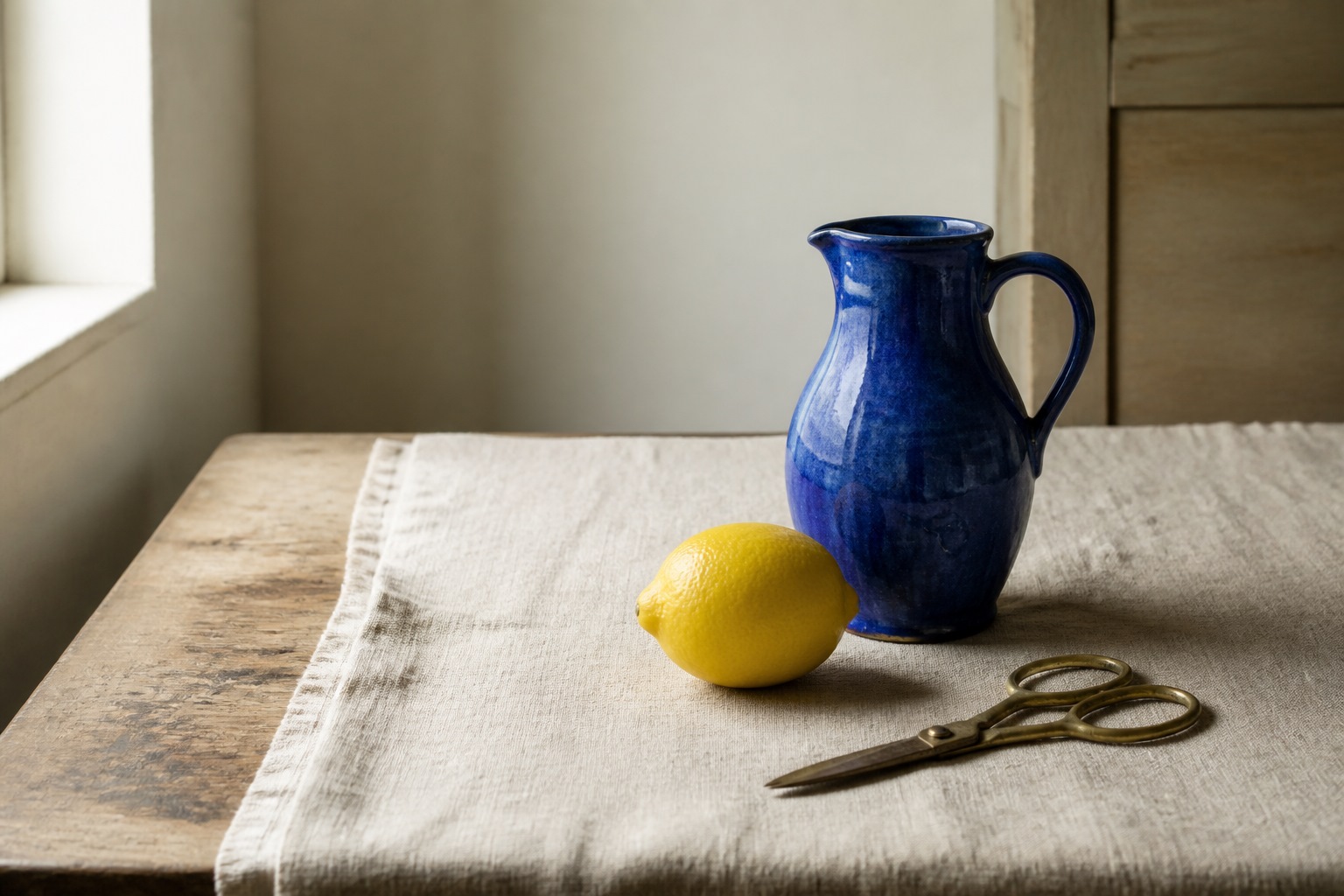
Still-Life Photography at Home with One Window
A table, north or side light, and a handful of objects—how to shoot still lifes in a small room without a studio, softboxes, or a prop closet.