
Magnificent Indoor Pools: Light, Materials, and Quiet Luxury
A design gallery of indoor swimming pools—glass, stone, night lighting, and circulation cues—read as architecture rather than lifestyle envy.
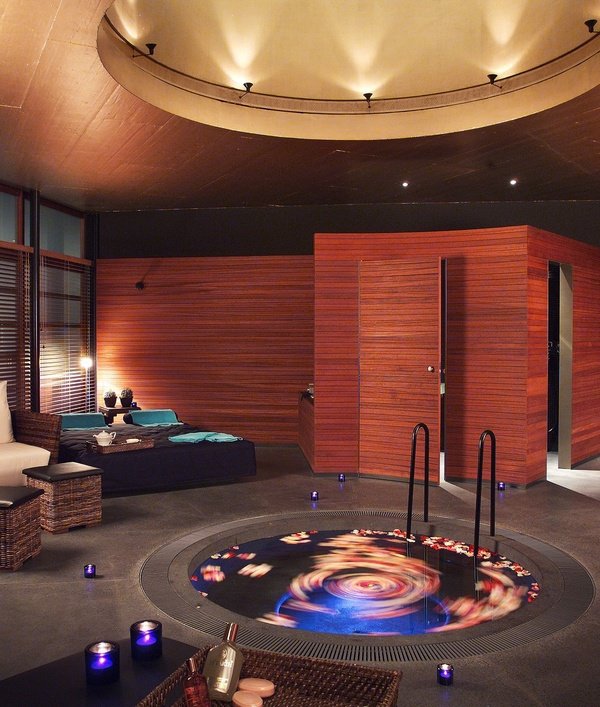
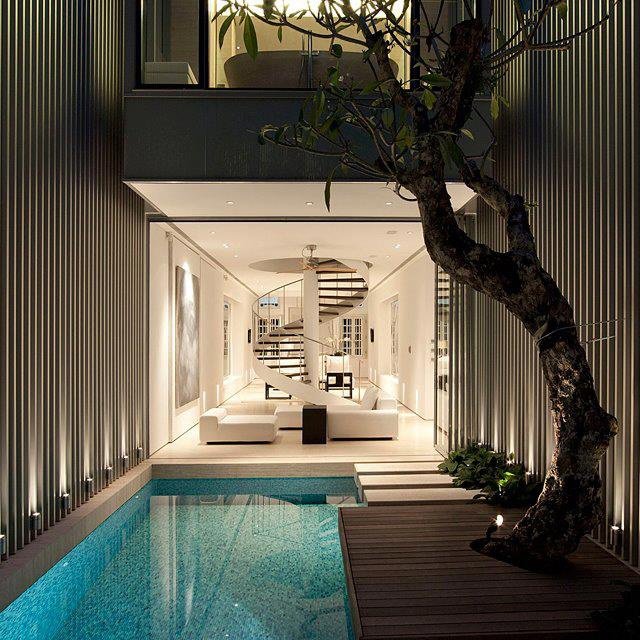
Indoor pools are architecture that happens to hold water. Done well, they turn a private house into a year-round resort: glass walls, stone decks, floating stairs, and light that behaves like it belongs to a spa rather than a basement. This gallery gathers indoor pool interiors that reward a slow look—materials, proportions, and the way reflection doubles every design choice.
Forget envy theater. Treat the set as a study in how designers hide machinery, manage humidity visually, and keep a wet room from feeling like a gym. The best rooms here look calm enough to live beside, not only to photograph once. Water is a mirror with depth; every railing, lounger, and ceiling lamp will appear twice unless you plan for that doubling.
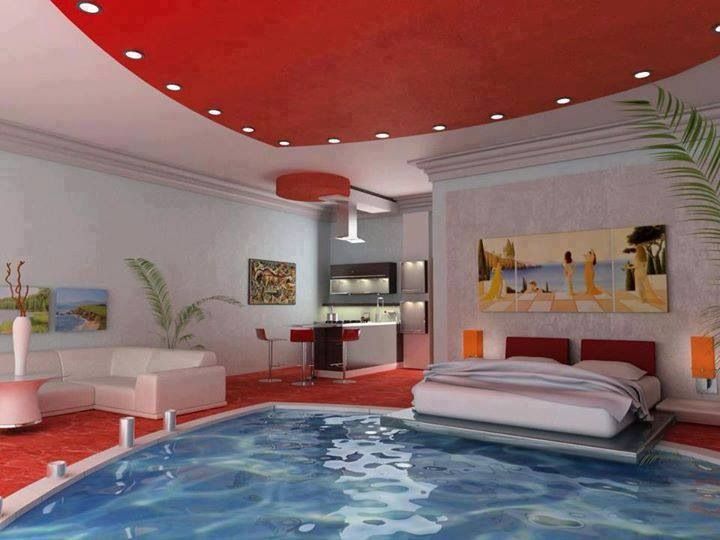
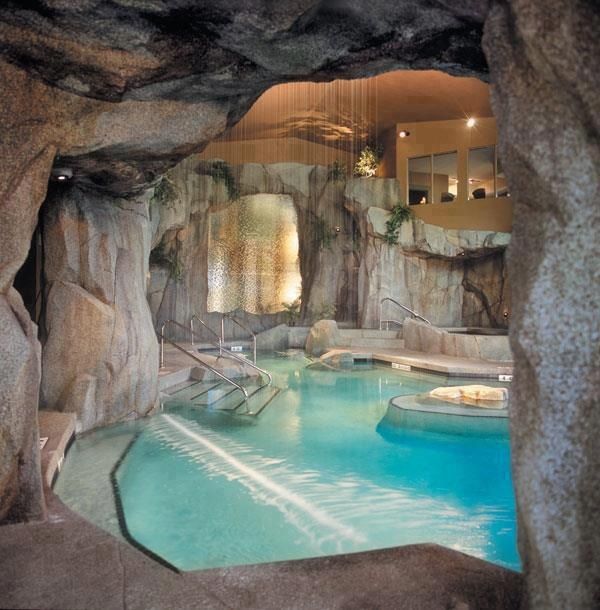
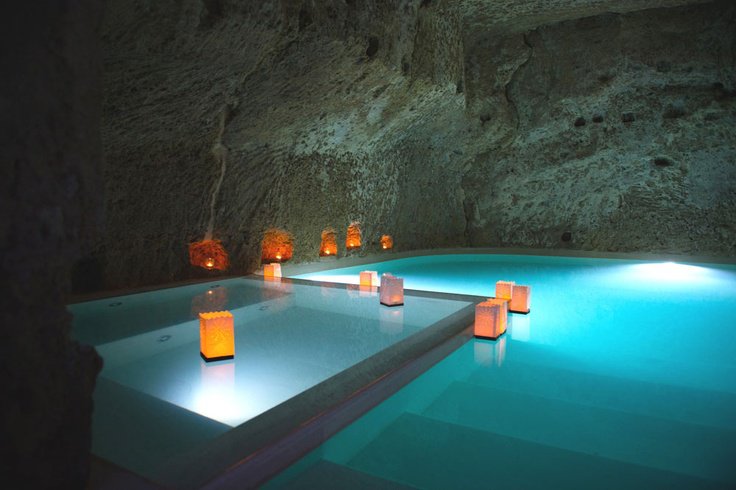
Residential indoor pools sit in a different tradition than hotel spas, yet they borrow the same language: procession toward the water, a place to sit dry, and a view that makes swimming feel like inhabiting light. The photographs below show how far that language can stretch—from cave-like cocoons to glass pavilions that erase the boundary with the garden.
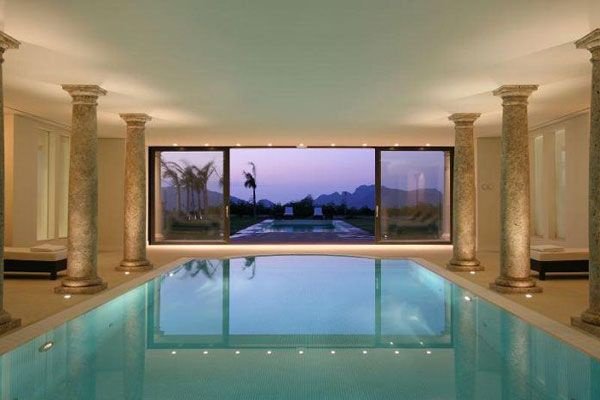
Glass, volume, and daylight
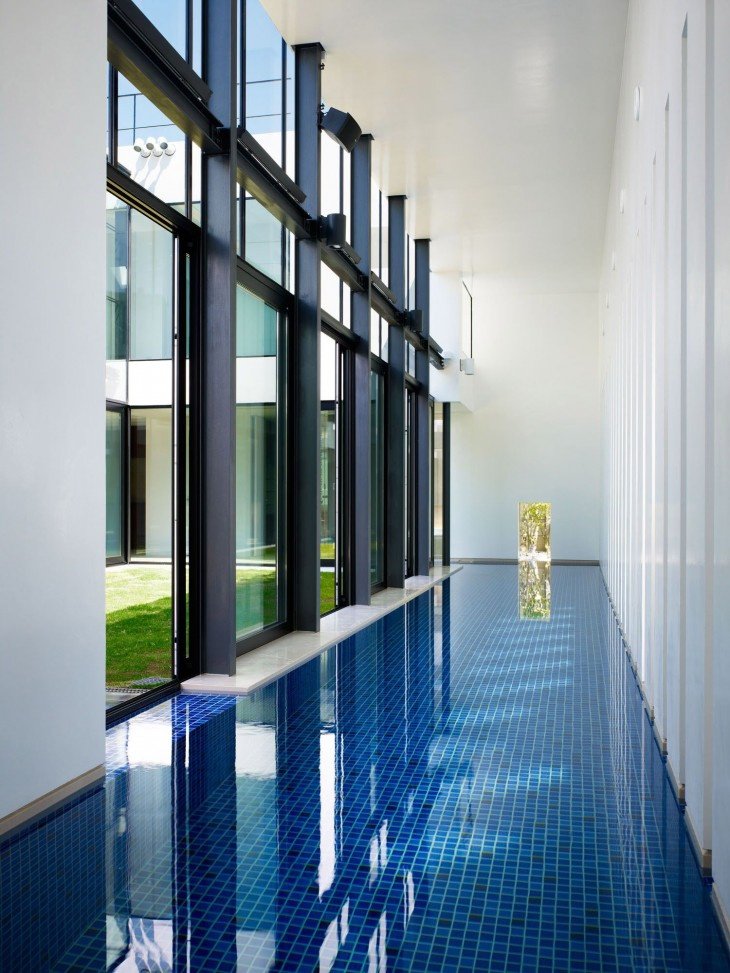
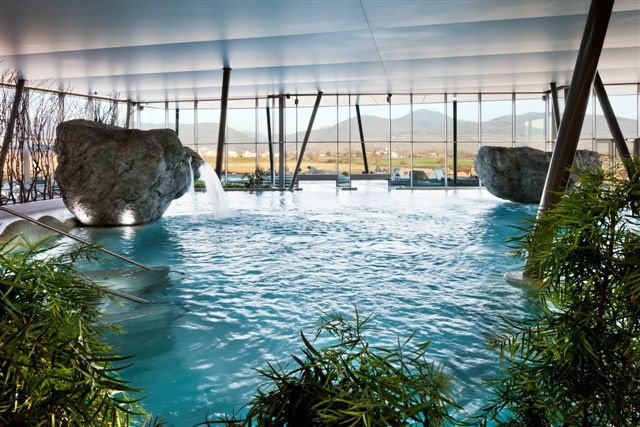
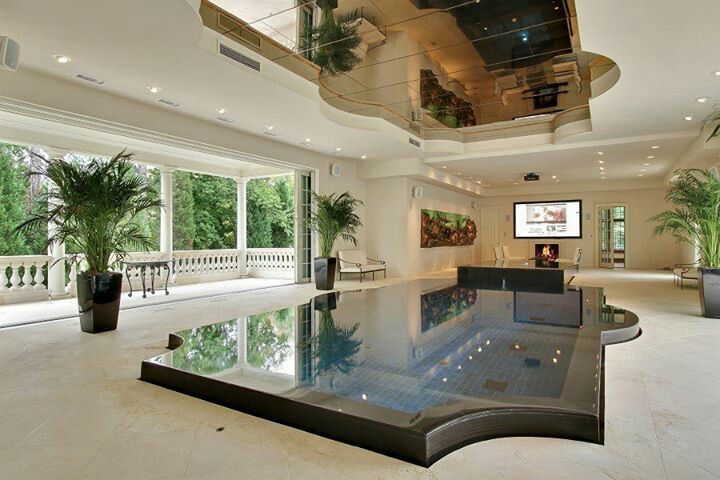
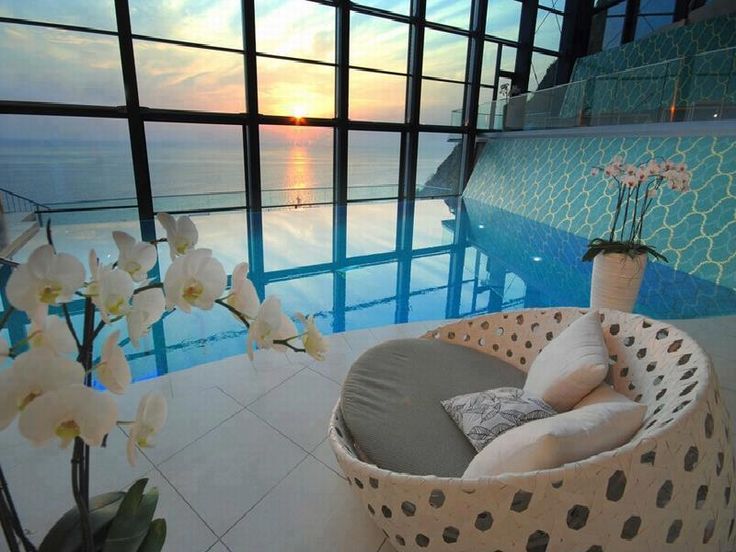
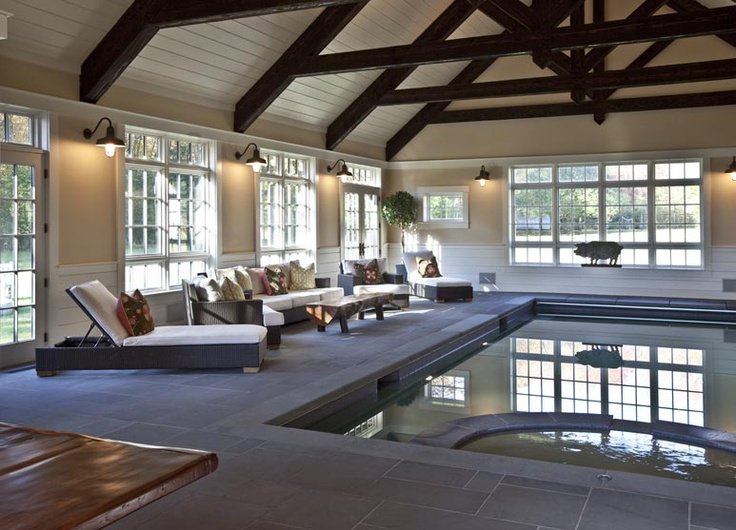
Many of the strongest pools sit under high glass or beside curtain walls. Daylight keeps water color honest—aqua instead of chemical blue—and lets the outdoor garden or courtyard become a borrowed mural. When the sun moves, caustics crawl across ceilings and floors; that moving light is free decoration no pendant can match.
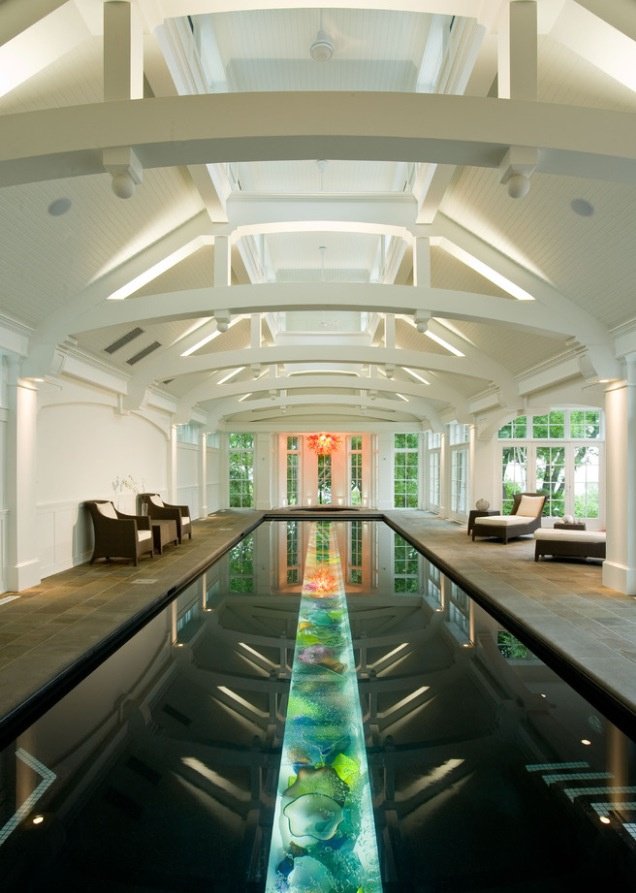
Volume matters as much as finish. A low ceiling over a long lap lane feels oppressive. A tall void over a compact plunge pool can feel ceremonial. Designers often push the water plane toward one glass edge so the room reads longer than its footprint. Skylights above the deep end create a vertical column of brightness that guides the eye before you notice the tile pattern.
Orientation is strategy. South glass invites heat and glare that must be managed with overhangs, fritting, or deciduous planting. North light is cooler and steadier—excellent for photography, sometimes chilly for swimmers unless heating and finishes compensate. East light gives morning drama; west light can turn late water into liquid copper. The gallery frames that feel “alive” usually catch one of those directional moments rather than flat overhead noon.
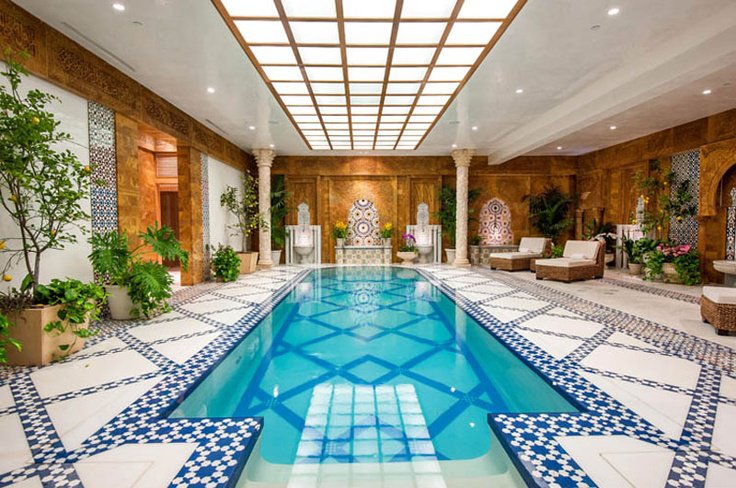
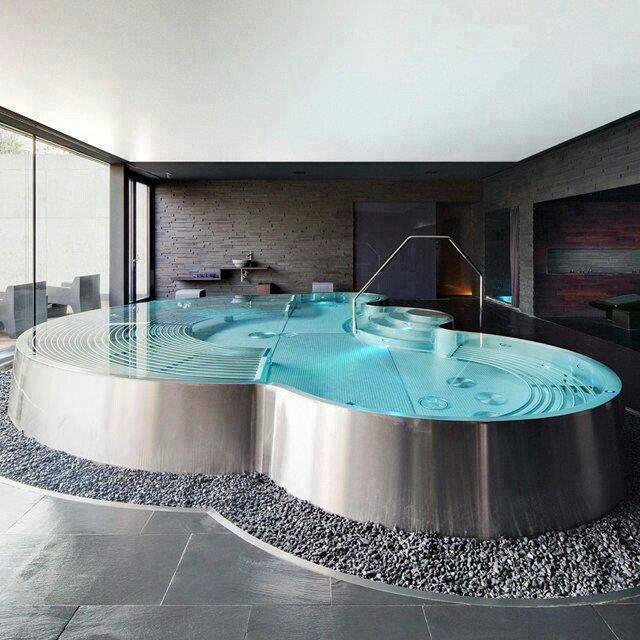
Materials that survive wet air
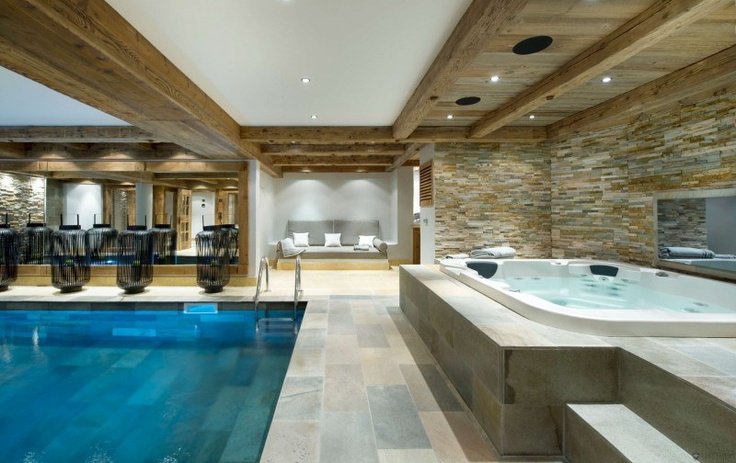
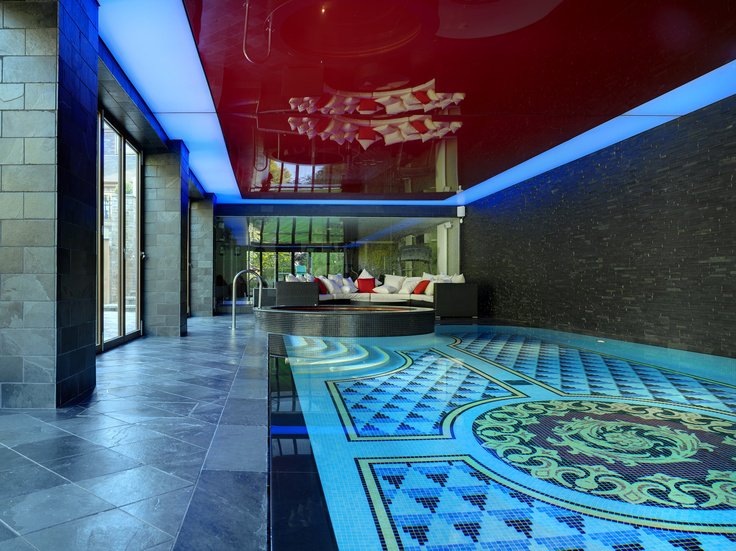
Stone, porcelain, glass mosaic, and sealed wood-look planks dominate because they tolerate splash and cleaning chemicals. Large-format porcelain reduces grout lines and visual noise. Mosaic on the waterline can add a jewelry edge without covering every surface. Dark stone makes the water read deeper; pale limestone or travertine keeps the mood Mediterranean even under northern skies.
Metal appears as railings, ladder frames, and window mullions. Bronze and black steel warm a modern shell; chrome can tip toward clinical if overused. Soft furnishings—loungers, towels, a single bench—should be sparse. Clutter kills the reflective calm that makes these rooms feel expensive in photographs.
Acoustics surprise first-time owners. Hard rooms amplify splash and conversation. Soft panels high on walls, fabric in adjacent lounges, and water features tuned to a low murmur can keep the space from sounding like a natatorium. What you hear is part of what you see: calm rooms photograph calmer when they are not echoing.
Types of indoor water rooms
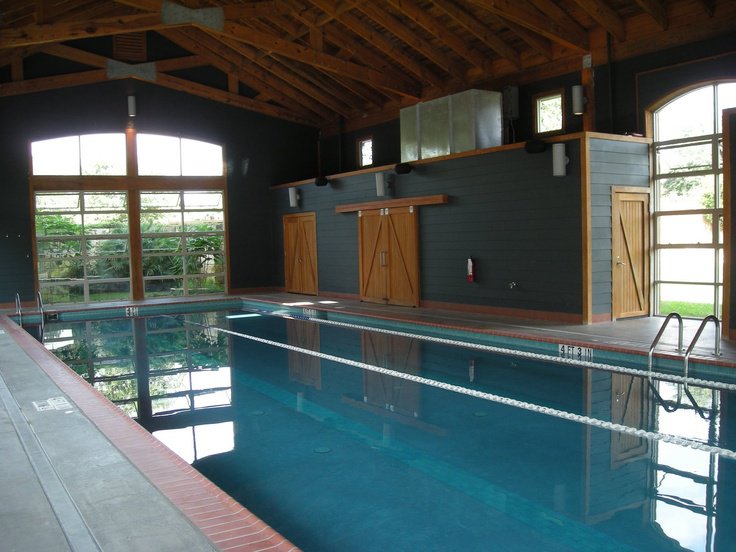
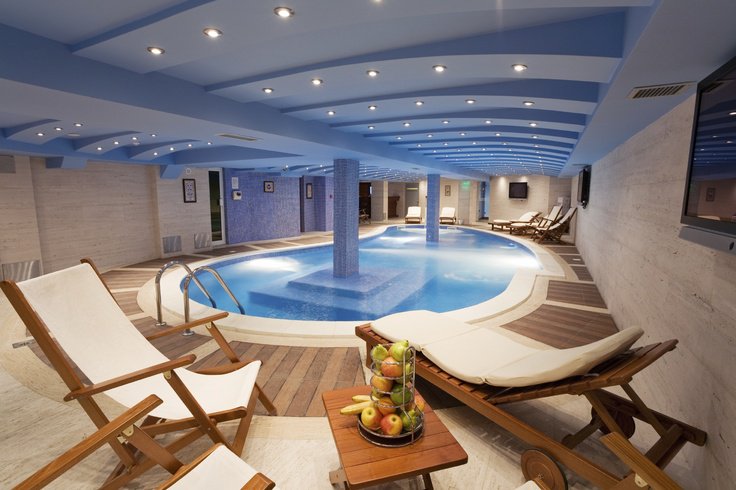
Not every pool in the set wants the same job. Lap pools are long, narrow, and serious about exercise—architecture becomes a corridor of water. Plunge and spa hybrids prioritize immersion and seating ledges; the room can be smaller if the finishes are richer. Resort-style rectangles with shallow beaches invite floating and conversation more than serious training.
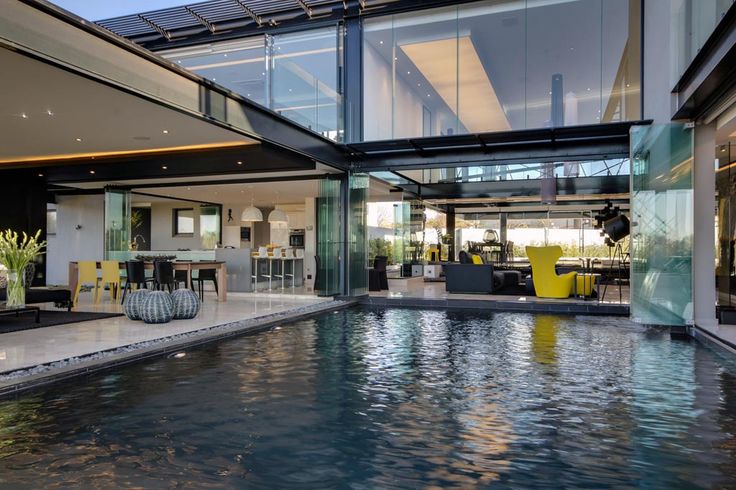
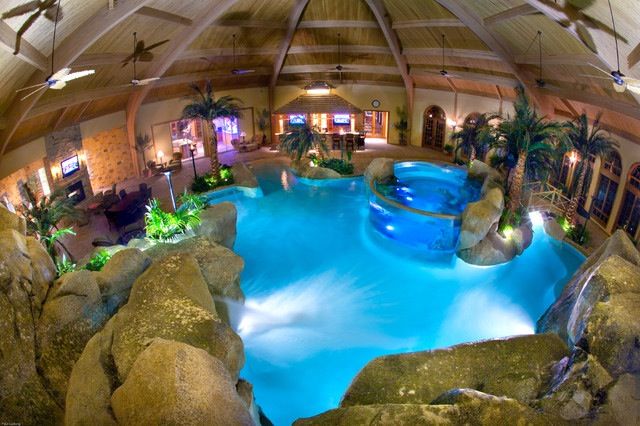
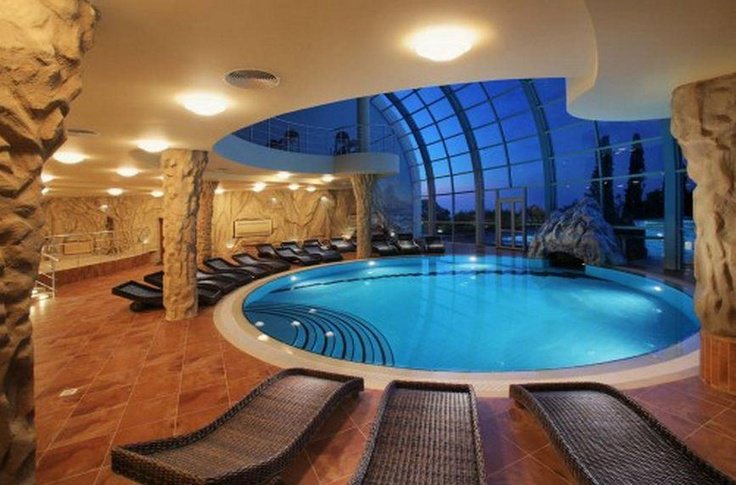
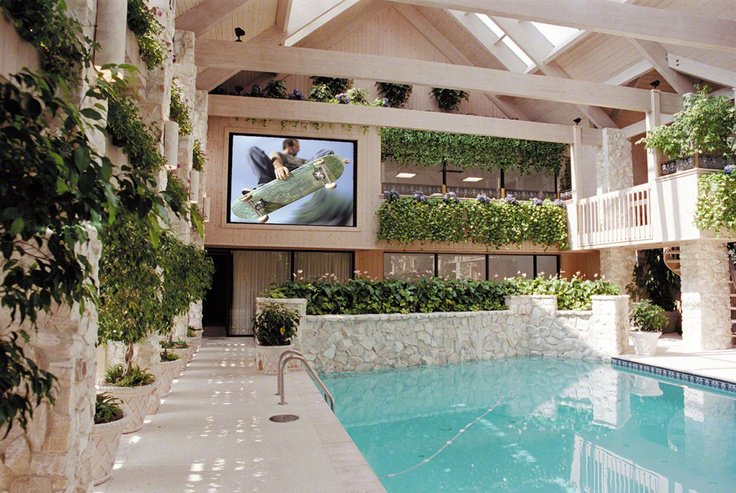
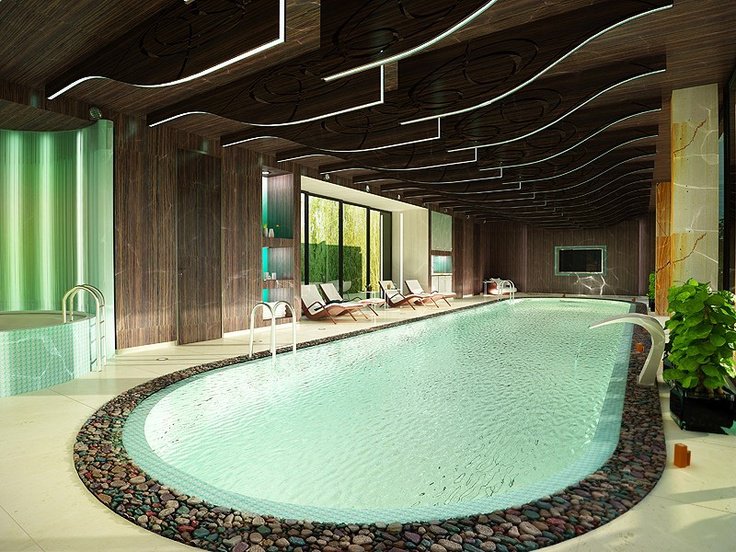
Some interiors push indoor-outdoor continuity: a movable glass wall, a shared deck material, or a pool that seems to continue under a sill. Others embrace cocooning—solid walls, cove lighting, and a cave-like quiet that suits cold climates. Both can look magnificent. The failure mode is mixing them: a dark cave with tiny windows that still tries to pretend it is a tropical pavilion.
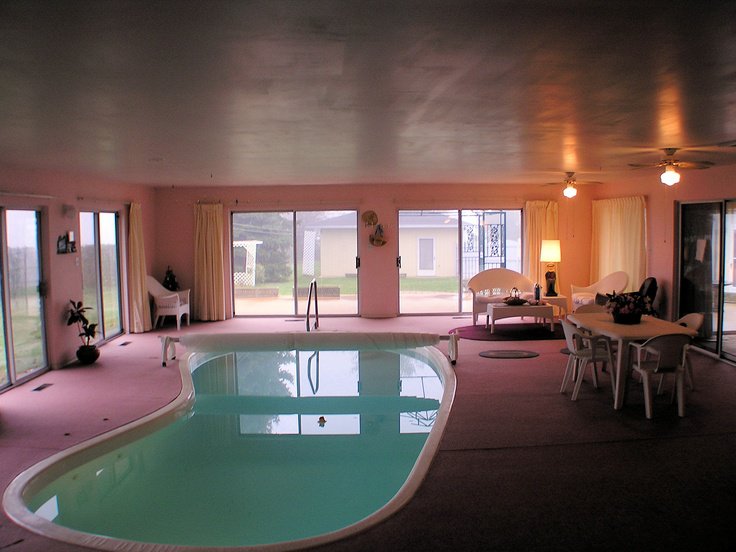
Family programs change the brief again. A shallow play shelf, a raised spa, or a parallel cold plunge can sit beside the main basin without destroying elegance if the edges align and the tile story stays singular. The photographs that feel most “designed” usually limit themselves to one geometry language—rectangles with rectangles, or soft curves with soft curves—rather than a theme-park medley.
Lighting after sunset
Daylight is generous; night design is the real test. Underwater LEDs turn the basin into a luminous block. Cove lights along the ceiling wash walls without glare on the water surface. Pendants over a lounge corner should sit far enough from splash zones to feel intentional, not accidental. Avoid a grid of bright downlights that flatten every surface into a showroom.
Reflection doubles fixtures. Place one beautiful lamp and you may get two. That can be poetry or clutter. The cleaner schemes in this gallery often hide sources: slots, niches, and soft uplights. When you see a photograph that feels cinematic at night, check whether the water is the brightest object—usually a good sign.
Color temperature should agree with the finishes. Warm stone loves warm lamps; cool gray porcelain can handle cooler whites if skin tones in the lounge still feel human. Tunable systems help houses that swim at dawn and entertain at ten, but even a simple dimmer paired with underwater glow can transform the same architecture from athletic to ceremonial.
Circulation, safety, and the invisible work
Beautiful decks still need grip. Honed stone and textured porcelain beat polished marble near the waterline. Stairs into the pool should be wide enough to read as design, not apology. Glass barriers protect drops without blocking views; solid half-walls can hide equipment doors and towel storage.
What you do not see matters: dehumidification, vapor barriers, corrosion-resistant fixtures, and plant rooms that keep the architecture honest. Photographs erase that labor, which is why these rooms look effortless. If you are dreaming toward a home project, let the gallery inspire finish and proportion—and budget for the engineering that keeps the dream dry upstairs.
Door swings, towel paths, and a place to drip without crossing living-room rugs are humble details that separate magazine rooms from livable ones. The best interiors in this set quietly solve those paths: benches near entries, niches for robes, floors that slope with intent rather than with apology.
Reading the gallery like a designer
As you move through the remaining frames, compare three things only: water color against tile, ceiling height against pool length, and how much furniture the photographer allowed. The quieter rooms usually win. A single chaise, a potted tree, a folded towel stack—enough life to prove the space is used, not so much stuff that the reflection breaks.
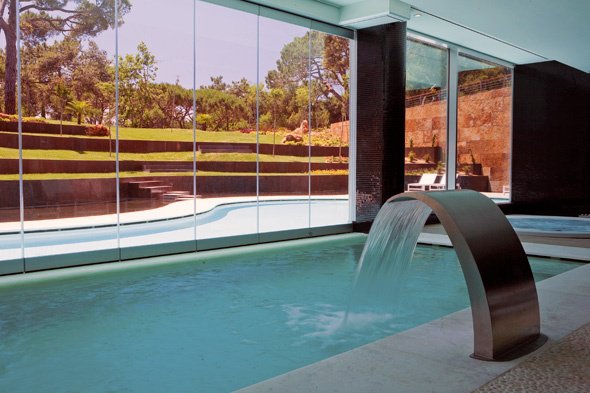
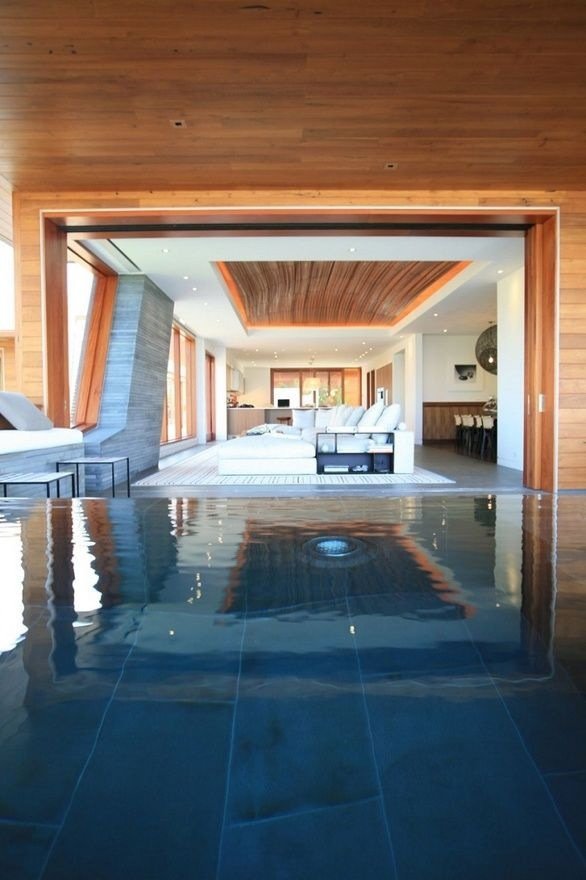
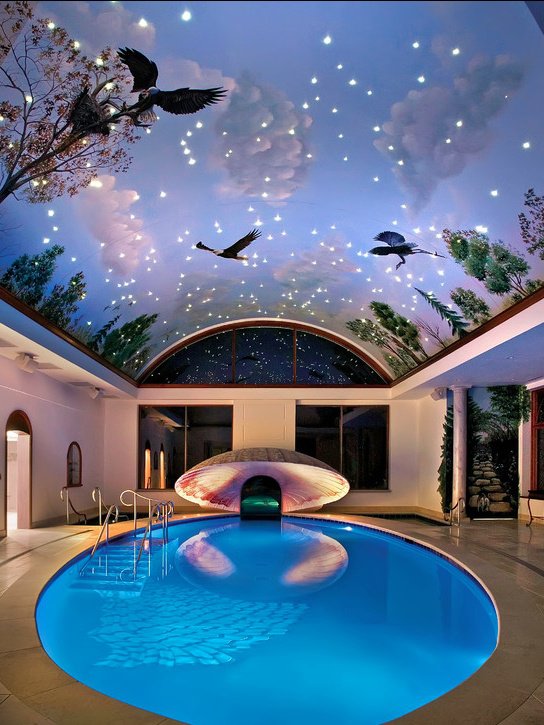
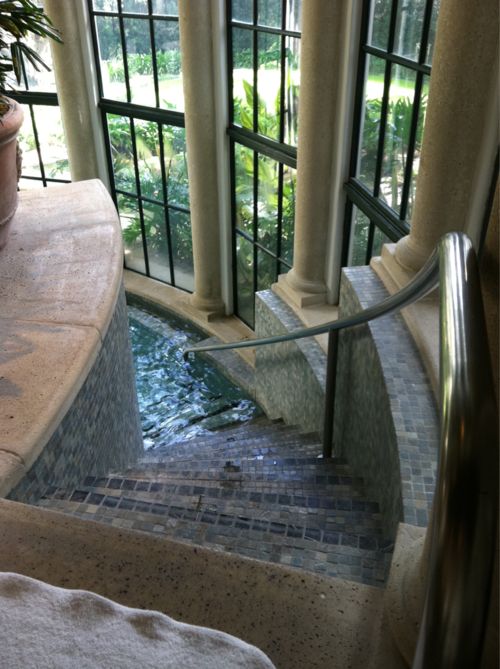
- Note the glass strategy: wall, roof, or both.
- Check whether the deck material continues outdoors.
- Count visible light sources at night moods.
- Ask what one object you would remove to calm the room further.
- Decide whether the pool’s job is lap, plunge, or social float—and whether the architecture agrees.

Comments
Continue reading
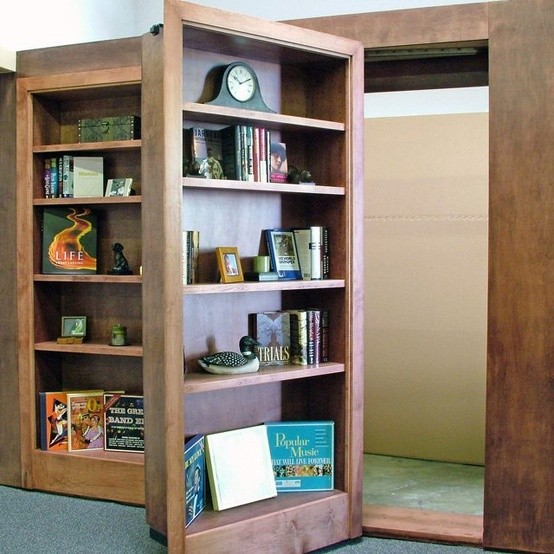
Bookcase Design Ideas: Hidden Doors, Built-Ins, and Sculptural Shelving
From hidden bookcase doors to freestanding towers and quiet built-ins—design ideas that balance storage, scale, styling, and everyday use.
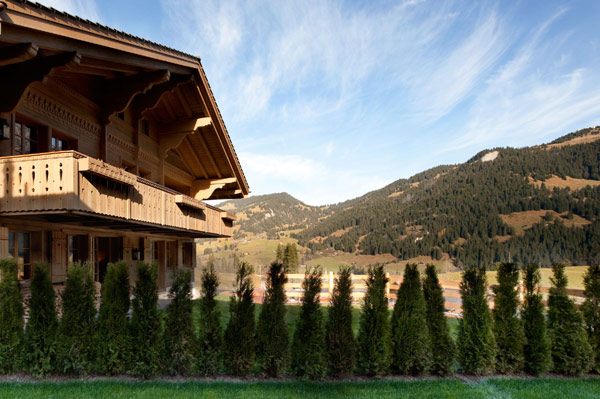
Chalet Gstaad by Ardesia Design and Amaldi Neder Architects
A 380 m² Swiss Alps holiday lodge where rough-sawn timber, long fir floors, fabric headboards, and mineral bathrooms replace alpine kitsch with quiet warmth.
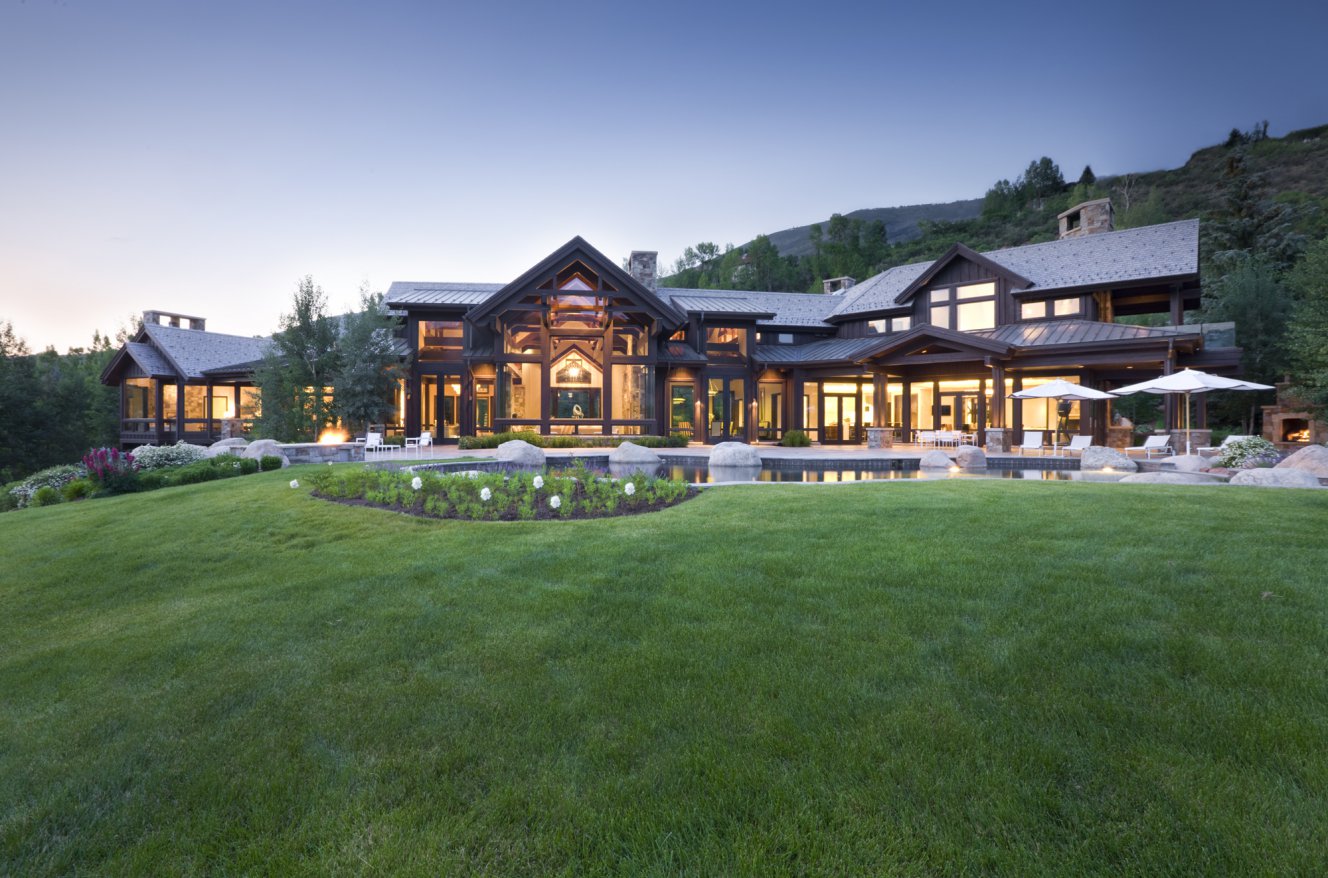
Willoughby Way by Charles Cunniffe Architects in Aspen
Heavy timber, stone, and glass on Aspen’s Red Mountain—Charles Cunniffe Architects’ Willoughby Way as a mountain-modern house of volume, views, and hospitality.