
Pool Noodle DIY Ideas Kids Actually Use
Turn leftover foam noodles into rockets, counters, bed bumpers, soft swords, and outdoor course markers—with safety notes and a short project checklist.
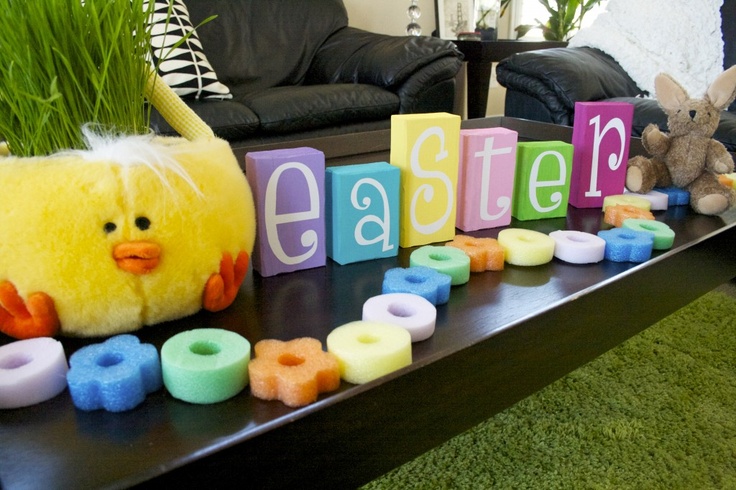
When pool season ends, foam noodles often end up in a garage corner or a trash bag. That is a waste of a material kids already understand: bright, soft, cheap, and easy to cut. With a utility knife, scissors, tape, and a little supervision, the same tubes that floated in July can become toys, learning tools, and small safety bumpers for the rest of the year.
Pool noodles are closed-cell foam cylinders with a hollow core. They float, they cushion impact, and they slice cleanly with a sharp blade. Those three traits drive almost every kid-friendly reuse. You do not need a workshop—only a clear table, adult help for cutting, and enough noodles that nobody fights over the last blue one.
Safety before the craft table
Foam scraps are tempting chew toys for toddlers and pets. Keep cut pieces larger than a choke-hazard size for young children, and sweep the floor before anyone sits down. Use a sharp knife on a cutting board rather than sawing with scissors; ragged foam tears and sheds more. Avoid hot glue guns near kids’ fingers—double-sided tape, duct tape, or a low-temp glue used only by an adult usually holds well enough for play.
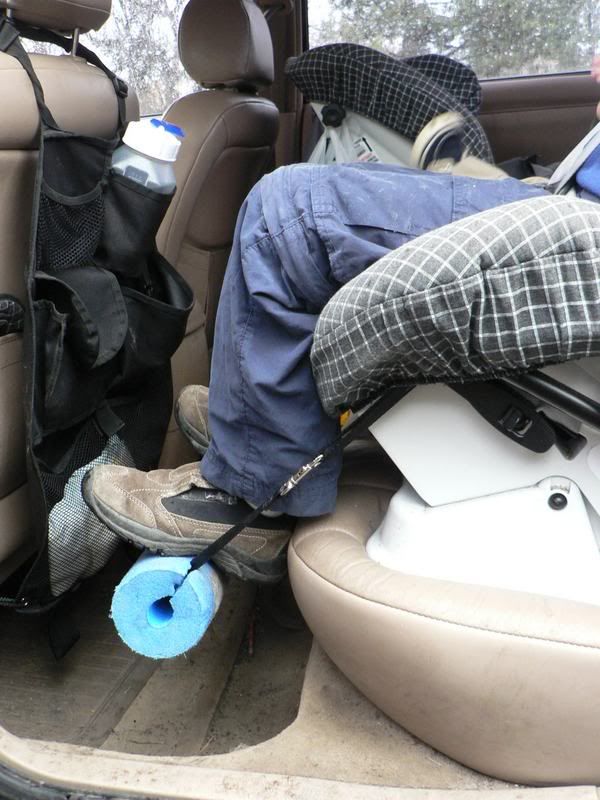
Noodles are not structural lumber. They can pad a bed rail or soften a doorway corner, but they should never replace a crib rail, car seat, or certified helmet. Think of them as soft props and light organizers, not load-bearing parts.
Toy rockets and flying foam
Cut a noodle into short lengths, tape a cone of cardstock or scrap paper over one end, and you have a hand-thrown rocket. Kids can decorate the body with markers or stickers. For indoor play, aim for soft landings on a rug and keep flight paths away from lamps. A longer piece with fins taped near the base becomes a “missile” for backyard target games—paper plates taped to a fence work fine as targets.
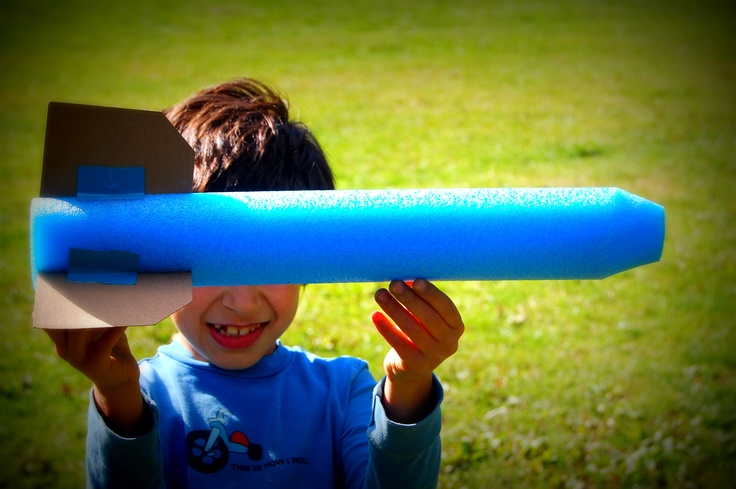
If you want a launch pad, slide a short noodle over a broom handle stuck in the ground. The foam sleeve keeps the handle from scraping small hands and gives the rocket a clear vertical start. The project teaches simple aerodynamics without needing kits or batteries.
Counting frames and early math
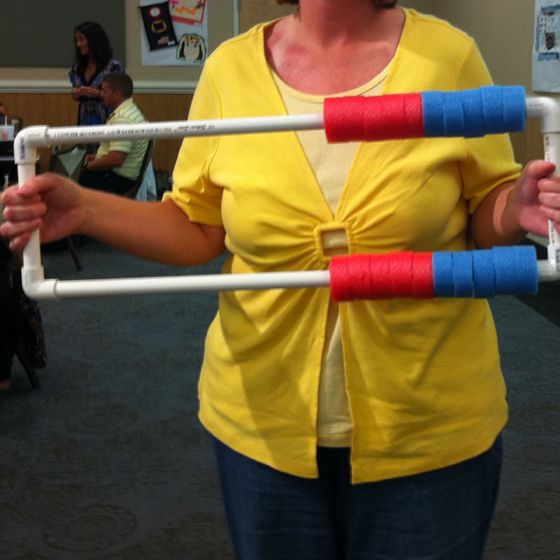
An abacus-style counter is one of the most useful classroom-style builds. Thread colorful beads, pasta tubes, or sliced noodle rings onto a dowel or a length of cord stretched between two uprights. Alternately, cut thin rings from several noodles and stack them on vertical sticks planted in a foam base or a shoe box. Kids slide pieces while counting, grouping by tens, or sorting by color.
Label each rod with a number card. That turns free play into a quiet math station you can set up on a kitchen table. Because the foam is quiet, it works well in apartments where wooden toys clatter.
Bed rails, bumpers, and soft edges
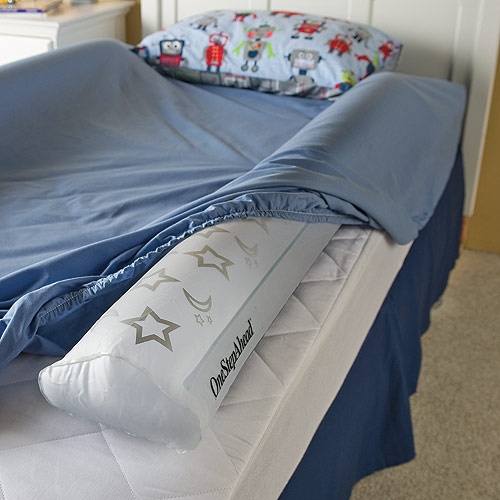
Many parents use noodles as temporary bed-edge bumpers. Split a noodle lengthwise with one careful cut, then wrap the half-cylinder over the side rail of a toddler bed and secure with zip ties or fabric tape. The foam raises a soft lip that helps restless sleepers stay on the mattress. Check fit every few nights—kids kick hard, and tape loosens.
The same half-cylinders pad sharp coffee-table corners, stair newel posts, or the metal frame of a bunk ladder. Replace pieces when foam compresses flat or tears. For doorways, short vertical sleeves on both sides of a frame soften collisions during chase games—useful in basement playrooms where kids run hard.
Swords, lightsabers, and soft weapons
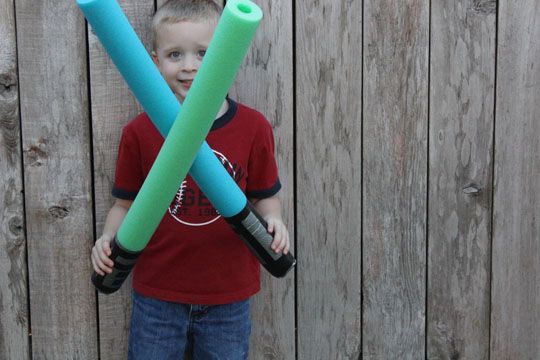
Cut noodles into sword lengths, wrap the grip with tape for grip, and mark “blades” with contrasting tape stripes. Establish house rules first: no face hits, no hard swings at pets, and stop when someone says stop. Soft foam weapons let kids role-play without the bruises that come from sticks.
For a dual-color saber look, tape two short noodles end to end or slide a thinner pool float inside a wider sleeve if you have mixed sizes. Store them in a tall laundry basket so blades do not become hallway trip hazards.
Obstacle courses and active play
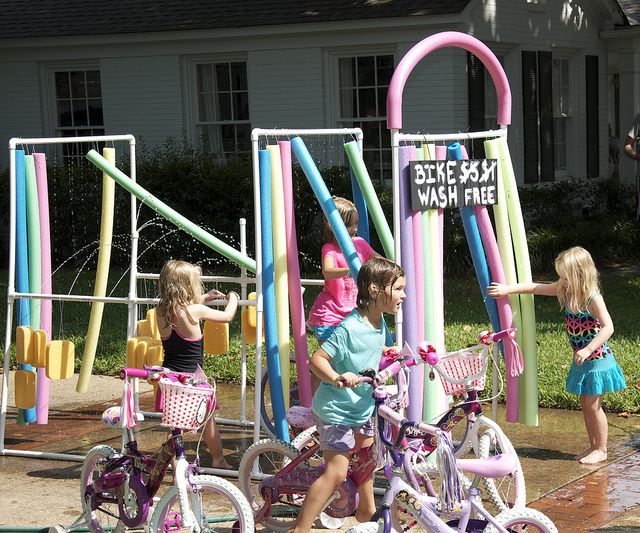
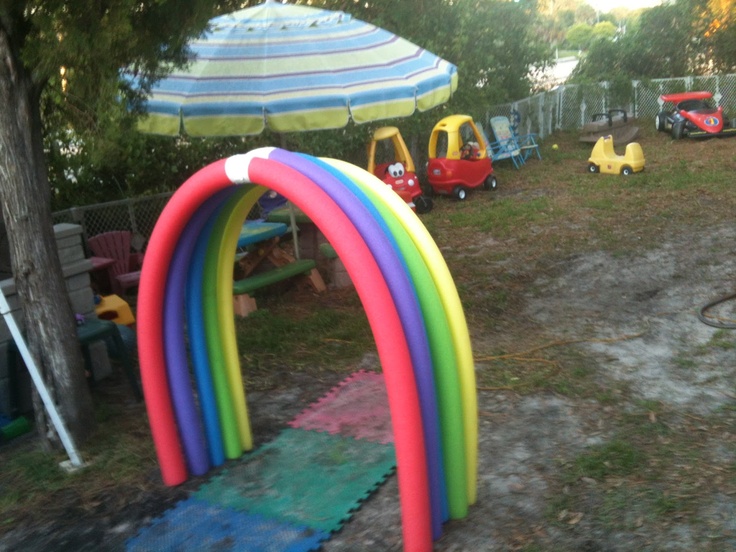
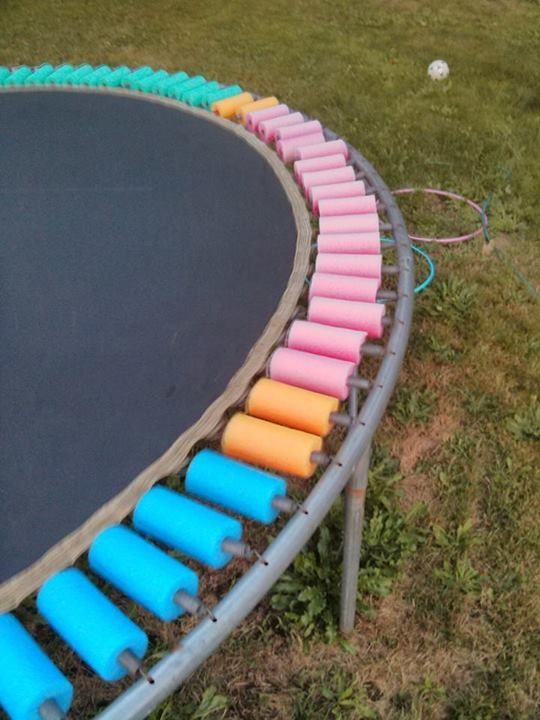
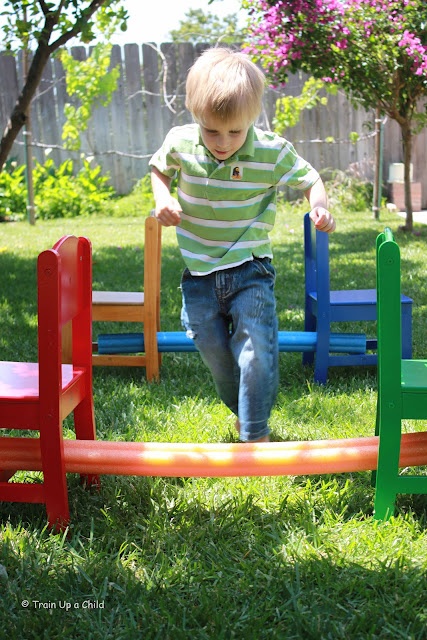
Noodles shine outdoors as course markers. Arch two noodles into a tunnel by sticking ends into the grass or into sand buckets. Lay others as balance beams for kids to walk heel-to-toe. Thread several onto a rope between chairs to make a limbo bar that flexes safely when someone bumps it.
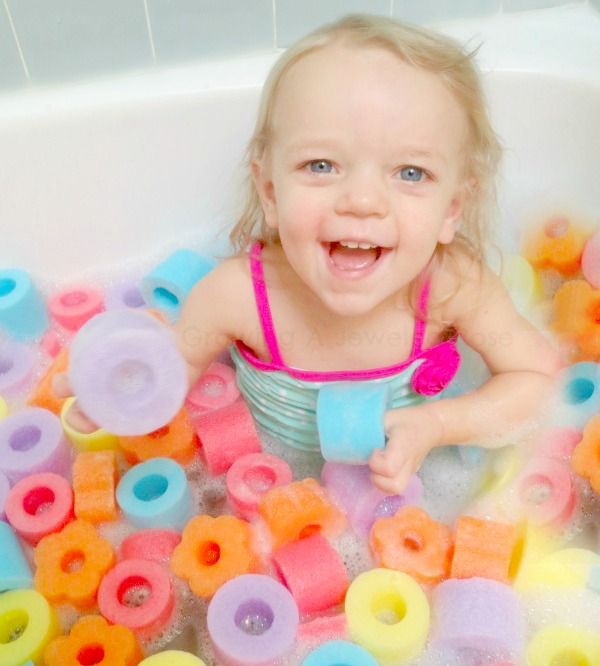
Water days do not have to end when the pool closes. Fill a kiddie pool or use a sprinkler, then float noodle rings as tossing targets. Cut short segments into “fish” shapes with a marker face and let kids scoop them with a net. The foam stays soft when wet and dries quickly on a fence rail.
Building blocks and marble runs
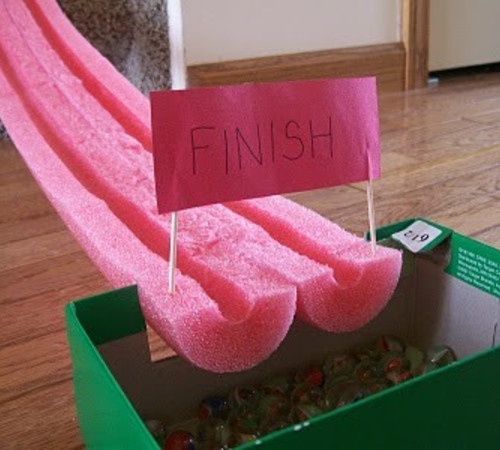
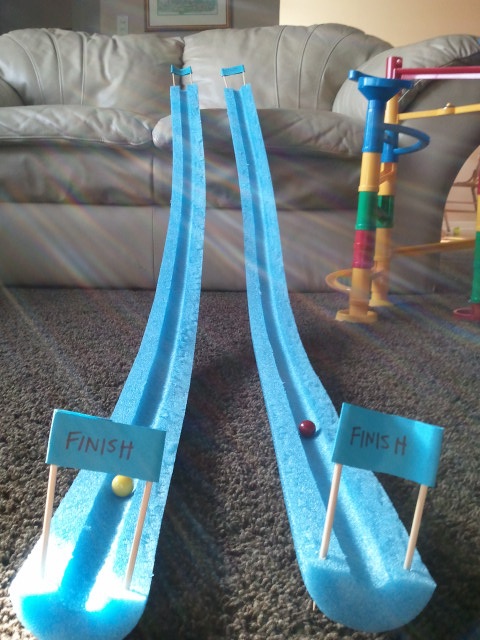
Slice noodles into rings of different thicknesses. Kids stack them like coins, sort them by height, or build towers that wobble in interesting ways. Tape longer troughs into channels for marbles or toy cars—the hollow core becomes a tube when you leave pieces whole, or a half-pipe when you split them.
Tape a series of half-pipes to a cardboard ramp for a simple marble run. Change the angle and watch how speed changes. That kind of play introduces cause and effect without a printed STEM kit.
Costumes, hats, and party props
A circle of noodle becomes a halo, a ring toss crown, or the brim of a silly hat when you add paper cones. Short tubes taped to a headband make antennae. For birthday parties, cut dozens of rings as cheap napkin rings or place markers. Color-code teams with noodle armbands for relay races.
If you host a backyard movie night, noodle “microphones” and foam cameras made from boxes plus noodle lenses keep younger siblings busy while older kids watch. Props that look ridiculous photograph well and cost almost nothing.
Room helpers and quiet organizers
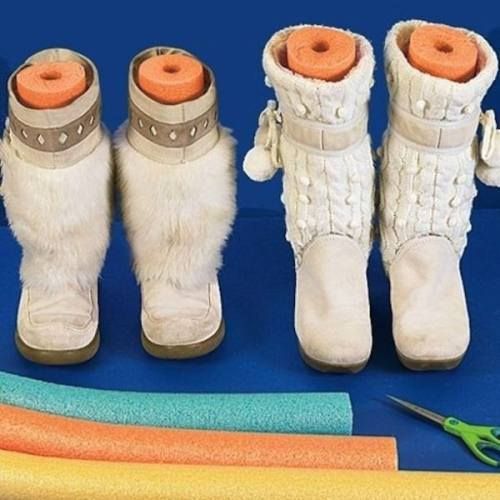
Beyond toys, noodles organize small spaces. Split lengths become drawer dividers for markers. Whole noodles cut to shelf width keep rolled posters or wrapping paper from collapsing. In a car, a short bumper between seats can keep a tablet from sliding during turns—again, only as a soft stop, never as a restraint substitute.
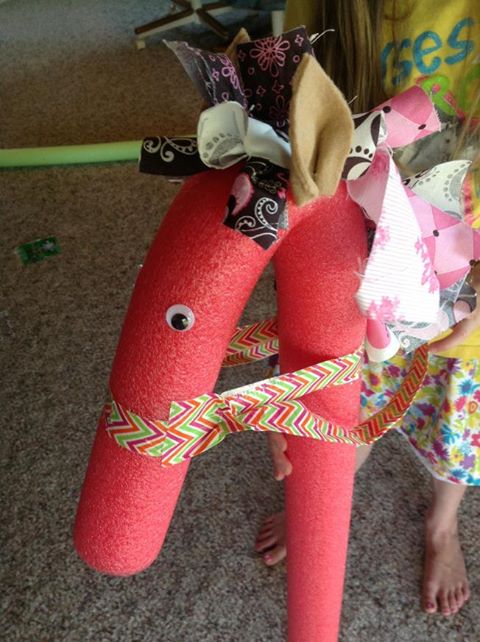
In a playroom, hang noodles on hooks as sword racks or as visual boundaries for “quiet corner” versus “active zone.” Bright colors make rules easier for kids to see without a lecture.
Garden stakes and outdoor helpers
Slide noodles over metal plant stakes so kids do not scratch themselves while watering. Cut rings as soft collars around young stems to discourage trampling. For sidewalk chalk games, use noodle segments as temporary hopscotch markers that will not scratch concrete the way rocks can.
At the beach or park, noodles still float—but they also mark a meeting spot when you plant one upright in sand with a flag taped on top. Visibility matters more than style when a crowd fills the shoreline.
What to keep, what to toss
Foam that is cracked, moldy, or permanently waterlogged belongs in the trash. Clean noodles with mild soap and dry them fully before indoor storage. Store leftovers in a dry bin labeled by length so the next rainy afternoon does not start with a hunt.
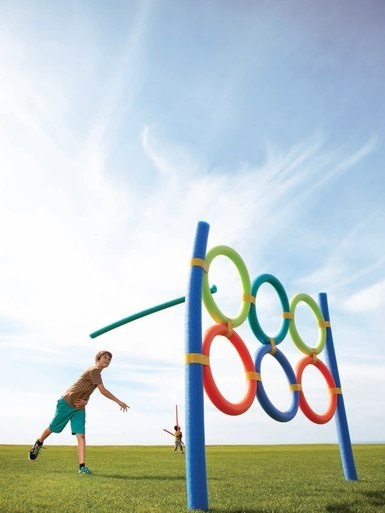
A small stash of three or four whole noodles plus a bag of leftover rings covers most of the projects above. You do not need a specialty craft store trip—only the noodles you already bought for swimming and a willingness to cut them up.
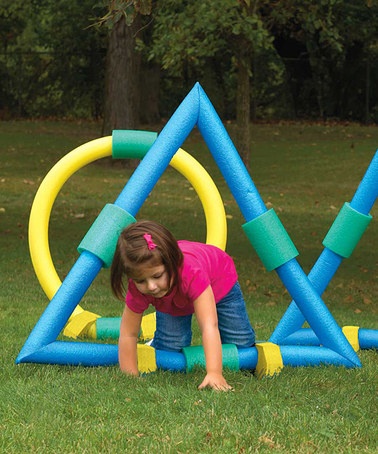
Quick project checklist
- Rockets and soft swords for active play
- Bead or ring counters for early math
- Split-noodle bed and furniture bumpers
- Obstacle arches, limbo bars, and water targets
- Marble channels, stacking rings, and costume props
- Drawer dividers, stake covers, and meeting-spot markers
Pick one afternoon project, finish it before anyone gets bored, and leave the rest of the foam for next weekend. The best pool-noodle reuse is the one a child will actually play with tomorrow—not the most elaborate build on a photo board.

Comments
Continue reading
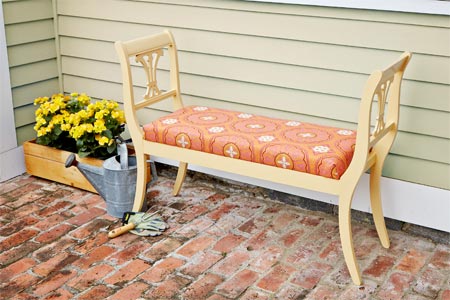
Chair to Bench DIY: How to Turn Old Chairs into Real Seating
Choose matching frames, bridge them with a solid seat subframe, finish for indoor or outdoor use, and build a bench that actually holds weight.
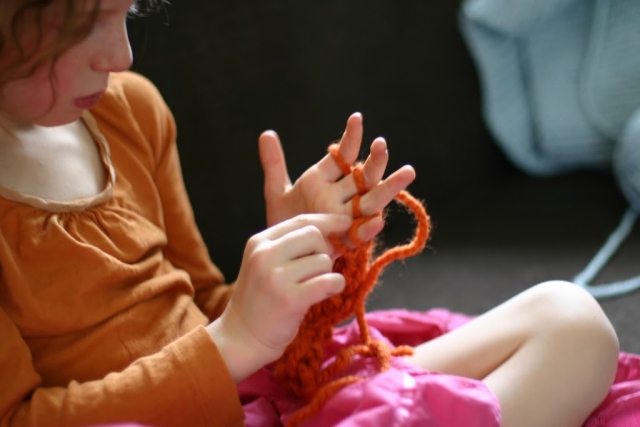
16 Weekend Art and Sensory Activities to Do with Kids
Sixteen kid-friendly weekend projects—finger knitting, potato stamps, sidewalk chalk, slime, rainbow ice, and more—using simple materials and clear setup tips.
9 DIY Picnic Blanket Projects for Parks, Patios, and Beaches
Oilcloth classics, sunburst piecing, patchwork, roll-up straps, geometry, vintage tablecloths, and date-night sizes—nine DIY picnic blankets you can sew (or nearly sew) yourself.