
Red Velvet Cake Varieties: From Donuts to Trifle
A practical variety guide to red velvet—donuts, sandwich cookies, cake pops, mascarpone layer cake, stripes, parfait, trifle, pancake stacks, and cake balls—with reusable base recipes.
Red velvet is more than a layered birthday cake. The same cocoa-kissed crumb and cream-cheese brightness turn into donuts, sandwich cookies, cake pops, parfaits, trifles, pancake stacks, and bite-size balls—formats that suit parties, brunch, and make-ahead desserts. This guide walks through the varieties shown in the gallery with practical method notes so you can choose a project by time, skill, and occasion rather than by whichever photo looks prettiest for five seconds.
At its core, red velvet is a mild chocolate cake tinted red, traditionally finished with a tangy dairy frosting. Buttermilk (or another acid) and a touch of cocoa define the flavor; food coloring or natural alternatives define the color. Once you can bake a reliable base crumb, every variation below is mostly a change of shape and assembly.
A quick base you can reuse
For roughly one standard cake layer or a tray that yields crumbs for pops and balls, whisk dry ingredients: 1¼ cups (155 g) all-purpose flour, 1 tablespoon unsweetened cocoa, ½ teaspoon baking soda, ¼ teaspoon salt. In another bowl, cream ½ cup (115 g) soft butter with ¾ cup (150 g) sugar, beat in 1 egg and 1 teaspoon vanilla, then alternate adding the dry mix with ½ cup (120 ml) buttermilk. Tint with red gel color (start with 1 teaspoon gel; liquid coloring needs more and can thin batter). Bake at 350°F / 175°C until a tester comes out clean—about 20–25 minutes for an 8-inch round, less for thin sheet pans.
Cream-cheese frosting for finishing: beat 8 oz (225 g) cold cream cheese with 4 oz (115 g) soft butter, 2 cups (240 g) powdered sugar, and 1 teaspoon vanilla until smooth. Chill briefly if it softens while you assemble. Mascarpone versions (below) swap part of the cream cheese for mascarpone for a silkier, less tangy finish.
Color tip: gel paste gives vivid red without watering the batter. Natural options (beet powder, reduced beet juice) yield softer, browner reds—still delicious, less neon. Always mix color into the wet ingredients before the last of the flour so you do not overmix.
Red velvet donuts
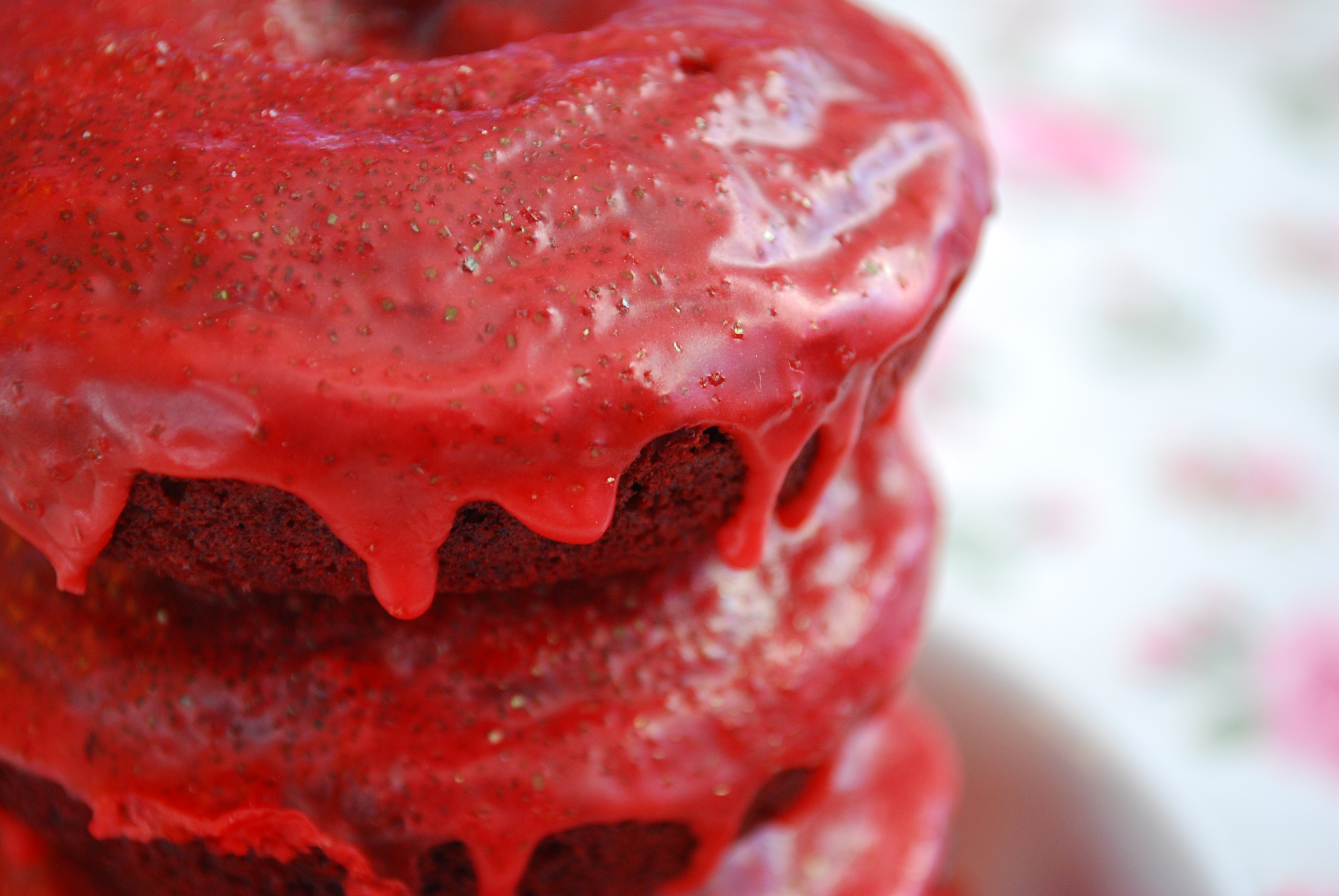
Baked donuts are the fastest “cake but not cake” format. Pipe or spoon batter into a greased donut pan, filling each mold about two-thirds full. Bake 10–12 minutes until springs back. Cool, then dip in a simple icing: powdered sugar loosened with milk or buttermilk, plus a drop of vanilla. For a cream-cheese glaze, thin a few spoonfuls of frosting with milk until dippable.
Donuts stale faster than layer cakes. Bake the day you serve, or freeze unglazed and glaze after thawing. A light crumb coat of glaze seals moisture. Sprinkle with red velvet crumbs, white chocolate shavings, or nothing at all—the photo drama is already in the color contrast.
Cake sandwich cookies
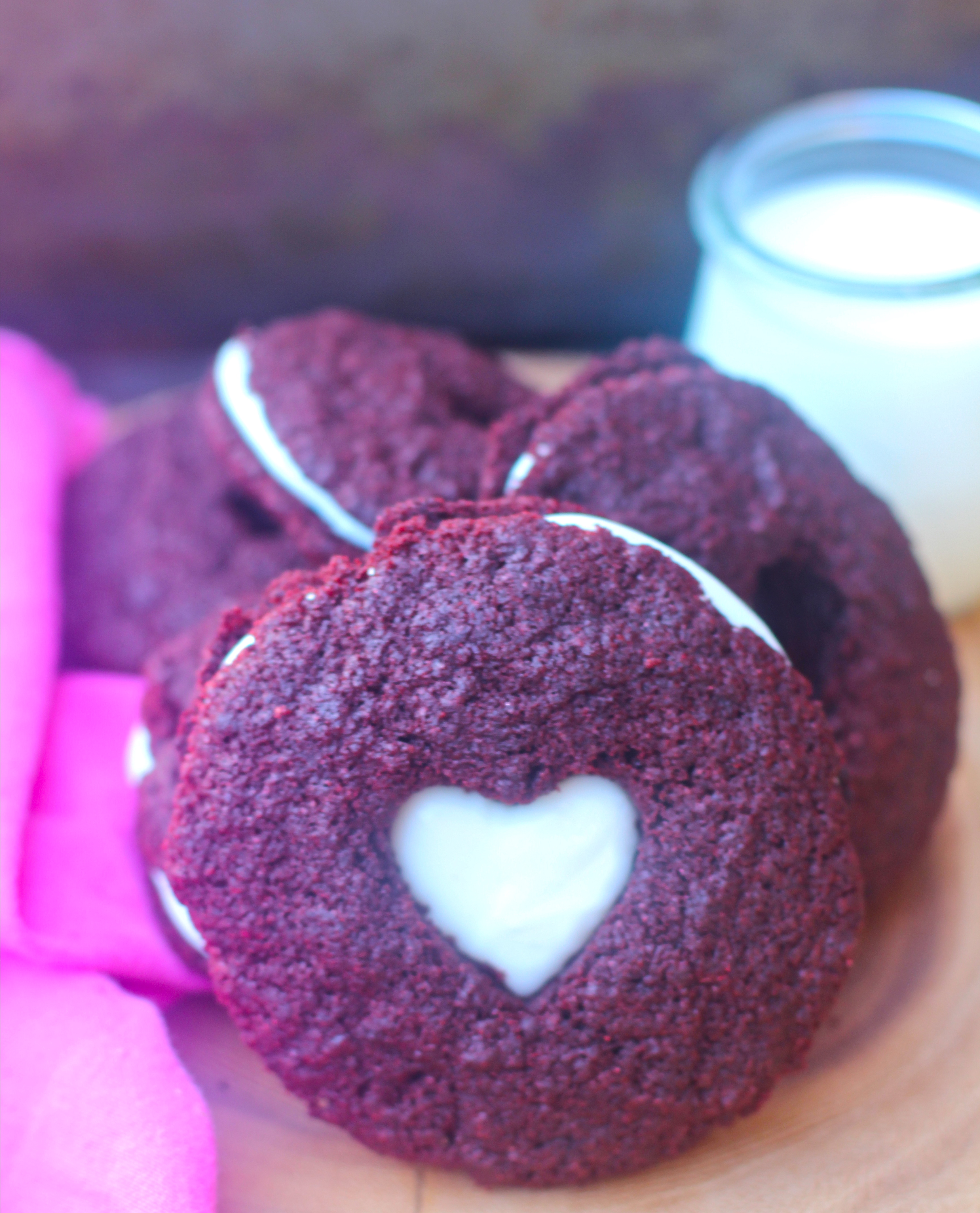
Think whoopie-pie logic: soft red velvet rounds with frosting in the middle. You can use a thick cake-mix-style cookie dough or scoop cooled cake batter onto a sheet for flatter cakes and sandwich after baking. Aim for even sizes so stacks look tidy. Chill filled sandwiches 20 minutes so the filling firms for transport.
Filling options: classic cream cheese, white chocolate ganache cooled to pipeable, or marshmallow fluff folded into buttercream for extra stretch. Keep sandwiches refrigerated if the filling is dairy-based, then bring to cool room temperature before serving so the cake softens again.
Cake pops
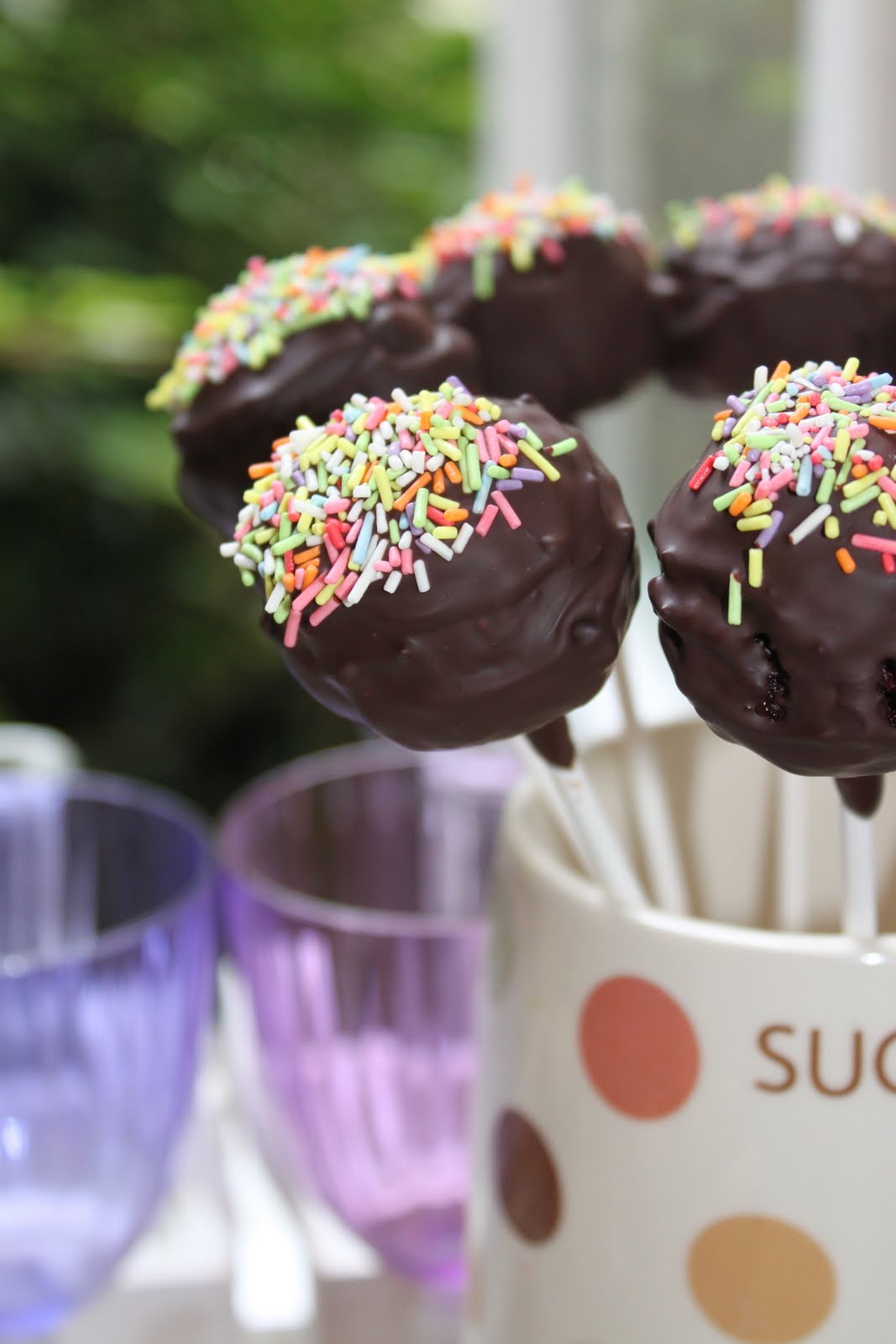
Bake a sheet of red velvet, cool completely, and crumble finely. Mix in just enough frosting to hold a squeeze—too much and pops sag. Roll into balls, chill until firm, dip stick tips in melted candy coating, insert into balls, chill again, then dip fully. Stand in a foam block to set.
Cake pops reward patience more than talent. Cold centers and thin coating prevent cracks. If the coating thickens, warm gently; if it is too thin, stir in more melted wafers. Decorate while the shell is still tacky. Store cool, not steamy.
Layer cake with mascarpone cream-cheese icing
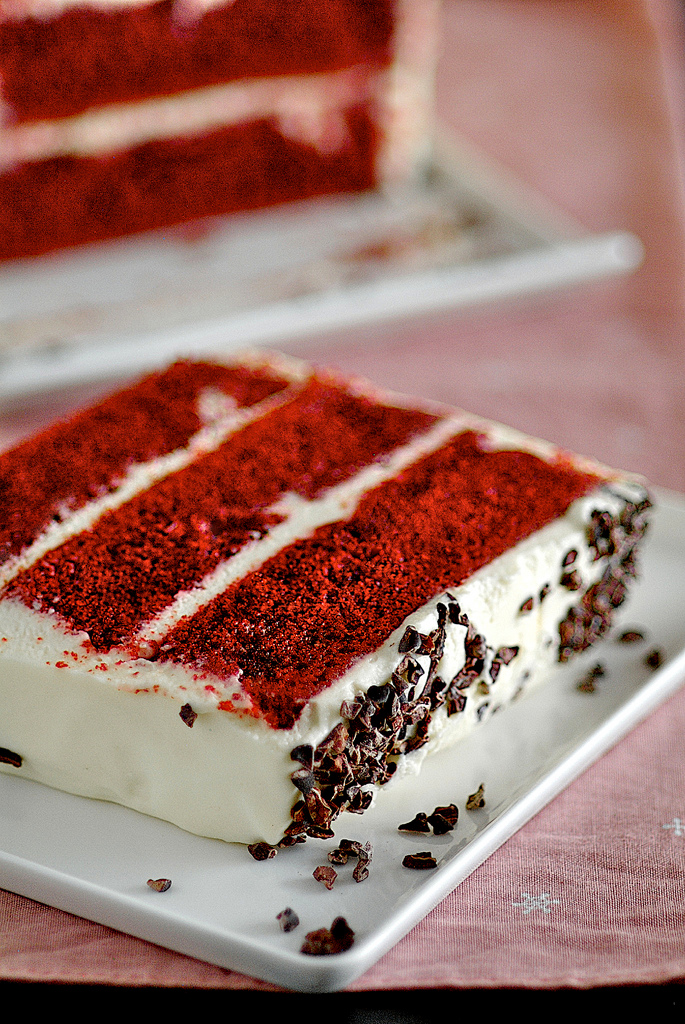
This is the celebration centerpiece. Bake two or three even layers, cool, and level if needed. For mascarpone icing, beat 4 oz cream cheese with 4 oz mascarpone, 4 oz soft butter, powdered sugar to taste (start with 1½ cups / 180 g), and vanilla. Mascarpone softens quickly—keep the bowl cool and do not overbeat or it can loosen.
Crumb-coat, chill 20 minutes, then finish. A naked or semi-naked finish shows the red layers and suits rustic tables; a full coat looks classic for birthdays. Between layers, a thin smear of jam (raspberry or cherry) is optional and cuts sweetness. Serve slightly cool so slices hold, but not fridge-cold if you want the crumb tender.
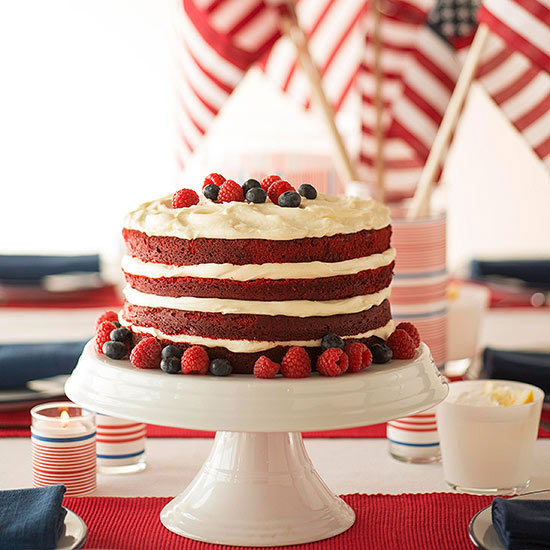
Striped red velvet cake
Stripes usually mean alternating red velvet and vanilla (or white) batters in one pan, or stacked thin layers of contrasting cakes. For batter stripes in a loaf or bundt, spoon alternating dollops and swirl once with a knife—once, not twenty times, or you get marble mud. For dramatic horizontal stripes, bake thin sheet layers of each color, cut rounds or rectangles, and stack with frosting.
Holiday tables love red-and-white stripes. Keep flavors related: both batters should share vanilla and a similar sweetness so one stripe does not taste like a different dessert. Chill the stacked cake before the final coat so layers do not slide.
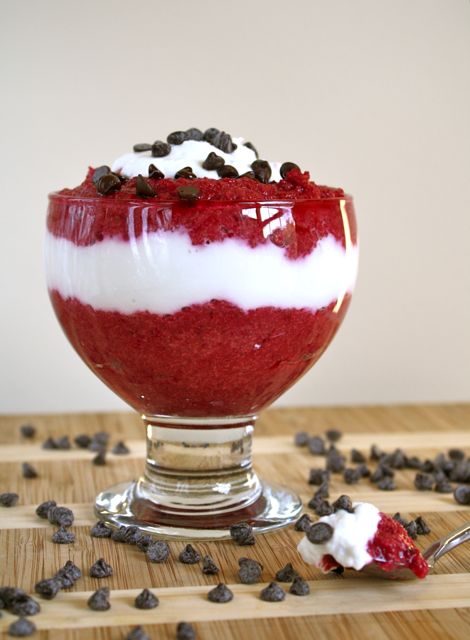
Parfait
Parfaits are weeknight-friendly: cubes or crumbs of red velvet layered in glasses with whipped cream or cream-cheese mousse, maybe berries or chocolate shavings. No carving skills required. Use day-old cake; slightly dry crumb soaks cream beautifully.
Build just before serving if you want distinct layers, or an hour ahead if you prefer a softer, trifle-like soak. Clear glasses sell the color. For a lighter glass, alternate full-fat Greek yogurt sweetened with honey and a spoon of frosting whipped with cream.
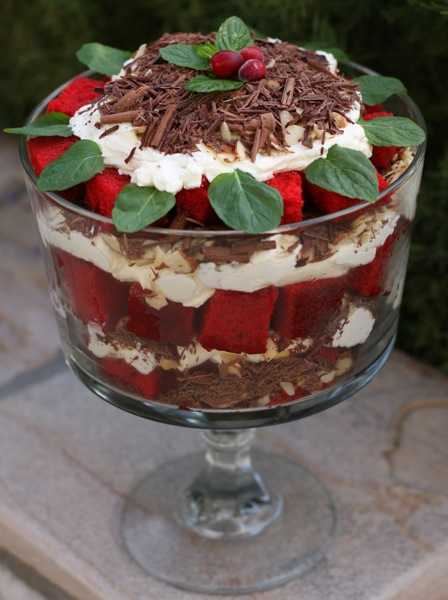
Trifle
Trifle is parfait’s big sibling. In a deep bowl, layer cake cubes, cream or custard, and fruit or chocolate. Red velvet loves cherries, raspberries, or sliced strawberries. A splash of liqueur on the cake is optional for adult tables; milk or simple syrup works for everyone else.
Make trifles a few hours ahead so flavors marry, but not so far ahead that everything turns to mush—overnight is fine if your cream is stable. Serve with a long spoon. Leftovers keep refrigerated a day; the top cream may weep slightly—refresh with a dollop of fresh whipped cream if needed.
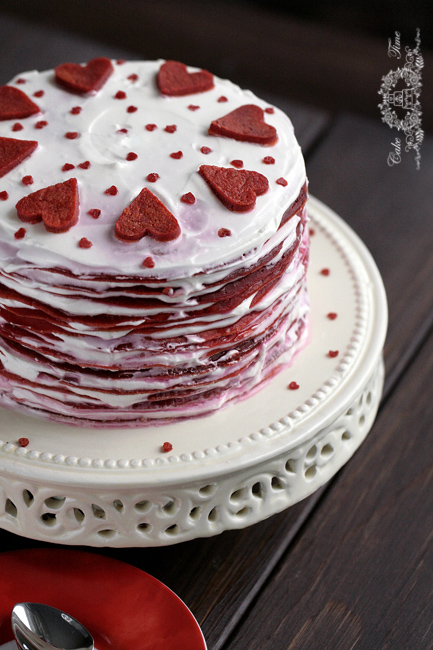
Multi-layer pancake “cake”
Red velvet pancakes stacked with cream-cheese frosting or sweetened mascarpone become a brunch showpiece. Add cocoa and red color to your favorite buttermilk pancake batter; cook on a lightly greased griddle over medium heat so the outsides do not scorch before the centers set. Cool pancakes completely before stacking or the frosting melts into soup.
Keep layers thin and even. Chill the finished stack 15 minutes before slicing with a sharp knife wiped between cuts. Serve with berries rather than heavy syrup so the cocoa-cream balance stays clear. This format is ideal when you want the look of a tall cake without turning on the oven for hours.
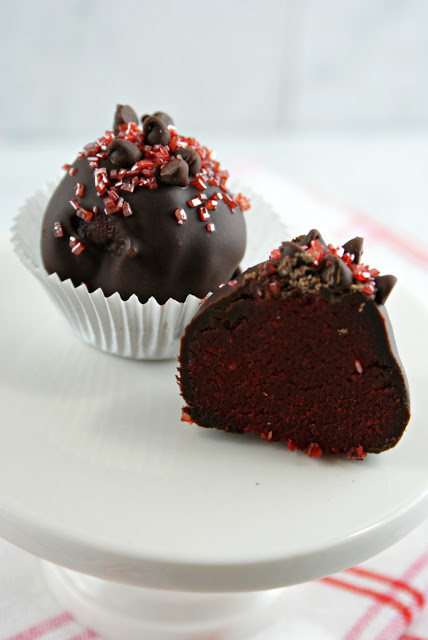
Cake balls
Cake balls are cake pops without sticks—easier for platters and kids’ hands. Mix crumbs with frosting, roll, chill, then coat in white chocolate or candy melts. Set on parchment. Flavor the coating with a whisper of vanilla or leave it plain so the red velvet stays the star.
For neat gift boxes, keep diameters consistent with a small scoop. A fork dip works if you dislike sticks: drop a ball in coating, lift with a fork, tap off excess, slide onto parchment with a second fork. Refrigerate until firm; serve cool.
Which variety should you bake first?
- Least time: parfait from leftover cake, or donuts if you own the pan.
- Best for gifting: cake balls or pops.
- Best for a crowd: trifle.
- Best centerpiece: mascarpone-iced layer cake or striped stack.
- Best brunch flex: pancake cake.
- Best lunchbox treat: sandwich cookies.
Whatever you pick, cool components fully before frosting, taste your coloring in a tiny batter test if you are nervous about bitterness from too much liquid dye, and salt your frosting lightly—red velvet’s charm is the contrast between soft cocoa crumb and bright, barely salty cream. Start with donuts or a parfait if you want a win this weekend; save the striped layer cake for when you have an afternoon and a clear counter.

Comments
Continue reading
Healthier Summer Cocktail Recipes You Can Mix at Home
Clear criteria, fresh-ingredient recipes—from daiquiri to cucumber margarita—and a straightforward responsible-drinking note for warm-weather home bartending.
Cool Non-Alcoholic Drink Recipes for Hot Days
Alcohol-free coolers for hot weather: jal jeera, iced teas, strawberry lemonade, peach coolers, agua fresca, milkshakes, cordials, and homemade sodas.
Antioxidant-Boost Fruit Salads for Breakfast, Lunch, and Summer Desserts
Easy fruit salad ideas built around berries, citrus, tropical mixes, yogurt, and savory-sweet plates—fresh summer bowls without the outbound recipe spam.