
Shoe Storage & Organization Solutions
Practical closet and hallway shoe storage—triage pairs, use vertical space, and set simple entry rules without a product hard-sell.
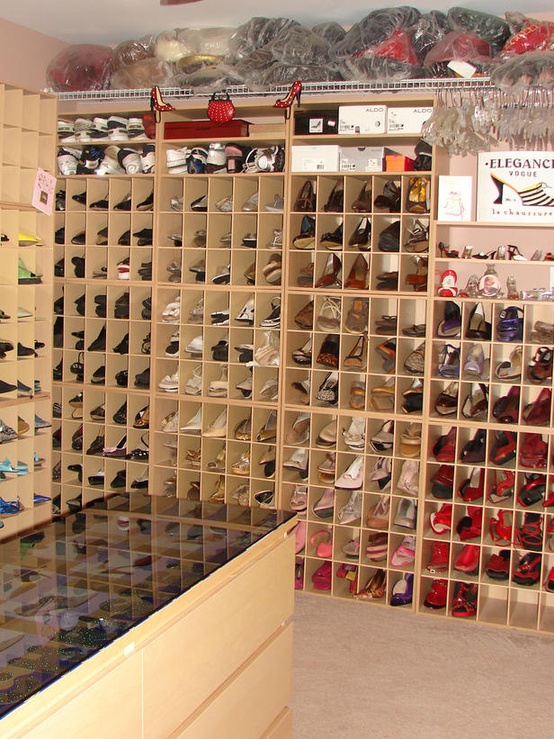
Shoes are small individually and chaotic as a group. They migrate to doorways, multiply under beds, and turn hallway floors into obstacle courses. Organization solutions do not require a renovation or a shopping binge; they require a clear decision about where shoes live, how many pairs deserve that real estate, and what kind of access your household actually needs. The ideas below focus on closets and entry zones—the two places shoe clutter most often wins—using the storage approaches illustrated in the photos here as visual anchors rather than product pitches.
Start with a count, not a catalog
Before you buy a single rack, inventory what you own in three piles: everyday, occasional, and rarely worn. Everyday pairs need the easiest reach—eye level or near the door. Occasional pairs can sit higher, deeper, or in a bedroom closet. Rarely worn pairs either earn a seasonal box or leave the house. This triage is unglamorous and more effective than any clever shelf. A beautiful organizer filled with shoes you never wear is still clutter; it is only tidier clutter.
Household size changes the math. Two adults with four seasons of boots need different density than a family of five with sports cleats. Children outgrow shoes quickly, so their storage should favor flexibility—adjustable shelves, clear bins labeled by size—over permanent built-ins. Guests complicate entryways: if you ask people to remove shoes, you need a visible, inviting place for them, or the floor becomes the default rack again within a week.
Closet strategies that actually stick
Closets reward vertical thinking. Floor rows waste the cube of air above; stacked shelves, hanging pockets, and cubbies reclaim it. The tall organizer in the first image shows the logic: pairs stacked or nested in a column keep footprints small while remaining countable at a glance. When you can see every pair, you stop buying duplicates “because you thought you lost them.” Visibility is a maintenance tool, not just aesthetics.
Match the shelf depth to the shoe type. Flats and sneakers tolerate shallow shelves; boots need height or a way to hang so shafts do not collapse. Heel-friendly racks prevent delicate shoes from being crushed under heavier ones. If your closet already has a hanging rod, consider whether shoes belong on the floor at all—hanging organizers free the floor for a laundry basket or vacuum path, which often matters more than maximizing pair count.
Rotate seasonally. In climates with real winters, summer sandals do not need prime hallway real estate in January. A labeled bin on a high shelf or under-bed container keeps off-season pairs clean without demanding daily access. The rotation habit also forces a yearly audit: anything unworn for two seasons is a candidate for donation. Storage systems fail when they become museums.
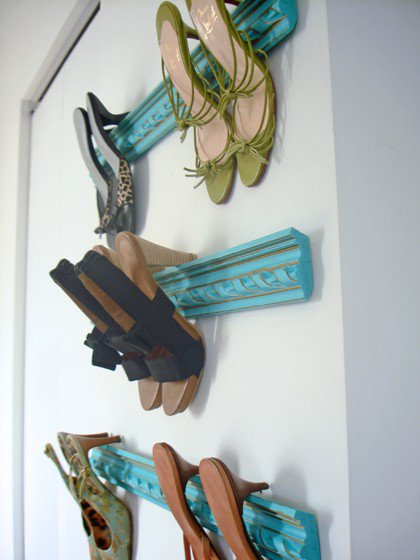
Hallways and entry storage
The entry is where organization either works or becomes theater. A closed cabinet looks tidy and hides visual noise, which helps small apartments feel calmer. An open rack makes grabbing shoes faster and encourages guests to use the system. Choose based on your tolerance for seeing shoes and on how rushed mornings are. If everyone leaves in a hurry, friction kills the habit—open and obvious usually wins over beautiful and fiddly.
Place the station where shoes already drop. Fighting human behavior with a rack three rooms away is a losing design. A narrow console with a low shelf, a bench with cubbies underneath, or a slim tower beside the door can absorb the habitual pile without claiming the whole foyer. Leave a small mat or tray for wet soles so mud does not migrate onto wood floors; organization that ignores weather fails in the first rain.
Think in zones for mixed households. Kids’ shoes lower, adults’ higher. Work boots separate from dress shoes so grit does not travel. If space is truly scarce, a two-pair rule at the door—current outdoor pair plus house slippers—pushes the rest into closet storage. The point is not perfection; it is a rule simple enough that people follow it when tired.
Materials, maintenance, and small-space realism
Wood and fabric organizers warm a room visually; metal and plastic often clean easier after wet winters. Match material to the mess level of your climate and lifestyle. Fabric pockets are excellent for flats and soft shoes but struggle with heavy boots. Wire racks dry well but can leave marks on delicate leather if shoes are jammed. Measure the landing zone before you commit: a rack that blocks a door swing will be abandoned faster than a plain corner pile.
Maintenance is part of the system. Wipe salt and mud before shoes go into enclosed cabinets, or you will invent a smell problem. Stuff boots with paper or formers if they must stand for months. Cedar or silica packs help in damp closets, but airflow matters more than fragrance. Once a month, spend ten minutes reseating pairs that have drifted. Organization is less a one-time project than a light recurring chore—like emptying a dishwasher, not like renovating a kitchen.
For renters, favor freestanding pieces you can take with you: towers, benches, under-bed boxes. For homeowners willing to build, a shallow floor-to-ceiling shoe wall in a mudroom can be transformative—but only after the triage step. Built-ins filled with unused shoes are expensive clutter. Measure pairs, not optimism.
A practical setup sequence
Work in this order: purge and categorize; choose the primary zone (closet versus entry); pick one storage type that matches that zone’s access needs; install or place it where shoes already fall; set a simple household rule (for example, “two pairs at the door, the rest in the closet”); schedule a seasonal rotation. Skip the step where you browse endlessly for prettier hardware. Hardware is support; the rule is the system.
The photos here show two familiar solutions—dense vertical closet storage and a more open rack form. Use them as reminders that shoes respond well to being given a dedicated volume instead of free-range floor rights. When every pair has a home you can see and reach, the hallway stops being a dumping ground and starts being a passage again. That is the real goal: clearer floors, faster mornings, and a house that feels intentional about its smallest, most migratory objects.

Comments
Continue reading
Organized Kitchen Pantry Design Ideas That Actually Work
Zone shelves, choose containers wisely, and use risers, bins, and door space—practical pantry design ideas for real kitchens.
Window Seats That People Actually Sit In
Depth, cushions, storage, and light—how to build or dress a window seat so it becomes a reading spot instead of a dumping ground for laundry.
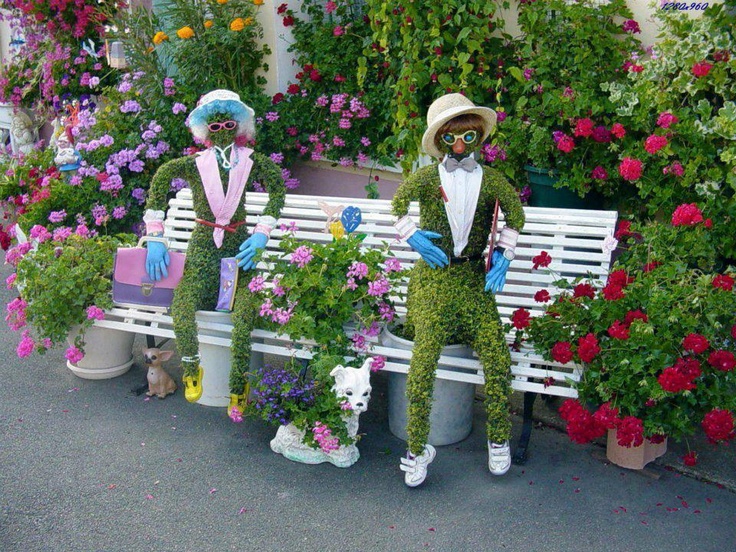
Garden Decoration Beyond Beds: Lace, Mosaiculture, and Upcycled Yard Art
From dressed topiary and floral cyclists to license-plate dragonflies and lace between trees—garden decorations that give a yard a voice.