
Street Style Neon Colours #2: Night Heat Voltage
A second neon chapter for warm evenings and artificial light—signal colour in crowds, shine after dark, and heat-ready saturation instead of spring thaw accents.
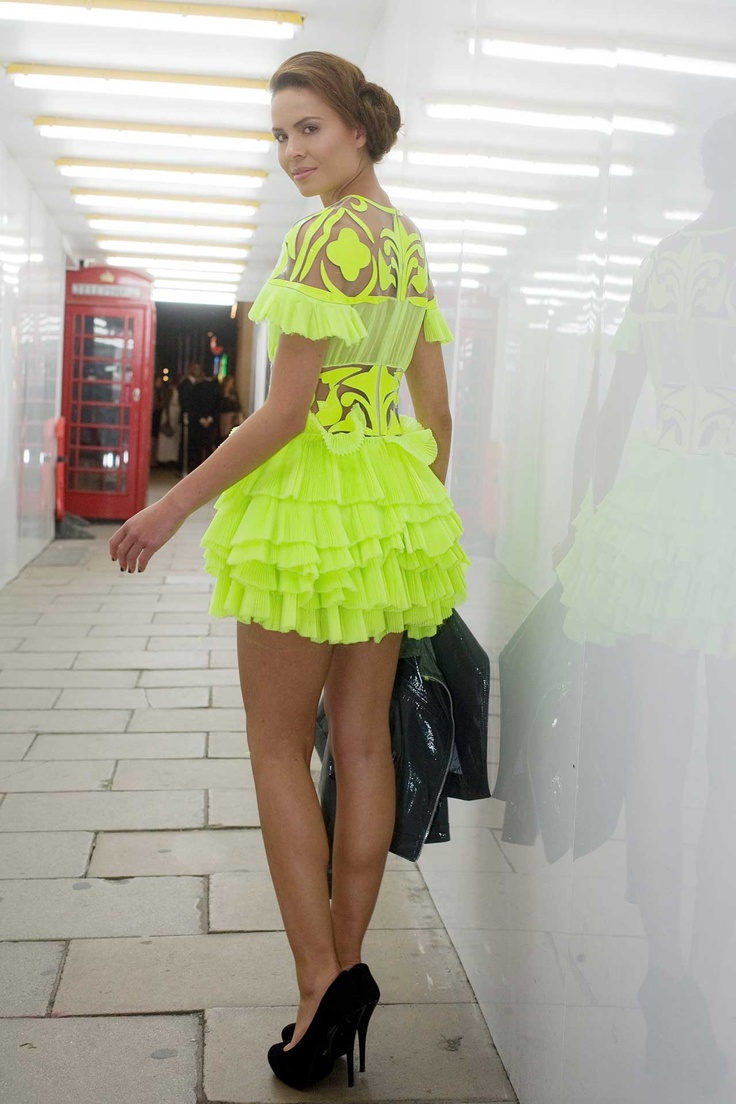
If the first neon gallery is about spring daylight—colour as a thaw signal—this second collection belongs to a different hour. These looks feel built for when the city turns on its own lights: late warm evenings, after-work streets, weekends that start when the temperature finally stops apologizing. Neon here is less forecast and more voltage. It has to survive streetlamps, phone flash, club spill, and the kind of heat that makes dark clothes feel heavier than they look.
Calling this “another collection of brightness” undersells what changes between the two posts. Same family of colours, different physics. Daytime spring neon needs neutrals and structure to look intentional under flat sky. Night-leaning neon can afford more saturation because darkness is already a frame. The sidewalk becomes a stage, and fluorescent fabric behaves like set design.
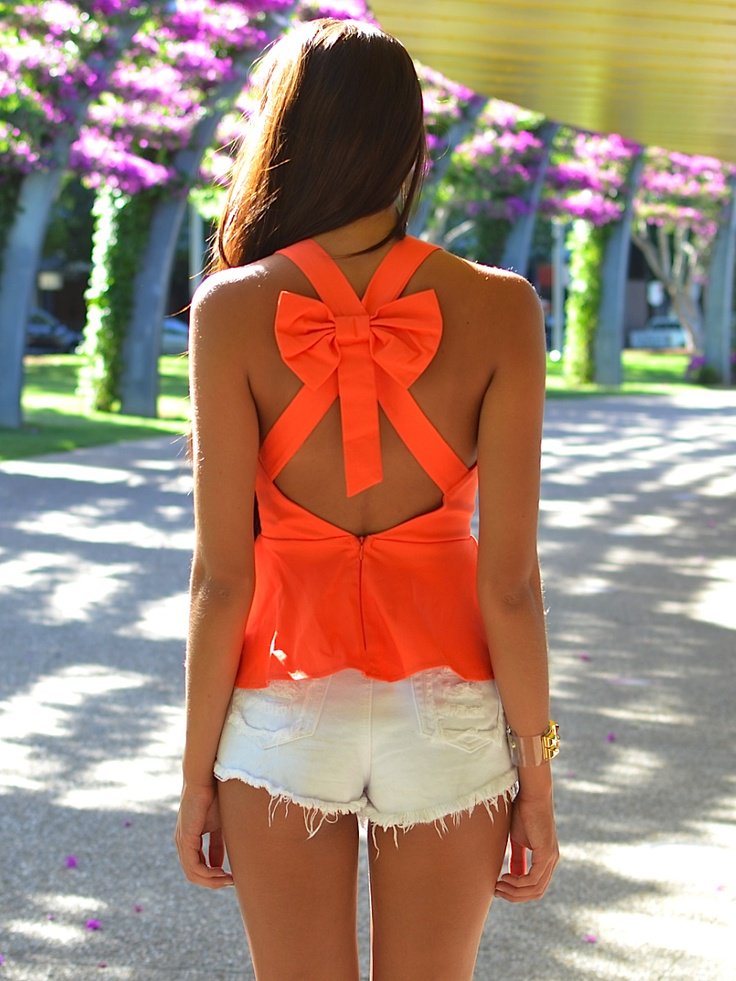
Season framing: heat, not thaw
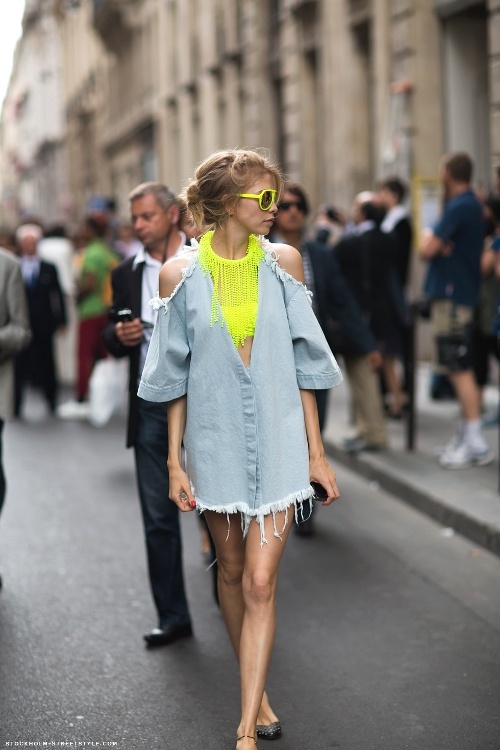
Late-season brightness is not the same fashion problem as early-season brightness. In heat, layers shrink. Skin shows. Fabrics thin. Neon that once needed a trench as ballast now has to stand almost alone against bare arms, sandals, or a single light jacket carried rather than worn. That changes proportion. A neon dress at night is a column of light. A neon top with dark trousers becomes a moving beacon from the waist up. A neon bag in a crowd is navigation.
There is also a social shift. Spring neon often says “I am ready for the year.” Evening neon says “find me.” Visibility becomes part of the outfit’s job—crossing streets, meeting friends, staying readable in photos taken under mixed city light. That is why this edit leans harder into saturated solids and high-contrast pairings. Subtlety is optional when the backdrop is asphalt and neon signage.
How artificial light rewrites colour
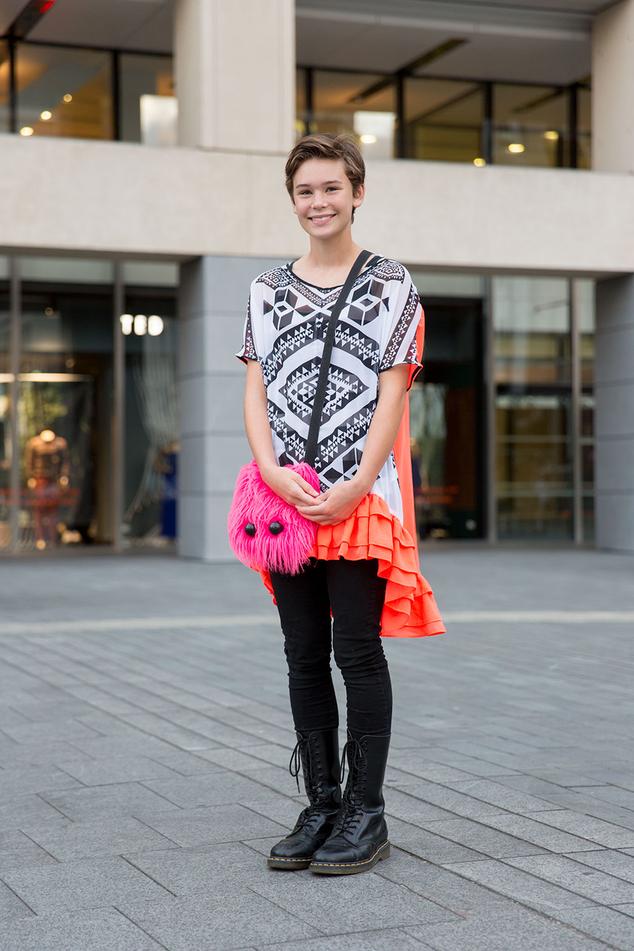
Under sodium streetlight, some yellows turn sickly and some pinks turn orange. Under cool LED, blues and greens can look medicinal. Under club gels, everything becomes theater. People who wear neon well at night learn their shades the way photographers learn white balance. They test outfits outdoors after sunset, not only in a bathroom mirror. They notice which fabrics hold pigment when light gets dirty.
Shine behaves differently after dark too. Patent, vinyl, and satin neon bounce available light and can look richer than matte cotton, which may go flat in shadow. That is the reverse of spring advice, where matte often feels more daytime-correct. Here, a little reflective surface can be the difference between “bright” and “alive.” The risk is looking like promotional merchandise; the cure is tailoring and restraint elsewhere—clean lines, few logos, deliberate shoes.
City heat dressing with loud colour
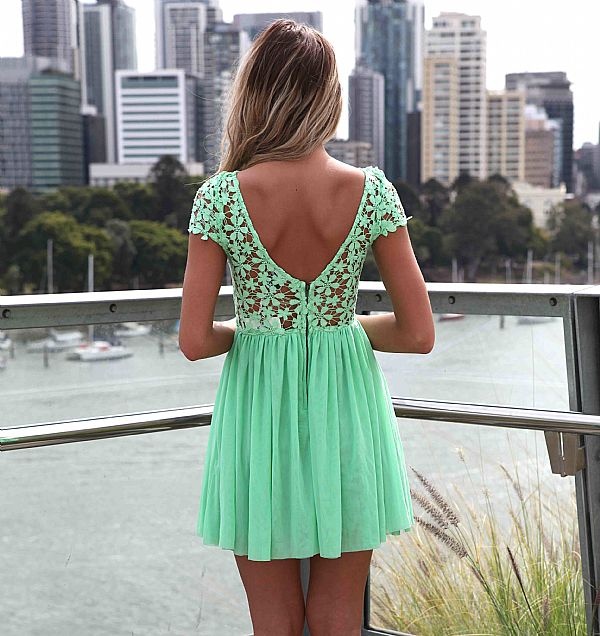
Warm evenings punish overthinking. Clothes need airflow. Neon synthetics that trap sweat will betray you faster than a quiet linen shirt ever could. Choose breathable weaves when the colour sits against skin; save plastic-shine pieces for shorter wears or air-conditioned routes. Colour blocking with black still works at night, but black absorbs heat—pair it with open shapes, rolled sleeves, or a neon piece that is the only heavy visual weight.
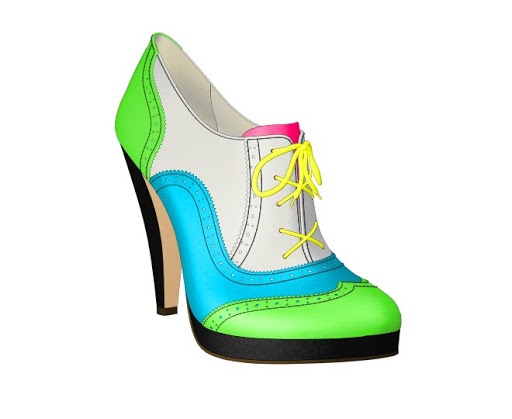
Footwear shifts with the hour. Daytime spring neon often pairs with boots or closed sneakers. Night-leaning looks can open into sandals, sleek trainers, or sharp heels depending on destination. The constant is cleanliness: neon draws the eye to scuffs. A bright shoe that looks tired reads louder than a tired neutral shoe. If your neon lives in accessories, keep them wiped; if it lives in garments, keep hems and cuffs honest.
Signal dressing in a crowd
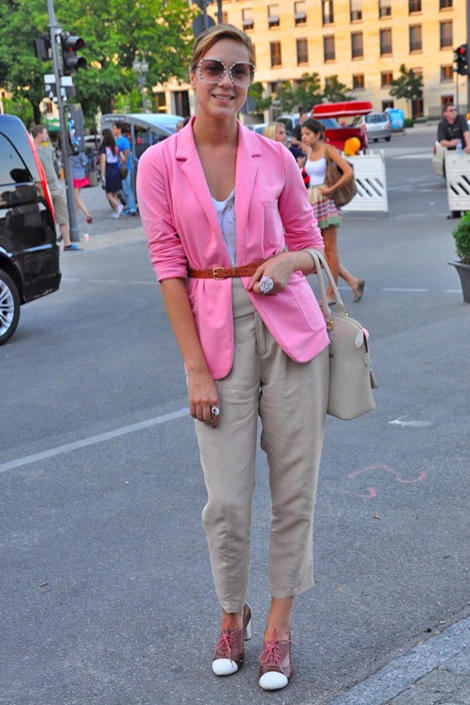
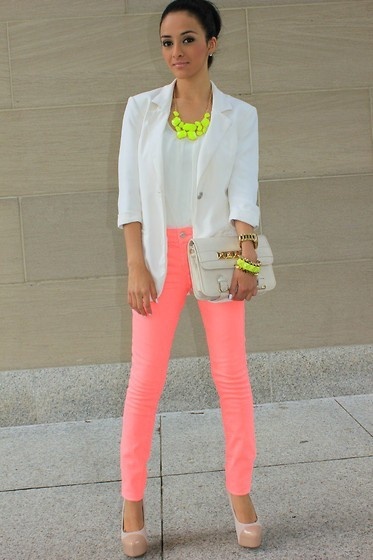
Street style at night is partly logistics. Friends spot you by jacket colour. Photographers spot you by contrast. Neon is efficient signal design. That usefulness can tip into costume if every piece shouts. The stronger night looks in this vein usually pick a dominant fluorescent zone and let the rest fall into deep neutrals—black, ink, chocolate, midnight blue—so the bright area has silhouette.
Mixing two neons after dark is easier than in spring daylight because surrounding darkness separates them. Still, temperature harmony helps: acid green with cyan feels related; acid green with hot orange can look like sports branding unless you intentionally want that energy. If you do want clash, make the clash the point—graphic and confident—not an accident of laundry day.
Beauty and attitude under mixed light
Evening neon invites a different face. Daytime spring often prefers quieter makeup so colour clothing can lead. Night can handle stronger liner, glossy lids, or a lip that answers the outfit—especially if the neon sits far from the face. Hair with shine or slick control photographs well under streetlight; frizz reads as noise next to graphic colour. None of this requires a full glam ritual. It requires deciding whether the outfit is soft-bright or hard-bright, then matching finish.
Attitude is part of the garment. Neon at night without conviction looks like a dare lost. Neon with ease looks like belonging to the hour. The gallery’s best lessons are posture and editing: shoulders back, fewer competing accessories, one clear colour thesis.
Accessories that work like beacons
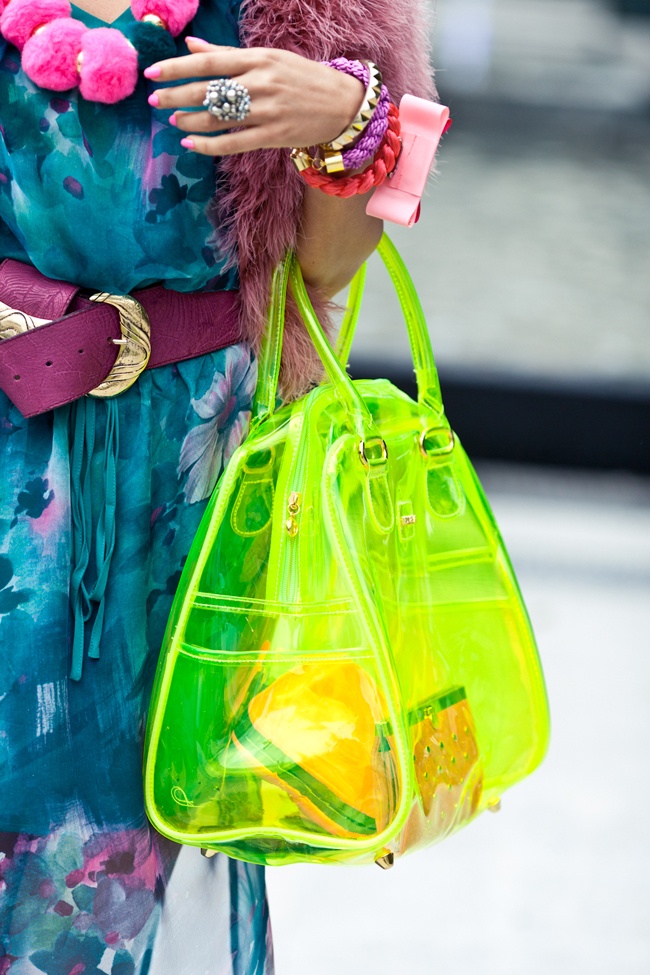
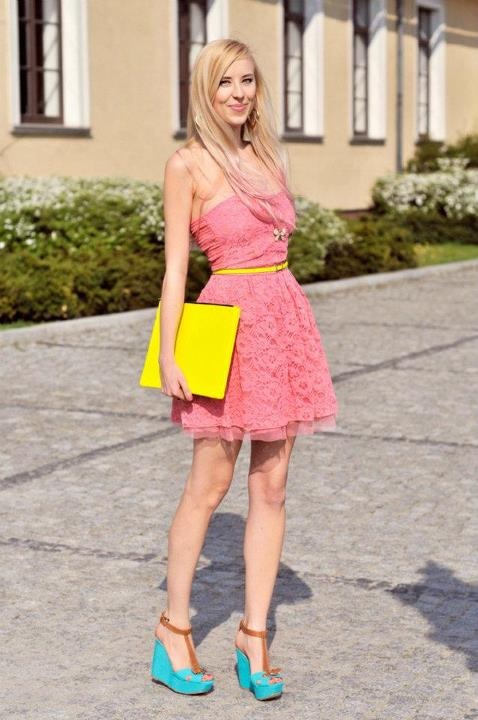
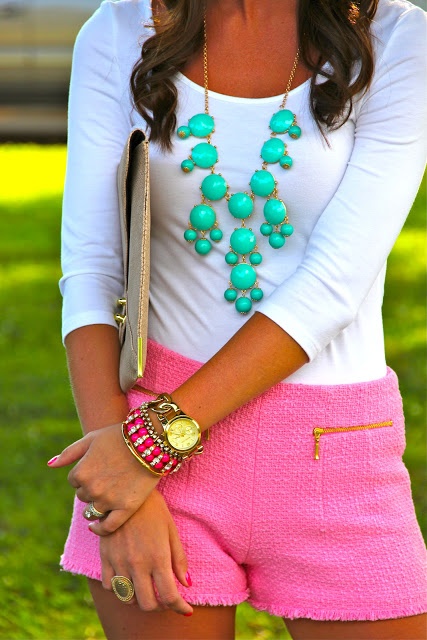
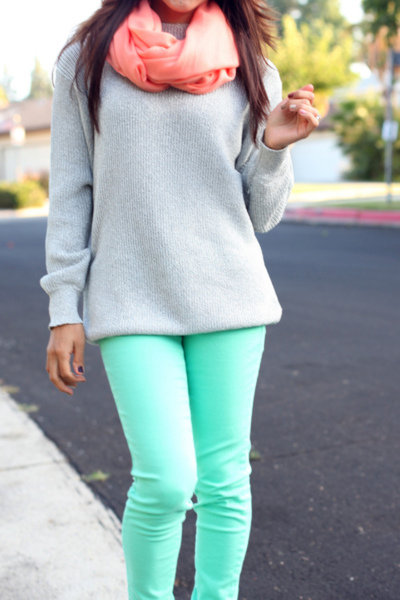
When heat limits how much fabric you want on your body, accessories become the neon strategy. A fluorescent bag crossing a dark outfit is efficient. Neon earrings near the face can replace a full bright top. Socks or liners flashing above sneakers keep the colour playful without trapping heat on the torso. The tradeoff is maintenance: bright accessories show dust and subway grime faster, and they need to be chosen with the same seriousness as a coat in winter—because they will be the first thing people remember.
Jewelry metals shift mood after dark. Chrome and silver amplify cool neons and echo city fixtures. Gold warms coral and yellow-green combinations. Too much mixed metal next to mixed neon becomes visual static. Pick one metal family for the night and let the fluorescent piece remain the headline.
Two neon chapters, two uses
Keep the distinction practical. Reach for spring-daylight neon when you need a thaw accent inside transitional layers. Reach for this night-heat vocabulary when the air is warmer, the light is artificial, and visibility is part of the fun. Same pigment family; different season framing; different rules for shine, skin, and ballast. If you own only one neon garment, style it both ways across the year: under a trench in March, alone under streetlights in July, and notice which version feels like you.
Trends recycle fluorescent colour every few years because cities keep inventing new darknesses to dress against—new nightlife districts, new phone cameras, new ways of being seen on the walk home. What does not change is the test: does the colour still feel like your choice at midnight, or only like a trend you borrowed until the subway doors closed? Wear the voltage if it still feels like you when the streetlights take over.

Comments
Continue reading
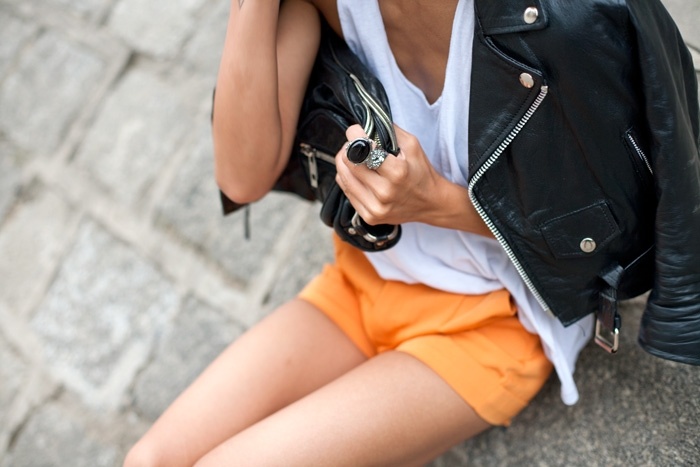
Street Style Neon Colours: Spring Daylight Brights
How fluorescent accents work as a spring thaw signal—one-hit colour, neutrals as frames, and daylight rules for wearing neon before summer heat.
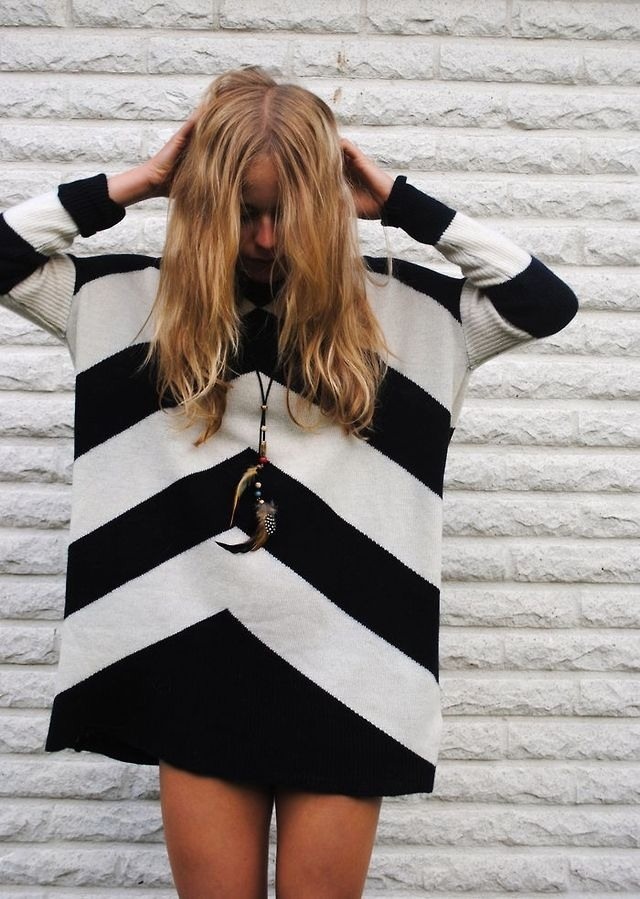
Street Style Stripes: Rhythm, Scale, and Colour Partners
How to wear stripes as personal style tools—scale, direction, mixing patterns, and colour partners that keep graphic looks intentional.
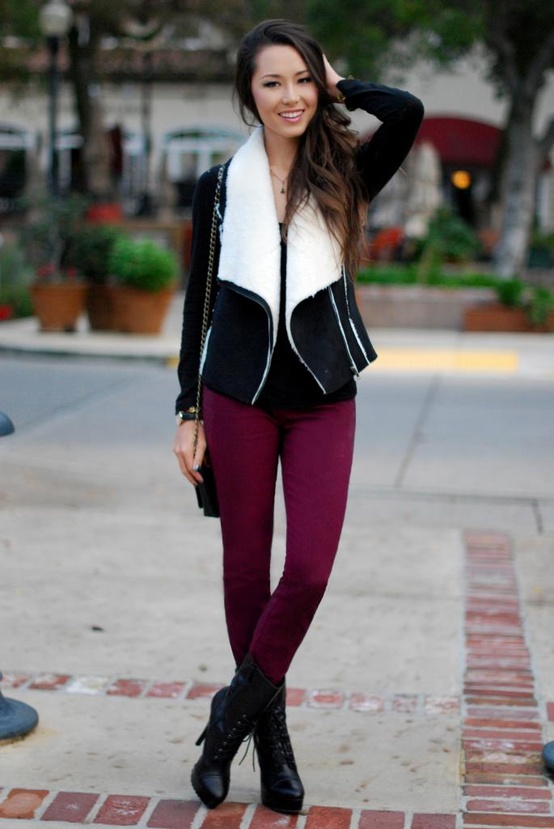
Global Street Style #3: Color, Warm Climates, and Hero Accessories
LA, Mediterranean, and Rio-spirited street looks where bags, shoes, sunglasses, and jewelry lead the silhouette instead of heavy coats.