
10 Rihanna Songs for the Pop and Dance Floor
Where Have You Been, We Found Love, Only Girl, and more—ten Rihanna singles from her club-ready pop era, built for speakers and Friday nights.
Rihanna’s catalog from the late 2000s into the early 2010s is a masterclass in pop and dance control: club architecture, radio hooks, and a voice that can sound cool even when the lyric is burning. She moved between Caribbean heat, electro pulse, and dark pop theater without losing the brand that made her inevitable—clarity, attitude, and melodies built to survive a hundred nights under strobes. This top ten stays inside that pop/dance lane: the era of Rated R, Loud, and Talk That Talk, when every single seemed engineered for both the charts and the floor.
These are not ballad-first picks. They are songs that move hips, fill playlists, and still sound like Friday night when a speaker turns up. Think sequenced drops, sticky choruses, and a performer who could sound slightly bored and completely in charge at the same time—an underrated dance-floor skill.
What ties the list together is motion. Even the darker entries keep a pulse you can count. Rihanna’s pop identity in this stretch was not soft-focus confession; it was rhythm first, persona second, melody as the weapon that made both stick.
1. Where Have You Been
“Where Have You Been” is peak Rihanna-as-club-architect. Calvin Harris and the production team build a progressive-house climb; Rihanna rides it with that trademark cool urgency—desire as a question shouted over a drop. The track does not beg. It demands. Synth stabs, a patient build, and a vocal that stays locked to the groove make it one of her cleanest dance statements.
In a career full of crossover hits, this one still feels purpose-built for the floor. Pop structure, dance engine, zero apology.
2. You da One
“You da One” flips the script toward playful devotion without leaving the pop pocket. The beat is bright and bounce-forward; the hook is sticky enough to live outside the album cycle. Where some Rihanna singles lean dangerous or icy, this one smiles—and still sounds like her. The Caribbean lilt in the phrasing keeps the track from becoming generic radio sugar.
It is a useful reminder that her pop/dance catalog is not only drama. Sometimes the dance floor is for joy, and she knew how to write that too.
3. We Found Love
“We Found Love,” with Calvin Harris, is the electro-house romance that defined a stretch of early-2010s pop. The “in a hopeless place” refrain became a cultural slogan; the drop became a festival reflex. Rihanna’s vocal is both intimate and stadium-sized—confession wrapped in neon. The song’s genius is contrast: hopelessness as content, euphoria as form.
Few pop/dance singles balance melancholy and lift this cleanly. Put it on and the room still knows what to do.
4. Rude Boy
“Rude Boy” is dancehall-pop swagger with a wink and a dare. The beat is elastic; the vocal is teasing and precise. Rihanna treats flirtation like choreography—each line timed for impact. It is Caribbean-rooted pop that conquered mainstream radio without diluting the bounce that made it fun.
On a list of pop/dance essentials, “Rude Boy” is the track that moves differently from the Euro-house singles. Same artist, different gravity—hips first, then the hook.
5. Only Girl (In the World)
“Only Girl (In the World)” is euphoric dance-pop at full brightness. Stargate’s production lifts; Rihanna’s vocal soars without losing edge. The lyric’s demand for exclusive attention sits on a beat built for hands-in-the-air choruses. It won major awards for a reason: it is structurally airtight and emotionally immediate.
If “We Found Love” is neon melancholy, “Only Girl” is daylight confidence. Both belong in the same catalog of club-ready pop.
6. S&M
“S&M” is provocative pop engineered for maximum replay. The beat is clipped and insistent; the hook is brazen; the production sparkles with the kind of gloss that made early-2010s radio feel dangerous and commercial at once. Rihanna sells the concept with control rather than chaos—performance as power.
Controversy helped the headlines. Craft kept the song alive after the headlines moved on. It remains a pop/dance flex: taboo as melody, attitude as arrangement.
7. Don’t Stop the Music
“Don’t Stop the Music” samples Michael Jackson’s “Wanna Be Startin’ Somethin’” and turns it into a late-2000s dance-floor mandate. The track is pure motion—house-adjacent pop that refuses to cool down. Rihanna’s delivery is commanding and playful, the perfect host for a night that should not end.
It is one of the clearest early proofs that she could own a club record without sounding like a guest on her own single. The sample is famous; her presence is what makes the song hers.
8. Man Down
“Man Down” brings reggae storytelling into the pop frame—a narrative single with island rhythm and a plot twist delivered as chorus. It is not a four-on-the-floor club weapon like “Where Have You Been,” but it still belongs in a pop/dance overview because it shows how Rihanna used groove as theater. The beat sways; the story lands hard.
In her catalog, this is the reminder that “dance” can mean Caribbean sway as much as festival drop. Rhythm remains the point.
9. Russian Roulette
“Russian Roulette” is dark pop theater: slow burn, high stakes, vocal tension stretched across a sparse, menacing arrangement. It arrived in the Rated R chapter, when Rihanna’s pop image gained sharper edges. The song is not a dance-floor filler in the classic sense, yet it sits inside the same era of pop authority—control, drama, and a hook that feels like a dare.
On this list it functions as the night’s shadow. Pop catalogs need contrast; this track supplies it without leaving Rihanna’s lane.
10. Disturbia
“Disturbia” is electro-pop anxiety with a chorus designed to lodge in your skull. Synths twitch; the beat stalks; Rihanna sounds haunted and magnetic at once. It was a bridge between mid-2000s pop sheen and the darker, clubbier identity she would expand afterward. The “na-na-na” hook is pure radio craft; the atmosphere is pure late-night unease.
Close the list with it and you hear the formula that made her inevitable: pop structure, danceable pulse, and a persona cool enough to make discomfort glamorous.
What this playlist is for
Queue these ten when you want Rihanna the pop/dance force—not the ballad anthology, not the later stylistic pivots, but the stretch when singles felt like events and clubs treated her releases like new furniture for the night. Play “Where Have You Been” and “We Found Love” back-to-back if you need the Calvin Harris axis; slide “Rude Boy” and “Man Down” in when you want the Caribbean spine; keep “Disturbia” and “Russian Roulette” for the darker corners.
A simple night mix: open with “Don’t Stop the Music,” climb through “Only Girl” and “S&M,” hit the Harris pairing at peak energy, then cool into “You da One” before the darker closers. The order is flexible; the job is not. These tracks exist to occupy a room.
The speakers will tell you the rest. This catalog was built to be loud.

Comments
Continue reading
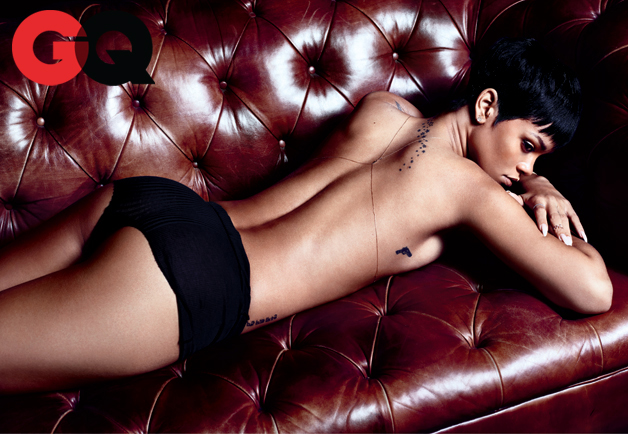
Rihanna for GQ, December 2012: Obsession of the Year
A historical look at Rihanna’s GQ Men of the Year cover and Mario Sorrenti portfolio from December 2012—Unapologetic-era styling, credits, and context.
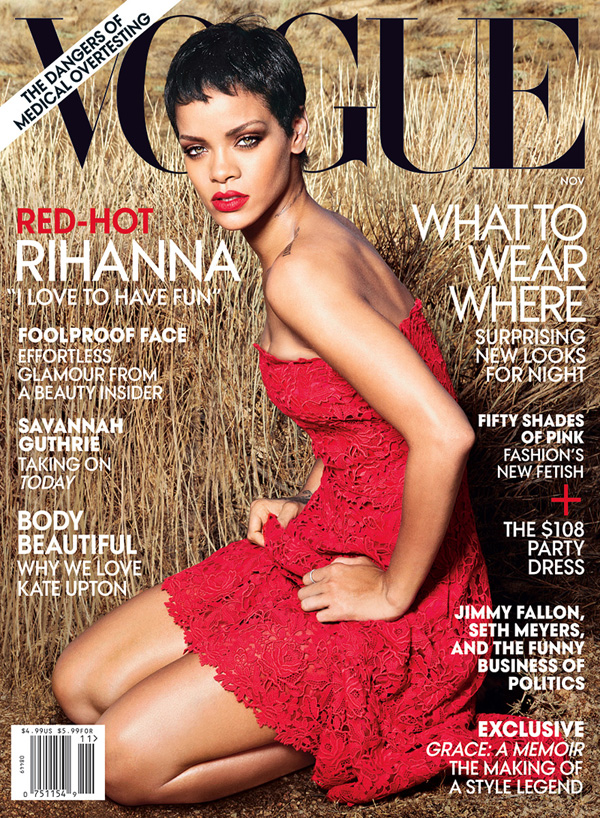
Rihanna on Vogue US, November 2012
Annie Leibovitz photographed Rihanna at Tejon Ranch for the November 2012 U.S. Vogue cover—her second—capturing the pixie-cut era between Talk That Talk and Unapologetic.
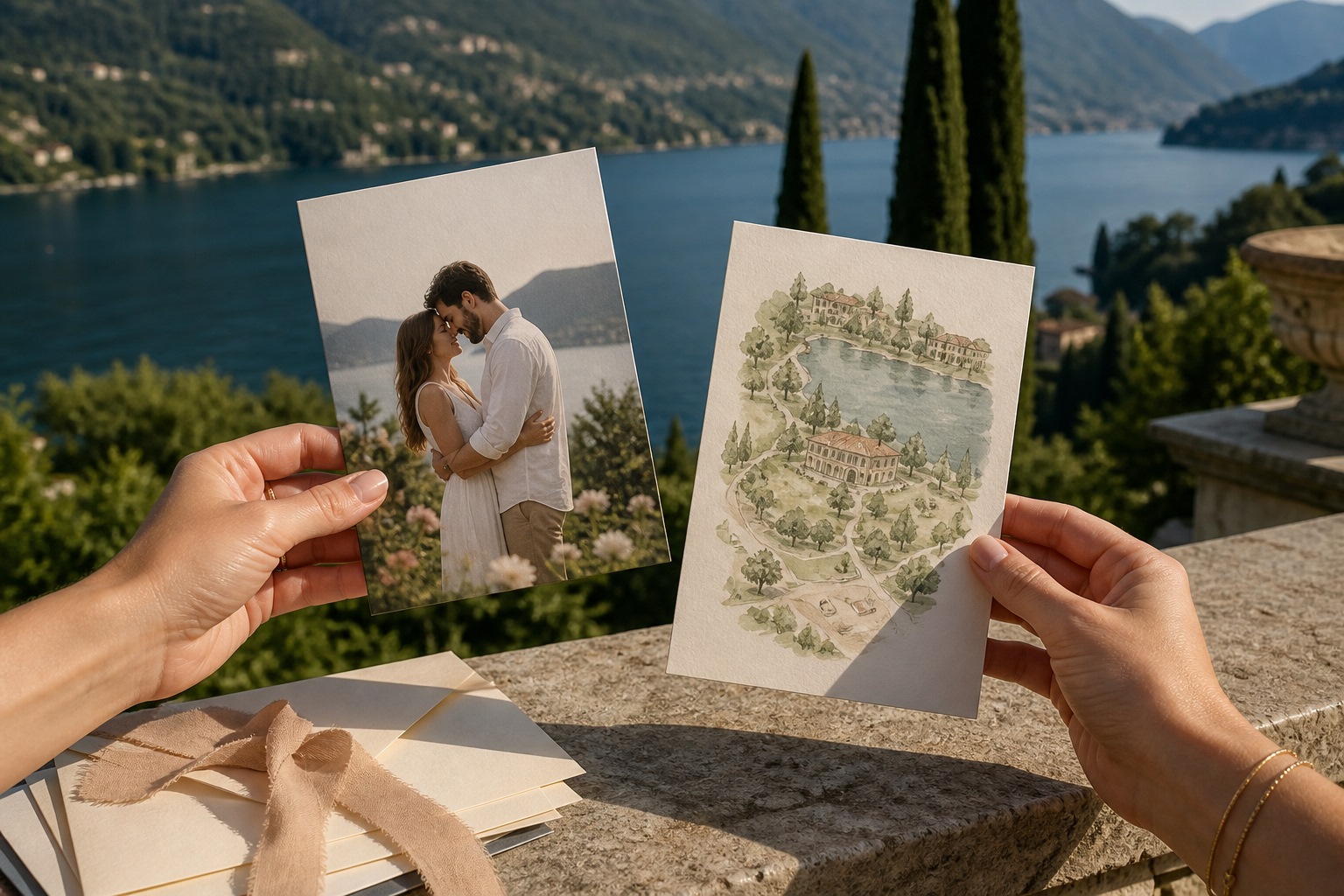
Photo vs Illustrated Save-the-Dates: How to Choose a Format
A practical comparison of photographic and illustrated save-the-dates—when a portrait earns the stamp, when a drawing carries the date, and how to match format to venue, guests, and printing.