
10 Easter Crafts for Kids: Eggs, Sock Bunnies, Nests, and Spring Table Projects
Ten kid-friendly Easter crafts—marbled eggs, sock bunnies, chocolate nests, washi canvases, pom-poms, and chalkboard eggs—with spring colors and simple supplies.
Easter crafts for kids work best when they stay short, colorful, and a little messy on purpose. Rabbit and egg themes give little hands an easy storyline: make a nest, decorate a shell, sew a soft bunny, or build a spring vignette that lives on the table for a week. The ten projects below lean on spring colors—pastels, bright markers, chocolate browns, and chalkboard black—and they scale from toddler scribbles to older-kid precision without requiring a craft closet full of specialty tools.
Cover the table. Keep wipes nearby. Let adults handle hot glue, melted chocolate, and chalkboard sealers. Everything else can belong to the kids.
1. Marbled paint eggs
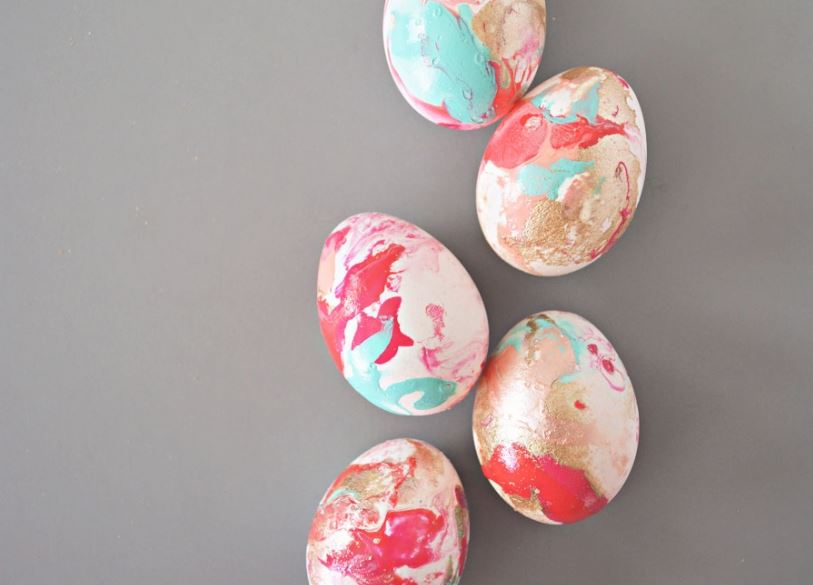
Marbled eggs look advanced and behave like play. Swirl teal, hot pink, and metallic gold across white shells until the pattern reads like watercolor and foil at once. Nail-polish water marble, acrylic paint float, or a careful brush swirl all work; the goal is movement, not a perfect stripe.
Use blown or hard-boiled eggs if you want edible-table props later, or craft eggs if you want keepsakes. Dry thoroughly on a rack so colors do not smear. Gold accents catch light in photographs and make a simple craft feel festive enough for a centerpiece bowl.
Younger children can dab and swirl with supervision; older kids can chase deliberate ribbons of color. Display finished eggs on a grey or neutral surface so the palette stays loud.
2. Sock bunny
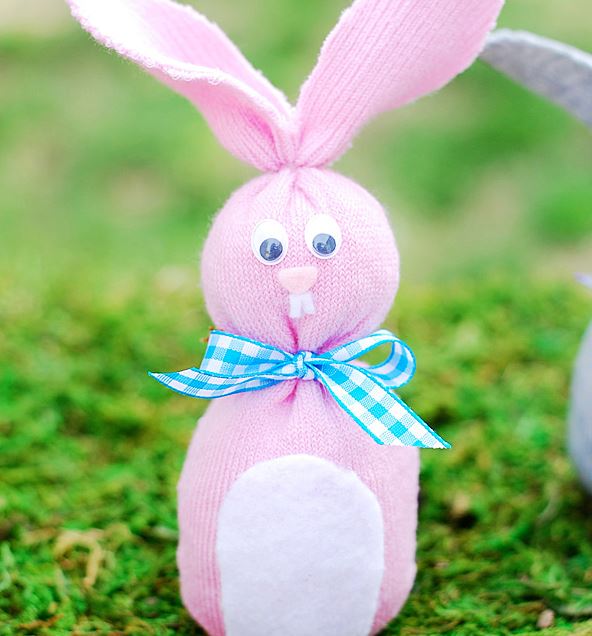
A sock bunny turns one lonely sock into a soft character. Stuff the toe and midsection with fiberfill or clean rice for weight, cinch a neck with thread or a rubber band, split the cuff into ears, and add a felt belly, tiny teeth, a felt nose, and googly eyes. A gingham ribbon at the neck finishes the look without sewing skill.
Choose a stretchy knit sock in pink, cream, or grey. Adult hands should secure the neck tightly so stuffing does not migrate. Skip small parts for toddlers who still mouth toys; embroider eyes instead of gluing plastics.
Photograph the bunny on moss or grass for that garden-storybook mood, then let it live in an Easter basket or on a bookshelf until the season ends. Kids remember the creature they named more than the supplies list.
3. Twine egg and spring vignette
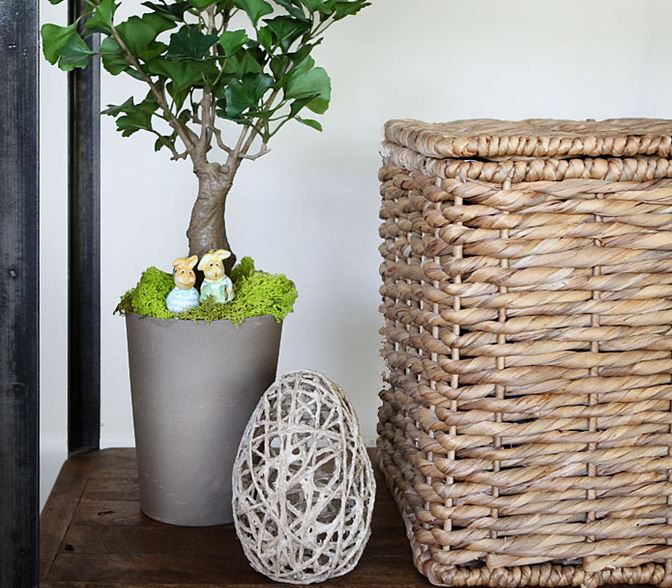
Not every Easter craft has to be a single object. A small vignette—twine-wrapped egg, moss at the base of a tiny potted tree, miniature bunny figures, a woven basket—teaches kids about arranging textures. Wrap an egg form with natural twine in an open lattice, or glue string in layers until the shell disappears under fiber.
Let children place moss, nest the bunnies, and decide where the twine egg sits relative to the basket. Adults handle hot glue and any real plants that need watering. The finished shelf arrangement feels rustic and calm: greens, wood, and soft neutrals instead of neon overload.
This project suits mixed ages. One child wraps the egg while another builds the moss bed. The shared display becomes the holiday’s quiet corner.
4. Chocolate cereal nests
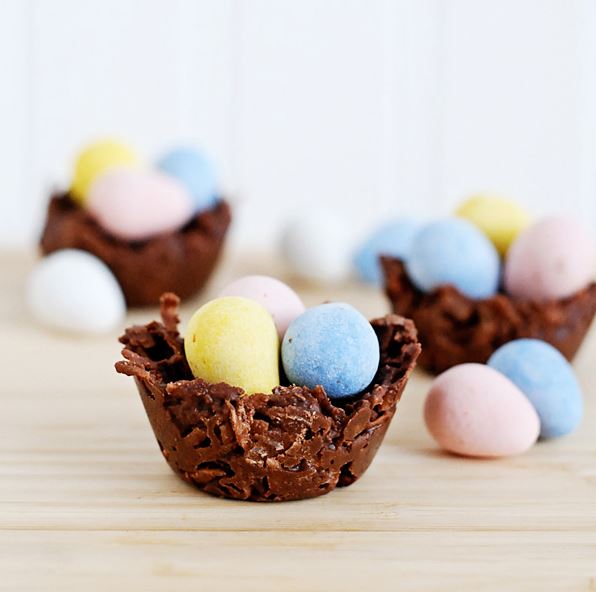
Edible crafts earn applause. Melt chocolate, stir in shredded cereal or coconut until coated, press the mixture into muffin cups or free-form bowls, chill until set, and fill each nest with pastel candy eggs. The texture reads like a bird’s nest; the taste reads like dessert.
Adults melt and supervise heat. Kids stir (once the chocolate is cool enough to touch the spoon safely), shape nests, and place candies. Use parchment for easy release. Store nests cool so they do not slump before guests arrive.
Make a double batch if you want craft time and party trays to share the same afternoon. A few loose candy eggs on the board make the photograph—and the table—feel abundant.
5. Paint-pen and marker scribble eggs
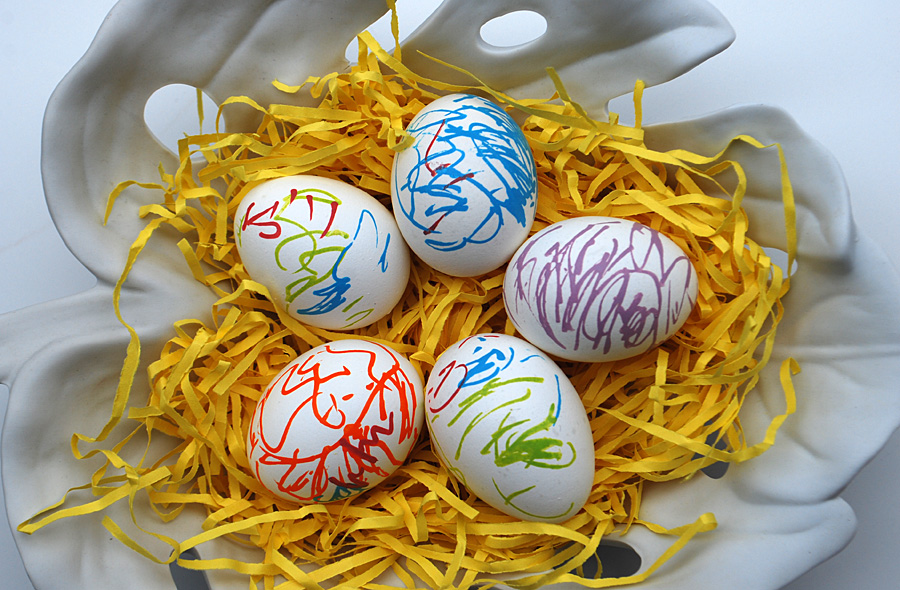
When dye kits feel fussy, hand kids paint pens or washable markers and white eggs. Scribble freely: blue loops, green zigzags, purple storms, red dashes. Abstract marks on a curved shell look intentional once a cluster sits in yellow shredded paper inside a leaf-shaped bowl or any bright nest.
Hard-boil eggs for short-term display, or use wooden craft eggs for permanence. Cover clothes. Rotate eggs on a towel so wet ink does not stamp the table. Toddlers thrive here because “neat” is not the brief—energy is.
Group finished eggs by color family or leave the chaos mixed. Either way, the bowl becomes a five-minute gallery of small-hand signatures.
6. Warm-tone dripped marble eggs
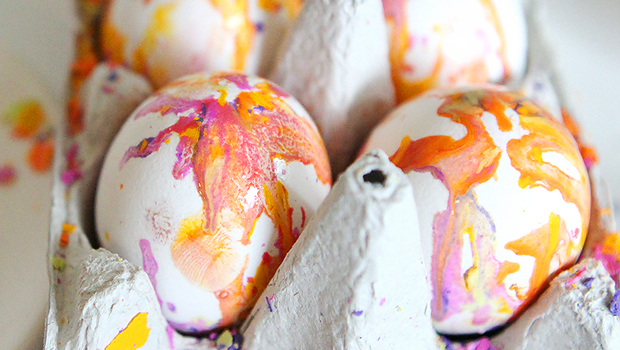
A second marbling pass with orange, yellow, and magenta gives warmer spring energy than teal-and-gold sets. Splash, drip, or shaving-cream marble the shells, then nest them back in a cardboard carton while they dry. Flecks on the carton are proof of process, not a mistake.
Work outside or on a disposable cloth. Teach kids to hold the egg at both ends and turn slowly so drips travel. Compare cool-palette eggs from earlier with this warm set on the same table—kids learn color temperature without a lecture.
Leave some white shell showing. Full coverage can look muddy; reserved white keeps the drips graphic.
7. Washi-tape egg canvas
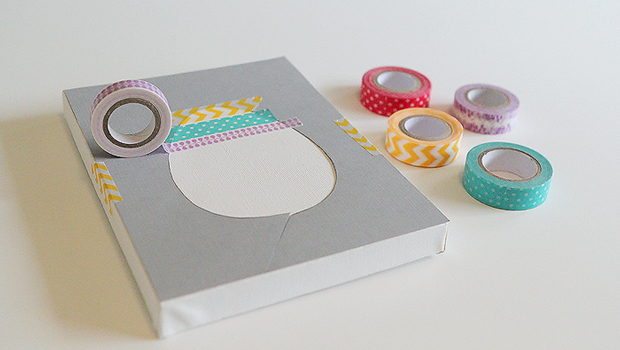
For a low-mess wall piece, paint a small canvas grey around an egg-shaped mask, peel the mask to reveal a white silhouette, then stripe the egg with washi tape: chevrons, polka dots, geometric prints. Kids choose patterns; adults help burnish edges so tape stays flat.
Lay out tape rolls like a palette. Horizontal bands are easiest for young hands; diagonal bands suit older kids who want motion. Trim overhang with scissors once the design feels done. Hang with simple hardware or lean the canvas on a shelf with other Easter objects.
This craft builds planning skills: mask first, decorate second, trim last. It also survives beyond Easter as cheerful bedroom art.
8. Geometric paper bunny plate
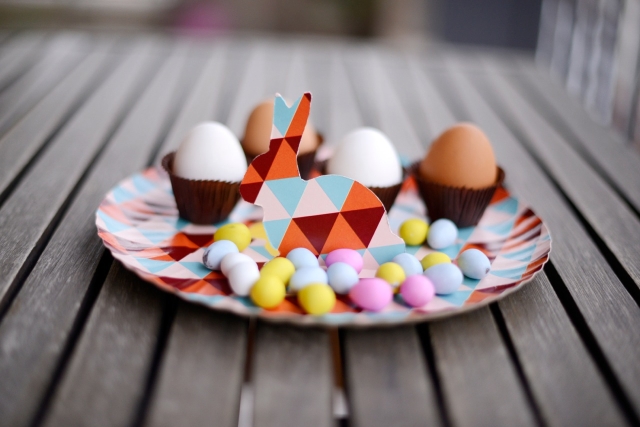
Turn snack time into a crafted scene. Cover a paper plate with geometric triangle scrapbook paper, cut a matching bunny silhouette from the same pattern, stand the bunny in the center, cradle whole eggs in muffin liners, and scatter pastel candy eggs at the bunny’s feet. The plate becomes both craft and serving story.
Kids can glue paper and place candies; adults should cut clean silhouettes if scissors are sharp. Coordinate colors—terracotta, teal, pink—so plate and bunny read as one set. Outdoor tables photograph beautifully for this one: wood slats, soft daylight, shallow focus on the candy cluster.
Eat the candy, keep the bunny flat in a folder for next year, recycle the plate. Temporary crafts still teach composition.
9. Pom-pom party eggs
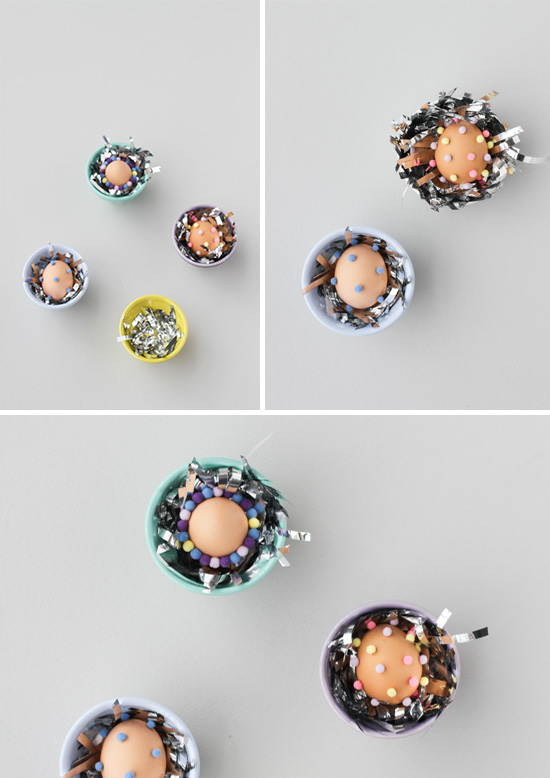
Glue tiny pom-poms onto brown craft eggs in polka-dot scatter or as a dense equatorial wreath. Set each egg in a pastel bowl on silver shredded filler. The contrast—matte shell, fuzzy dots, shiny nest—feels modern and playful without dye smell or water mess.
Use craft glue that dries clear. Tweezers help place the smallest poms. Let eggs dry upright so poms do not migrate. Offer bowls in mint, lavender, blue, and yellow so kids can match or clash on purpose.
Pom-pom eggs are excellent for fine-motor practice and for kids who dislike wet paint on their fingers. Display them in a row; the repetition sells the idea.
10. Chalkboard eggs
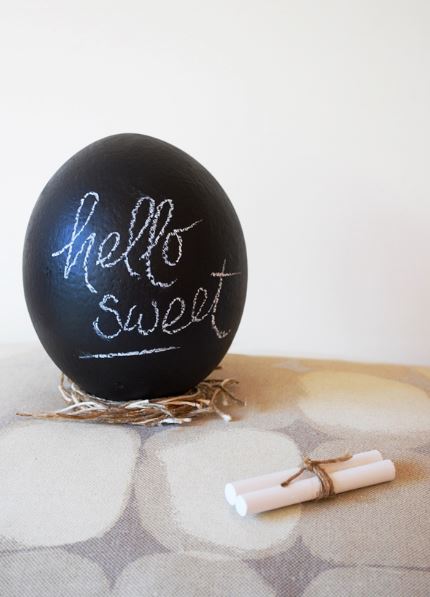
Coat a large craft egg with matte chalkboard paint, dry fully, then write short messages in white chalk—“hello sweet,” a child’s name, a tiny doodle. Rest the egg on a twine nest and keep spare chalk tied with string nearby so rewriting stays part of the game.
Adults should handle paint and ventilation. Kids own the chalk layer and can erase and redo all season. Seal only if you want a permanent phrase; leave unsealed if the point is play. The black surface photographs dramatically against pale fabric and makes a strong counterpoint to pastel projects earlier in the list.
Chalkboard eggs teach that Easter decor can be editable. Holidays feel lighter when the table invites a second draft.
A table that holds the week
Pick two wet projects and two dry ones for a single afternoon so energy and cleanup stay balanced. Marbling and chocolate nests need more supervision; washi canvases, pom-poms, sock bunnies, and chalk eggs can run with lighter oversight once supplies are staged. Keep a tray of finished work out of the dog’s reach and out of the path to the fridge.
Spring crafts stick when kids see their objects used: nests on the dessert plate, the bunny on the mantel, the chalkboard egg greeting guests at the door. That reuse is the quiet win—proof that little hands helped set the holiday, not only fill an afternoon with glitter.

Comments
Continue reading
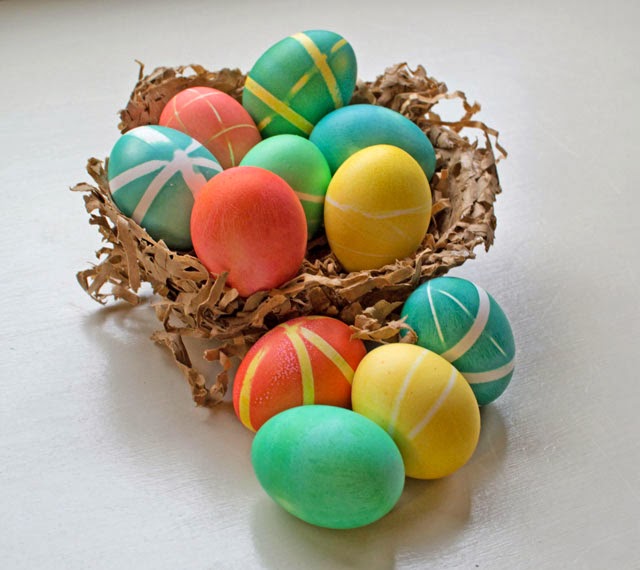
20 DIY Decorative Egg Tutorials for Easter and Spring Tables
Twenty egg decorating projects—paint pens, rope wrap, confetti, dye resists, moss, gold leaf, terrariums, and more—with materials and steps for each.
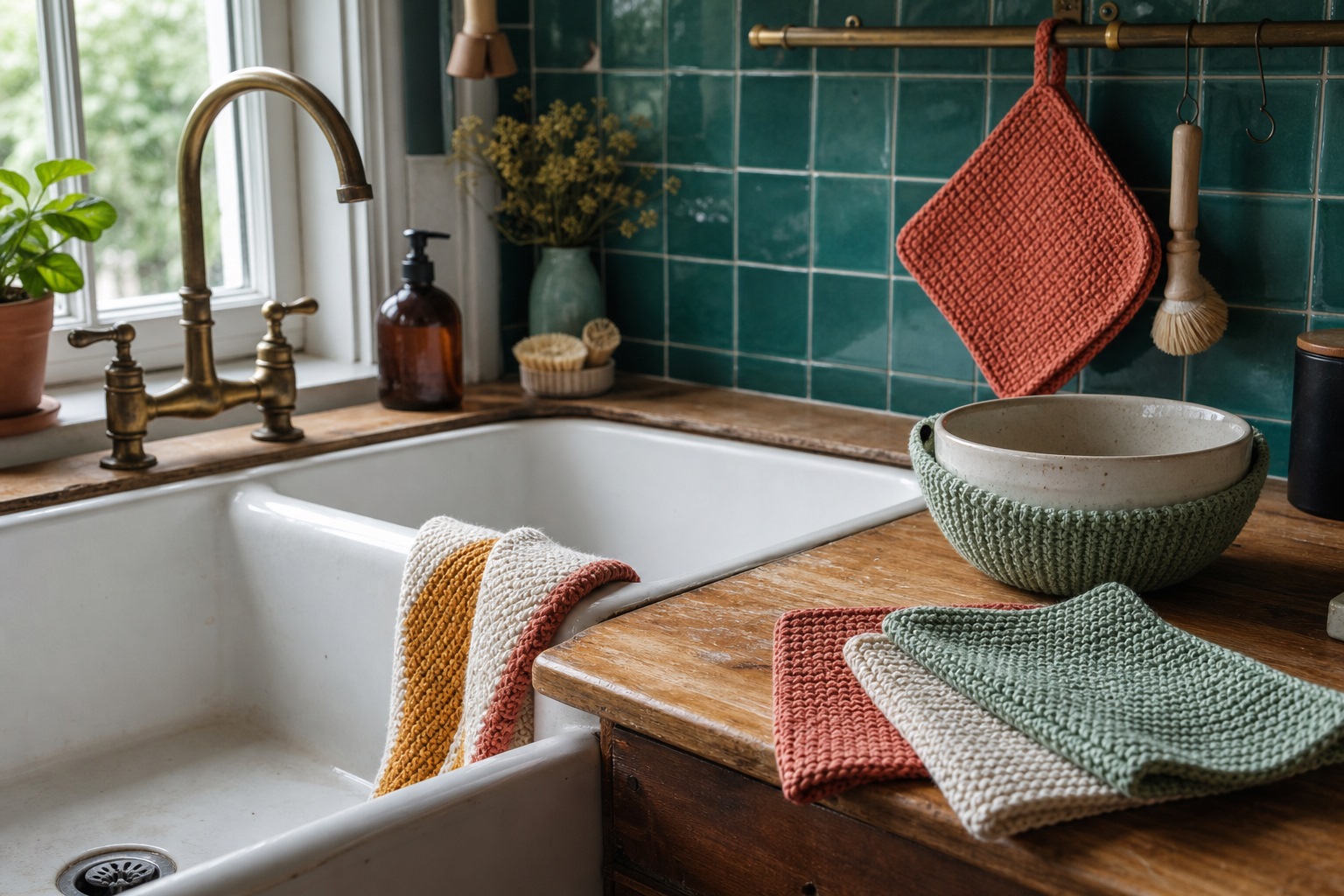
Knit Kitchen Tools You Will Actually Use
Dishcloths, pot holders, bowl cozies, and other small knits for the kitchen—yarn choices, cotton vs wool, and projects that survive heat, water, and daily mess.
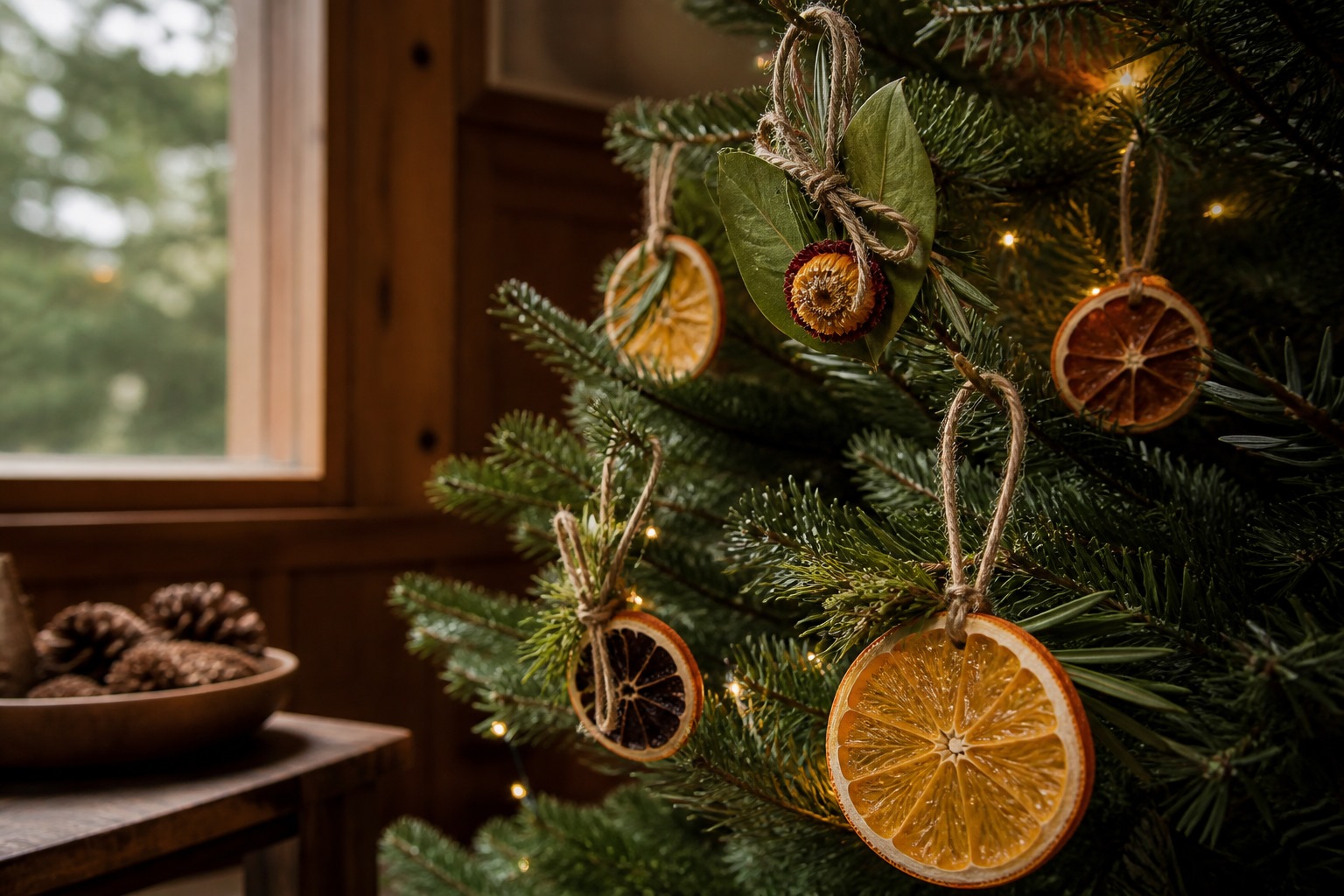
Botanical Christmas Ornaments from Citrus, Herbs, and Dried Flowers
Dried orange slices, rosemary, bay, and pressed flowers as tree ornaments—how to dry, string, and store them so they last the season without going moldy.