
3 Ways to Add Value to Your Home: Trees, Landscape, and Maintenance
Practical home-value levers that buyers notice: well-placed trees, usable landscaping and hardscape, and maintenance that prevents leaks, roof damage, and inspection surprises.
Land sets a floor under property value, but buyers rarely pay for dirt alone. They pay for a house that feels cared for: healthy plantings, usable outdoor space, and systems that do not scream deferred maintenance. Owners who want to add value without a speculative gut remodel usually get further with three practical levers—trees and planting, landscape improvements that people actually use, and relentless upkeep that prevents small failures from becoming appraisal discounts.
None of these guarantees a specific percentage return in every market. Neighborhood comps, interest rates, and buyer taste still rule. What follows is how those three levers work when you treat them as real projects rather than slogans.
1. Plant trees—and think like a future buyer
Mature, well-placed trees are among the few outdoor improvements that improve with time if you choose wisely. Shade lowers cooling loads on hot façades. Canopy softens street noise and frames the house in photos. Many buyers read established trees as proof that someone invested in the long term—especially compared with a bare lot and a lonely sapling staked in gravel.
Industry and extension guidance often cites meaningful value effects from quality landscaping and trees, sometimes discussed in roughly double-digit percentage ranges for well-done work relative to similar homes. Treat any single “10% to 20%” claim as directional, not a contract with the appraisal. What you can control is species, placement, and maintenance so trees help rather than threaten the structure.
Plant with utility lines, foundations, and sightlines in mind. Aggressive roots near sewer laterals or under driveways create expensive stories. Overhanging limbs on a neighbor’s roof create conflict. In fire-prone regions, dense continuous canopy against the house can work against you; follow local defensible-space guidance instead of copying a lush magazine courtyard blindly.
If you inherit dead or hazardous trees, removal can itself protect value by eliminating liability and roof risk—then replant with better choices. Water new trees through establishment years. Mulch correctly without volcano piles against trunks. A neglected orchard of half-dead fruit trees does not read as “nature”; it reads as backlog.
For smaller lots, one well-sited shade tree and a coherent understory often beat a nursery shopping spree. Buyers notice composition: clear paths, visible house numbers, and plantings that leave the entry welcoming rather than overgrown.
2. Landscape for use—not only for curb-shot green
Interiors can be immaculate and still feel unfinished if the outdoor rooms are mud, weeds, or leftover construction debris. Landscape work—softscape and hardscape—extends living space and photographs well in listings. Decks, patios, and defined seating areas are classic examples because buyers can imagine evening use immediately.
Older ROI roundups from remodeling surveys have sometimes placed midrange deck projects near “get most of your money back” territory and, in rosy marketing copy, even floated very high return figures for broader landscaping packages. Be skeptical of anything promising 100%–200% as a sure thing; markets vary, and overbuilding a resort patio in a modest street of ranch houses can overshoot the neighborhood. Aim for improvements that match local norms and that you would enjoy living with if the house does not sell next year.
Hardscape materials—stone, brick, concrete, wood—should fit climate and maintenance capacity. A beautiful but slippery winter walkway is a lawsuit waiting for ice. Drainage away from the foundation matters more than decorative gravel that traps water against siding. Lighting that safely marks steps adds evening usability without needing a full landscape architect package.
Budget versions still work. Relocating a hose bib, adding a simple gravel seating pad with durable chairs, repairing a leaning fence, and installing path lights can transform first impressions faster than a half-finished pergola kit. Prioritize the front approach and the primary rear living zone; ignore ornamental corners nobody will use.
Permits and HOA rules belong in week one of planning. An unpermitted deck can haunt a sale. Keep receipts and photos of before/after work; buyers and appraisers both respond to documented care.
3. Maintain the house as if tomorrow’s inspection were booked
Maintenance is the least glamorous value strategy and often the highest leverage. Mold, active leaks, curling shingles, peeling paint, and sticky doors teach buyers to subtract contingency from their offer. They also teach inspectors to dig deeper.
Walk the house seasonally. Check attic and crawl indicators of moisture. Look at caulk lines around tubs and windows. Clear gutters so water does not sheet behind fascia. Replace damaged shingles before a small breach becomes decking rot. Address plumbing drips immediately; water inside walls is patient and expensive.
Mold deserves urgency for health and transaction reasons. Identify the moisture source first—ventilation, leaks, grading—then remediate. Painting over symptoms fools no one under a moisture meter. Roofing, HVAC filters, and smoke/CO detectors are dull line items that signal competence when they are current.
Exterior paint and trim are where curb appeal meets envelope protection. Peeling paint is not only cosmetic; it is weathering wood. Spot repairs and a coherent color refresh can lift perceived condition without a full remodel. If you hire painters or other trades, choose people who will document prep, not only the final coat.
Keep a simple home file: roof age, furnace service dates, appliance manuals, and warranty papers. At sale time, that packet reduces buyer anxiety. Deferred maintenance rarely “waits until after listing photos”; listing photos are when it becomes public.
How to sequence the work
Fix active water and safety issues before planting a showpiece garden. Stabilize the roof and drainage, then invest in trees and hardscape that will not be ruined by the next storm. Match outdoor spending to the price band of nearby sold homes so you improve competitiveness instead of building a private park only you will finance.
Talk to a local agent or appraiser before mega-projects. Ask what buyers on your street actually fight over—outdoor living, storage, kitchens—then aim your dollars there. Consult pros for structural, electrical, and mold questions; DIY enthusiasm should stop where licenses begin.
Value grows when the property looks loved in daylight and holds up under scrutiny. Trees that belong, outdoor spaces people can use, and maintenance that leaves nothing ominous for an inspector—that combination travels better across markets than any single viral ROI chart.

Comments
Continue reading

Photo vs Illustrated Save-the-Dates: How to Choose a Format
A practical comparison of photographic and illustrated save-the-dates—when a portrait earns the stamp, when a drawing carries the date, and how to match format to venue, guests, and printing.
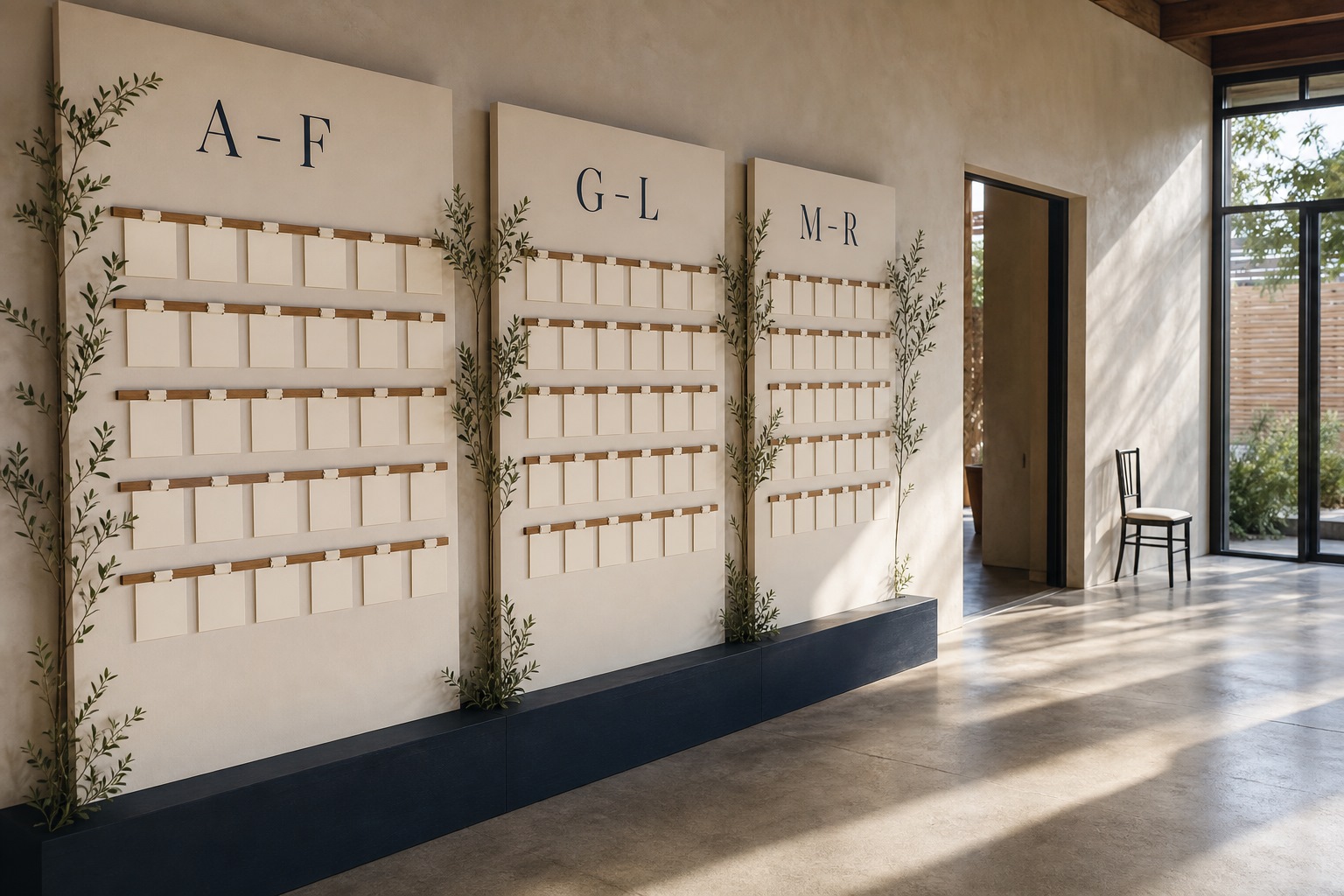
Escort-Card Displays That Aren’t a Table of Tiny Cards
Walls, branches, envelopes, mirrors, and numbered installations—how to stage escort cards so guests find their tables without a crowded lobby table.

Berry, Brick, and Brown Lipsticks That Still Read as Color
A guide to berry, brick, and brown lipsticks—undertones, finishes, and light—when classic fire-engine red is not the shade you want to wear.