
Alice in Wonderland–Inspired Photography: A Visual Tea Party
Carroll’s Wonderland through the lens—motifs, scale play, and psychedelic to storybook interpretations from photographers who keep falling down the rabbit hole.
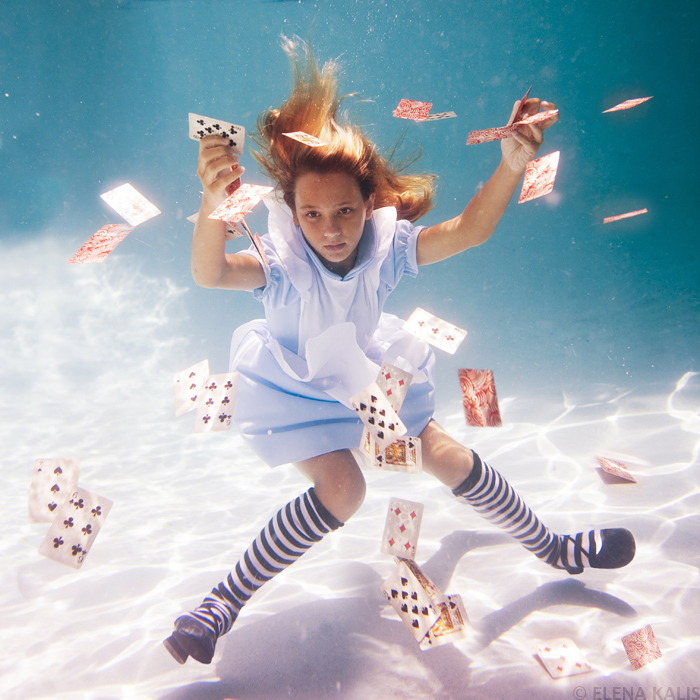
“Alice came to a fork in the road. ‘Which road do I take?’ she asked.
‘Where do you want to go?’ responded the Cheshire Cat.
‘I don’t know,’ Alice answered.
‘Then,’ said the Cat, ‘it doesn’t matter.’”
— Lewis Carroll, Alice’s Adventures in Wonderland
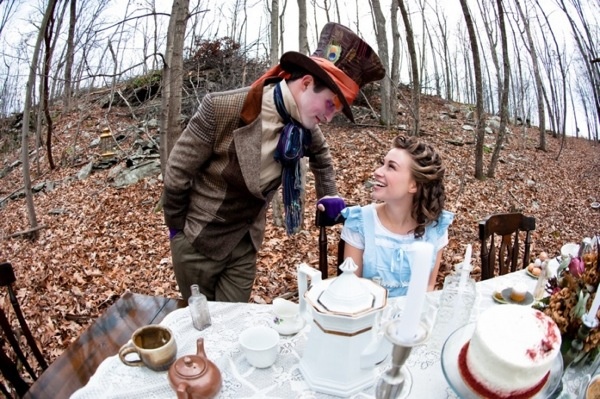
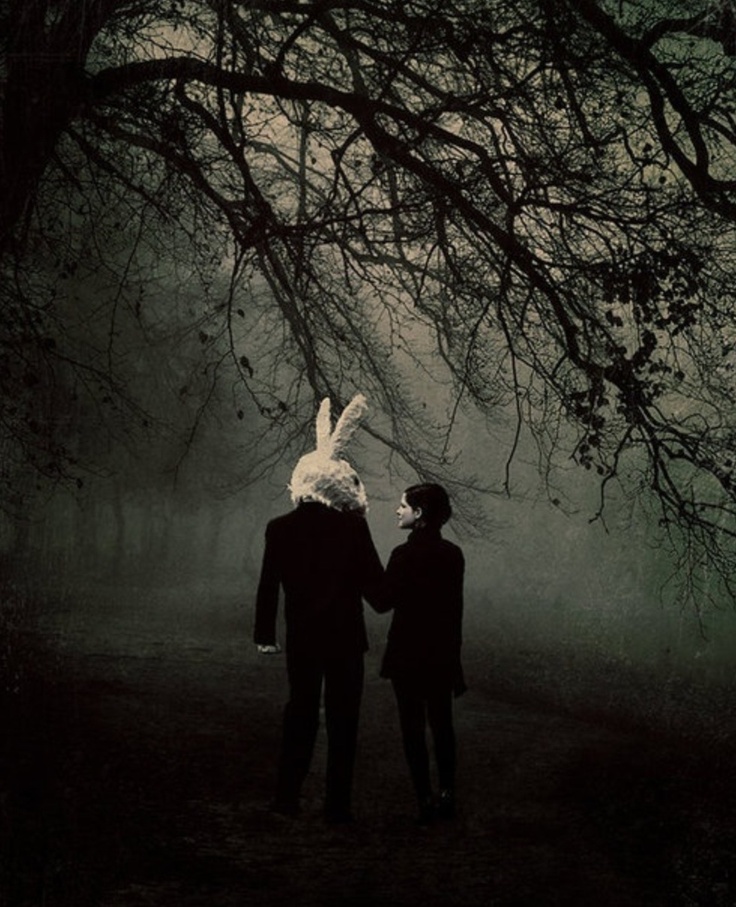
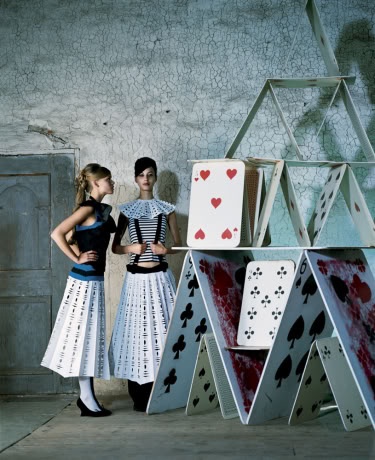
Children’s stories have fed artists for generations, and Carroll’s Wonderland remains one of the most photographed of them all. The book’s logic-bending rules, talking animals, sudden scale shifts, and tea-party absurdity give photographers a ready-made visual vocabulary: clocks, cards, keys, teacups, blue dresses, red queens, and faces that appear and vanish. The gallery below gathers psychedelic and whimsical interpretations from various photographers—an invitation to the Mad Tea Party in still frames rather than chapter headings.
Why Wonderland keeps pulling cameras
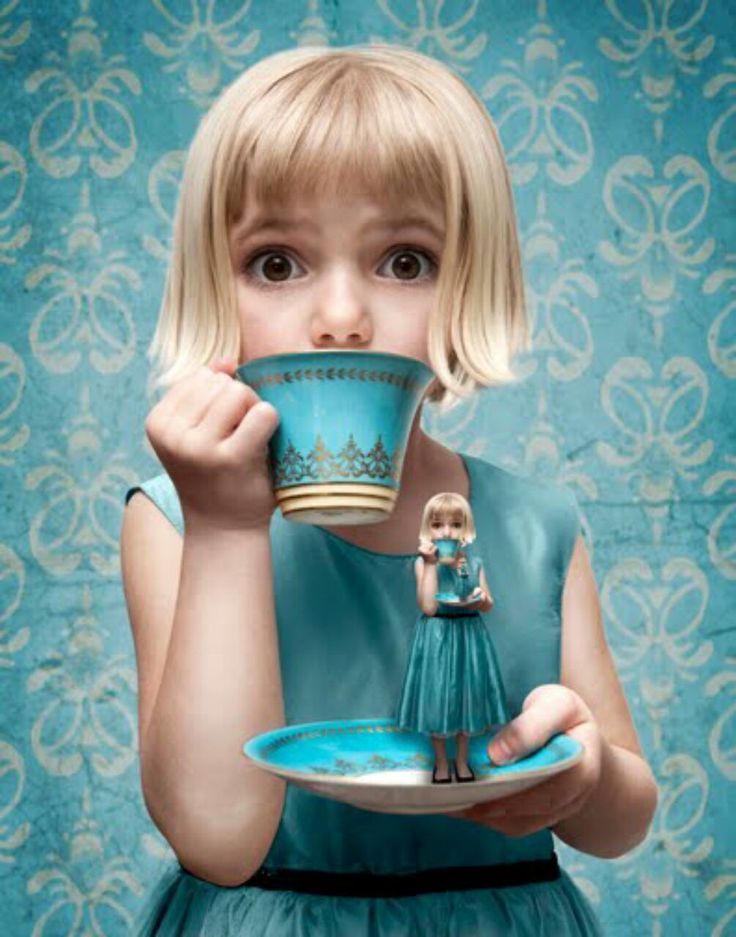
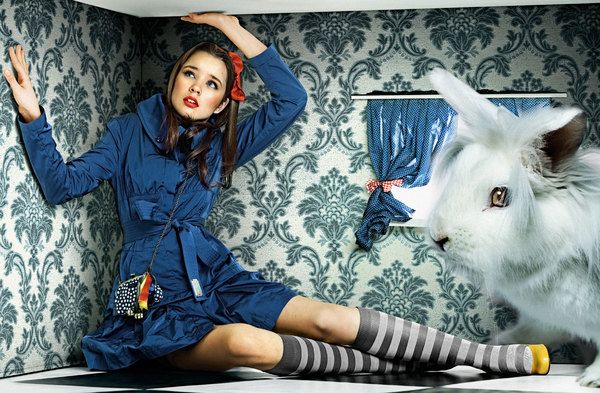
Carroll’s world is already photographic. It depends on sudden changes of scale, strange juxtapositions, and characters who refuse ordinary cause and effect. A lens loves that kind of problem. Forced perspective can shrink a model beside oversized props. Soft focus and colored gels can turn a backyard into a dream corridor. Costume and makeup can signal “Alice” in a single glance without illustrating every page of the novel.
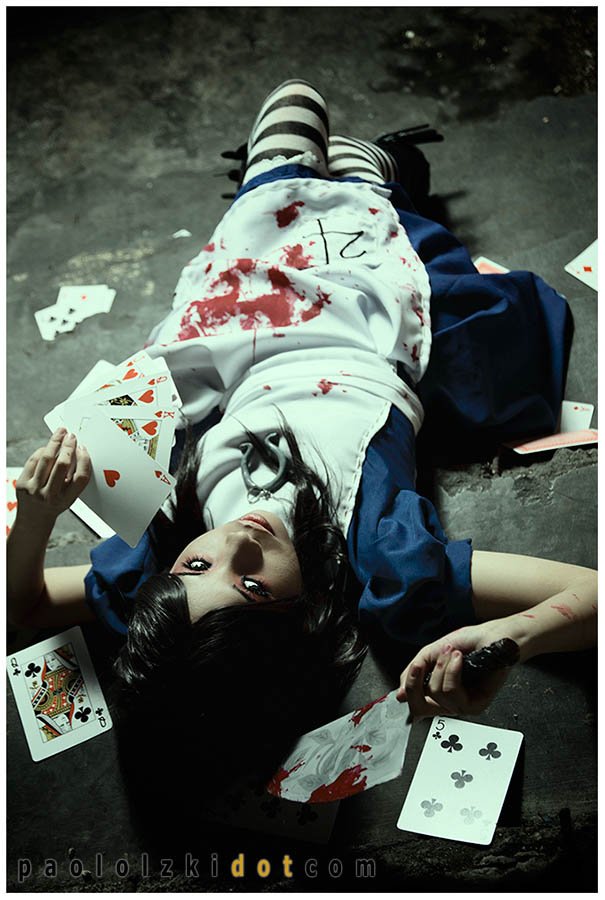
There is also emotional range. Wonderland is playful, but it is not only sweet. The Queen’s temper, the Caterpillar’s indifference, and Alice’s confusion give darker or surreal shoots permission to feel uneasy. Photographers who prefer bright fantasy and photographers who prefer uncanny portraiture can both claim the same source text. That flexibility explains why Alice imagery never quite leaves fashion editorials, fine-art portfolios, or Halloween-season concept shoots.
The Cheshire Cat’s advice at the fork is oddly useful for makers too. If you do not know what mood you want—sweet nostalgia, psychedelic chaos, gothic cards—the pictures will wander. Decide where you want the viewer to go: curiosity, laughter, dread, or delight. Then the props stop being clutter and start being direction.
Motifs that read as Wonderland
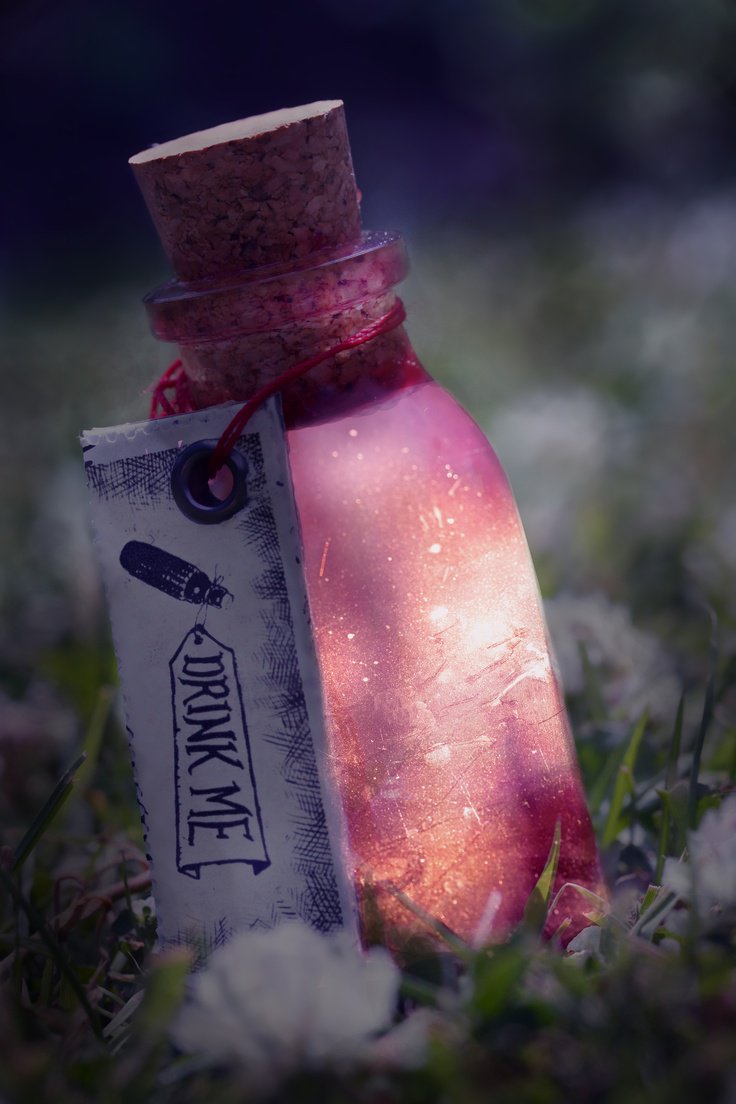
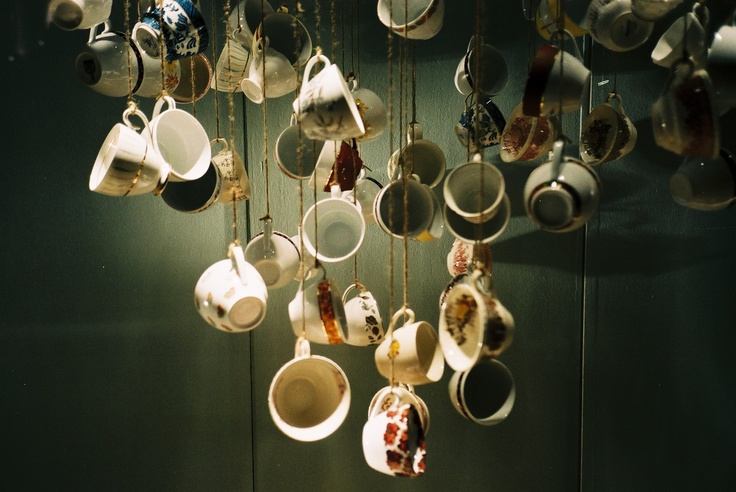
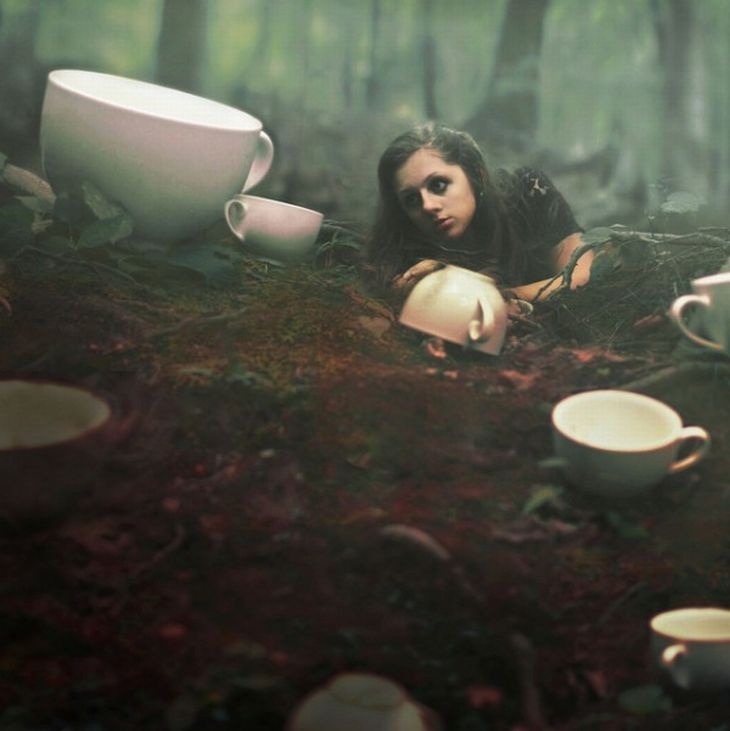
Certain objects have become almost heraldic. A pocket watch suggests lateness and rabbit-holes. Playing cards and chess pieces hint at queens, trials, and games that rewrite their own rules. Teacups and mismatched china point to the Mad Tea Party’s endless afternoon. Keys, doors, and tiny bottles echo Alice’s growth potions and locked rooms. None of these props require a caption if styling and posture cooperate.
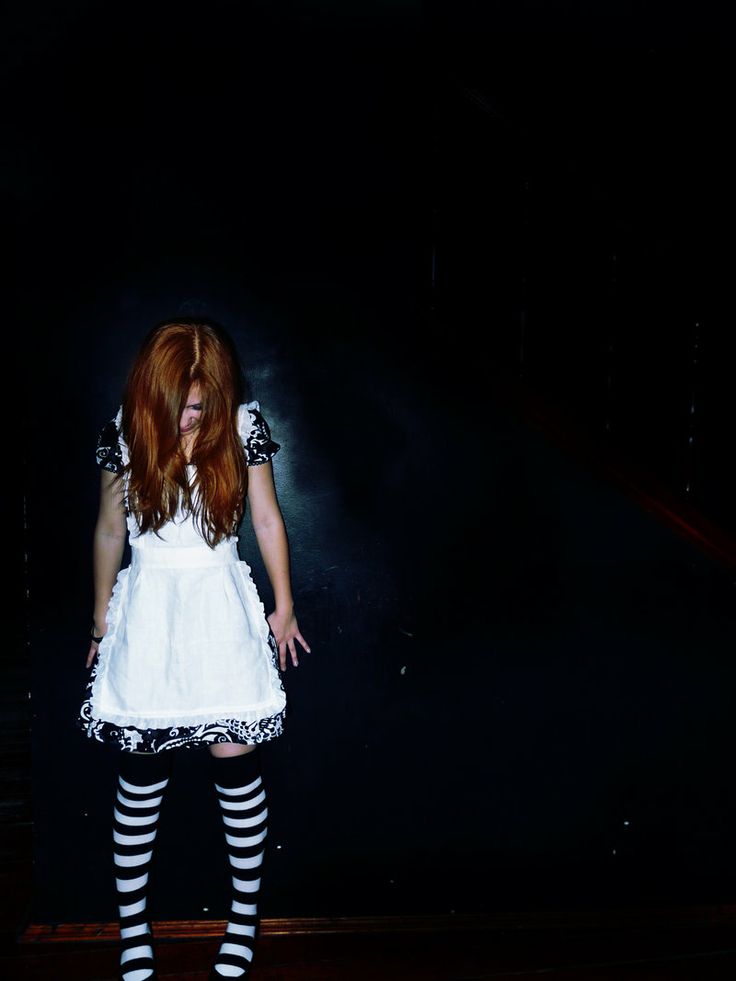
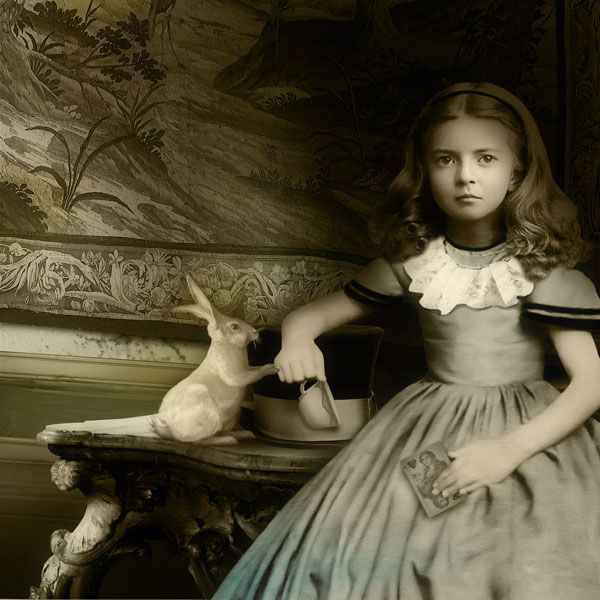
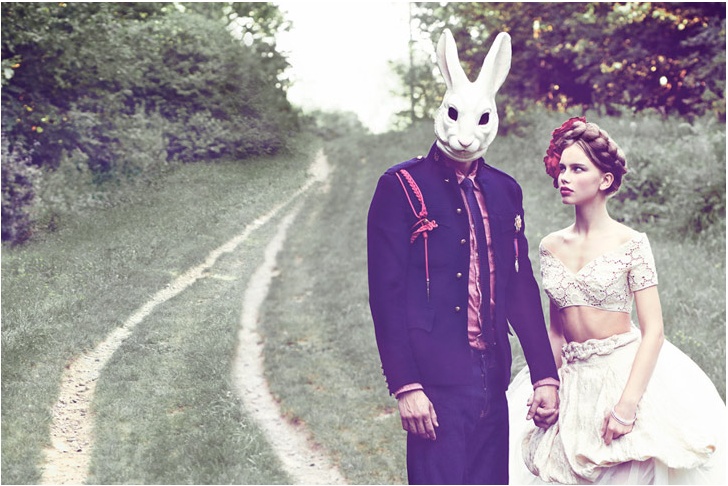
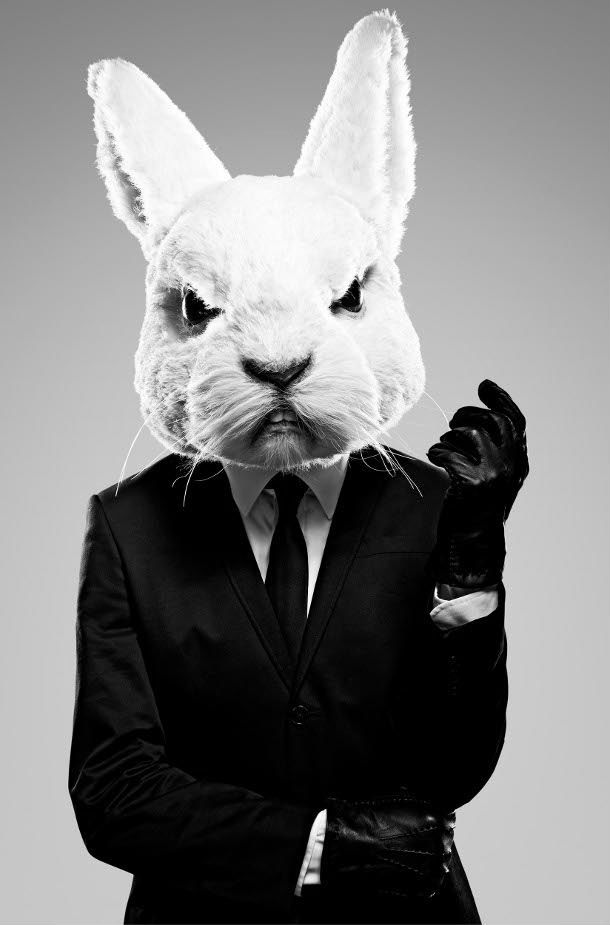
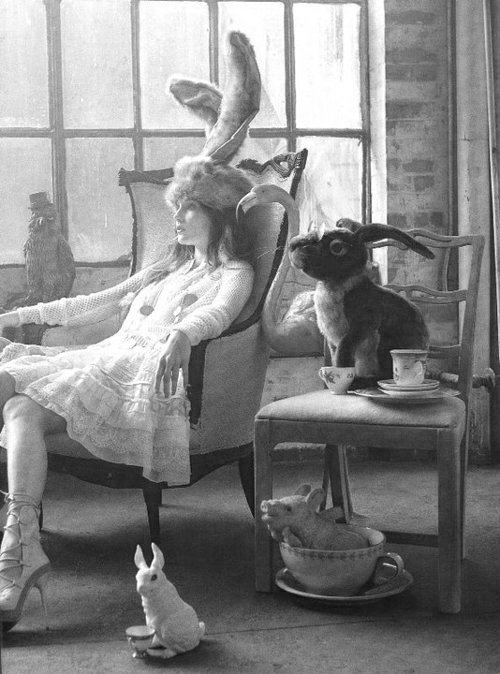
Color does similar work. Saturated reds and blacks can summon the Queen of Hearts. Soft blues and whites lean toward classic storybook Alice. Neon pinks, acid greens, and heavy color grade push toward psychedelic rereading—Wonderland as altered state rather than nursery tale. Black-and-white treatments emphasize dream logic and Victorian aftertaste. Across this gallery you will see those choices competing and overlapping: some frames stay close to illustration tradition; others treat Carroll as permission for surreal fashion.
Faces matter as much as props. Alice is often young, curious, and slightly out of place; the Hatter and other court figures invite exaggeration—wild hair, painted brows, smiles that do not reassure. Photographers who cast carefully can tell the story with expression alone, letting a single teacup or card become punctuation rather than a full set build.
Scale, space, and the rabbit-hole effect
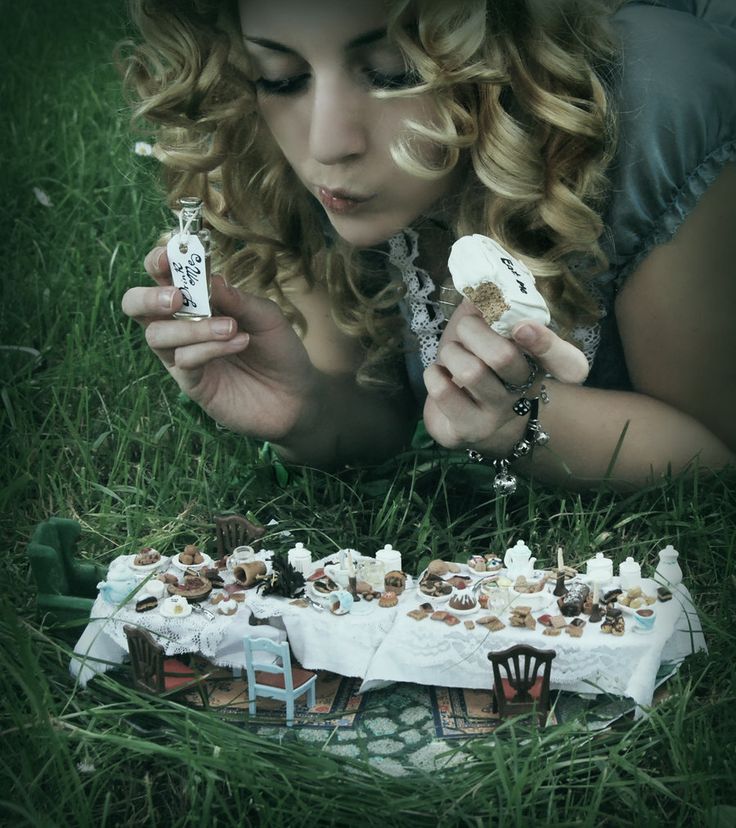
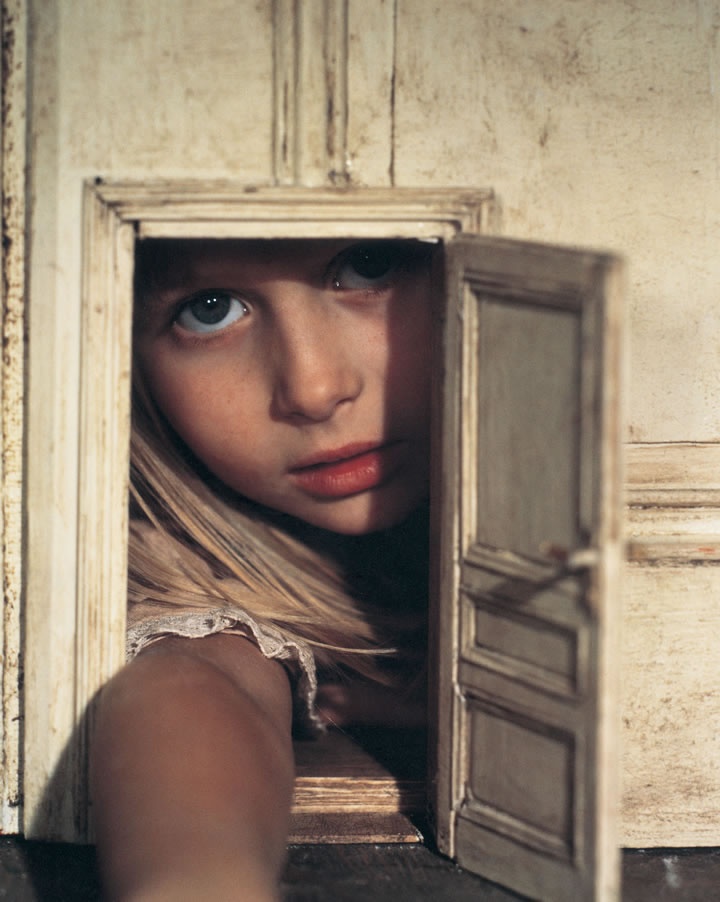
One of Wonderland’s gifts to photography is scale play. Miniatures beside full-size hands, doorways that dwarf a subject, or tables that seem to float in empty rooms all echo Alice’s changing size. Practical effects—forced perspective, clever cropping, DIY oversized props—often feel more charming than heavy digital composites, though composites have their place when a shoot needs floating cards or impossible rooms.
Location choices shape the mood. Forests and overgrown gardens suggest the rabbit’s path and the wild outside of adult order. Bare studios put costume and gesture under a microscope. Vintage interiors, staircases, and attics lean Victorian without needing a full set build. Outdoors at golden hour softens the tale; harsh midday light or colored night gels can make it stranger.
Movement helps. A spinning dress, spilled tea, tossed cards, or hair caught mid-turn keeps Wonderland from freezing into a wax museum. Carroll’s chapters feel restless; photographs that imply the moment before or after a rule breaks usually feel more alive than perfectly posed catalog shots.
From storybook sweet to psychedelic
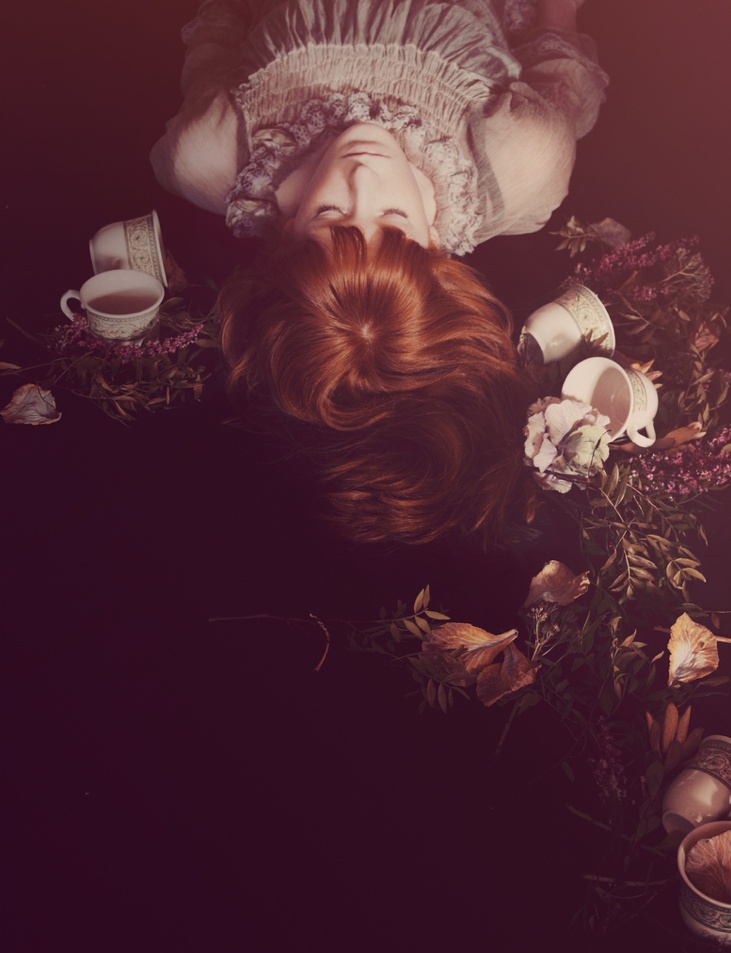
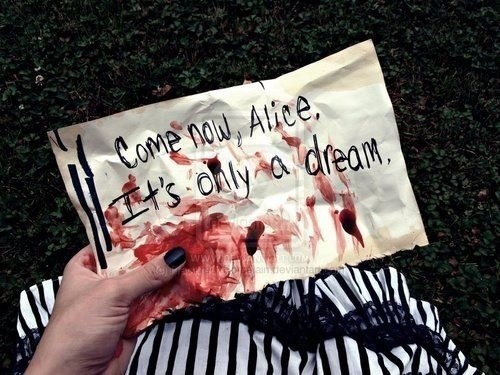
Not every Alice photograph aims for children’s-book warmth. Some makers chase the tale’s nonsense until it becomes hallucinatory: doubled exposures, warped lenses, paint on skin, tea parties staged like fever dreams. That psychedelic strand is faithful in spirit if not in costume accuracy. Carroll’s wordplay and dream transitions already feel like altered perception; color grading and surreal staging simply translate that sensation into contemporary image culture.
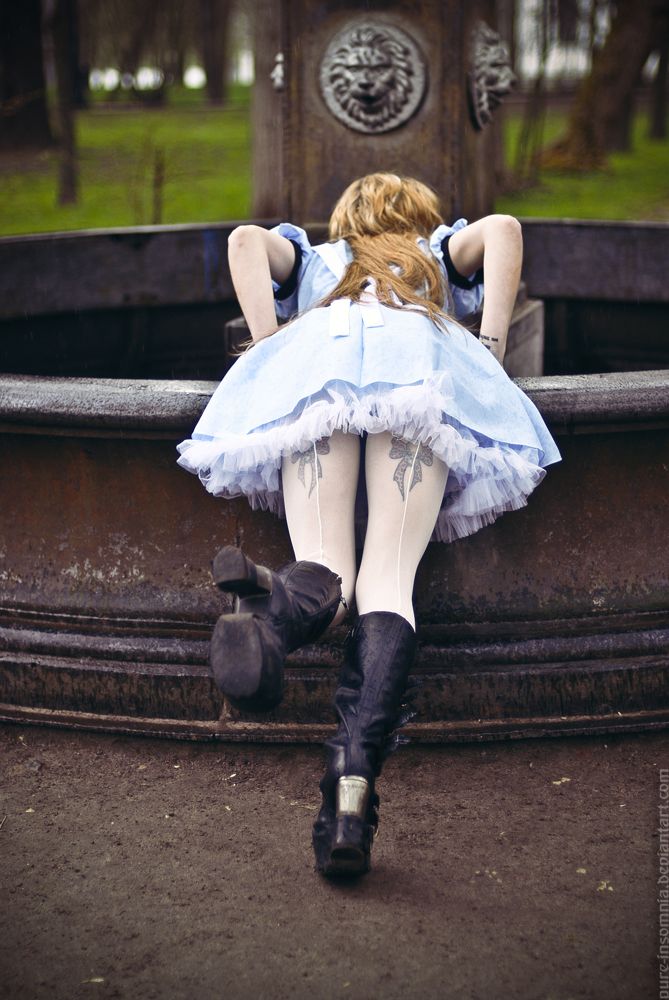
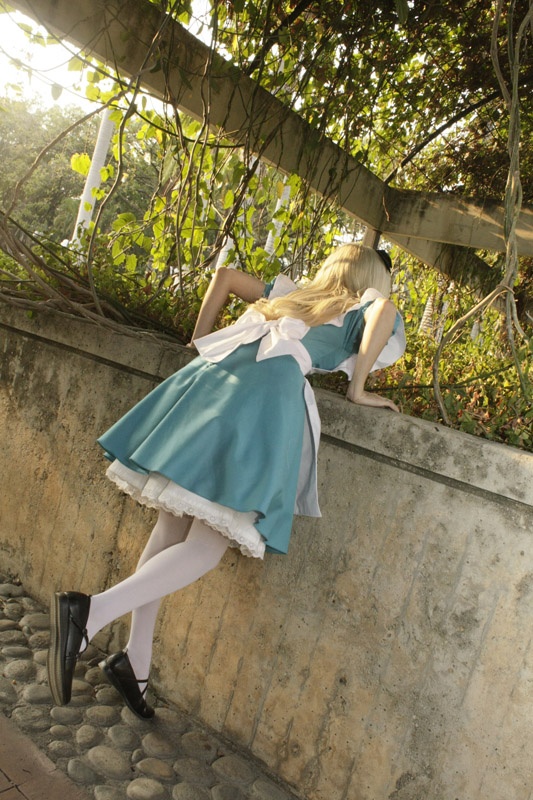
Other frames stay closer to nostalgia—clean blue dresses, white aprons, soft window light. Both approaches belong here. Wonderland is large enough for tender portraits and for images that unsettle. Looking across a long gallery, the variety is the point: proof that a nineteenth-century fantasy still seeds twenty-first-century experiments.
How to look at (or shoot) an Alice series
If you are browsing for inspiration, notice what each photographer emphasizes: costume fidelity, emotional tone, prop density, or pure color. Ask which images feel like chapters and which feel like single icons. A strong series often repeats one motif—cards, clocks, cups—so the set coheres even when locations change.
If you are planning your own shoot, start with one scene rather than the whole novel. A tea party table, a hallway of doors, or a portrait with a single key can carry more Wonderland than a crowded set that tries to include every character. Read a chapter before styling; Carroll’s details are stranger and funnier than generic “fantasy girl with teacup” clichés. Keep safety in mind with candles, smoke, and oversized props. And leave room for accident—spills, crooked wigs, unexpected light—because Wonderland thrives on things going slightly wrong.
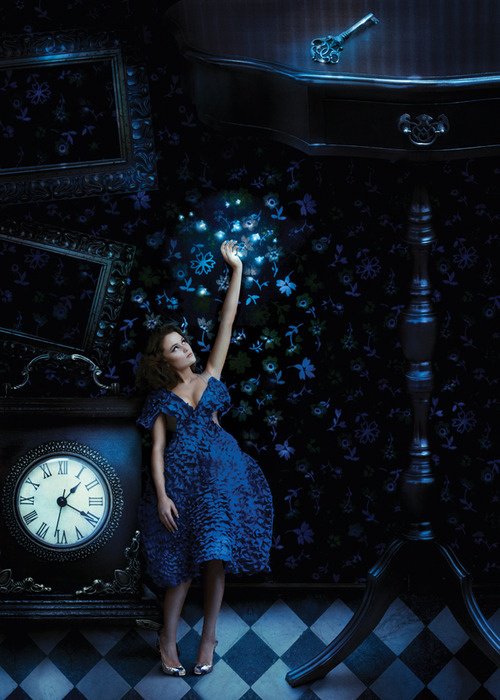
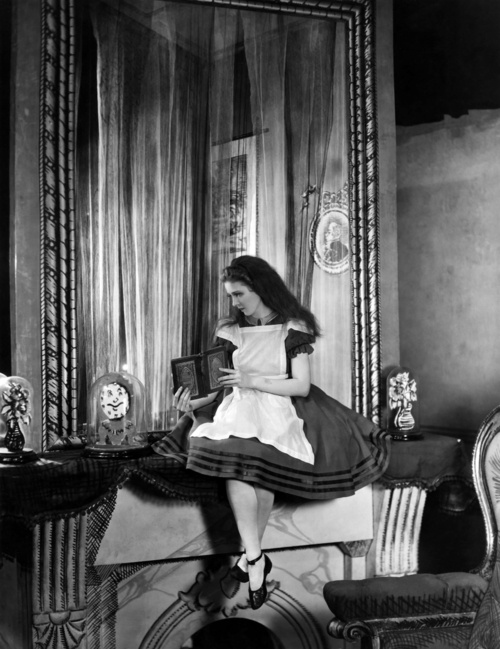
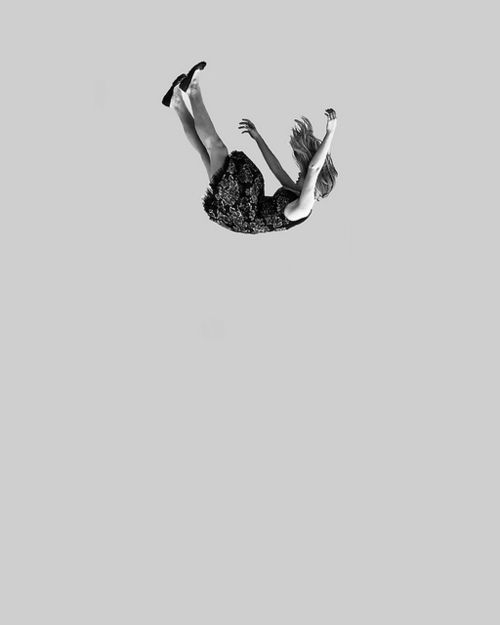
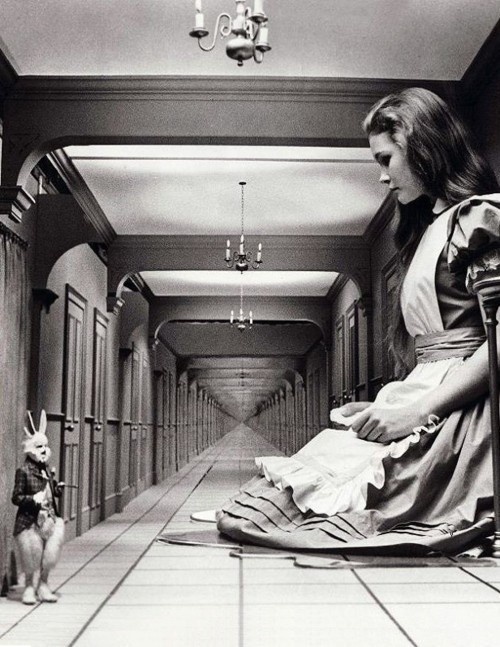
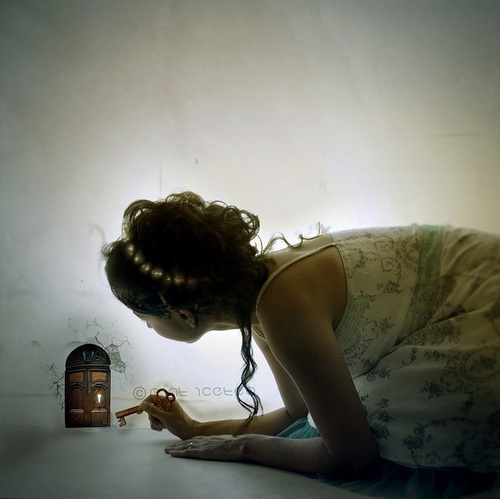
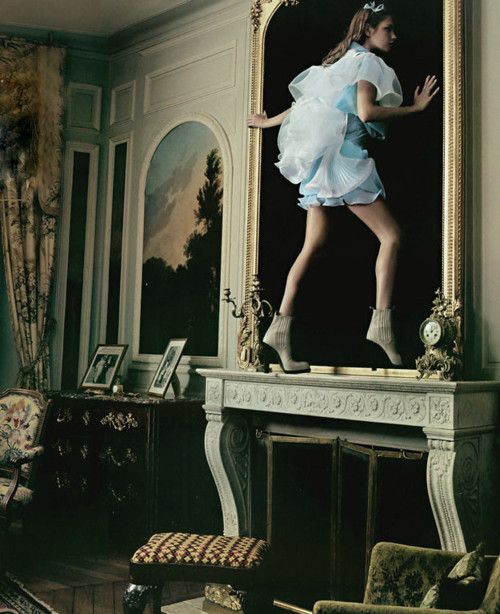
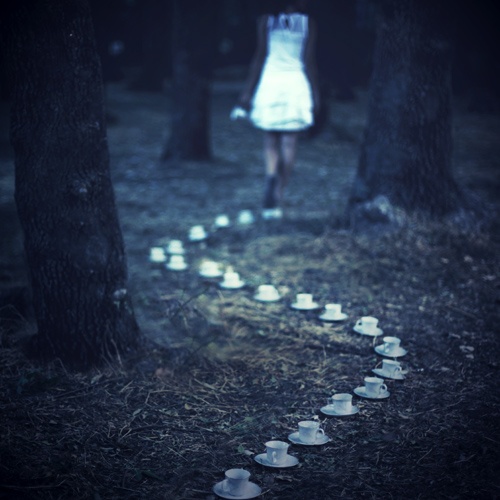
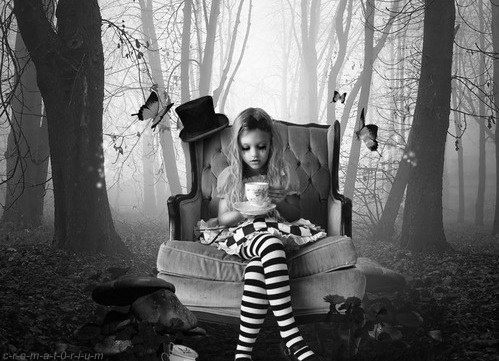
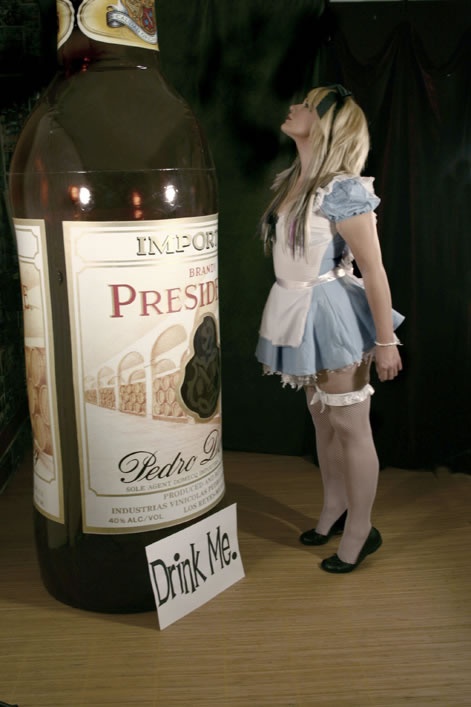
Check your pocket watch if you must—but stay for the rest of the party. The remaining frames keep circulating the same invitation: step through the ordinary world for a moment and let nonsense rearrange the furniture. Whether soft or psychedelic, each photograph below is another fork in Carroll’s road, and another reminder that in Wonderland the map is optional as long as the looking is curious.
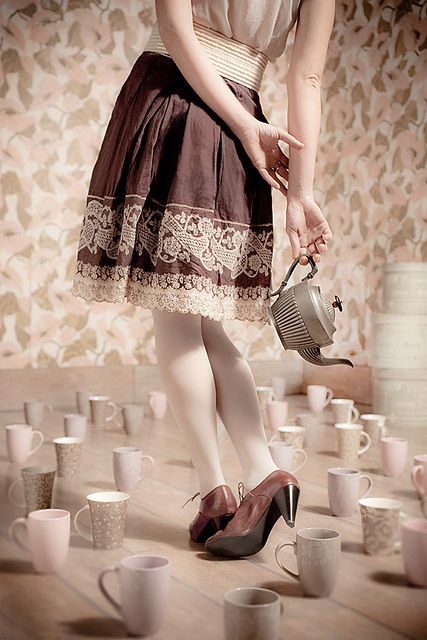
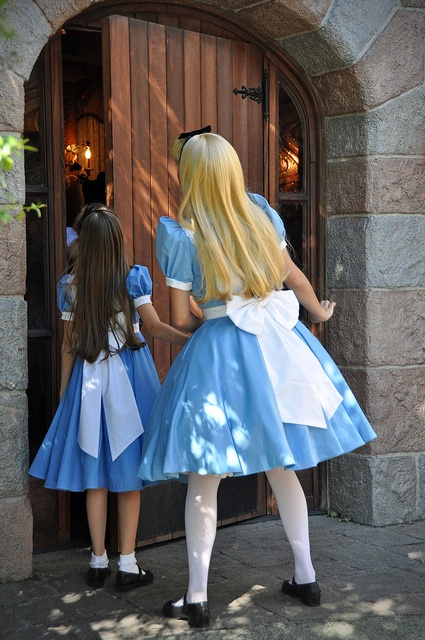
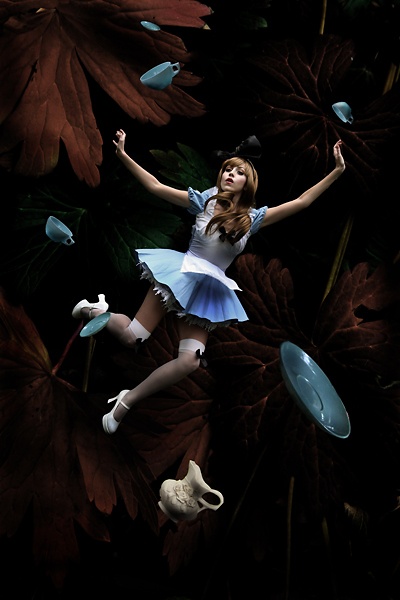

Comments
Continue reading
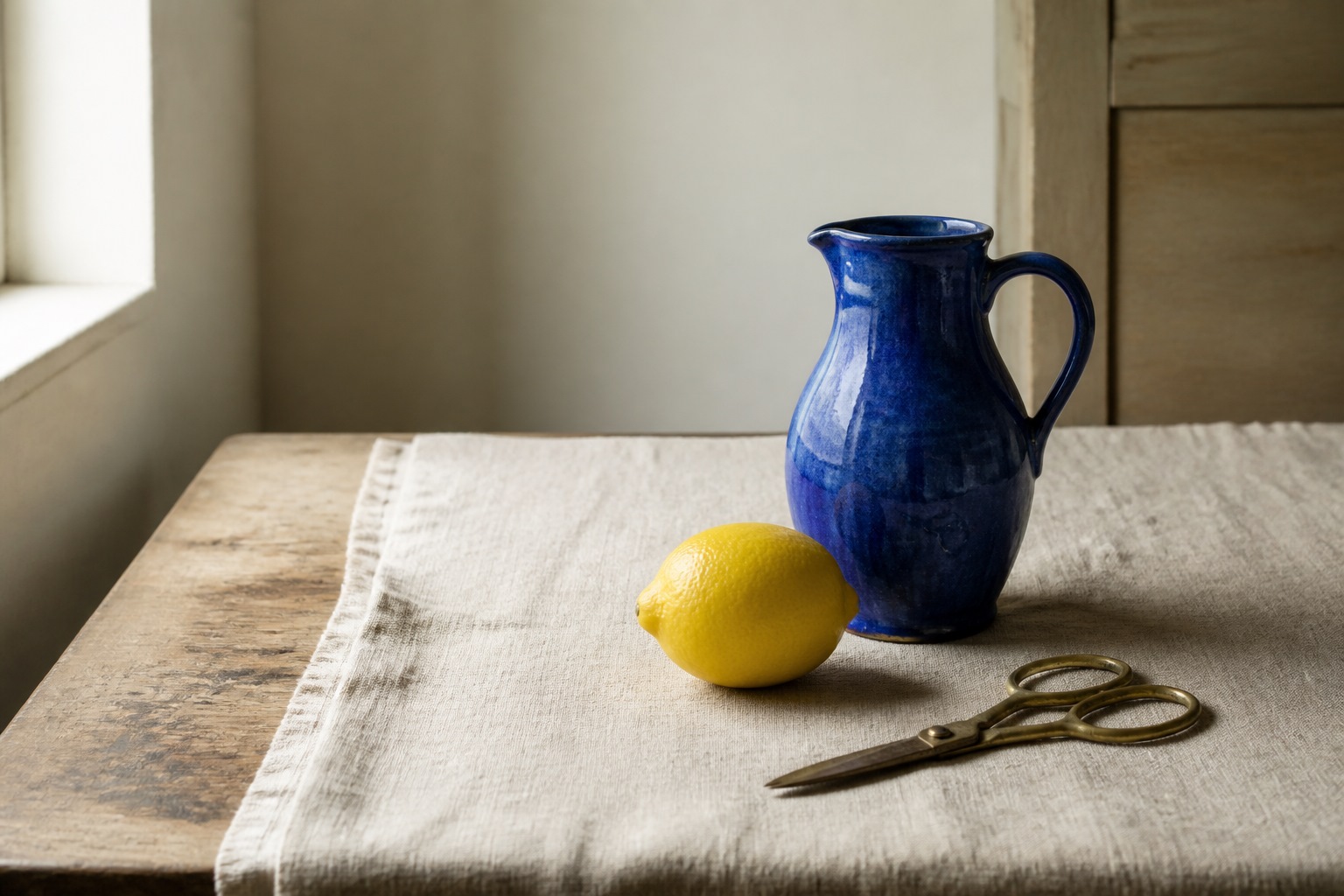
Still-Life Photography at Home with One Window
A table, north or side light, and a handful of objects—how to shoot still lifes in a small room without a studio, softboxes, or a prop closet.
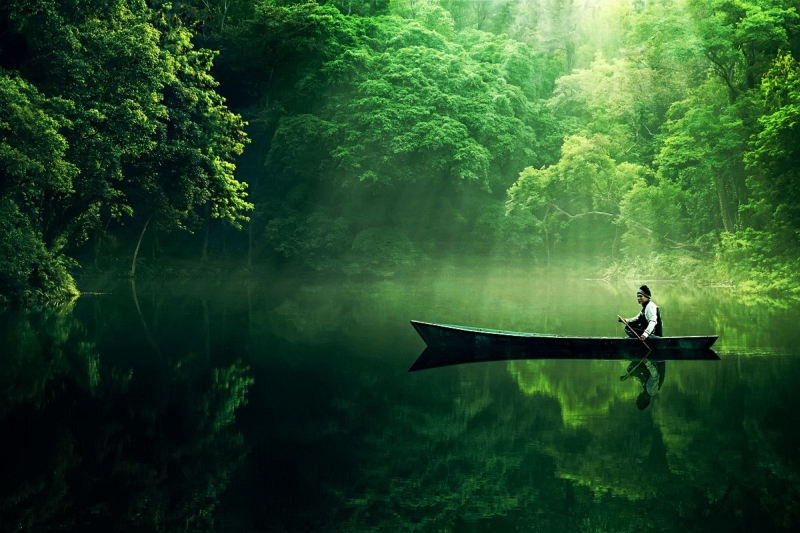
Dramatic Photo Art by Sukron Ma’mun (Ipoenk Graphic)
Cirebon, Indonesia photographer Sukron Ma’mun uses theatrical natural light to frame village life, play, and place in lyrical photo art.
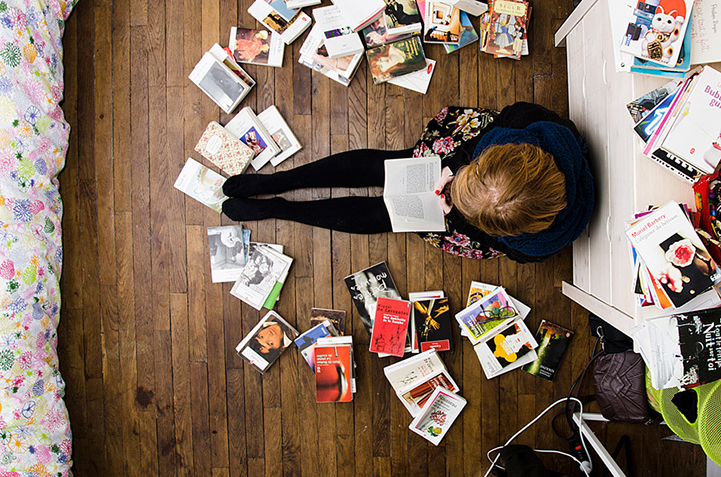
Bird’s-Eye Views: Florian Beaudenon’s Instant Life
Paris photographer Florian Beaudenon’s Instant Life series captures people in their rooms from above—intimate, collaborative overhead portraits of everyday joy.