
Animals and Humans in Harmony: Katerina Plotnikova’s Fine Art Portraits
Moscow photographer Katerina Plotnikova’s series of people and animals sharing calm, mystical frames—harmony as composition, trust, and careful looking.
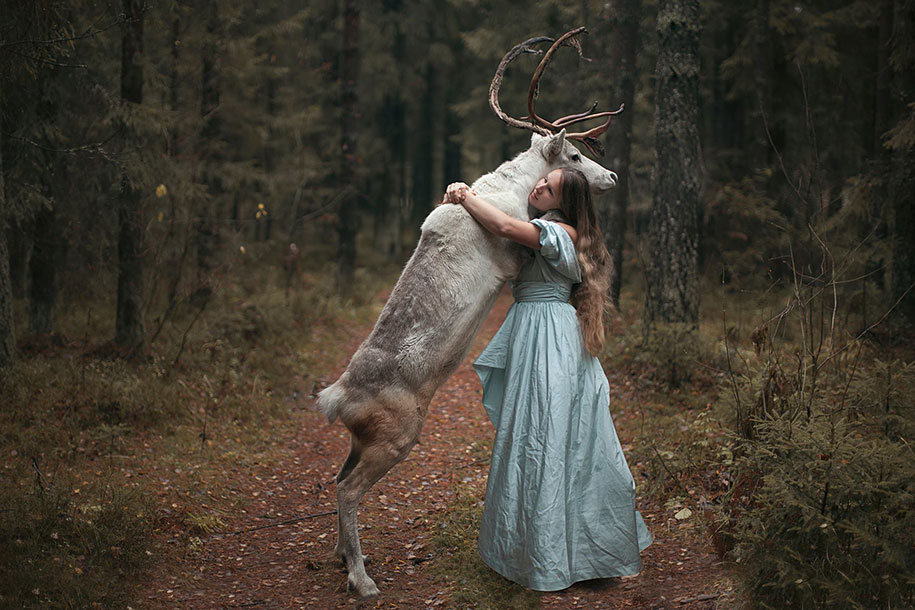
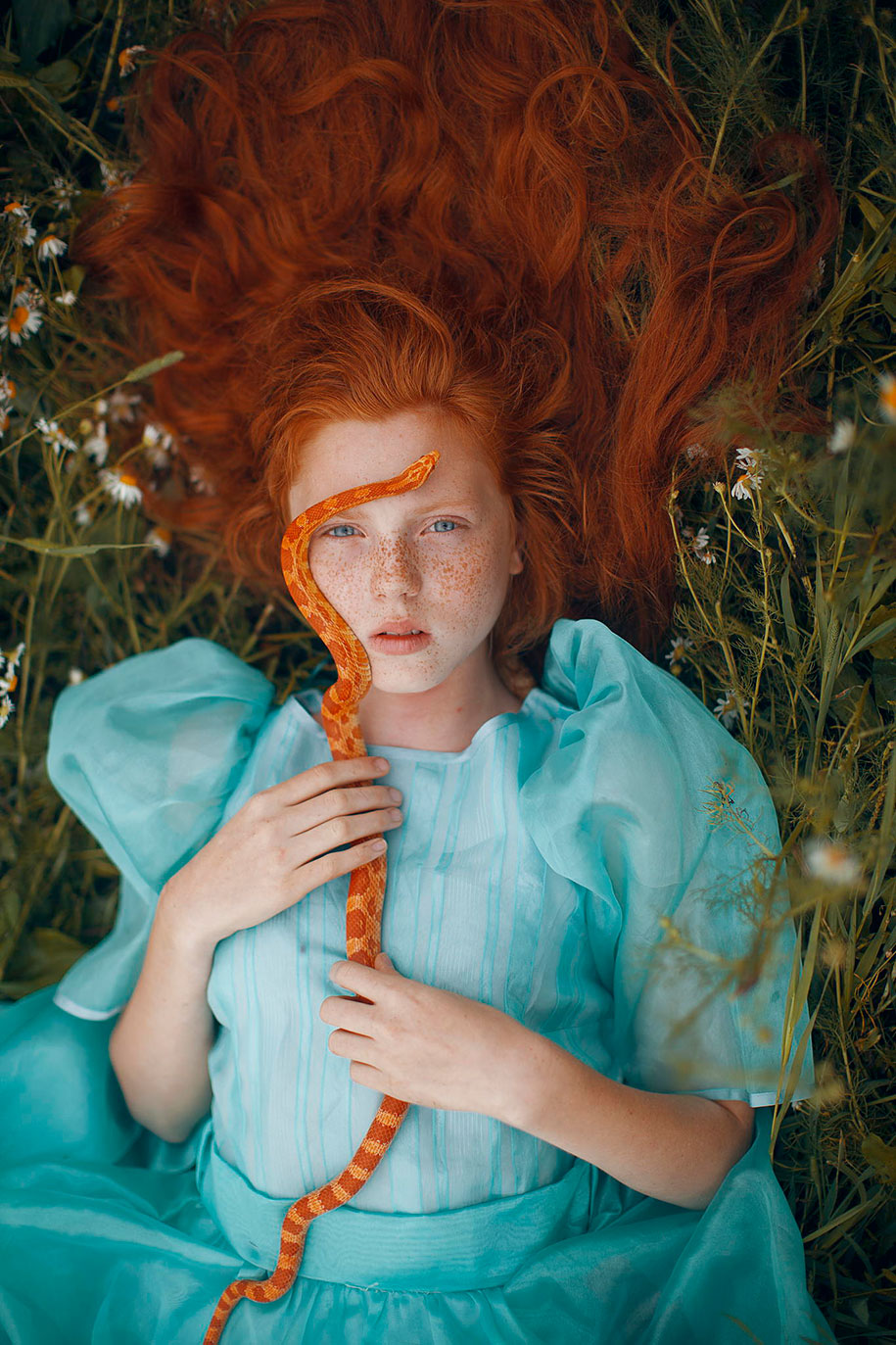
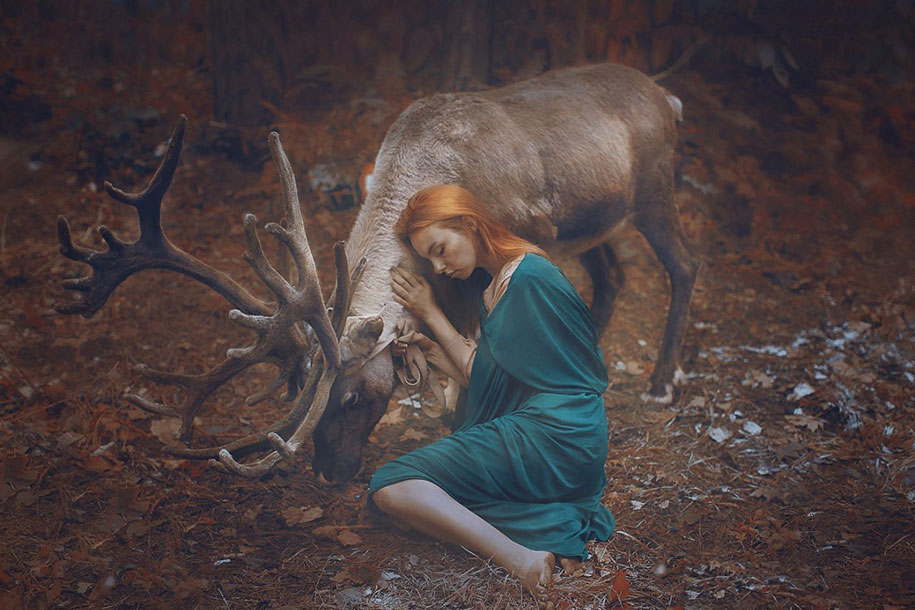
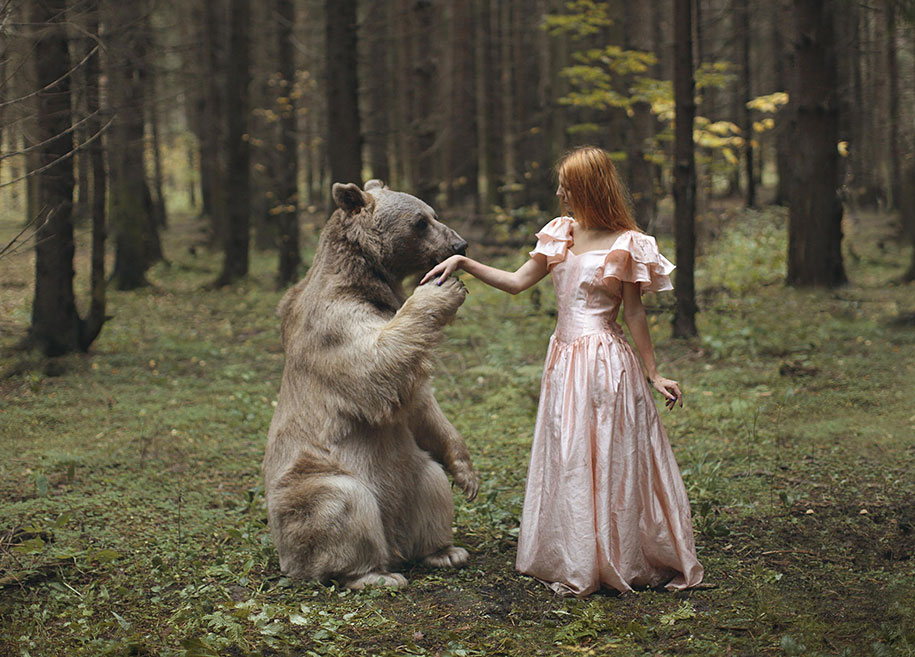
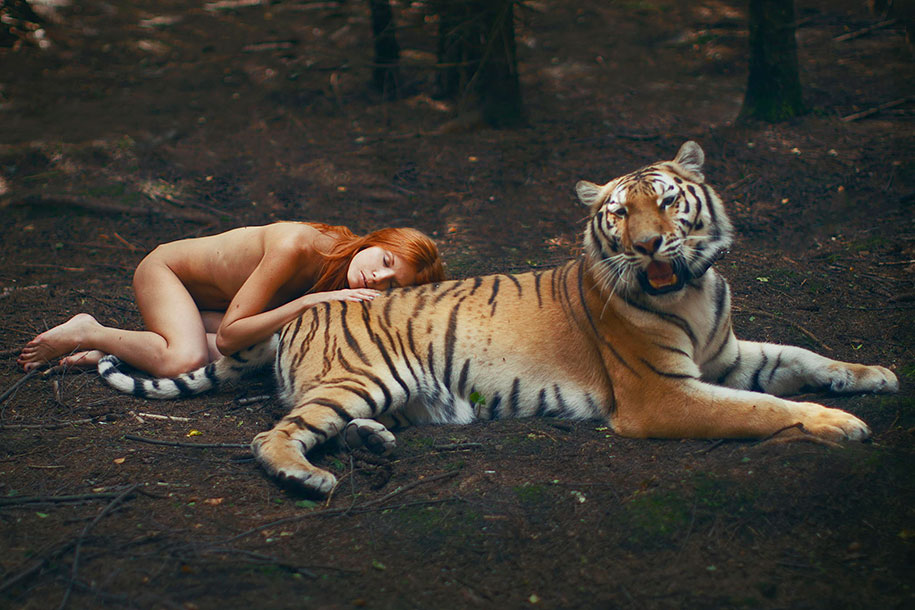
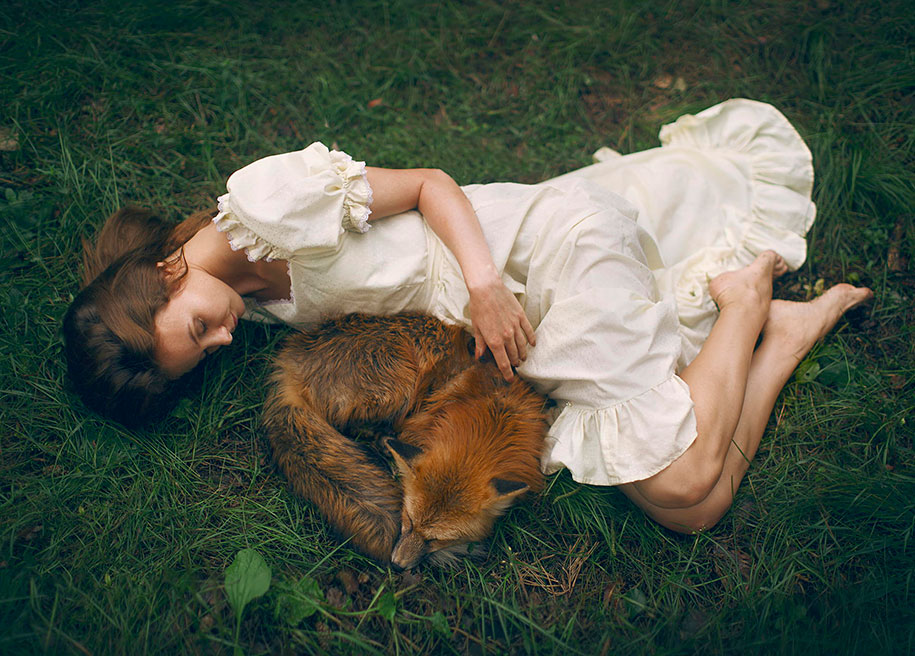
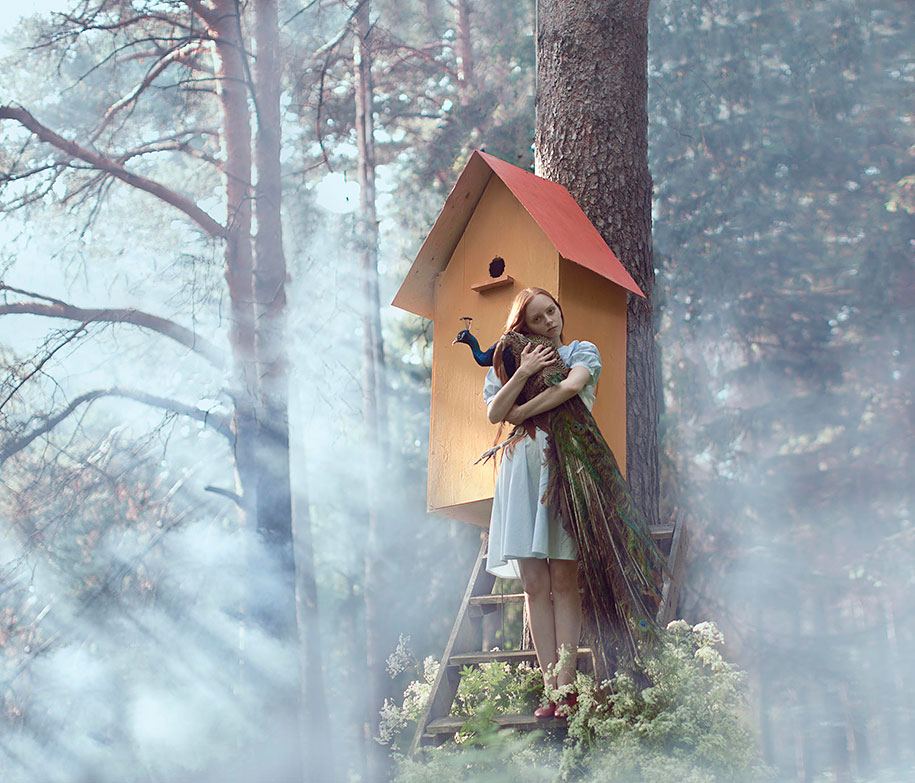
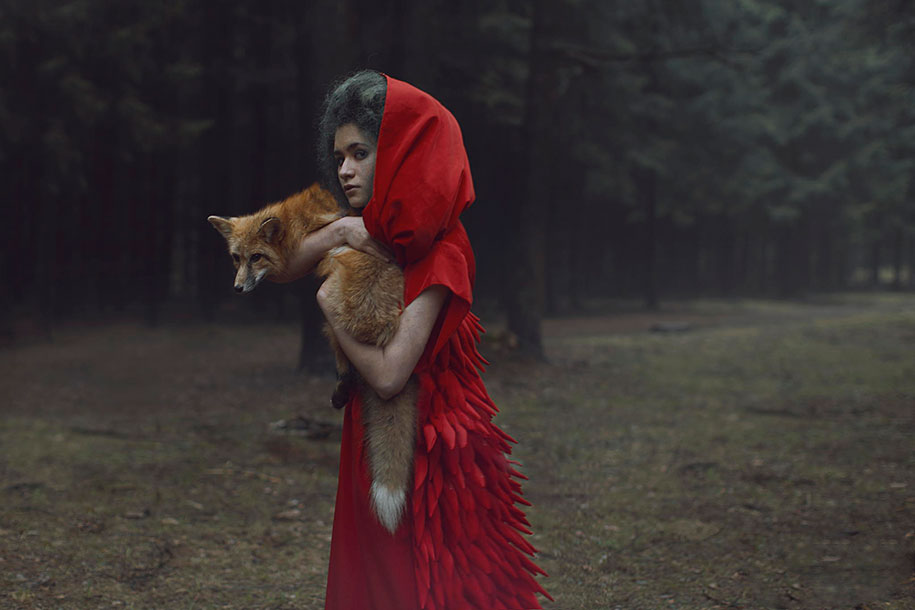
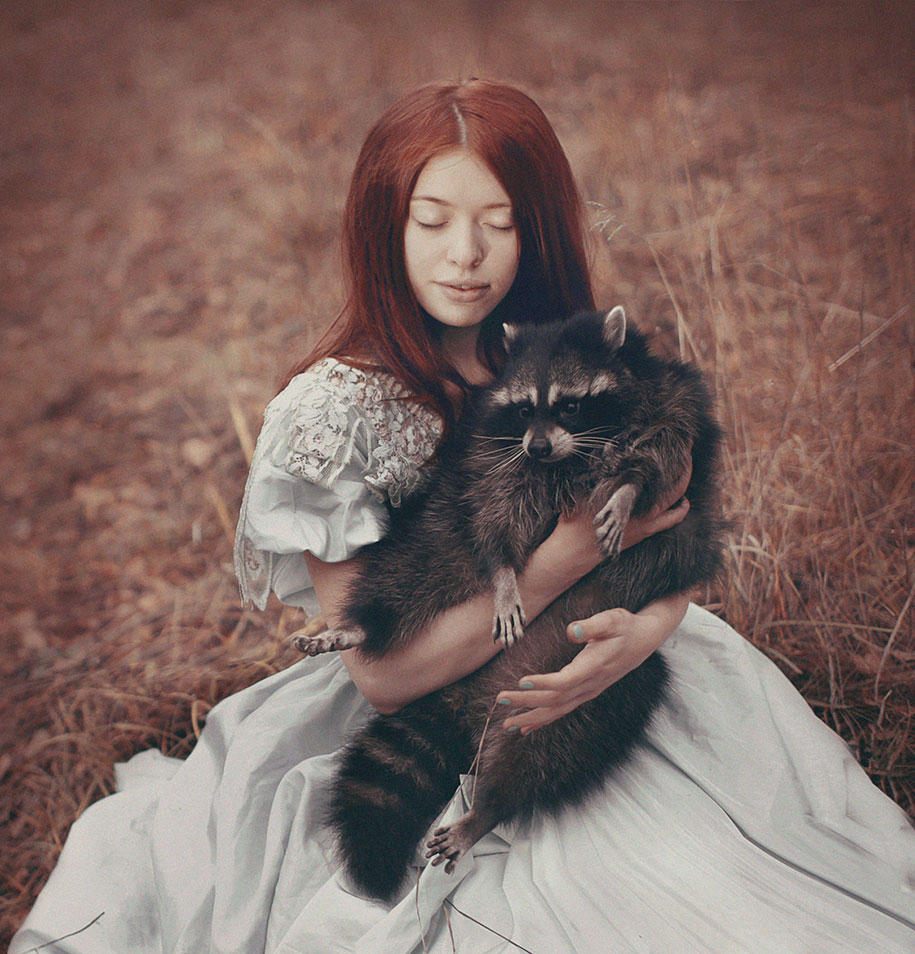
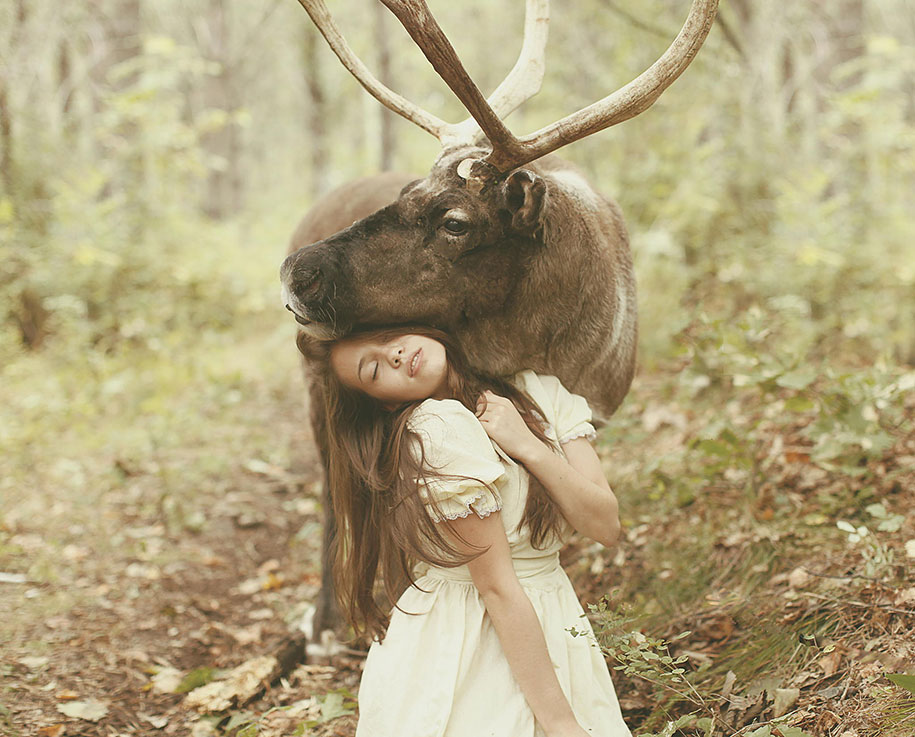
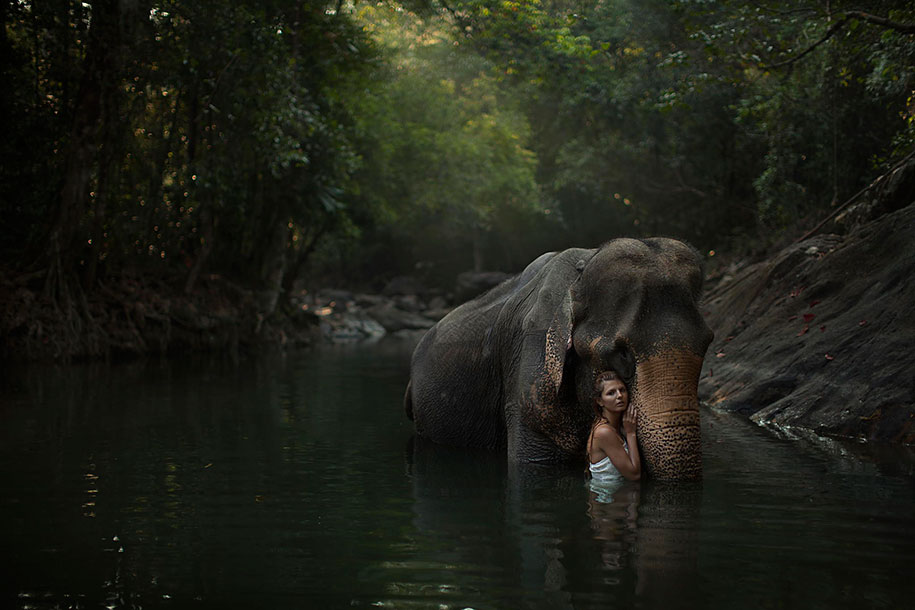
Fine art photography often separates the living world into neat folders: wildlife alone in landscape, humans alone in portrait, nature as backdrop rather than partner. Moscow-based photographer Katerina Plotnikova has long worked against that split. In her best-known series of animals posed with people, the point is not novelty shock or a circus stunt. It is composure—bodies sharing space until the frame feels like a single mood rather than a stitched-together curiosity.
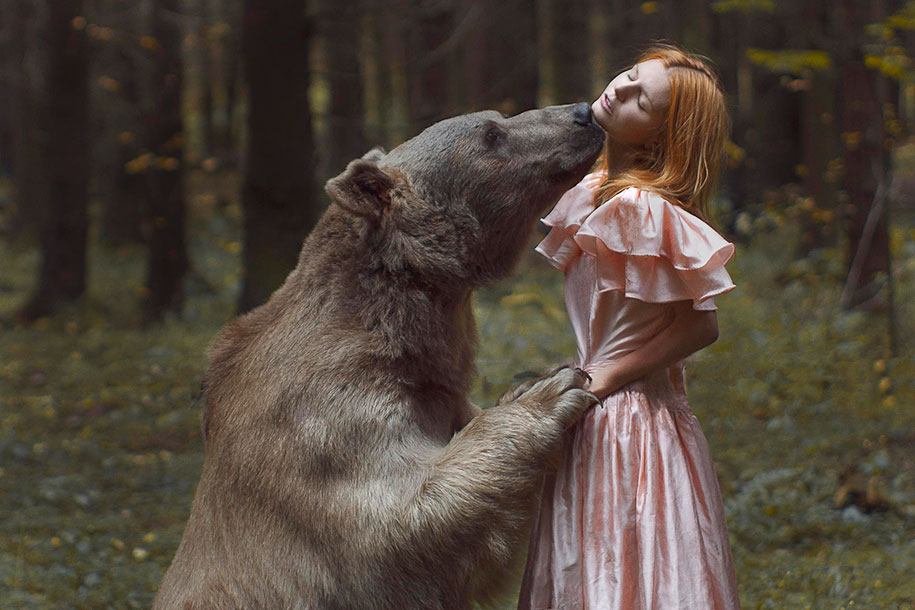
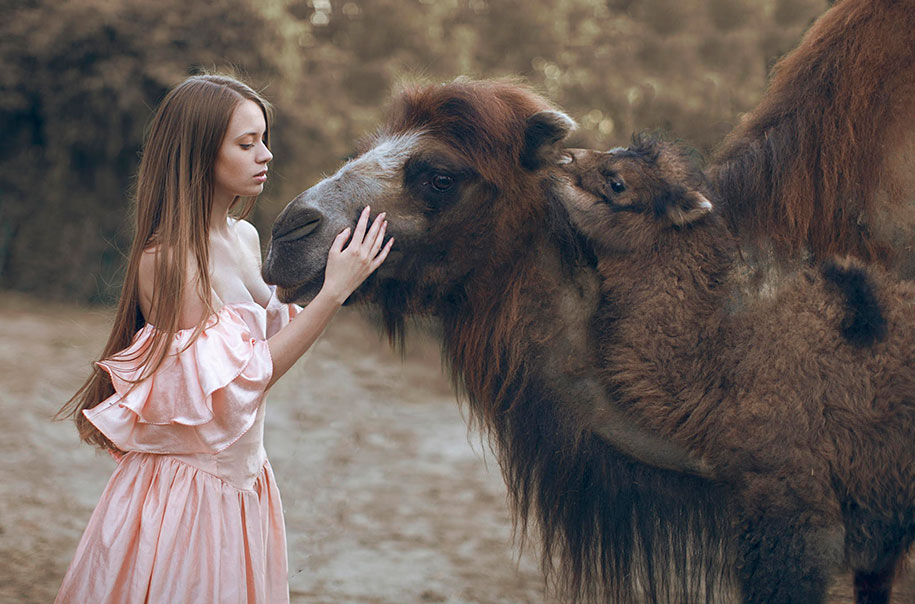
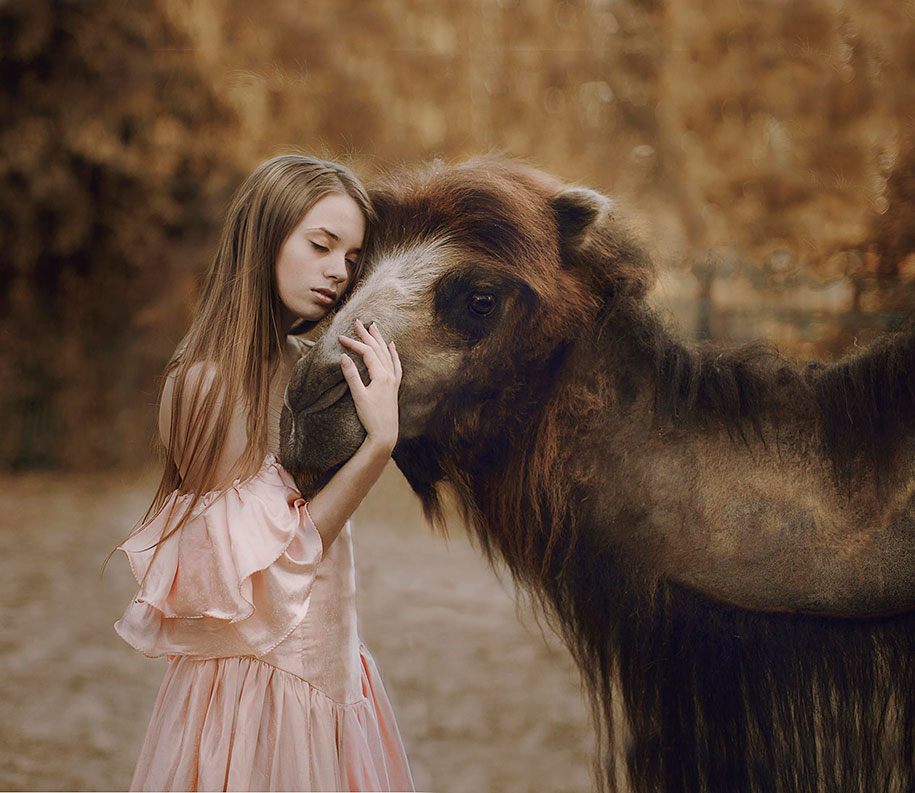
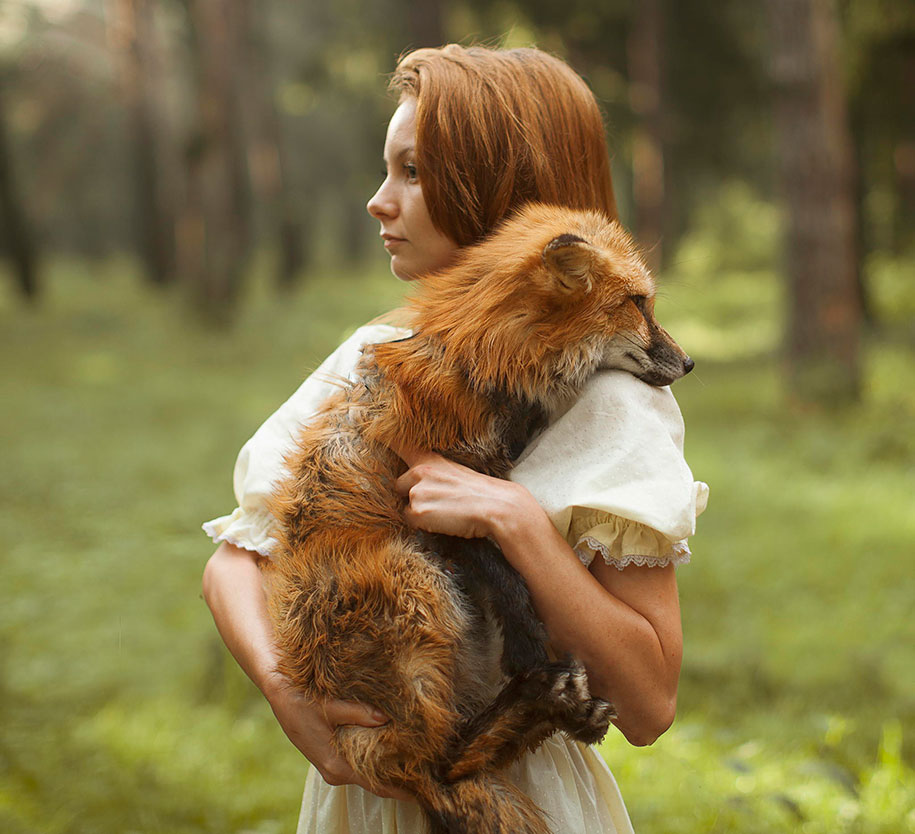
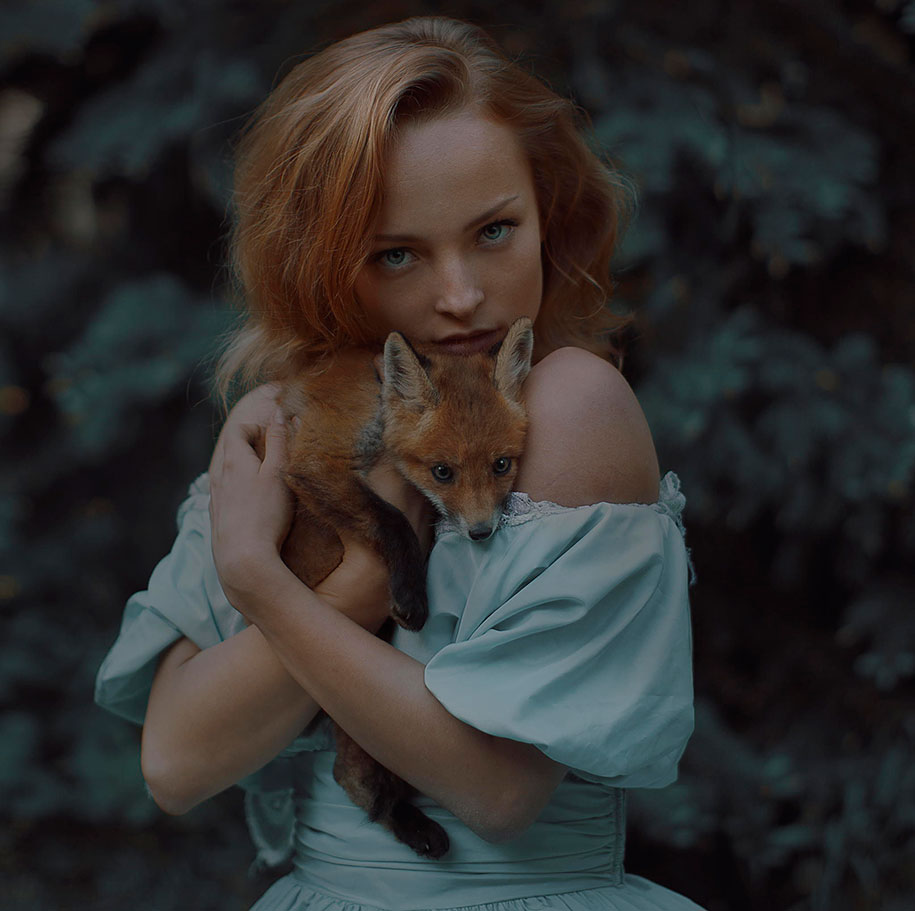
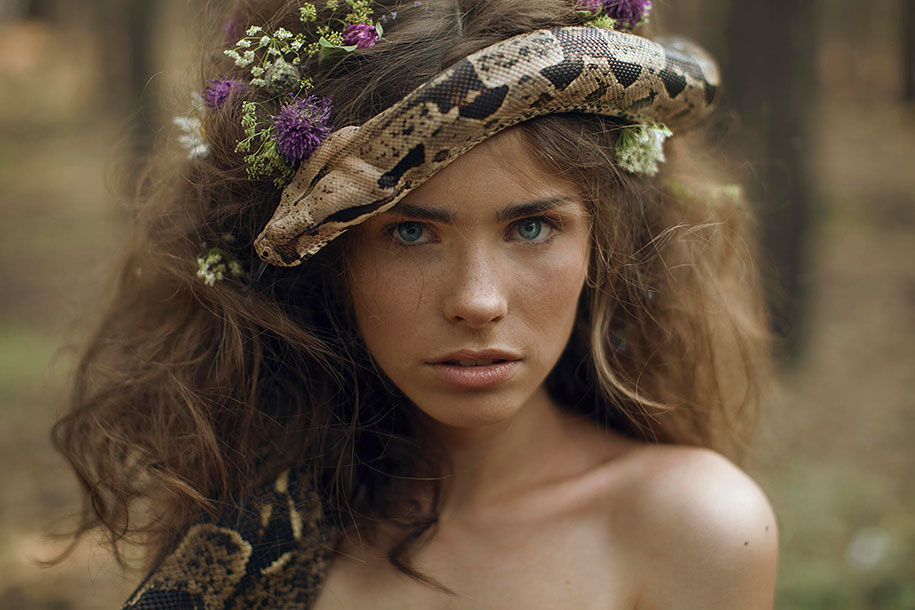
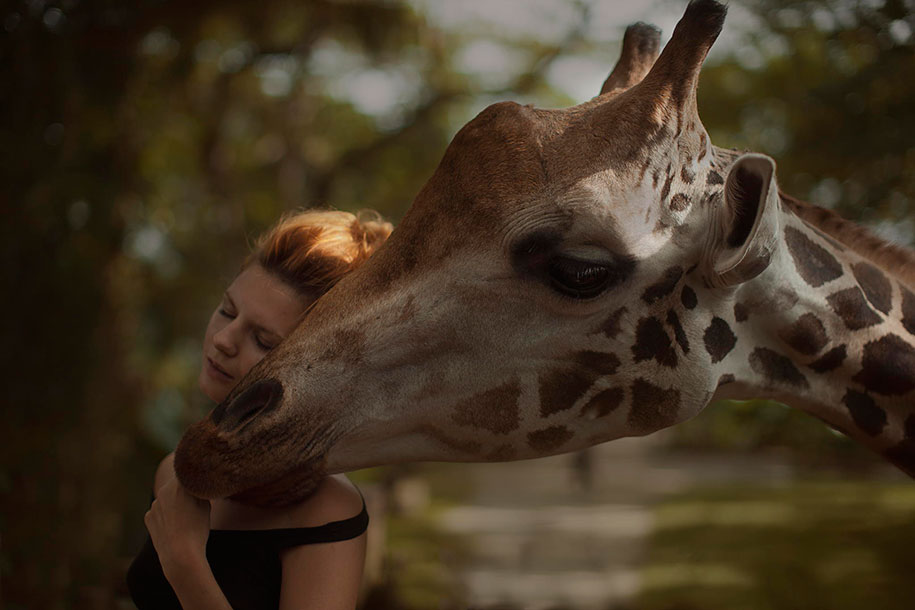
The pictures circulate because they are beautiful and slightly uncanny. A human figure and a large animal occupy the same quiet plane of light. Posture echoes posture. Gaze softens. The setting tends toward the mystical: soft woods, open fields, muted color, an atmosphere that asks you to look longer than a social-media blink. What holds attention is resemblance without sameness—two different creatures learning a common stillness long enough for a shutter to matter.
Harmony as a photographic idea
Harmony here is compositional before it is sentimental. Plotnikova’s frames treat scale carefully. A tall animal can dominate without crushing the human subject; a person can remain central without turning the animal into furniture. Negative space matters. Soft focus in the distance keeps the encounter intimate. Color stays restrained so skin, fur, fabric, and foliage speak in related tones rather than competing for the loudest hue.
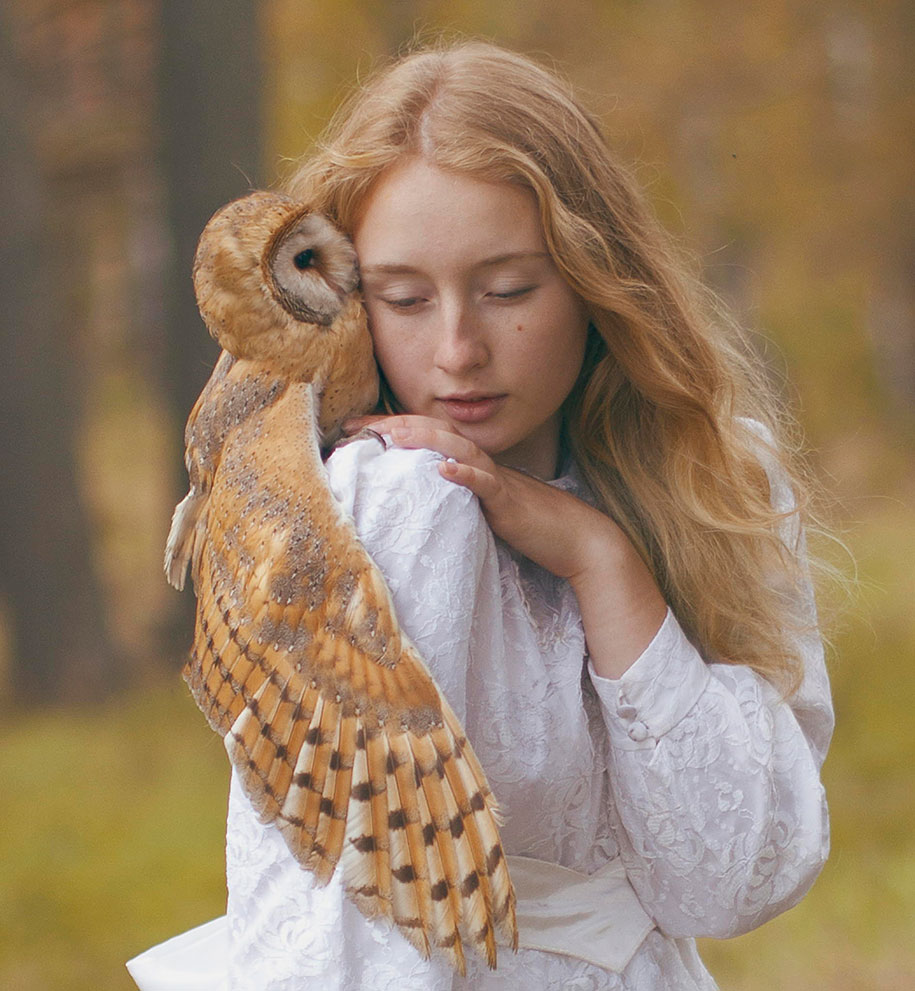
That restraint is why the work reads as fine art rather than as a novelty feed. The viewer is invited to notice parallel curves of neck and shoulder, the shared direction of attention, the way a hand rests without claiming ownership. The photographs suggest kinship across species without pretending that kinship erases difference. You sense weight, breath, and risk managed into calm—an achievement that has more to do with timing and trust than with a single lucky click.
Why these images feel “fresh”
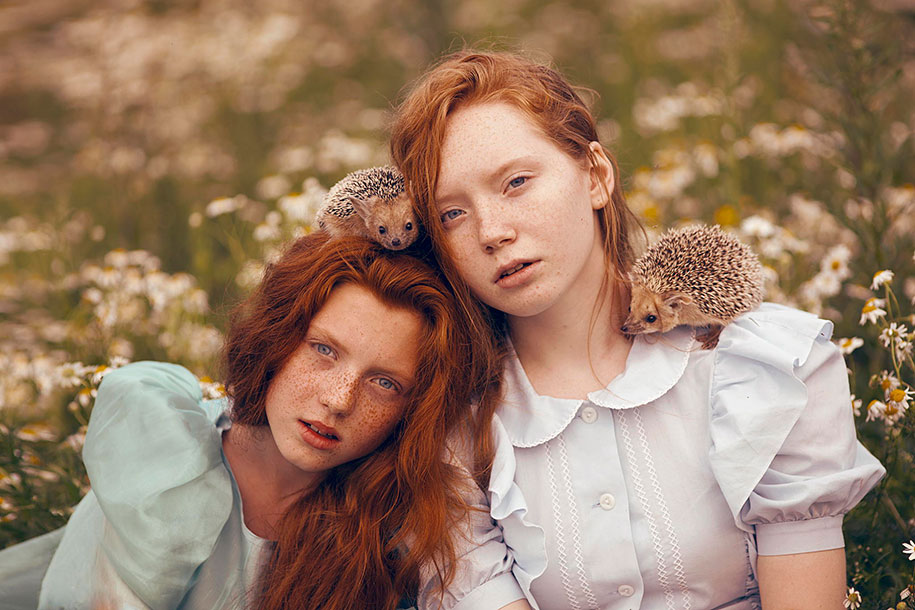
Audiences have seen animals photographed brilliantly for generations, and humans in nature for just as long. What still feels uncommon is a sustained series where neither subject is demoted. Wildlife photography often keeps people out of the frame by design. Fashion and portraiture often use animals as props or metaphors. Plotnikova’s project sits between those habits. The animal is not costume; the person is not tourist. Both are present as full subjects negotiating the same quiet stage.
That dual presence explains the long stare many viewers report. The eye searches for hierarchy and finds balance instead. It searches for comedy and finds gravity. It searches for danger and finds choreography. The mystical setting amplifies the effect: soft light and dreamlike atmosphere make the encounter feel archetypal without needing a caption that overexplains. You are left with resemblance—the shared fact of being alive in a body—rendered visible through pose, proximity, and patience.
Craft behind the calm
Images this serene rarely arrive by accident. Working with large animals requires handlers, clear boundaries, and a willingness to abort a shot when an animal signals discomfort. Light must be soft enough to flatter fur and skin without flattening form. Clothing and styling usually stay understated so fabric does not shout louder than the relationship in the frame. The photographer’s job includes waiting for mutual stillness—an interval when both subjects settle into the same emotional temperature.
Look at how often the human body mirrors animal architecture: a tilted head answering a muzzle, a curved spine answering a neck, open palms answering quiet weight. Those rhymes are intentional. They are also fragile. One flinch and the harmony collapses into documentary awkwardness. The finished photographs therefore carry a double achievement—technical control and interspecies negotiation—without advertising either. Viewers meet the result as mood first, method second.
For photographers inspired by the series, the transferable lesson is not “find an exotic animal and stand nearby.” It is learn to compose relationships. Even with a familiar dog or horse, you can study shared axis lines, matched breathing, and patient eye contact. Soft outdoor light, uncluttered backgrounds, and genuine calm will outrank any prop list. Ethics stay non-negotiable: no baiting wild animals into human poses, no stress for the sake of a viral still, no claiming closeness that the animal does not offer.
Reading resemblance across the gallery
As you move through the images, notice how often resemblance is structural rather than literal. A woman’s profile may answer a horse’s long face without imitation. A seated figure may share the grounded mass of a resting animal without copying its limbs. Hands become important: they can claim, soothe, or simply coexist. In the strongest frames, touch looks earned—an agreement rather than a grab.
Setting reinforces that agreement. Trees, mist, and open ground create a world slightly aside from ordinary schedules. The mystical tone is not decoration layered on afterward; it is the emotional weather of the shoot. Soft edges and gentle contrast invite contemplation. Hard flash and busy backgrounds would turn the same pairing into spectacle. Plotnikova’s choice of atmosphere tells you how to look: slowly, without hunting for a punch line.
That slow looking is part of the project’s gift. In an era of rapid scrolls, pictures that reward a longer stare feel almost radical. You begin to invent small narratives—protection, companionship, myth, quiet—and then release them, because the photograph does not demand one story. It asks for attention to presence. Two living forms, one frame, shared air.
Beauty, ethics, and the viewer’s responsibility
Adorable is an easy first word for these captures, and it is not wrong. Soft light and gentle proximity invite tenderness. A more durable reading includes responsibility. Large animals in art photographs can be misunderstood as invitations to unsafe amateur reenactment. They are not. Professional conditions, trained animals, and experienced teams sit behind many of the calmest images. Admiration should not become imitation that endangers people or animals.
There is also a cultural conversation inside the beauty. Human–animal imagery has a long history of domination aesthetics—trophies, conquest, ownership posed as affection. Work like Plotnikova’s pushes toward coexistence aesthetics instead. Whether every viewer agrees on the politics of a given shoot, the visual language itself matters: equality of presence, shared stillness, and respect for the animal’s scale and agency. Looking carefully is a form of practice. It trains the eye to prefer relationship over conquest in other images too.
What remains after the scroll
Galleries like this one succeed when they leave a residue of attention. You may forget individual file names and still remember a particular curve of neck, a shared horizon line, or the odd tenderness of a large animal accepting a human’s quiet company. That residue is the project’s real product. Plotnikova’s work does not merely collect pretty pairings; it proposes a way of seeing in which humans and animals can occupy one frame without canceling each other.
If you return to these photographs later, try a different pace. Skip the first impulse to rank favorites. Stay with one image until the resemblance between creatures becomes specific—bone structure, breath, the soft geometry of trust. Then move on. The mystical setting will still be there. So will the craft. What changes is your own looking, which is the only way a still photograph keeps living after the shutter has long closed.

Comments
Continue reading
Photo vs Illustrated Save-the-Dates: How to Choose a Format
A practical comparison of photographic and illustrated save-the-dates—when a portrait earns the stamp, when a drawing carries the date, and how to match format to venue, guests, and printing.
Escort-Card Displays That Aren’t a Table of Tiny Cards
Walls, branches, envelopes, mirrors, and numbered installations—how to stage escort cards so guests find their tables without a crowded lobby table.
Berry, Brick, and Brown Lipsticks That Still Read as Color
A guide to berry, brick, and brown lipsticks—undertones, finishes, and light—when classic fire-engine red is not the shade you want to wear.