
Corner Sofa Ideas for Living Rooms That Actually Fit
How to choose and place a corner sofa—footprint, chaise orientation, fabric, rugs, and lighting—plus a gallery of L-shaped living-room looks.
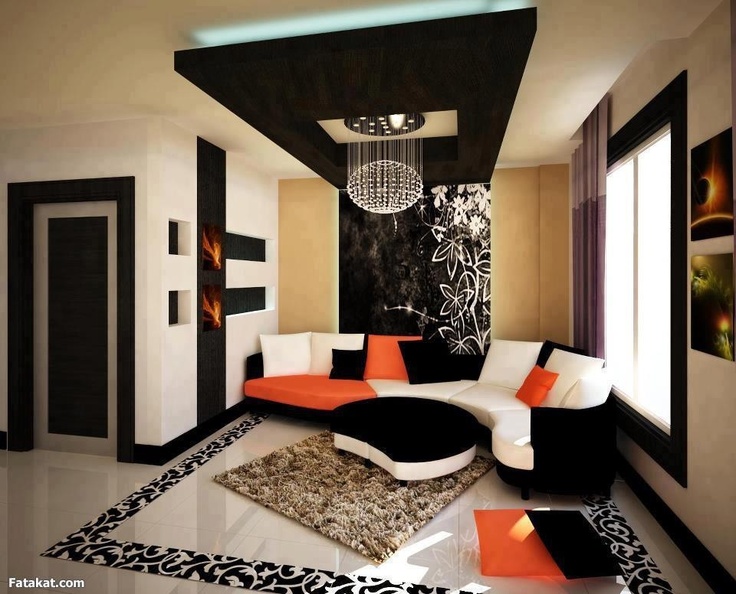
When people start decorating a living room, they often begin with the sofa—for good reason. It is usually the largest piece of furniture in the space, so it sets scale, seating habits, and visual weight for everything else. Corner sofas (sectional L-shapes and related angled configurations) are especially useful when you want conversation seating, extra lounging length, or a smarter fit for an awkward plan. This gallery gathers corner-sofa looks that show how shape, fabric, and placement can change a room without turning the sofa into a bulky afterthought.
A corner unit is not only a big couch. It is a spatial tool. In a compact room it can free the center for a coffee table and circulation. In a large room it can define a lounge zone within an open plan. In rooms with unusual corners, alcoves, or bay windows, an angled sectional can use geometry the straight sofa wastes. The trade-off is commitment: once the footprint is chosen, traffic paths and rug sizes have to respect it.
Start with the plan, not the fabric swatch. Measure wall lengths, door swings, and the clear path from entry to other rooms. Note radiator positions and window sills. A corner sofa that looks perfect in a showroom can fail at home if one leg blocks a radiator or if the chaise end stops people from reaching a balcony door. Tape the footprint on the floor with painter’s tape before you buy.
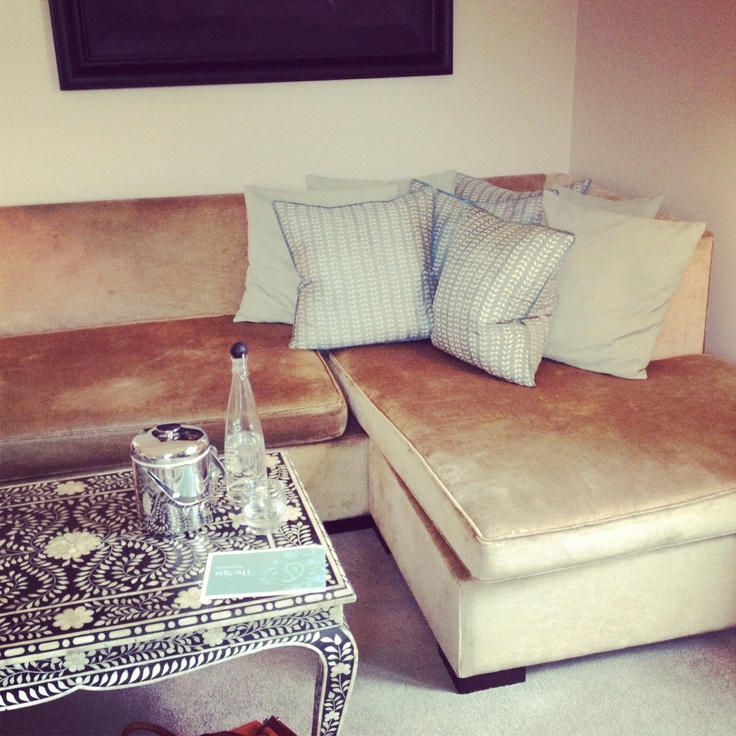
Decide how you sit. Do you want a deep lounge for movies, upright seats for conversation, or a chaise for reading? Corner designs vary widely: equal arms on both sides, one long chaise, modular blocks you can rearrange, or a true right-angle with a corner wedge. Families who host often prefer an open L that faces a coffee table. Solo loungers may prefer a chaise aimed at a window or screen.
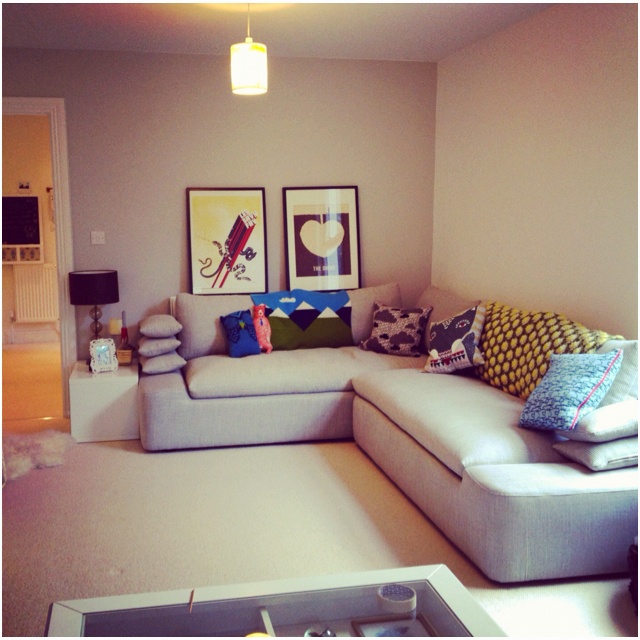
Orientation matters as much as size. A left-hand or right-hand chaise is not a style preference; it is a traffic decision. Stand in the doorway and ask which wall should carry the long run. Put the chaise where legs can stretch without becoming a trip hazard. If both orientations could work, choose the one that keeps the sofa’s back from becoming a visual wall across the room’s best light.
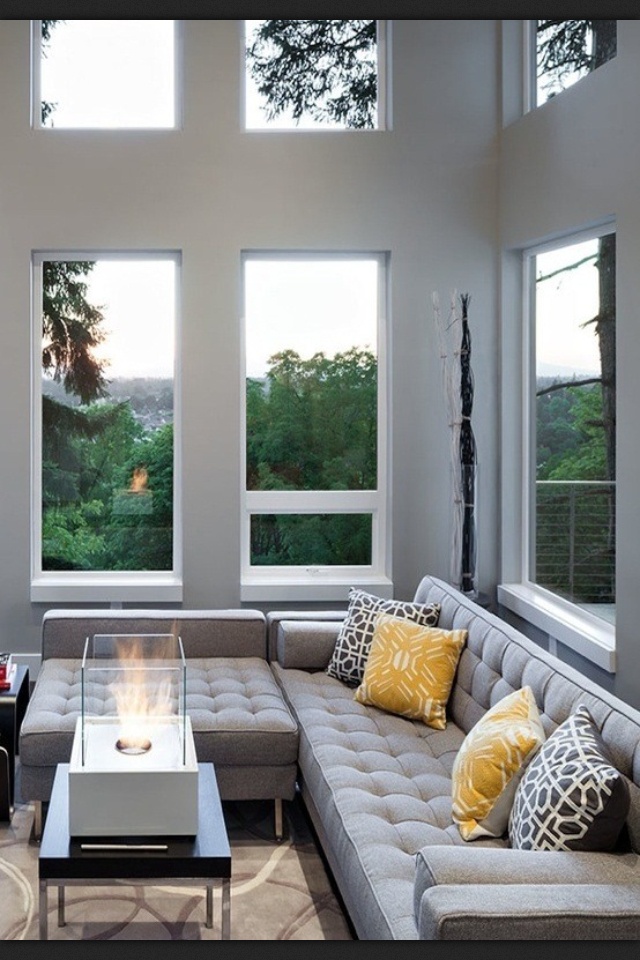
Style range in corner sofas is broader than many people expect. Soft, rounded contemporary pieces can feel casual and hotel-like. Squared mid-century lines read architectural. Tufted or skirted designs lean traditional. Low-profile frames help small rooms feel taller; higher backs create a cocoon. Match the sofa’s silhouette to the room’s architecture first, then worry about throw pillows.
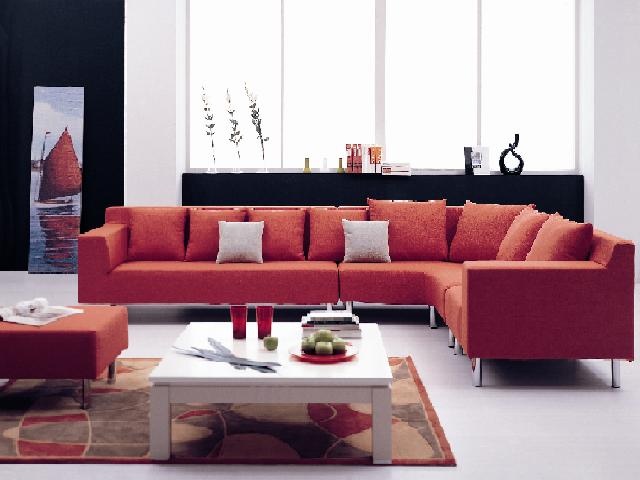
Fabric and leather change maintenance and mood. Performance weaves and tightly woven cottons handle daily life better than delicate velvets in busy households. Leather ages with marks that some people love and others hate. Light colors enlarge a room visually but show wear; dark colors hide stains and can shrink the sense of space. In sunny rooms, ask about fade resistance before you fall for a pale linen look.
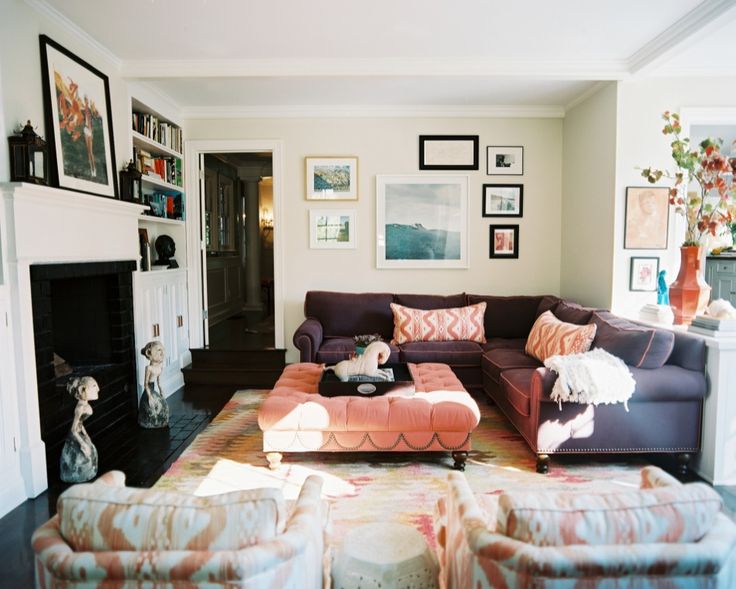
Balance the corner with supporting pieces. A large living room can take an ottoman, a pair of lounge chairs, or a chaise companion that answers the sofa’s mass. A small room may need only a slim coffee table and a floor lamp. The goal is equilibrium: the corner sofa should feel intentional, not like it swallowed the floor plan. Leave walking clearance around the outer edges so the L does not trap people against walls.
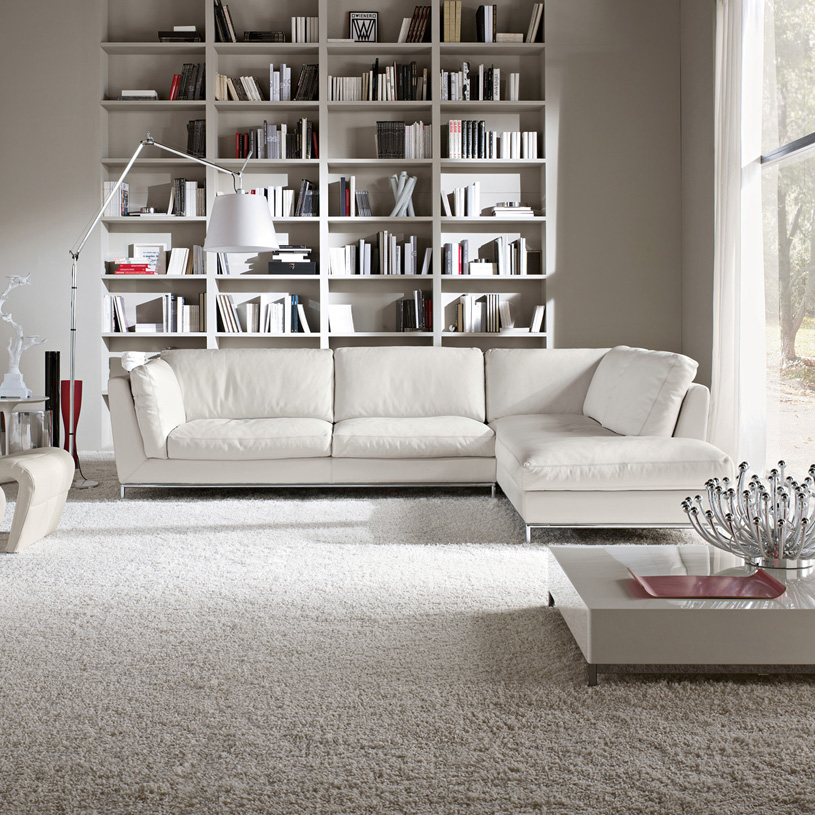
Rugs are the secret ally of corner seating. A rug that is too small makes the sofa look stranded; a rug that sits only under the front legs can still unify the L if the coffee table and main seating share it. Patterned rugs hide traffic; flat weaves are kinder under rolling toys and vacuum paths. Color in the rug can bridge sofa fabric and wall paint when they refuse to agree on their own.
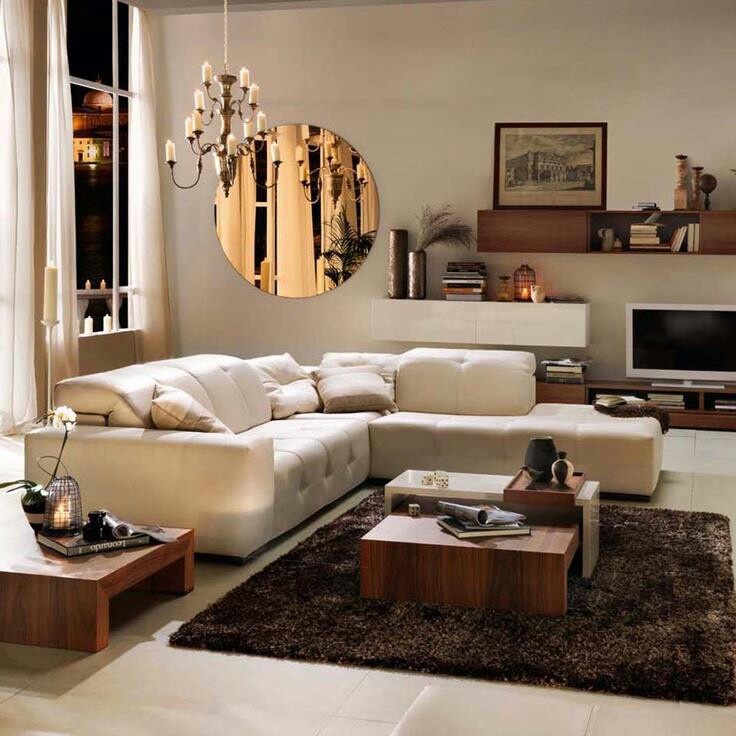
Lighting should follow the seating, not fight it. Place a reading lamp at the chaise end. Use a low table lamp or wall sconce near the corner wedge if that seat becomes a favorite. Overhead light alone makes deep sofas look cave-like at night. If the sofa faces a television, control glare with layered lamps rather than a single bright ceiling fixture.
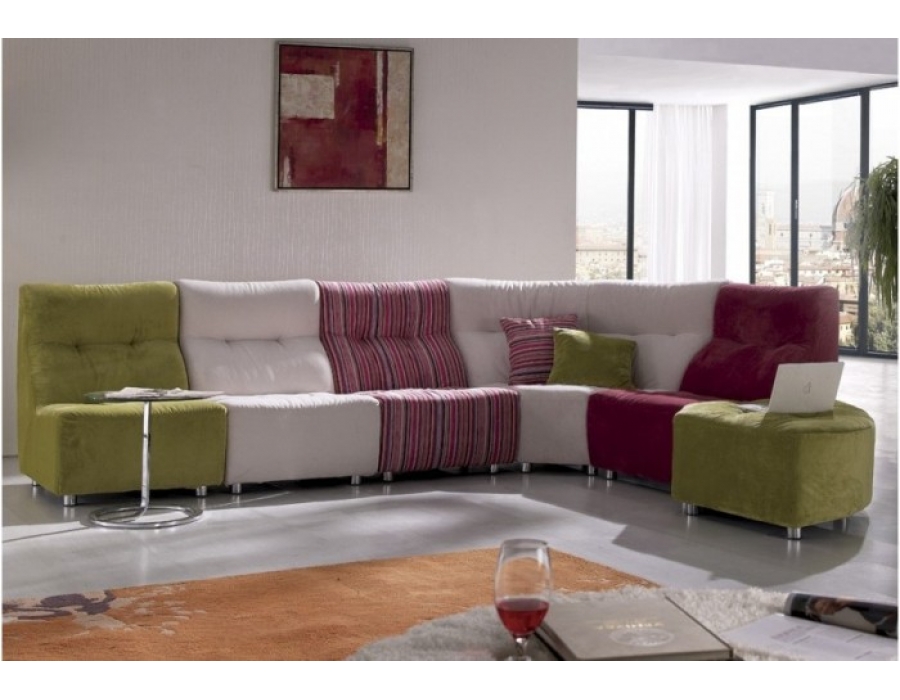
Open-plan homes benefit from the sofa’s back as a soft room divider. An L that faces inward toward a dining table can create a living “room” without walls. Keep the back height reasonable so sightlines to windows and kitchen remain open. Consoles behind a sofa can hold lamps and trays, but leave enough depth so the piece does not bump into dining chairs.
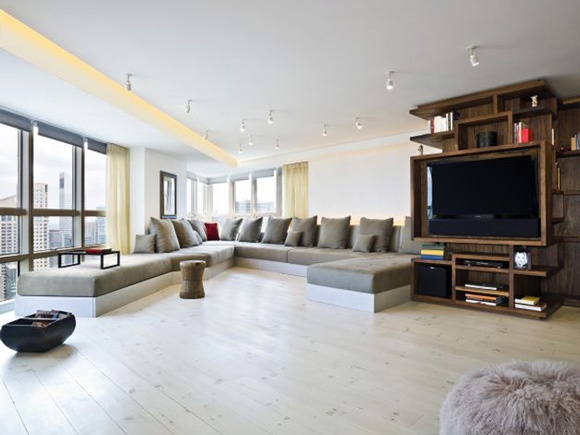
Modular corner systems are worth considering if your life changes often—renters, growing families, or people who rearrange with the seasons. Modules let you shorten a run, flip a chaise, or add a corner later. Fixed frames can feel more solid and sometimes cost less for the same visual size. Choose based on how often you expect to move house or reconfigure the room.
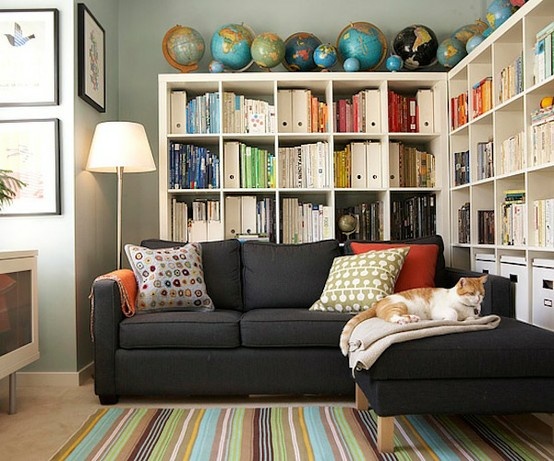
Comfort details separate showroom theater from daily use. Seat depth, cushion fill, and back angle decide whether guests perch or sink. Sit for ten minutes in the store, not thirty seconds. Check how easy it is to stand up from a deep seat. Ask about replaceable cushion covers if you have kids or pets. Pretty silhouettes that cannot be lived in become expensive sculptures.
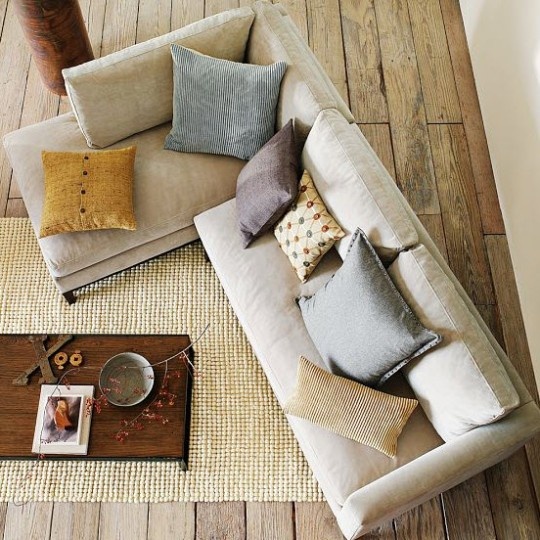
Color stories in the gallery range from quiet neutrals to bold saturated upholstery. Neutrals make art, rugs, and pillows the changeable layer. A saturated sofa becomes the room’s statement and asks everything else to stay calmer. Either strategy works; mixing both without a plan usually does not. Pick one hero and let secondary textiles support it.
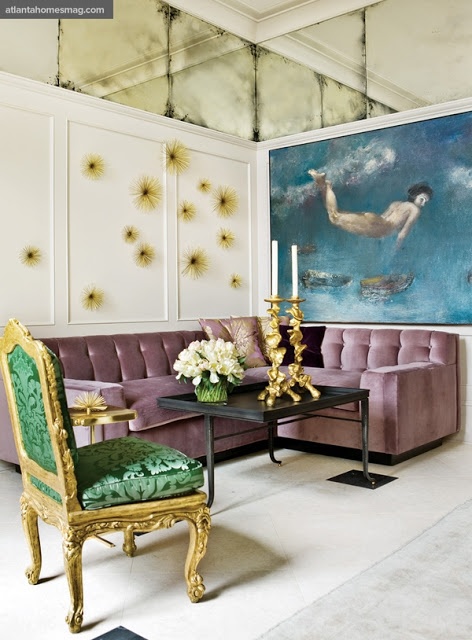
Small-space tactics: choose a low arm so the piece feels lighter, float the sofa slightly off the wall if outlets allow, and avoid oversized chaise ends that consume the only walking lane. Nesting tables beat a massive coffee table. Wall-mounted lights free floor space. A corner sofa can still succeed in a studio if the long side aligns with the longest wall and the short side protects a sleep or work zone.
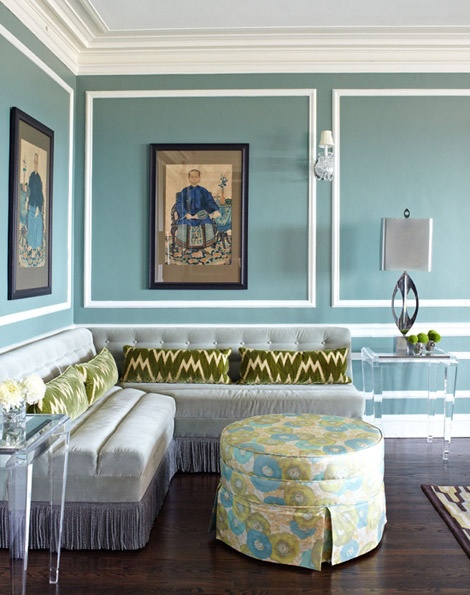
Large-space tactics: resist the urge to push every seat against a wall. Pull the L into the room to create a conversation island. Add a secondary seating cluster if the sofa alone cannot host a full gathering. Use a substantial coffee table or ottoman so the middle of the L does not feel hollow. Scale accessories up; tiny lamps next to a huge sectional look apologetic.
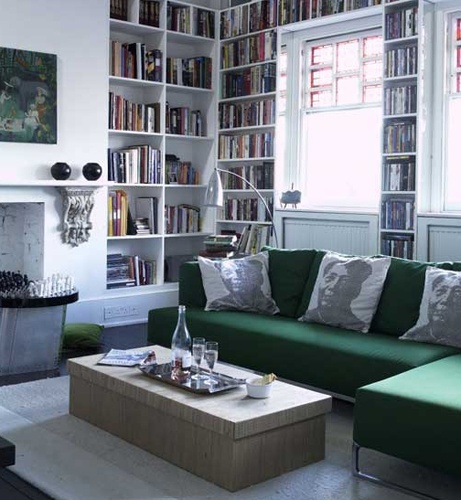
Before you order, confirm delivery realities: stair turns, elevator size, and whether the sofa ships in sections. Many corner pieces assemble on site; some do not. Check return policies on custom fabrics. Photograph your room with the taped outline and compare it to the gallery images that feel closest to your proportions. Inspiration is useful; measurements are decisive.
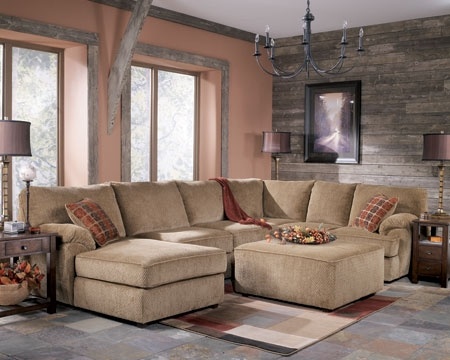
Use the images as a menu of silhouettes rather than a shopping list. Notice which rooms feel calm because the sofa and architecture agree, and which feel stylish because texture and color do the talking. Then return to your tape outline on the floor. If the path around the L still feels natural and the chaise still faces the life you actually live—window, fireplace, conversation, or screen—you are closer to the right corner sofa than any catalog headline can promise.

Comments
Continue reading
Creatively Designed Floating Beds: Rocking Sleepers and Wall-Mounted Platforms
Two kinds of floating beds—John Huff’s gently rocking suspended sleeper and architectural beds that hover above the floor—plus design cues for choosing either.
Sculptural Shoes That Were Never Meant to Walk Far
When footwear leaves the sidewalk: gallery heels, unwearable lasts, and object-shoes that belong on a plinth more than on a commute.
Ads That Live on the Floor, the Street, and the Mall
Ambient and out-of-home advertising that uses pavement, escalators, parking lots, and mall floors as the media—not a magazine page.