
Sculptural Shoes That Were Never Meant to Walk Far
When footwear leaves the sidewalk: gallery heels, unwearable lasts, and object-shoes that belong on a plinth more than on a commute.
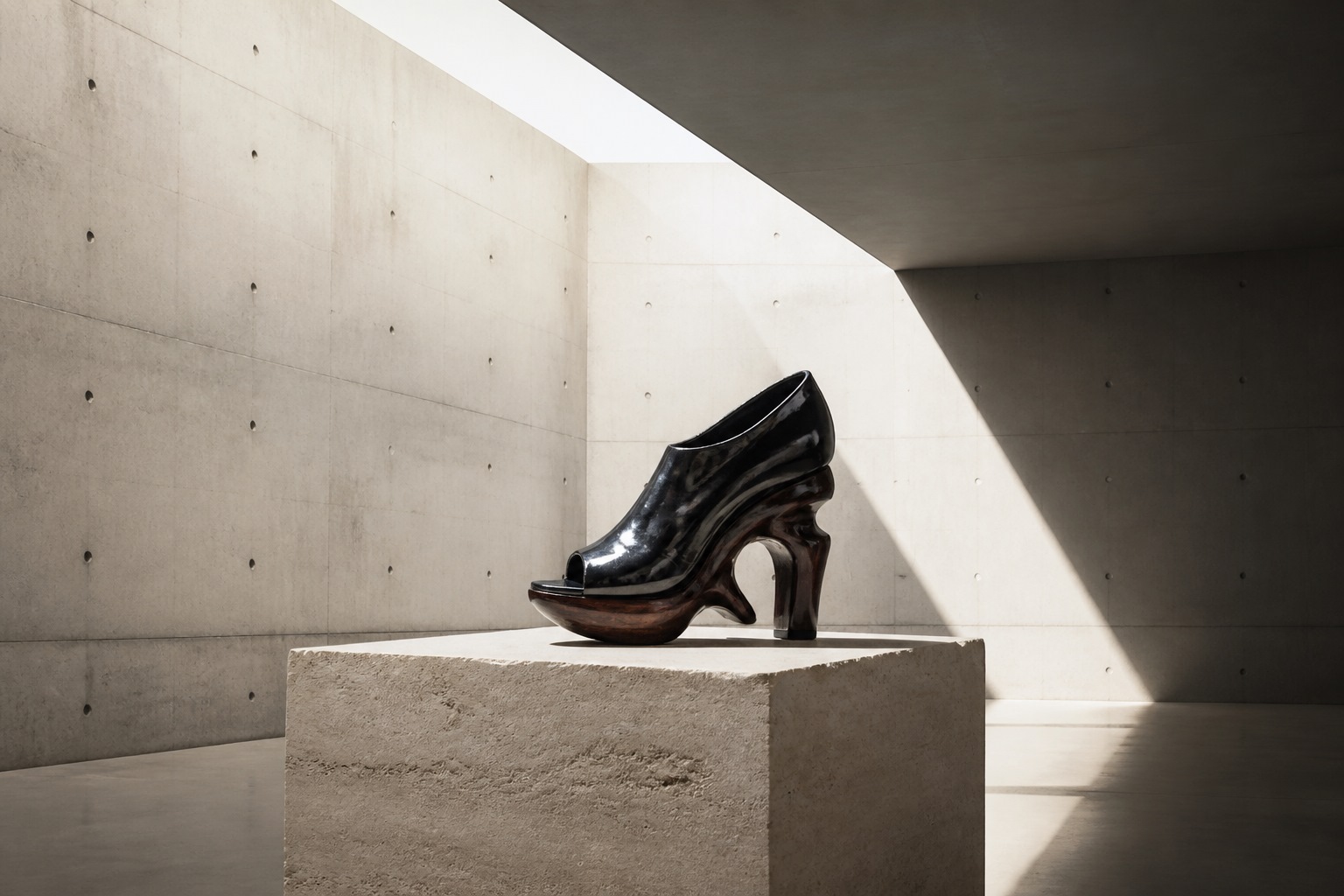
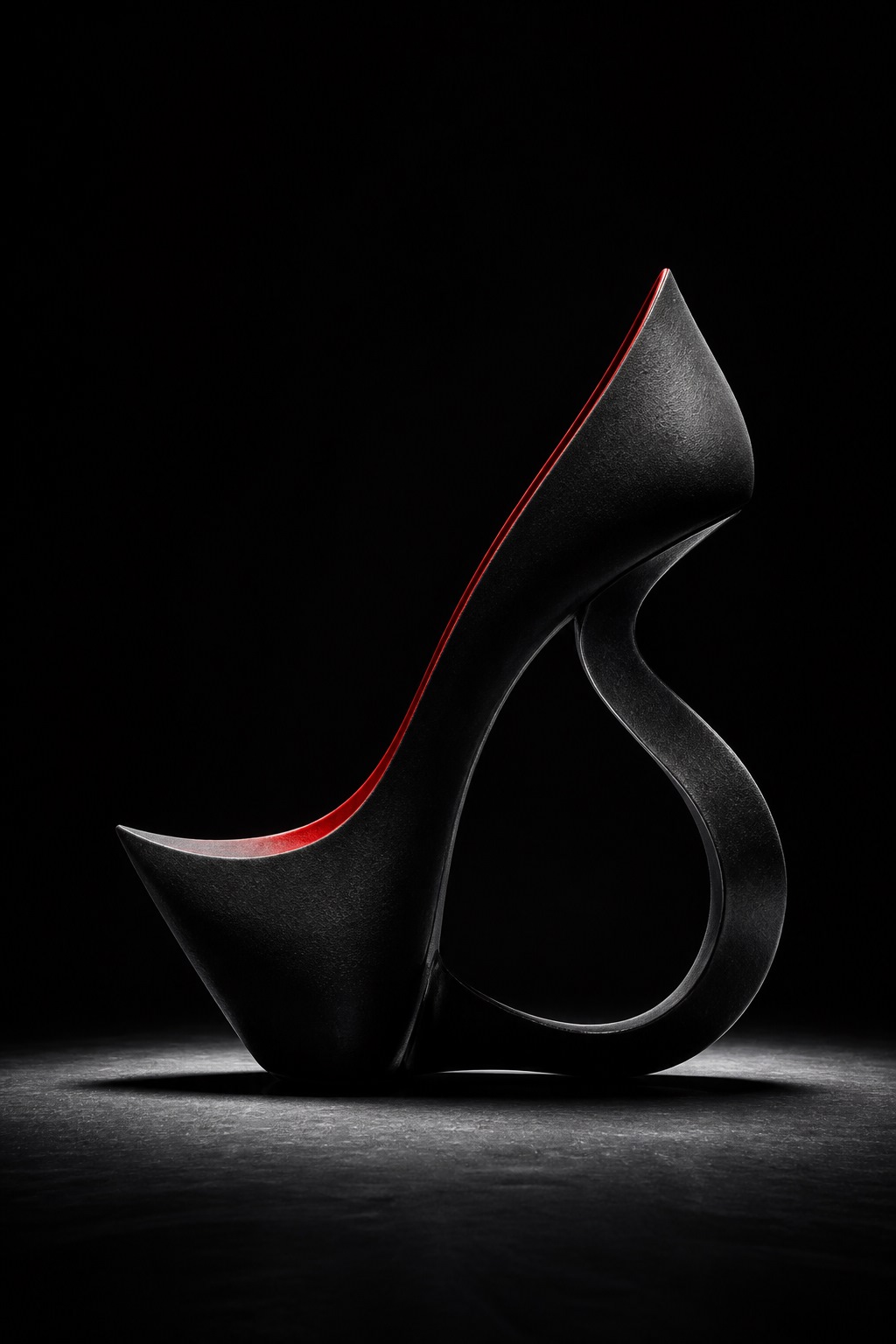
Some shoes are designed for the pavement. Others are designed for a plinth. The second group still uses lasts, leather, and the silhouette of a heel, but walking is optional—or impossible. This is not a list of unusual commercial pairs you might buy; those live on the site already as fifteen experimental designs. Here the subject is the object-shoe: gallery work, showpieces, and concepts that treat the foot as a pedestal.
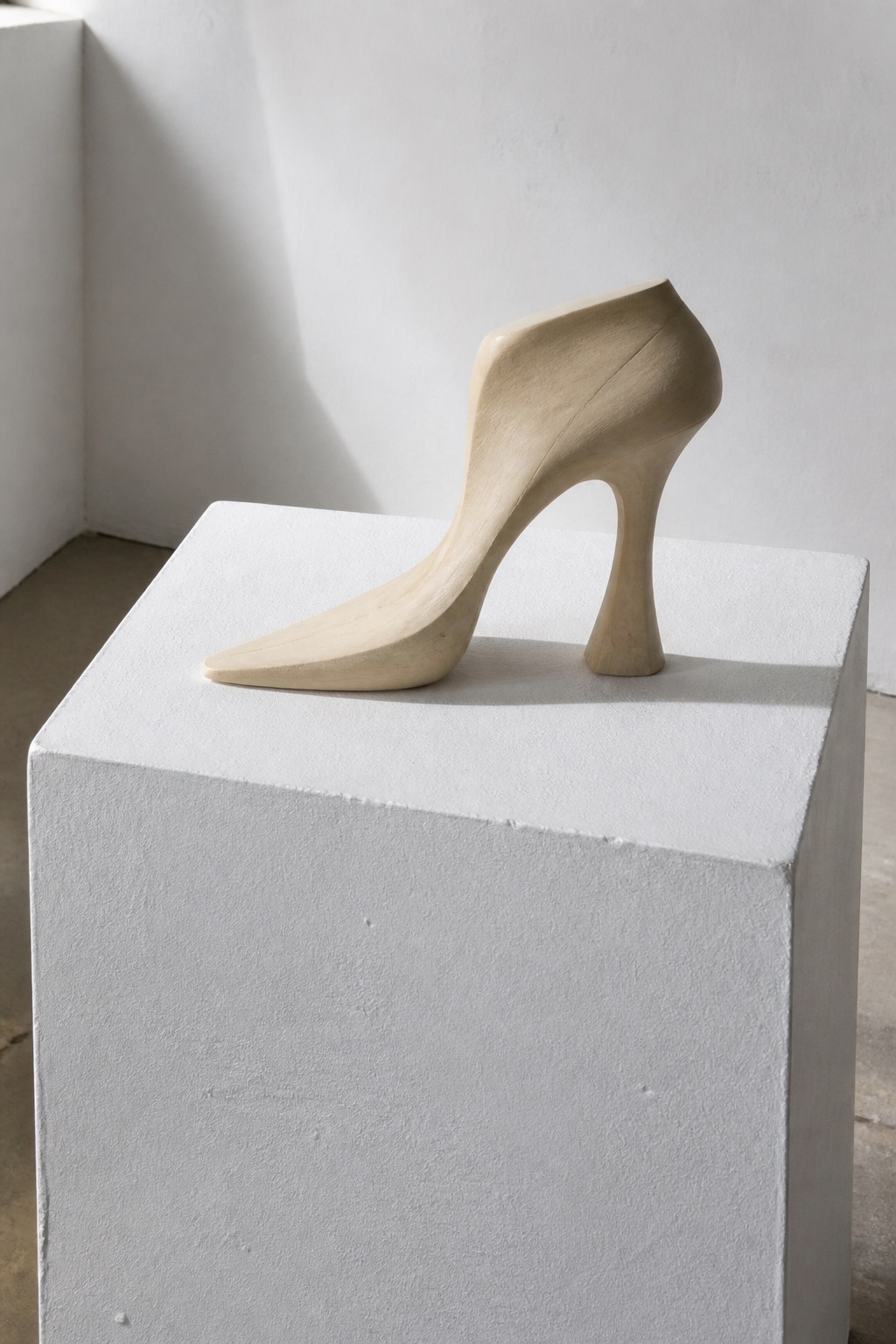
When a shoe stops being footwear
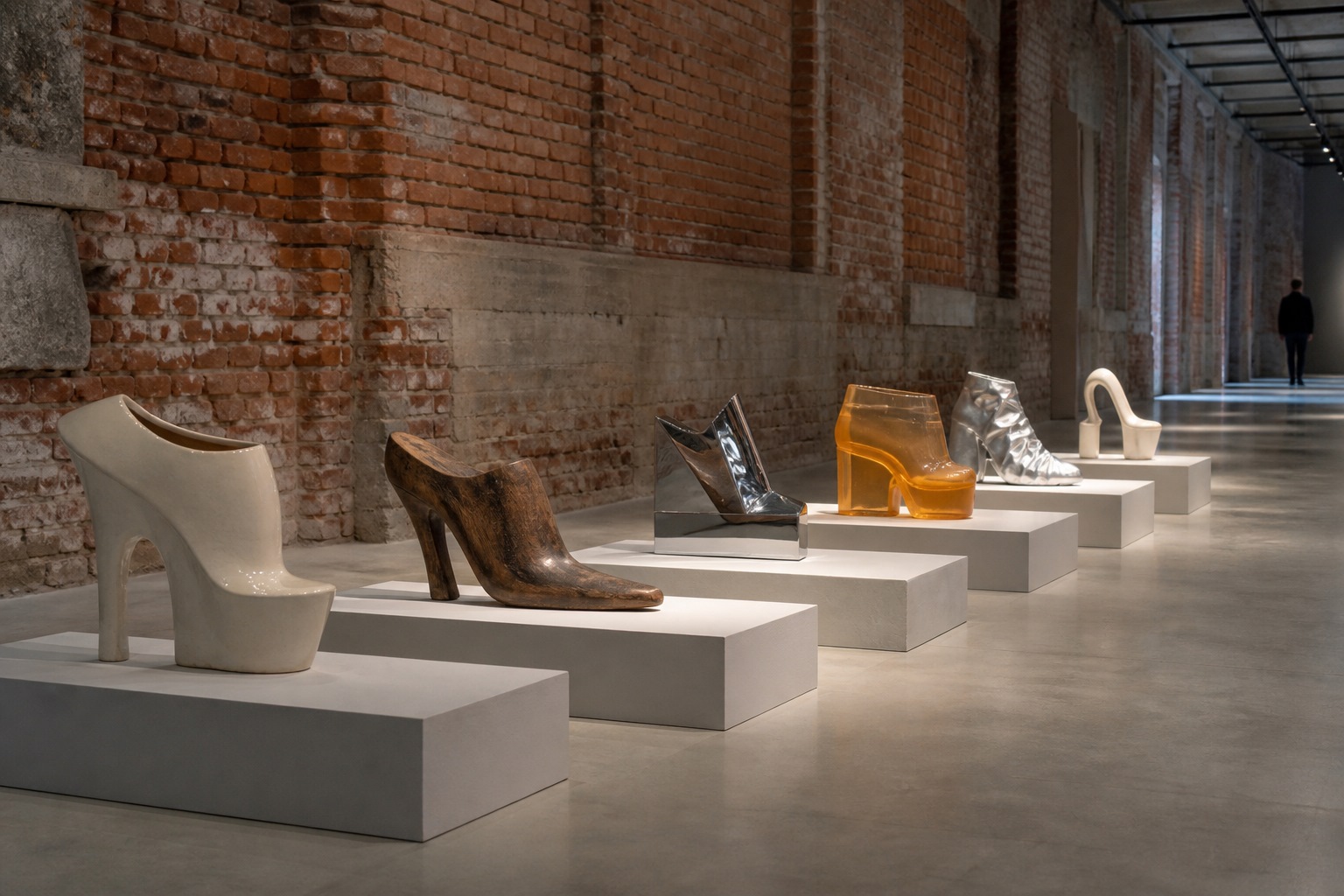
A wearable shoe negotiates flex, grip, weight, and the fact that humans lean forward when they walk. A sculptural shoe can ignore all four. Heels become architecture. Soles become landscapes. Materials shift from calfskin to resin, porcelain, mirrored acrylic, bound books, or a single block of wood carved until it only suggests a pump.
Fashion weeks have always shown pieces that will never be produced. The difference with object-shoes is intent: the maker is often closer to sculpture than to a factory last. You are not meant to “style” them with a coat. You are meant to walk around them.
What to look at instead of size
Start with gravity. Does the form stand on a true heel, a hidden armature, or a display rod? Museum mounts cheat; a photograph should admit that.
Then negative space. Many of the strongest pieces are mostly air: a heel as a thin cantilever, a vamp as a ribbon, a platform as a void you could put a hand through. The foot is implied. If the sculpture is a solid blob with a strap drawn on, it is a paperweight.
Surface tells you whether the piece belongs in craft or in industrial design. Hand-tooled leather still smells like a cobbler. Perfect automotive paint belongs to a different century of making. Neither is better; they argue different things about labor.
Wearability as a rumor
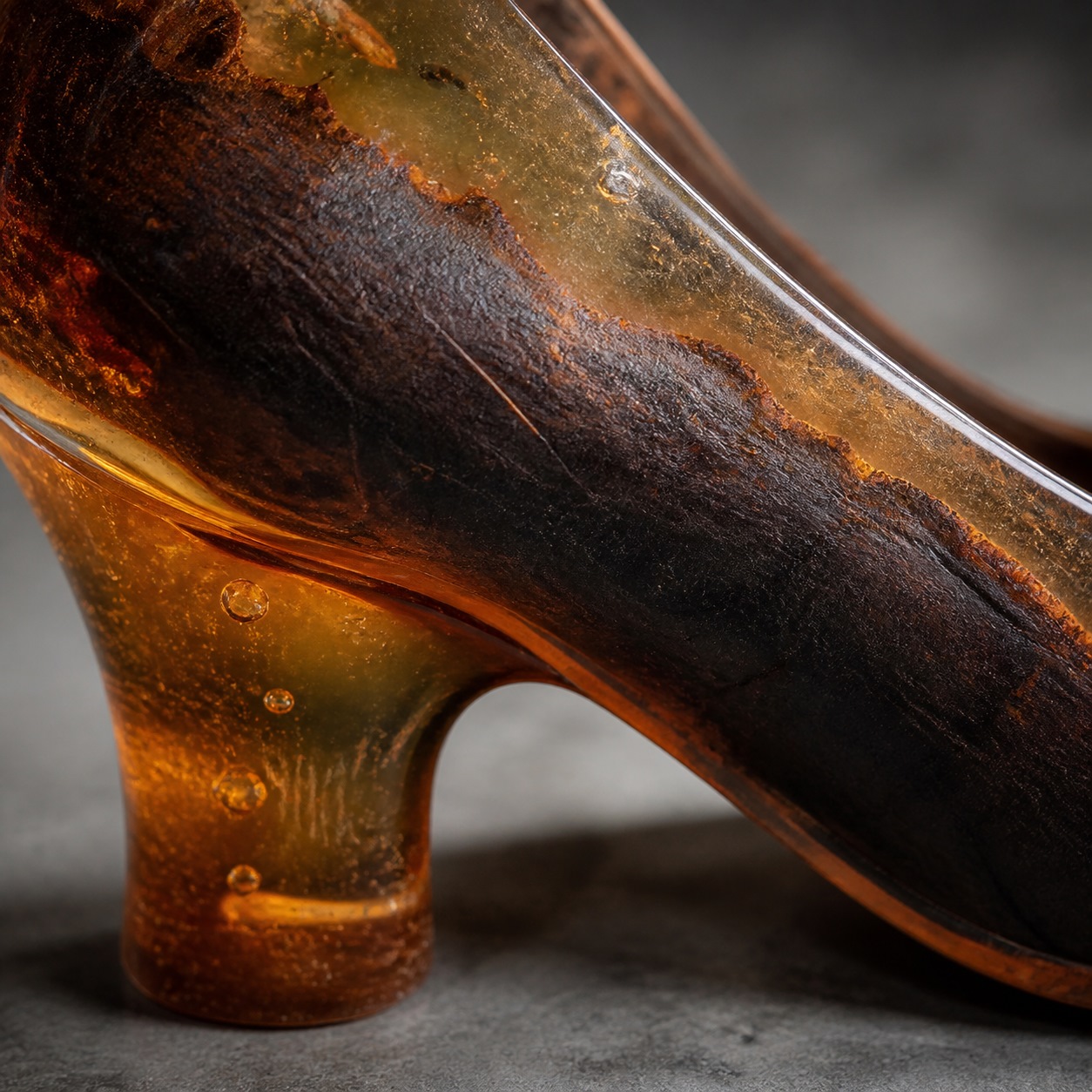
Labels sometimes claim a showpiece “can be worn.” Ask for how many steps. A heel that survives a runway and dies on cobblestones is still, in spirit, an object. There is an honest tradition of one-night shoes—couture that is damaged by dinner. Document that honesty. Pretending a porcelain pump is a commuter shoe helps no one, including the artist.
If you photograph them on a body, keep the body still. Motion blur turns a sculpture into a failed product shot. A standing figure, weight off the extreme pair, or a foot mannequin at eye level will read cleaner than a walking pose.
How these pieces get shown
Pedestal, vitrine, or raw floor: each changes the joke. On a white cube, the shoe is art. On a worn wooden floor, it is a ghost of use. In a shop window among real boots, it becomes advertising whether the maker likes it or not.
Lighting should be as specific as for jewelry. A single side light models the cantilever. Overhead retail light flattens the architecture into a novelty. Reflections on patent and chrome need flags or you will photograph yourself in the toe.
A brief map of the territory
Couture showpieces sit closest to wearability: extraordinary heels, still sized, still photographed on a live model who takes twelve steps. Design-school and gallery work sits further out: the last may be exaggerated until a human foot is only a rumor. Craft traditions—carved wood, ceramic, glass—sometimes make a pair that could theoretically be slipped on and immediately destroyed. Commercial “statement” sneakers with a conceptual story sit nearest the shop and furthest from this page; they want to sell. If the primary distribution channel is a checkout, you are back in product design.
There is also the repaired and the found: a last used as a sculpture base, a single vintage heel isolated under a bell jar. Those pieces are about memory. They still need the same lighting honesty. A dusty relic in mood lighting is a different genre than a newly made impossible pump.
Names you will meet in this neighborhood change with exhibitions. Do not treat a list of designers as the point. Treat the load path, the material, and the display as the point. The field is small enough that copying a famous cantilever is obvious to anyone who has seen two shows.
Photographing without turning them into products
Avoid the three-quarter beauty shot used in ecommerce. Avoid a wooden floor “lifestyle” crop with fairy lights. Shoot as you would a small bronze: consistent backdrop, scale cue (a hand, a box, a ruled edge in one frame of the set), and a second frame for texture. If you must include a person, crop to the lower leg and keep the pose architectural—weight clearly not on the extreme pair, or clearly on it with the grim honesty of someone standing still for art.
Color management: metallic foils and resins clip easily. Expose for the brightest plane of the shoe. A grey card in the first frame of the session will save you in editing when the gallery lights are mixed.
If a piece cannot stand without a hidden rod, say so in the caption. Hidden engineering is allowed; hidden engineering presented as magic is how object-shoes get mistaken for CGI.
If you collect or commission
Ask about adhesives, UV, and whether the piece is one of one. Mixed-media shoes delaminate. Store them as sculpture: stable humidity, no stacked boxes crushing a cantilever. Insurance should list them as art objects if that is how they were sold.
For makers, the useful constraint is still the idea of a pair—even if only one is finished. A single impossible shoe is a maquette. Two, even if they cannot walk, imply a body.
Look until you can describe where the weight would go if a person were foolish. If you cannot find that path, you are looking at sculpture that borrowed a shoe’s outline. That can still be worth the plinth. Write the materials on the invoice: leather, resin, steel pin. Future conservators will thank you more than a poetic title will. A shoe that cannot be repaired is still collectible; a shoe whose glue recipe is a secret is a future pile of parts.

Comments
Continue reading
Ads That Live on the Floor, the Street, and the Mall
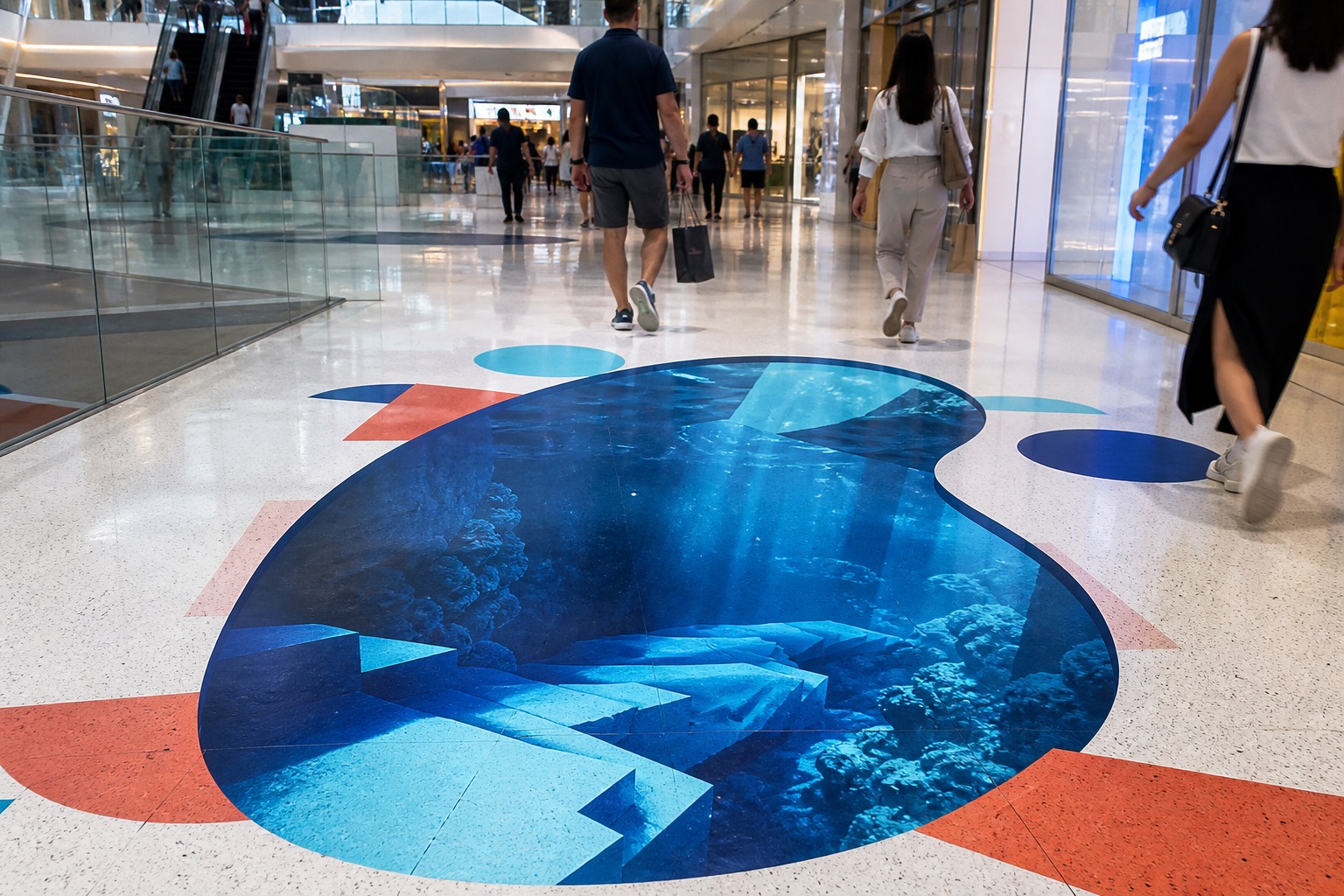
Ambient and out-of-home advertising that uses pavement, escalators, parking lots, and mall floors as the media—not a magazine page.
Attic Bathroom Design Ideas: Light, Layout, and Roof-Friendly Fixtures
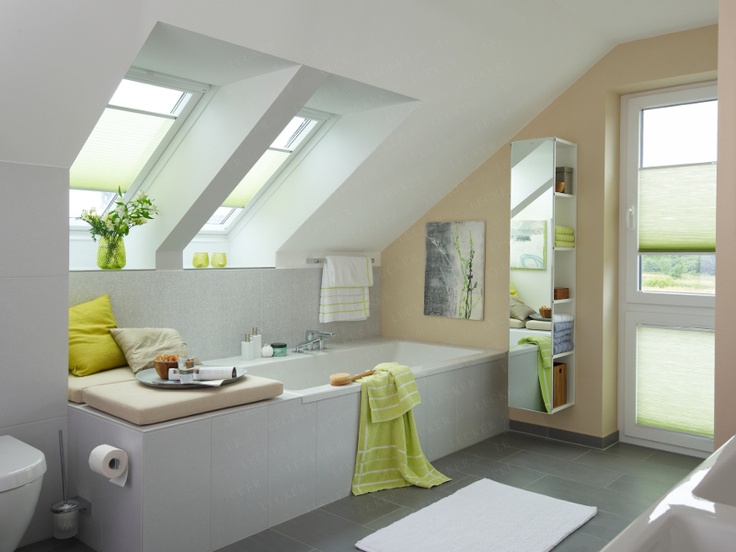
Design ideas for converting an attic into an extra bathroom—working with slopes, skylights, wet-zone materials, eaves storage, and fixture placement.
Ladder Shelving Repurpose Ideas: DIY Bookcases, Dividers & More
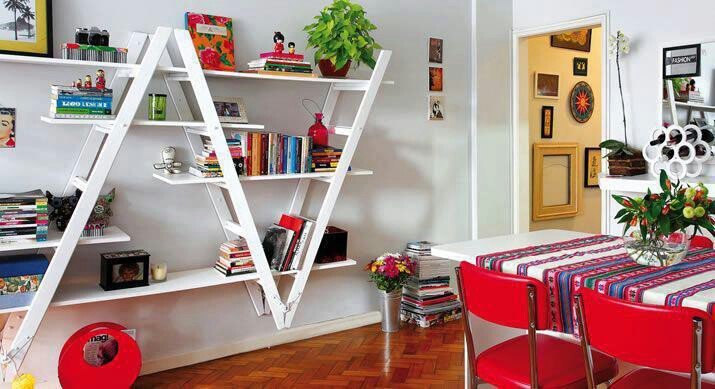
Turn an old ladder into shelving, a room divider, towel rack, or narrow desk—practical DIY steps, safety checks, and styling tips with photo ideas.