
Garden Gate Ideas: Wood, Iron, Arches, and Entry Design
Garden gate inspiration across wood, iron, rustic boards, arches, and modern panels—plus practical notes on posts, hinges, height, and planting.
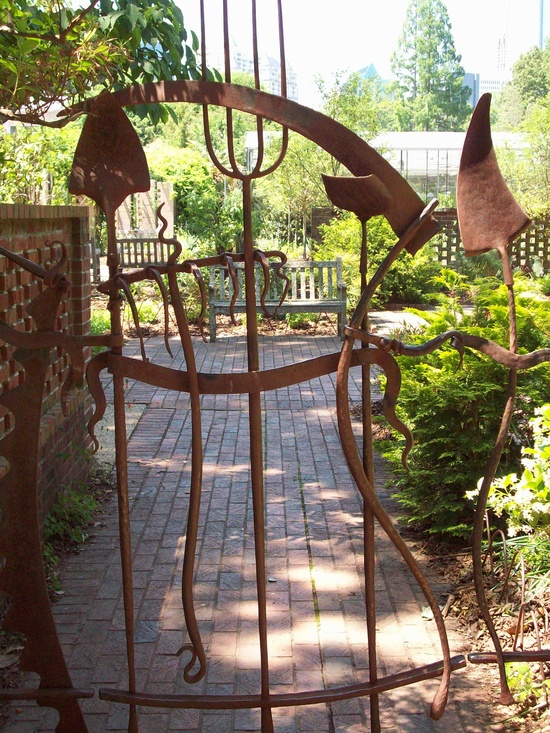
A garden gate is a small building with a big job. It marks the line between public sidewalk and private green, frames the first view of planting, and tells visitors whether the garden is formal, wild, playful, or quietly traditional. Hardware and hinges matter, but so do proportion, material, and the way the gate sits in its fence or hedge. A beautiful latch on a leaning post will still annoy you every spring.
The collection below gathers garden gate ideas across styles—painted wood, iron scrollwork, rustic boards, arched entries, low boundary markers, and simple modern panels. Use them as visual references when you plan a repair, a full replacement, or a new opening through a hedge. Notice not only decoration, but height, transparency, and how planting meets the frame.
Vertical board gates read as classic cottage or farmyard, depending on paint and hardware. Leave small gaps for wind if the gate is tall and solid; a fully sealed panel can catch gusts like a sail and stress hinges. Match board width to the fence so the gate does not look like a different project bolted on later. If the fence is rough-sawn and the gate is fine-furniture smooth, the mismatch will show from the street.

Tall gates create privacy and a sense of arrival. They also need stronger posts and careful leveling. A beautiful face on a leaning frame will frustrate you every season. Set posts deep for your frost line and soil type, use quality hinges rated for the gate’s weight, and plan a stop so the leaf does not swing into plantings or slam against brick. Consider a soft-close or hydraulic damper if children or wind are part of daily life.
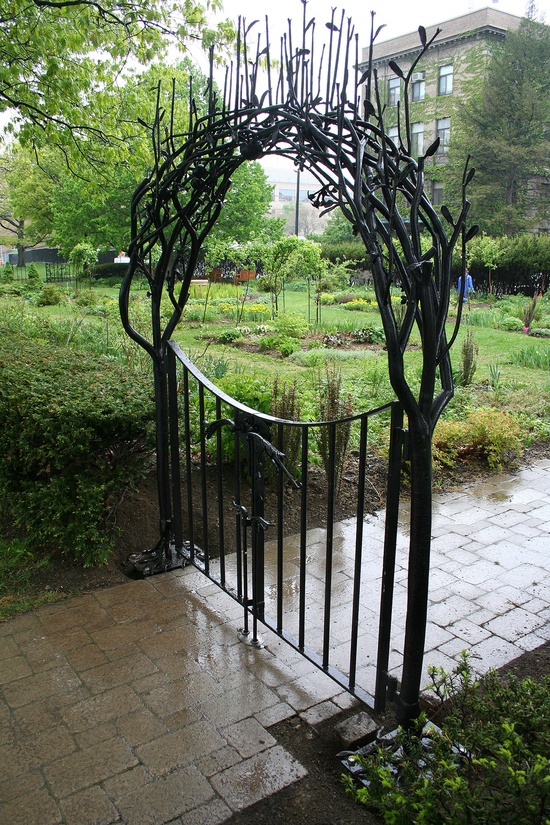
An arch over the gate turns a doorway into a threshold. Climbing roses, clematis, or simple evergreen training wires soften the structure over time. Keep the clear opening tall enough for visitors with hats or umbrellas; arches that look romantic in photographs can feel low in person. Give vines a maintenance trim each season so stems do not jam the latch or lift roofing tiles on adjacent sheds.

Wrought-iron and steel scroll gates offer transparency: you see the garden before you enter, which suits front yards and shared paths. Iron needs rust protection and periodic touch-up, especially near coastal air or irrigation spray. Pair open metal with a hedge or planting screen if privacy is required later in the day. Choose scroll density carefully—busy iron beside busy planting can feel ornate to the point of noise.
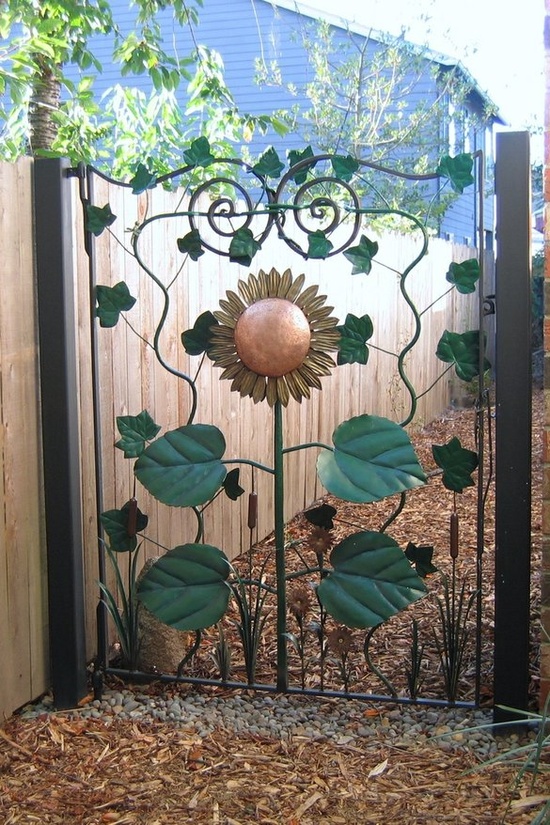
Painted wood lets color do the welcoming. Soft sage, deep green, weathered white, or a single bright accent can tie the gate to shutters or door trim on the house. Prep matters more than brand of paint: clean wood, primer where needed, and edges sealed so water does not wick into end grain. Recoat on a schedule; a faded gate next to fresh fence boards looks accidental rather than lived-in.
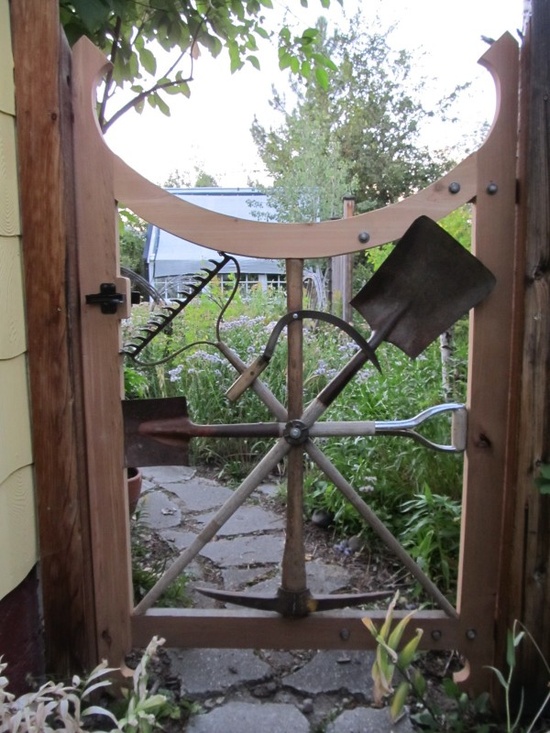
Rustic gates celebrate imperfect boards, visible fasteners, and unfinished or lightly oiled surfaces. They suit wilder plantings and gravel paths. Expect movement with humidity; design with a little clearance and hinges that can be adjusted. A rustic gate that binds every wet spring stops feeling charming quickly. If you love the raw look, accept that “raw” still needs drainage, raised bottoms, and hardware that will not stain the boards with rust streaks.
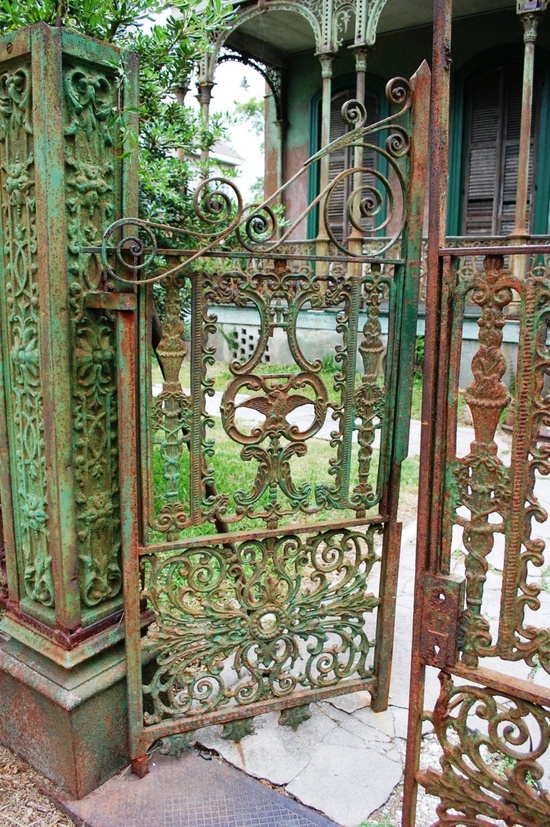
When planting wraps a gate, the structure becomes part of the border rather than a hard interruption. Keep vines trimmed away from latch mechanisms. Leave a maintenance corridor so you can oil hinges without trampling perennials. Mulch paths should not pile against wood bottoms; trapped moisture shortens the life of even well-built gates.
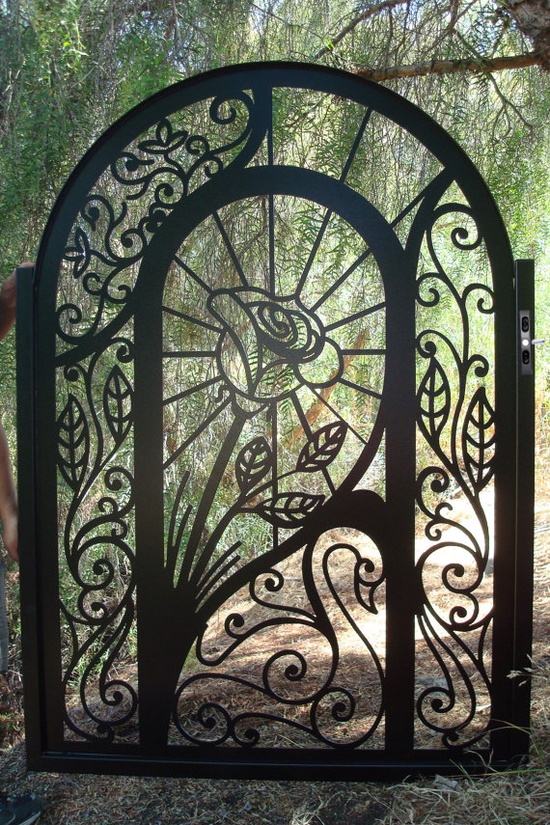
Patterned panels—lattice inserts, cutouts, or repeating motifs—add shadow play when sun hits the gate. Patterns also reduce wind load compared with solid sheets. Choose a motif that matches the garden’s formality; busy scrollwork beside minimal planting can look overdressed, while a plain panel beside ornate beds can look unfinished. Test sightlines from the street: some patterns look elegant close up and messy from twenty feet.
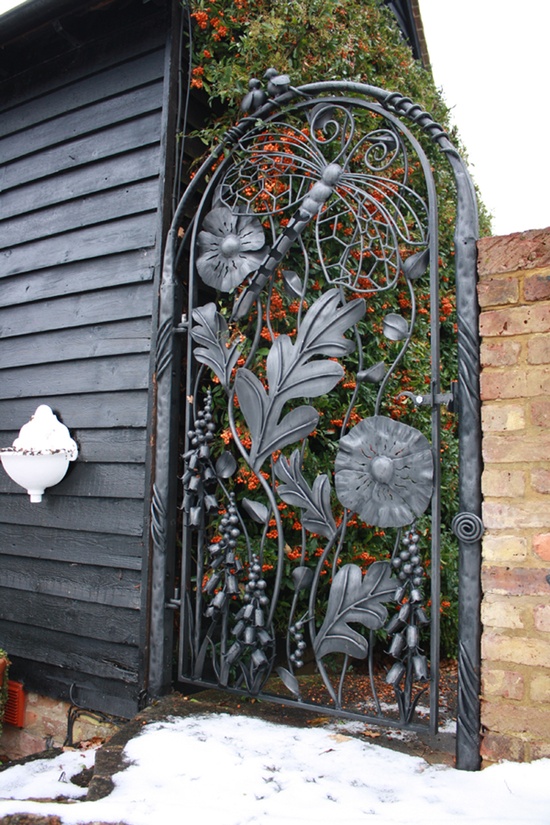
Narrow gates suit side yards and utility paths. Make sure carts, bins, and wheelbarrows still fit. A beautiful gate that fails the trash-day test will be propped open forever, which defeats both security and design. Measure your widest seasonal load—holiday trees, soil bags, lawn mowers—before you commit to a slim opening.
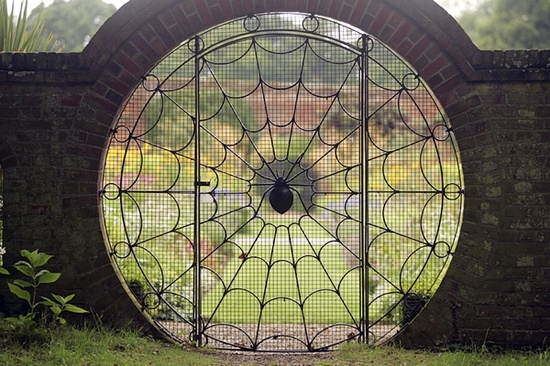
Wider openings feel generous and work well for main garden entries. Double gates need precise alignment and a sturdy center stop. If you rarely need the full width, consider one active leaf and one fixed leaf that opens only for furniture or equipment. Drop bolts and cane bolts keep inactive leaves honest in wind.
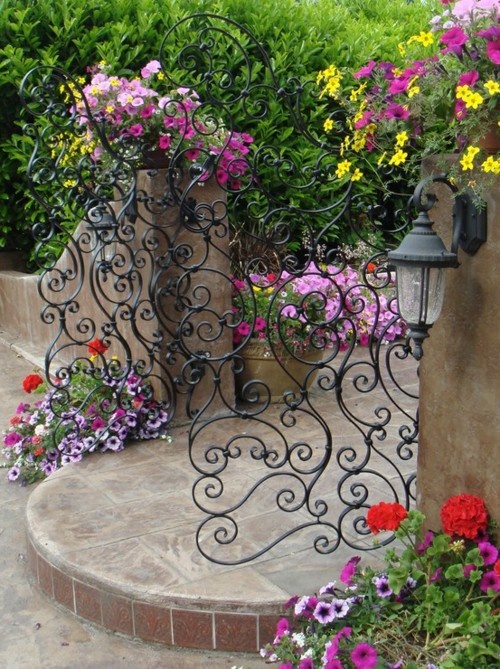
Mixed materials—wood frames with metal infill, stone posts with timber leaves—can bridge house architecture and garden character. Limit the mix to two primary materials so the gate does not become a sample board. Joints between materials are where water and movement cause trouble; detail those connections carefully.
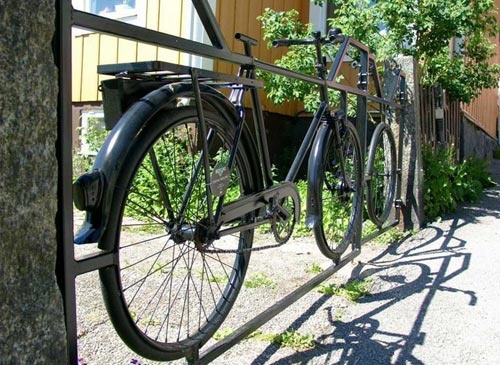
Low gates define space without blocking views. They are useful for keeping pets in or signaling a boundary while preserving borrowed scenery. Height should still clear the primary sightline you care about from porch or patio. A low gate with a strong horizontal top rail can double as a casual lean-point—build it stoutly if people will actually use it that way.
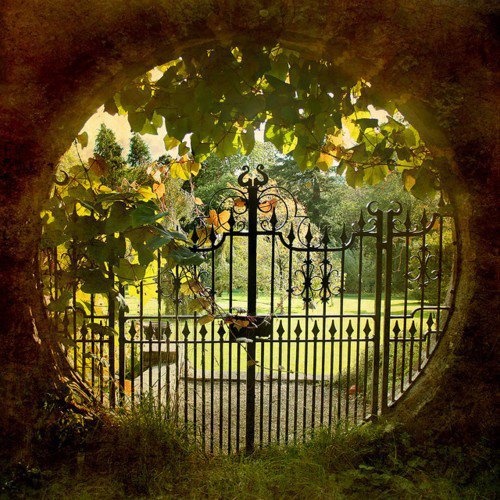
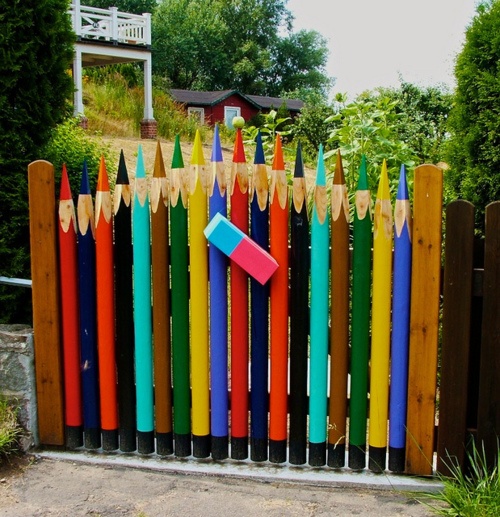
Horizontal board emphasis can look contemporary and calm. Align horizontals carefully; uneven gaps read as mistakes more quickly than in vertical designs. Consider how the gate will weather: horizontal surfaces hold moisture longer in some climates, so finish quality and underside sealing matter. Compact decorative gates work in courtyard gardens where a full-height barrier would feel oppressive.

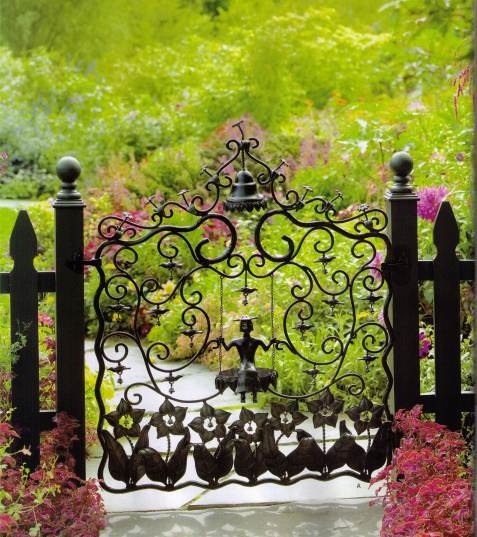
Classical proportions—clear posts, balanced panels, a sensible latch height—age better than novelty shapes. Ornament works when it is concentrated: a decorative crest, a fine latch, a single medallion. Ornament spread evenly across every board often looks busy once plants grow in. Hardware finish should match the gate’s ambition; a cheap latch on a carefully built leaf reads as an afterthought.

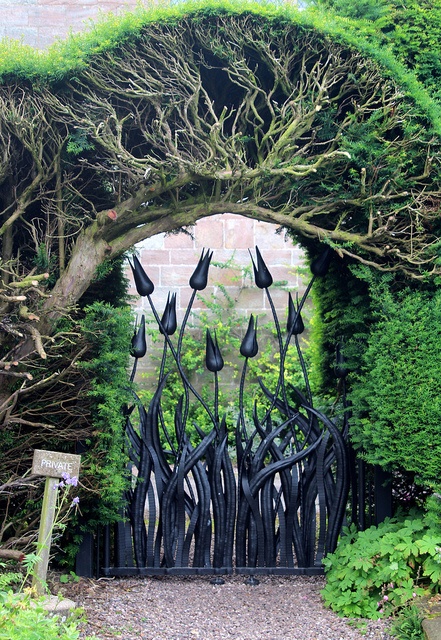
Leafy corridors make even a simple boarded gate feel intentional. If your planting is lush, the gate can stay quieter. If the garden is spare, the gate may need stronger silhouette or color to avoid looking unfinished. Simple boards are not a lesser choice; they are often the right one beside strong plants.
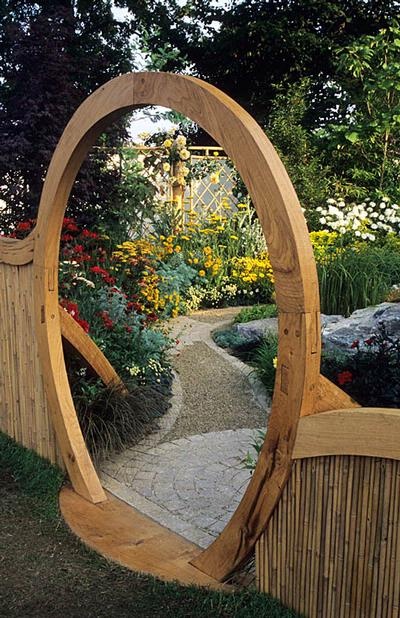
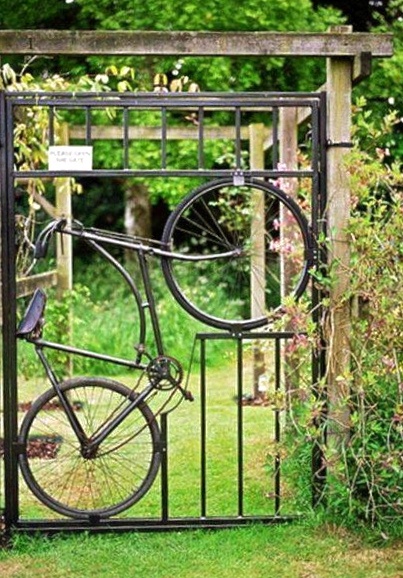
Curved tops soften the meeting with sky or hedge line. They also complicate weatherproofing and fabrication slightly—plan finishes carefully on cut curves. Before you commission or build, stand where guests will approach and check sightlines: latch height, handle comfort, and whether the gate opens onto a flat landing rather than a step hazard.
Pick three references that share a material and a mood, then ignore the rest. Sketch post locations, swing direction, and clearance for bins or bikes. A garden gate succeeds when it belongs to its fence, its path, and the way you actually walk into the green—not when it copies every idea at once.

Comments
Continue reading

Garden Decoration Beyond Beds: Lace, Mosaiculture, and Upcycled Yard Art
From dressed topiary and floral cyclists to license-plate dragonflies and lace between trees—garden decorations that give a yard a voice.
Garden Walkway Designs: Materials, Width, Edges, and Planting Ideas
Pathway design ideas for stone, brick, gravel, concrete, and wood—plus width, drainage, edges, and planting that make a walkway work day to day.
How to Create an Indoor Herb Garden at Home
Grow rosemary, thyme, parsley, mint, and dill indoors with the right light, drainage, and planters—from window boxes and wall mounts to simple DIY pots.