
Buy or DIY: Seashell Mirrors for Coastal Walls
Turn a shell collection into a mirror—or buy a finished piece—with layout tips, adhesive advice, gallery inspiration, and care that lasts.
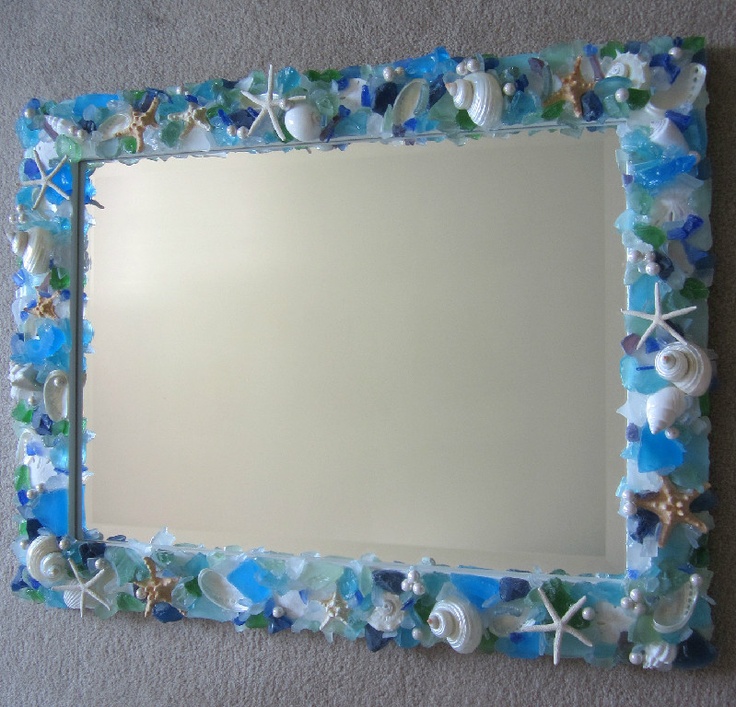
If a jar of seashells has been living on a shelf since the last beach trip, a mirror is one of the kindest places they can go. Shells catch light the way water does; arranged around glass, they turn a plain reflection into a coastal object with weight and texture. You can buy a finished seashell mirror when you want speed and polish, or you can build one when you want the shells—and the afternoon—to mean something.
This guide walks both paths: how to decide buy versus DIY, how to design a frame that will still look intentional in a year, and a gallery of approaches you can copy, simplify, or ignore. Coastal style works best when it feels collected, not themed to death.
Buy or DIY: a decision that respects your time
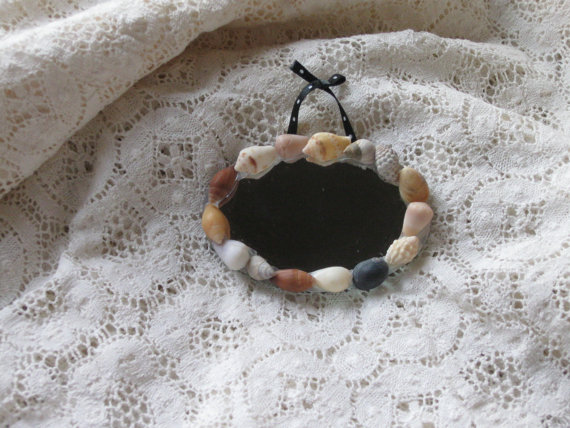
Buy when the wall needs a finished piece this weekend, when you lack a sturdy base mirror, or when you want consistent shell grading and professional adhesive work. Handmade marketplaces and coastal specialty shops are full of oval, round, and rectangular frames already covered. Look for secure hanging hardware, shells that do not rattle, and a mirror glass that is actually centered—not drifting under a lopsided halo of shells.
DIY when you already own shells with a story, when you enjoy slow craft, or when you want a size and shape stores do not stock. DIY also wins if you prefer a quieter palette—bleached whites and soft creams—over the rainbow shell mix some commercial pieces use. Patience is the real material cost. Rushing adhesive work is how shells detach three months later.
A hybrid path exists: buy a simple wood or resin frame mirror with clean edges, then add a restrained shell border yourself. You get structural reliability from the factory and personality from your collection.
Design ideas before glue touches anything
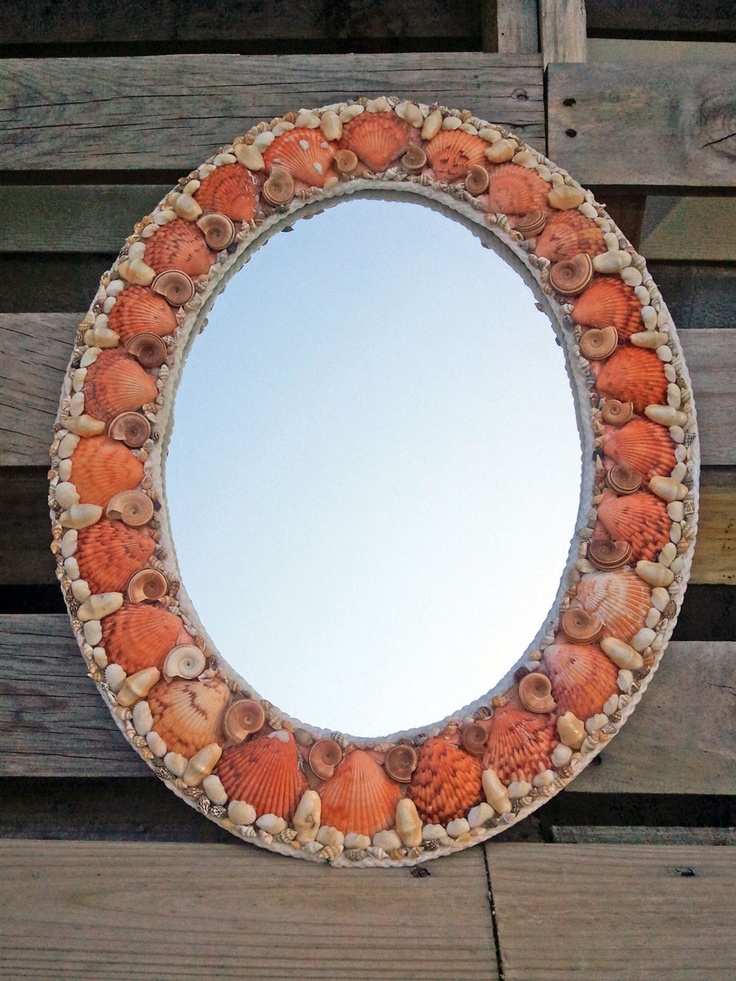
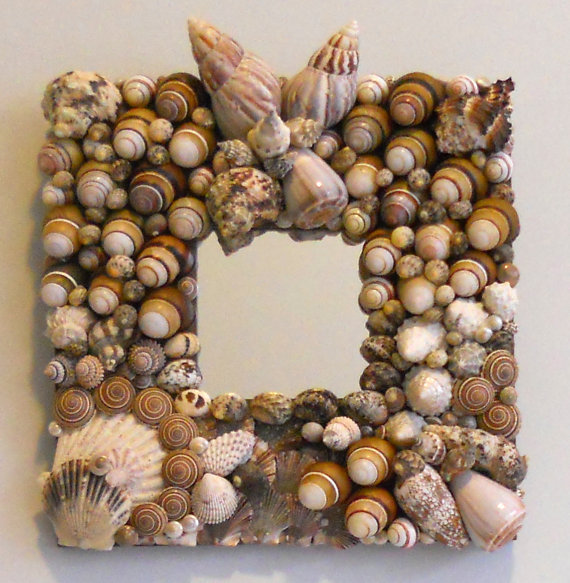
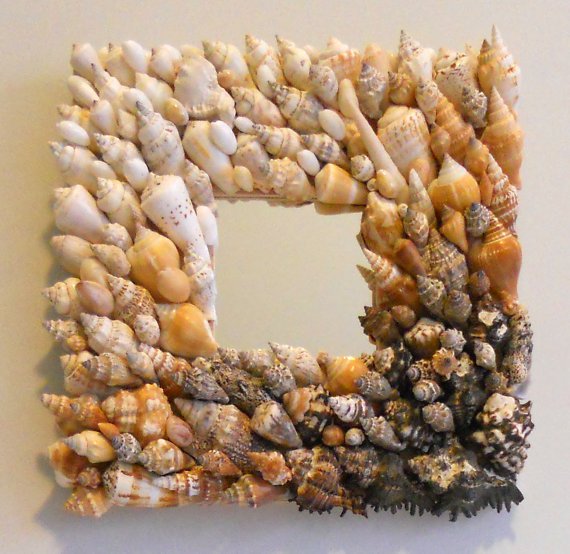
Decide the silhouette first. Round mirrors read softer and more spa-like. Ovals feel classic and vanity-friendly. Rectangles and squares suit hallways and above-console placements where architecture is already linear. The shell border should echo that geometry: radiating patterns suit circles; marching rows suit straight edges.
Sort shells by size and color before you commit. Large scallops and clam halves make strong outer rings. Small spiral shells and fragments fill gaps. Keep a “hero” pile for the twelve o’clock and corner positions so the eye has resting points. Mixed sizes look organic; random dumping looks unfinished.
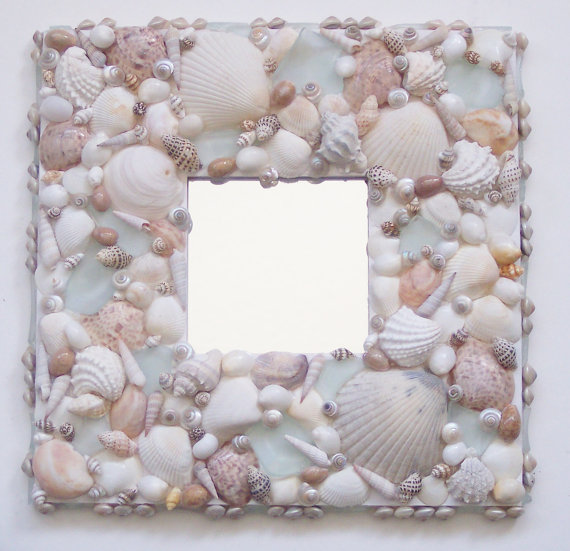
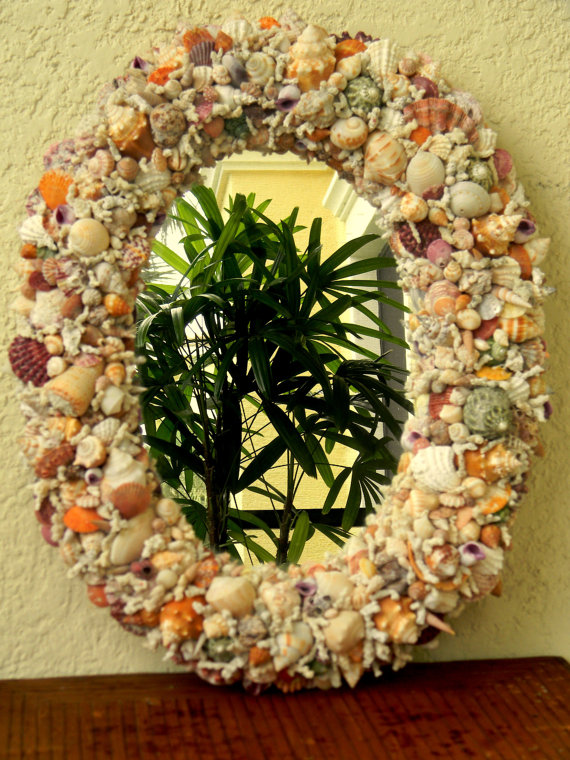
Color stories matter. All-white and cream shells feel calm and hotel-coastal. Natural browns and speckles feel beach-found and informal. A few pearlescent insides facing outward add glow without glitter. If you introduce painted shells or dyed accents, use them sparingly so the piece does not tip into craft-fair noise.
A reliable DIY method
Start with a mirror you trust. Lightweight craft mirrors can warp; a modest wood-framed mirror from a thrift store or basic housewares aisle is often sturdier. Clean the frame surface so adhesive can grip. If the existing finish is glossy, a light scuff with fine sandpaper helps.
Dry-fit the outer ring completely before gluing. Photograph the layout on your phone so you can rebuild it after you move shells aside. Work in small sections with a strong clear-drying adhesive rated for hard surfaces; hot glue can work for light shells indoors but may fail in humid bathrooms over time. Press each shell, wipe squeeze-out, and let sections cure before you handle the piece aggressively.
Leave a tiny breathing gap between shells and the mirror edge if you can, or mask the glass carefully. Dried glue haze on reflective glass is the detail that makes handmade work look accidental. When the border is done, check the hanging wire or D-rings—shells add weight. Use wall anchors appropriate to that weight.
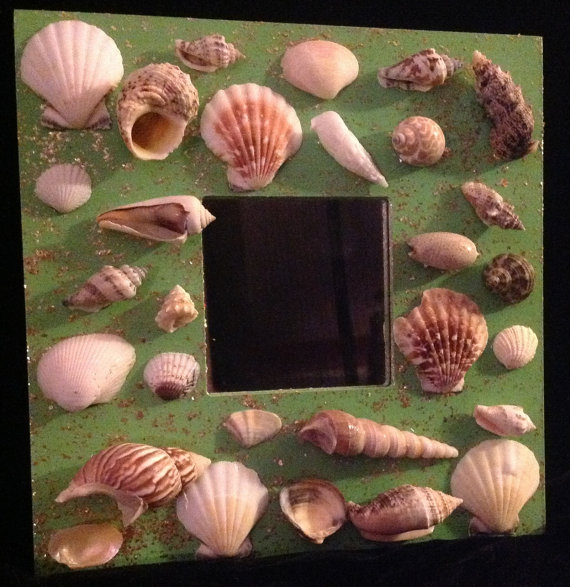
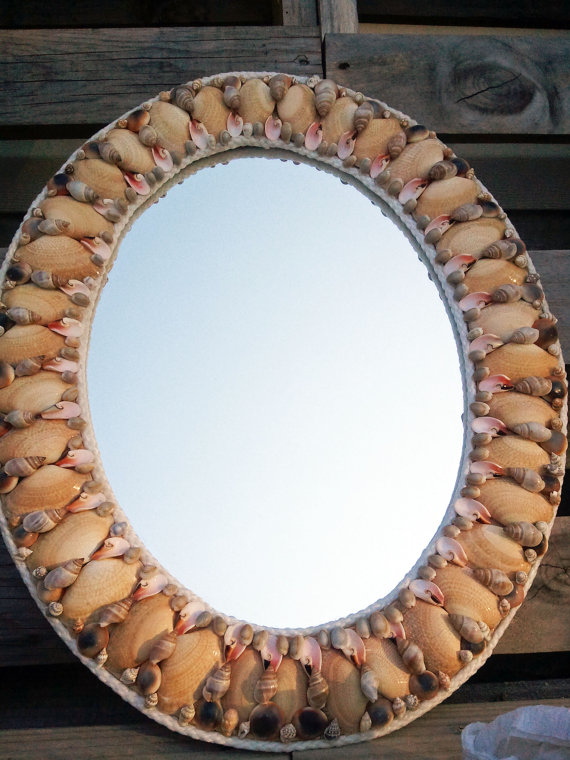
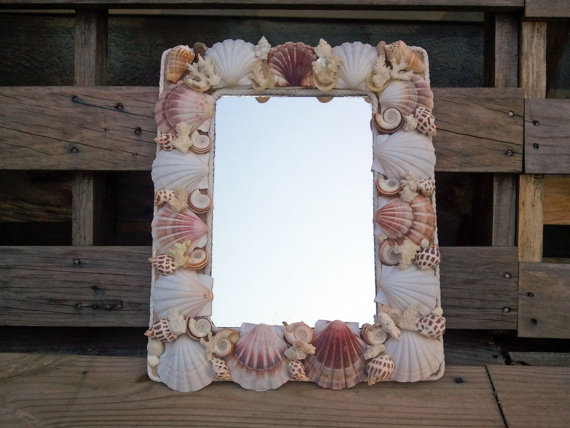
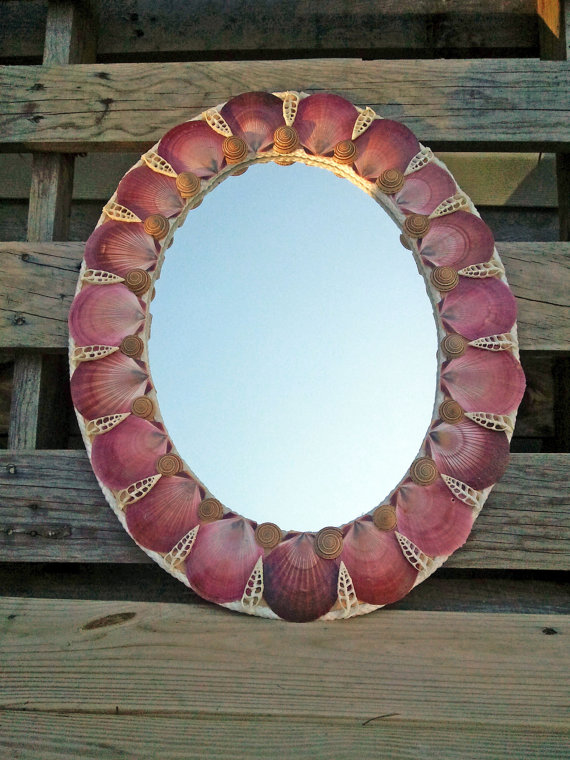
Styles worth noticing in the gallery
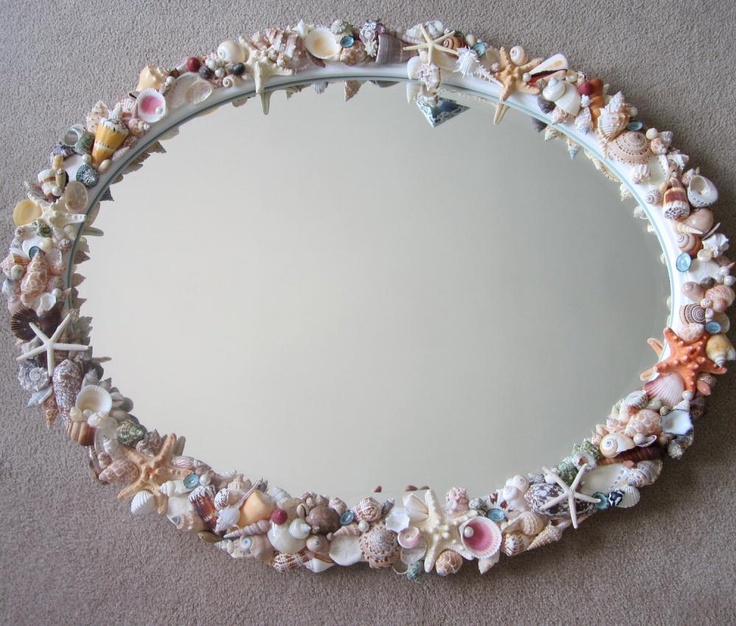
Some mirrors use a dense mosaic so almost no frame shows—lush, textured, and visually heavy enough to be the room’s coastal statement. Others keep a visible painted frame with shells only at intervals, which reads lighter and more modern. Both are valid; dense works better in simple rooms, sparse works better when the wall already has pattern.
Watch for layered depth: larger shells tilted slightly upward catch more light than a flat pavement of pieces. Watch also for scale relative to the glass. A skinny border on a large mirror can look timid; an oversized border on a tiny glass can look like a wreath that swallowed a mirror. Aim for a border that feels like a frame, not a costume.
Bathroom placements love pale shells and sealed adhesives; bedroom vanities can handle warmer, browner collections. Entryways benefit from sturdy construction because doors slam and vibrations travel. Wherever you hang it, give the piece breathing room—crowding a shell mirror beside busy art cancels the calm it is supposed to create.
If you buy instead
Inspect photos for adhesive blobs, uneven gaps, and shells that look hot-glued in a hurry. Ask about weight and hanging hardware. Prefer sellers who mention sealed backs or indoor humidity guidance. If the mirror will face a steamy shower daily, confirm finishes can handle moisture or place it outside the direct steam path.
Match the piece to the room’s other coastal notes. One strong shell mirror plus linen, pale wood, and clear glass usually beats a room stuffed with anchors, ropes, and novelty signs. Let the shells be the souvenir.
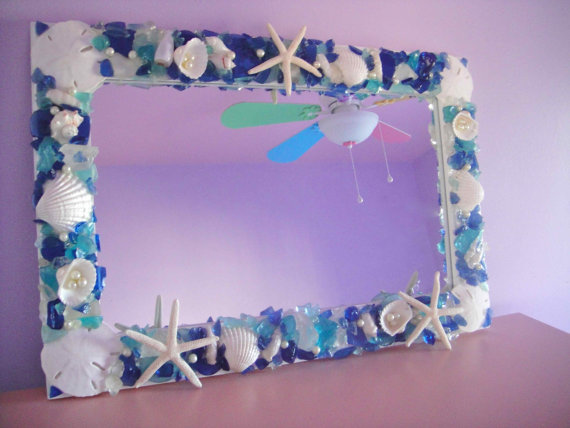
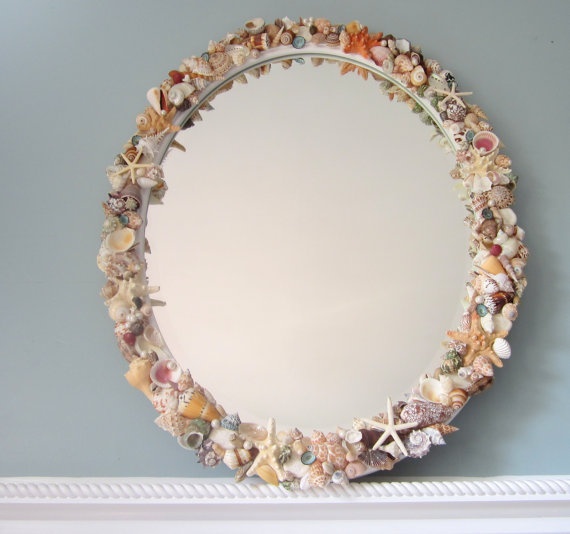
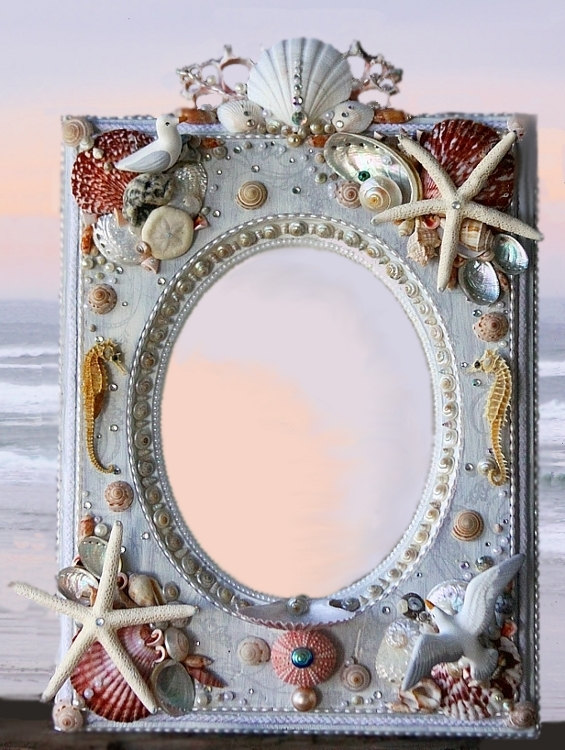
Care that keeps the tide line tidy
Dust with a soft brush or microfiber cloth so you do not snag edges. Avoid soaking shells; water can weaken some adhesives and dull natural surfaces. If a single shell loosens, reattach it promptly before neighboring pieces take the stress. Keep hanging hardware checked once or twice a year, especially on heavier mosaic styles.
Ethically, prefer shells you already collected, purchased from craft suppliers, or gathered where local rules allow. Leave living creatures and protected shorelines alone. A mirror should reminisce about the beach, not deplete it.
Whether you order a finished piece tonight or spend a Saturday sorting scallops by size, the goal is the same: a reflection framed by texture that feels like light on water. Choose the path that matches your patience, then hang the mirror where morning sun can find it.

Comments
Continue reading
Window Seats That People Actually Sit In
Depth, cushions, storage, and light—how to build or dress a window seat so it becomes a reading spot instead of a dumping ground for laundry.

Garden Decoration Beyond Beds: Lace, Mosaiculture, and Upcycled Yard Art
From dressed topiary and floral cyclists to license-plate dragonflies and lace between trees—garden decorations that give a yard a voice.
Kitchen Design Ideas: Layout, Storage, Light, and Finishes That Work
Practical kitchen design ideas—work zones, cabinetry, lighting, and durable finishes—so inspiration translates into rooms that cook and gather well.