
Tim Pile: Environmental Art Nudes, Light, and Composition (NSFW)
Birmingham photographer Tim Pile’s collaborative art nudes place the figure inside natural and built environments—guided by light, mathematics-honed composition, and print craft.
Tim Pile’s photographs belong to the long tradition of art nude work that treats the body as form in space—shape, light, and environment first—rather than as a sales pitch. Based in Birmingham, near the center of England, he is known for placing models in natural and man-made settings so the figure becomes part of a larger composition. The page flag “NSFW” is simply a content warning for adult figurative work; the tone of the pictures is editorial and collaborative, not crude spectacle.
Pile has said plainly that the female form is beautiful, and that he tries to capture that beauty using man-made and natural environments. The more distinctive claim is compositional: he prefers pictures that include models rather than pictures of models. The difference sounds small until you look. In the better frames, the person is a structural element among rock, timber, concrete, or foliage—an answer to line and shadow, not a cutout pasted onto scenery.
Mathematics, light, and the eye for arrangement
Pile is frank about lacking a conventional art-school background. He credits mathematics study for his sense of composition. That is not a cute biographical quirk; it shows in how often his images feel measured. Edges balance. Negative space is intentional. The body is rarely centered as a trophy. Instead, curves rhyme with architecture or landscape geometry, and the frame holds together even if you imagine removing any single detail.
He has also described the work as, in essence, about light and how it is managed. Available light dominates much of the practice. That choice keeps the images from looking like glossy studio products dropped outdoors. Soft window falloff, open shade under trees, hard sun against industrial walls—each location dictates a different negotiation. The craft is less “lighting kit” than patience and placement: where the model stands relative to a shaft of sun, how much skin reflects, how much environment remains readable.
Partnership, not extraction
Pile repeatedly frames the photographs as creative partnerships with the models concerned. He acknowledges that improvement in his photography comes from working with inventive collaborators. That stance matters for how adult galleries should be discussed. Respectful art nude work depends on consent, shared authorship of pose and mood, and the refusal to treat people as disposable props. When he says these are not solely “his” images, he is naming a working method: travel to locations together, prepare props where needed, and build pictures that neither party could make alone.
Location scouting is part of that method. Living in Birmingham does not limit the work to Midlands backdrops. He looks far afield for places that give a model something to answer—weathered interiors, open countryside, unusual built forms. Props appear when they serve the composition, not when they decorate for their own sake. The goal he has voiced is modest and sincere: to bring a little beauty into the world and, ideally, to brighten a viewer’s day. In gallery context, that reads as classical pictorial ambition rather than shock marketing.
Print culture, distinctions, and the London Salon
Pile is an avid printer. He has argued that an image does not fully exist until it takes print form, and he has pursued that belief through large prints, photobooks, and calendars. Club culture and exhibition walls shaped the path: joining a photographic society with hanging print shows encouraged both better photographs and a commitment to physical output. Distinctions and awards followed—MPAGB, FIPF, MFIAP among the markers he has earned through print panels—and membership of the London Salon of Photography is an honor he notes with care. He is also clear that, pride aside, the images remain what finally matter.
Competition success has included major color-print recognition in federation and FIAP contexts, but the public face of the work for many camera clubs is the lecture circuit. Talks with titles that leave no doubt about content—“Have I Got Nudes For You,” “Nudes Night,” and later themes such as “Lulu – A Modern Muse”—are designed to demystify the genre. The pedagogical point is useful: art nude photography, done seriously, is still about light, composition, and subject, the same fundamentals as landscape or still life. That framing helps audiences meet the work as craft rather than as gossip.
How to look at environmental figure work
If you are viewing a Tim Pile gallery, try reading each frame in layers. First, note the environment’s structure: horizon, wall plane, tree trunk, doorway. Second, see how the figure’s line either continues or interrupts that structure. Third, track the light—where highlights sit on skin, where shadow protects privacy or deepens volume. Fourth, ask whether the pose feels discovered or imposed. Collaborative environmental nudes usually look settled: the body has a reason to be there.
Compare images made in soft natural settings with those made against harder man-made backdrops. In landscape contexts, the body often becomes a quiet scale marker inside a larger world. In industrial or architectural contexts, the body can become a counter-curve to right angles and weathered surfaces. Neither mode is “more artistic” by default; both succeed when composition and light hold equal weight with the figure.
For photographers learning from this approach, the takeaways are practical and ethical: study geometry before pressing the shutter; prefer available light until you understand what it is doing; credit models as partners; print work you care about; and refuse the lazy habit of centering a body as the only subject. Awards are optional. Coherence is not.
Adult imagery without the spam tone
Online galleries of figurative work often collapse into either prudish apology or leering caption spam. Neither serves good photographs. Pile’s own language—beauty, partnership, light, composition, print—offers a better register. The NSFW label on a page like this is a courtesy for workplace and mixed-audience browsing. It is not an invitation to reduce the work to crude tags.
What remains, after the warning and the biography, is a body of pictures that ask to be judged like other serious photographs: by arrangement, by light, by the integrity of collaboration, and by whether the print still rewards a second look. Birmingham is the home base; the locations travel; the models share authorship; mathematics quietly underwrites the eye. If a frame brightens the day without cheapening the people in it, it has done the job Pile describes.
Keep scrolling the gallery with that standard in mind. Ask of each image whether the environment would still be interesting without the figure—and whether the figure would still feel purposeful without that exact place. When both answers lean yes, you are looking at the kind of environmental composition that made Tim Pile’s work travel from club walls to wider attention.

Comments
Continue reading
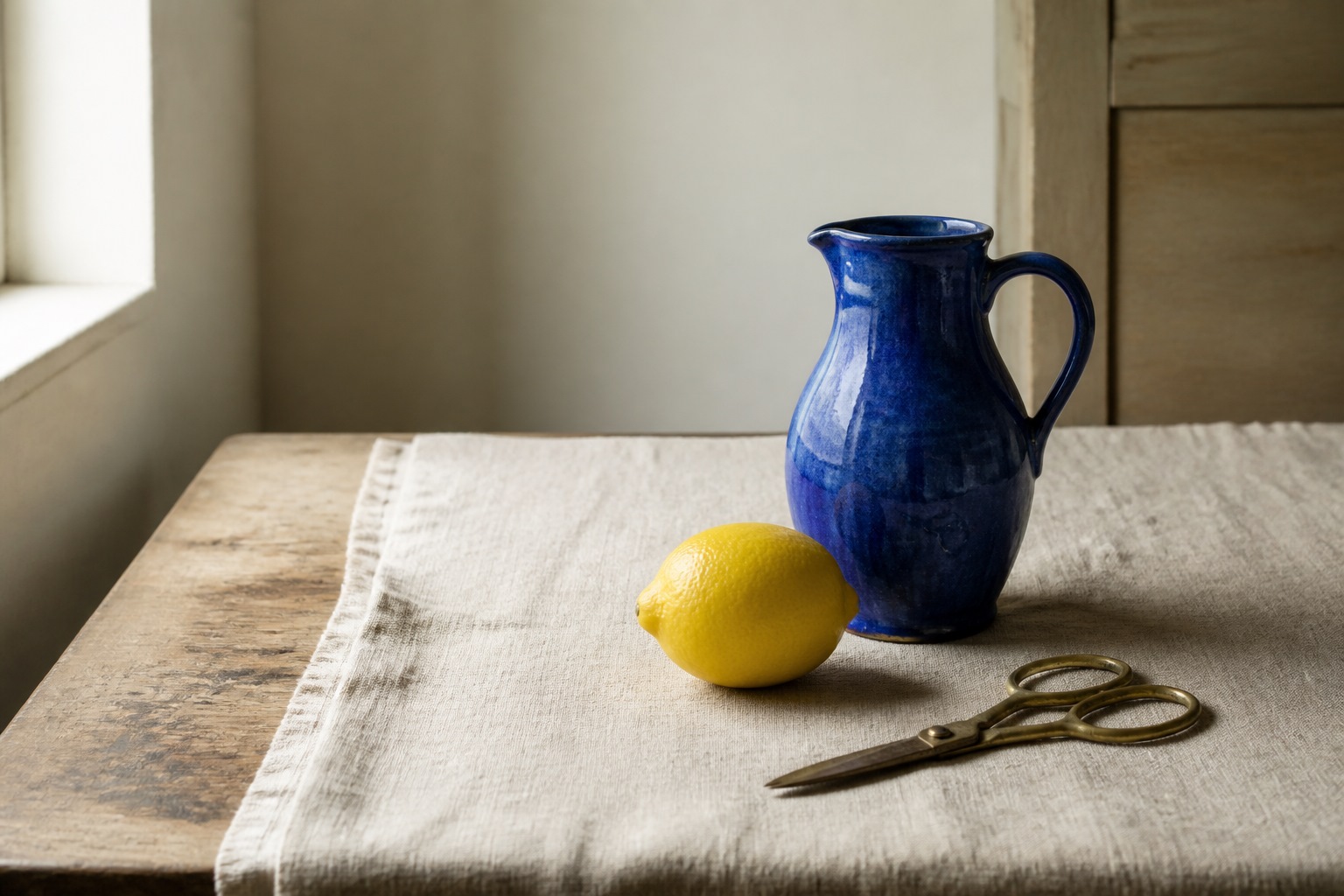
Still-Life Photography at Home with One Window
A table, north or side light, and a handful of objects—how to shoot still lifes in a small room without a studio, softboxes, or a prop closet.
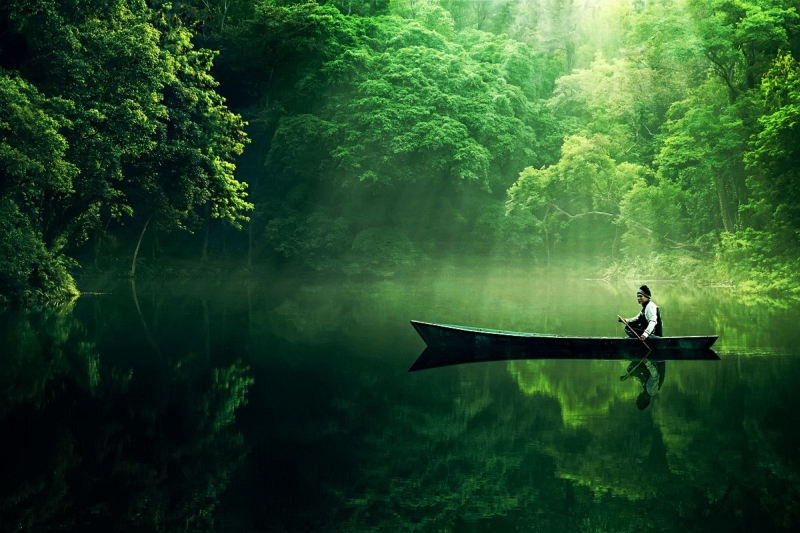
Dramatic Photo Art by Sukron Ma’mun (Ipoenk Graphic)
Cirebon, Indonesia photographer Sukron Ma’mun uses theatrical natural light to frame village life, play, and place in lyrical photo art.
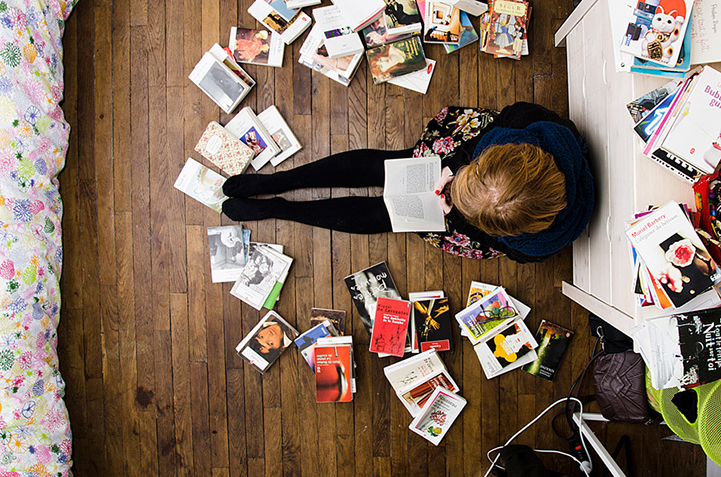
Bird’s-Eye Views: Florian Beaudenon’s Instant Life
Paris photographer Florian Beaudenon’s Instant Life series captures people in their rooms from above—intimate, collaborative overhead portraits of everyday joy.