
Create a Stylish Home Office Without Spending a Fortune
Budget-friendly ideas for floors, paint, storage, desks, lighting, and décor that make a home office look intentional without designer prices.
Magazine home offices look expensive because they usually are: custom millwork, designer chairs, floors that cost more than a used car. Most people need something quieter and more realistic—a corner that feels calm and looks put-together without emptying a savings account. Style on a budget is less about finding miracle bargains and more about spending where you sit and saving where the eye can be fooled.
The ideas below treat floors, walls, storage, desk, lighting, and décor as separate decisions. Fix the bones first, then layer personality. A room that works for focus will feel stylish even before the last print is hung; a beautiful room that wrecks your back will not.
Floors that look richer than they cost
Office floors need to survive rolling chairs, dropped pens, and the occasional coffee splash. Solid hardwood and natural stone tile can look beautiful and also consume a large share of a renovation budget. Good vinyl plank and laminate often imitate wood grain convincingly enough for a small office, especially once a rug softens the middle of the room.
Choose a product rated for the wear you expect. A home office sees less traffic than a hallway, but chair casters concentrate pressure in one path. A chair mat protects both budget flooring and your concentration—constant catching on soft vinyl is its own tax on patience. Many click-lock planks can be installed by a careful DIYer with a saw, spacers, and an afternoon; hiring help for cutting around tricky doorways can still cost less than a full solid-wood install.
Color matters more than brand prestige. Medium woods hide dust; very dark floors show every sock fiber; cool gray tones can make a north-facing room feel colder unless you warm the palette elsewhere. If you cannot replace flooring, a large flatweave rug defined under desk and chair creates a “room within a room” and hides scars you are not ready to fund.
Walls without designer wallpaper bills
Wallpaper from boutique lines adds up fast once you calculate rolls, paste, and the risk of a misaligned pattern. Paint remains the high-impact, low-cost upgrade. A single saturated accent wall behind the desk anchors the workspace; the other walls in a calm neutral keep the room from closing in on video calls.
If you want more than flat color, inexpensive techniques still read as intentional. Color washing softens new drywall. A soft ombré from deeper hue at the baseboard to lighter near the ceiling adds depth without pattern matching. Stencils applied sparingly—as a border, a headboard-height band, or a single geometric panel—beat covering every wall in a motif you will tire of by tax season.
Sample pots exist for a reason. Paint a large poster board, lean it where the desk will sit, and look at it morning and evening before committing. Artificial light changes everything; the green that looked sophisticated at the store can turn muddy under a cool LED bulb.
Storage that works and still looks styled
A stylish office that cannot file a bill is only a photo set. Open shelves are among the cheapest storage options and the easiest to install level with a stud finder and proper anchors. Use them for a mix of box files, a few books you actually reference, and one or two plants—not a thrift-store avalanche.
Uniform boxes or magazine files calm visual noise. Add printed or handwritten labels so you can find cables and contracts without opening every lid. Trailing plants such as pothos soften the hard line of shelves; keep pots on saucers and avoid overwatering above electronics. If open shelves stress you, add inexpensive fabric bins or cane baskets on the lower levels and leave the upper shelf for a short, edited display.
Vertical space beats buying another freestanding cabinet you do not have floor room for. A tall narrow bookcase beside the desk holds reference material; wall hooks behind the door catch headphones and a tote. Pegboards can look workshop-chic when painted the wall color and loaded lightly—too many clips and the wall starts shouting.
Desk and chair: spend where your body notices
The desk and chair are where budget discipline should bend. Hours of poor posture cost more than a mid-range chair. That said, “designer” pricing is optional. A sturdy used desk from a reseller, office liquidation, or family hand-me-down can be refinished: sand sticky varnish, paint the base, oil or seal the top, and swap dated knobs for simple brass, black, or wood pulls.
A basic new desk can be upgraded the same way. Spray metal legs in a warmer metallic tone if that suits your palette, or leave them matte black for a quieter look. Raise a too-low surface with sturdy desk risers rather than hunching. Cable trays screwed under the top hide the spaghetti that ruins otherwise clean photos of your setup.
For chairs, prioritize lumbar support and adjustable height over trendy velvet that compresses in a month. Test in person when you can. A handsome side chair as a guest seat is fine; using it as your daily driver is a false economy. If the perfect chair must wait, improve what you have with a lumbar cushion and a footrest so thighs sit comfortably parallel to the floor.
Lighting that flatters work and video calls
One overhead fixture rarely lights a desk well. Layer three kinds of light when you can: ambient (ceiling or tall lamp), task (desk lamp aimed at paper or keyboard), and a little accent if you want depth on shelves. You do not need a designer pendant to get a polished look. A well-chosen LED bulb with a visible filament in a clear or smoked glass shape can replace an expensive shade on a simple socket pendant—just confirm the fixture’s wattage and heat limits.
Match color temperature to the room’s job. Neutral white around 3000–4000K keeps most people alert without the clinical glare of very cool bulbs. Position task light opposite your writing hand to reduce shadows. For video calls, face a window or a soft lamp; a bright window behind you turns you into a silhouette no amount of chic wallpaper will fix.
Dimmer switches and smart plugs are inexpensive upgrades that make one lamp serve evening wind-down and midday focus. Avoid lighting only the center of the ceiling while the desk sits in a cave—your eyes will tire even if the Instagram grid looks fine.
Décor that suggests intention, not clutter
A few deliberate objects finish a budget office better than a cart full of impulse buys. Frame leftover wallpaper samples or fabric swatches in thrifted frames for instant art at nearly no cost. Paint plain terracotta pots with a simple stencil or solid color that ties to your accent wall. A single large print beats five tiny ones fighting for attention.
Keep the desktop almost empty during the workday: lamp, laptop or monitor, one notebook, maybe a small plant. Personality can live on the wall and shelves. Curtains in a simple cotton or linen wash soften hard light and hide a bland view; hang them high and wide so the window feels larger.
Scent and sound count as décor you feel rather than see. A small speaker and a playlist, or quiet, may matter more than another ceramic object. If you share walls, a soft rug and fabric pinboard absorb echo so the room sounds as calm as it looks.
A practical order of operations
Clear the room and decide the desk orientation first—face the door if that helps you focus, or face a window if glare is manageable. Fix flooring or define the zone with a rug. Paint. Install shelves. Bring in desk and chair. Add lighting. Only then shop for art and accessories with a short list and a hard budget ceiling.
Shop your house before you shop a store. A dining chair temporarily at the desk, a lamp from the bedroom, books you already own—these bridge the gap while you save for the pieces that touch your body every day. Style is the sum of clear surfaces, coherent color, and light you can work in. The fortune can stay in the bank.

Comments
Continue reading

Photo vs Illustrated Save-the-Dates: How to Choose a Format
A practical comparison of photographic and illustrated save-the-dates—when a portrait earns the stamp, when a drawing carries the date, and how to match format to venue, guests, and printing.
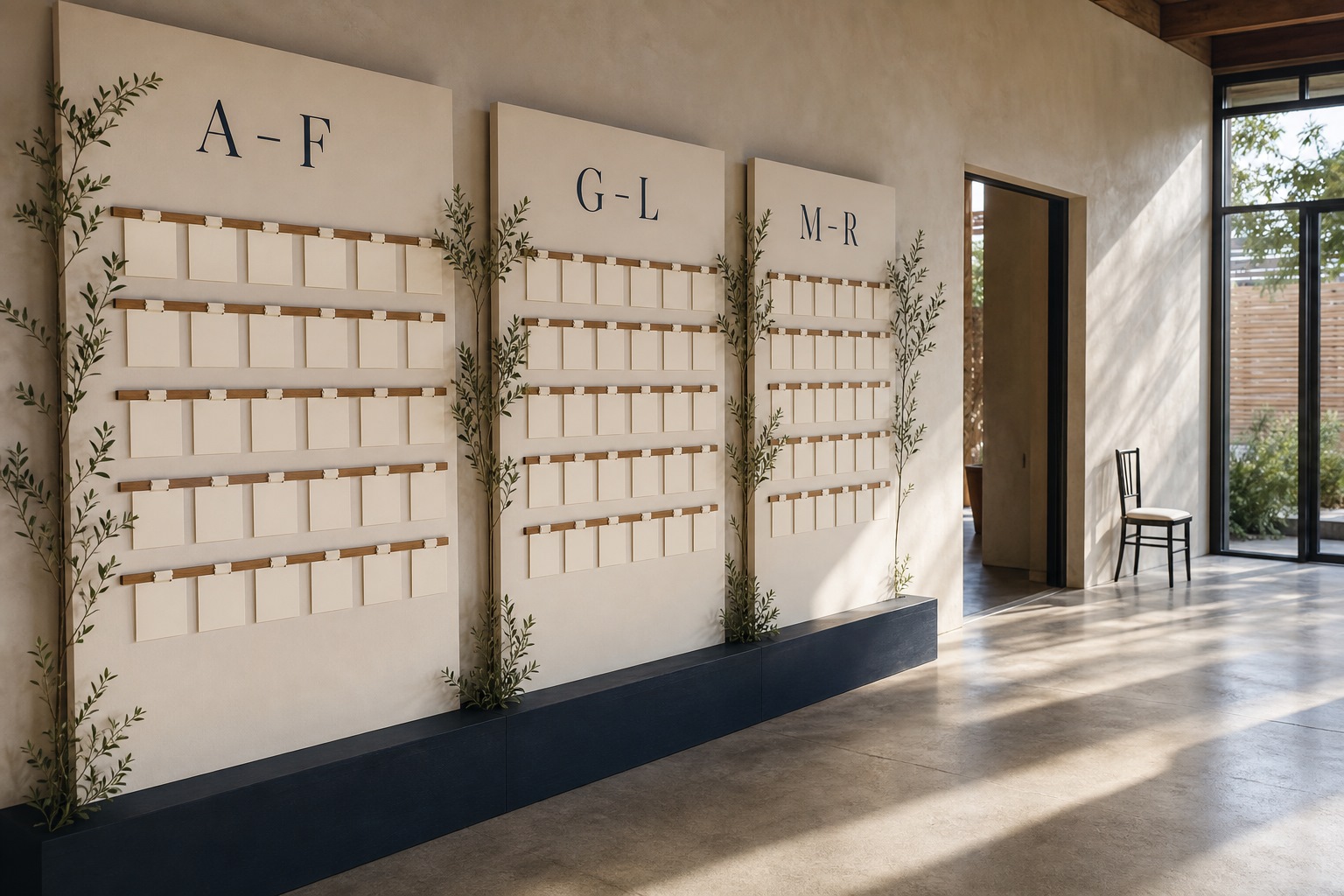
Escort-Card Displays That Aren’t a Table of Tiny Cards
Walls, branches, envelopes, mirrors, and numbered installations—how to stage escort cards so guests find their tables without a crowded lobby table.
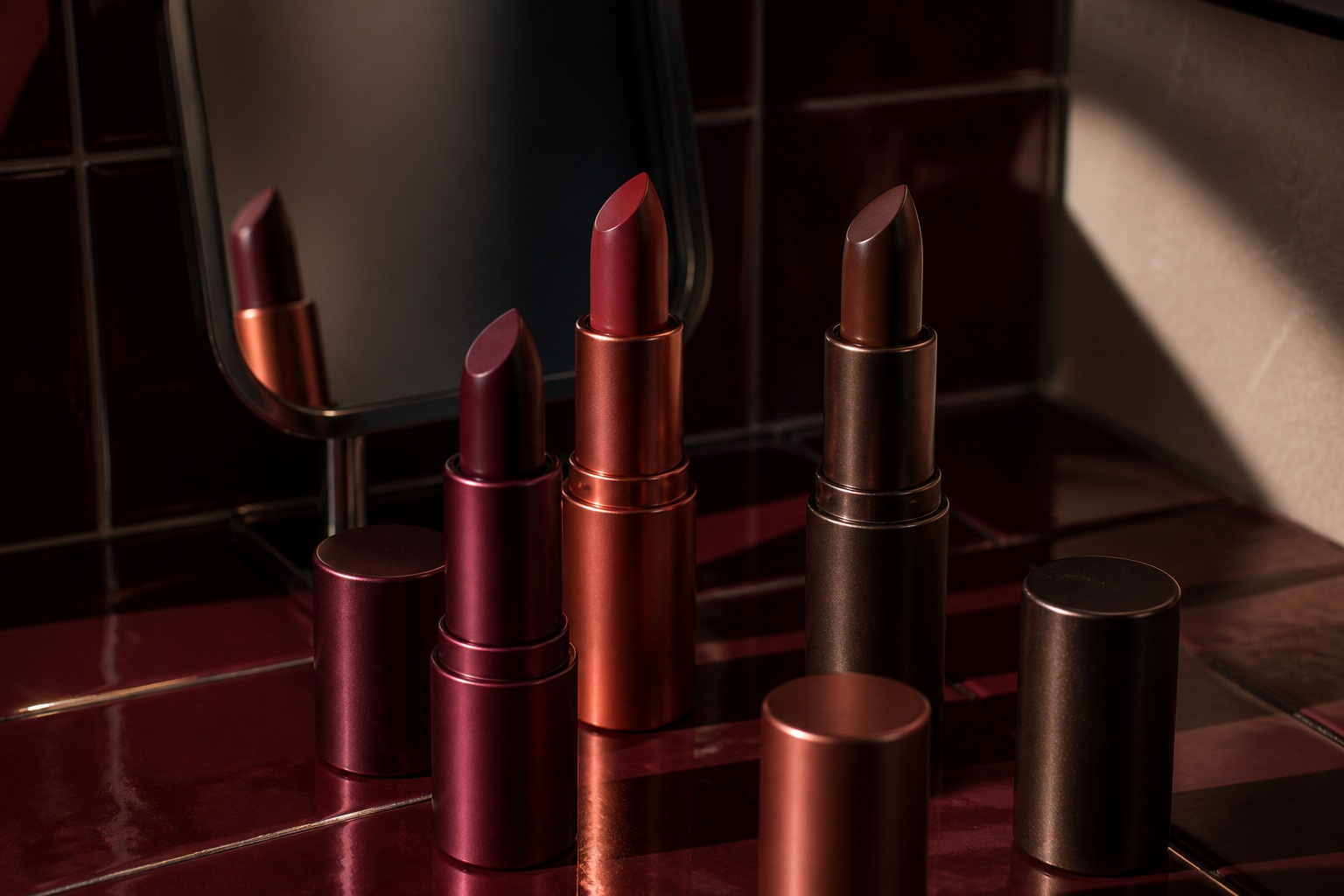
Berry, Brick, and Brown Lipsticks That Still Read as Color
A guide to berry, brick, and brown lipsticks—undertones, finishes, and light—when classic fire-engine red is not the shade you want to wear.