
Cute and Cuddly Baby Animals for a Soft Reset
A short gallery of baby-animal photographs—and why those oversized eyes and unsteady legs can reset a hard afternoon.
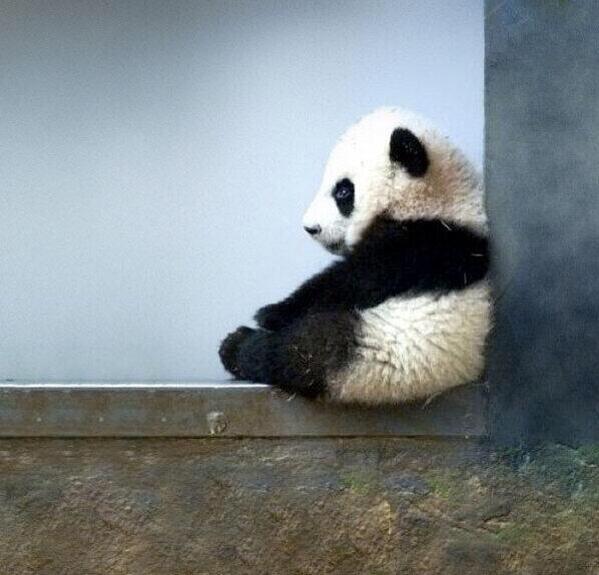
Some afternoons need a soft reset more than another email. Baby animals deliver that reset with almost unfair efficiency: oversized eyes, unsteady legs, fur that still looks too new for the world. This page is a short pause for that feeling—a few photographs of young animals at their most open and unguarded, the kind of images people once saved mid-coffee break and sent to friends with no caption beyond “look.”
Why baby animals hit so hard
Biologists and psychologists have long noted that many humans respond strongly to neotenous traits—large eyes relative to the face, round cheeks, small noses, awkward proportions. Those cues overlap with how we read human infants, which helps explain the instant warmth that arrives before you have even named the species. The reaction is not trivial. Brief positive emotion can lower the temperature of a stressful hour, even if it does not solve the inbox waiting underneath.
Baby animals also signal a story. A fawn implies a forest. A puppy implies a household. A chick implies a farm morning. You do not need a documentary voiceover; the life stage itself carries narrative. That is why these photos travel well in magazines, blogs, and social feeds: they are complete little scenes with almost no explanation required. A viewer can arrive tired and leave, thirty seconds later, slightly kinder to the rest of the day.
What “cuddly” really shows
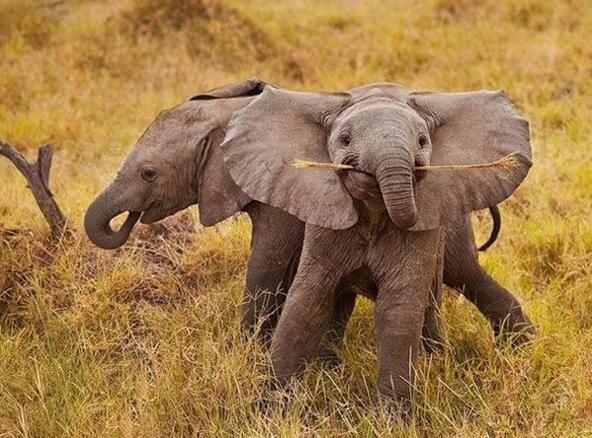
Cuddly is a human word. In the wild, a soft-looking youngster is still a developing animal with instincts, boundaries, and often a parent who does not appreciate an audience. Enjoying photographs is different from approaching wildlife or treating every domestic baby animal like a living stuffed toy. Good images often catch rest, curiosity, or clumsy play—moments when the animal is safe and the photographer stayed patient instead of forcing a pose.
Domestic species dominate cute roundups for practical reasons: puppies, kittens, bunnies, and livestock young are near people and cameras. Wildlife babies appear less often and usually through careful wildlife photographers, zoos, or sanctuary contexts. Either way, the emotional hit is similar. Soft texture plus vulnerable scale equals a face you want to protect. The ethical move is to keep that protective feeling aimed at real welfare—supporting reputable rescues, leaving wild dens alone, and teaching kids that “cute” is not an invitation to grab.
Reading the photographs slowly
Try not to scroll as if the images are only dopamine taps. Notice posture first: curled, sprawled, mid-yawn, leaning into a sibling. Notice texture next: down feathers, first coat, still-wet nose. Then notice context—blanket, grass, human hand at the edge of the frame. Those details are what separate a memorable animal photo from a generic stock smile.
Light matters more than most people admit. Soft daylight on fur reads as warmth. Harsh flash can make even a gentle subject look clinical. Many favorite baby-animal images are simply well-timed natural light on a subject that already had the advantage of being small and new. If you take photos of your own pets, kneel to their eye level and wait; the best frames usually arrive after the staged “smile for the camera” attempt fails.
A tiny natural history of “cute”
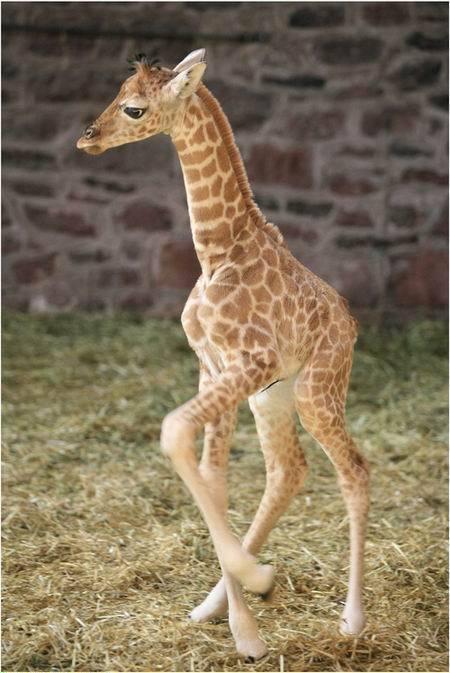
Different species age out of peak cuteness on different clocks. Puppies stay visually babyish for months; some ungulates look gangly within weeks; birds can go from fluff-ball to awkward teenager in days. That compressed timeline is part of the appeal. You are looking at a stage that will not last, which is why people archive the photos even when they do not know the animal’s name or location.
Farm babies—lambs, goat kids, piglets, calves—carry a particular pastoral nostalgia for city viewers. Zoo and sanctuary youngsters add rarity: a baby red panda or a young otter can feel like news even when the caption is only a date. Household pets remain the everyday champions because they live in the same rooms we do, turning cuteness into a recurring roommate rather than a one-time spectacle. All of those categories show up in cute roundups for the same reason: beginnings are visually generous.
Using the mood without getting stuck there
There is nothing wrong with a deliberate cute break. The trick is to let it work, then return to your day without turning the tab into an hour of endless similar posts. One useful habit: pick a single image, look for thirty seconds, name three concrete details you see, and close the gallery. You keep the lift without the drift.
If these photos make you want an animal of your own, slow down. Babies become adults with needs, costs, training, and personalities that outlast the viral stage. Shelters and rescues are full of formerly tiny creatures who still need homes after the fluff phase. Admire the photographs; adopt with a plan that includes budget, time, and a household vote that is not based on one viral face.
Sharing without turning it into noise
People share baby-animal images because the emotion is easy to pass along. A short note—“this kid’s ears”—beats a pressure caption about boards, followers, or algorithms. If you post, credit photographers when you know them, avoid claiming a wild animal encounter you did not have, and skip heavy filters that erase the texture that made the photo good in the first place.
Parents and teachers sometimes use these images as calm-down tools for kids: one picture, one deep breath, back to the task. Adults can steal that method without apology. The point is not to pretend work disappeared. The point is to borrow a few seconds of uncomplicated warmth and carry a little of it back into the harder parts of the day.
A short field guide to the feeling
- Large eyes and round faces trigger care instincts quickly.
- Clumsy motion reads as harmless even when the adult species is powerful.
- Soft texture invites imagined touch; respect real animals’ space.
- Sibling piles multiply cuteness through pattern and warmth.
- Quiet rest photos often outlast mid-action shots in memory.
- Context (blanket, grass, careful hands) tells you whether the moment was kind.
Keep those notes in mind as you look at the portraits here. They are not a zoo catalog or a shopping list—just a small set of faces and bodies at the beginning of their lives, offered as a gentle interruption in the middle of yours. When you are ready, close the page and take that slightly softer mood back to whatever was waiting.

Comments
Continue reading
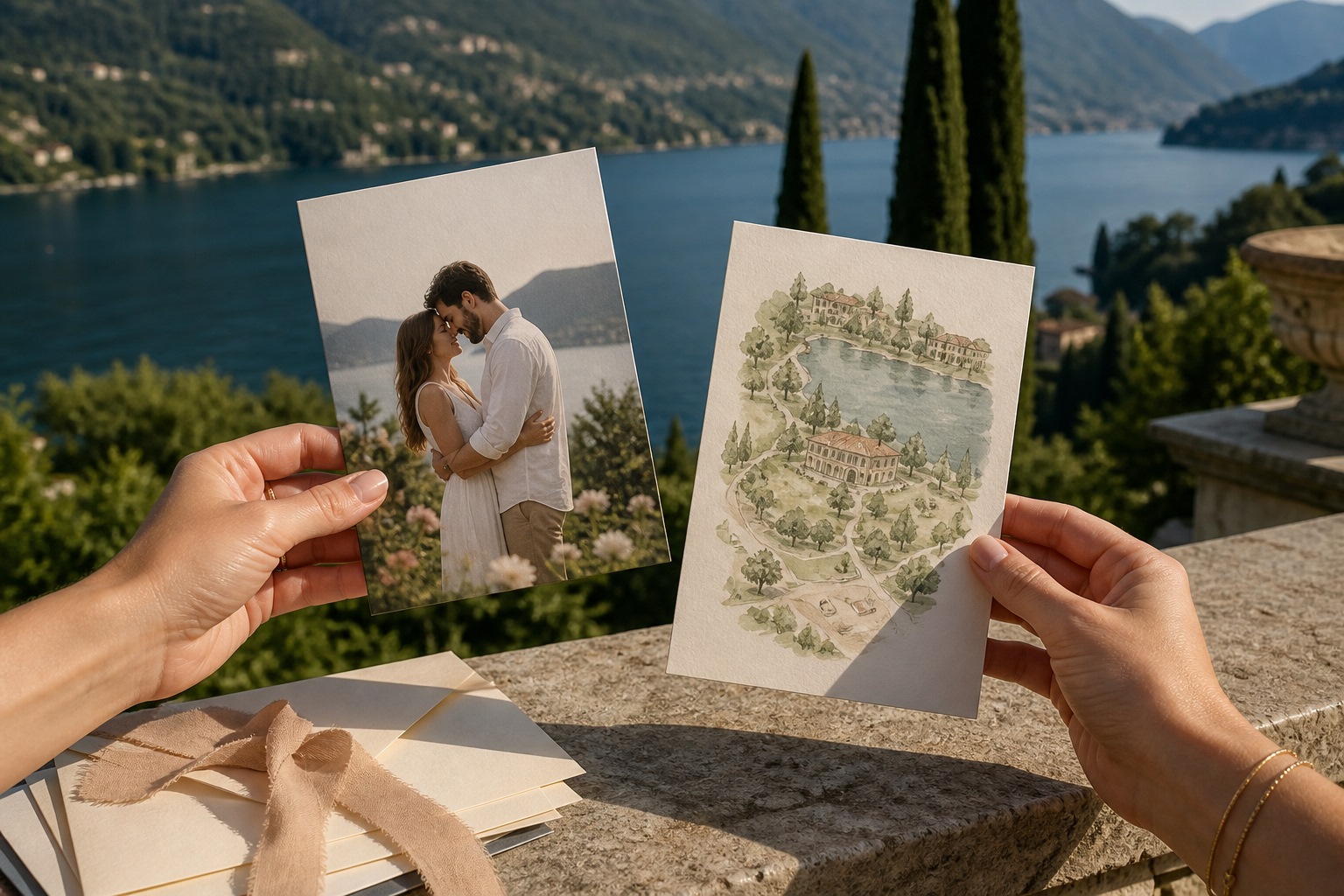
Photo vs Illustrated Save-the-Dates: How to Choose a Format
A practical comparison of photographic and illustrated save-the-dates—when a portrait earns the stamp, when a drawing carries the date, and how to match format to venue, guests, and printing.

Escort-Card Displays That Aren’t a Table of Tiny Cards
Walls, branches, envelopes, mirrors, and numbered installations—how to stage escort cards so guests find their tables without a crowded lobby table.
Berry, Brick, and Brown Lipsticks That Still Read as Color
A guide to berry, brick, and brown lipsticks—undertones, finishes, and light—when classic fire-engine red is not the shade you want to wear.