
Fresh Flower Wedding Bouquets: Shape, Season, and Design Criteria
A gallery of fresh bridal bouquets with practical guidance on silhouette, color, stem stamina, foliage, and how to brief a florist without losing the dress conversation.
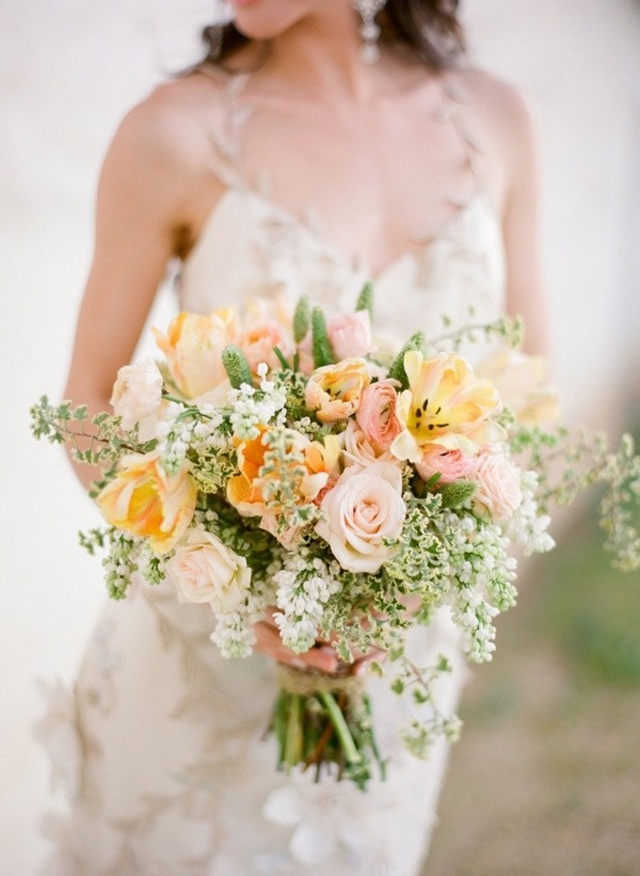
A wedding bouquet is the one floral object that travels with the couple through photos, vows, and the exit—so it has to look right in the hand, against the dress, and under whatever light the day actually brings. Fresh flowers still dominate because they catch light, release scent, and photograph with a depth that silk rarely matches. Choosing among styles is less about copying a magazine cover and more about matching bloom character, season, color story, and how long the stems must stay alive in a warm room.
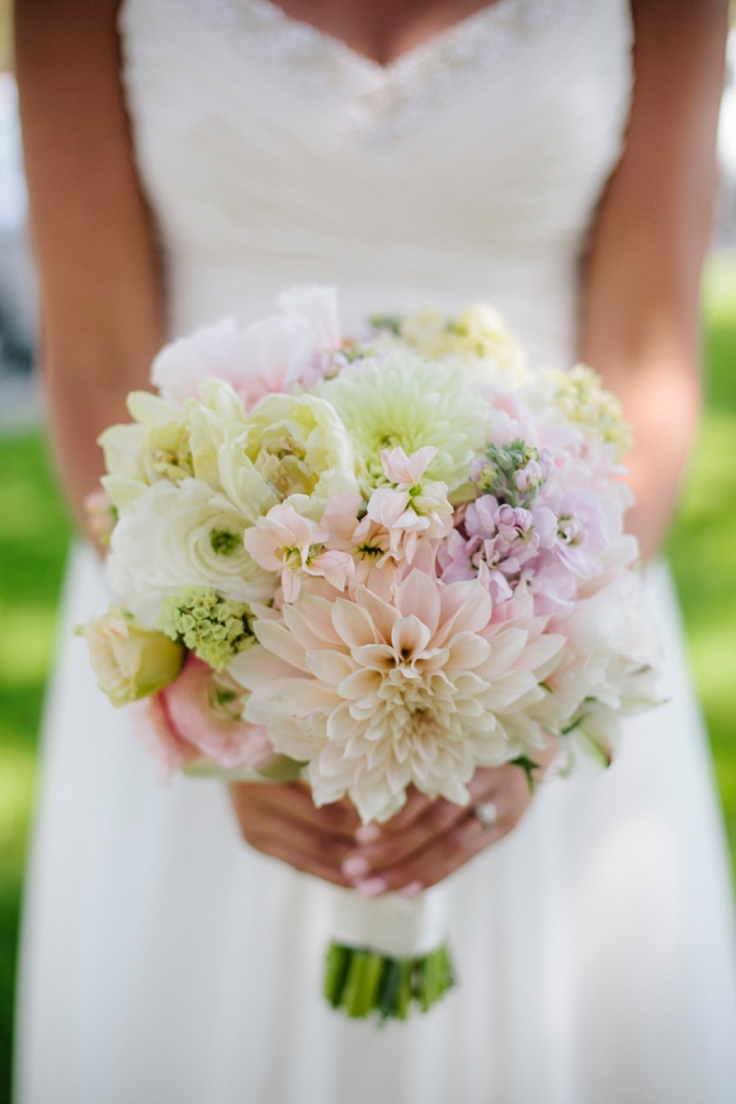
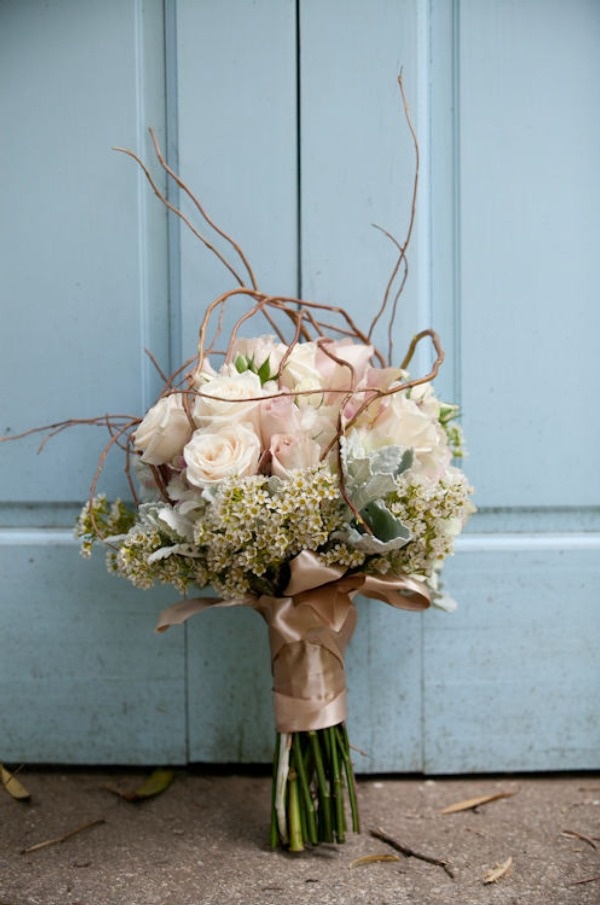
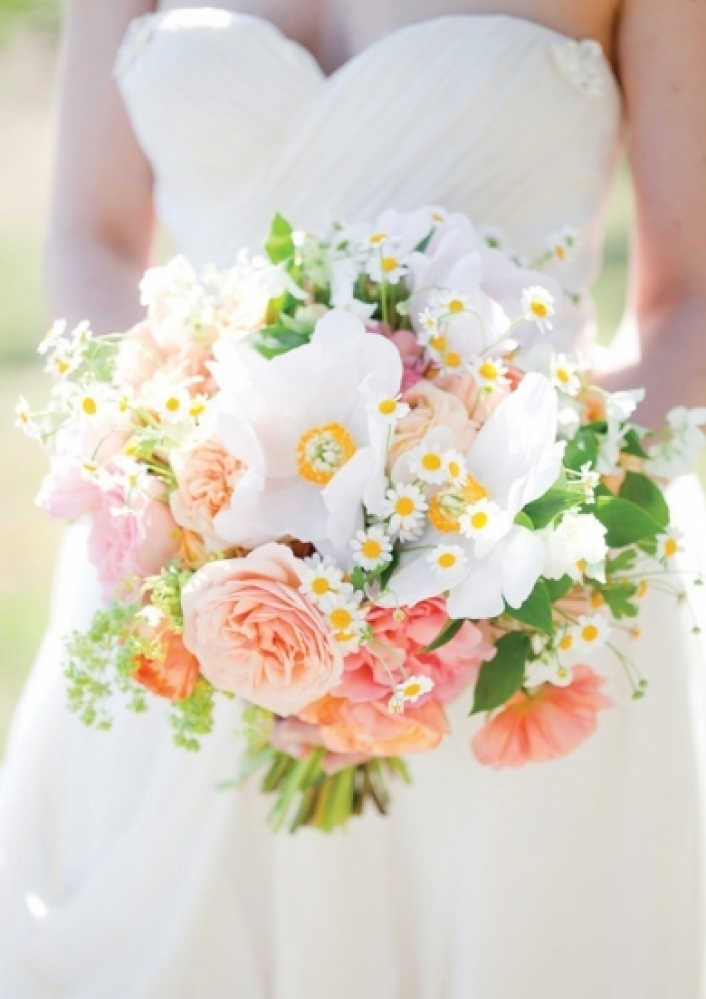
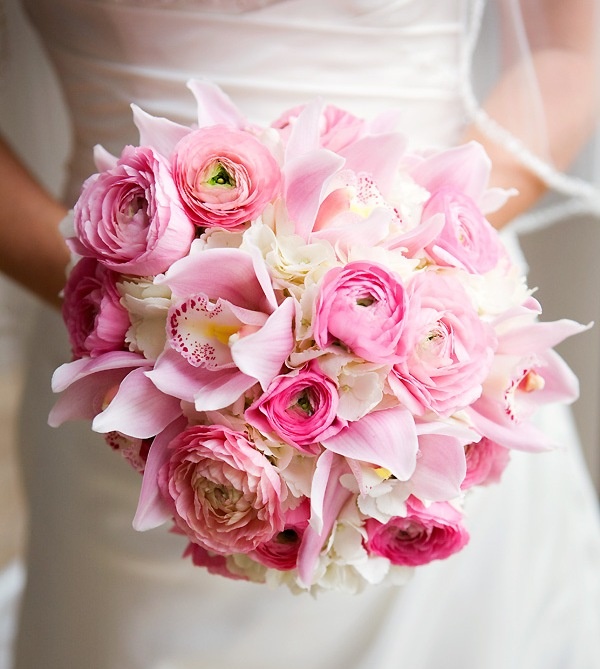
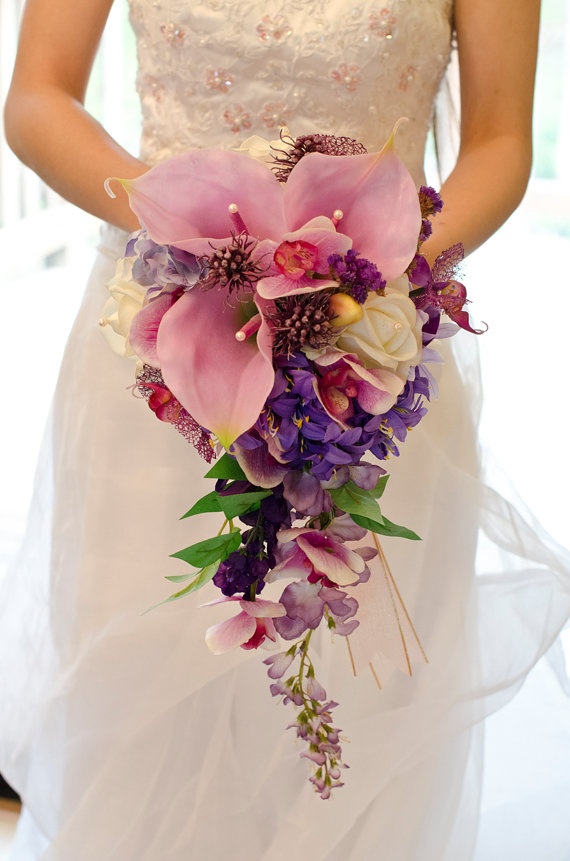
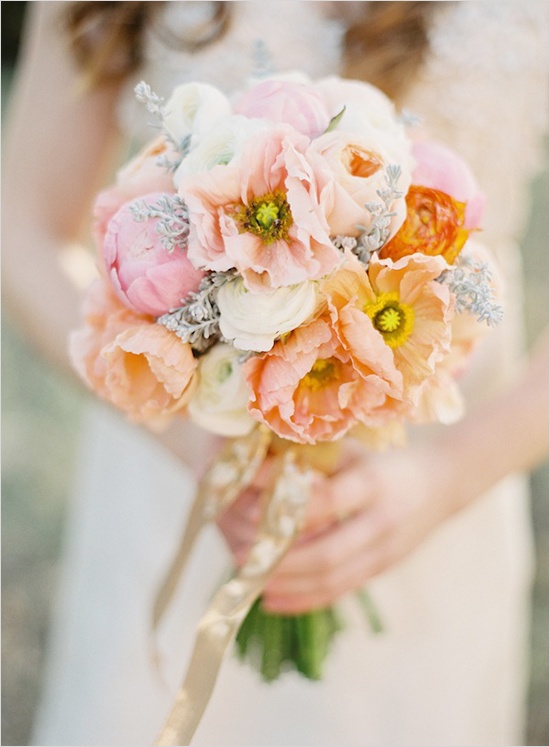
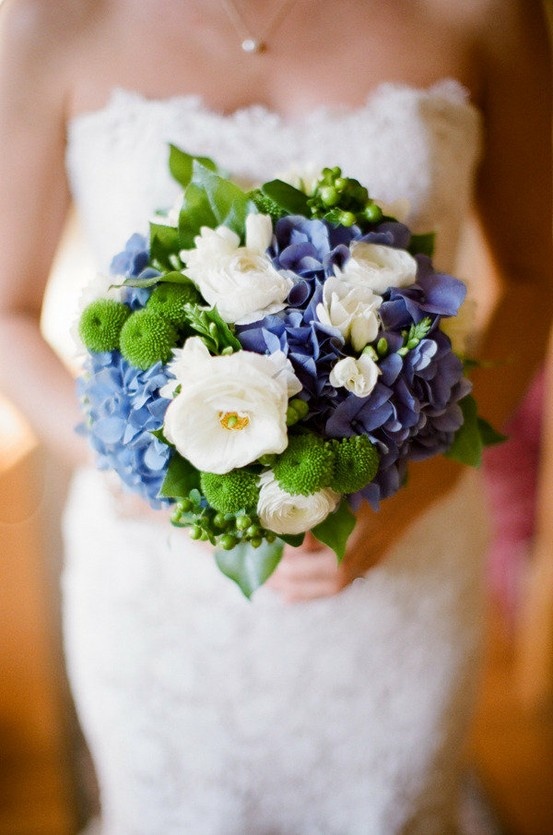
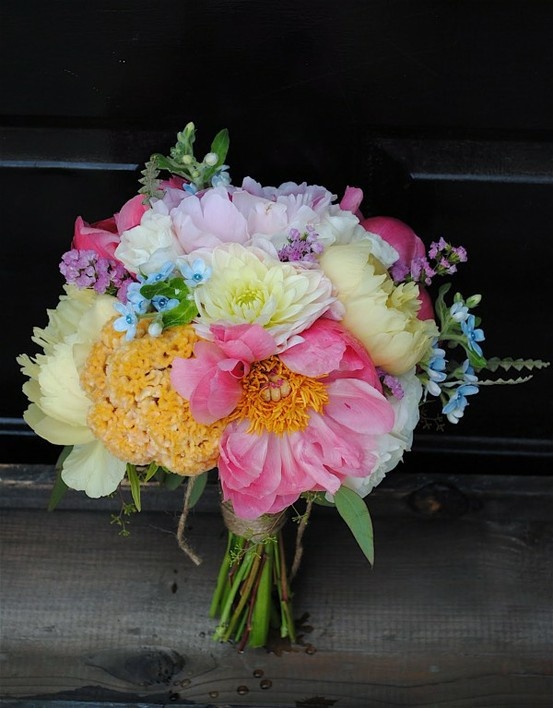
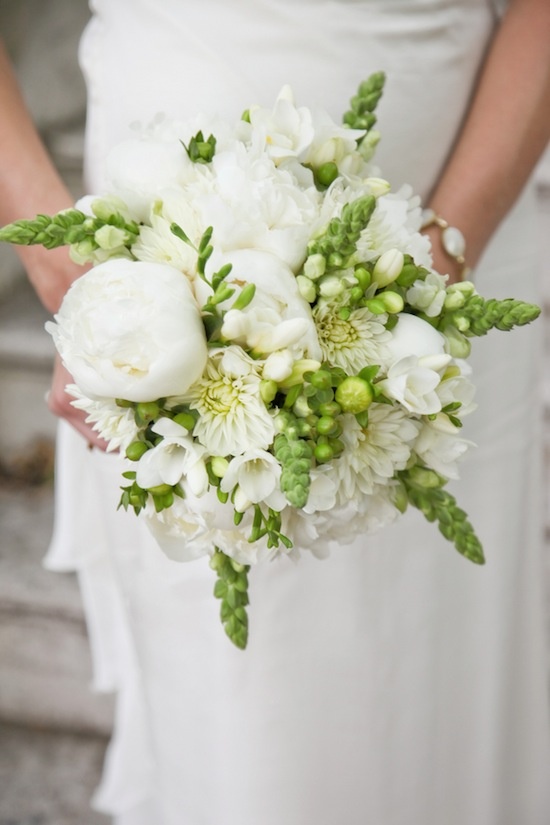
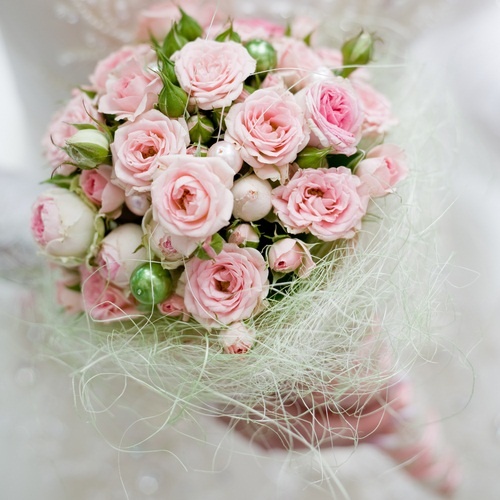
The gallery below gathers fresh flower wedding bouquets that lean romantic, garden-gathered, classic, and sculptural. Use the images as a style map: notice shape and negative space first, named flowers second.
Shape: how the bouquet sits in the hand
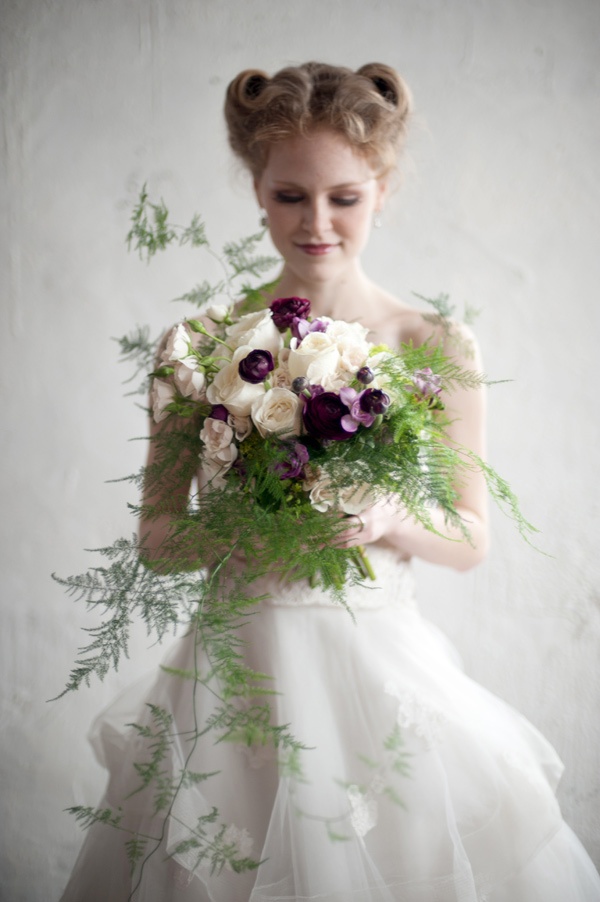
Round, compact bouquets read formal and photograph cleanly against fitted gowns. Cascade and teardrop shapes add drama for structured dresses and tall ceilings but need careful wiring and a confident hold. Loose garden or “hand-tied” silhouettes feel spontaneous—stems of uneven length, visible foliage, air between blooms—and suit outdoor, barn, and soft-romantic settings. Posy and nosegay scales stay small and light for long ceremonies or for anyone who does not want to manage a heavy cluster.
Test scale against the body, not only against a table. A bouquet that looks perfect on a florist’s counter can overwhelm a petite frame or disappear against a full ballgown. Ask for a mock-up in paper or leftover stems if the florist offers it. The front face should have a clear “camera side” for portraits; the back can be slightly flatter so it rests against the torso without stabbing lace.
Color and texture criteria
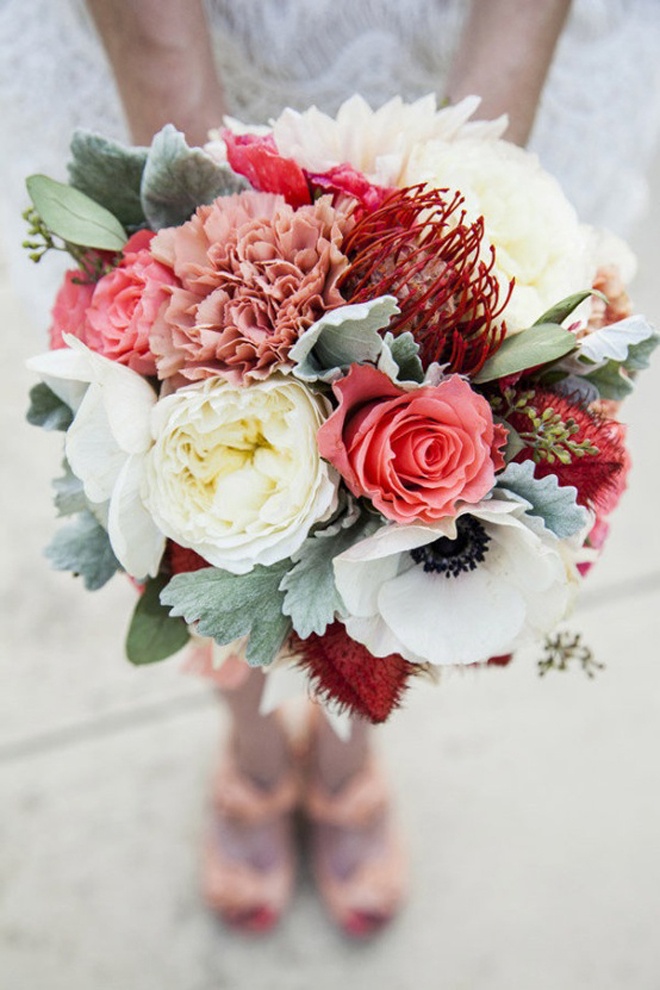
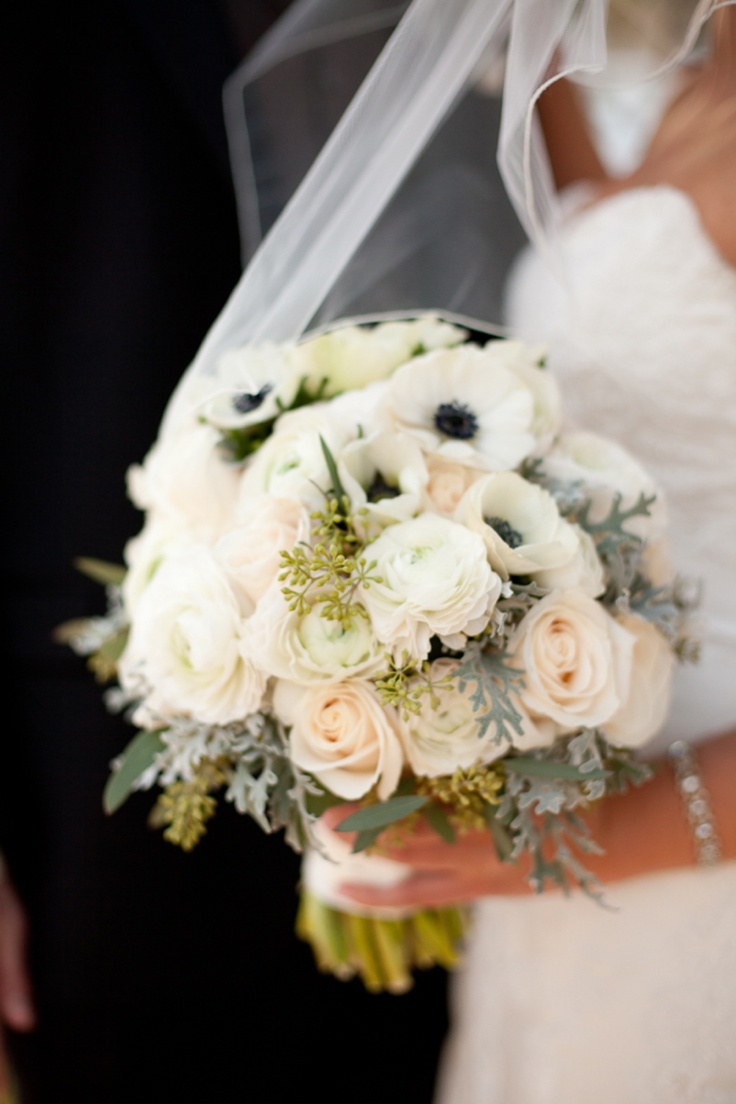
Monochrome whites and creams still photograph beautifully with lace and candlelight; they also forgive mixed bloom types if textures vary—garden roses beside ranunculus, something spiky beside something soft. Soft pastels (blush, peach, lavender, butter) connect easily to spring and early summer palettes. Saturated jewel tones and deep berries work when the dress, venue, or season already carries contrast; they can muddy in low light if every bloom is the same value.
Texture does as much work as hue. Velvet rose petals, translucent sweet peas, waxy orchids, feathery astilbe, and matte eucalyptus each catch light differently. A bouquet with only one texture can look flat in photos; a bouquet with five competing textures can look busy. Aim for two or three dominant textures and let one accent steal focus.
Season and stem stamina
Spring brings peonies, tulips, ranunculus, lilac, and sweet peas when local markets cooperate—lush, fragrant, and sometimes short-lived in heat. Summer favors garden roses, dahlias, zinnias, cosmos, and sturdy foliage that tolerate warmer receptions. Fall leans into chrysanthemums, berries, dried elements mixed with fresh, and richer foliage. Winter often means greenhouse roses, orchids, amaryllis, and imported specialties; plan for cost and for how cold outdoor photos will treat soft petals.
Freshness is a logistics problem as much as an aesthetic one. Blooms that open fully by the processional look tired by the last dance unless the florist stages them carefully. Tough stems (many roses, orchids, chrysanthemums) travel better than fragile ones (gardenia, some hydrangea, delicate sweet pea in heat). If the day includes long outdoor portraits in sun, ask which flowers hold water and which collapse. Ribbon wrap and a water source for the bouquet between events are practical details, not afterthoughts.
Foliage, ribbon, and the dress conversation
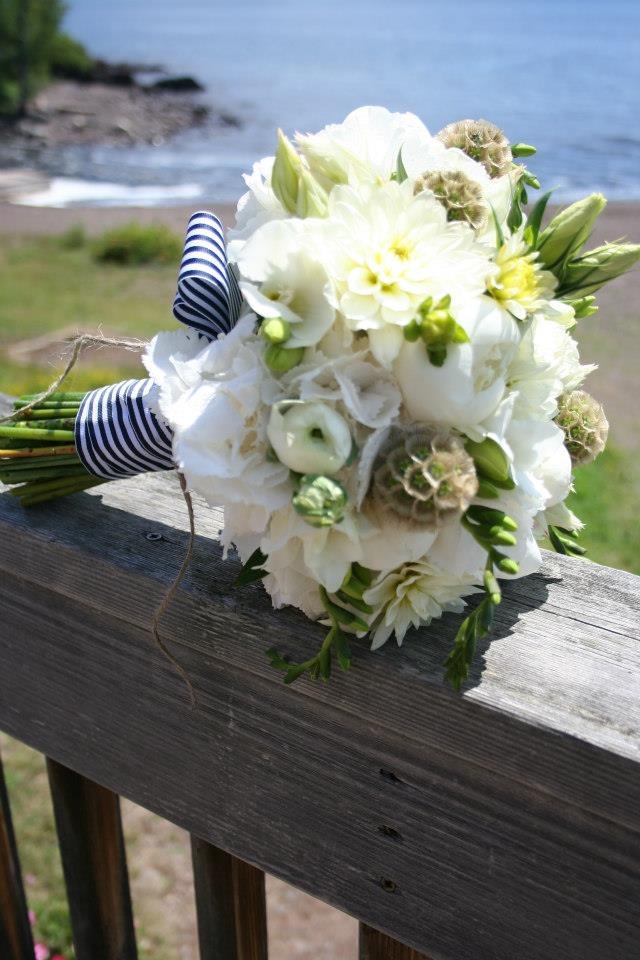
Greenery frames blooms and hides mechanics. Soft eucalyptus, olive, fern, and dusty miller each change the mood—silvery, Mediterranean, woodland, or vintage. Too much foliage and the bouquet becomes a bush; too little and wire or foam peeks through. Match green temperature to the dress: cool silver greens with cool whites, warmer olive with ivory and champagne.
Ribbon and wrap finish the hand view in every photo. Silk, velvet, lace remnants from the gown, or a simple stem wrap all work when they do not fight the flowers. Long trailing ribbons suit outdoor breeze and romantic silhouettes; clean wrapped stems suit modern gowns. Avoid wraps that bleed dye onto fabric when wet.
Matching bouquet to ceremony and photos
Indoor candlelit rooms reward cream, blush, and flowers with open faces that catch warm light. Bright midday gardens can wash out pale pastels; slightly deeper petals or stronger foliage help. Black-tie ballrooms often want tighter construction; meadow ceremonies forgive wilder stems. If bridesmaids carry smaller versions, keep the same color family and one shared flower so the party reads as a set without cloning the main bouquet.
Boutonnieres and ceremony arrangements should echo, not duplicate. A single rose type or a shared leaf is enough continuity. Over-matching everything into identical stems looks staged rather than considered.
Working with a florist without losing the plot
Bring dress fabric swatches or clear photos, venue pictures in the actual light, and a short list of must-have and must-avoid blooms (allergies, scent sensitivity, cultural preferences). Prefer adjectives of mood—airy, structured, garden, sculptural—over a pile of conflicting inspiration images. Ask what is local and sturdy on your date; peak peony week is not every week.
Budget usually concentrates on the wedding party bouquets and ceremony focal points. If costs climb, protect the hand bouquet quality and simplify table work rather than the reverse. Confirm delivery timing, who holds the bouquet during the first dance if needed, and whether a tossing bouquet (or a stem reserved for that moment) is separate so the keepsake arrangement is not destroyed.
A short selection checklist
- Shape matches dress volume and ceremony length.
- Color values work in both daylight portraits and evening light.
- Seasonal stems are sturdy enough for your timeline and climate.
- Foliage and ribbon support the dress temperature, not fight it.
- Mechanics stay hidden; weight feels comfortable in a five-minute hold test.
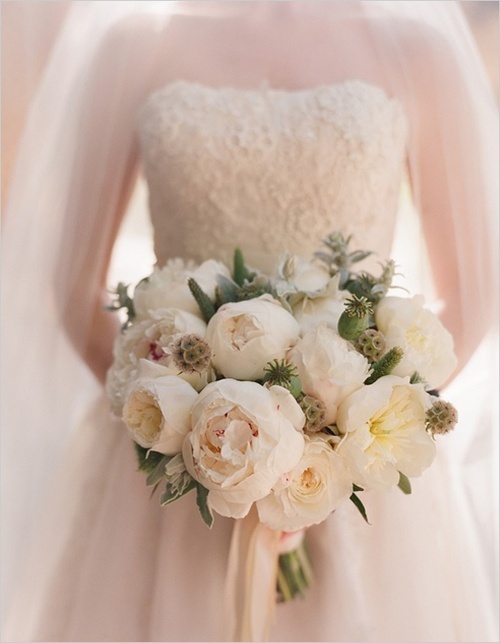
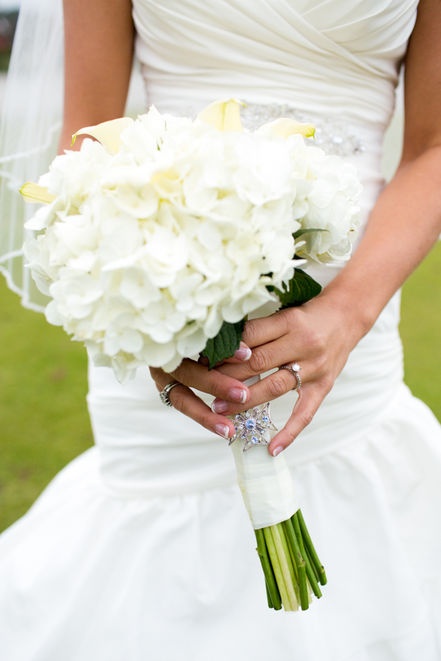
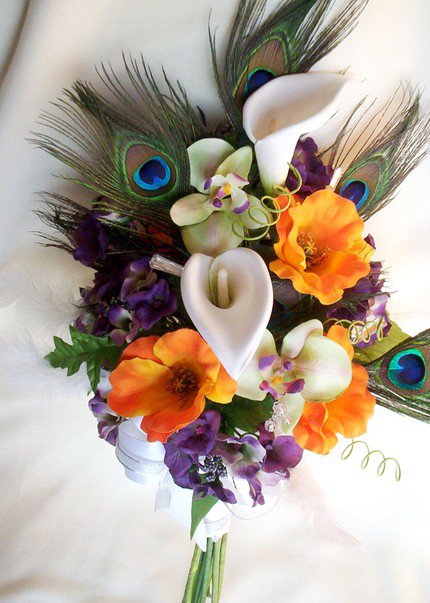
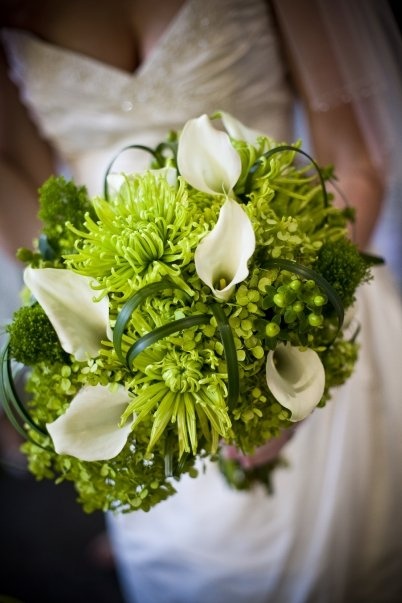
Pick one bouquet from this set whose silhouette you would still like after holding it for twenty minutes. If the shape, color temperature, and stem toughness all survive that mental test, you are closer to a fresh arrangement that will look intentional from the first portrait to the last sparkler—without asking the flowers to do a job their season cannot support.

Comments
Continue reading
Wedding Bouquet Ideas: Classic Rounds, Cascades, Garden Gathers, and Modern Forms
Bridal bouquet inspiration across silhouettes and palettes—classic rounds, cascades, wildflower gathers, and modern structure—plus practical briefing tips.
Sculptural Shoes That Were Never Meant to Walk Far
When footwear leaves the sidewalk: gallery heels, unwearable lasts, and object-shoes that belong on a plinth more than on a commute.

Ads That Live on the Floor, the Street, and the Mall
Ambient and out-of-home advertising that uses pavement, escalators, parking lots, and mall floors as the media—not a magazine page.