
Incredibly Cute Animal Photos for a Softer Scroll
A roundup of fluff, naps, funny faces, and soft light—why cute animal pictures cheer us up, and how to look at (and shoot) them with more care.
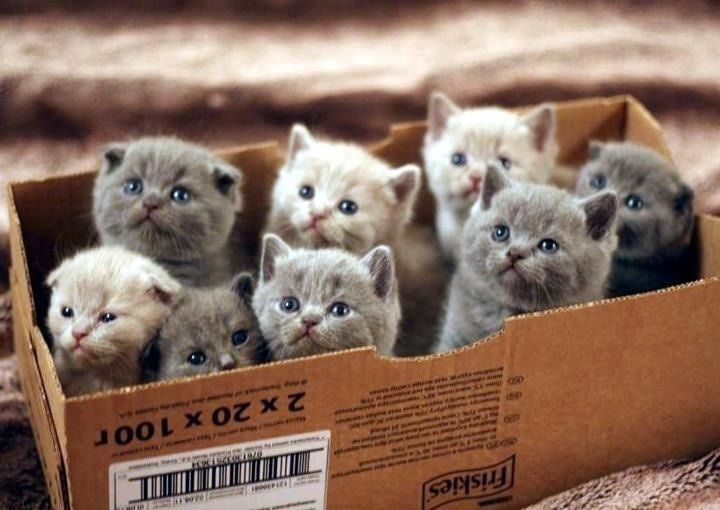
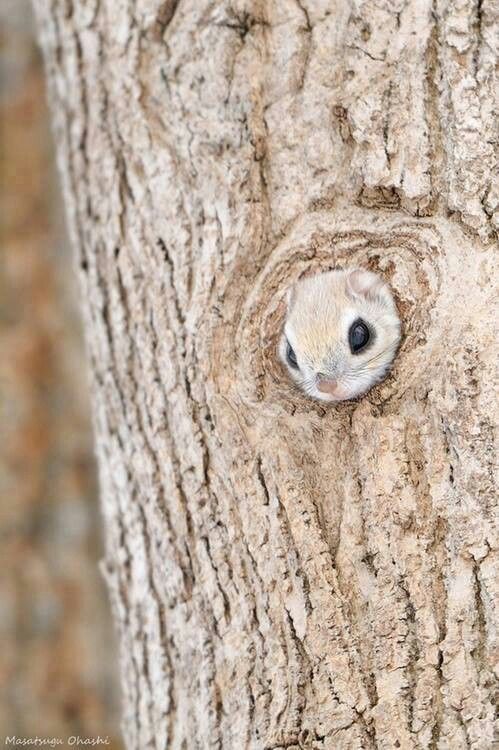
Some days need complicated news. Other days need a kitten asleep in a sock. Cute animal photographs have become a shared shortcut for that second kind of day — a quick hit of softness when the rest of the feed feels sharp. This collection is exactly that: fluff, fur, odd angles, and the small expressions that make mammals and birds look like they are starring in their own silent comedies.
You do not need a zoology degree to enjoy them. The appeal is immediate. Round eyes, oversized paws, crooked ears, and bodies that still look half-finished in youth all trigger the same gentle response. Researchers have long discussed “kindchenschema” — the baby-like features that pull caregiving instincts — but most viewers simply know the feeling: shoulders drop, breath slows, and for a moment the world looks friendlier. That is not trivial. A two-minute gallery can change the temperature of an afternoon.
Why animal photos work so well on a screen
Animals are unselfconscious subjects. A puppy does not pose for brand identity. A rabbit does not care about lighting ratios. That lack of performance is part of the charm. When a photograph catches a stretch mid-yawn or a nap in an absurd place, it feels stolen from real life rather than arranged for likes — even when, of course, someone patiently waited for the shot.
There is also variety without effort. Dogs alone offer endless face shapes. Cats invent new ways to occupy cardboard. Wildlife and farm animals widen the palette further: soft lambs, curious foxes, birds fluffed against cold. A single scroll can move from domestic familiarity to wild surprise without leaving the mood of affection. Few other photo subjects can change species every frame and still feel like one coherent gallery.
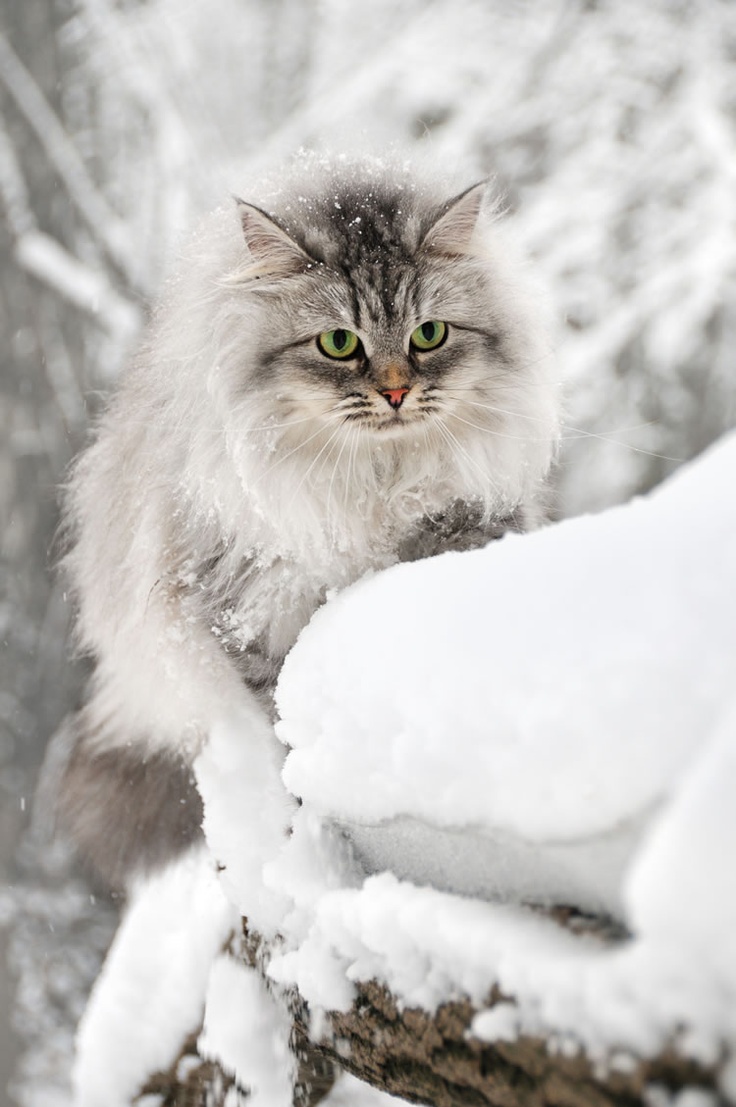
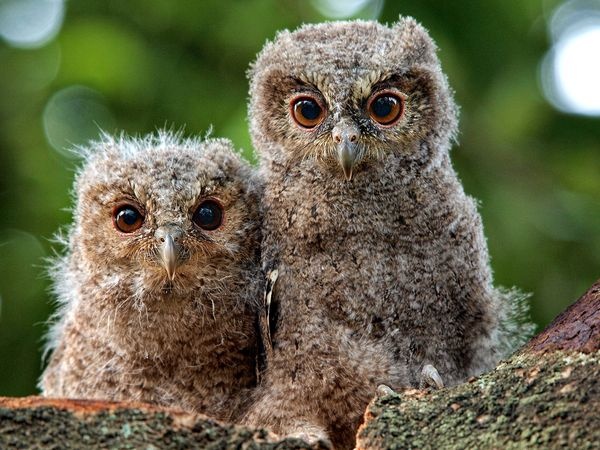
Online culture sometimes treats cute animals as junk food for attention. That undersells what is happening. Soft images offer a low-stakes form of connection: you do not have to argue with them, decode them, or defend them. You only have to look. In a noisy media diet, that simplicity is restorative.
Babies, naps, and the power of scale
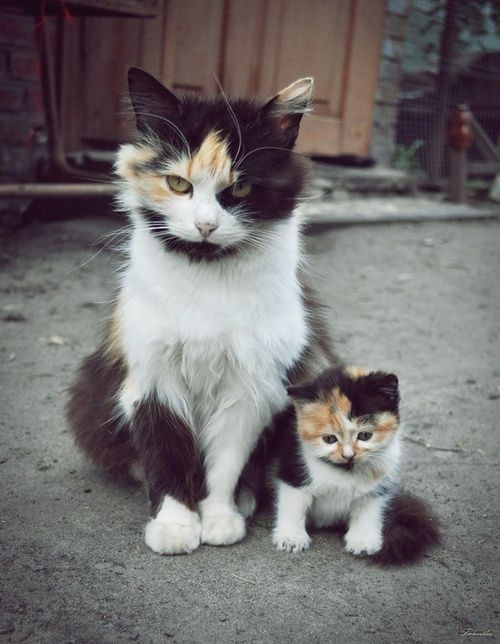
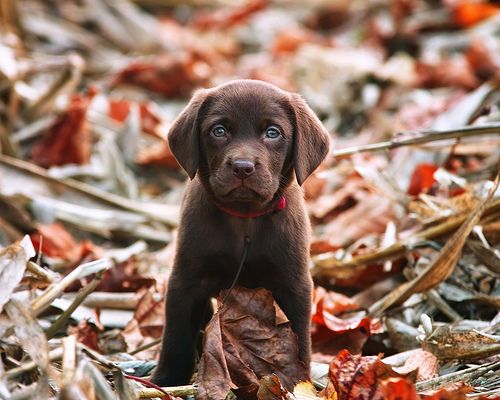
Many of the strongest “adorable” images rely on scale. Tiny bodies against large furniture. A small face filling the frame. Oversized ears on a narrow skull. Youth does a lot of the work, but so does composition: photographers who get low to the ground put viewers at animal eye level, which makes the subject feel collaborative rather than observed from above like a specimen.
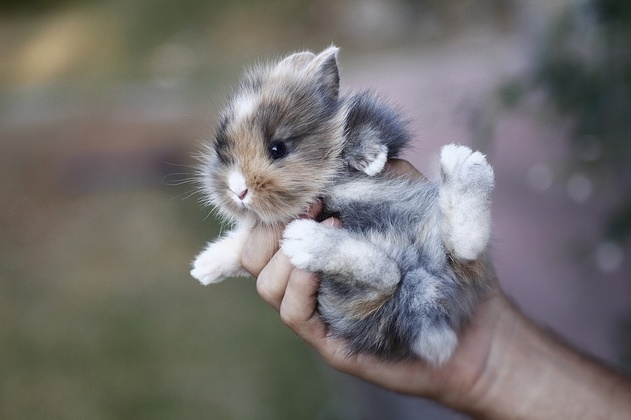
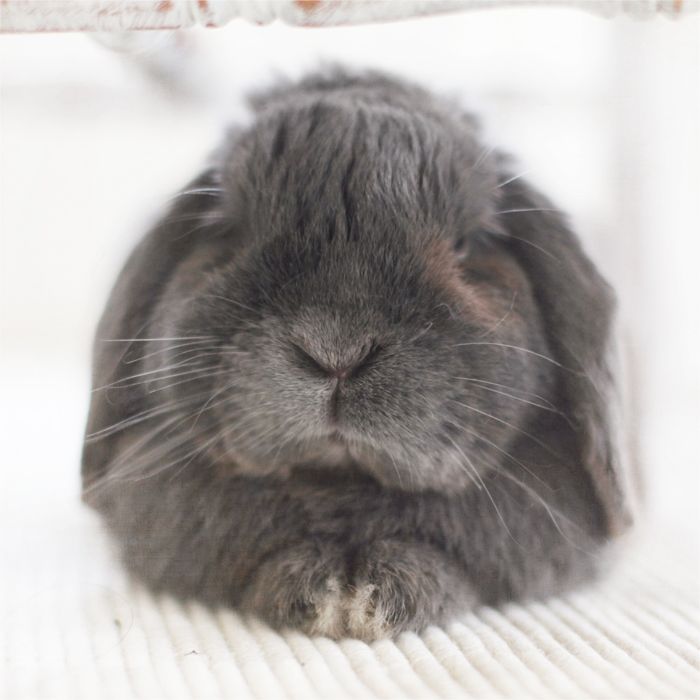
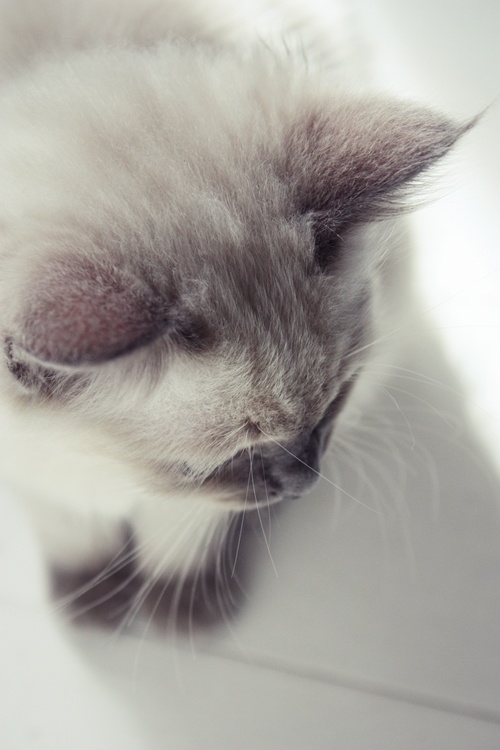
Sleep pictures are a category of their own. A curled animal is graphic and peaceful at once — a comma of fur. Viewers project rest onto themselves. In a culture of unfinished tasks, a photograph of complete, unapologetic napping can feel like permission. Notice how often the best nap shots use soft side light and a tight crop; you do not need the whole room to understand the mood.
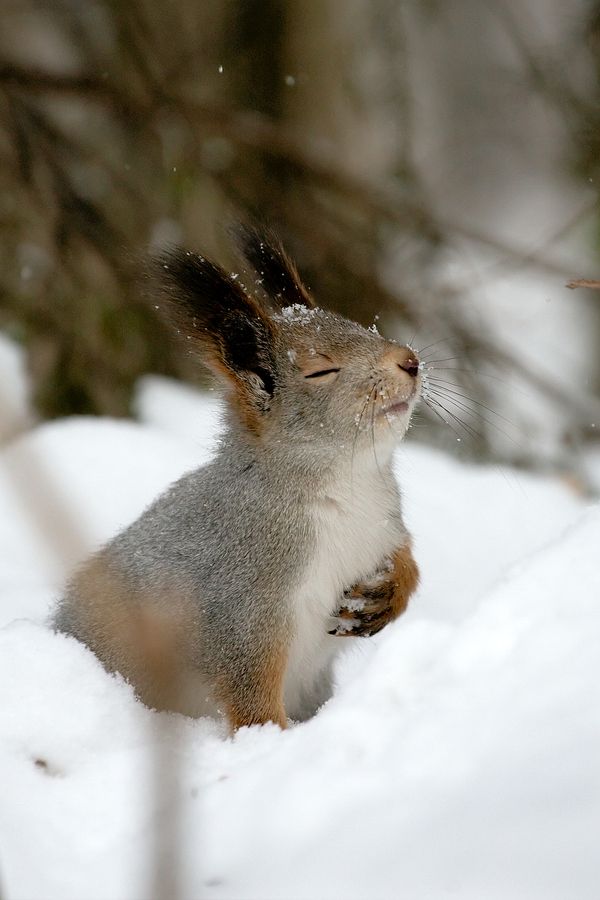
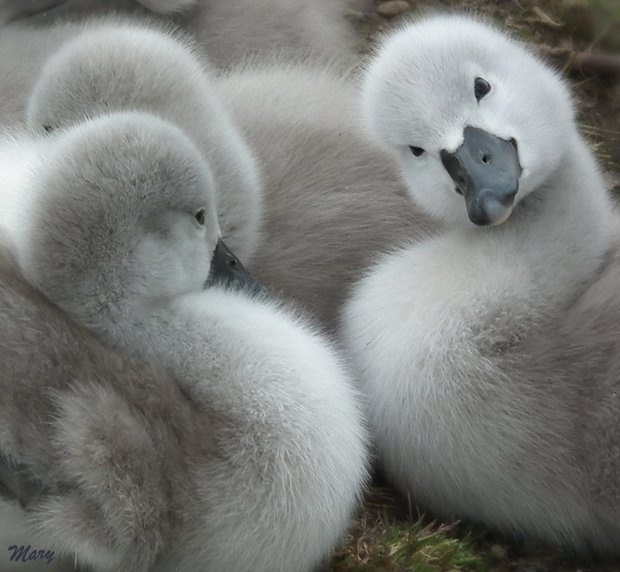
Young animals also move in ways adults rarely do — wobbling, pouncing with more enthusiasm than skill, collapsing mid-play. Photographers who wait for those transitions catch personality instead of a stiff “smile for the camera” stare. Timing, not equipment, does most of the work.
Expression, texture, and accidental comedy
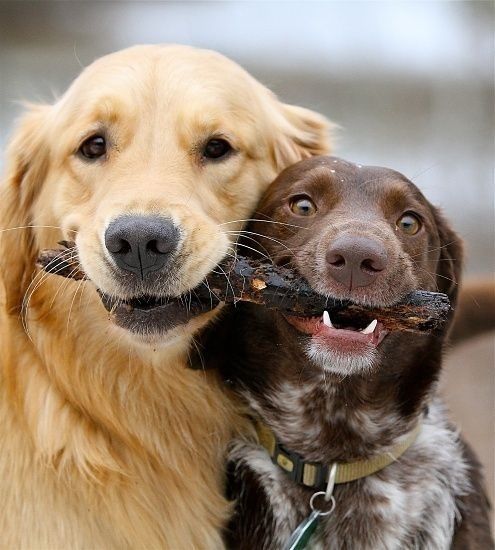
Not every cute photo is soft-focus sentiment. Some win because they are funny: a tilted head that looks like confusion, a tongue that refused to stay in, two animals pressed together like co-conspirators. Humor keeps the gallery from turning syrupy. It also mirrors how people actually live with pets — affection mixed with chaos, and a floor that is never quite as clean as yesterday.
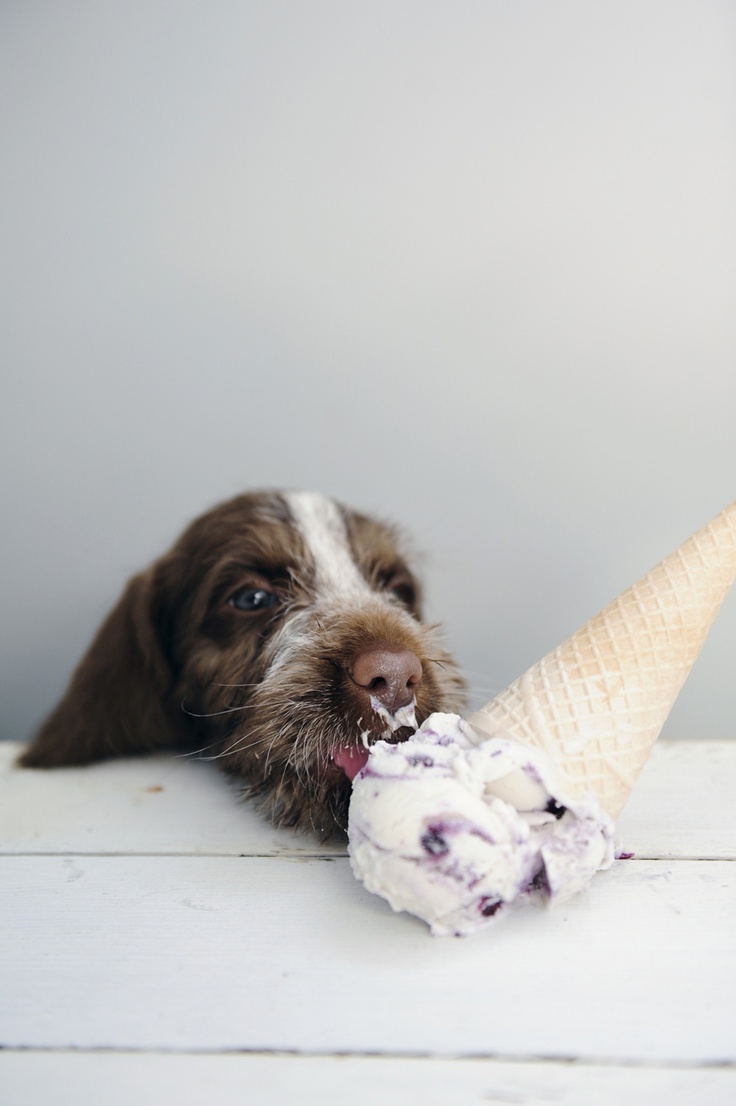
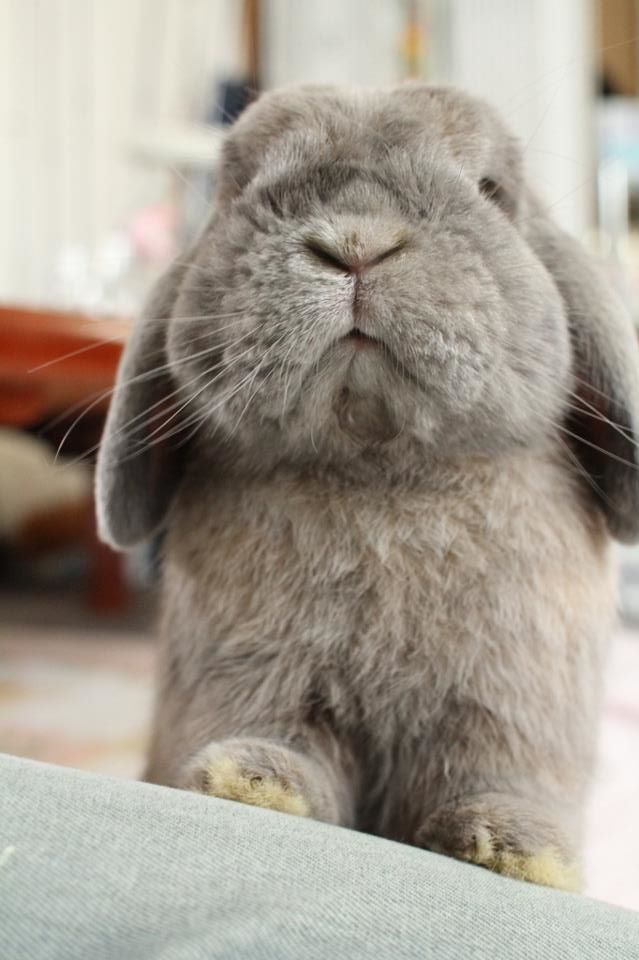
Texture matters too. Wet noses, soft undercoats, whiskers against light, feathers catching sidelight — these details reward a slow look. On a phone screen they still read as tactile. That is one reason animal photography travels so well online: even compressed images can carry the suggestion of touch. If a picture makes you almost feel fur under your fingers, composition and light are doing their jobs.
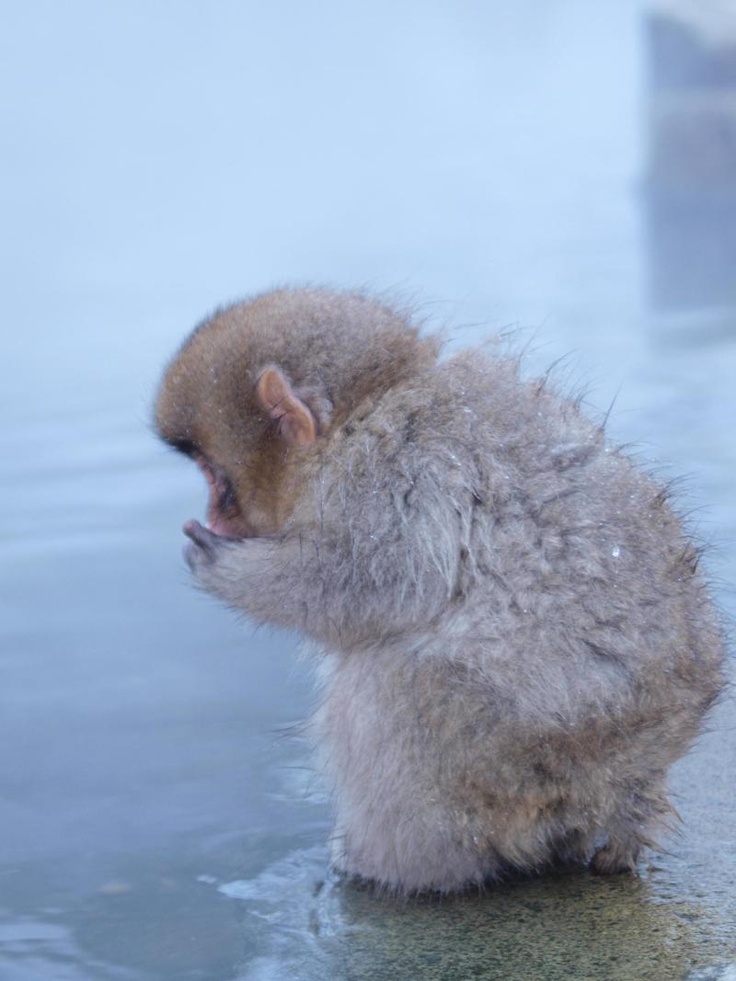
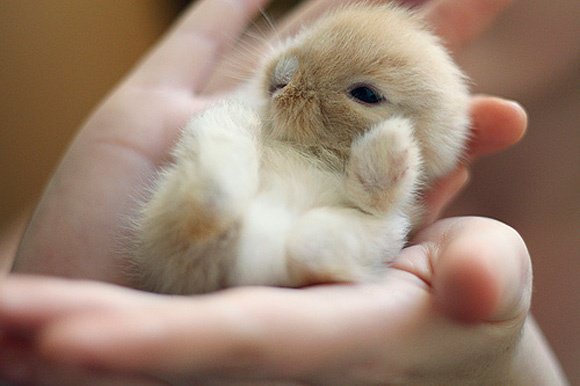
Companions and wilder neighbors
Domestic animals dominate cute galleries because we know their social cues. A dog’s eye contact feels like conversation. A cat’s blink feels like trust. Yet wildlife and less common pets often steal the strongest reactions precisely because they are less familiar: a tiny creature that looks toy-like until you remember it is alive, or a young animal whose adult form will be far less “pocket-sized.” Surprise amplifies affection.
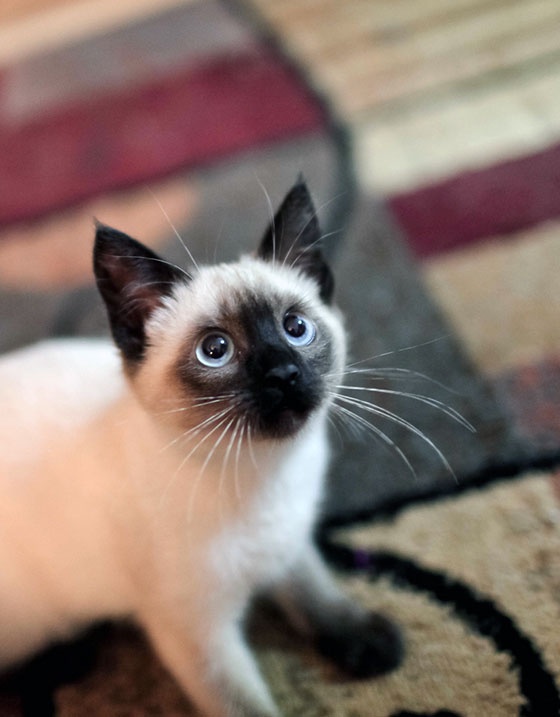
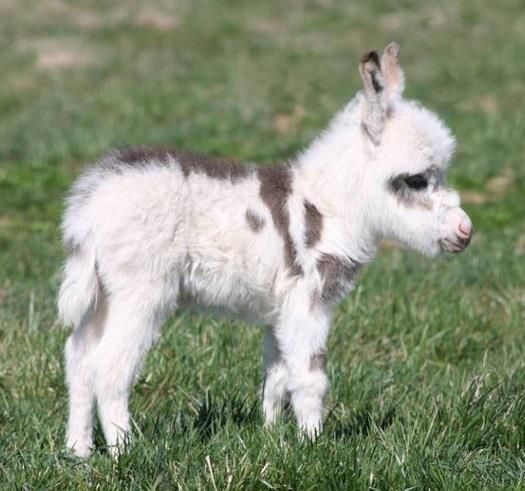
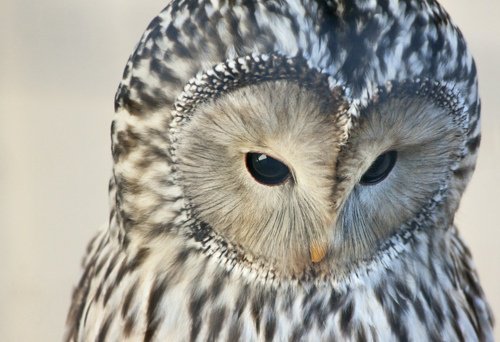
Good animal photography, even in a lighthearted roundup, can nudge respect. The cutest frame still belongs to a living being with needs. Enjoying the pictures is easy; remembering that wildlife should stay wild, and pets deserve more than viral moments, keeps the pleasure from turning shallow. A gallery like this works best as celebration, not as a shopping list for animals that do not fit your life.
How to look at this gallery
Instead of racing to the end, try treating the set like a mood board for gentleness. Pause on faces. Notice how often the best photos are simple: one subject, soft light, little background drama. Notice also the ones that break that rule — a busy setting that somehow makes the animal’s expression funnier or more tender. Ask which image you would print, not only which one you would tap twice.
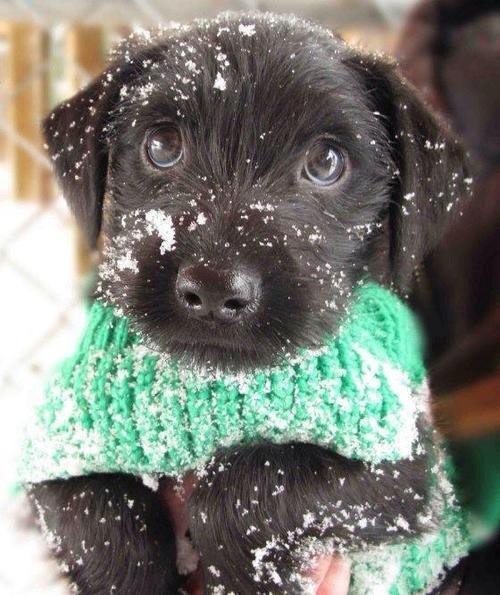
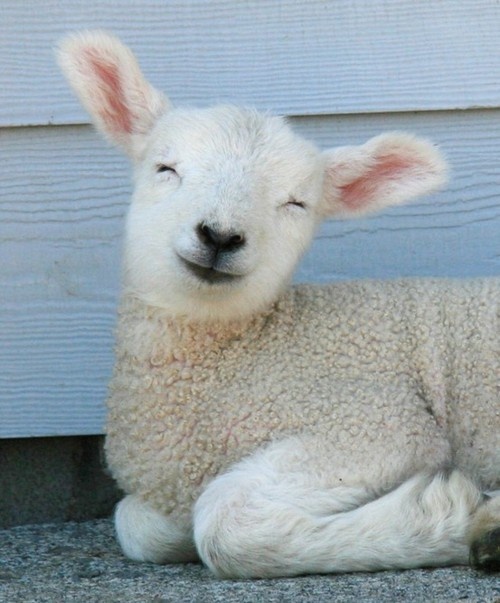
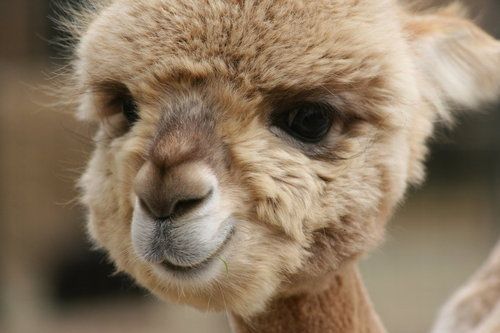
If you photograph your own animals, borrow a few habits visible here:
- Get down to their eye level instead of always shooting from standing height.
- Wait for a natural gesture — stretch, blink, lean — rather than forcing a stare.
- Use window light when you can; it flatters fur and avoids harsh flash.
- Crop tighter than you think; faces carry most of the emotion.
- Keep a few “imperfect” frames; comedy often lives in the almost-misses.
- Shoot a short sequence; the best expression is often one frame after the one you planned.
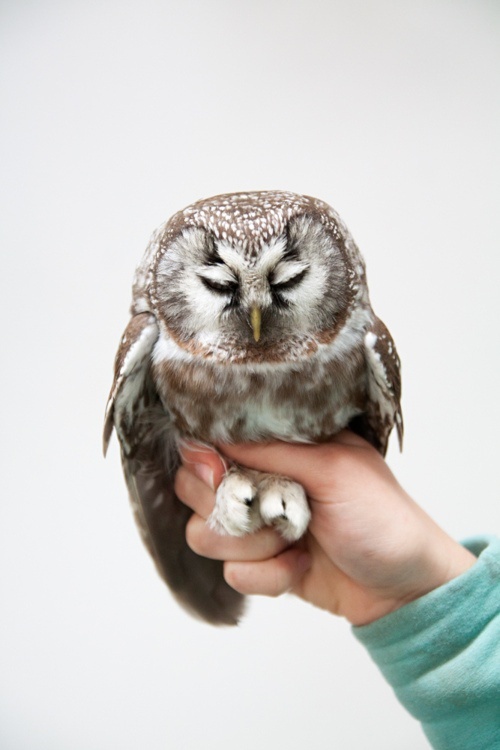
None of this turns a casual phone snap into a studio portrait overnight. It does make everyday animal moments easier to keep. And keeping them is the quiet point of galleries like this: a reminder that affection still photographs well, and that ordinary companionship deserves a place beside more serious news in your day.
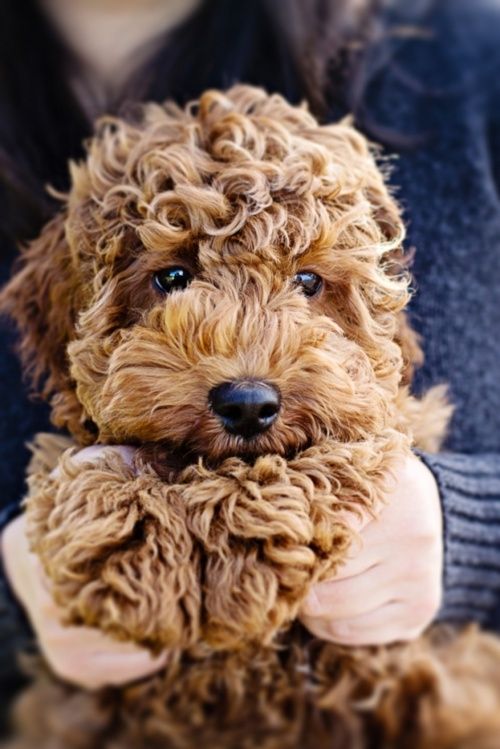
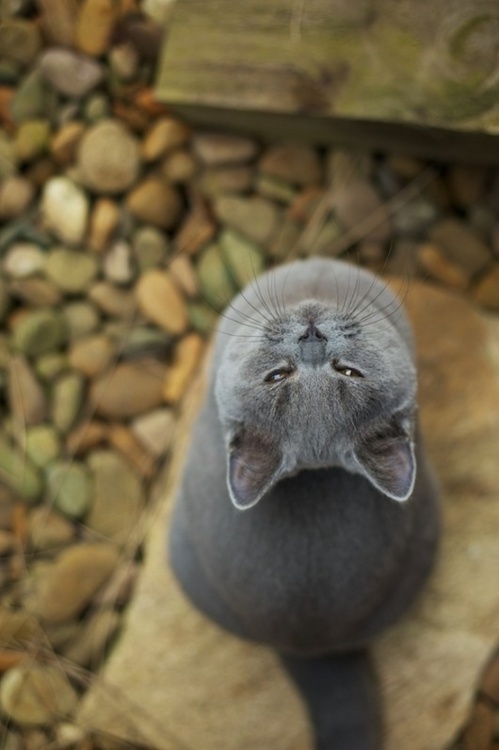
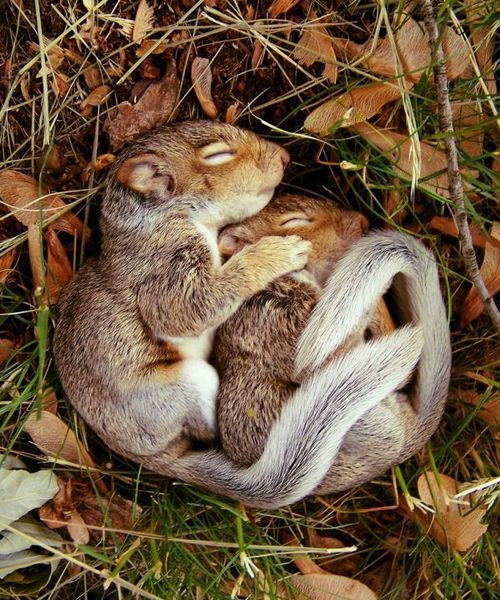
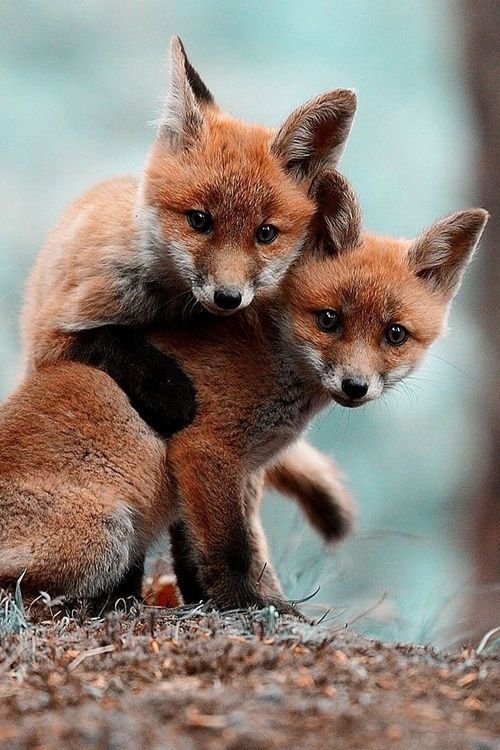
Save one favorite from the set, then look at your own pet — or the next squirrel on the fence — with the same patience. The internet did not invent soft animals. It only made it easier to pass the soft moments around.

Comments
Continue reading
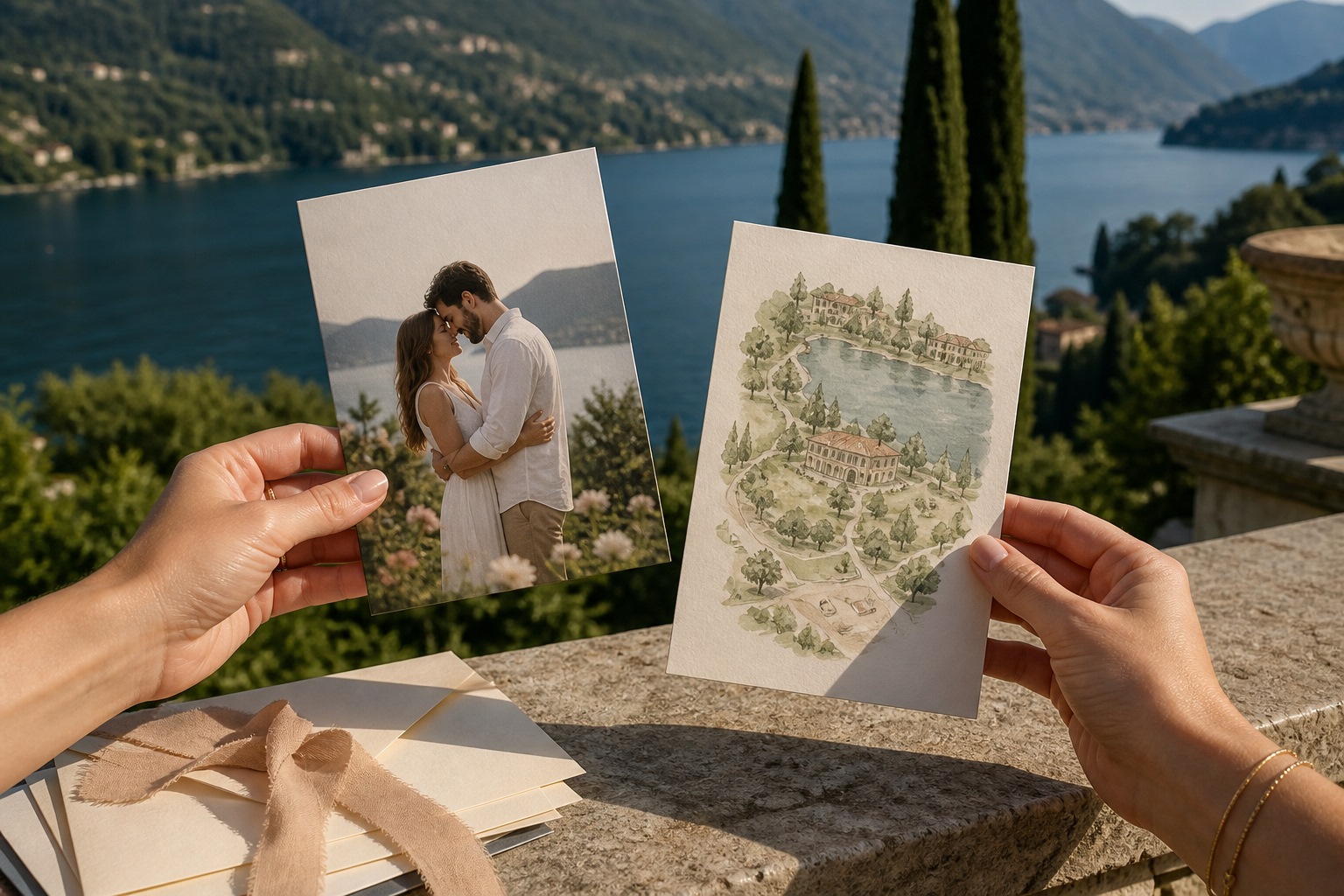
Photo vs Illustrated Save-the-Dates: How to Choose a Format
A practical comparison of photographic and illustrated save-the-dates—when a portrait earns the stamp, when a drawing carries the date, and how to match format to venue, guests, and printing.

Escort-Card Displays That Aren’t a Table of Tiny Cards
Walls, branches, envelopes, mirrors, and numbered installations—how to stage escort cards so guests find their tables without a crowded lobby table.

Berry, Brick, and Brown Lipsticks That Still Read as Color
A guide to berry, brick, and brown lipsticks—undertones, finishes, and light—when classic fire-engine red is not the shade you want to wear.