
Ladies With Cigarettes: A Photo Essay on Gesture, Smoke & Myth
A historical look at women and cigarettes in photography—smoke as light and composition, fashion codes, and cultural myth, without glamorizing smoking as advice.
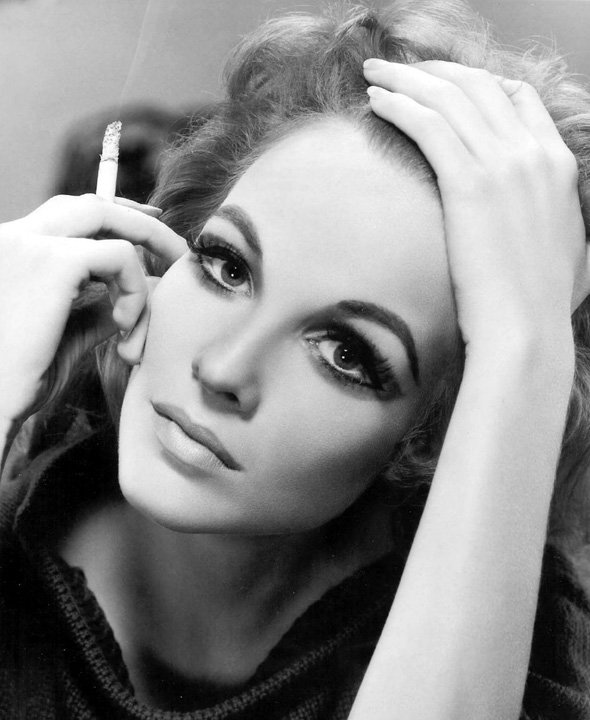
A cigarette in a photograph is rarely only a cigarette. For much of the twentieth century it was a prop, a pause, a social signal, and a compositional tool: something for the hand to do, something for smoke to draw across light, something that placed a sitter inside a mood of independence, glamour, rebellion, or weary elegance. The images gathered here sit in that long visual tradition. They invite looking—curiosity about gesture, costume, and camera craft—not a recommendation about smoking itself. Tobacco harms health; these pictures document a cultural habit and a photographic language, not a lifestyle tip.
Photographers have returned to women with cigarettes across decades of portraiture, fashion, and street work. The subject persists because it concentrates several things cameras love: a small bright tip, a plume that moves, a mouth held still, fingers arranged with intention. In studio fashion, the cigarette often stood in for worldly experience. In documentary frames, it could mark fatigue after a shift, a break between performances, or the texture of nightlife. Reading those meanings today means holding two thoughts at once: the image can be striking, and the habit it shows is not something to romanticize as healthy or aspirational advice.
That double vision is the honest way through a gallery like this. Mid-century advertising and Hollywood taught audiences to read smoke as sophistication. Later decades complicated the lesson with public health campaigns, workplace bans, and changing etiquette. Looking at older and stylized images now is partly an exercise in historical distance. What once sold independence may now read as period atmosphere. Distance does not erase craft. It asks viewers to separate visual interest from endorsement—and to notice how often “cool” was a marketing costume hung on a real risk.
Smoke as line, light, and timing
Technically, smoke is a gift and a problem. It softens hard edges, catches a rim light, and creates diagonal strokes that lead the eye through a frame. It also disappears in a second, so the photographer’s timing matters as much as the pose. Many of the strongest pictures in this theme are about that fleeting architecture of vapor—how it wraps a cheekbone, how it dissolves into a dark backdrop, how it turns a simple profile into a temporary sculpture. A slow shutter can blur the plume into gauze; a fast one can freeze a ring or a thin needle of white. Either choice is a decision about mood.
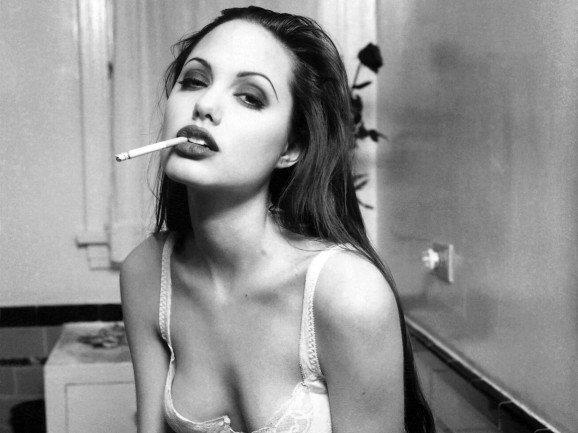
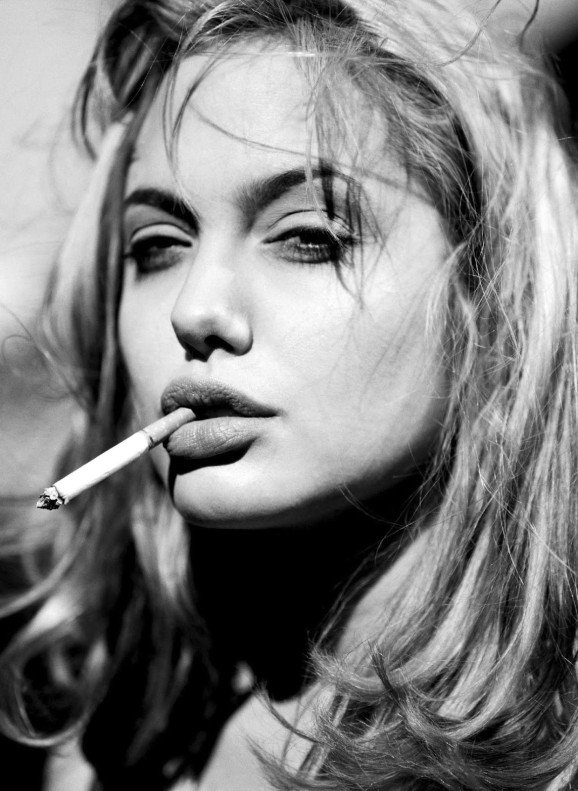
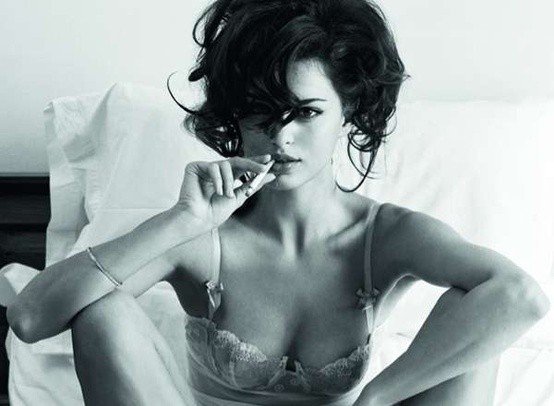
Hands become co-authors. A cigarette between fingers lengthens the gesture; a holder extends the line further, a device that once belonged to evening dress and cinema. Elbows lift, wrists rotate, ash threatens to fall—tiny dramas that keep a portrait from freezing into a mannequin stare. When you look through this gallery, notice where the hand sits relative to the face. Sometimes the cigarette is almost incidental. Sometimes it is the hinge of the whole composition. Ask whether the prop is doing optical work (a bright accent, a vertical line) or narrative work (a signal of leisure, nerves, or performance).
Backgrounds matter too. Against black, smoke becomes calligraphy. Against a bright window, it can vanish unless the photographer exposes for the plume. Street corners and café tables add social context: other people, ashtrays, bottles, coats. Studio seamless paper strips context away until only gesture remains. Both approaches appear across the history of this motif, and both are present in the variety of frames collected here.
Fashion codes and historical costume
Clothing changes how the same prop reads. A tailored suit and cigarette once suggested professional cool or androgynous chic. Lingerie and boudoir lighting pushed the motif toward intimacy and performance. Street clothes and outdoor light pulled it toward candor—someone pausing on a curb, not posing for a perfume campaign. The photographs here mix those registers. Treat them as costume history as much as portraiture: silhouettes, hair, jewelry, and makeup that locate each frame in a fashion moment, even when the exact year is unnamed.
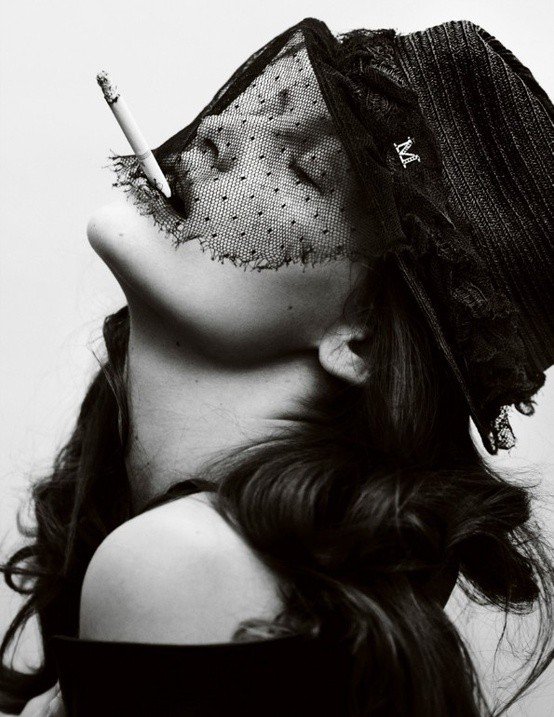
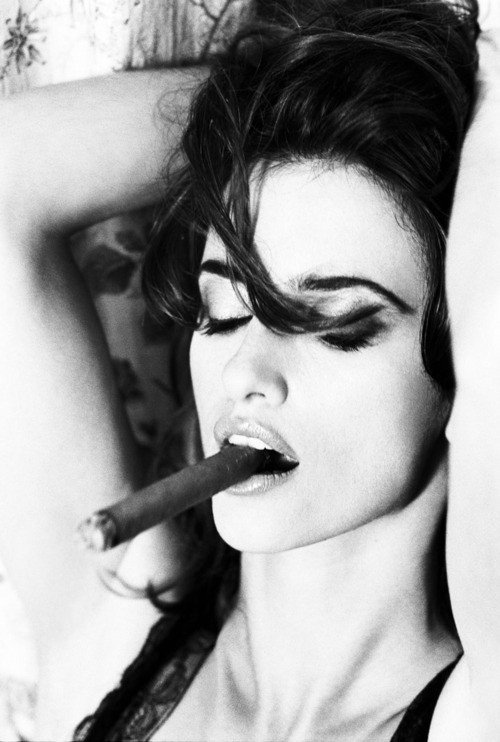
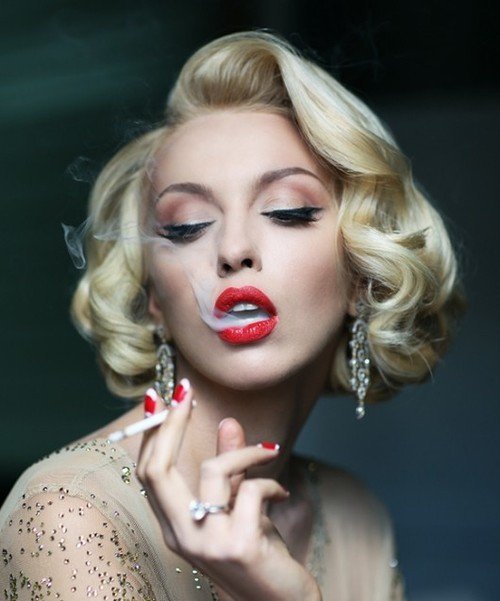
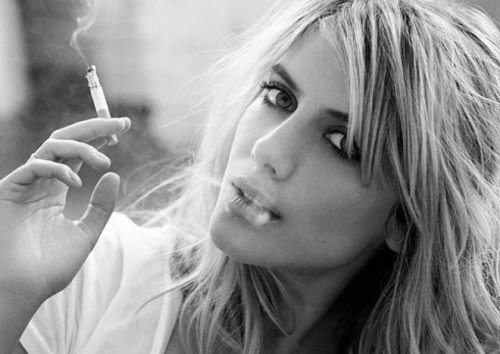
Accessories amplify the code. Long gloves make the cigarette a punctuation mark at the end of a satin line. Red lipstick turns the mouth into a second focal point competing with the ember. Dark sunglasses hide the eyes and push attention onto the hand. A fur collar or a leather jacket can swing the reading from old-Hollywood glamour to rock defiance without changing the prop at all. That is why art-historical looking is useful: the cigarette is stable; the surrounding costume rewrites its sentence.
It also helps to remember that fashion photography and advertising spent decades rehearsing these sentences on purpose. Agencies sold “slim,” “liberated,” and “sophisticated” with smoke trails. Artists and documentary photographers later reused the same visual vocabulary—sometimes critically, sometimes affectionately, sometimes simply because the gesture still photographed well. A gallery that mixes moods asks you to notice which sentence each picture is trying to speak.
Attitude, myth, and the gaze
Part of the motif’s pull is attitude. A cigarette can stage defiance, boredom, flirtation, or solitude depending on the eyes and the mouth. Photographers have long used that ambiguity. The sitter can seem unavailable, amused, or armored. Viewers project stories onto the gap between inhale and exhale. Art-historical looking means noticing those projections—and questioning them. Is the image about the person, or about a ready-made myth of the “cool woman” that tobacco marketing helped build?
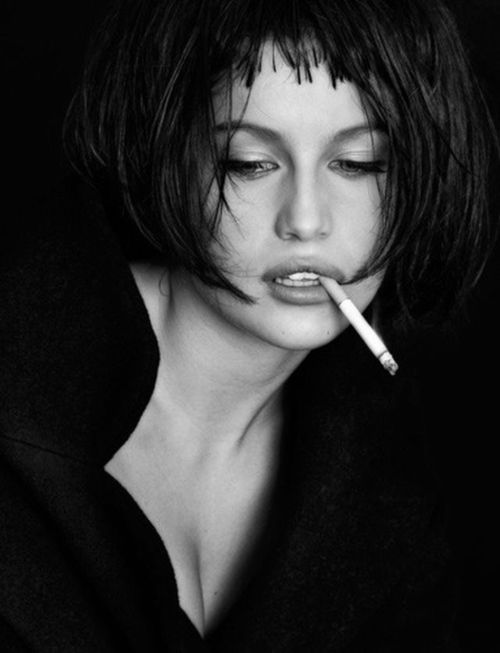
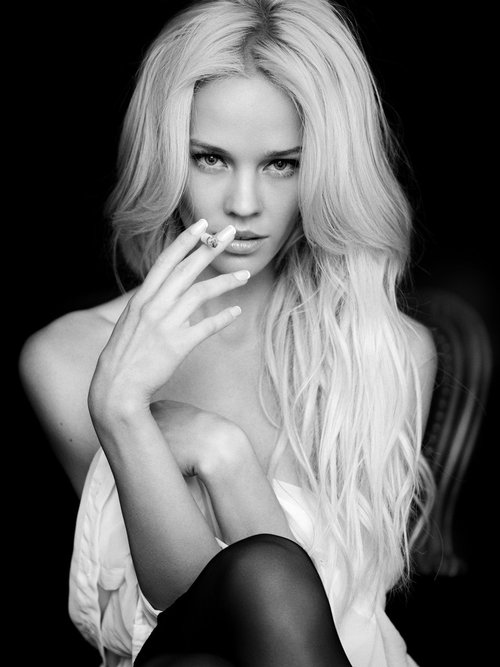
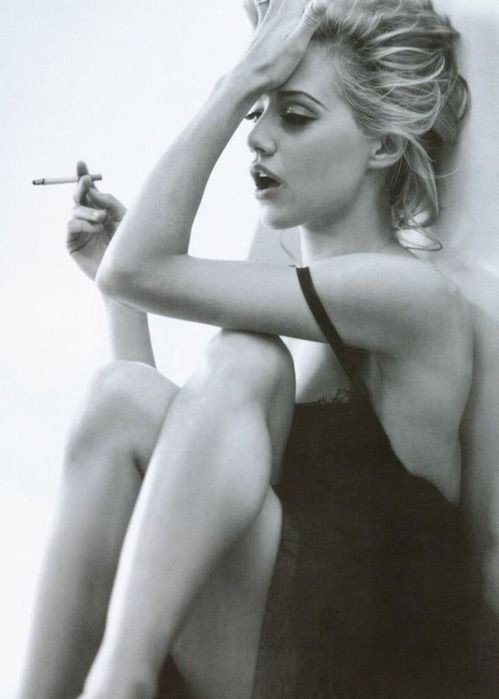
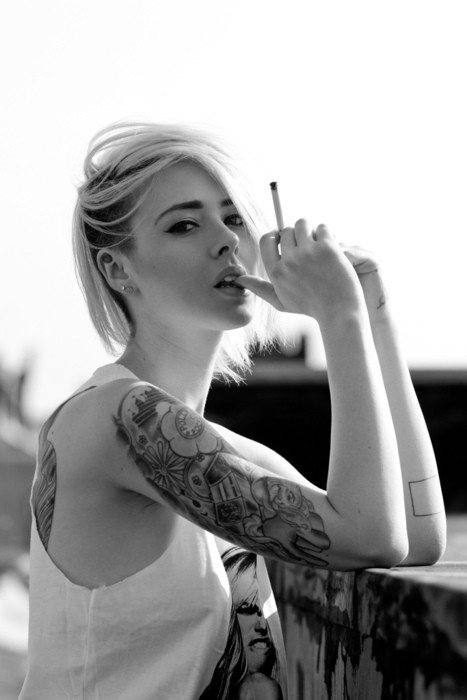
Gender and power sit under many of these frames. For women especially, smoking on camera once signaled a claim on public space—cafés, bars, sidewalks—spaces where the cigarette marked presence. That social history is real. So is the later understanding that the same symbol was entangled with an industry that courted young consumers and wrapped risk in elegance. A photo essay can hold both: the documentary fact of a gesture, and the critique of how beauty was sold around it.
The gaze of the viewer is part of the apparatus too. Some pictures invite identification; others keep the sitter at a cool distance. Smoke can act as a veil—literally softening the face, metaphorically suggesting privacy. When a subject looks away, the cigarette often becomes the active character in the frame. When she looks into the lens, the prop can feel like a dare or a shield. Neither reading is automatic. Slow looking makes the difference between consuming a stereotype and studying a portrait.
How to look without glamorizing harm
One useful way through this set is to ask formal questions first. Where is the light key? Is the smoke backlit or swallowed by shadow? Is the crop intimate or environmental? What does the cigarette replace that a different prop might have done—a glass, a phone, an empty hand? Formal looking keeps the conversation in photography rather than in lifestyle coaching. It also makes room for admiration of craft without sliding into “this looks healthy” or “you should try this.”
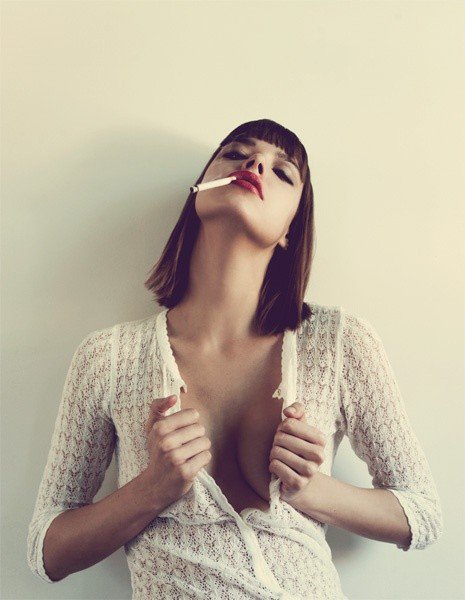
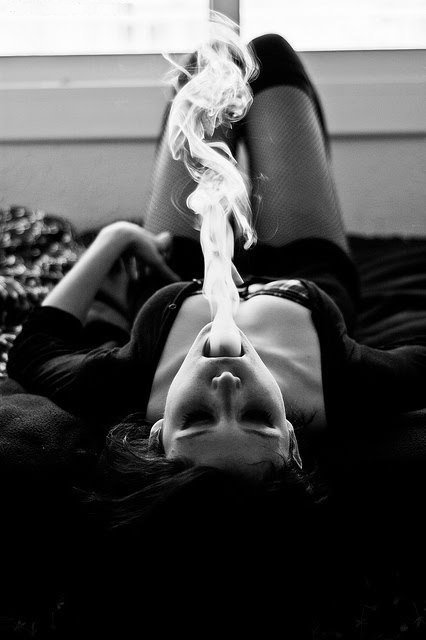
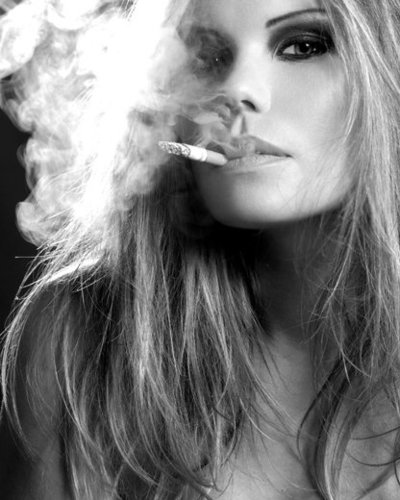
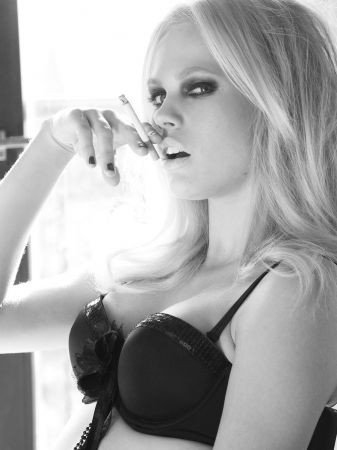
Another approach is comparative. Place two frames side by side in your mind: one where the cigarette is a bright accent in a dark room, another where it is almost lost against daylight. The first leans cinematic; the second leans documentary. Both can be compelling. Neither needs to be read as a beauty tutorial. Curiosity about art history thrives when we describe what we see—composition, era cues, performance—without turning the gallery into a wish list.
You can also track repetition. How many times does the ember sit near the lips versus away from the face? How often is the subject alone? How often does clothing outrank the prop? Patterns reveal what photographers (and editors) thought the audience wanted to buy: solitude, sex appeal, toughness, elegance. Naming the pattern is a way of not being passively sold by it.
What remains, after the smoke clears from the frame, is the photograph’s stubborn interest in a small human ritual: pause, inhale, look away, look back. These images preserve that ritual as visual culture. They are worth studying for light, gesture, and period style. They are not a brief for lighting up. Which portrait stays with you—and is it the smoke you remember, or the stare that the smoke was only there to accompany?

Comments
Continue reading
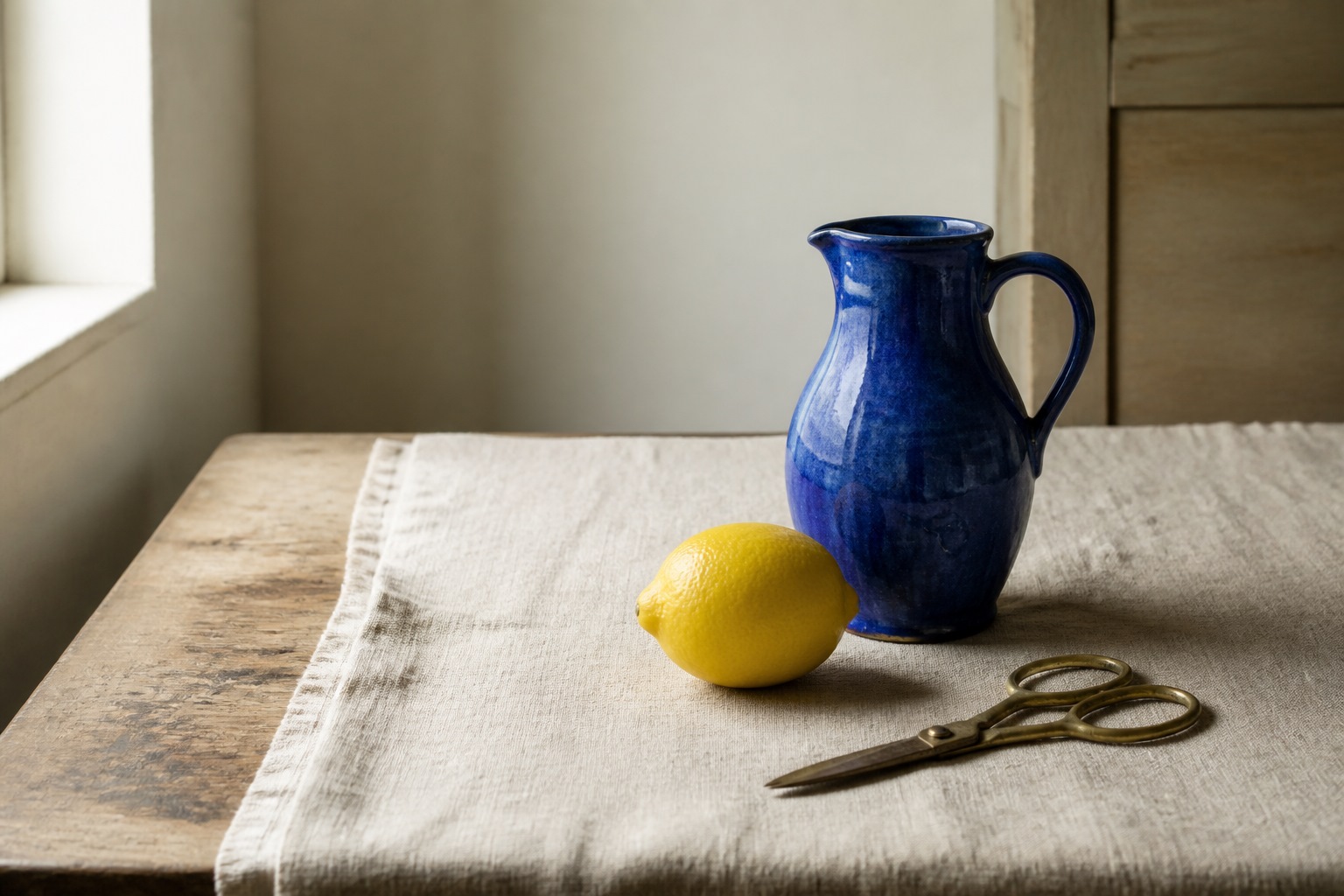
Still-Life Photography at Home with One Window
A table, north or side light, and a handful of objects—how to shoot still lifes in a small room without a studio, softboxes, or a prop closet.

Dramatic Photo Art by Sukron Ma’mun (Ipoenk Graphic)
Cirebon, Indonesia photographer Sukron Ma’mun uses theatrical natural light to frame village life, play, and place in lyrical photo art.
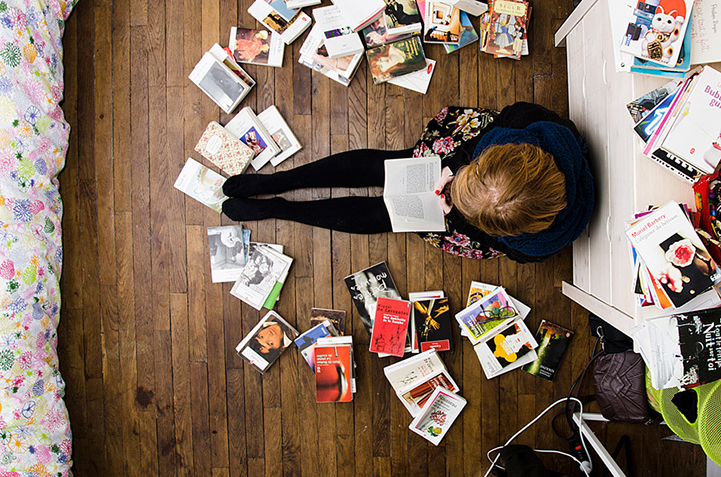
Bird’s-Eye Views: Florian Beaudenon’s Instant Life
Paris photographer Florian Beaudenon’s Instant Life series captures people in their rooms from above—intimate, collaborative overhead portraits of everyday joy.