
Robert Jahns (Nois7): Magical Surreal Photo Manipulations
A feature on German photographer and art director Robert Jahns—aka Nois7—whose Photoshop dreamscapes turn travel plates and collaborations into believable parallel worlds.
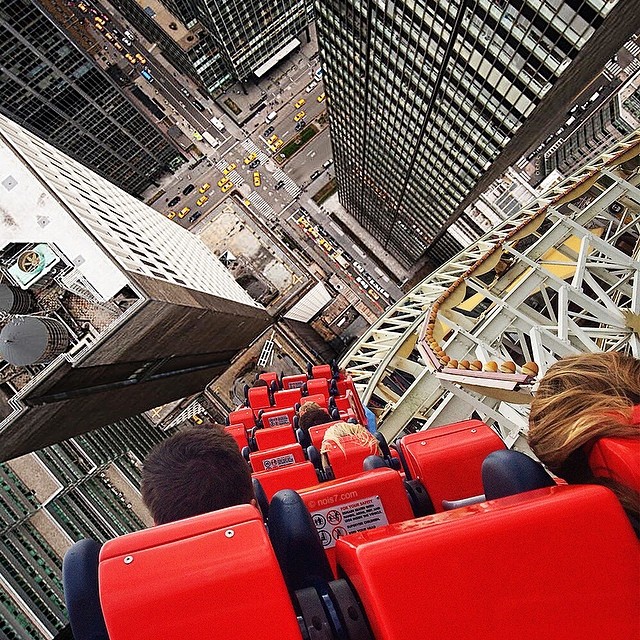
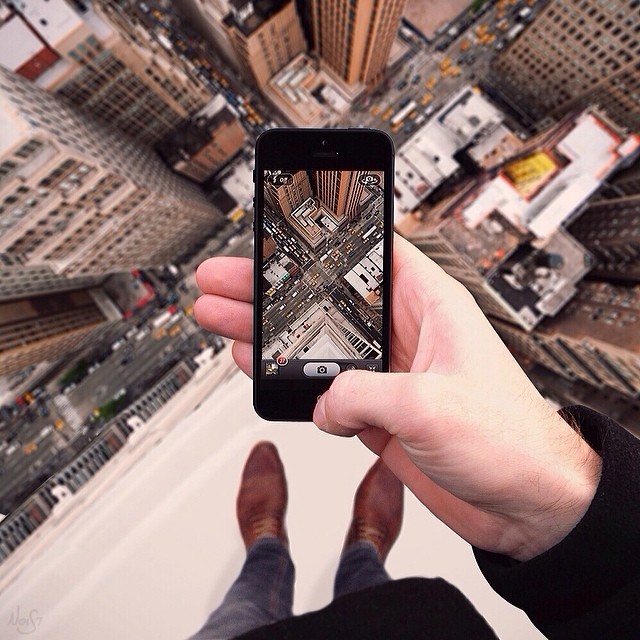
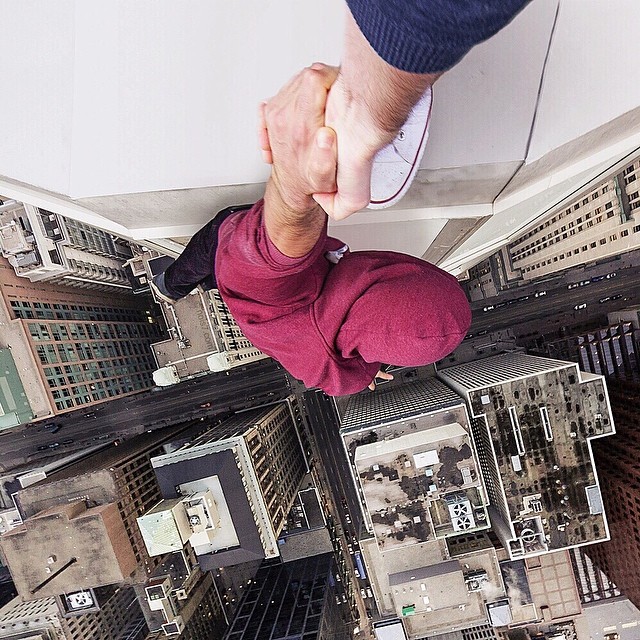
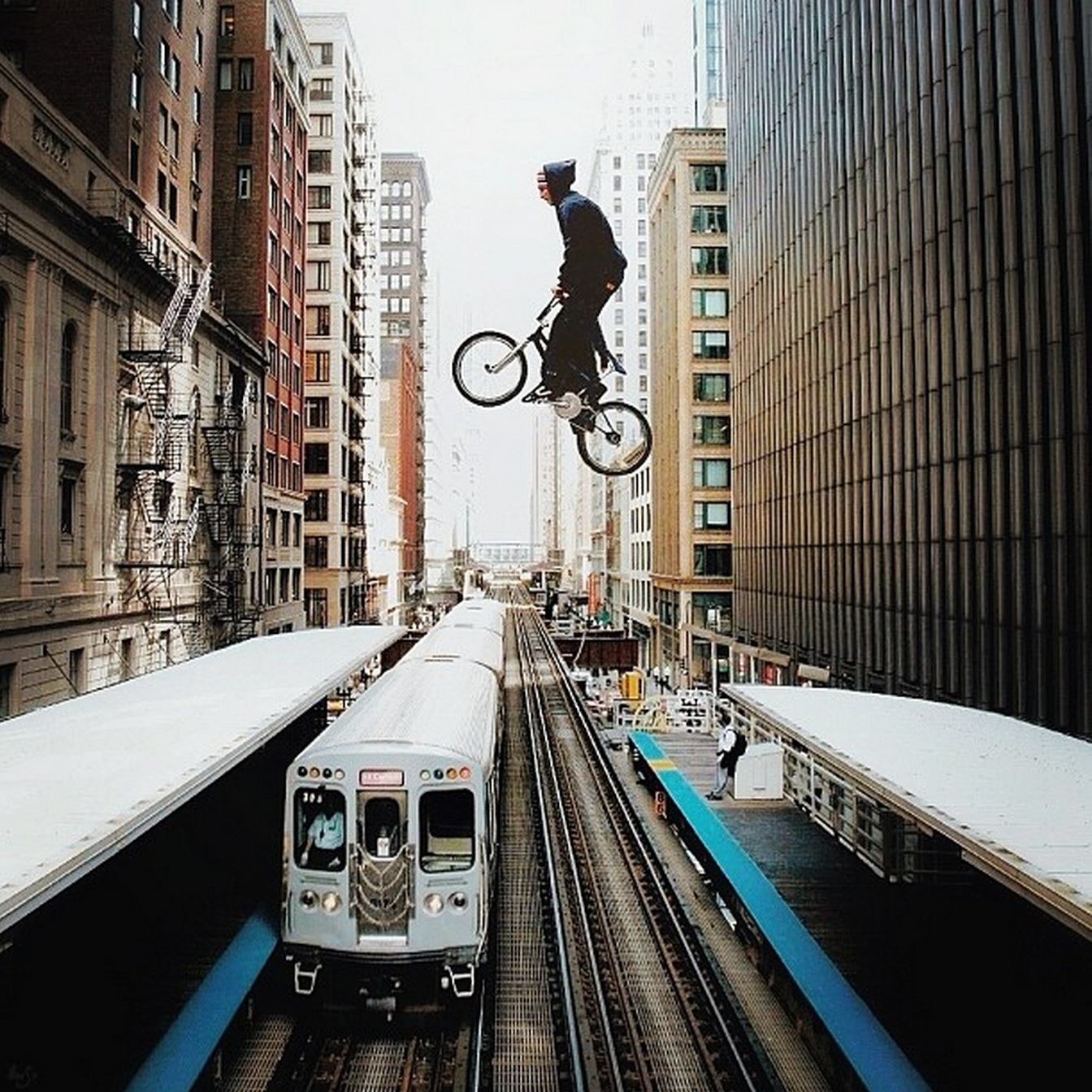
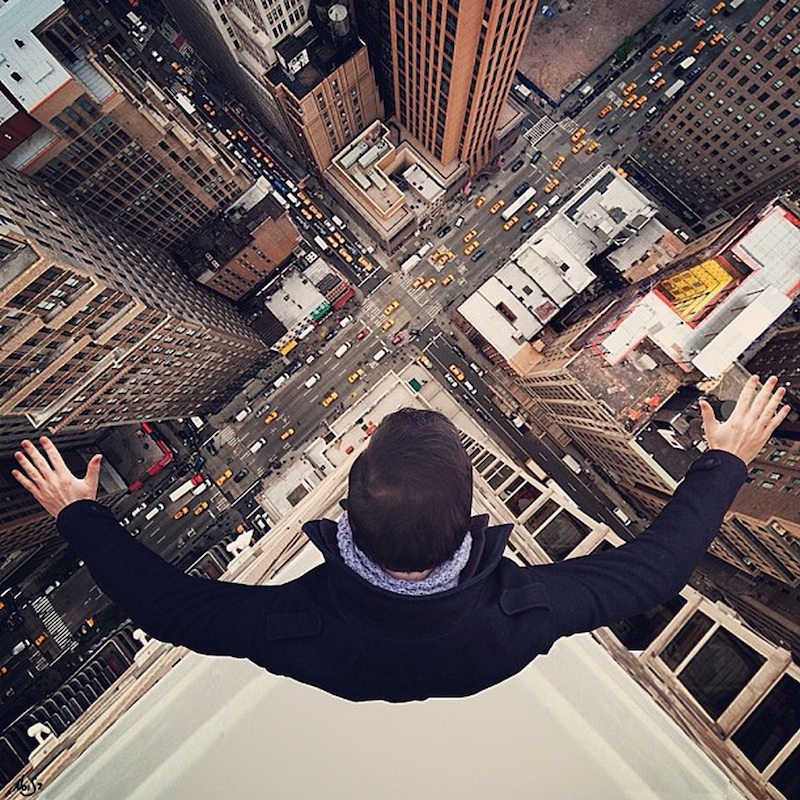
German photographer and art director Robert Jahns—better known online as Nois7—builds images that look like dreams you almost remember. Everyday streets, coastlines, animals, and city landmarks become stages for impossible weather, floating creatures, and quiet miracles. He treats Photoshop less like a repair shop and more like a wand: hours of masking, color matching, and light direction turn separate photographs into one believable parallel world.
“If you never chase your dream, you will never catch them,” Jahns has said—and the line fits the work. These pictures do not document a place so much as propose a mood: wonder without cynicism, fantasy without loose collage edges. He shoots on his own travels, collaborates with other photographers when a missing piece is needed, then sits with the files until the seams disappear. The result is a body of surreal photo manipulations that feel closer to cinema stills than to meme mashups.
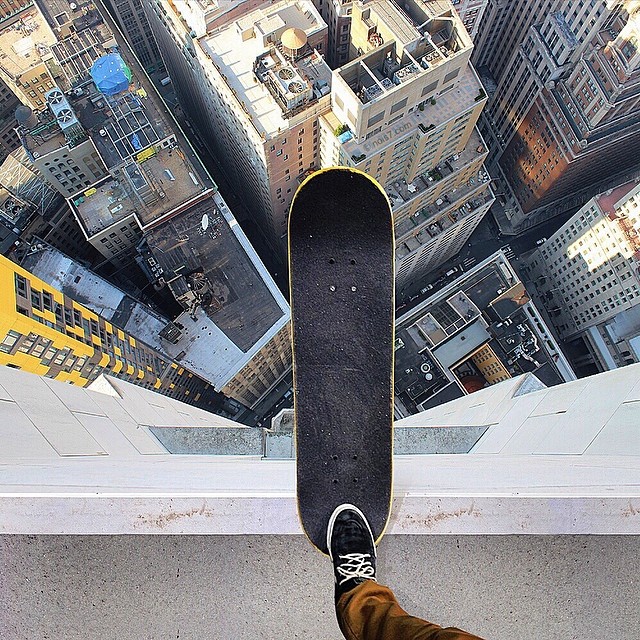
That chase is literal as well as poetic. Jahns has circled the globe collecting plates—mangrove edges, rooftop vantage points, alpine light, canal reflections—then returned to the desk to recombine them. The archive is the raw material; imagination is the editor.
Who Robert Jahns is
Based in Germany and working under the handle Nois7, Robert Jahns sits at the intersection of travel photography, digital art direction, and social-era surrealism. Viewers often meet him first through Instagram grids dense with saturated skies and storybook animals. Behind the feed is a studio habit: archive everything, sketch a concept, then hunt for the exact plate—his own or a collaborator’s—that can carry the idea.
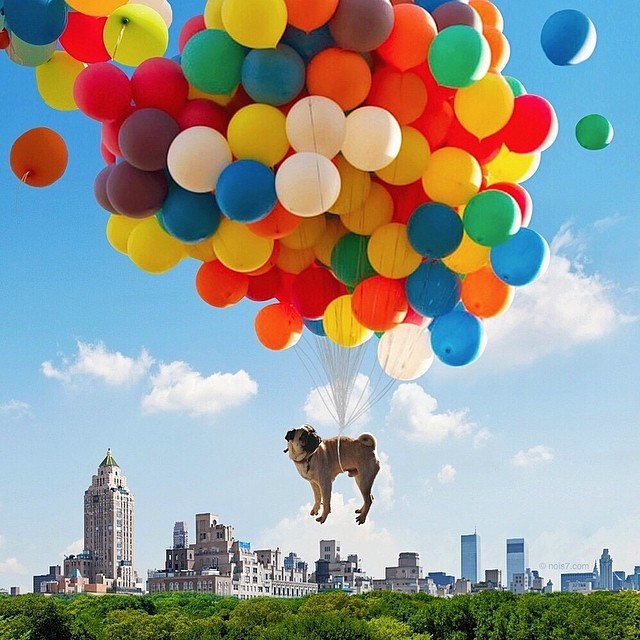
He has described emotion as the real product. A technically perfect composite that leaves you cold fails his test. An image that makes you feel the cold of a frozen canal, or the lift of balloons under an elephant, succeeds even if you know every pixel was arranged. That emotional brief explains why familiar landmarks appear so often: Venice, New York bridges, alpine ridges. Recognition lowers the barrier. Once you know the place, the impossible element lands harder.
Press and galleries have framed him as a leading digital artist of the Instagram generation—someone who proved that phone-era audiences still respond to meticulous craft. Awards and follower counts change over time; the more durable signal is a recognizable visual grammar: hopeful surrealism, polished light, and stories you can summarize in one sentence.
How the manipulations hold together
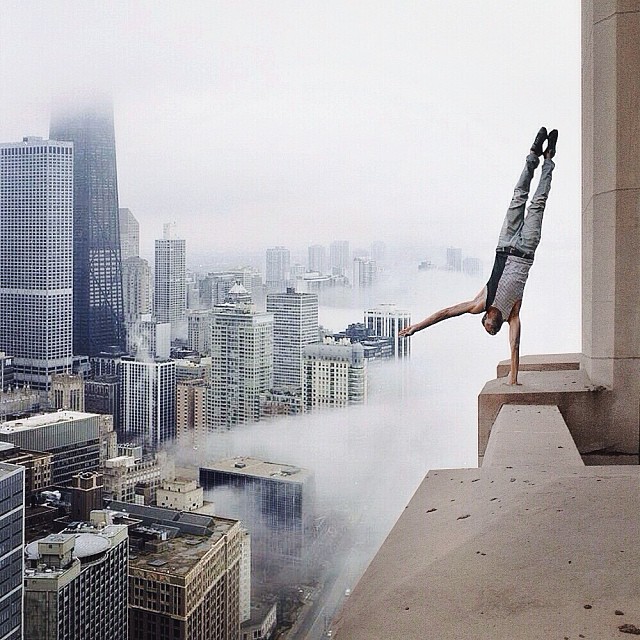
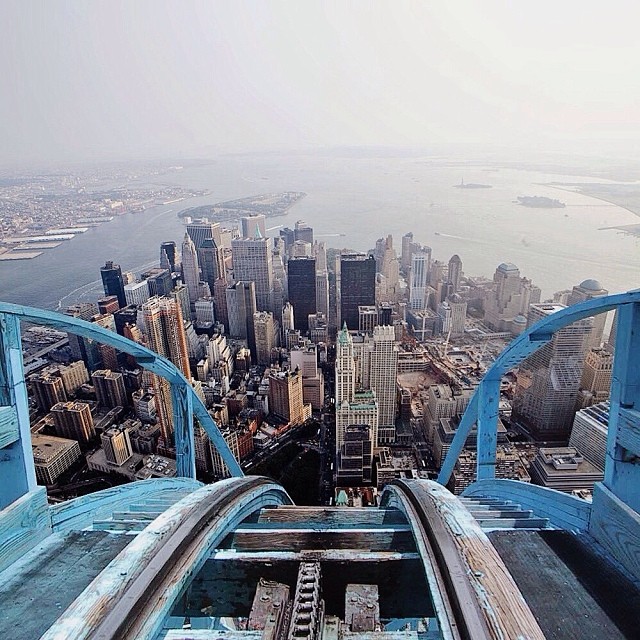
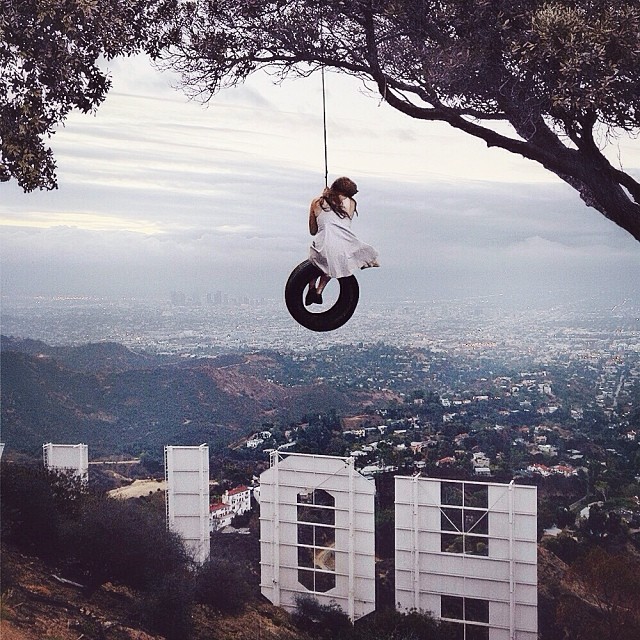
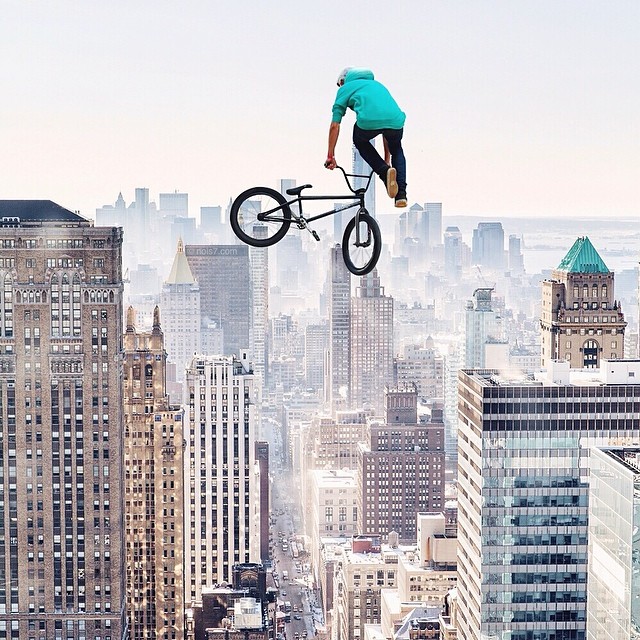
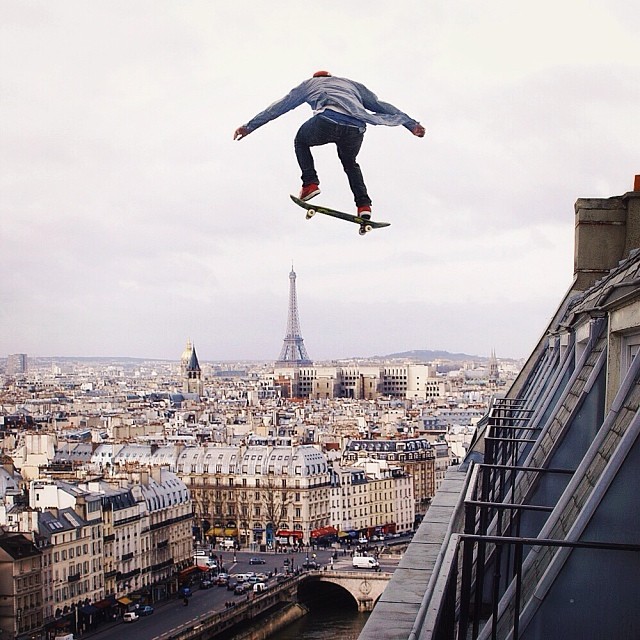
Surreal photography fails when lighting, scale, or grain disagree between layers. Jahns’s strongest frames share a quiet obsession with matching. Shadow direction on a floating animal must agree with the sky plate. Reflections in water must include the invented object or the mind rejects the scene. Color grading ties the stack into one climate—cool blue hour, candy sunset, silver fog—so you stop reading “layers” and start reading “place.”
Concept comes first. He has talked about needing the idea before the hunt: a whale in a canal, an elephant rising on balloons, a solitary figure under a sky that should not exist. Collaboration expands the archive. Another photographer’s animal plate or city rooftop can unlock a composition his own calendar could not supply. The credit culture of Instagram-era collage made those partnerships normal; the craft still depends on patient retouching rather than one-click filters.
Tools matter less than restraint. Photoshop and Lightroom are the workshop. Mobile apps once helped early experiments, but the mature look is cinematic polish: clean edges, controlled haze, highlights that feel optical. The goal is not to announce “edited.” The goal is to make you ask, for half a second, whether the world briefly allowed it.
Scale discipline is part of that realism. An oversized creature must still cast a believable contact shadow. Atmospheric perspective must soften distant layers. Hair, fur, spray, and mist need edge treatments that match the host photograph’s resolution. When those small decisions accumulate, the big impossibility stops looking pasted.
Recurring motifs in the gallery
Animals arrive as guests in human geography—large enough to rewrite scale, gentle enough to keep the tone hopeful rather than apocalyptic. Water appears as mirror and portal. Night skies thicken with stars that feel painted yet carefully graded. Umbrellas, bridges, and solitary walkers give the eye a human measure so the spectacle does not float free of story.
Look across the set and a pattern emerges: one impossible element, many believable ones. The restraint is the magic. Flood a frame with ten impossibilities and it becomes a poster. Plant one carefully and the photograph becomes a question. Jahns tends to choose the second path, which is why his work photographs well as prints and still reads at phone size.
Color stories repeat with variation: electric dusk oranges, mint-and-violet nights, snow-bright winters with a single warm accent. The palette is romantic without becoming syrupy because contrast stays photographic—deep shadows, controlled highlights, grain that unifies.
Why the work travels so far online
Shareability is not accidental. Each piece offers an instant hook—a creature, a color, a landmark twist—then rewards a longer look with craft details: mist density, contact shadows, atmospheric perspective. That two-speed viewing suits feed culture without reducing the files to cheap novelty. Design and photography sites have covered Nois7 for the same reason casual scrollers stop: the images are optimistic spectacles with professional finish.
There is also a soft manifesto tucked inside. By making dreams look photographically plausible, Jahns argues that imagination deserves the same production values we give product shots and travel ads. The manipulations are escapist, yes, but they are also disciplined. Escapism with standards is rarer than it sounds.
Collaboration culture amplifies reach. When another photographer’s plate appears inside a Jahns composite, both audiences meet. The credit lines become a map of a loose global studio. For students of digital art, that network is as instructive as the brushes: great composites often begin with relationships, not only with stock folders.
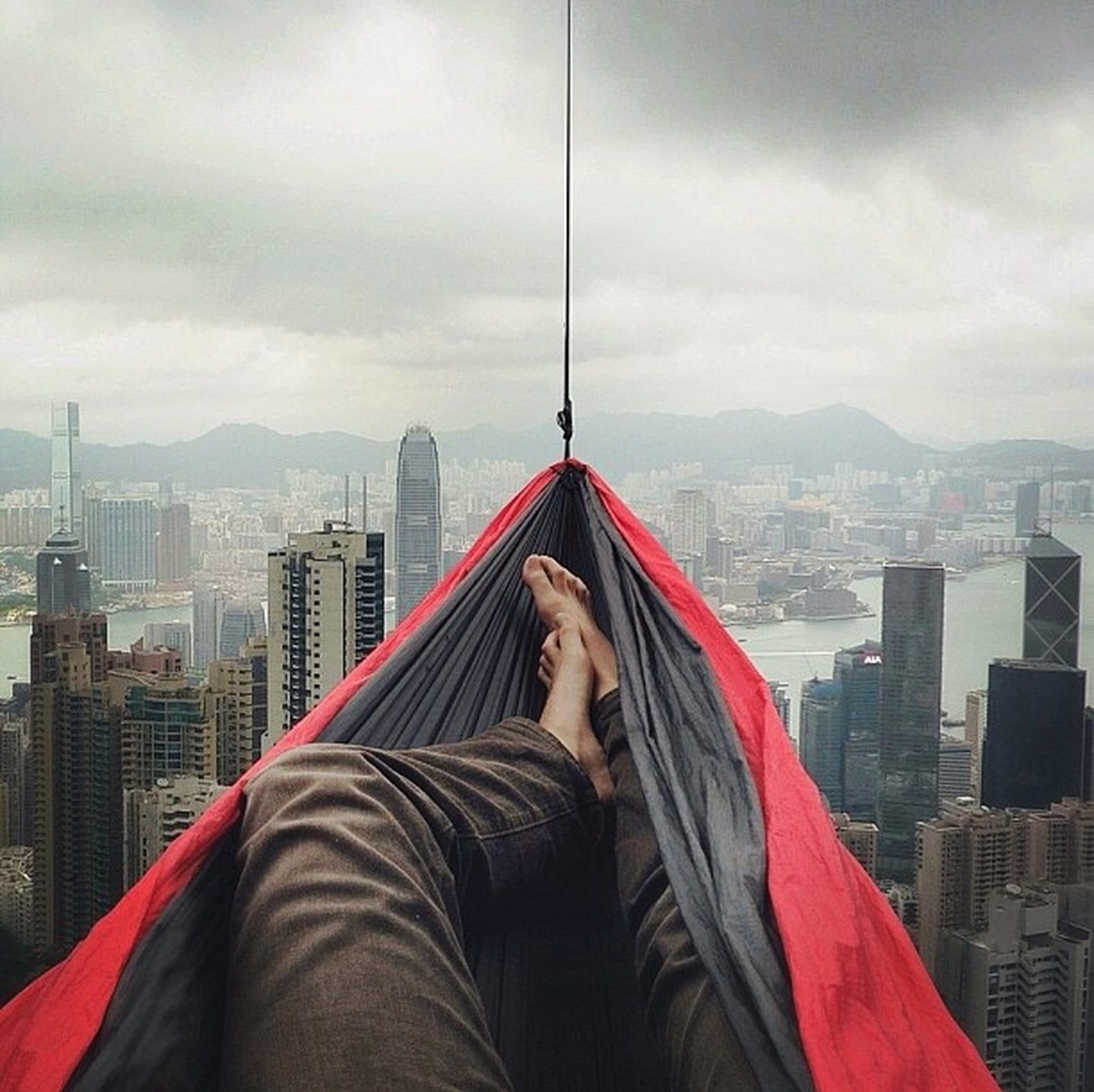
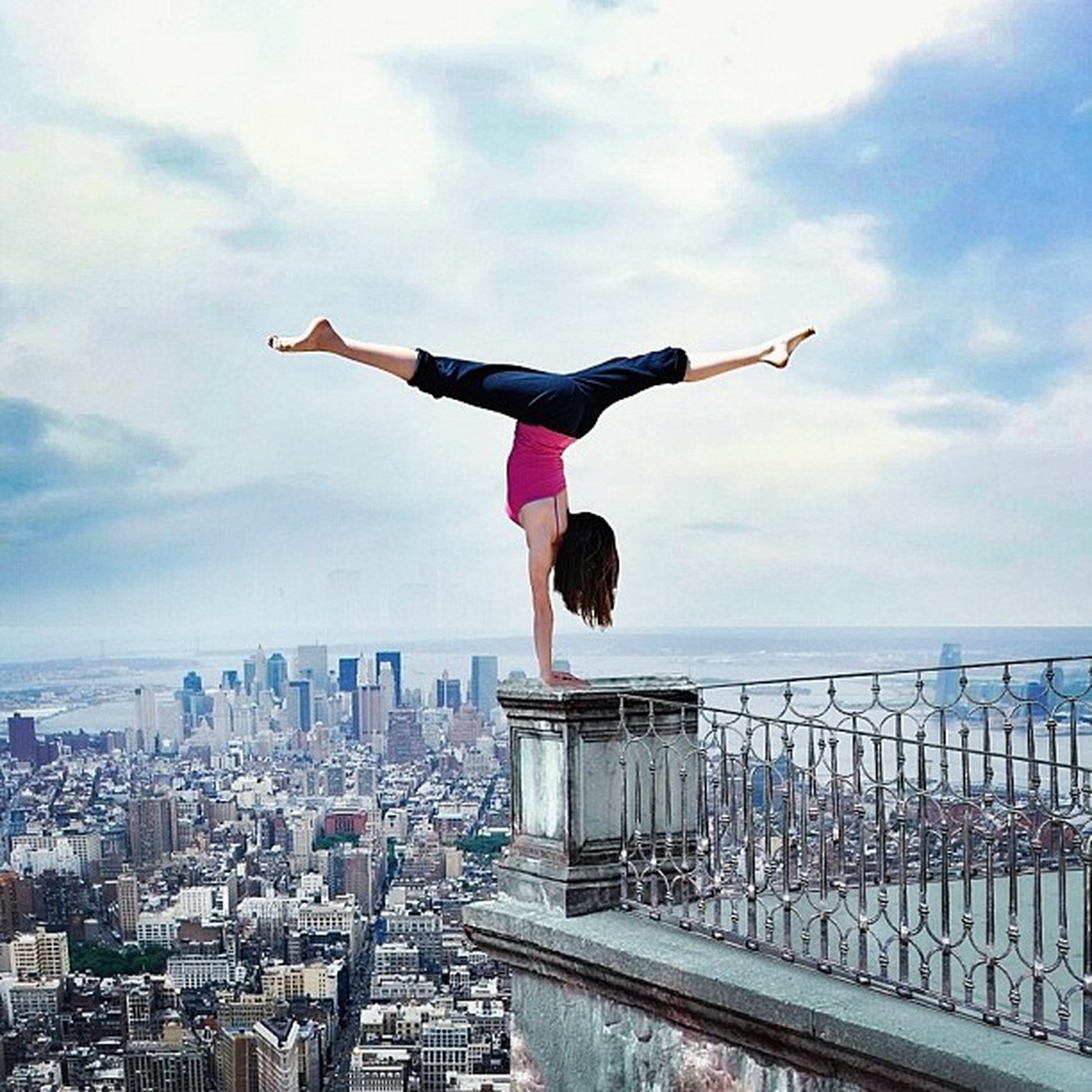
How to look at these images
Start with the impossible object, then reverse-engineer the believable ones. Where is the key light? Does the reflection include the guest animal? Is the grain consistent from sky to street? Those questions turn admiration into a short masterclass. Aspiring compositors can steal the method without stealing the motifs: one clear idea, matched light, patient edges, emotion as the exit criterion.
Try a private exercise after the scroll. Choose a single landmark you know well and invent one impossible guest—only one. Sketch where the shadow would fall. Decide whether the water would mirror it. That tiny planning step is closer to Jahns’s process than downloading a “surreal” preset.
When you leave the gallery, pick one frame that stuck—maybe a frozen waterway, maybe a creature mid-air—and ask what feeling it was selling. Hope? Scale? Quiet? Robert Jahns’s best trick is not the floating elephant. It is convincing you, for a breath, that the dream was already waiting in the real photograph, and he only had to chase it until it stayed.

Comments
Continue reading
Still-Life Photography at Home with One Window
A table, north or side light, and a handful of objects—how to shoot still lifes in a small room without a studio, softboxes, or a prop closet.
Dramatic Photo Art by Sukron Ma’mun (Ipoenk Graphic)
Cirebon, Indonesia photographer Sukron Ma’mun uses theatrical natural light to frame village life, play, and place in lyrical photo art.
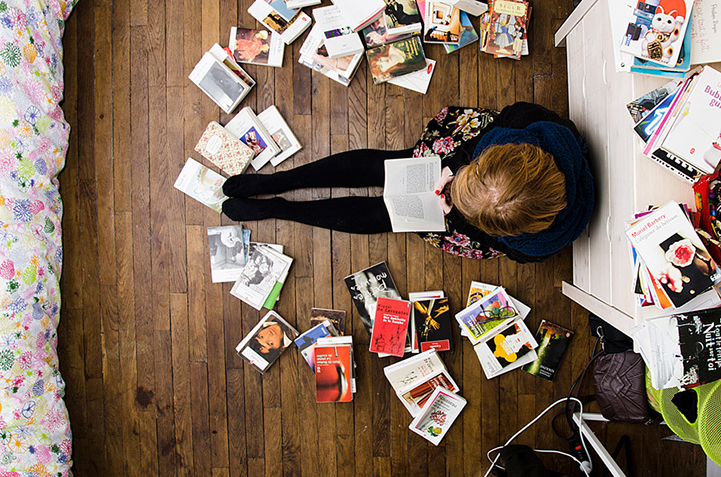
Bird’s-Eye Views: Florian Beaudenon’s Instant Life
Paris photographer Florian Beaudenon’s Instant Life series captures people in their rooms from above—intimate, collaborative overhead portraits of everyday joy.