
R.I.P. Chuppy: Jessica Trinh’s Early Pet Photography
Southern California photographer Jessica Trinh’s teenage golden-retriever portraits of Chuppy—tender pet photography that remains after his death.
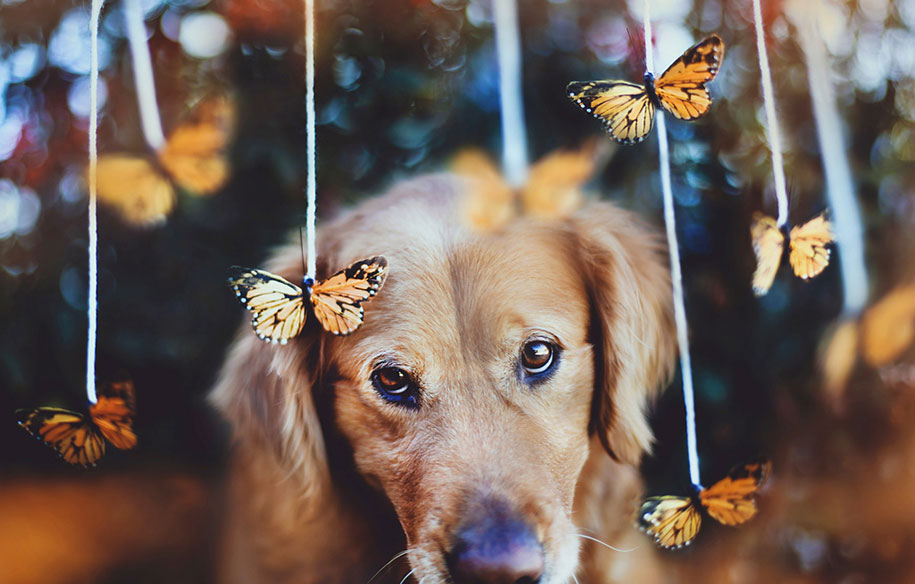
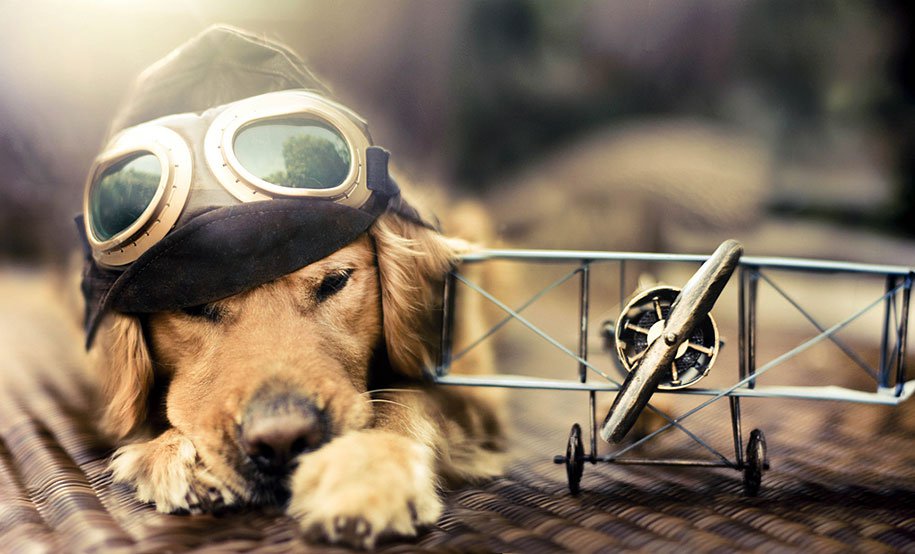
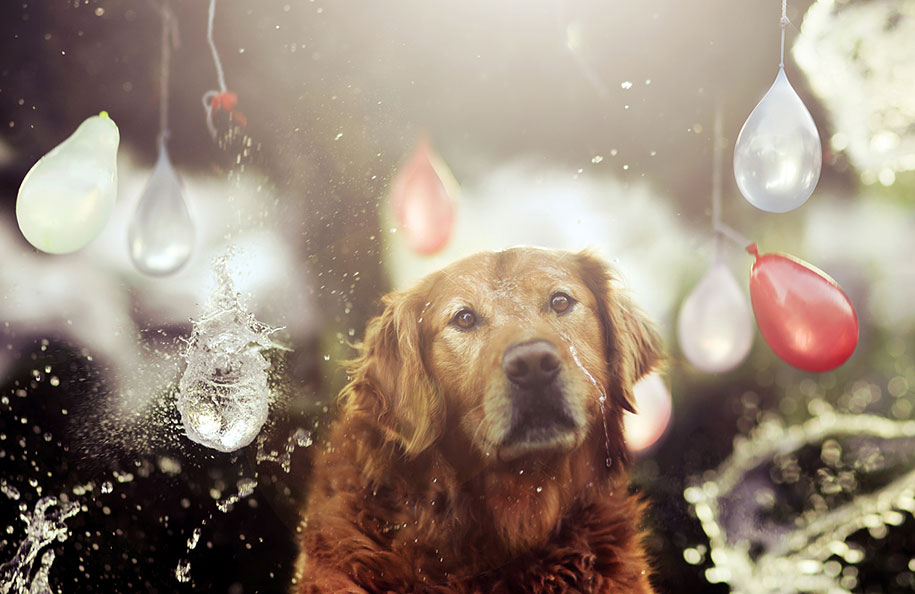
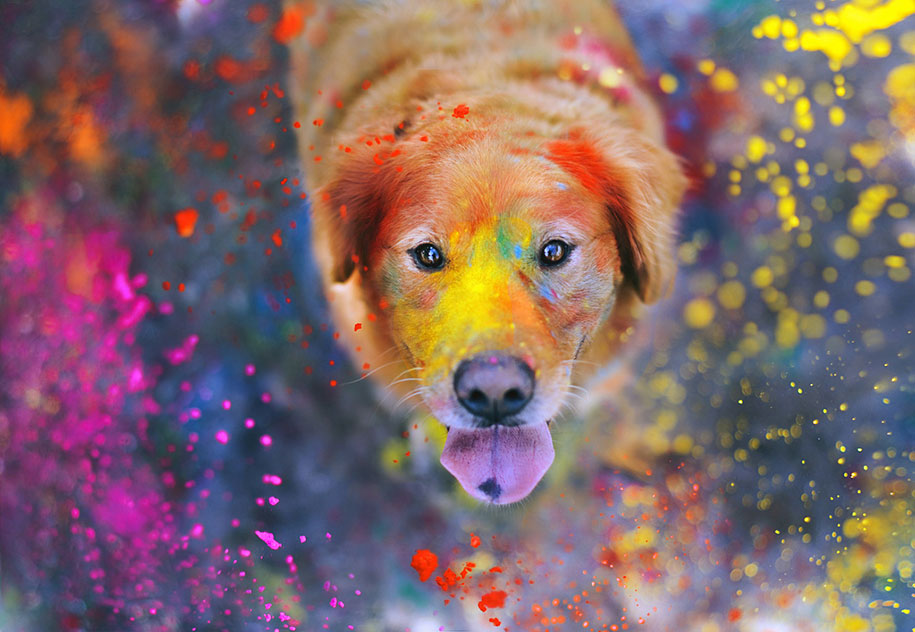
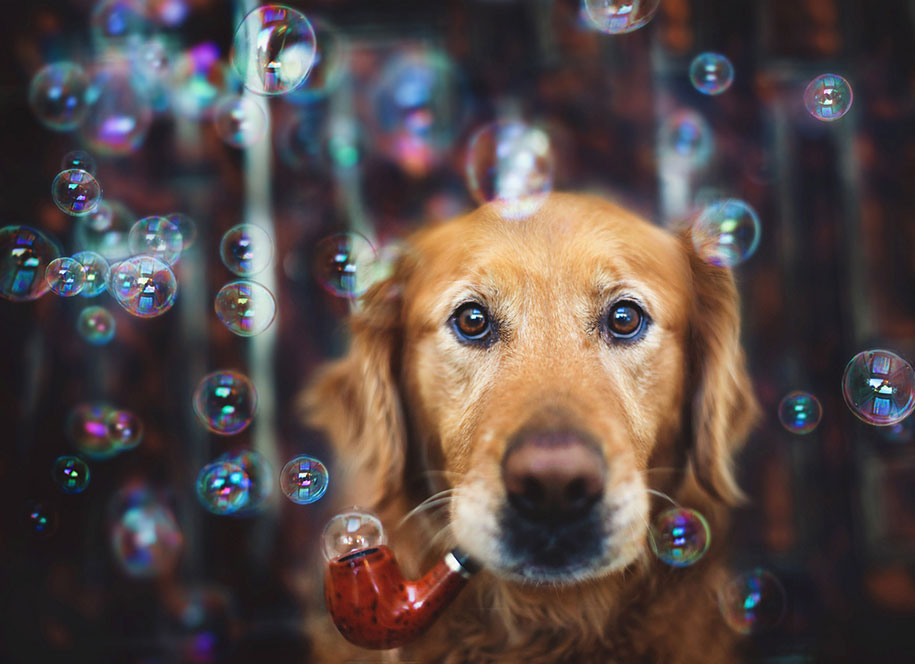
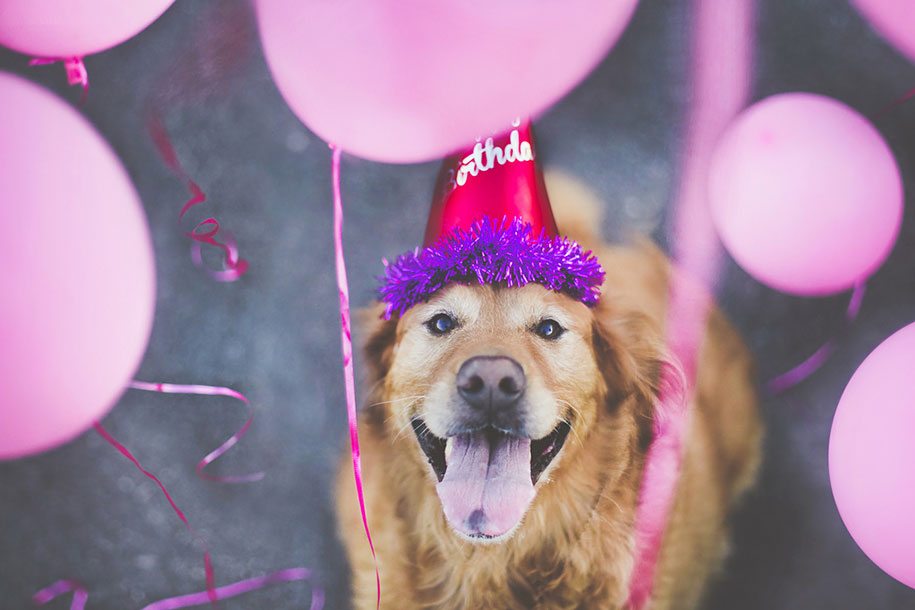
Southern California photographer Jessica Trinh built an early body of pet photography around the animals closest to her—especially her dogs—and shared that work while she was still a teenager. The portraits collected here were made when she was about seventeen and eighteen. They already show a clear eye: soft light, patient timing, and a willingness to let a dog’s face fill the frame without props shouting for attention.
One of those dogs was Chuppy, a golden retriever whose presence runs through many of the images. Not long before this feature first circulated, Chuppy died. The photographs remain. Looking at them now is both a study in young talent and a small memorial: proof that careful pet photography can hold a companion after the companion is gone.
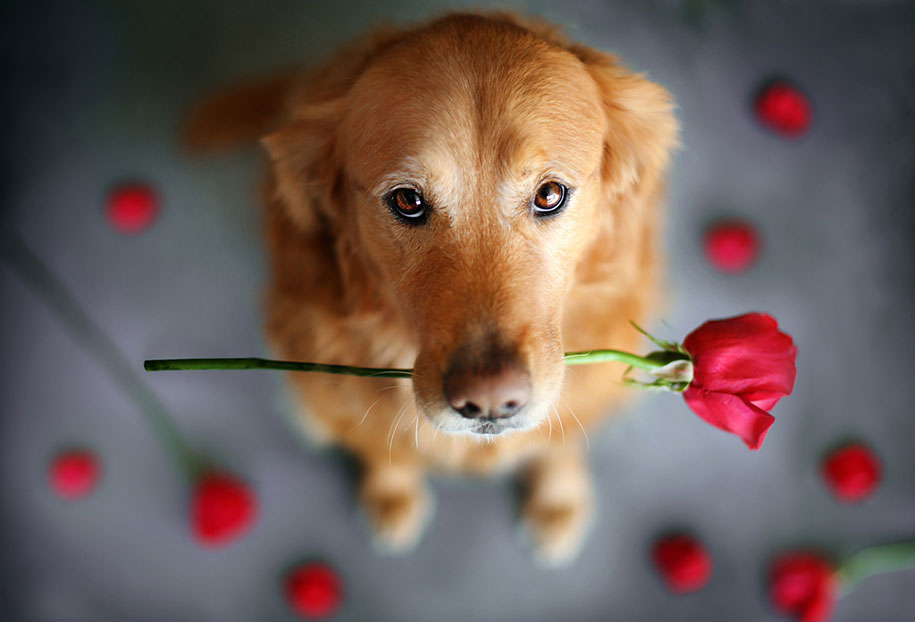
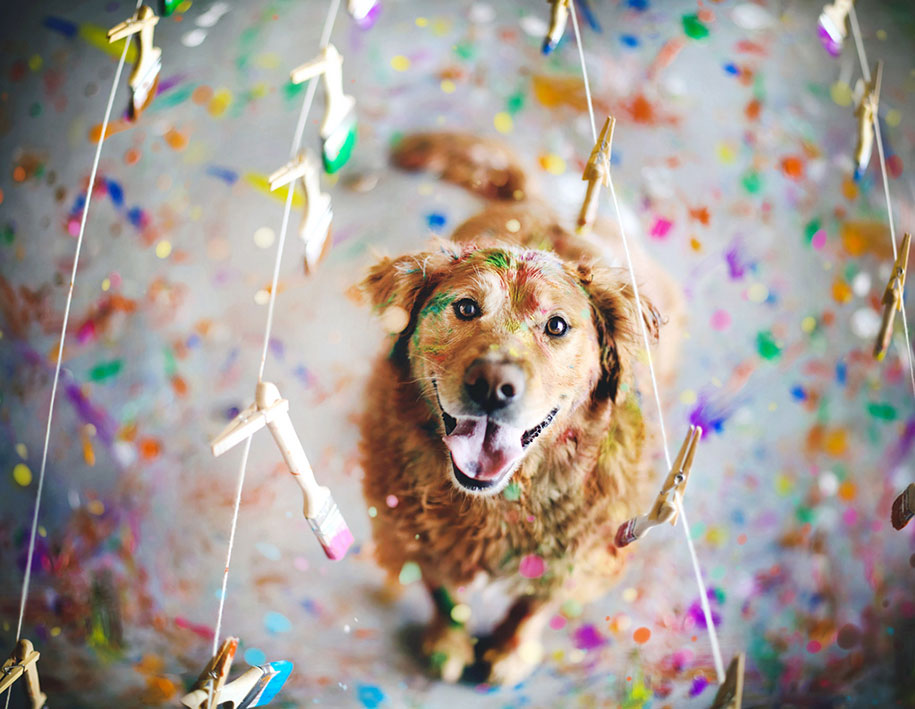
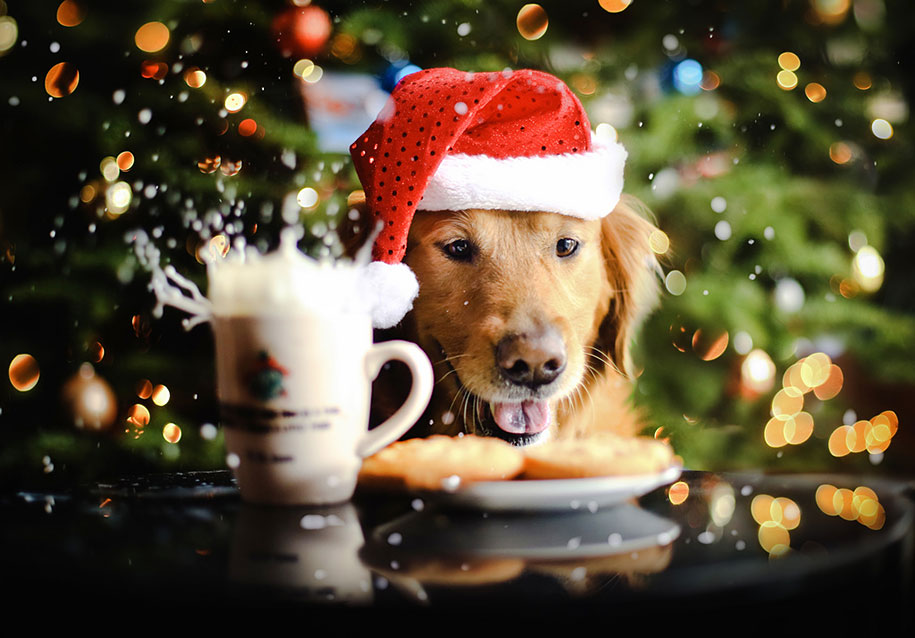
What Trinh’s early portraits notice
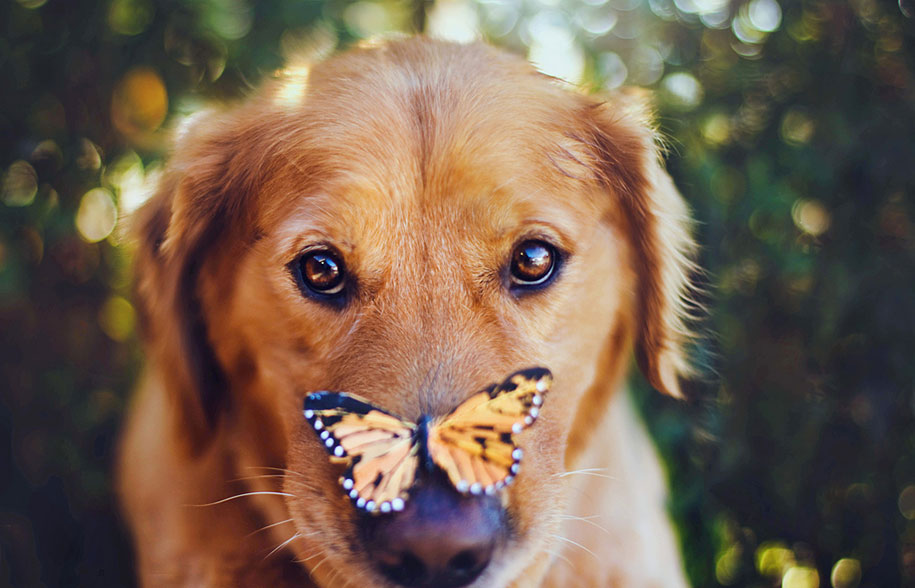
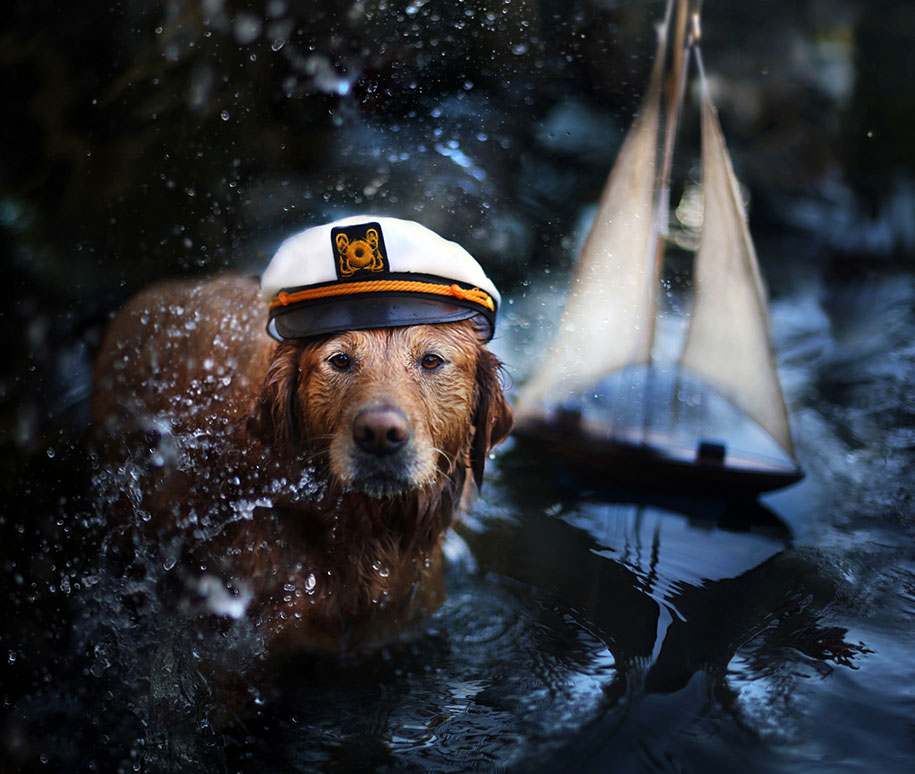
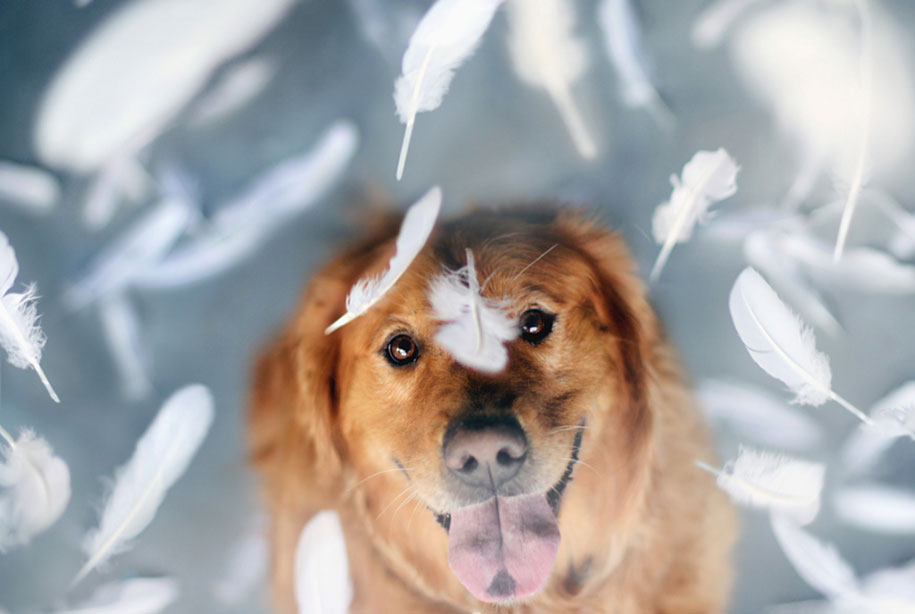
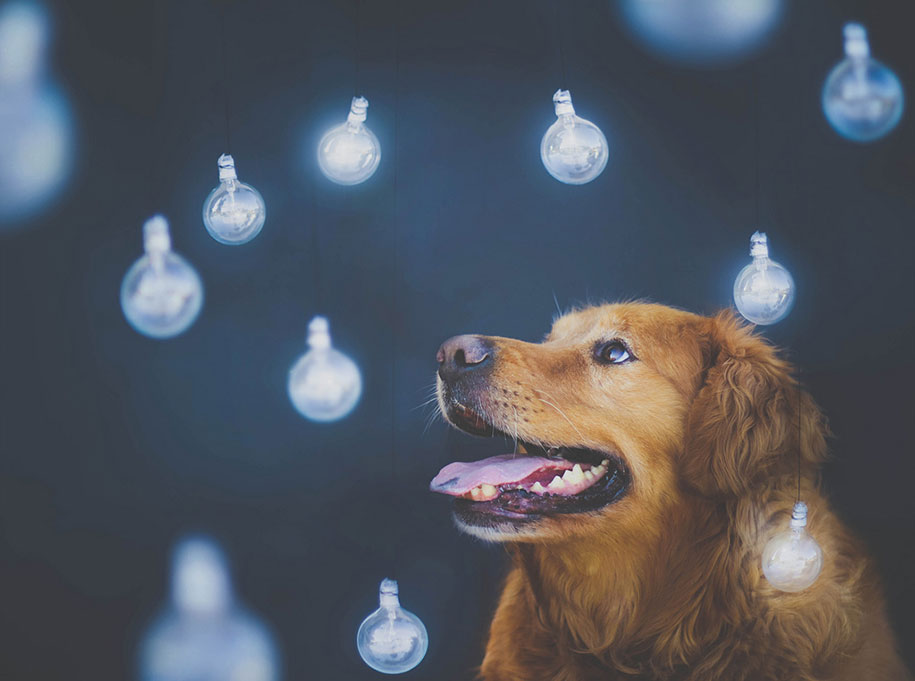
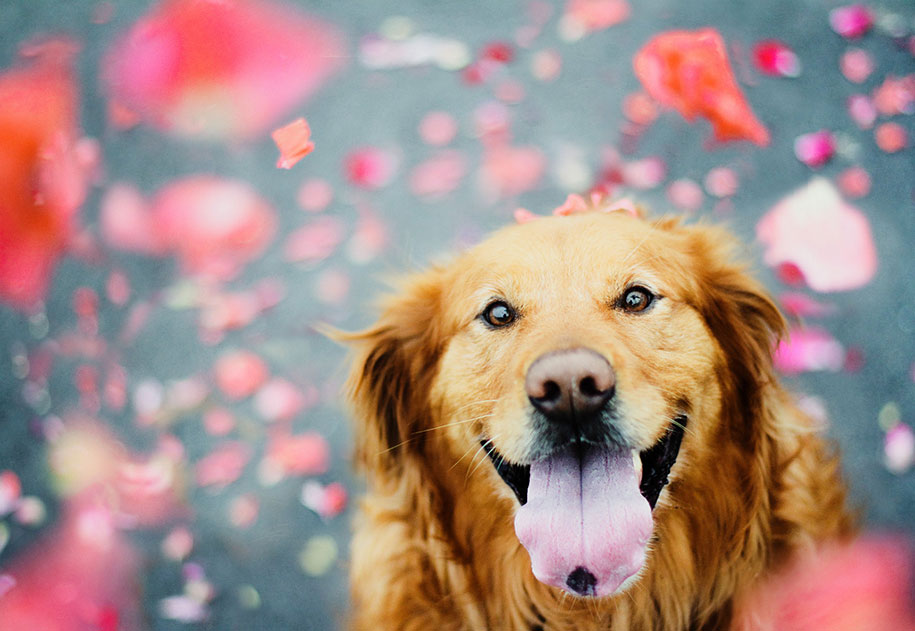
Amateur snapshots of pets often chase motion or a forced “smile.” Trinh’s frames prefer stillness and expression. Eyes catch the light. Fur reads as texture rather than blur. Backgrounds stay quiet enough that the animal remains the subject, not a decoration in a lifestyle set. That restraint is harder than it looks, especially with a young golden retriever who would rather play than pose.
Working at home and in familiar outdoor light helped. Trust between photographer and dog shortens the distance that makes animals stiffen. You can see that ease in open mouths that do not look commanded, in relaxed ears, in the way Chuppy occupies the center of the picture as if the camera were simply another household object. Pet photography at this level is relationship work as much as technical work.
Golden light and golden coat
Goldens are photogenic and difficult for the same reason: their coats can blow out into a flat yellow mass if exposure is careless, or sink into muddy shadow if the light is dull. Several of these pictures handle that problem with sideways daylight and gentle contrast. Highlights stay on the muzzle and the ridge of the back; darker fur around the ears keeps depth. The color feels warm without tipping into syrup.
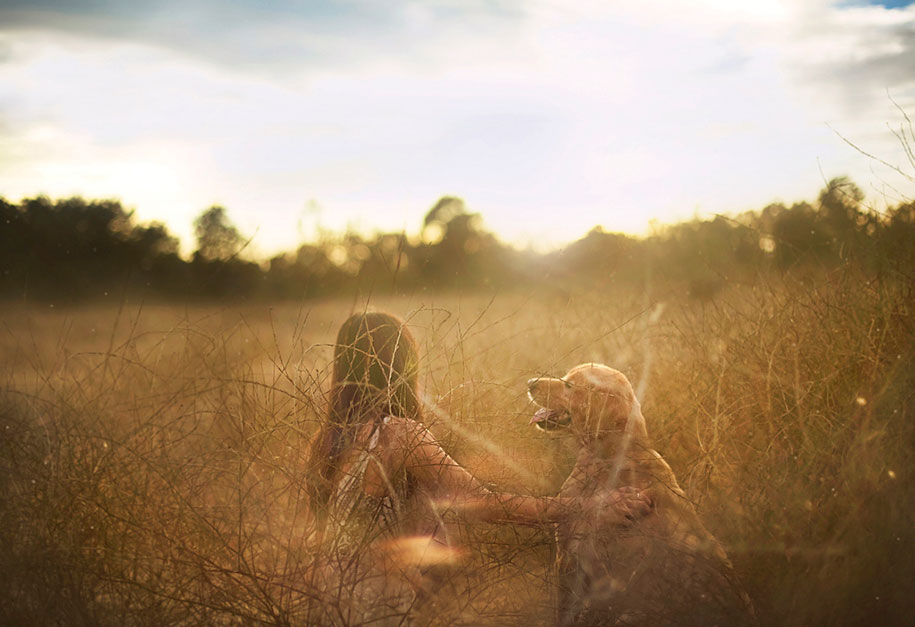
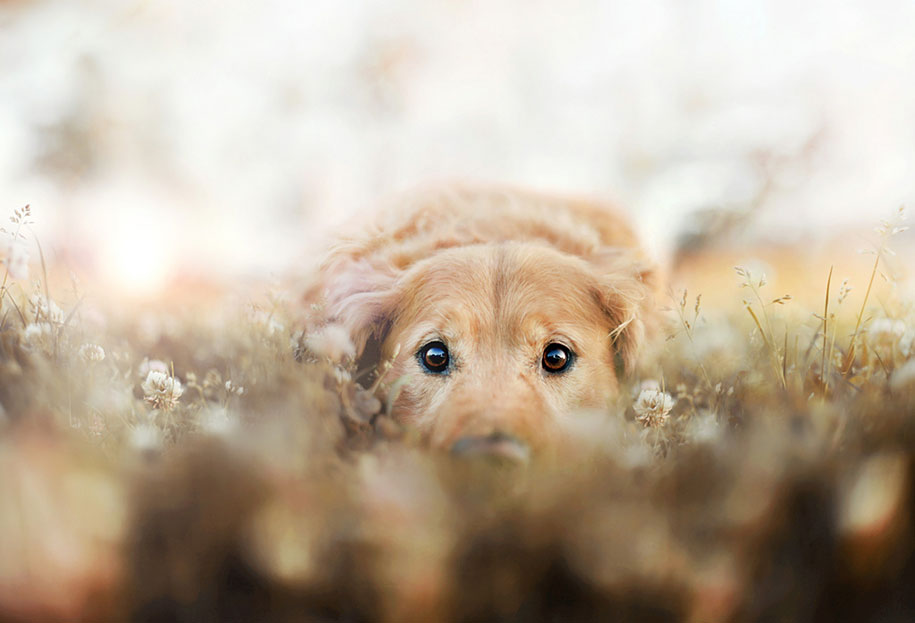
Close crops matter too. When Trinh moves in, the portrait becomes almost human in its directness—nose, eyes, the particular tilt of a head that owners recognize instantly and strangers still find eloquent. When she steps back, the dog’s body language enters: a sit that is also a lean, a sprawl that claims the floor, a look over the shoulder that turns a simple backyard into a stage.
Youth, craft, and seriousness
It is easy to patronize teenage artists. These pictures argue against that habit. Composition is considered. Focus lands where it should. The series has a point of view rather than a pile of lucky accidents. Trinh was not waiting for permission to treat pet photography as a real genre; she was already practicing inside it, with the animals who would sit for her longest.
That seriousness does not drain the warmth. Chuppy looks loved in these frames because the photographer had time—time to wait for the glance, time to shoot again when the first version was only almost right, time to live beside a dog until the camera became ordinary. Many professional pet sessions try to manufacture that ease in an hour. Living with the subject changes the odds.
Reading the gallery as a sequence
Scroll these images slowly rather than as a grid of identical cuteness. Notice how some frames are almost classical head-and-shoulders portraits, while others let the body take more of the rectangle. Notice when the background softens into nothing and when a floor, a wall, or a hint of outdoors locates the dog in a real place. Sequence matters in pet photography because animals change mood faster than people do; a series built over time can show a fuller character than a single “hero” shot ever will.
Trinh’s set rewards that slower pass. Chuppy appears alert, soft, slightly mischievous, and quietly present by turns. The variety is not a lack of style—it is evidence of attention across days. A photographer who only wants one viral face will miss the afternoon when the dog is thoughtful, or the morning when the light on the coat is better than the pose. These pictures suggest Trinh waited for both.
If you photograph your own animals, borrow that patience before you borrow any gear checklist. Sit on the floor. Let the first ten minutes be play without a shutter. Shoot when the animal forgets the camera. Delete generously later. The keepers will announce themselves the way Chuppy’s best frames do: not because they are the most extreme expressions, but because they feel like someone you know.
Why the memorial reading matters
Pet photographs often become more valuable after a loss, not less. They stop being only cute content and start being evidence of a particular life—how a dog sat in that patch of sun, how the fur parted at the chest, how the eyes looked when someone beloved held the camera. Chuppy’s portraits do that work without needing captions that overexplain grief.
Memorial looking is not the only valid looking, though. You can also meet these images as craft: a young Southern California photographer testing how far tenderness and technique can travel together. You can meet them as breed study, coat study, light study. The memorial layer simply refuses to leave. Once you know Chuppy is gone, every open-eyed portrait carries an extra quiet. That quiet is not sentiment piled on by a caption writer; it is what happens when a real companion meets a real camera and time keeps moving afterward.
For viewers who never met him, the gallery still functions as a lesson in attentive pet photography: choose quiet backgrounds, respect the animal’s pace, favor expression over gimmick, and shoot enough that one true frame survives. For viewers who have lost an animal of their own, the lesson arrives with a familiar ache. Either way, the pictures hold.
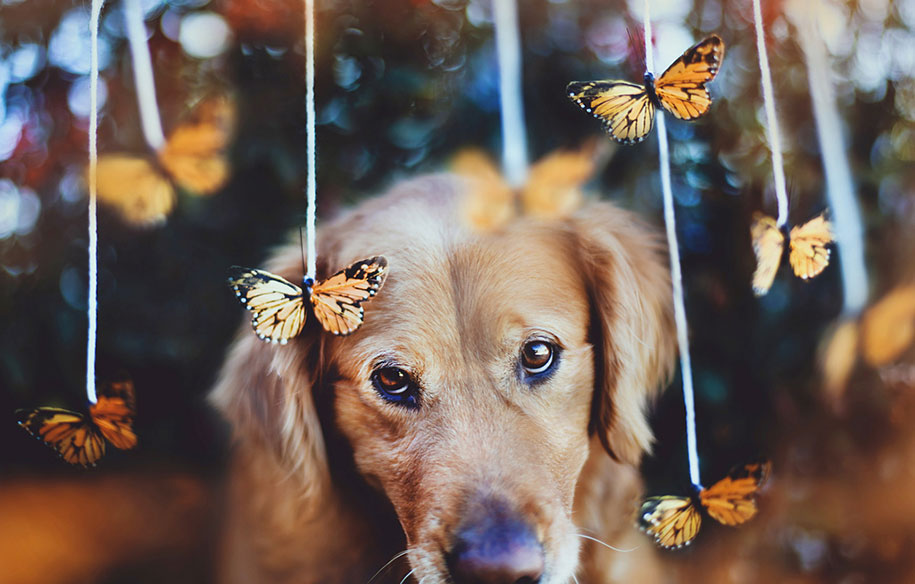
Jessica Trinh’s early work already understood what the genre asks for: patience, affection, and enough craft to make both visible. Chuppy remains in the light she gave him. That is a fair kind of goodbye—and a strong introduction to a photographer who treated dogs as subjects worth serious seeing.

Comments
Continue reading
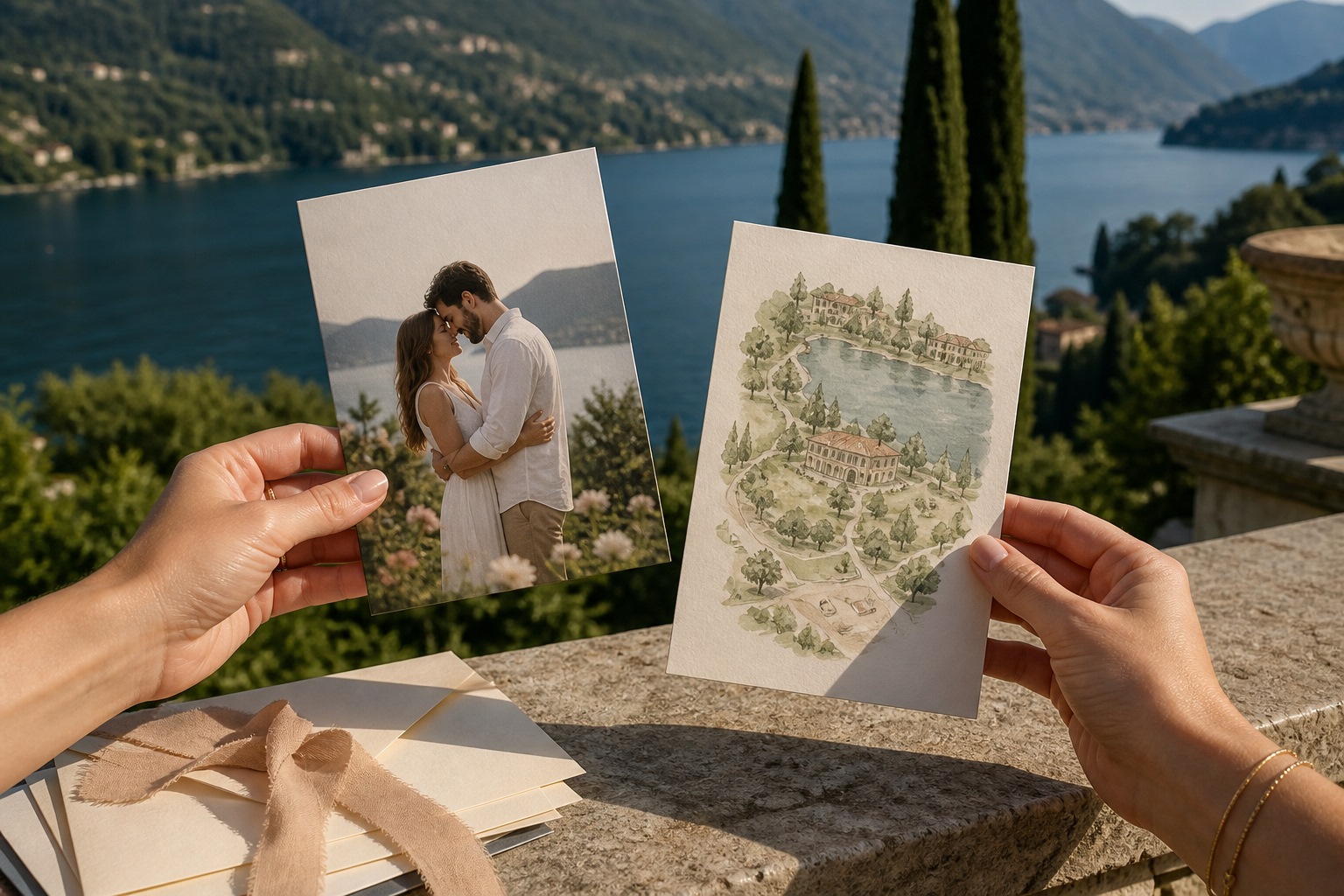
Photo vs Illustrated Save-the-Dates: How to Choose a Format
A practical comparison of photographic and illustrated save-the-dates—when a portrait earns the stamp, when a drawing carries the date, and how to match format to venue, guests, and printing.
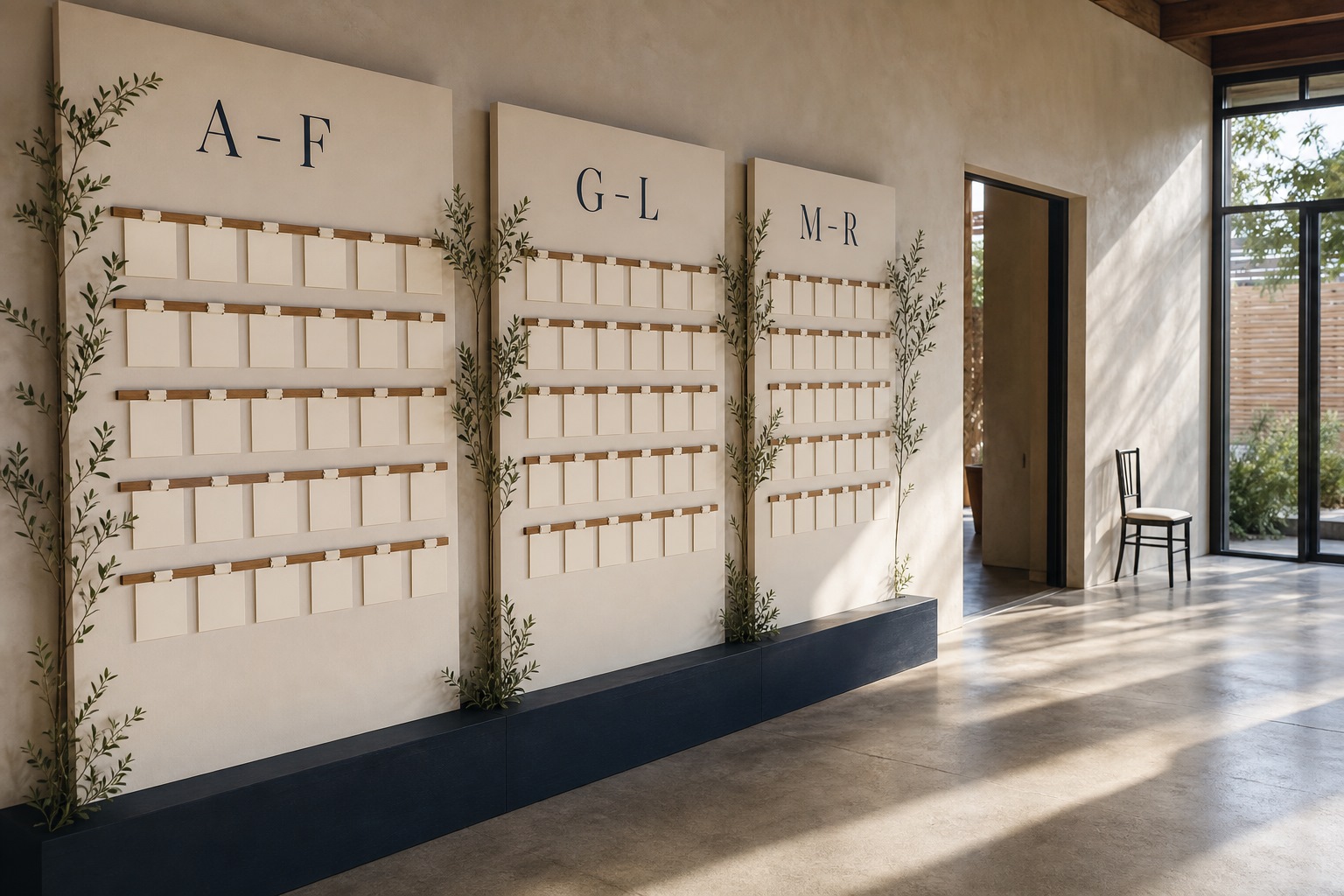
Escort-Card Displays That Aren’t a Table of Tiny Cards
Walls, branches, envelopes, mirrors, and numbered installations—how to stage escort cards so guests find their tables without a crowded lobby table.
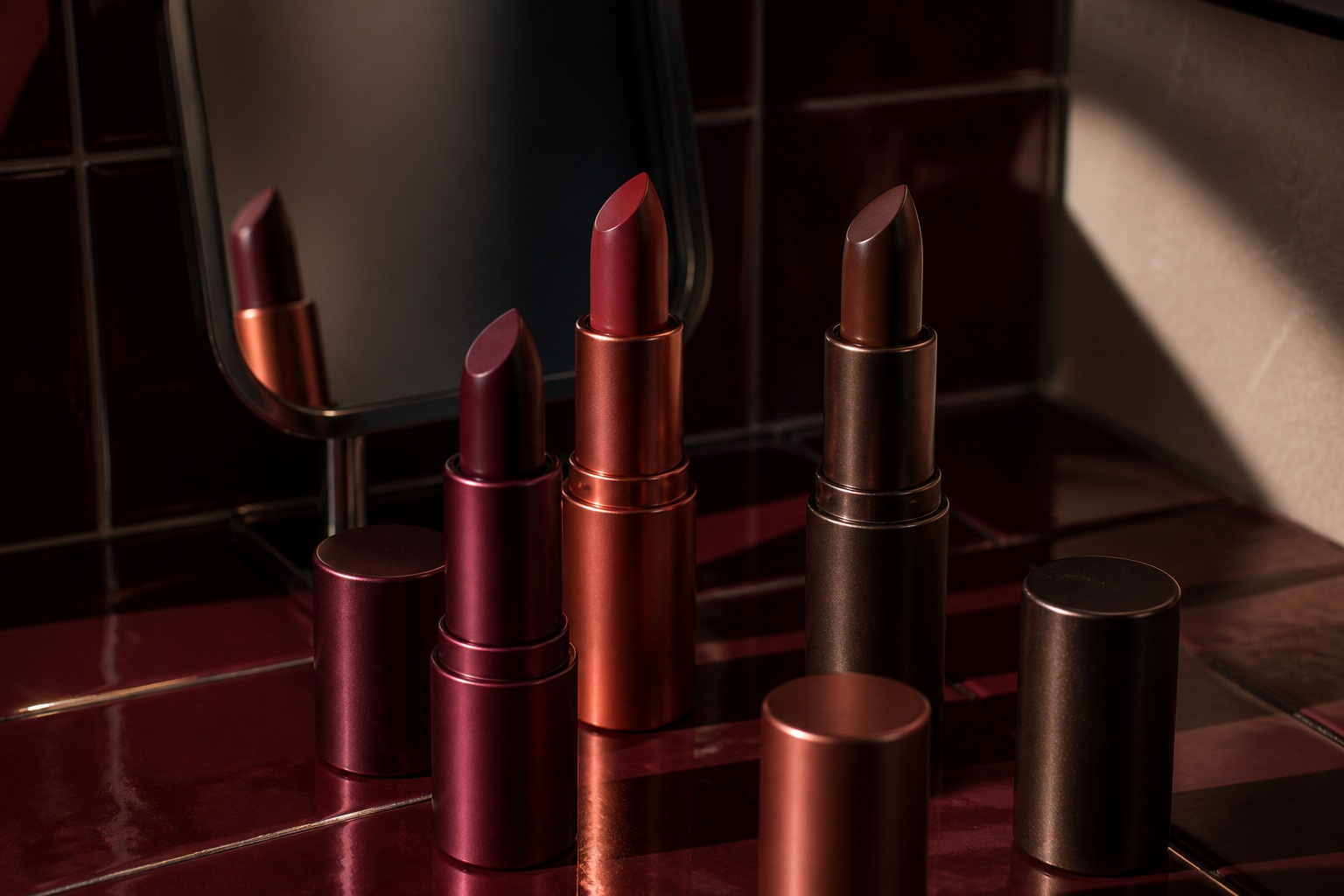
Berry, Brick, and Brown Lipsticks That Still Read as Color
A guide to berry, brick, and brown lipsticks—undertones, finishes, and light—when classic fire-engine red is not the shade you want to wear.