
Warm Women’s Vests: Fall Layers That Still Show the Outfit
How to wear faux-fur, quilted, knit, and leather vests—proportions, outfit formulas, layering, and care for cool-weather style.
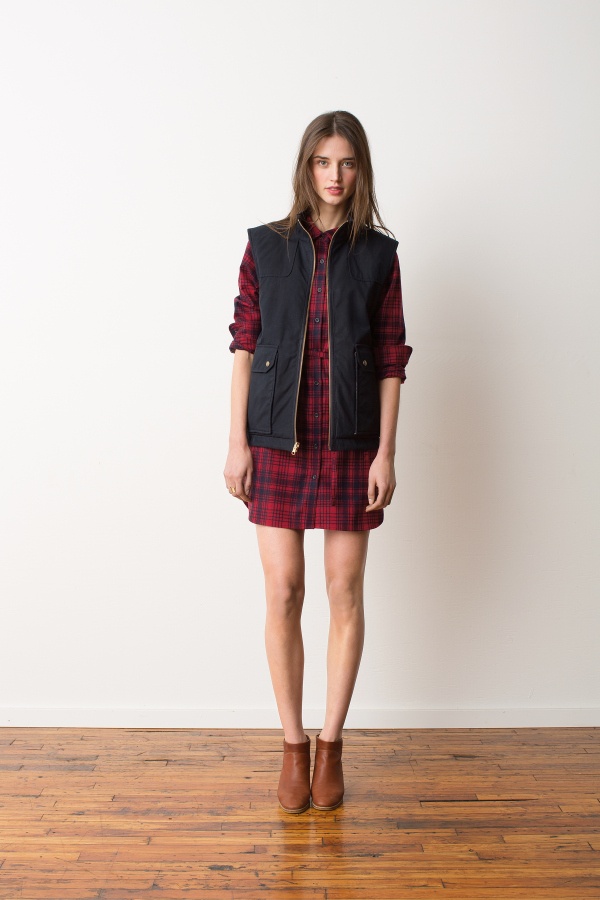
A good vest does a job coats often mishandle: it warms the core, leaves the arms free, and keeps an outfit looking finished when fall air arrives but full winter gear still feels like overkill. In the early 2010s, women’s vests—especially faux-fur, quilted, and long knit styles—settled into seasonal wardrobes for exactly that reason. They layered over dresses, sharpened jeans, and turned a simple base into something that read intentional in street photographs without burying the pieces underneath.
This guide covers fabric families, proportions, outfit formulas, and care, paired with a gallery of warm vest looks. Steal the balance of volume and ease; ignore the urge to own every texture at once.
Why vests earn permanent closet space
Coats close you in. Cardigans can look soft to the point of unfinished. Vests sit between those poles: structured enough to define the torso, open enough at the arms to show sleeves, bracelets, or bare skin on milder days. That visibility is useful. You can wear a statement blouse or a knit dress and still add warmth without hiding the garment you actually wanted people to notice.
Temperature control is the other advantage. Indoor heat and outdoor chill swap constantly in autumn cities. A vest comes off without the drama of a winter coat draped over a café chair or crushed under a restaurant table. On transit, in offices, and at weekend markets, that portability matters more than runway theory about “transitional dressing.”
Vests also photograph cleanly. Cameras like vertical lines and visible waist information. A sleeveless outer layer keeps those cues while still reading as dressed for weather—especially helpful if your days mix errands and plans that deserve more polish than a hoodie.
Fabric families and what each one does
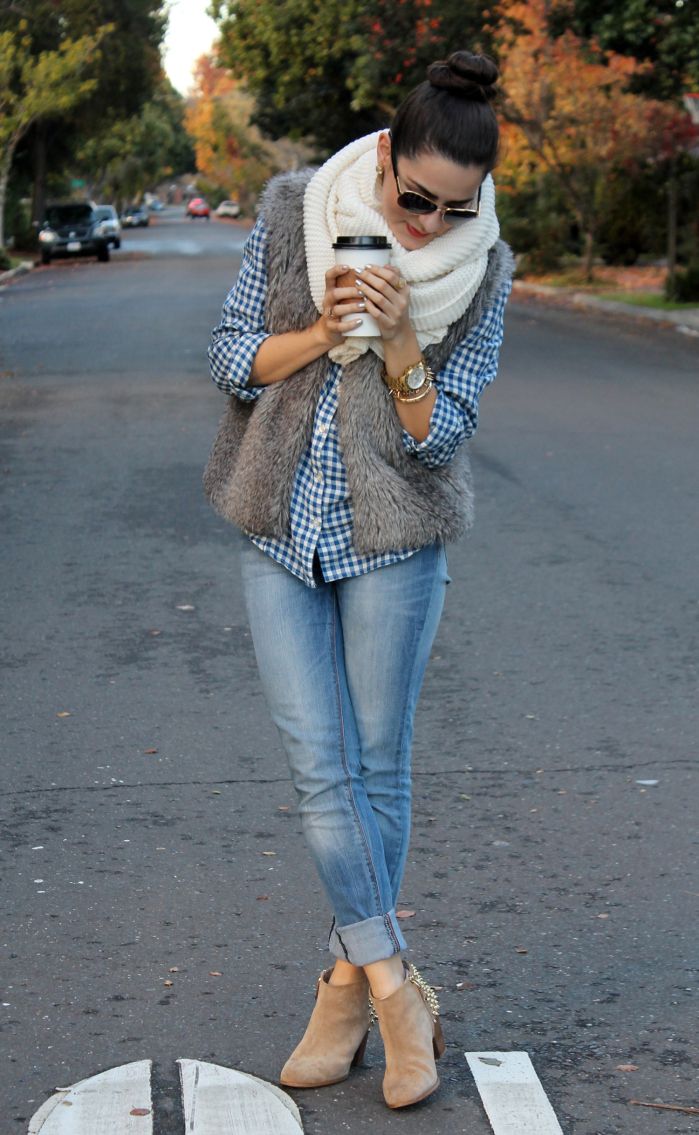
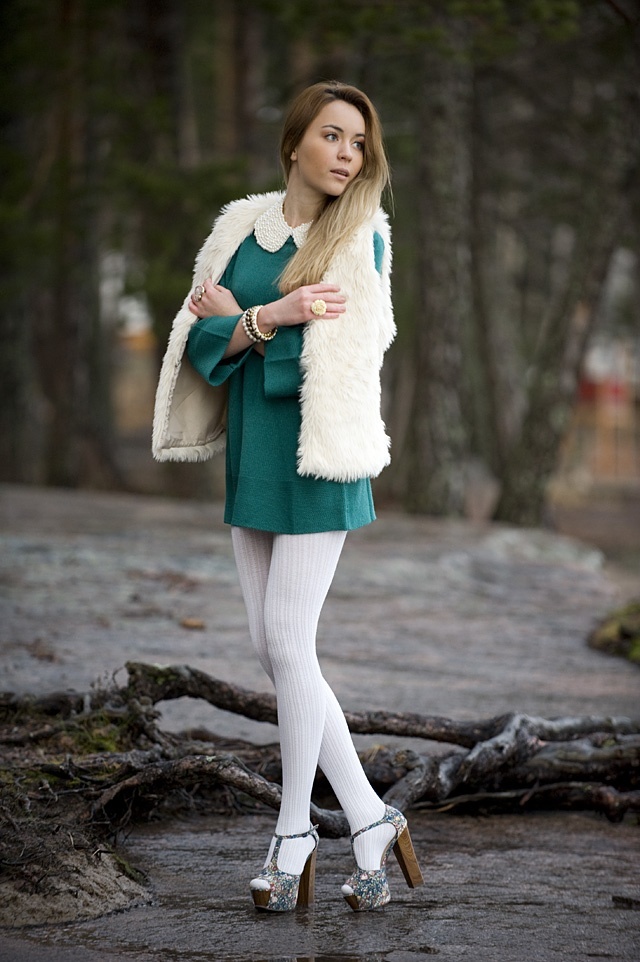
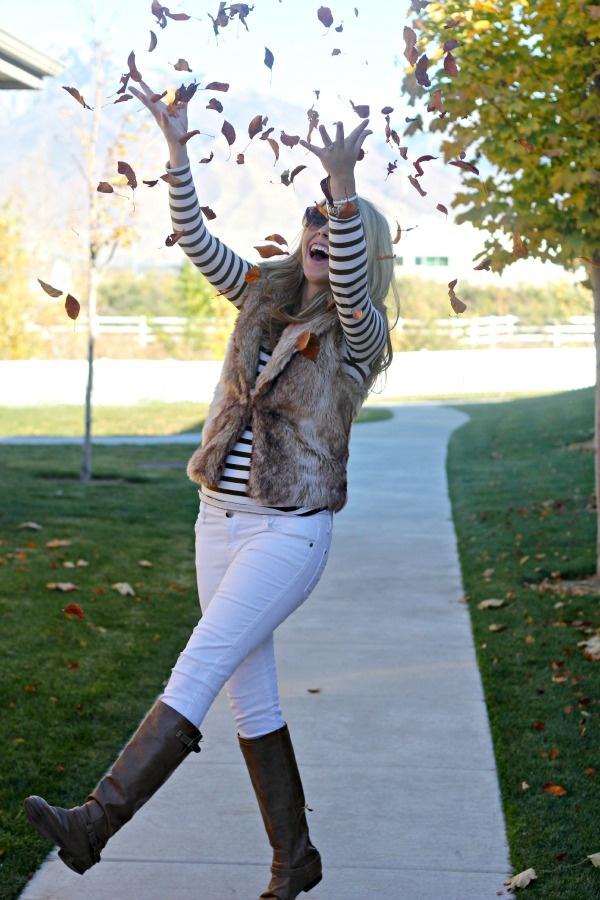
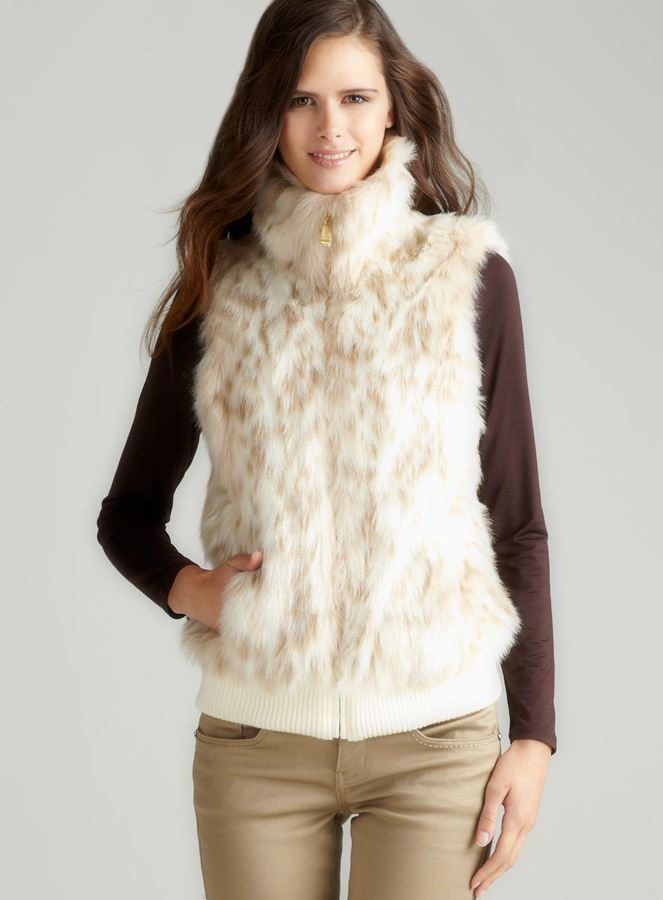
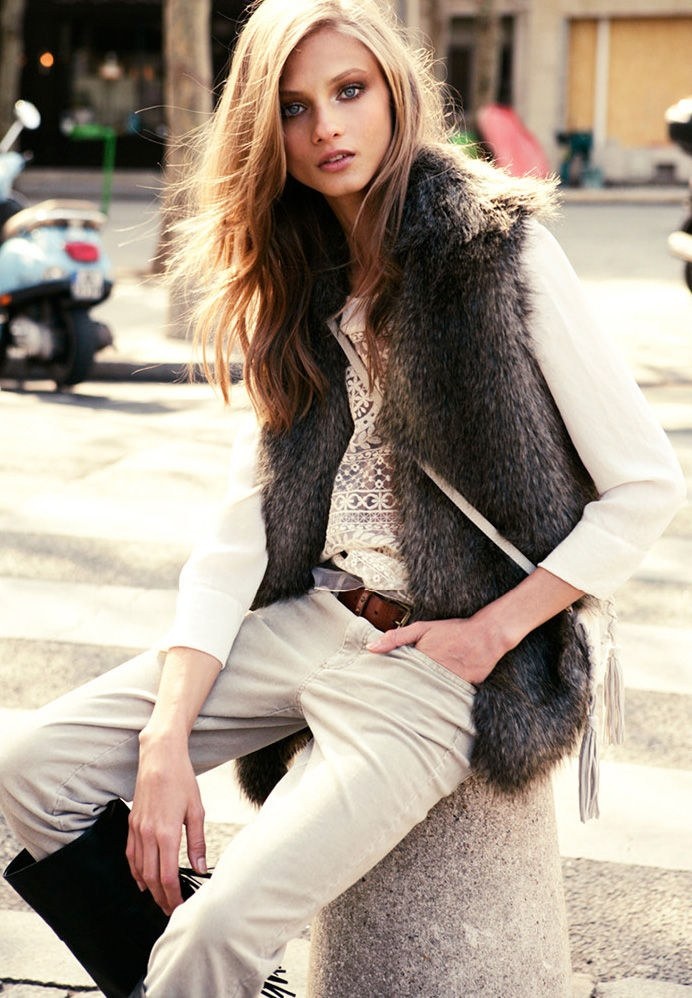
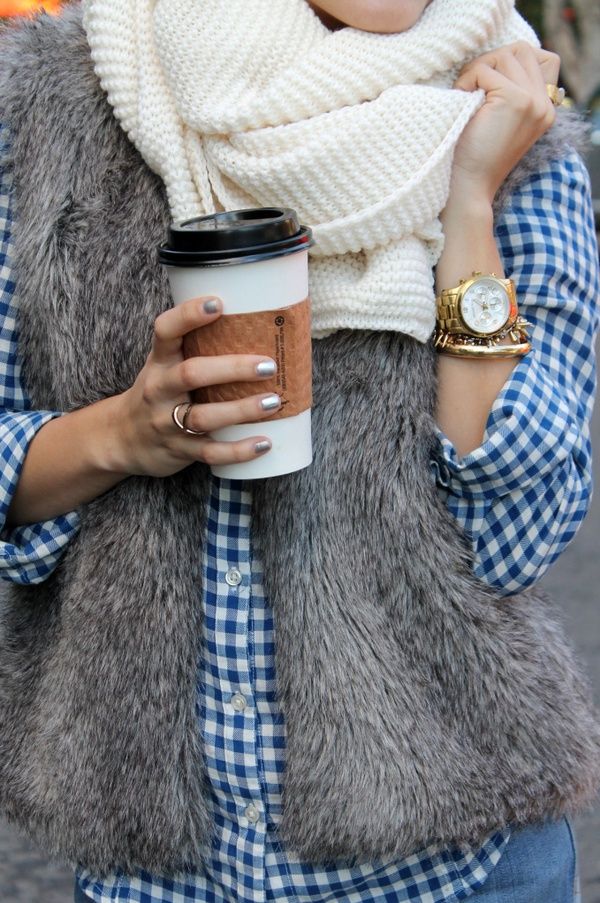
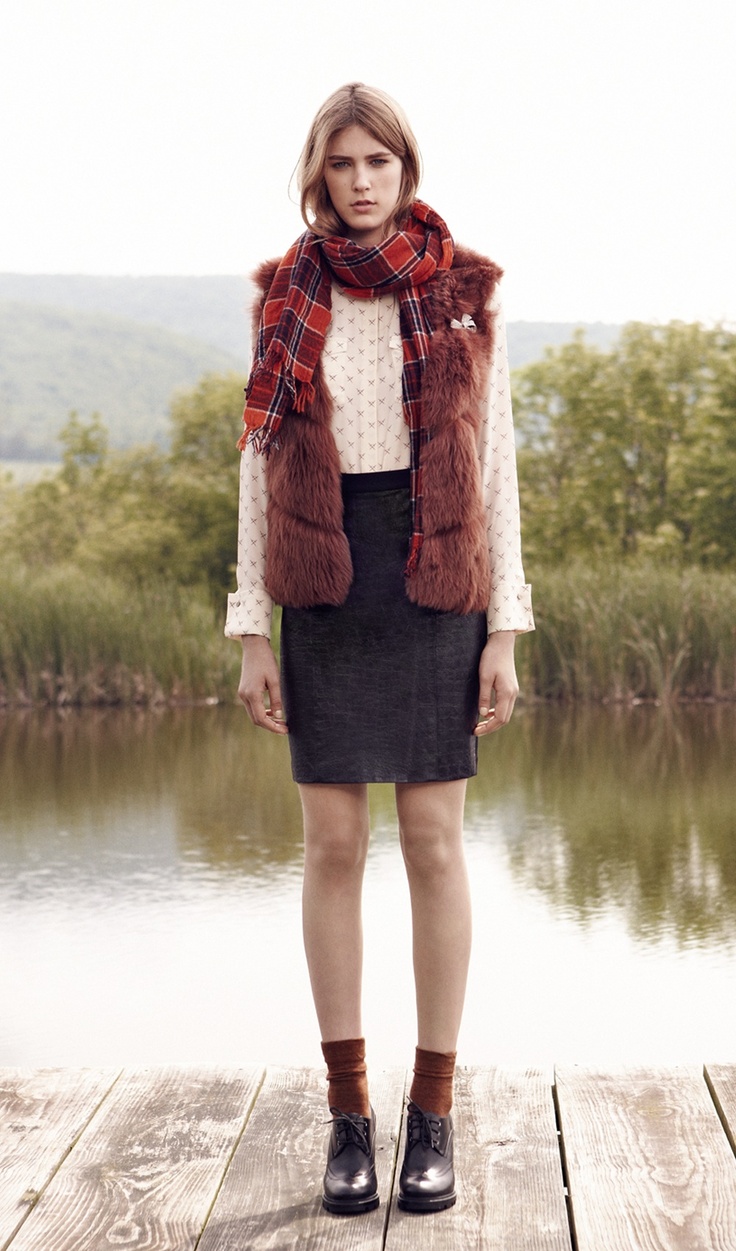
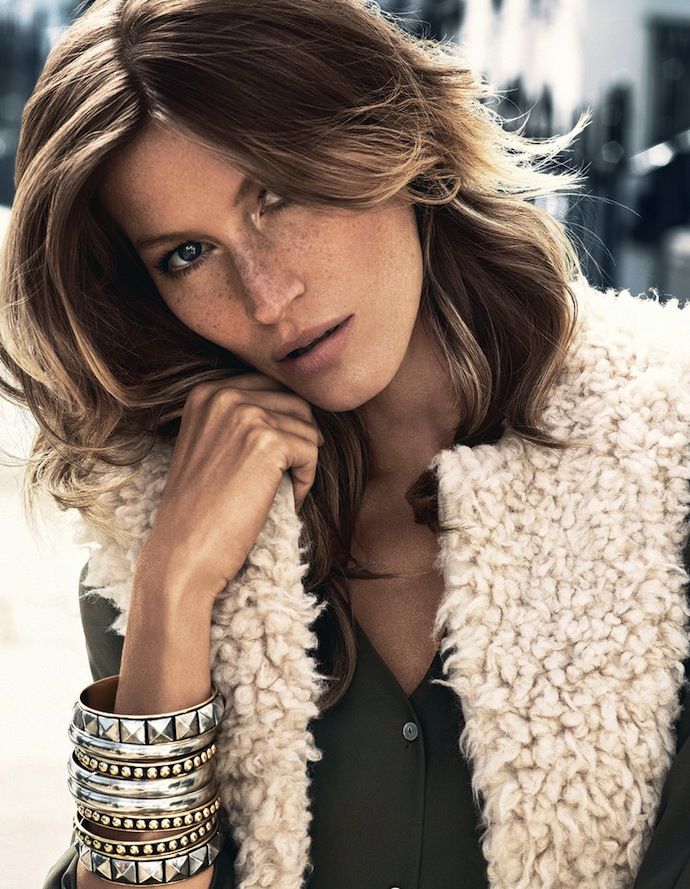
Faux fur vests bring texture and evening-adjacent polish. They pair especially well with dresses and skirts because soft volume balances feminine lines. Keep the rest of the outfit simpler—clean boots, minimal jewelry—so the fur does not fight five other textures. Mid-length fur over a slim dress remains one of the clearest formulas from this era’s street style boards.
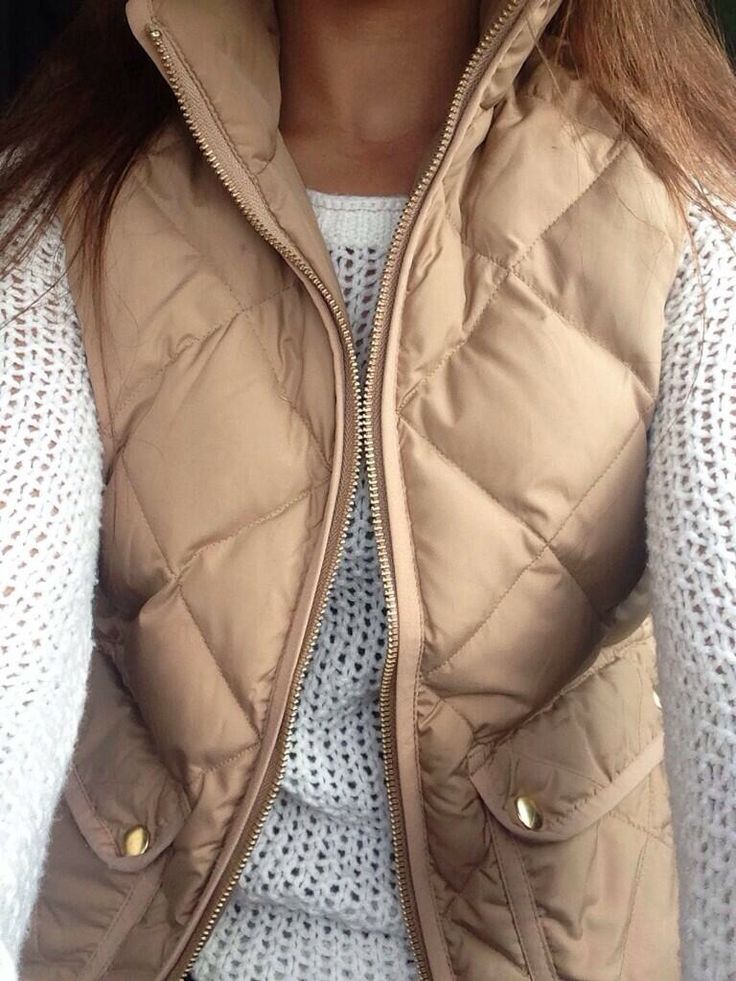
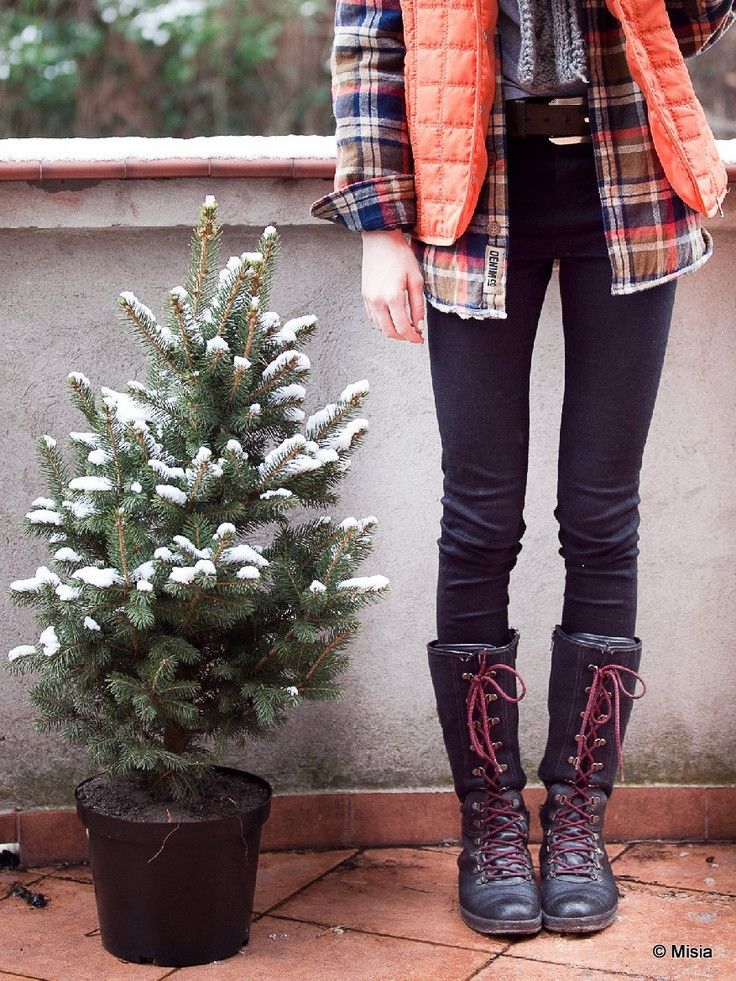
Quilted and puffer vests are the practical workhorses. They sit well over skinny jeans, leggings, and tailored trousers. A slim base under a puffy vest avoids the marshmallow silhouette; volume on volume needs a deliberate contrast, such as a long vest over a fitted knit dress or a cropped puffer over a long shirt-dress. Technical quilting handles wind better than fashion fur; choose by commute, not only by mirror.
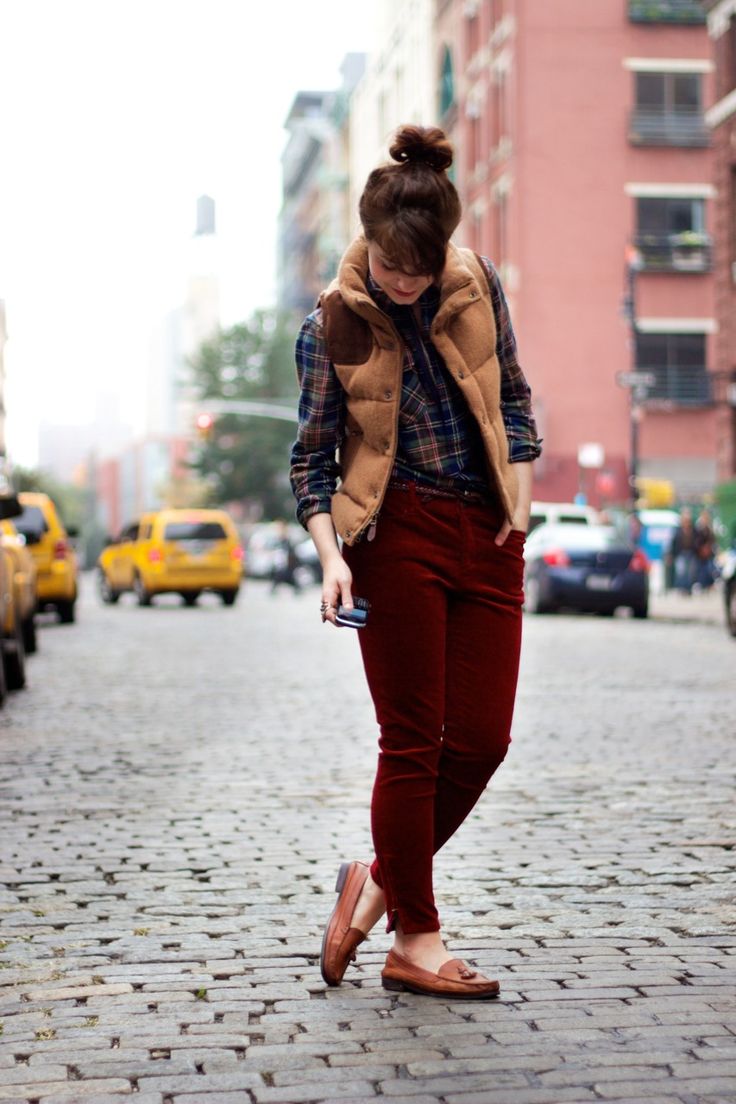
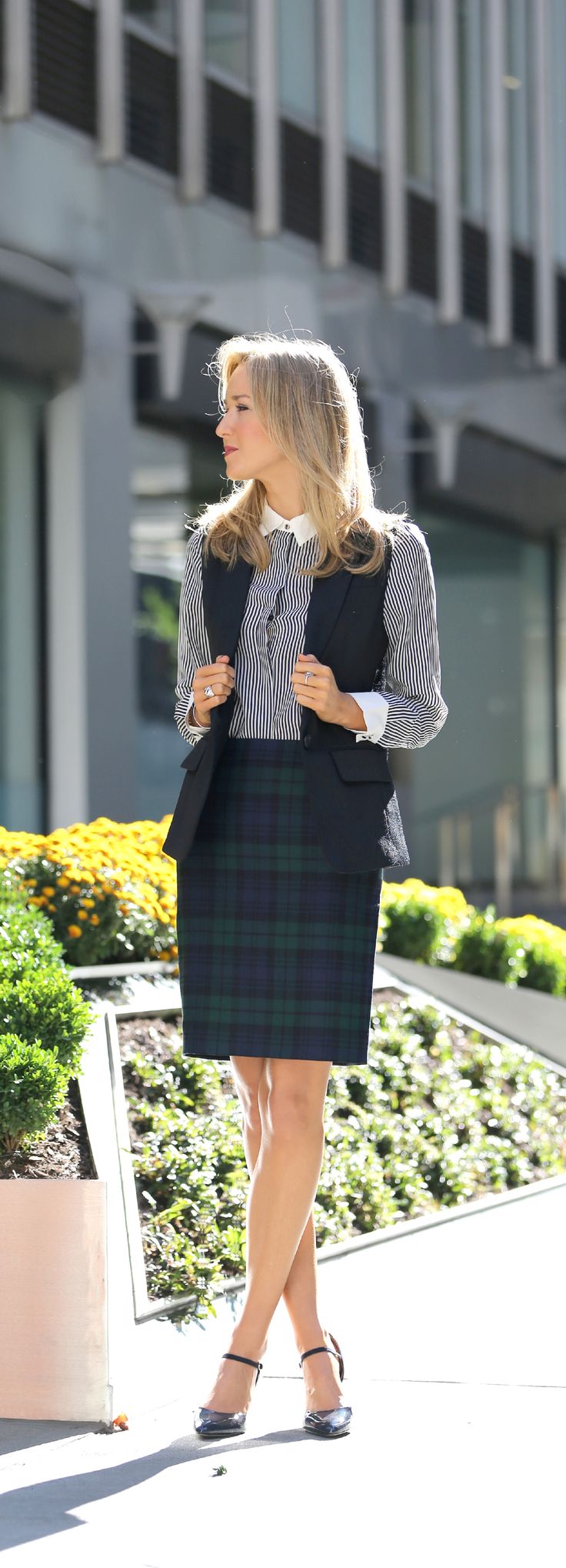
Knit and sweater vests lean academic or soft-casual. They layer over collared shirts, turtlenecks, and long-sleeve tees. Wool and wool blends warm better than thin acrylics that pill after three washes. Leather and faux-leather vests sharpen outfits that would otherwise feel too soft—denim, white shirts, and ankle boots especially. Shearling-look and mixed media pieces sit between categories; treat them as statement outer layers and build quieter bases underneath.
Length, shoulder fit, and how the vest closes
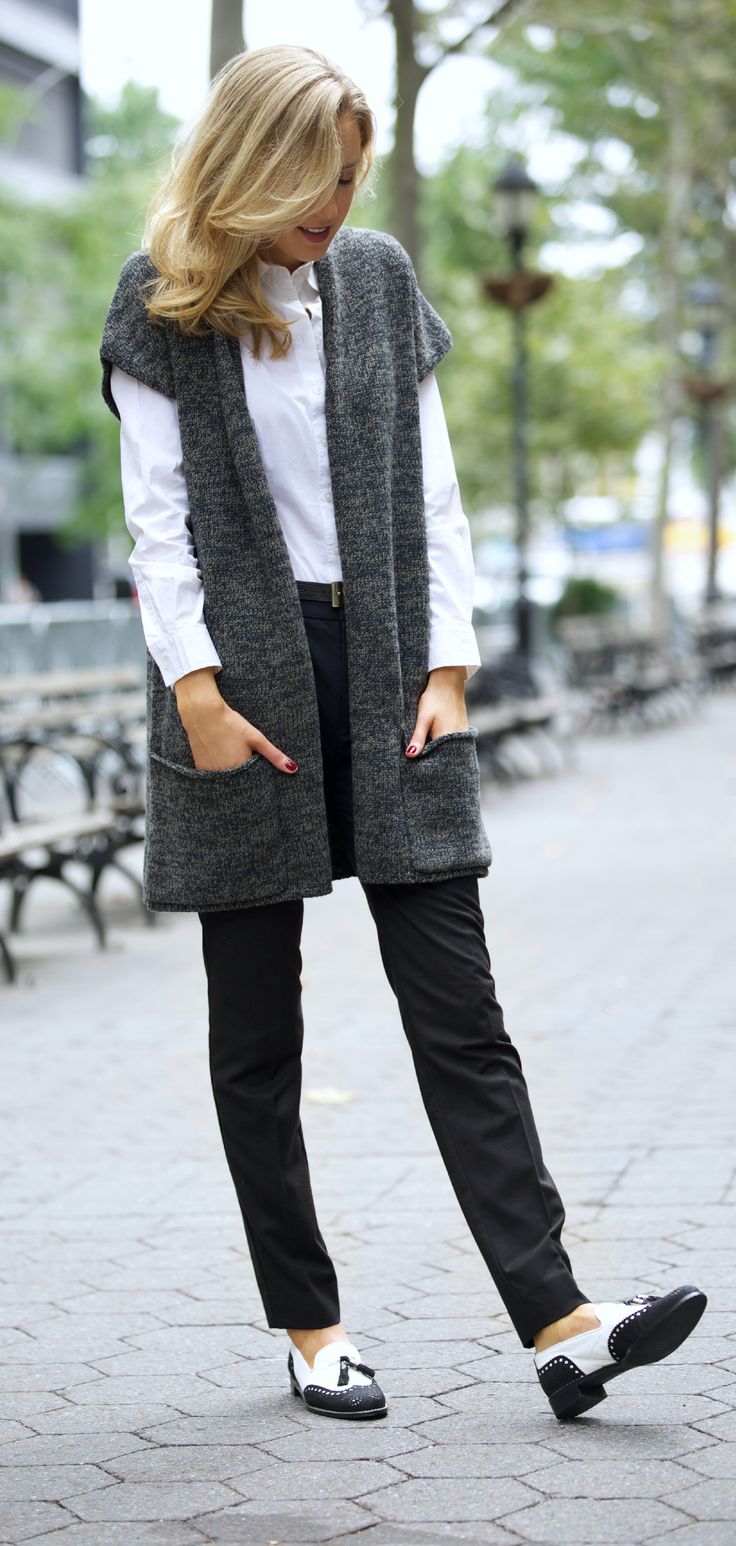
Cropped vests hit near the waist and work with high-rise jeans and tucked tops. Mid-hip lengths are the most versatile for mixed wardrobes. Long vests that skim the thigh or knee act almost like sleeveless coats—excellent over dresses and leggings, heavier visually over short tops unless you balance with boots or a strong shoe that anchors the line.
Shoulder fit decides whether a vest looks tailored or slumped. If the shoulder seam drops too far, the whole piece reads oversized in a tired way rather than intentionally roomy. A slight ease through the body is fine; swimming in the armholes is not. Try the vest over the thickest sweater you plan to wear under it; many people buy for a tee and then cannot layer.
Zip fronts create a cleaner vertical line when closed and help on windy days. Open fronts show the outfit underneath and suit dress layering, but they need a base that looks finished when the wind opens the panels. Buttons and toggles add character; make sure they do not gape at the bust when you sit or reach.

Outfit formulas that survive real weeks
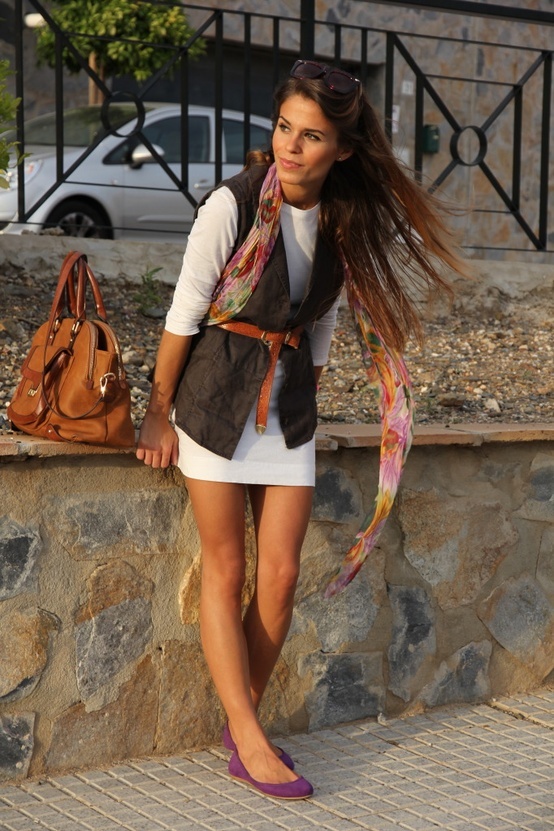
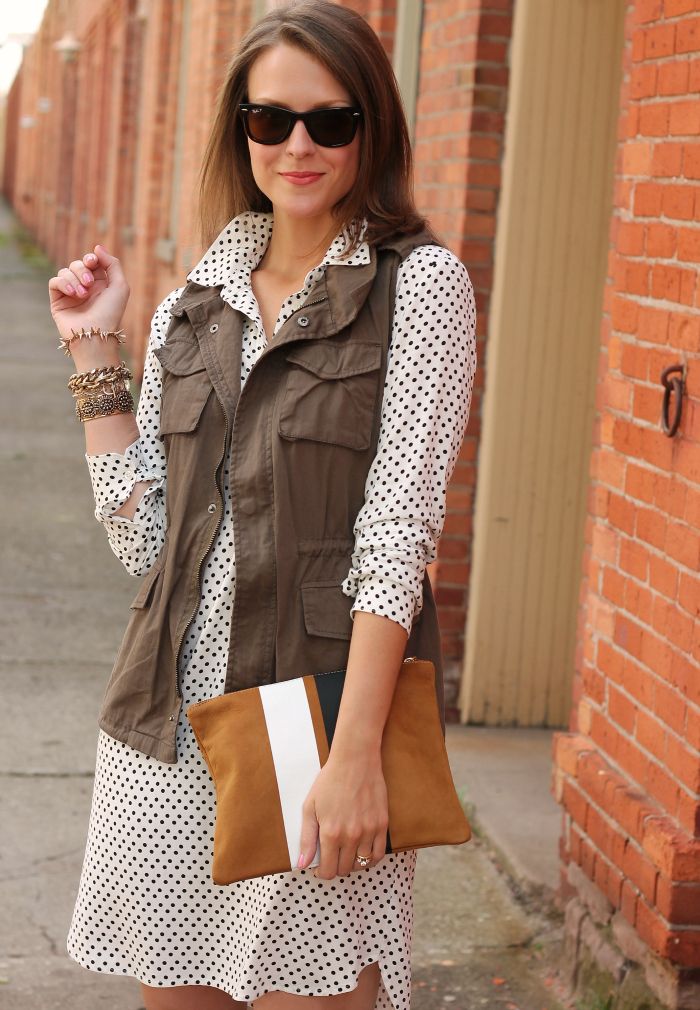
Dress plus fur or long vest: add opaque tights or boots, keep jewelry quiet, let the vest be the texture story. Jeans plus quilted vest: add a fitted tee or turtleneck, ankle boots, and one bag with structure. Skirt plus leather vest: blouse tucked, belt optional, boots or heels depending on how sharp you want the day. Shirt-dress plus sweater vest: roll sleeves, add a belt if the vest is short, leave it open if the vest is long.
Athleisure base plus puffer vest only works if sneakers are clean and the vest has a clear colour story—muddy gray everything reads like unfinished laundry. Work-adjacent days benefit from a knit vest over a collared shirt with tailored trousers; it warms without the bulk of a blazer in overcrowded meeting rooms.
Colour strategy stays simple. Neutrals—black, camel, cream, olive, gray, chocolate—earn the most wear across a season. One patterned or brightly dyed vest is enough for most closets. If the vest is loud, quiet the shoes and bag. If the vest is plain, a patterned scarf or bold boot can carry interest without cluttering the torso.
Layering under, over, and around
Under the vest, choose sleeves that can live without a coat: fine knits, button-downs, thin turtlenecks, lightweight hoodies only if the rest of the look stays edited. Bulky sweaters under bulky vests create a stiff cylinder that restricts movement and looks overfed in photos. Over the vest, a trench or wool coat can still work if the vest is slim; thick fur under a fitted coat usually will not zip or hang cleanly.
Think of the vest as either the outer layer for mild cold or the middle layer for deeper cold—not both in the same outfit without testing mobility. Raise your arms, sit in a car, reach for a subway pole. Fashion that fails those tests will not get worn.
Scarves love vest necklines. A thin scarf under an open vest frames the face; a thick infinity scarf can overwhelm a short fur piece. Hats and gloves finish outdoor looks without competing if you keep them tonal. Bags should clear the vest’s hem so you do not create a tangled horizontal bulk at the hip.
Care, buying rules, and when to skip a vest
Faux fur mats if crushed in crowded closets—hang it or store loosely with space. Quilted pieces dislike high dryer heat. Knit vests pill; use a fabric shaver sparingly and wash inside out. Check zippers, snaps, and lining tears before the season starts; a vest that gapes at the bust or rides up at the back will never look polished no matter what it cost.
Buy for the weather you actually have. A fashion fur vest for dry autumn evenings is different from a technical quilted vest for windy commutes. Own the one that matches your calendar. If you already have a great short coat and rarely need free arms, you may not need a vest at all—another layer for the sake of trend fatigue helps no one.
When shopping secondhand or sale racks, inspect underarms and collar edges for wear, and check that faux fur still has loft. Flattened pile rarely recovers fully. For leather looks, condition carefully and avoid hanging from thin straps that stretch the shoulders.
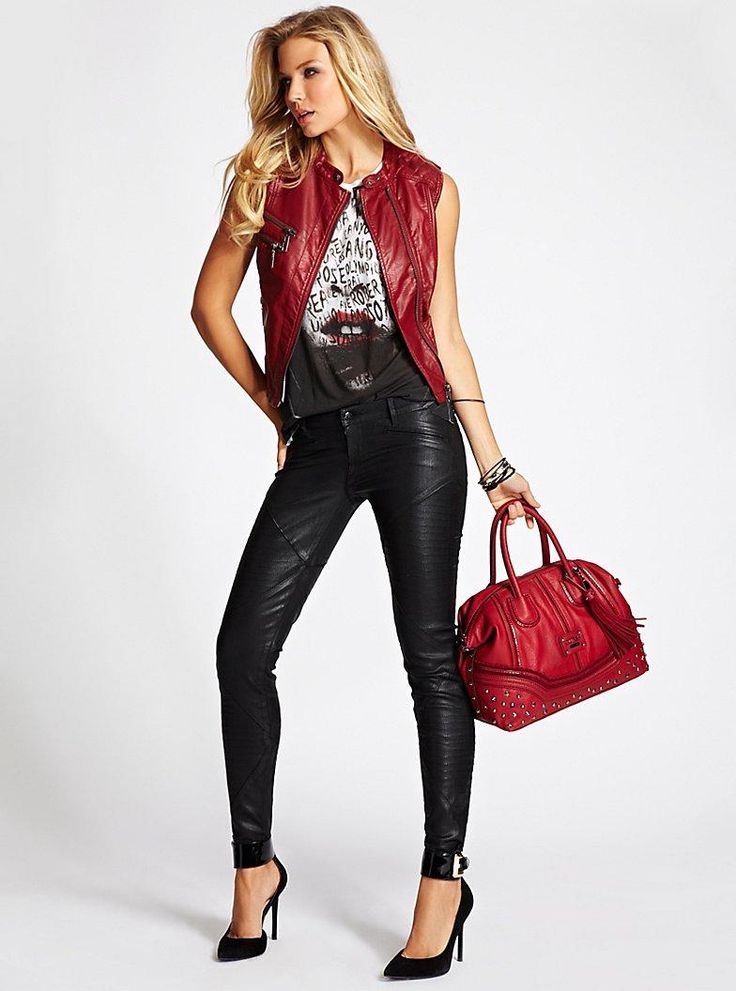
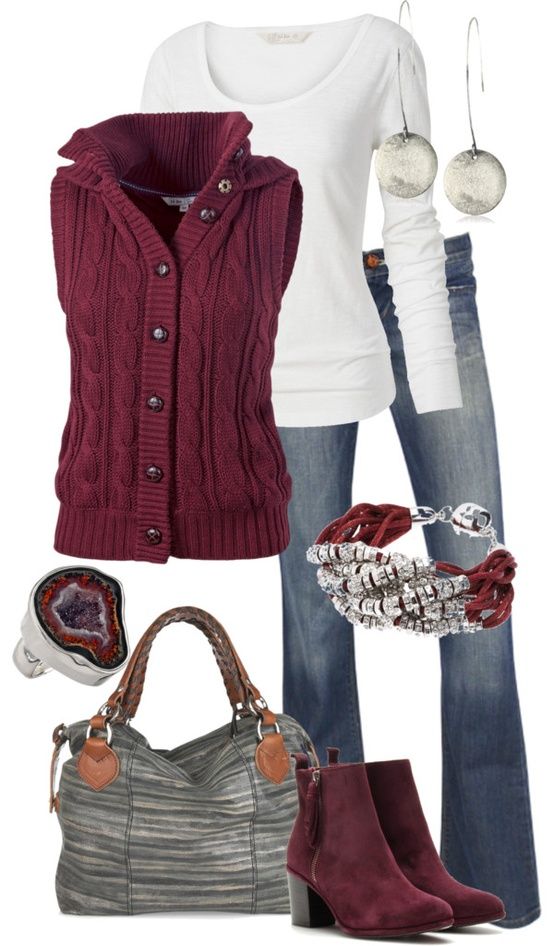
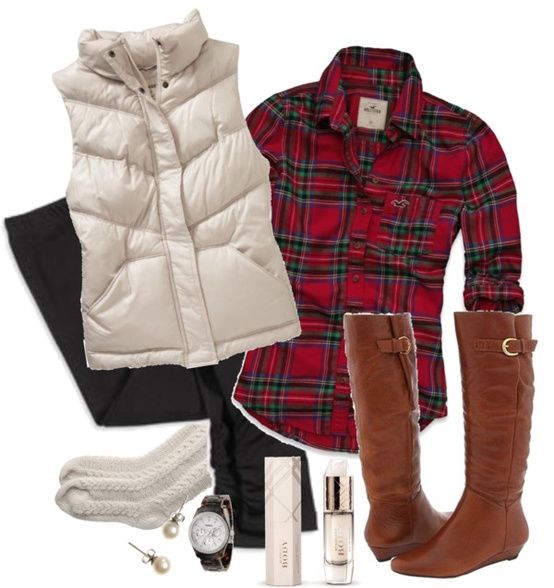
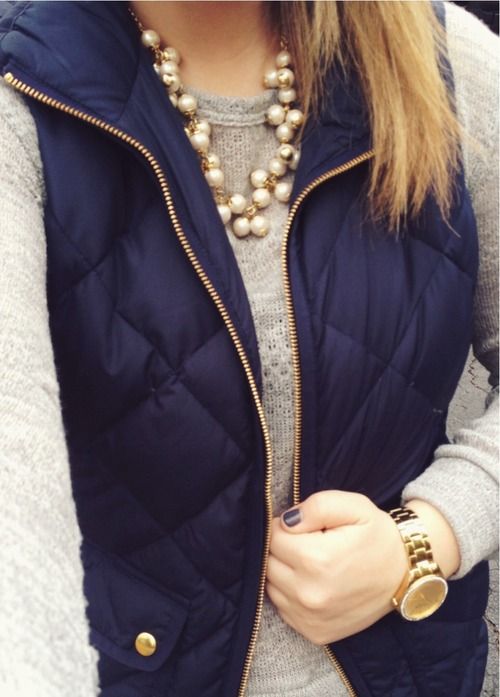
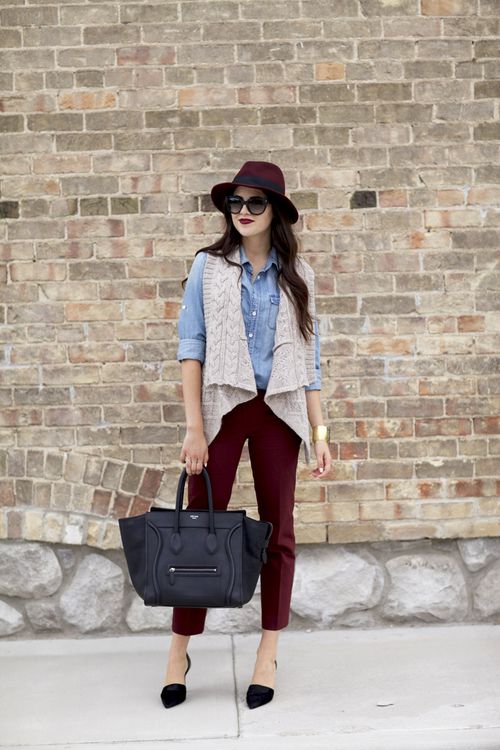
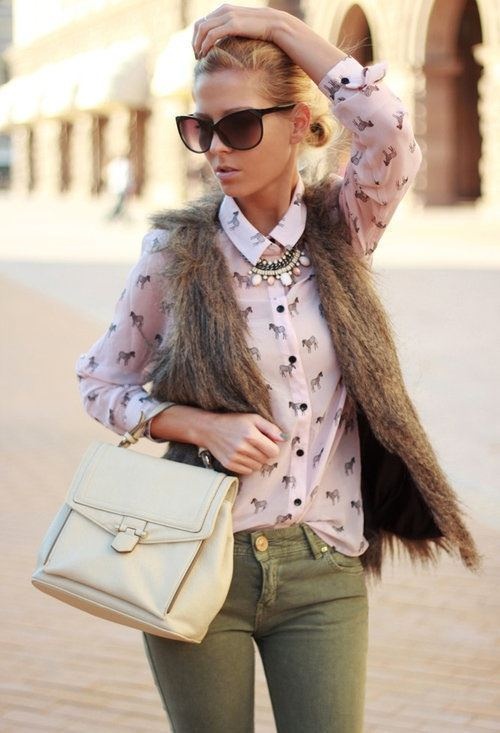
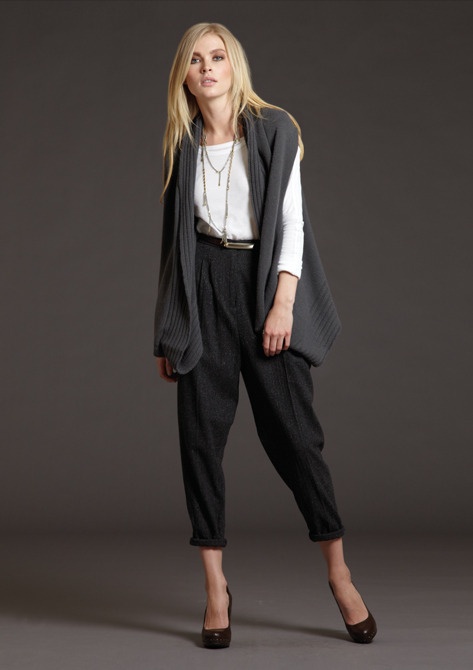
Build from the vest you already own that fits your shoulders, then borrow proportion ideas from the gallery—length against dress hems, puff against slim denim, fur against quiet boots. Warmth that still shows the outfit underneath is the entire assignment, and a well-chosen vest still solves it better than most coats on half-cold days.

Comments
Continue reading
Photo vs Illustrated Save-the-Dates: How to Choose a Format
A practical comparison of photographic and illustrated save-the-dates—when a portrait earns the stamp, when a drawing carries the date, and how to match format to venue, guests, and printing.

Escort-Card Displays That Aren’t a Table of Tiny Cards
Walls, branches, envelopes, mirrors, and numbered installations—how to stage escort cards so guests find their tables without a crowded lobby table.

Berry, Brick, and Brown Lipsticks That Still Read as Color
A guide to berry, brick, and brown lipsticks—undertones, finishes, and light—when classic fire-engine red is not the shade you want to wear.