
Bond Girls: Film, Fashion, and Period Style
From Wai Lin to Vesper Lynd—a period-aware look at Bond women’s costumes and screen presence across Brosnan and Craig-era films.
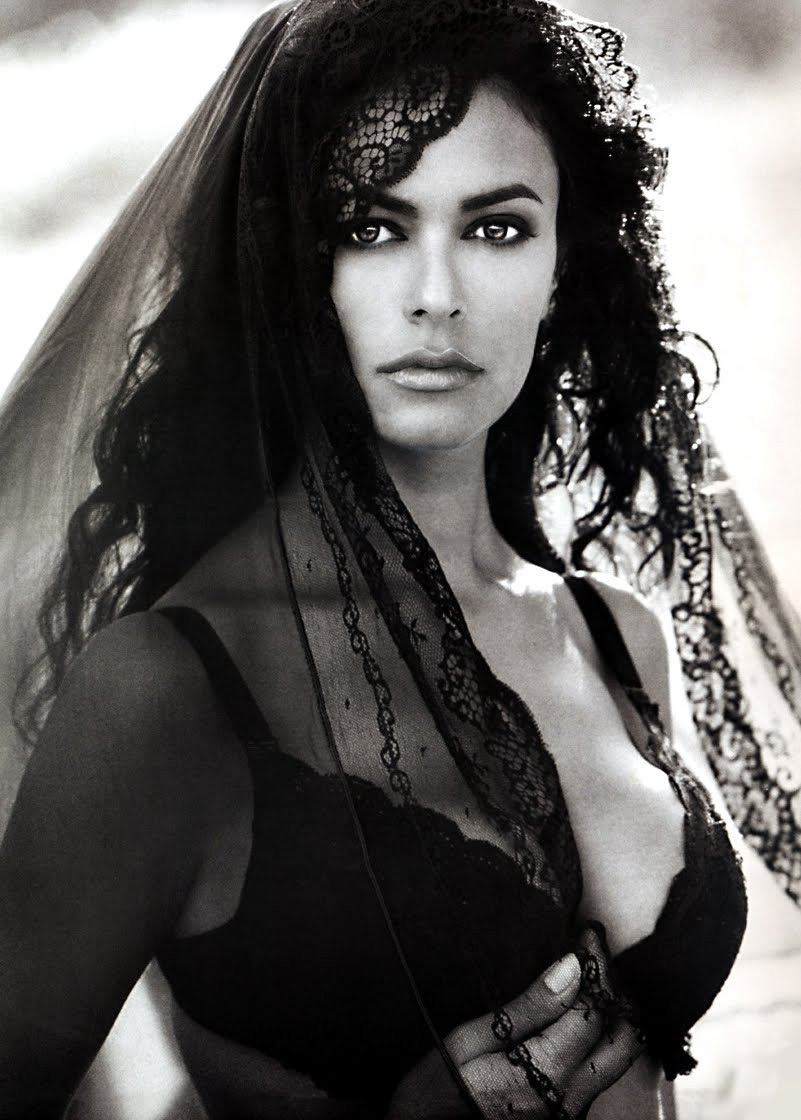
James Bond’s world sells gadgets and suits, but the franchise’s style memory often lives in the women opposite him—allies, rivals, scientists, and double agents whose costumes, hair, and bearing mark each film’s era as clearly as the title sequence. “Bond girl” is a studio-era label with baggage; as casting and writing shifted from the 1960s through the Craig years, many of these roles gained sharper motives and longer arcs. What follows is a period-aware look at standout characters from the modern and late-classic stretch of the series—fashion, performance, and how each woman reads on screen—not a ranking contest.
Maria Grazia Cucinotta as Giulietta da Vinci
In The World Is Not Enough (1999), Cucinotta’s cigar-girl cameo is brief and deliberately iconic: saturated color, Old Hollywood glamour lighting, and a silhouette that quotes mid-century Bond posters more than late-nineties street fashion. The look is costume as overture—an invitation into Pierce Brosnan’s glossy, advertising-bright Bond world before the plot’s oil politics take over.
Teri Hatcher as Paris Carver
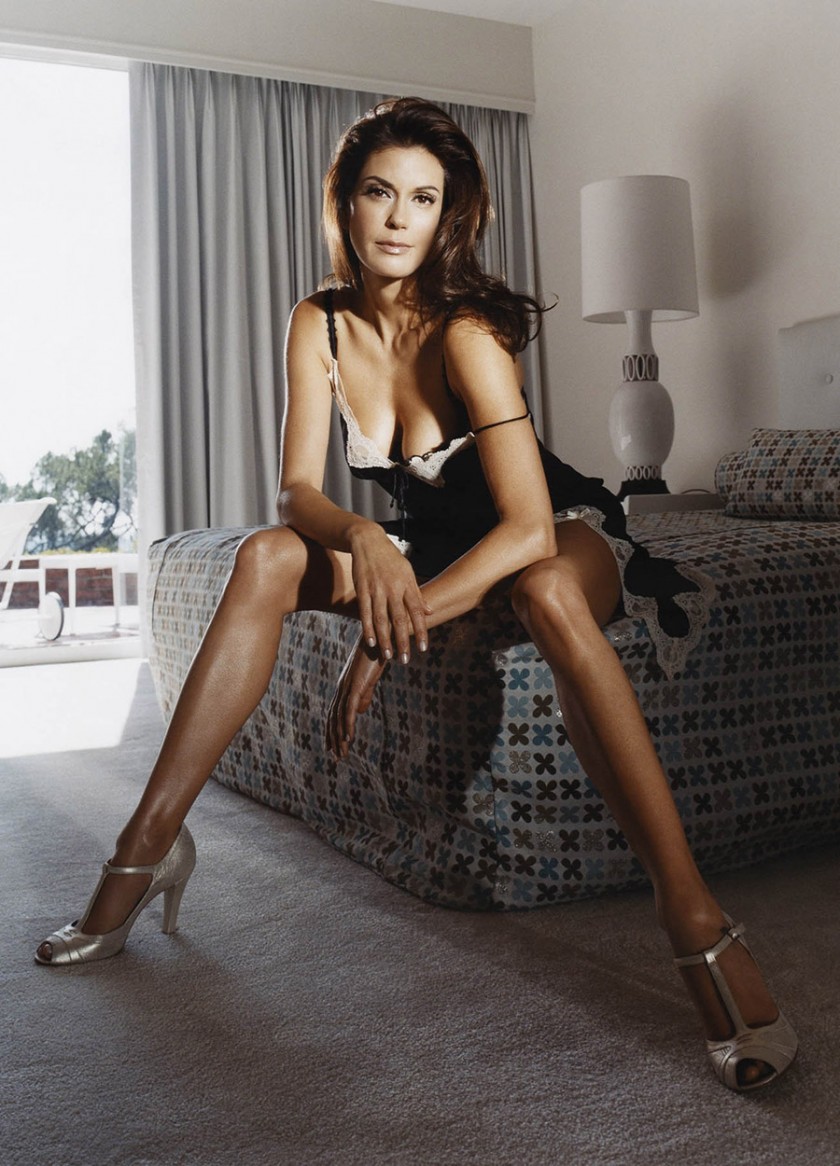
Paris Carver in Tomorrow Never Dies (1997) wears the wardrobe of media-adjacent wealth—sleek evening pieces, controlled blond polish, hotel-suite neutrals. Hatcher plays regret and danger in equal measure; the clothes stay composed while the character’s choices unravel. Nineties Bond fashion here is less tropical fantasy than glossy intrigue: silk, sharp cuts, and the visual language of press junkets and embassy parties.
Michelle Yeoh as Wai Lin

Wai Lin is one of the franchise’s clearest partner figures: a Chinese agent whose competence drives set pieces rather than decorating them. Yeoh’s physical authority—honed in Hong Kong action cinema—reshapes what “Bond girl” can mean in 1997. Costuming favors mobility: practical darks, jackets that survive chases, hair that stays out of the fight. Style follows function, and the film’s energy rises whenever she shares the frame as equal, not ornament.
Olga Kurylenko as Camille Montes

Quantum of Solace (2008) dresses Camille for dust, heat, and revenge more than casino sparkle. Earth tones, utilitarian layers, and windblown hair match a story that tries—unevenly—to treat her mission as parallel to Bond’s. Kurylenko’s performance keeps the character’s trauma readable without speechifying; the wardrobe refuses the tropical-vacation fantasy that older entries sometimes defaulted to.
Sophie Marceau as Elektra King
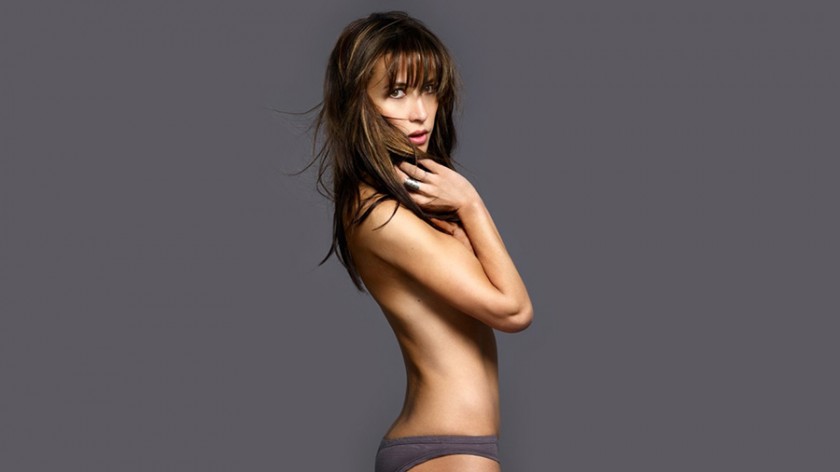
Elektra King is heir, client, and antagonist—a late-nineties update of the glamorous betrayer. Marceau’s costumes move from polished wealth (tailoring, pale luxury fabrics) into something more operatic as power hardens. The fashion arc mirrors the plot: elegance as camouflage. Brosnan-era production design loves reflective surfaces and ski-chalet light; Elektra belongs to that mirror world until the reflection breaks.
Denise Richards as Dr. Christmas Jones
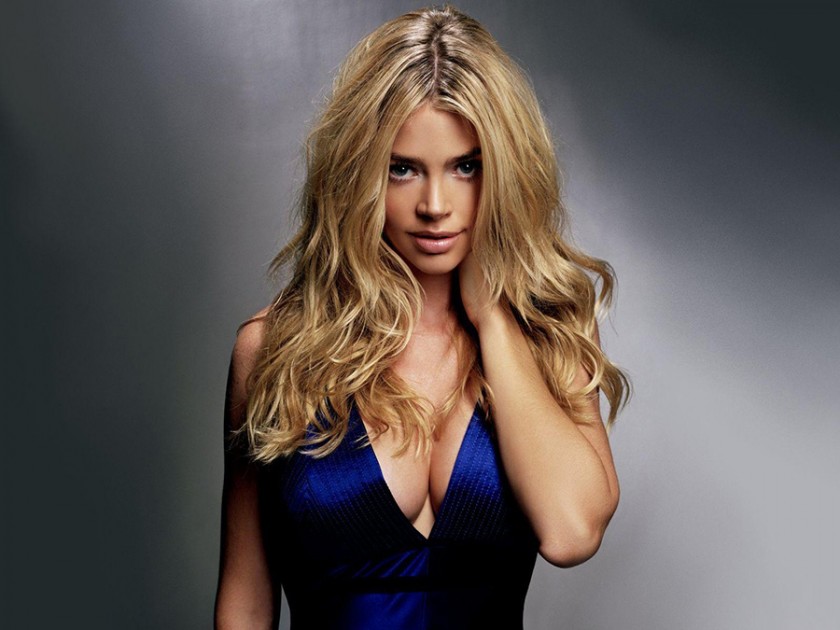
Nuclear scientist Christmas Jones arrives in The World Is Not Enough wearing the decade’s action-heroine shorthand—orange midriff, cargo attitude, name that winks at the audience. The look is pure late-nineties blockbuster branding: sporty, sunlit, knowingly unserious beside Elektra’s couture menace. Period awareness means admitting the costume is of its moment; fans still argue whether the joke helps or undercuts the role.
Famke Janssen as Xenia Onatopp

Xenia in GoldenEye (1995) is villainous appetite in a catsuit and cigarette exhale—post–Cold War Bond rediscovering pulp. Janssen’s physical comedy of menace (the crush, the laugh) makes the costume read as armor and joke at once. Mid-nineties leather and body-conscious cuts place her closer to comic-book adversary than to the evening-gown spies of earlier decades.
Bérénice Marlohe as Sévérine
In Skyfall (2012), Sévérine’s casino entrance—metallic gown, sculpted hair, wounded poise—revives classic Bond glamour inside Craig’s grittier continuity. Marlohe plays a character trapped by violence; the clothes signal high-stakes display while the performance signals captivity. Fashion here is period pastiche done knowingly: a silhouette that could hang beside sixties posters, photographed with twenty-first-century shadow.
Eva Green as Vesper Lynd

Vesper in Casino Royale (2006) resets the template. Green’s Treasury official wears architecture as much as fashion: charcoal suits, precise evening wear, the purple-tinged poker-dress legend. Dialogue matches the tailoring—dry, adult, sparring. The Craig reboot’s design team traded cartoon sensuality for controlled luxury; Vesper’s wardrobe is the thesis statement. Later entries keep chasing the emotional scale she set.
Gemma Arterton as Strawberry Fields

Quantum of Solace gives Fields a deliberately retro MI6-secretary look—soft waves, period-leaning dress—then twists the homage toward tragedy. Arterton’s brief arc is costume history as storytelling: the franchise quoting its own past, then showing the cost. In a gallery of Bond women, she represents how style references can deepen tone rather than only decorate it.
Cecilie Thomsen as Prof. Inga Bergstrøm
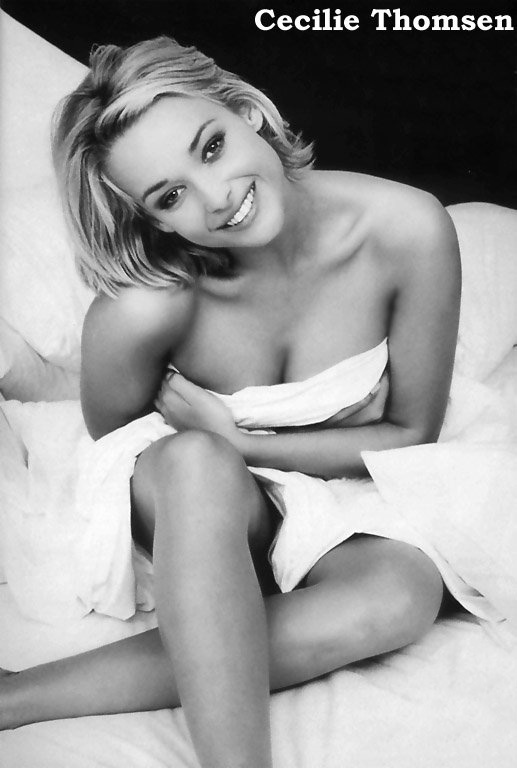
The Oxford lecture-hall beat in Tomorrow Never Dies is almost a palate cleanser: academic knitwear, Scandinavian cool, daylight instead of casino tungsten. Thomsen’s Inga is a reminder that Brosnan-era Bond still made room for short, witty encounters styled like European magazine editorials rather than action posters.
Halle Berry as Giacinta “Jinx” Johnson
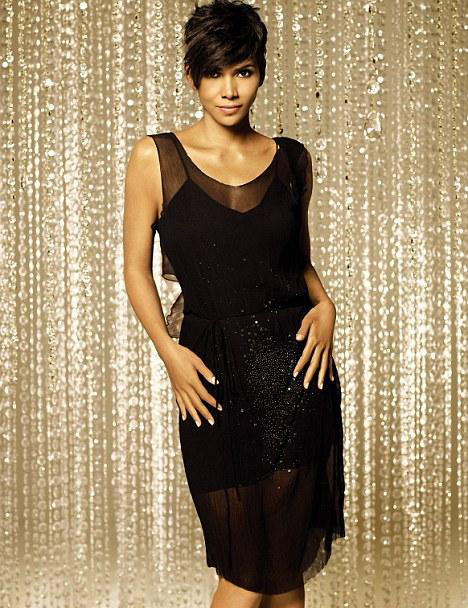
Jinx in Die Another Day (2002) arrives from the sea in an orange bikini that openly quotes Ursula Andress—franchise fashion talking to itself across forty years. Berry’s NSA agent is written as capable and quip-ready; the homage costume made the cover stories. Early-2000s Bond loved CGI ice palaces and exaggerated villains; Jinx’s look is the human-scale poster image that cut through the noise.
Rosamund Pike as Miranda Frost
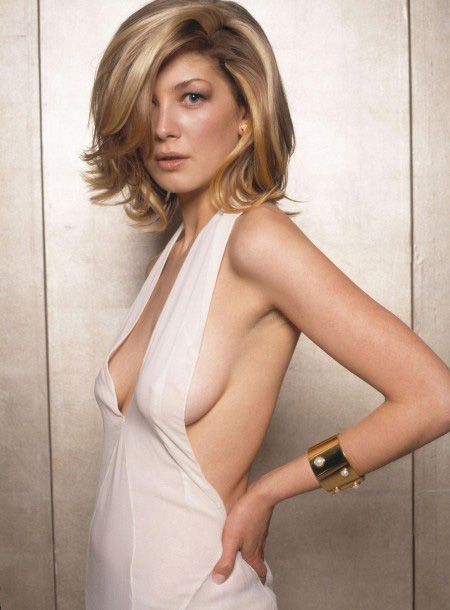
Olympic fencing, ice-blond severity, and Olympic-village whites give Miranda Frost a sport-couture severity in the same film. Pike plays double allegiances with clipped precision; the wardrobe’s clean lines support a character who weaponizes composure. Beside Jinx’s warm palette, Frost is the cold mirror—another early-2000s study in contrast dressing.
Caterina Murino as Solange Dimitrios

Solange in Casino Royale wears Bahamas light—thin fabrics, resort ease, a doomed softness against Bond’s harder reboot. Murino’s scenes are short; the costume still matters because Craig-era Bond uses her as the first visible cost of his choices. Fashion here is climate and class: moneyed leisure on the edge of the spy plot.
Across these roles, Bond fashion tracks decades of cinema: nineties gloss, early-2000s homage maximalism, Craig-era tailored gravity. Hair, fabric weight, and posture do as much storytelling as gadgets. Watch any of these films for the chase if you like—but watch the wardrobe changes when loyalty shifts. The clothes usually know the ending first.

Comments
Continue reading

Photo vs Illustrated Save-the-Dates: How to Choose a Format
A practical comparison of photographic and illustrated save-the-dates—when a portrait earns the stamp, when a drawing carries the date, and how to match format to venue, guests, and printing.
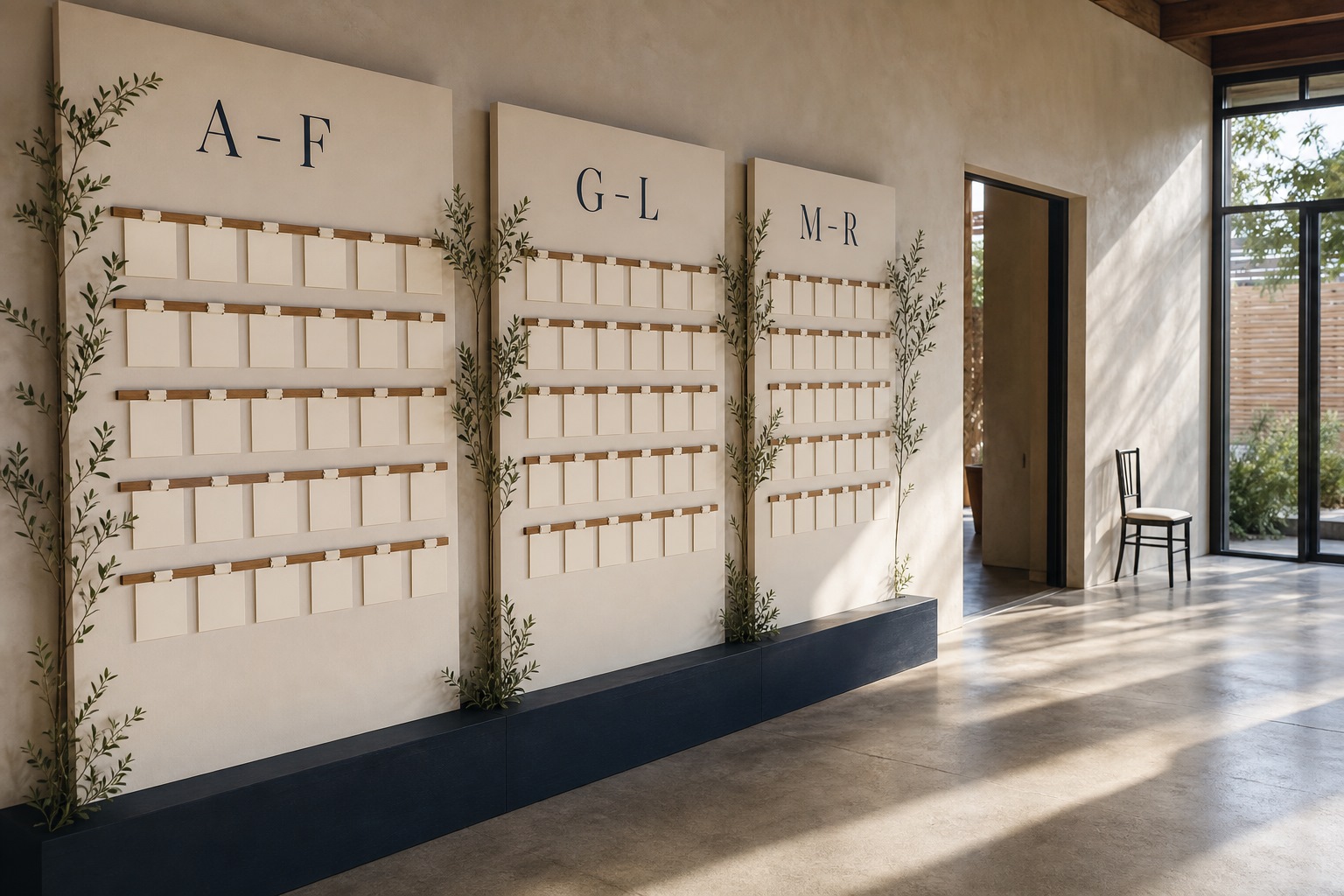
Escort-Card Displays That Aren’t a Table of Tiny Cards
Walls, branches, envelopes, mirrors, and numbered installations—how to stage escort cards so guests find their tables without a crowded lobby table.

Berry, Brick, and Brown Lipsticks That Still Read as Color
A guide to berry, brick, and brown lipsticks—undertones, finishes, and light—when classic fire-engine red is not the shade you want to wear.