
How to Choose Bridesmaid Dresses Without the Stress
A practical guide to bridesmaid dresses: budget early, coordinate with the gown, fit different bodies, and plan color, season, and alterations together.
Once the wedding dress is chosen, bridesmaid dresses become the next visual decision that frames the day in photos and in person. The bridal party does not need to match the bride stitch for stitch, but the dresses should feel intentional beside the gown, the venue, and the season. Shopping goes smoother when you treat it as a shared project with clear budget, timeline, and fit goals—not a last-minute scramble.
Whether the party is two people or twelve, the same practical questions apply: what can everyone afford, what flatters different bodies, what color works in the light of your venue, and what will people actually wear for hours of standing, dancing, and weather?
Start with research, then set rules
Before anyone enters a fitting room, gather inspiration. Save images that show length, neckline families, fabric weight, and color direction. Magazines, lookbooks, and mood boards help—so does walking through a few stores empty-handed to feel fabrics. Bring the bridal party into this early enough that feedback is useful, not defensive.
Then set rules so shopping does not sprawl. Agree on a color family or exact swatch, a length range, a fabric category (chiffon, crepe, satin), and a budget ceiling. If you want mismatched styles, say so explicitly and define what must stay constant—color and formality—so the group still reads as one party in photos.
Talk about money early and kindly
In many weddings, bridesmaids buy their own dresses, shoes, and alterations. Do not assume everyone knows that. State the expected cost range in the first planning message. If the wedding would strain someone financially, choose a lower price band or offer to contribute—quietly, without making anyone perform gratitude in the group chat.
Affordable does not have to mean dull. Look for clean lines, good fabric drape, and colors that photograph well rather than heavy embellishment that inflates price. Factor alterations into the budget; a $100 dress that needs $80 of tailoring is not a bargain. Order with enough lead time for shipping delays and a second round of hemming.
Coordinate with the wedding dress, do not compete
The bride remains the focal point. If the wedding gown is heavily beaded, lace-covered, or dramatic in silhouette, bridesmaid dresses usually work better when they are simpler—solid color, quieter neckline, less sparkle. If the gown is minimal, the party can carry a bit more texture or a soft print without stealing focus.
Compare fabric swatches in daylight next to a sample of the gown fabric if you can. Matching “ivory-ish” from memory fails often under ceremony lights. Necklines do not need to match the bride’s, but wildly conflicting eras—ultra-modern gown with overly costume party dresses, or reverse—can feel disjointed. Aim for the same formality level as the invitation and venue.
Color, skin tone, and real lighting
Trending colors like blush, champagne, and sage look beautiful on some people and washing on others. Test swatches against wrists and faces in the light that matters: outdoor noon, golden hour, or the dim indoor reception you actually booked. One color in a fabric that suits everyone beats a trendy shade that forces half the party into heavy makeup adjustments.
If one person strongly dislikes how a color sits on them, listen. Alternatives within the same family—slightly deeper, slightly cooler—often solve it without redesigning the wedding. Spray tans and corrective makeup are optional personal choices, not obligations you should assign as the fix for a poor color pick.
Body variety and style flexibility
Bridal parties rarely share one body type. A-line skirts flatter many shapes and remain a safe shared silhouette. Wrap styles, empire waists, and soft bias cuts also help when sizes and proportions differ. Strapless looks can be lovely and also stressful for all-day wear; consider straps, sleeves, or jackets for people who want more coverage or support.
A popular approach is one color, multiple silhouettes. Let each person choose a neckline and skirt shape within your rules. Give examples of what is in and out of bounds so results do not range from mini club dress to ballgown. Schedule a group try-on or video call with samples when geography allows; photos of hangers lie about fit.
Include mobility. People will sit, hug, lift children, and dance. Test sitting in the sample. Check whether the fabric clings when warm. Confirm shoe height early so hems are not altered twice.
Season, venue, and comfort
Weather should shape fabric and cover-ups more than rigid “long for winter, short for summer” rules. Short dresses in cold months work with wraps, capes, or tailored jackets. Long dresses in heat work in light chiffon or airy crepe with breathable lining. Heavy satin in August outdoors can make for unhappy photos by hour two.
Outdoor ceremonies add wind and uneven ground—secure hairstyles and hem lengths matter. Beach weddings may call for shorter hems or fabrics that shed sand. Ballrooms forgive longer trains on the party less than you think; floors catch and tear. Ask the venue about temperature control; “indoor” is not always comfortable.
Sizing, ordering, and alterations
Size charts differ by brand. Measure bust, waist, and hips with a soft tape over similar undergarments to what will be worn on the day. When between sizes, many people size for the largest measurement and take the rest in—better than dresses that will not zip. Order all dresses from a plan that can fulfill the same dye lot when possible so colors match.
Build a timeline: order date, delivery window, first fitting, final fitting, and wedding date with buffer. Appoint one organized person—often the maid of honor—to track shipments. Keep tags and return windows in mind for online orders, but assume alterations are final.
Include the party in decisions that affect them
You will not wear these dresses for eight hours. The people who will should help choose. Offer two or three vetted options rather than an infinite scroll. Respect religious or cultural dress needs without making them a public debate. If someone is pregnant or recovering from surgery, plan flexibility in silhouette and order timing.
Shoes, jewelry, and hair can unify mismatched dresses. Decide how much freedom exists there so the aisle still looks coherent. A shared nail color or similar earring metal is a small glue that photographs well.
Before you place the order
- Budget and who pays, stated clearly
- Color and fabric checked in real light beside the gown
- Silhouette rules that fit every body in the party
- Season and venue comfort accounted for
- Measurements taken, timeline with alteration buffer set
- Party members have said yes—not only smiled politely
When the dresses arrive and the fittings begin, keep the tone practical. A bridal party that feels heard will stand beside you more happily than one that was styled like identical props. Choose dresses people can move in, afford, and recognize themselves in—then let the wedding day do the rest.

Comments
Continue reading
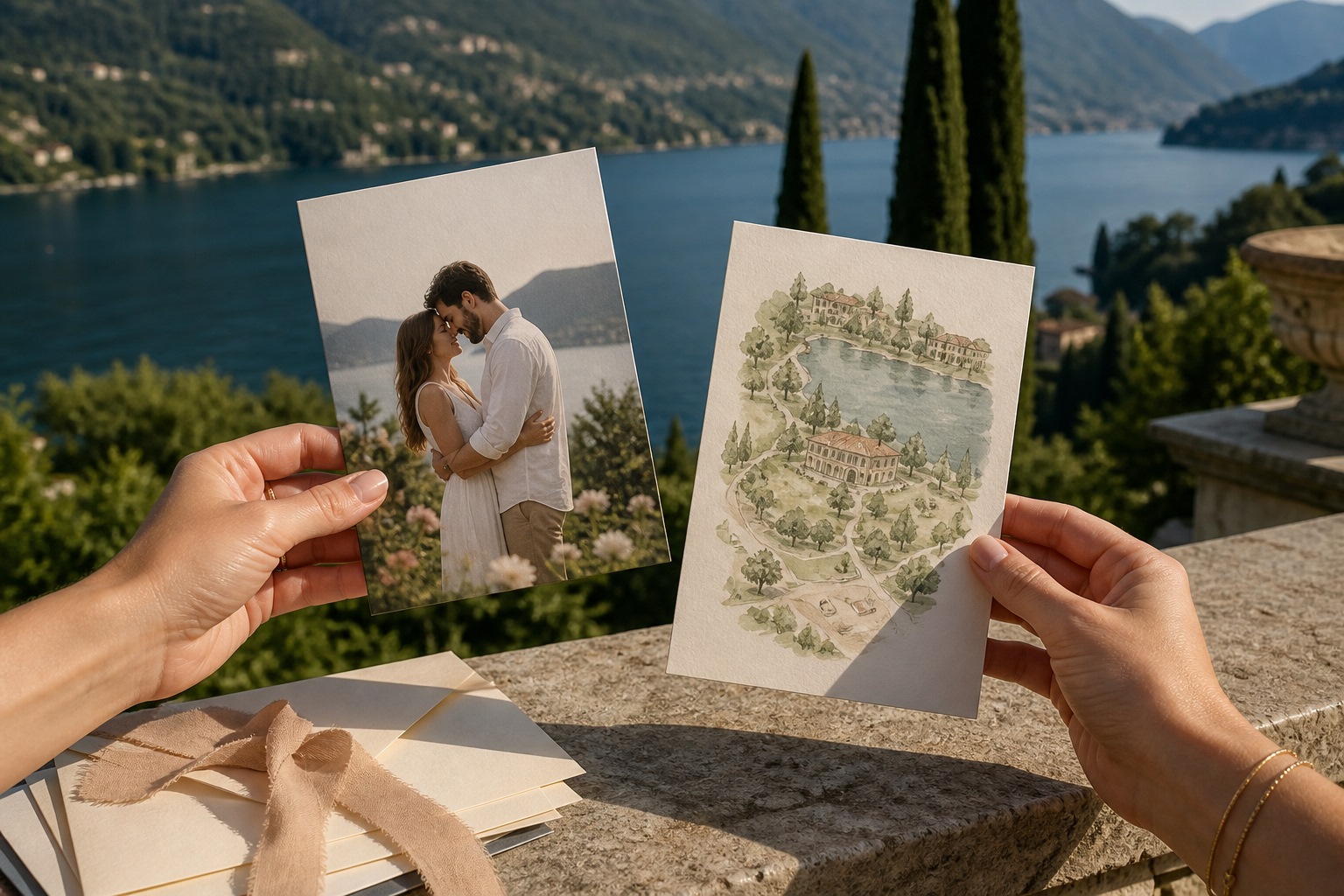
Photo vs Illustrated Save-the-Dates: How to Choose a Format
A practical comparison of photographic and illustrated save-the-dates—when a portrait earns the stamp, when a drawing carries the date, and how to match format to venue, guests, and printing.
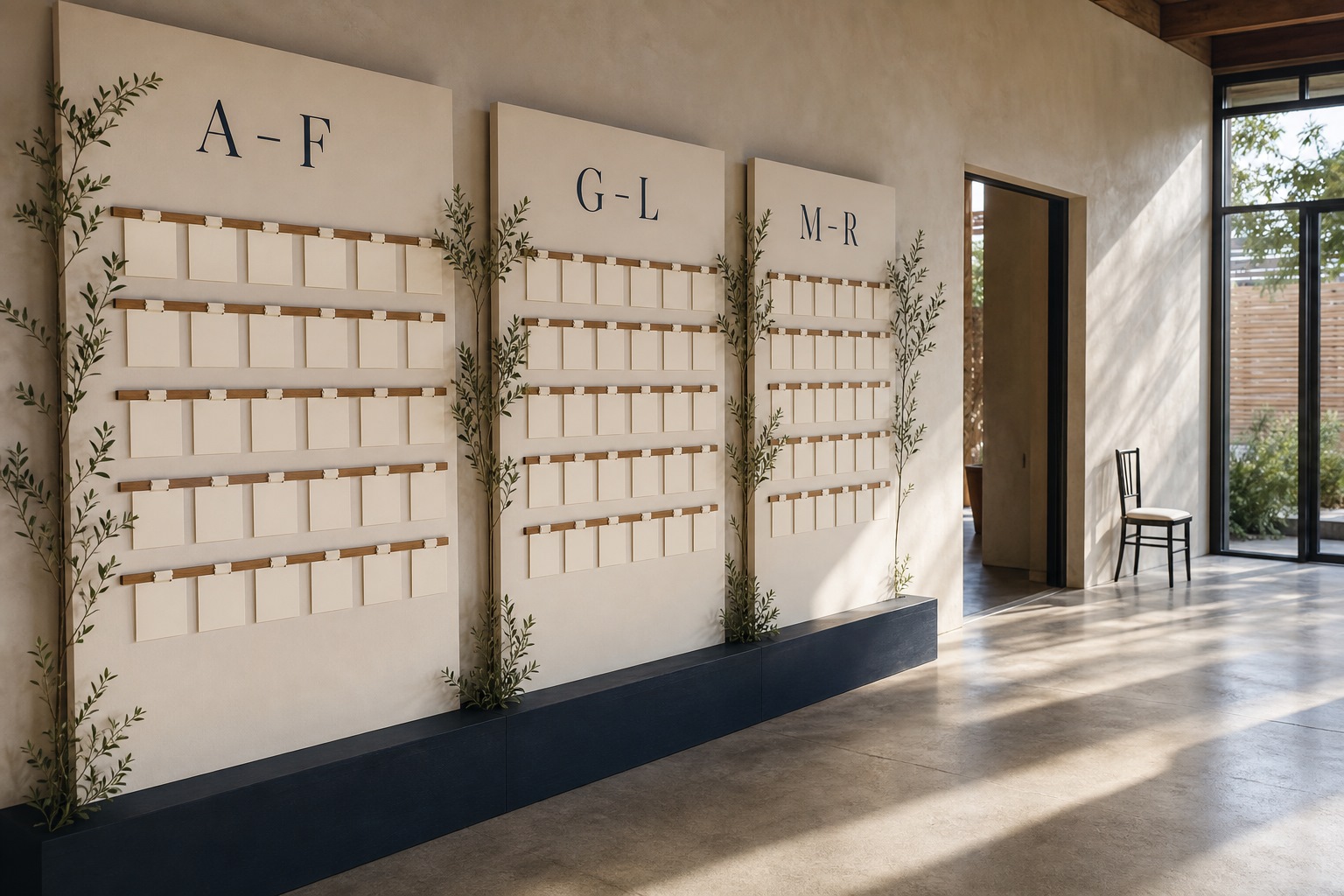
Escort-Card Displays That Aren’t a Table of Tiny Cards
Walls, branches, envelopes, mirrors, and numbered installations—how to stage escort cards so guests find their tables without a crowded lobby table.

Berry, Brick, and Brown Lipsticks That Still Read as Color
A guide to berry, brick, and brown lipsticks—undertones, finishes, and light—when classic fire-engine red is not the shade you want to wear.