
Travel Wish List: Sweden’s Cities and Nordic Nature
Stockholm islands, Gothenburg’s west coast, Kalmar, Malmö, and archipelago light—a Nordic wish list of cities plus nature.
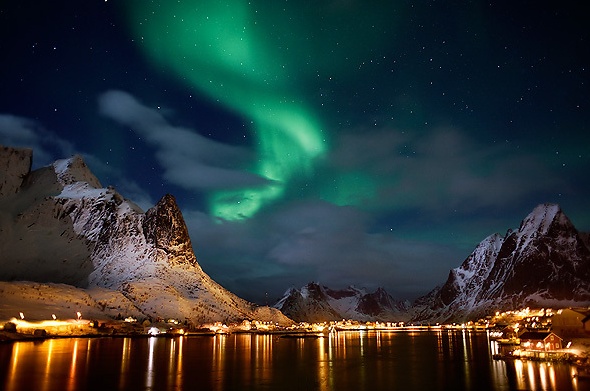
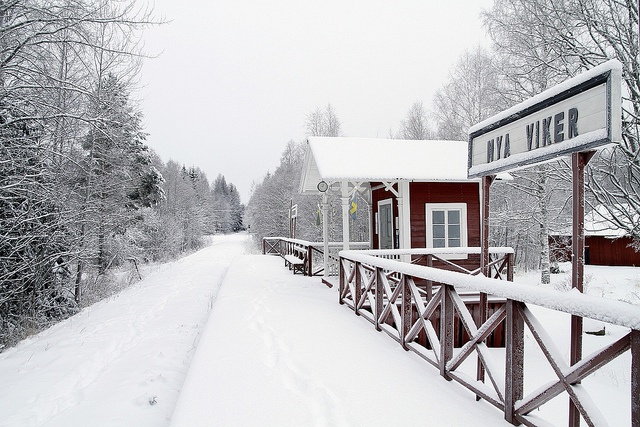
Sweden sits high on many travel wish lists for a reason that is easy to feel and harder to summarize: Nordic cities that run on design and water, then nature that begins almost as soon as the suburbs thin. Stockholm’s islands and alleys, Gothenburg’s west-coast ease, Malmö’s modern skyline, and quieter places from Kalmar to Luleå offer different temperatures of the same country—long summer light, winter candle-glow, and landscapes that range from archipelago smooth to forest deep. The country refuses a false choice between urban trip and outdoor trip; both live in the same week if you plan with a little air between them.
Once you start traveling, stopping becomes difficult; Sweden rewards the habit by giving you both urban days and outdoor resets. The pages below treat the country as a dual register: capitals and coastal towns first, then water, woods, and northern light. Keep the midnight sun and winter darkness in mind as mood setters, not as gimmicks—light is part of Swedish place the way wind is part of Mykonos or mist is part of a fjord.
Stockholm: alleys, cliffs, and island logic
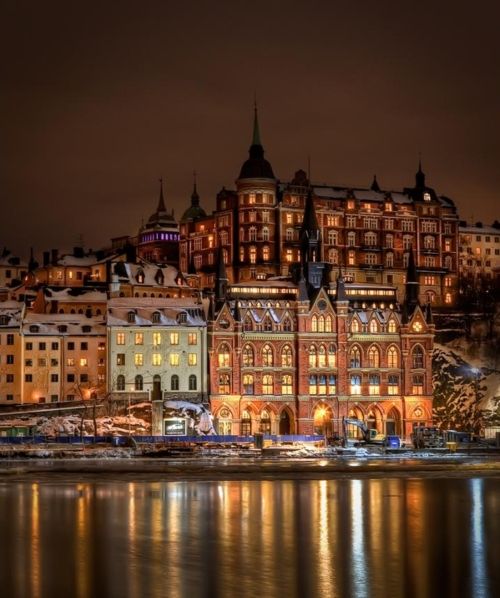
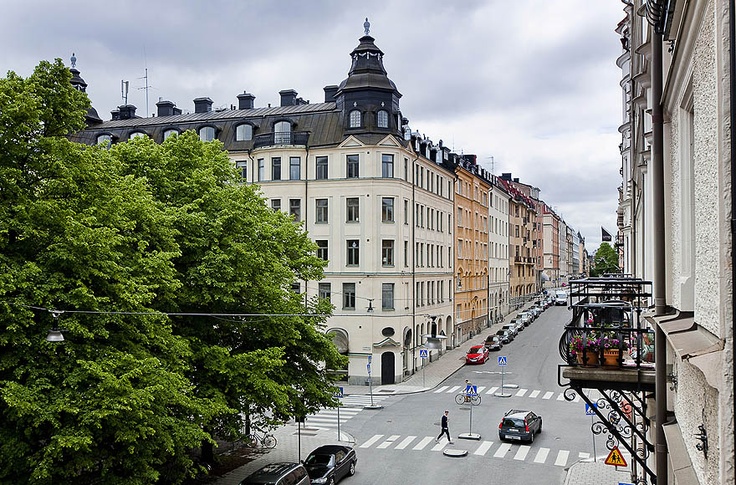
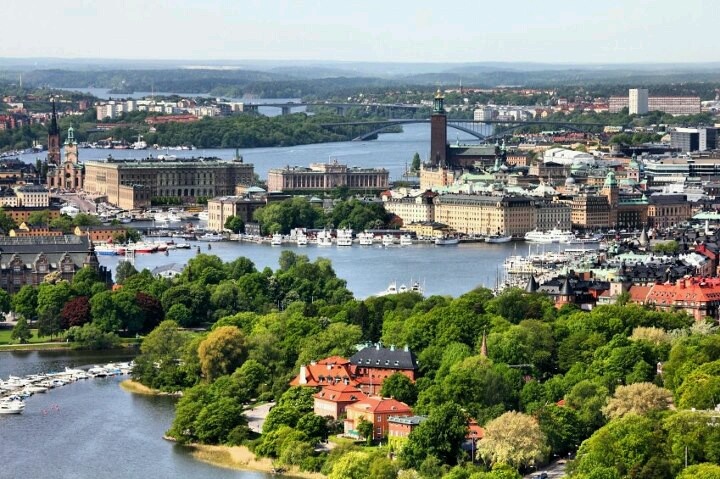
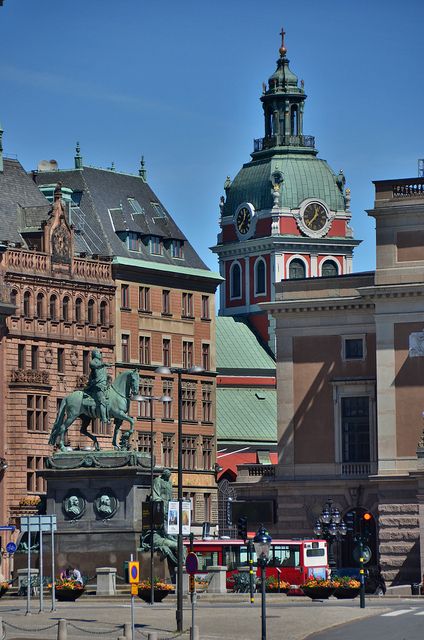
Stockholm is a city of water and bridges, best understood on foot and by ferry. Gamla Stan, the old town, concentrates ochre facades, narrow lanes, and tourist density—go early if you want the cobbles without the crush, and return at night if you want lantern glow without midday tour groups. Nearby Mariaklippan and other elevated viewpoints remind you that the capital has topography as well as waterfronts; climb for perspective, then descend into neighborhoods that feel more everyday. The city’s island logic means a short boat ride can reset your sense of where “downtown” ends.
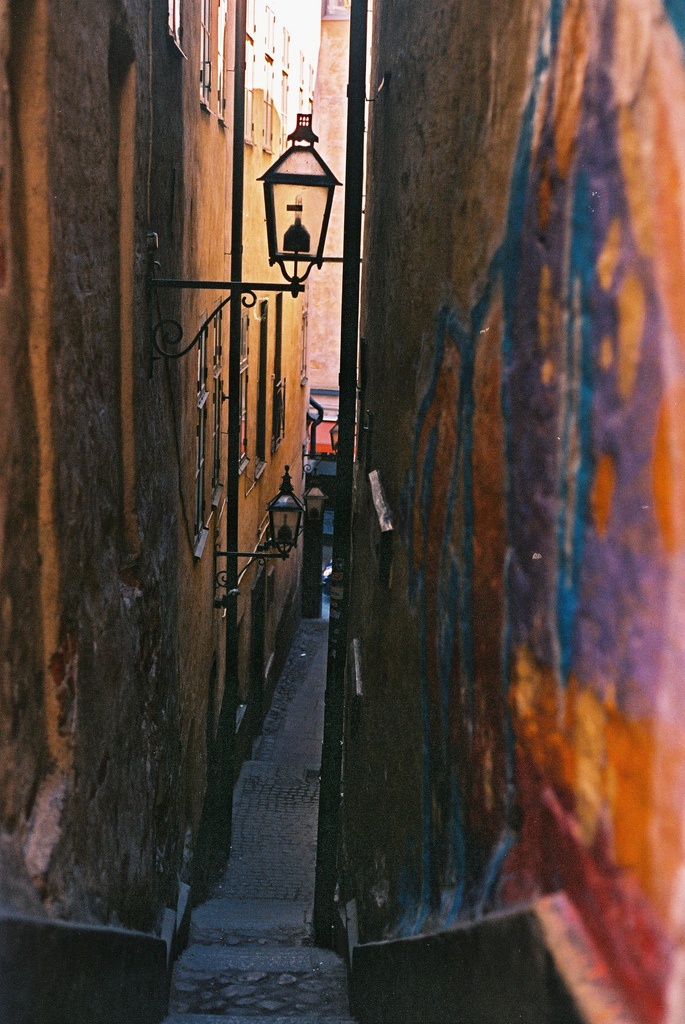
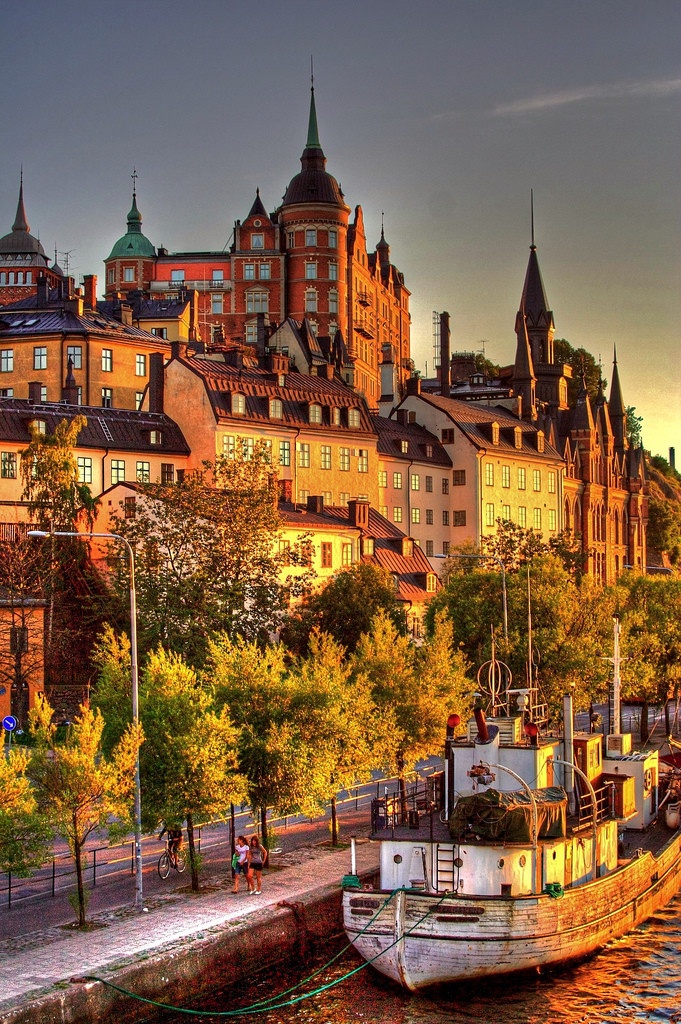
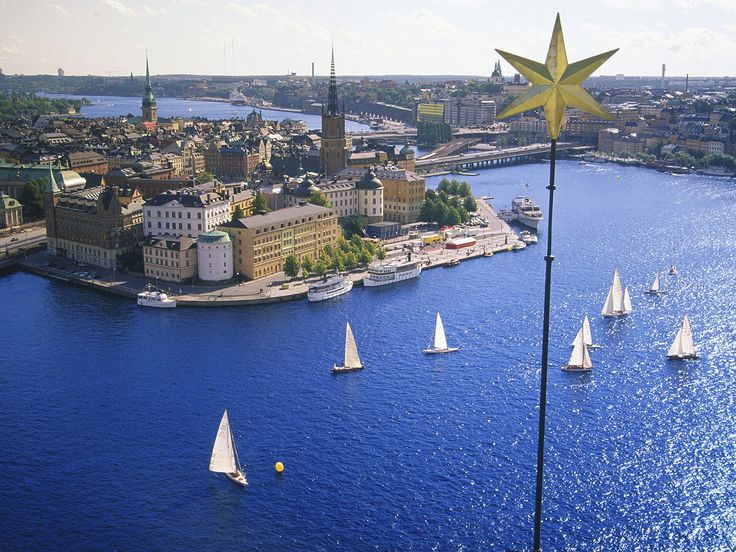
Södermalm brings a different Stockholm: cafés, design shops, and residential streets with views across the water. The alleyway with a lamp that appears in so many photographs is not a single secret corner so much as a type—Stockholm loves night lighting, soft stone, and the feeling that a lane might lead to a courtyard or a sudden vista. Give yourself unstructured hours. The city rewards wandering more than tight itineraries. Museums and parks can fill days, but so can sitting with coffee while boats pass and the sky stays bright late into a June evening.
Uppsala, Kalmar, Karlskrona: history outside the capital
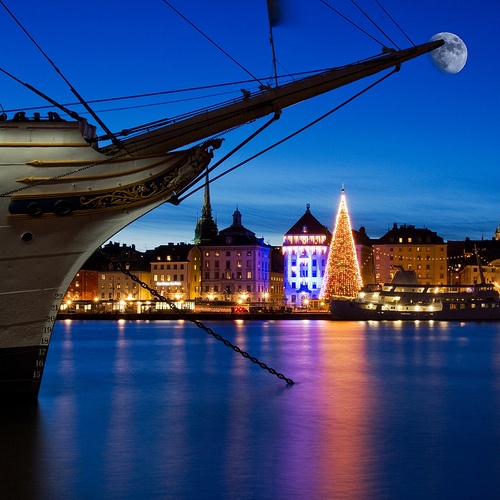
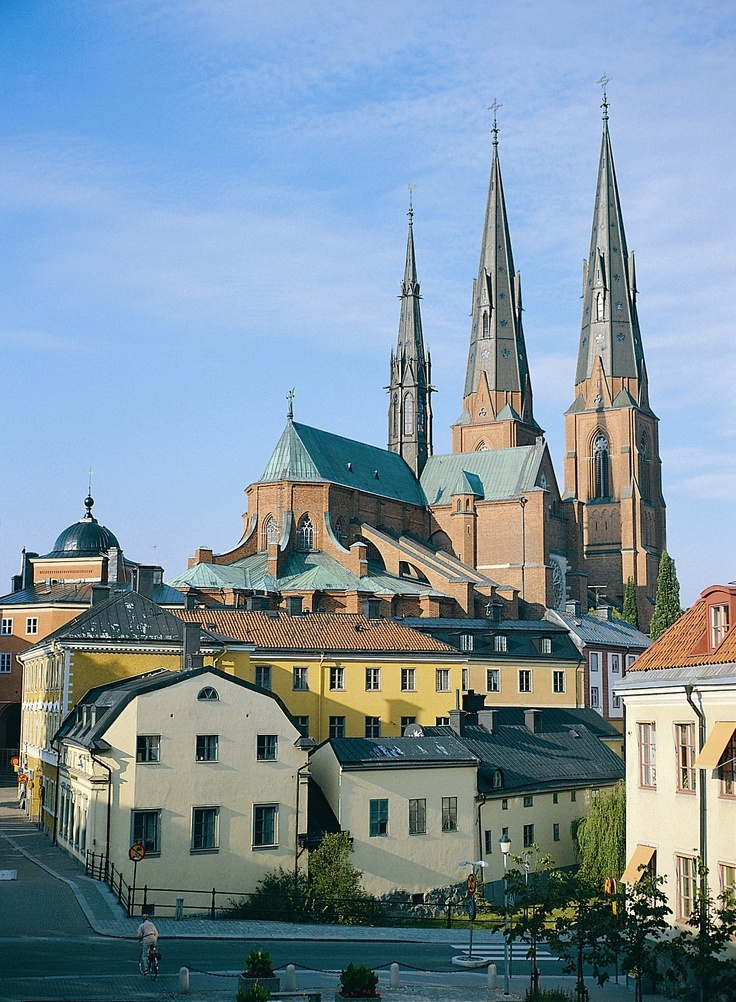
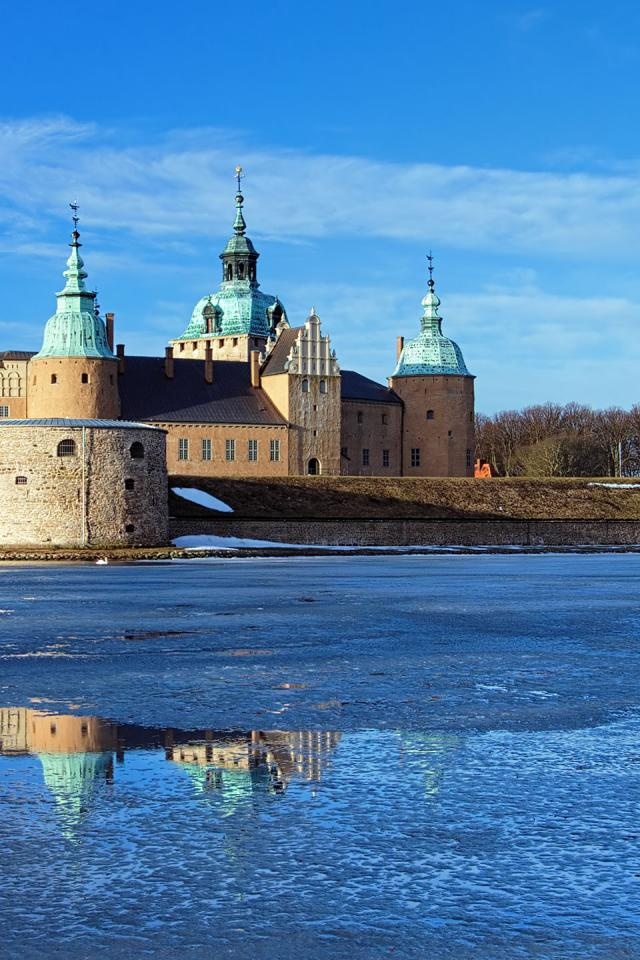
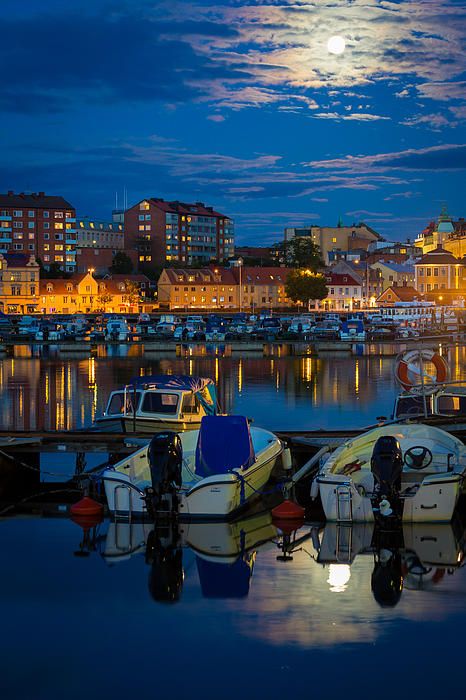
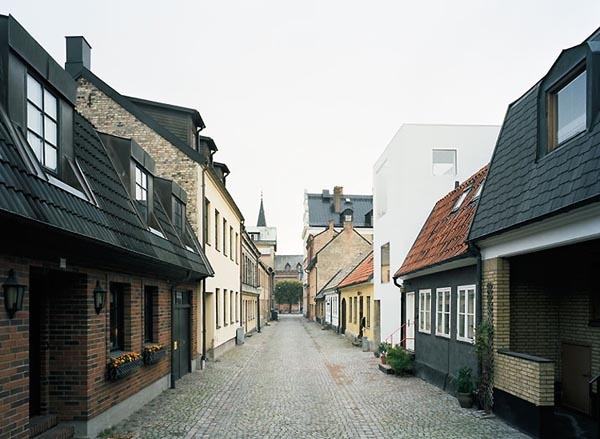
Uppsala offers university-town calm, cathedral mass, and a pace that contrasts with Stockholm’s density. It is a good second-city day if you want Swedish life without the capital’s full intensity—bookshops, riverside walks, and a sense of scholarship in the air. Farther south and east, Kalmar Castle rises as a stone reminder of Baltic power struggles; the town around it is walkable and photogenic in a quieter register. Karlskrona, with its naval heritage and archipelago setting, adds moonrise drama over water—another face of Sweden’s relationship with the Baltic Sea.
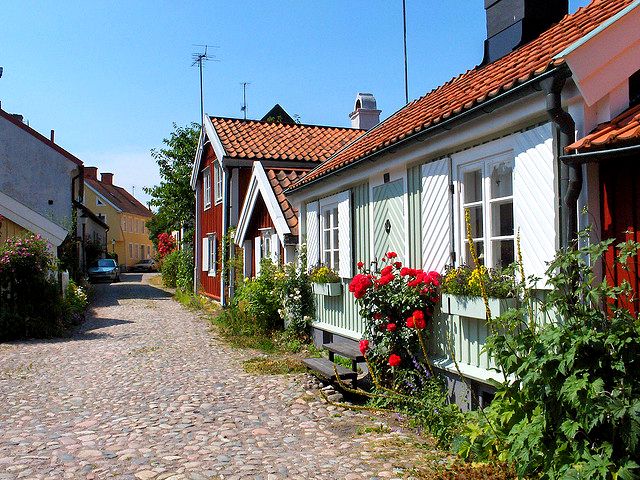
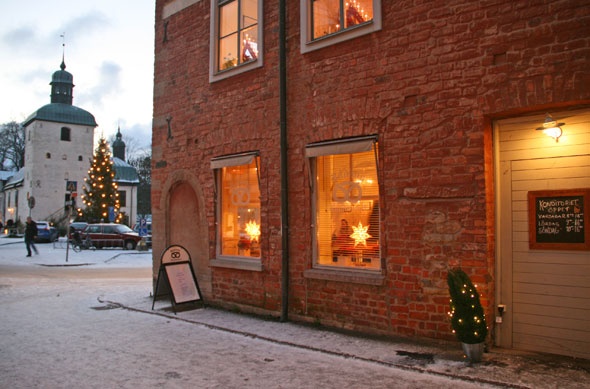
Vadstena, inland and lakeside, is the kind of place that appears on a wish list because of a bakery window or a quiet street rather than a famous skyline. Small-town Sweden is part of the country’s texture: pastel houses, bicycles, and cafés where fika—coffee and something sweet—is not a trend but a daily practice. Stopping for a kanelbulle is not wasting time; it is matching local tempo. Gudrun Sjödén’s colorful design presence in Swedish retail culture is another soft clue to national taste: bold color against Nordic light, comfort with pattern, an eye for everyday textiles.
Gothenburg and the west: harbor, parks, winter markets
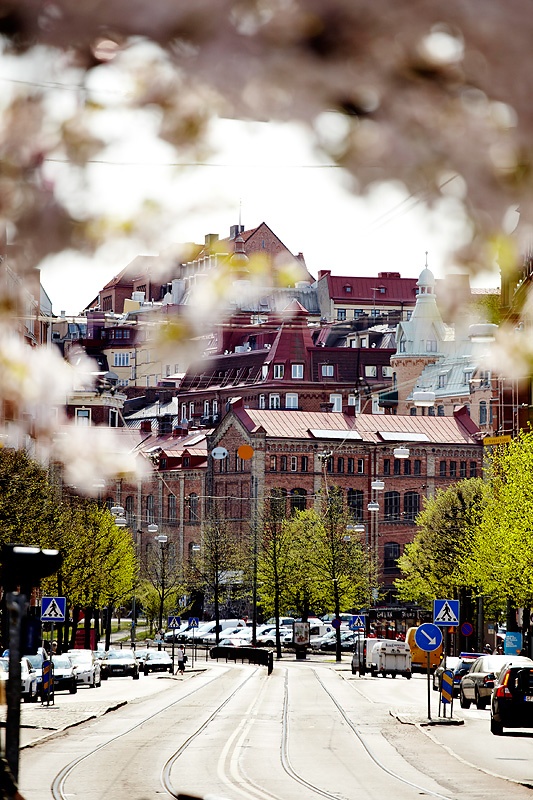
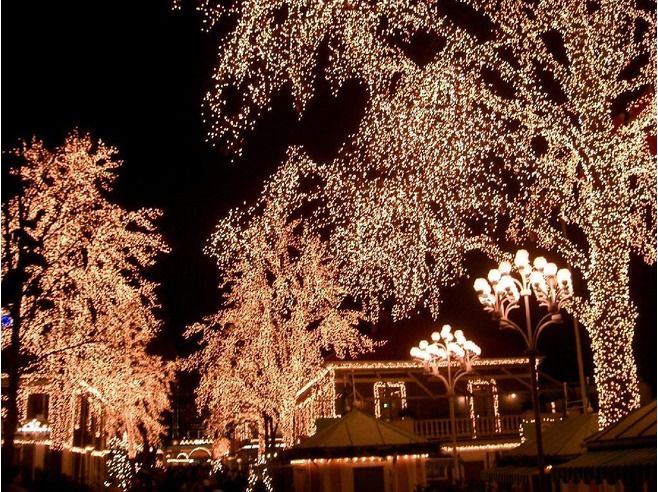
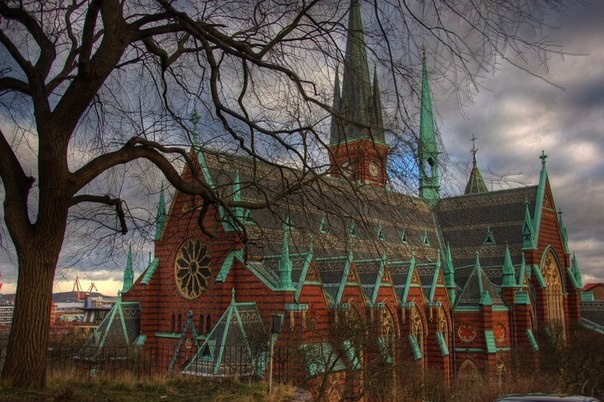
Gothenburg faces the west coast with a friendlier, slightly rain-softened personality. Parks, canals, and a food scene that punches above its size make it a strong counterweight to Stockholm. In winter, Liseberg’s Christmas market turns the amusement park into a glow of lights and mulled-drink warmth—seasonal Sweden at its most public and festive. Even without the holiday layer, Gothenburg works as a base for coastal day trips and urban wandering. Trams help; walking helps more when the weather allows.
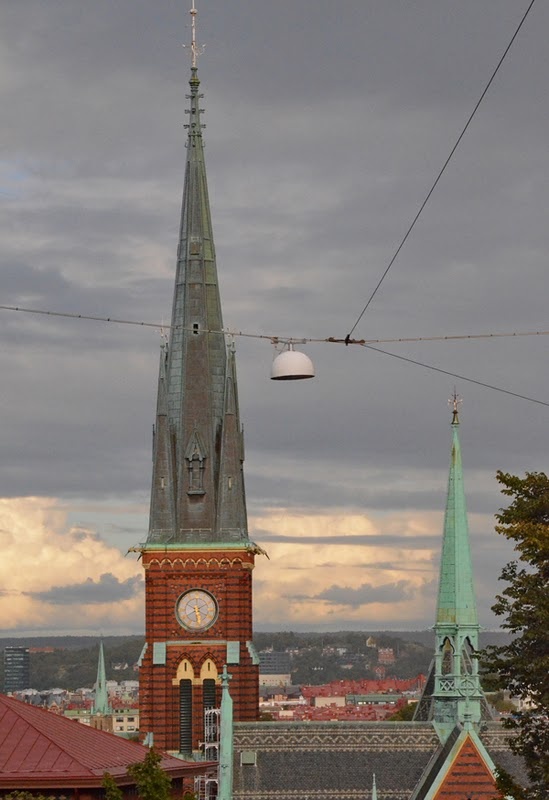
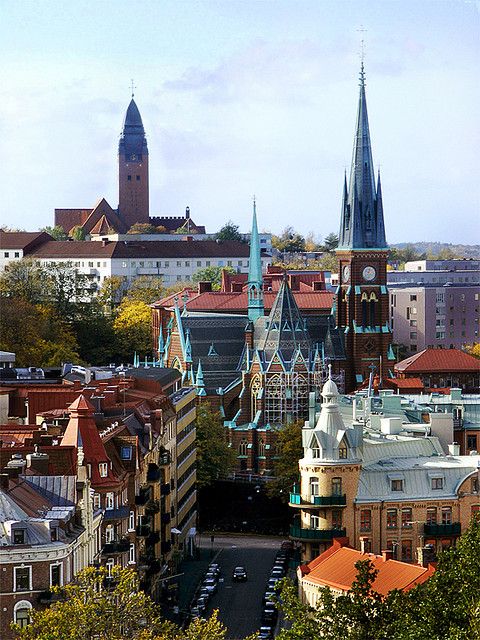
Smögen, farther along the coast, is classic west-coast postcard territory: wooden buildings, harbor walkways, and summer crowds when the weather cooperates. Visit for the boardwalk atmosphere and the feeling that Sweden’s edge is made of granite and painted timber. Go in shoulder weeks if you prefer space; go in high summer if you want the full social buzz of coastal Sweden at play.
Malmö’s modern edge and the nature buffer
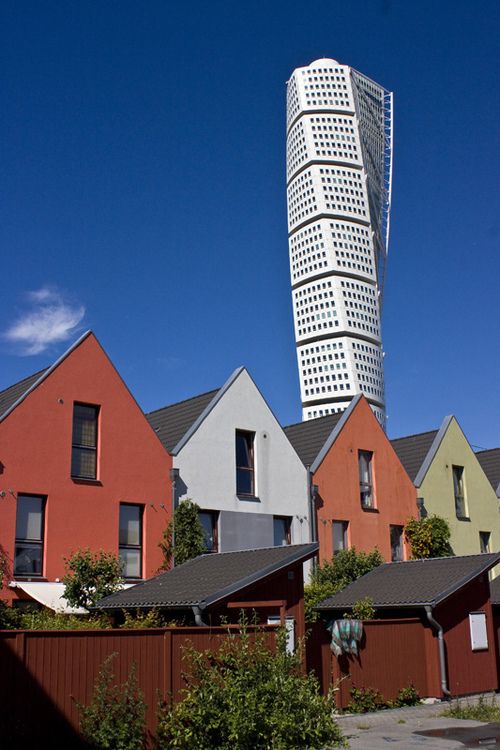
Malmö, close to Denmark across the Öresund, shows a different Swedish city face: contemporary architecture crowned by the Turning Torso, multicultural neighborhoods, and a practical gateway feel. Pair it with coastal walks and you get urban Sweden without only looking backward to old towns. The bridge to Copenhagen makes day-crossing tempting; even without crossing, the sense of a border city adds energy.
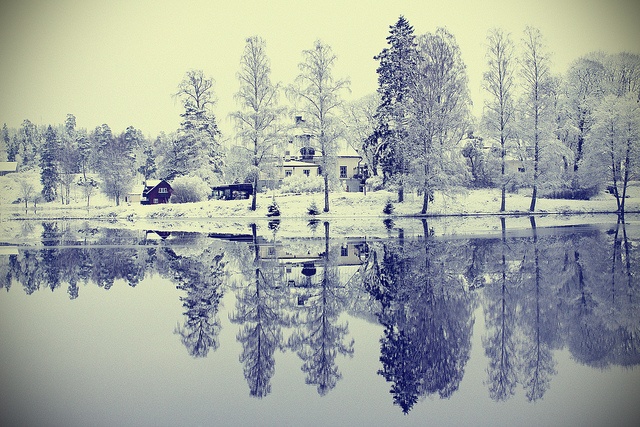
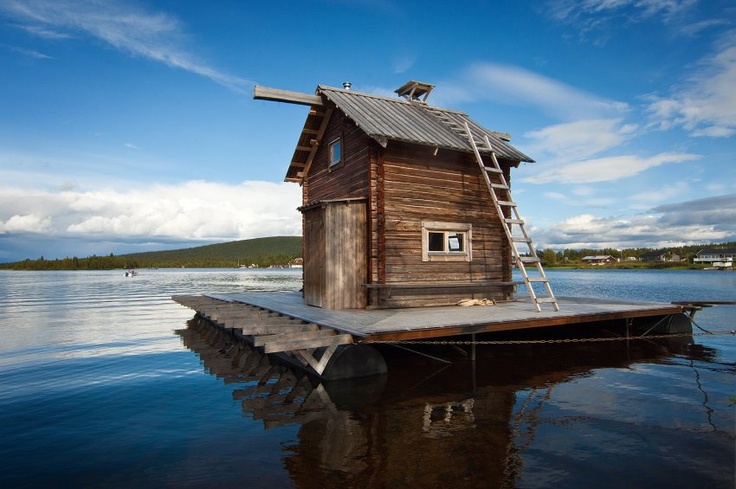
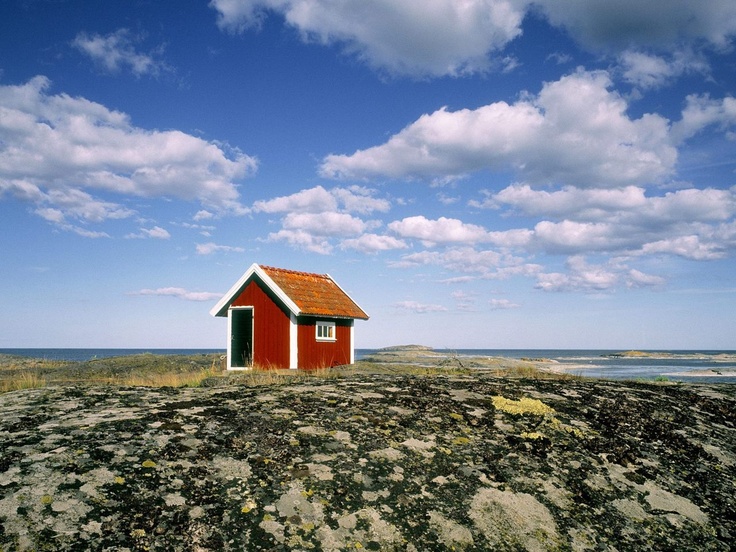
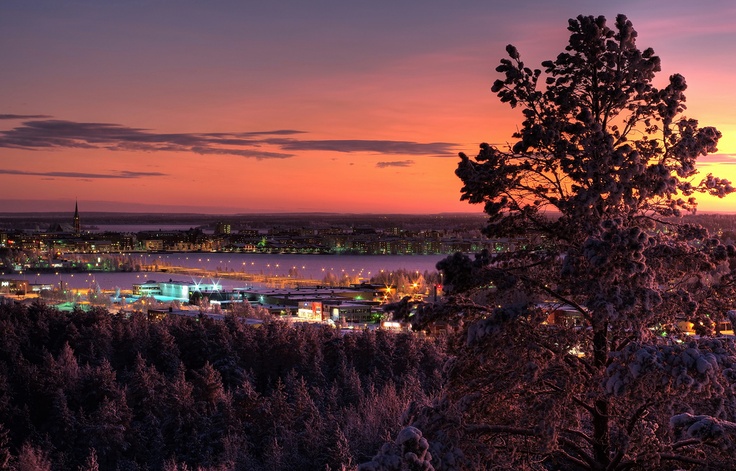
Beyond the cities, Sweden’s nature claim is immediate. The Stockholm archipelago—Skärgården—offers island-hopping, smooth rock swimming spots, and cabin dreams within reach of the capital. Värmland brings lakes and forests inland, the kind of quiet that resets a traveler who has spent too many days on pavement. Luleå and the far north open onto midnight-sun summers and winter darkness where aurora and snow redefine the day; a sunset over Luleå’s water is a reminder that “north” is not one place but a gradient of light. You do not need to reach the Arctic Circle for a meaningful outdoor chapter, but knowing those latitudes exist helps explain why Swedes treat outdoor life as normal rather than exceptional. Allemansrätten—the right of public access, with responsibilities—shapes how people picnic, camp lightly, and move through nature. Learn the etiquette before you treat every meadow as a free hotel.
Before you lock dates, skim this short list:
- One capital loop (Stockholm islands + Gamla Stan + a neighborhood like Södermalm).
- One west-coast chapter (Gothenburg, with Smögen if summer timing allows).
- One nature buffer (archipelago day, lake region, or a northern extension if light is the point).
- One small town or castle stop (Kalmar, Vadstena, Uppsala) so the trip is not only big-city Sweden.
Pack for weather that can shift, budget for excellent coffee, and leave room for fika. Sweden’s wish-list magic is that the cities never fully let go of nature—and nature never feels far from a train.

Comments
Continue reading
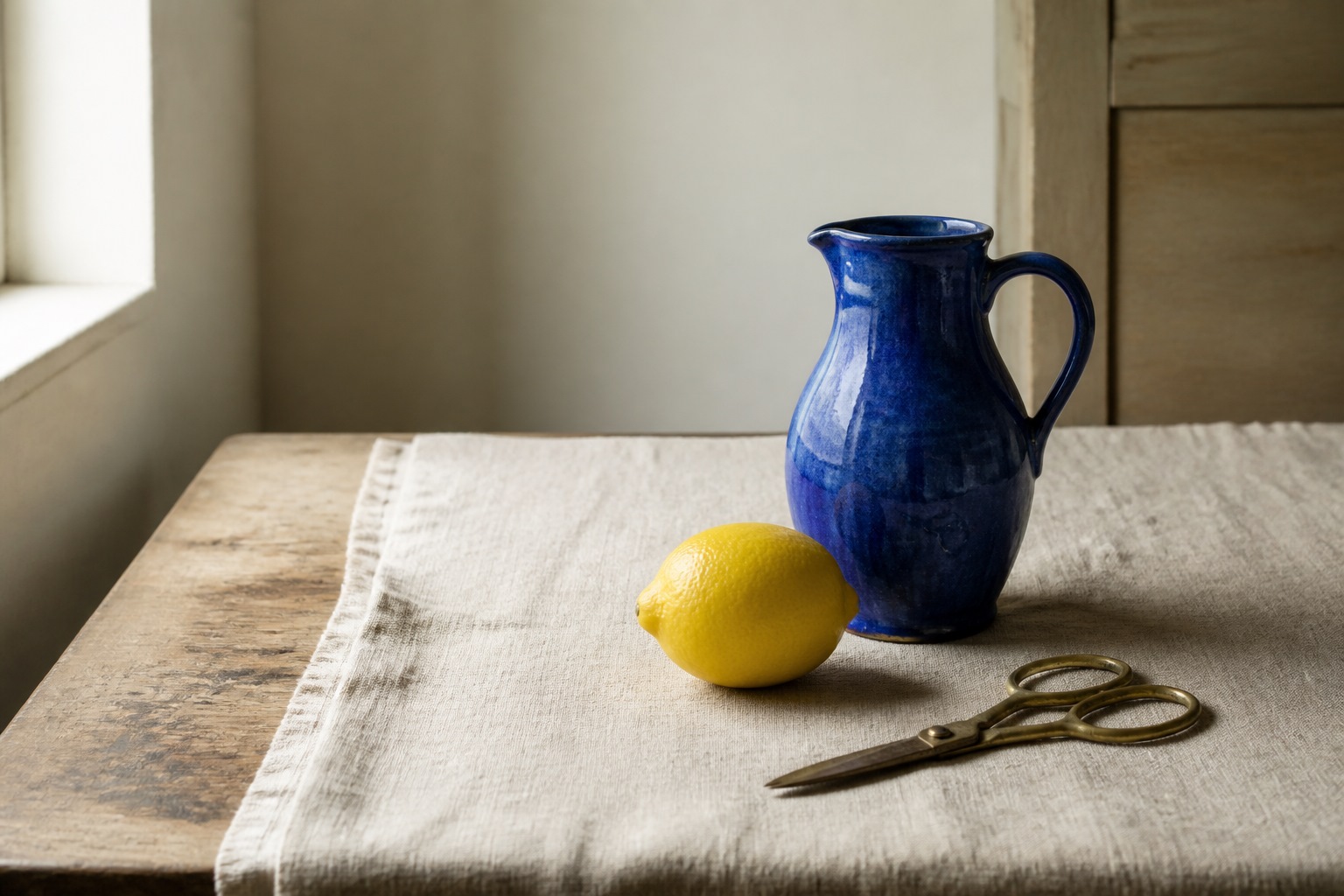
Still-Life Photography at Home with One Window
A table, north or side light, and a handful of objects—how to shoot still lifes in a small room without a studio, softboxes, or a prop closet.
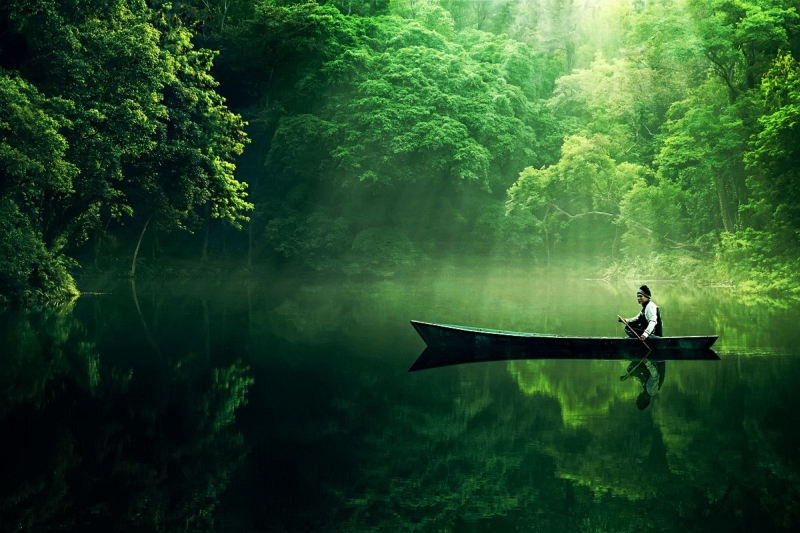
Dramatic Photo Art by Sukron Ma’mun (Ipoenk Graphic)
Cirebon, Indonesia photographer Sukron Ma’mun uses theatrical natural light to frame village life, play, and place in lyrical photo art.

Bird’s-Eye Views: Florian Beaudenon’s Instant Life
Paris photographer Florian Beaudenon’s Instant Life series captures people in their rooms from above—intimate, collaborative overhead portraits of everyday joy.