
How to Make Your Photography Memorable
Edit harder, sequence like a story, and give photos a life off the phone—practical ways to turn ordinary snapshots into work people actually want to look at.
A phone full of photos is not the same as a memorable body of work. Friends will scroll past dozens of near-identical shots in seconds. What sticks is a small set of images that feel deliberate: chosen, sequenced, and presented with care. Memorable photography is less about buying a new camera and more about editing, storytelling, and giving pictures a life outside a glowing screen.
This guide walks through practical ways to turn ordinary snapshots into something people actually want to look at—whether you are documenting family life, travel, or a quiet creative project at home.
Start by choosing less
Memorable work begins with ruthless selection. Open a recent album and pretend you can keep only twelve frames. Which ones carry a clear subject, a mood, or a moment of change? Delete or archive the near-misses: the blinks, the crooked horizons, the third attempt at the same smile. A short, strong set will always outlast a long, average dump.
When you edit, look for variety inside the set. Mix a wide establishing shot with a close detail. Include one image that is mostly atmosphere—light on a wall, steam from a mug—so the sequence has breathing room. Avoid lining up five similar group portraits in a row; they cancel each other out.
Name folders by story, not by month alone. “Weekend at the lake,” “first apartment,” or “studio tests, spring” makes it easier to build a project later. Dates help with search; themes help with meaning.
Think in sequences, not single frames
A single beautiful photo can stop someone for a second. A short sequence can hold them for minutes. Treat your favorite shoots like mini picture essays:
- Open with place or context so viewers know where they are.
- Move into people or action.
- End on a quiet beat—empty table, closed door, last light—so the story settles.
This structure works for a holiday trip, a child’s birthday, or a day in the garden. You do not need captions for every frame, but one or two short lines can turn a pile of images into a narrative. Write what you would tell a friend standing next to you: who was there, what changed, why it mattered that afternoon.
If you shoot events, resist the urge to keep every posed lineup. Keep the toast that went wrong, the shoes by the door, the cake before it was cut. Those “in-between” frames often become the ones people ask to reprint years later.
Craft that elevates ordinary photos
Technical perfection is optional; clarity is not. Straighten horizons unless a tilt is intentional. Crop to remove distracting elbows and door frames at the edge. Soften harsh phone processing if skin looks plastic or skies look neon. Aim for natural color that matches how you remember the day.
Light still does most of the work. Window light for portraits, shade for midday faces, and a simple lamp for evening still lifes will beat a busy filter pack. When you can, move the subject a step toward softer light instead of fixing everything later.
Pay attention to backgrounds. A cluttered shelf behind a face will fight the expression every time. Take two extra seconds to shift left or right, or lower your angle so a clean wall or sky becomes the backdrop. Small positioning choices make photos feel intentional without needing fancy gear.
Give photos a physical presence
Screens are temporary. Paper and objects last. Printing is one of the fastest ways to make photography feel finished:
- A small print stack in a box invites browsing at the table.
- A wall grid of eight to twelve related images reads as a project, not decoration alone.
- A simple album or photo book forces order and pacing—the same discipline that makes an exhibition work.
When you design a book or album, leave white space. Crowded pages look like a scrapbook panic; paced pages feel like a story. Pair one large image with one small companion, or give a strong photo a full page. Use consistent margins and a quiet typeface for captions. The book should support the pictures, not compete with them.
Calendars, cards, and framed prints work the same way: one idea per object. A calendar with twelve related travel images is clearer than twelve unrelated favorites. A card with a single strong photograph and a short handwritten note usually lands better than a collage that tries to show everything.
Make gifting part of the craft
Memorable photography often lives as a gift. Instead of forwarding a cloud link, choose a physical form sized to the recipient. Grandparents may love a small hardcover of family faces. A friend who traveled with you may prefer a slim book of that one trip. A partner might value a framed print of a quiet private moment over a busy collage.
Plan gifts the way you plan a shoot: decide the story first, then select images that support it. Order early so you can check color and crop before a birthday or holiday. Keep a note of paper finish and size that worked well so the next project is easier.
Share without exhausting the audience
Online sharing does not have to mean dumping an entire camera roll. Post a short set with a clear title. Use one strong opener. Add a brief note about what the day was for. If people want more, they can ask—curiosity is better than fatigue.
For family groups, a shared album with a curated selection beats a chaotic chat thread. Update it after events rather than in real time, so you still edit for quality. Treat public social feeds as highlights, not archives; keep the full set organized privately where you can still find it in five years.
Build a simple habit that sticks
Memorable work comes from rhythm more than inspiration. Try a lightweight routine:
- After a trip or event, pick a dozen keepers within a week while memory is fresh.
- Once a month, print or layout something small—even four images on one sheet.
- Once or twice a year, finish a longer project: a book, a wall set, or a box of prints labeled by story.
Protect storage too. Back up originals in two places. Export a smaller “share” folder so phone albums stay usable. Label years and projects consistently so future-you can rebuild a story without hunting.
What “memorable” actually means
Memorable photography is not louder filters or more gear. It is attention: choosing what matters, arranging it so others can follow, and giving it a form that invites a second look. A quiet set of twelve honest pictures, well ordered and printed, will outlast a thousand rushed uploads.
Pick one unfinished album on your phone this week. Cut it to a short sequence, write two lines of context, and print or layout those frames somewhere you will see them. That single finished piece will teach you more about memorable photography than another afternoon of scrolling ever will.

Comments
Continue reading

Still-Life Photography at Home with One Window
A table, north or side light, and a handful of objects—how to shoot still lifes in a small room without a studio, softboxes, or a prop closet.
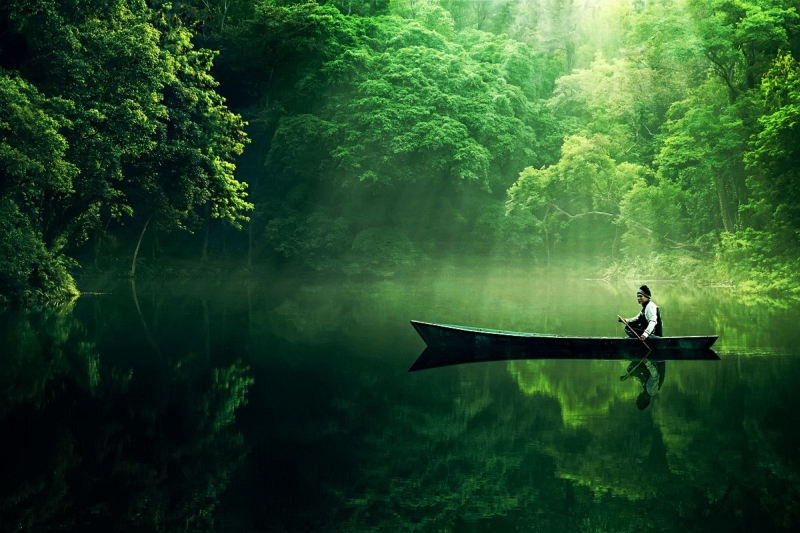
Dramatic Photo Art by Sukron Ma’mun (Ipoenk Graphic)
Cirebon, Indonesia photographer Sukron Ma’mun uses theatrical natural light to frame village life, play, and place in lyrical photo art.
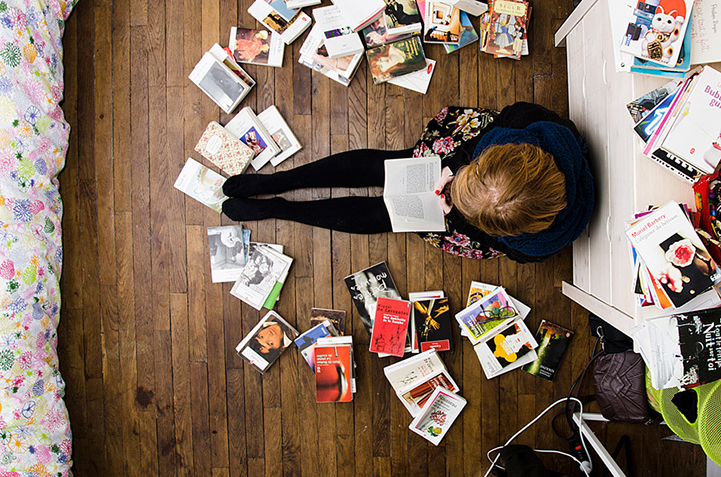
Bird’s-Eye Views: Florian Beaudenon’s Instant Life
Paris photographer Florian Beaudenon’s Instant Life series captures people in their rooms from above—intimate, collaborative overhead portraits of everyday joy.