
Wild Cockatoos by Leila Jeffreys
Sydney photographer Leila Jeffreys’s cockatoo portraits treat wild birds with studio gravity—feather, crest, and gaze held long enough to meet the eye.
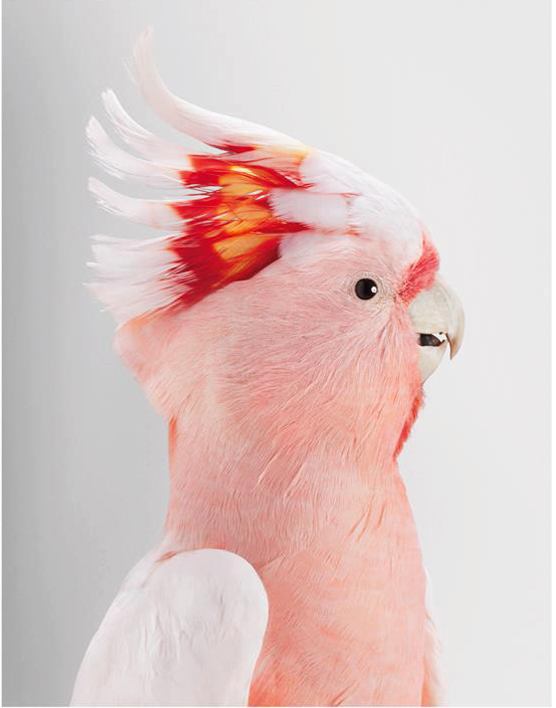
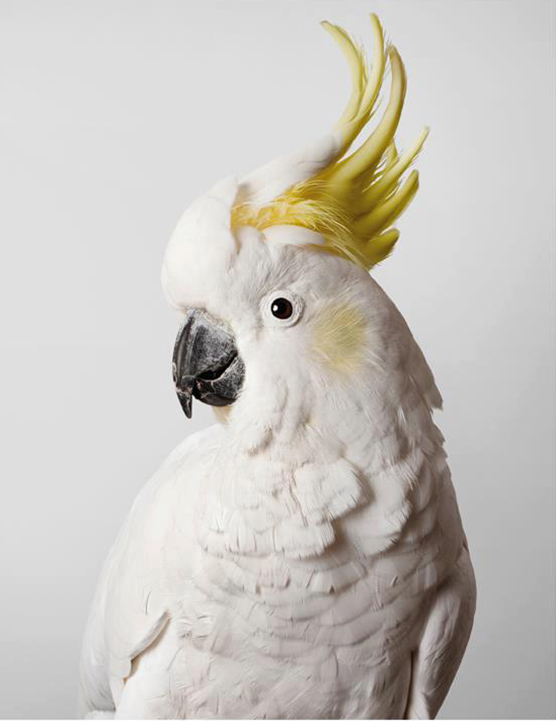
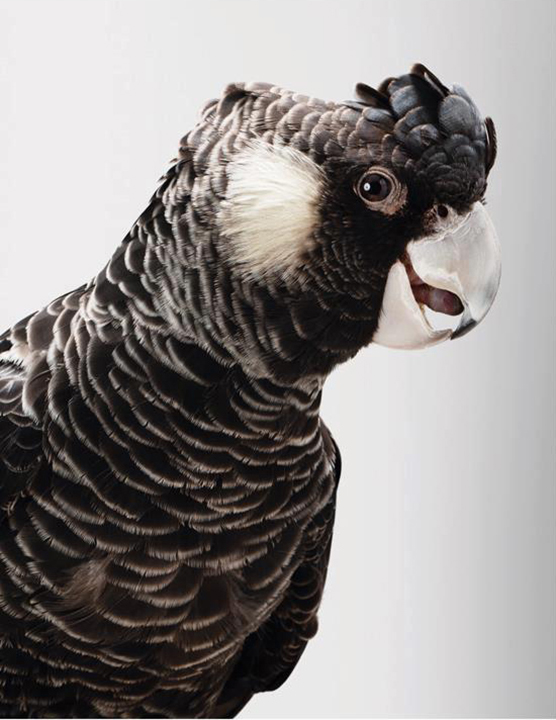
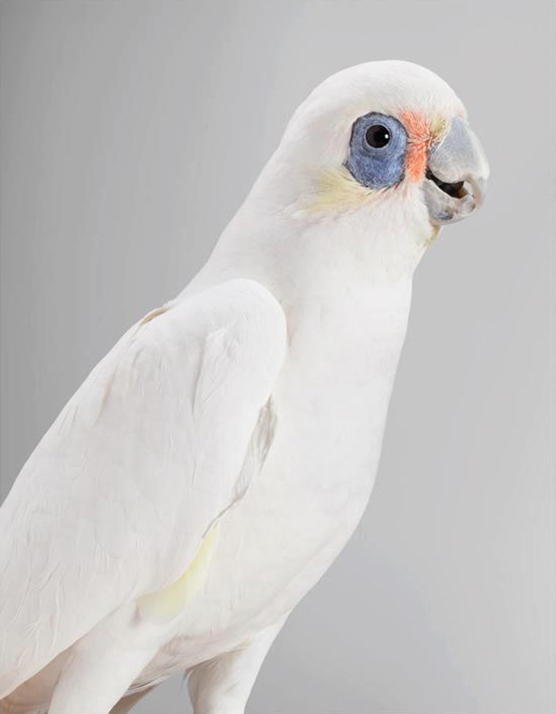
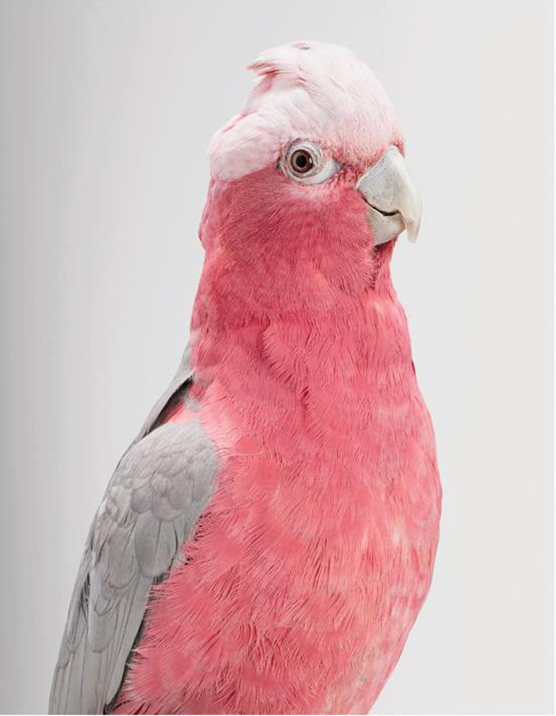
Sydney-based photographer Leila Jeffreys is known for portraits that treat birds with the gravity usually reserved for human sitters. In the series gathered here under the title Wild Cockatoos, cockatoos face the lens with crests, beaks, and plumage rendered in sharp, patient detail. The effect is not a field-guide page and not a cartoon. It is closer to studio portraiture: an individual presence, held still long enough for you to meet its eye.
Jeffreys’s wider practice has long centered on birds—cockatoos among them—photographed with a mix of natural-history attention and formal portrait craft. The images below come from that vein of work. Look slowly. The series rewards noticing what repeats (the frontal regard, the clean ground) and what changes from bird to bird (crest shape, feather weather, the slight tilt of a head). More of her work lives on her site at leilajeffreys.com; what follows stays with these portraits and the questions they raise about wildlife, personality, and the ethics of looking.
Why cockatoos hold a portrait
Cockatoos are visually dramatic animals. Crests rise and fall. White plumage can look almost architectural under good light. Dark beaks read like calligraphy against pale feathers. Those traits make them tempting subjects for spectacle. Jeffreys’s stronger pictures resist turning spectacle into joke. The birds remain strange—they are not people—but they are granted the dignity of focus: centered, lit, and given enough resolution that feather barbules become part of the likeness.
That choice matters because wildlife imagery often swings between two poles: the animal as distant speck in a landscape, or the animal as entertainment. Portrait distance is a third option. It asks you to consider a nonhuman face as worthy of the same compositional care you would give a formal human sitting. Whether or not you accept that metaphor fully, the photographs make the argument visually before any caption can. You feel addressed.
Australia’s cockatoos also carry cultural charge—loud suburban visitors, bush icons, birds people argue about as much as admire. Jeffreys’s framing sidesteps the noisy folklore and returns you to the animal’s surface and gaze. The local becomes specific again.
Studio calm, wild subject
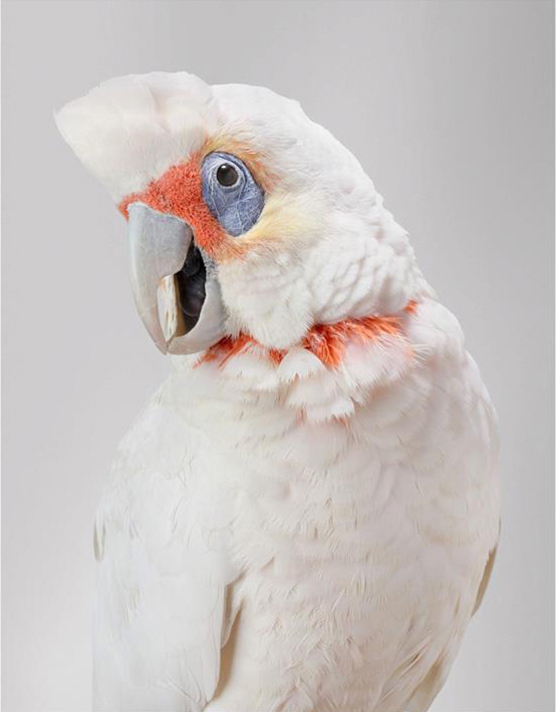
Part of the tension in these pictures is environmental. “Wild” in a title can mean undomesticated species, untamed character, or work made outside a controlled set. Jeffreys’s bird portraits often feel studio-quiet: plain backgrounds, even attention, minimal distraction. That calm is a technical achievement as much as an aesthetic one. Birds move. Feathers catch light unevenly. Eyes are small highlights that either land or fail. Getting a sharp, readable portrait implies patience, timing, and regard for the animal’s comfort—not a drive-by snapshot from a hiking trail.
Viewers do not need the full production diary to feel the result. The photographs look deliberate. Nothing in the frame competes with the bird. Negative space functions like a pause in conversation. You are not asked to admire a landscape first and notice fauna second; the bird is the event. That austerity is what lets personality—or at least bearing—come forward without props.
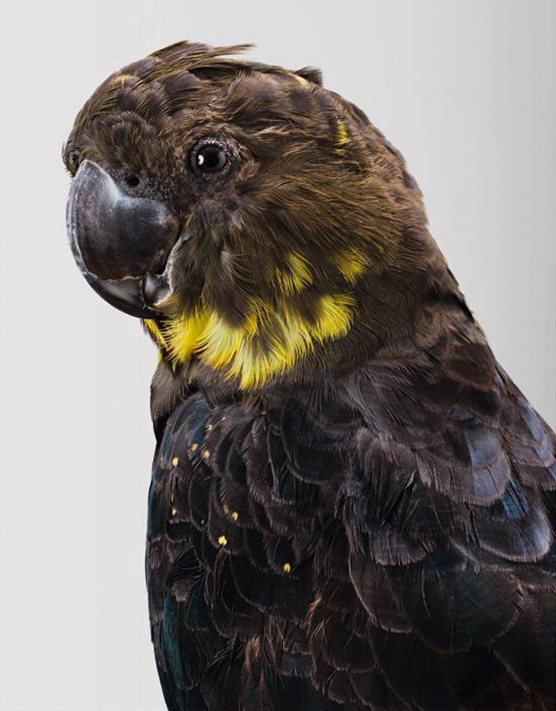
Reading feather, crest, and gaze
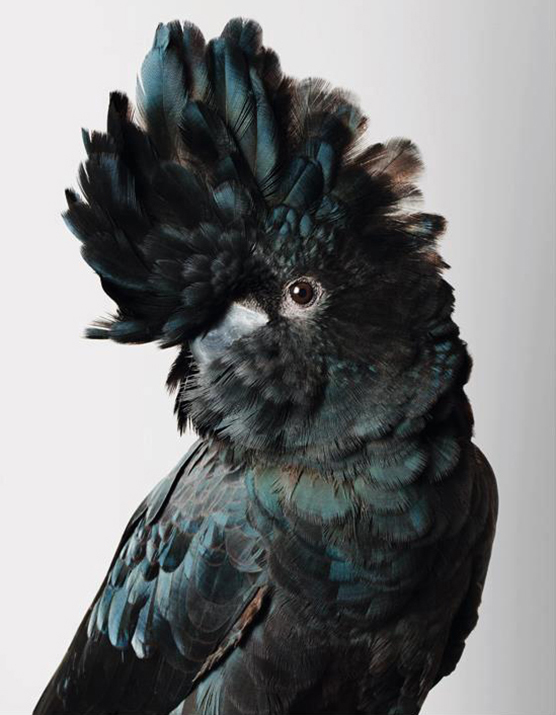
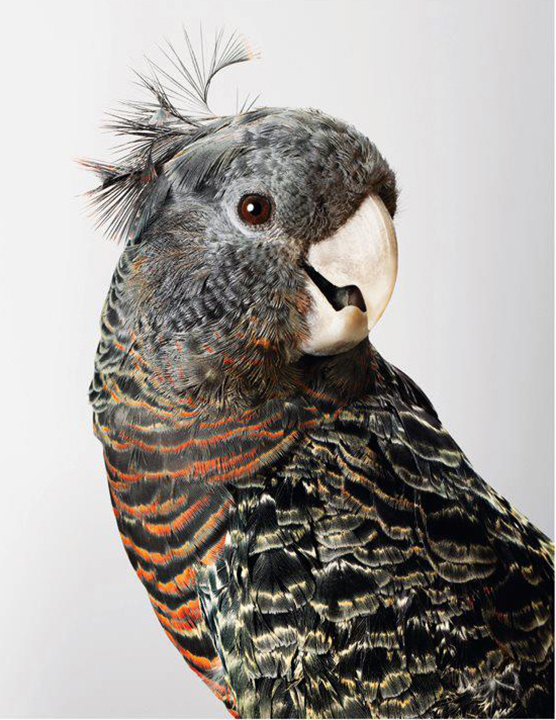
Move through the set as you would through a hallway of painted portraits. Compare how crests sit—folded tight, lifted in a pale fan, asymmetric from a turn of the head. Notice where yellow or salmon tones warm an otherwise cool white. Look at the condition of the plumage: immaculate surfaces beside feathers that show wear. Those details keep the series from flattening into repetition. Each frame is a likeness, not a logo of “bird-ness.”
The eyes do a lot of work. In human portraiture we speak of catchlights and engagement. Here the same optical facts apply: a bright pinpoint can animate an otherwise still face. When the gaze meets the camera, the picture tips toward encounter. When it angles away, the bird keeps a private interior. Jeffreys uses both modes, which prevents the series from becoming a single trick repeated until it dulls.
Texture is the other quiet star. Downy areas near the beak, the scaly look of certain feather tracts, the hard shine of keratin—these are the kinds of facts a phone-thumbnail flattens and a patient print (or a large screen) restores. Give the files room.
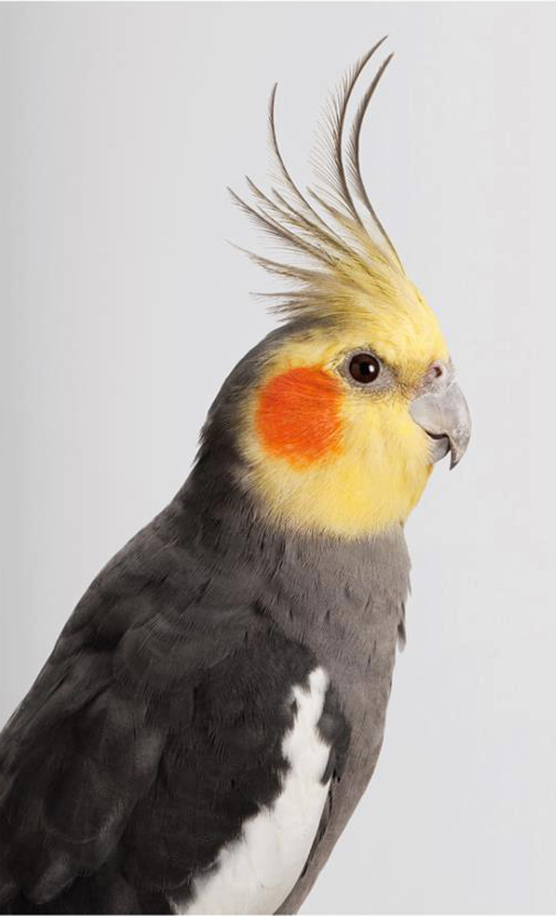
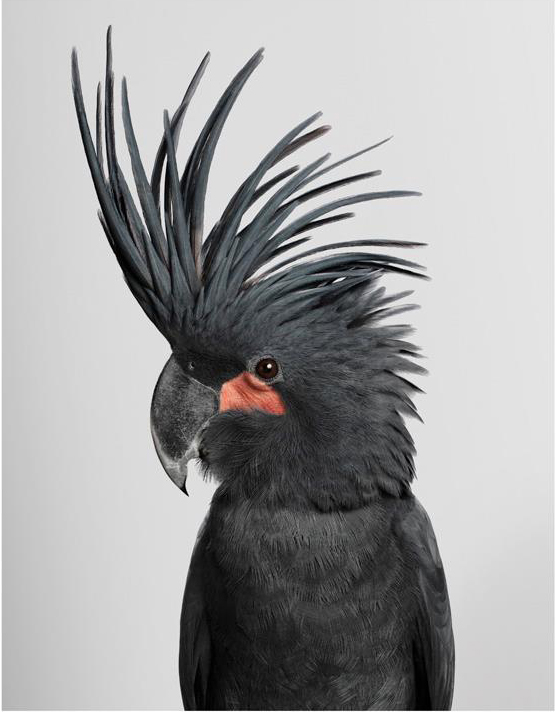
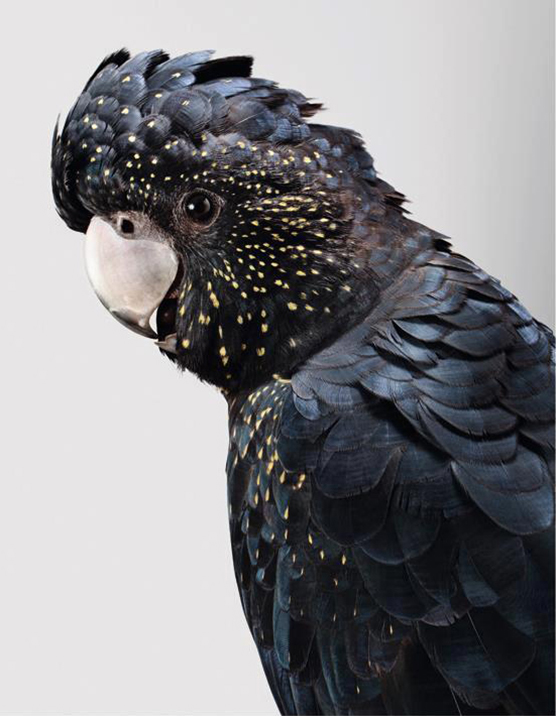
Wildlife photography and the problem of charm
Birds this charismatic invite projection. Viewers name moods—“grumpy,” “regal,” “surprised”—because human social brains are eager to map expression onto animals. Projection can be affectionate and still be inaccurate. A careful looking practice holds two ideas at once: the photograph is composed to invite empathy, and the bird’s inner life is not a costume for our stories.
That balance is part of why Jeffreys’s work travels well beyond specialist birding circles. The pictures are accessible without being shallow. You can enjoy them as beautiful objects and still feel a tug toward better questions—what species am I seeing, where do related birds live, what pressures do wild populations face—without the image itself becoming an advertisement. The portrait form creates attachment; attachment can lead to attention. Attention is where curiosity starts.
There is also a craft lesson for anyone who photographs animals: restraint. Fancy backgrounds, forced poses, and excessive post-processing often kill the very presence they chase. Jeffreys’s spare approach trusts the subject. That trust is contagious; viewers slow down because the picture has already slowed down.
How to look at a series like this
Online, image grids encourage speed. Try the opposite. Open one photograph full-width. Count to twenty before scrolling. Ask what you would crop if you were the editor—and notice that Jeffreys often refuses the easy crop that would turn a bird into pure graphic design. Edges and empty space are part of the portrait’s air.
Then compare two frames side by side in your mind: same species family, different attitude. The series teaches difference inside similarity, which is one of portraiture’s oldest jobs. By the later images, you may find yourself recognizing individuals the way you recognize people in a photo album—not by species label alone, but by bearing. That recognition is the quiet success of the project.
Bonus: a budgerigar
Among the cockatoos sits a smaller guest—a budgerigar—reminding you that Jeffreys’s interest is broader than one genus. The shift in scale is almost comic after so many large crested faces, and that is useful. It resets your eye. Detail that felt abundant on a cockatoo becomes precious on a smaller bird; color that was an accent becomes the main event. The same formal respect applies: plain ground, clear likeness, no carnival framing.
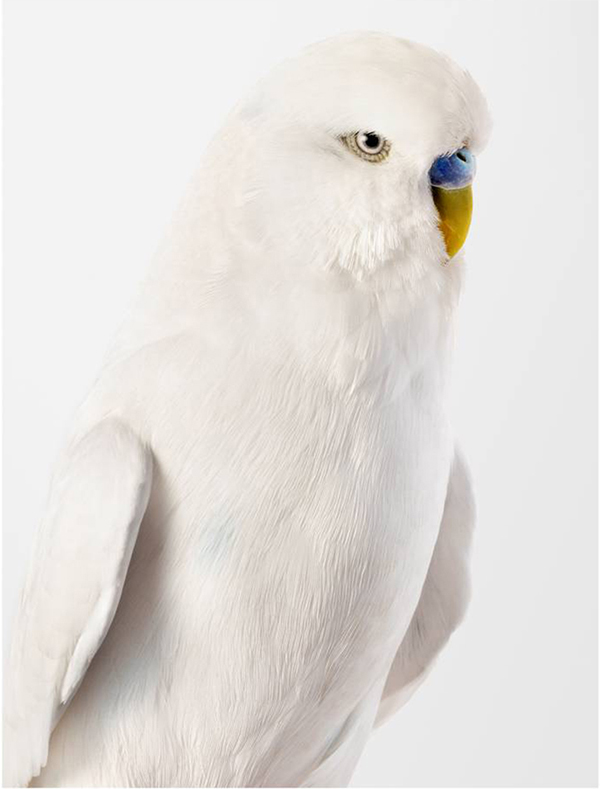
If the cockatoos hooked you, follow the wider arc of Jeffreys’s bird portraiture on her own site. On this page, linger with the set itself: wild subjects, formal calm, and a camera that grants animals the kind of attention we usually save for ourselves.

Comments
Continue reading
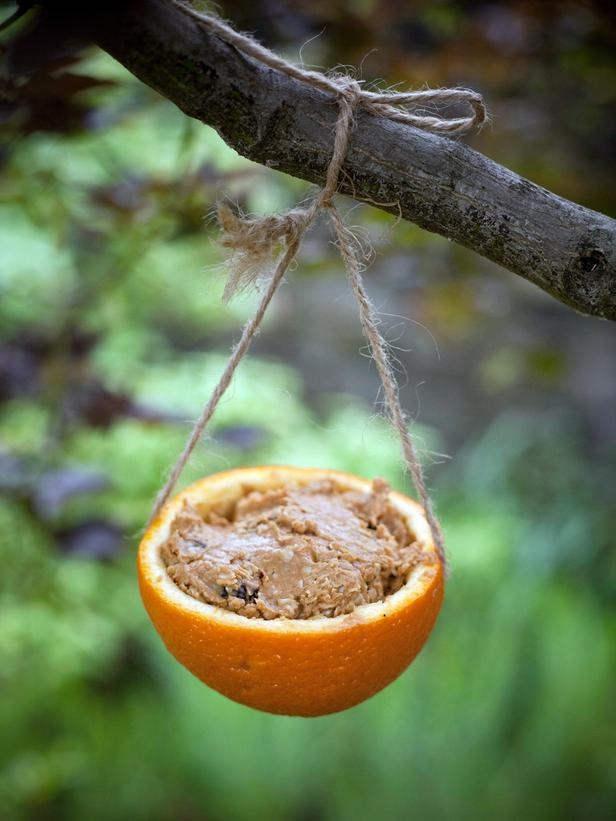
Bird Feeder Ideas for Gardens, Balconies, and Outdoor Décor
Stylish bird feeder ideas with practical placement, seed tips, cleaning habits, and design notes so outdoor décor also feeds wildlife well.
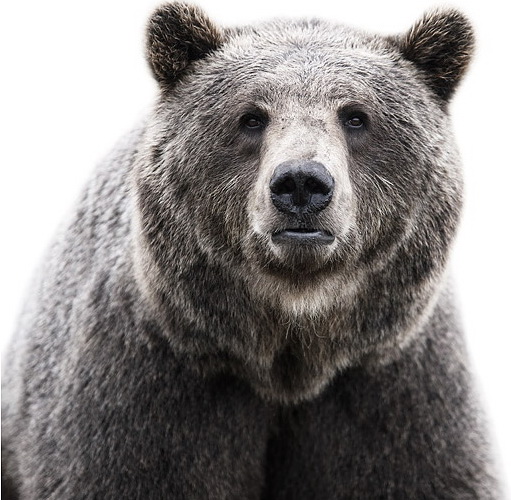
Morten Koldby’s Animal Portraits: Studio Dignity for Wild Faces
Danish photographer Morten Koldby’s Animal Portraits series isolates bears, birds, big cats, and more against white—formal headshots built on patience and soft light.
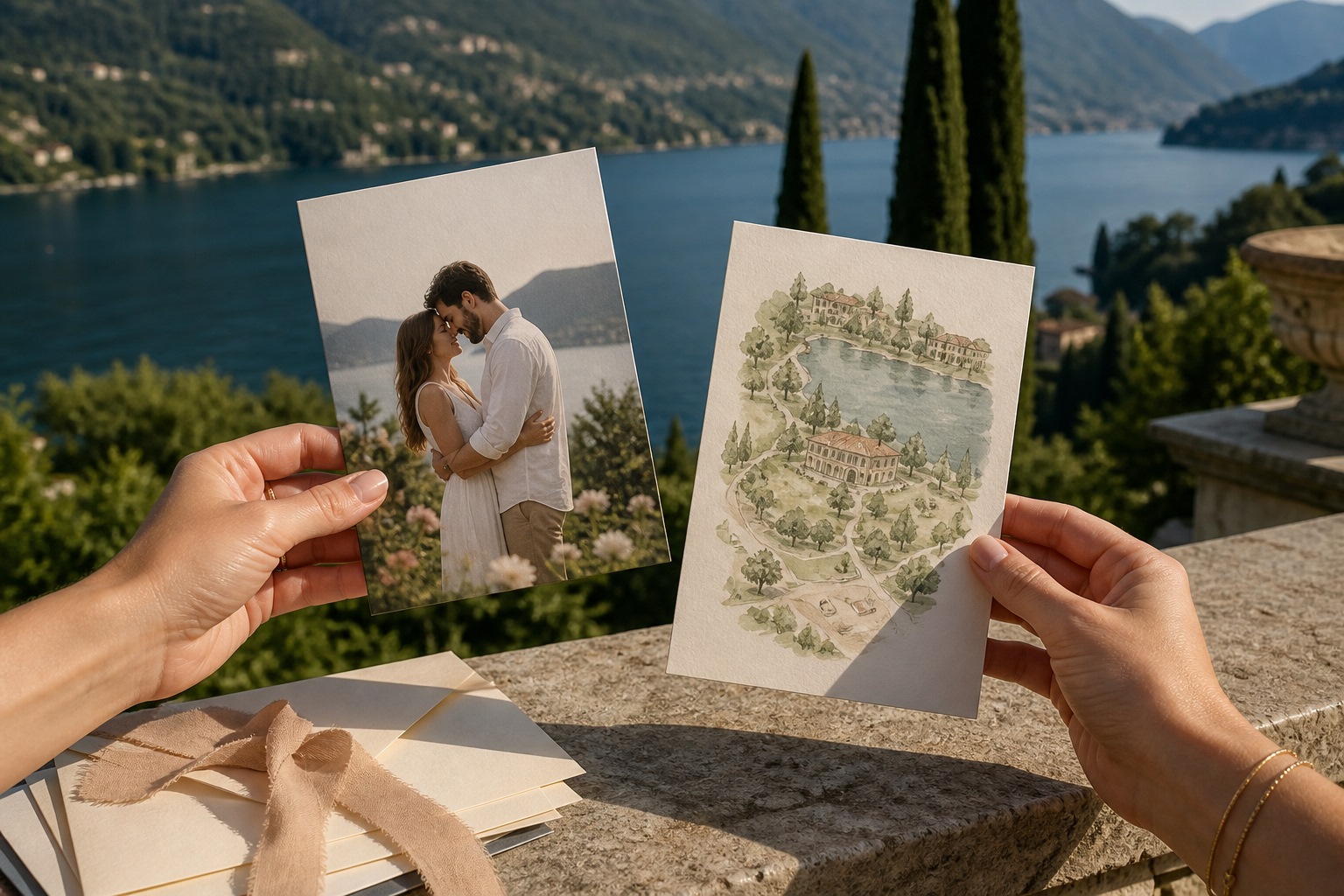
Photo vs Illustrated Save-the-Dates: How to Choose a Format
A practical comparison of photographic and illustrated save-the-dates—when a portrait earns the stamp, when a drawing carries the date, and how to match format to venue, guests, and printing.