
Bird Feeder Ideas for Gardens, Balconies, and Outdoor Décor
Stylish bird feeder ideas with practical placement, seed tips, cleaning habits, and design notes so outdoor décor also feeds wildlife well.
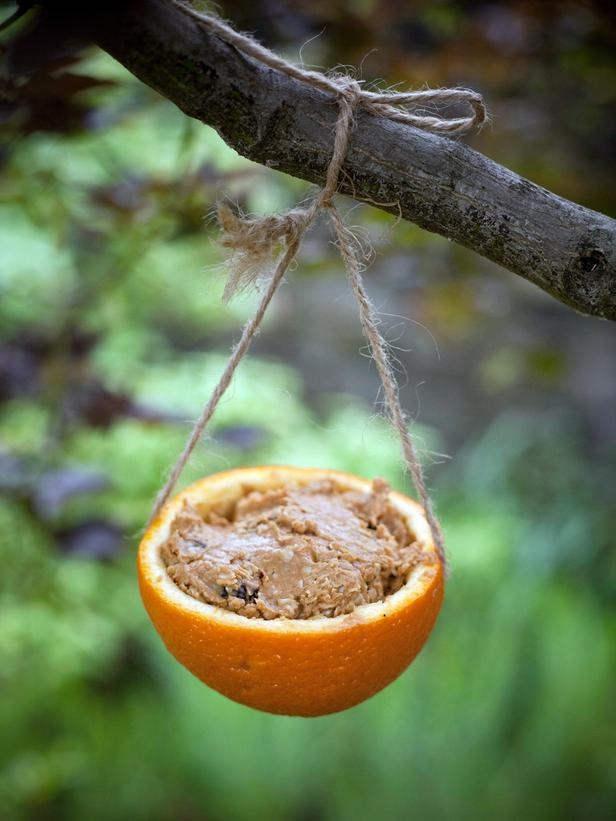
A garden can look finished and still feel empty if nothing in it moves. Bird feeders fix that with almost unfair efficiency: they turn a quiet corner into a small stage for color, sound, and seasonal habit. Hung from a branch, fixed to a post, or set among pots on a balcony, a feeder is both outdoor décor and a daily reason to look outside.
The ideas below treat feeders as design objects and as working tools. Pretty shapes matter; so do seed choice, placement, cleaning, and a little respect for the birds you hope to attract. Use the gallery as visual prompts, then match style to the wildlife and weather you actually have.
#1
Start with purpose, not only style
Ask what you want the feeder to do. A statement piece near a patio can be bold and sculptural. A quiet station at the back of a border can be simple and easy to service. Balcony gardeners may need compact hangers that do not drip onto neighbors. Families with cats need height, baffles, or placement that reduces easy hunting lines.
Different feeder types favor different birds. Tube feeders with small ports suit finches and other small seed eaters. Tray or platform feeders welcome a wider mix but need more frequent cleaning. Suet cages help woodpeckers and insect-eaters through colder months. Nectar feeders are a separate project for hummingbirds where they occur—and they demand strict cleanliness. Matching hardware to species keeps disappointment down.
#2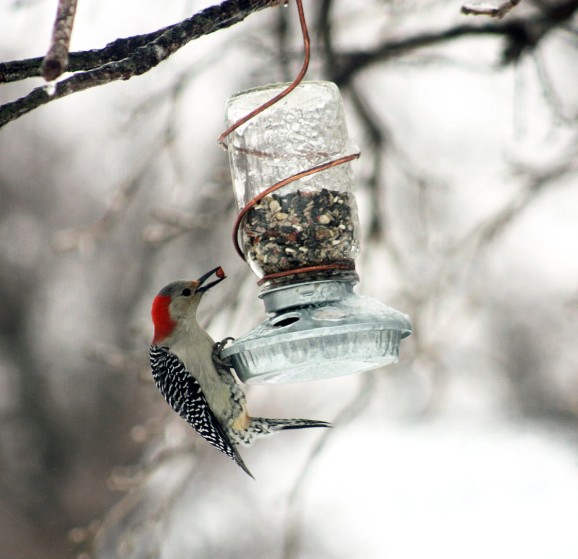
#3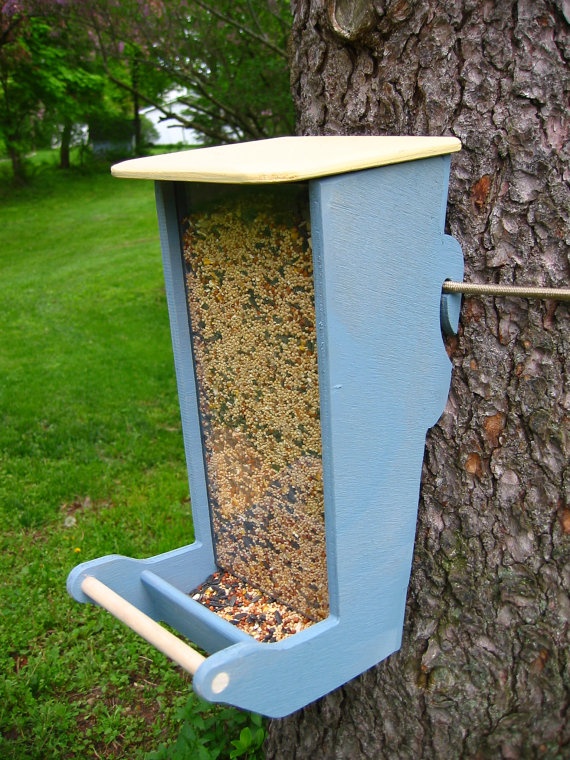
Design ideas that double as garden décor
Hanging feeders with clear lines work like outdoor ornaments. Look for shapes that echo your garden’s language: rustic wood and rope in a cottage plot, black metal in a modern courtyard, ceramic or glass accents where you already use pottery. A feeder should not fight the planting; it should punctuate it.
Post-mounted feeders create a vertical accent in open lawn or gravel. Pair the post with a baffle if squirrels are part of your local ecosystem. Surround the base with low plants rather than bare dirt so the station looks intentional from the house windows.
Recycled and DIY feeders—teacups, bottles, reclaimed wood boxes—add personality when built safely. Avoid toxic paints, loose strings that can tangle feet, and designs that trap water against seed. Charm is worthless if it molds. If you DIY, make cleaning access as important as the Instagram silhouette.
#4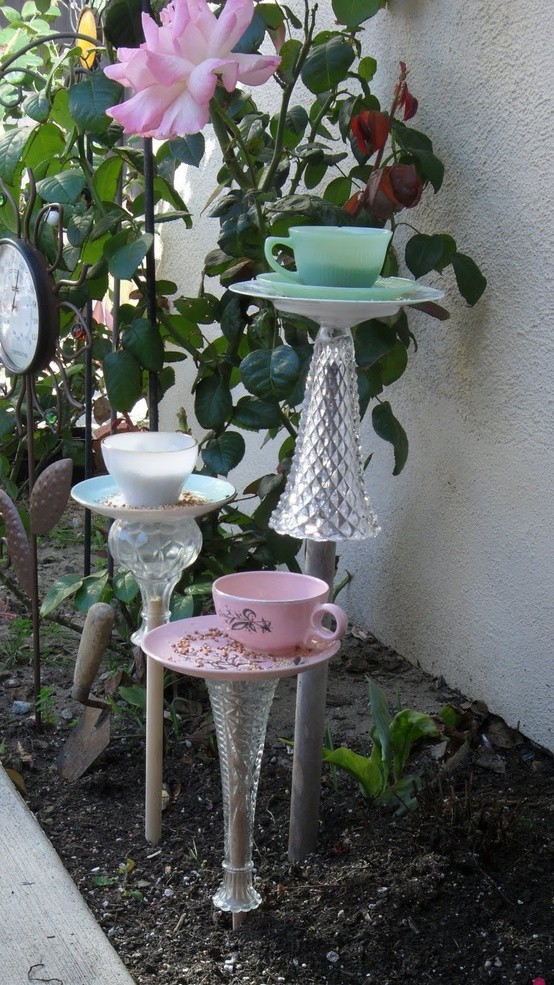
#5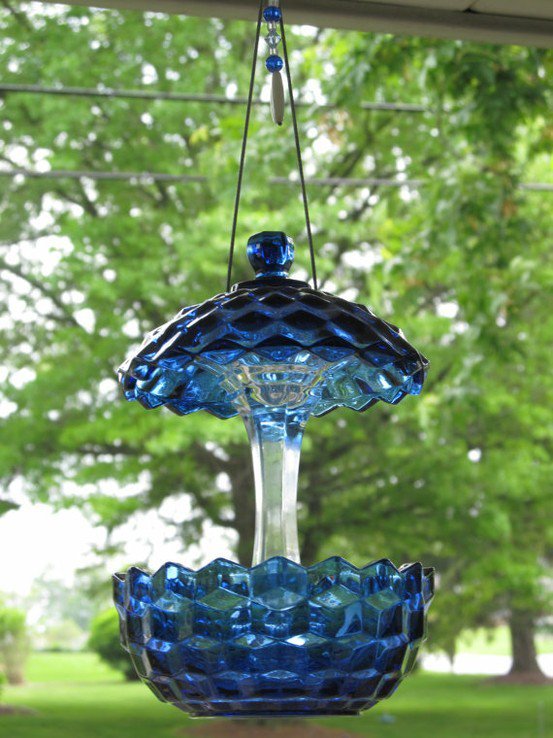
Placement: the difference between visitors and chaos
Birds prefer feeders with nearby cover—shrubs or trees a short flight away—so they can retreat from hawks and sudden noise. At the same time, feeders pressed into dense foliage can help cats hunt. Aim for a compromise: open enough to see danger, close enough to escape to cover.
Keep feeders away from windows that cause collisions, or add screens, decals, or external shading where strikes are common. Place stations where you can reach them comfortably for refills; a gorgeous feeder you never clean will become a hazard.
Multiple small stations often work better than one overloaded buffet. Spacing reduces crowding and gives shy species a chance. If pigeons or starlings dominate, switch to feeders and seed types that favor smaller birds, or use weight-sensitive designs where available.
#6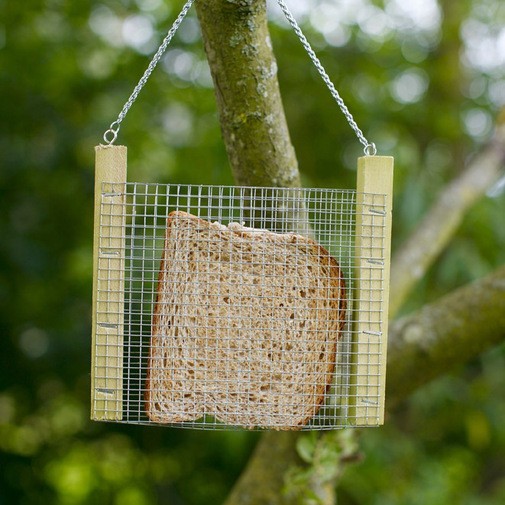
#7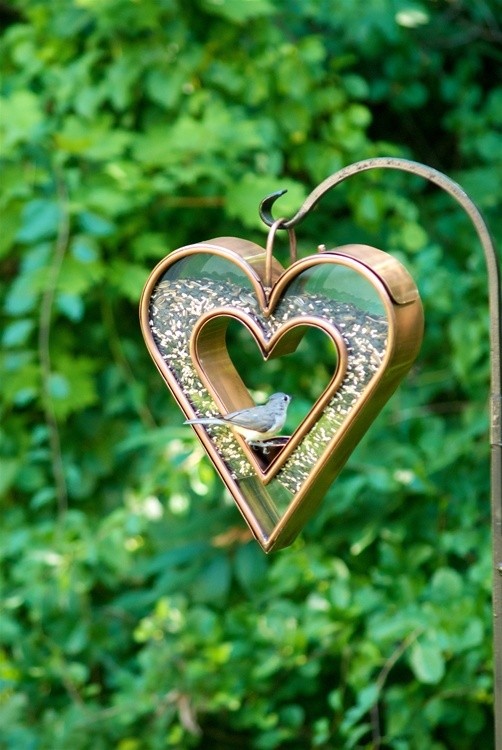
Seed, suet, and what not to offer
Quality seed mixes without too much cheap filler attract more of the birds you want and leave less waste on the ground. Black-oil sunflower is a broad favorite. Nyjer suits goldfinches in many regions. Suet is valuable in cold weather; in high heat it can melt and spoil—choose no-melt formulations or pause suet in hot spells.
Skip bread as a staple. It fills stomachs without useful nutrition and encourages mess. Avoid spoiled seed, wet clumps, and anything moldy. If seed sprouts under a feeder, rake and refresh that patch; it is a sign of spill and moisture.
Water matters as much as food. A clean birdbath or shallow dish nearby completes the station and draws species that may ignore seed. Change water often. In freezing climates, heated baths (used safely) can be more valuable than an extra feeder.
#8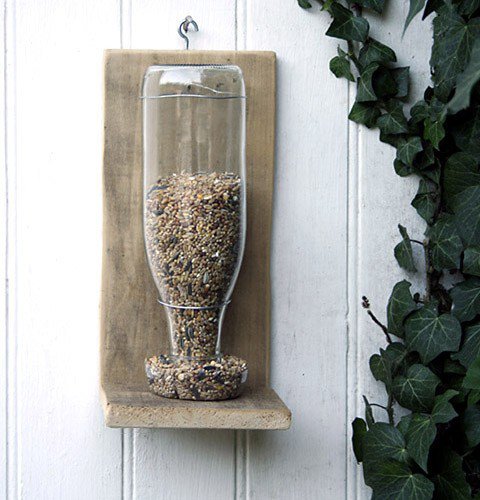
#9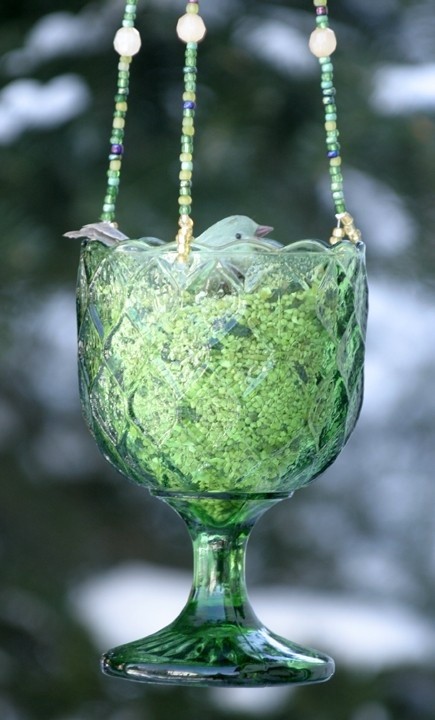
Cleaning and seasonal care
Dirty feeders spread disease. Empty stale seed, wash with hot soapy water on a regular schedule, rinse thoroughly, and dry before refilling. Increase frequency in wet weather. Wear gloves if you prefer, and keep cleaning tools separate from kitchen duty.
In spring and summer, watch for nest season dynamics and local guidance about feeding. In autumn, feeder traffic often rises as natural foods shift. In winter, consistency matters: once birds learn a reliable station, sudden empty feeders can matter more than in abundant months. That does not mean you must feed every day forever; it means if you commit through a hard cold snap, try to keep the station stocked.
Inspect hooks, chains, and seals. A fallen feeder wastes seed and can injure birds. Tighten hardware after storms. Store spare seed in sealed containers away from rodents.
#10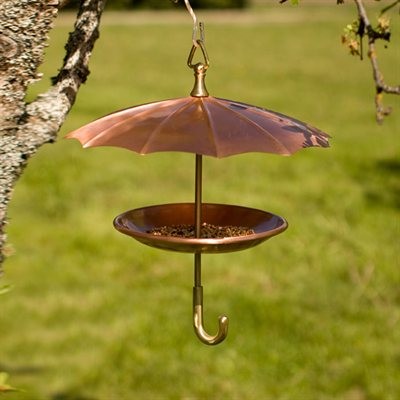
#11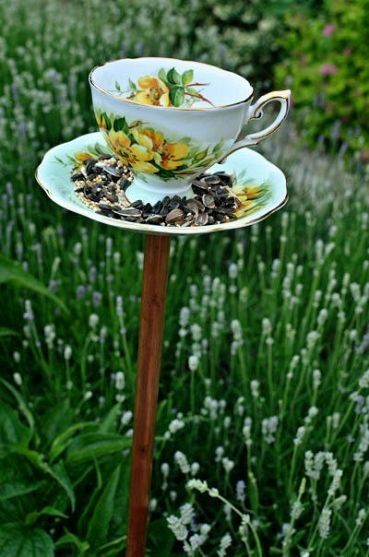
#12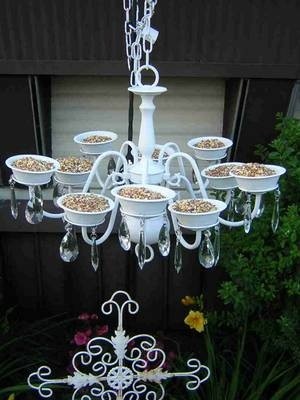
Styling the rest of the scene
Feeders look better when the surrounding planting helps. Native shrubs offer cover and natural food. Flowers that produce seed or attract insects support a fuller habitat than seed alone. A bench or window with a view turns the feeder into a daily habit rather than a forgotten accessory.
Lighting is optional and should stay subtle. Harsh spotlights can disturb wildlife. Soft path light that lets you refill at dusk is enough. Cameras and trail cams can be fun for identifying visitors; mount them without turning the garden into a surveillance grid that stresses the birds.
If squirrels win every battle, decide whether you are willing to share or determined to resist. Squirrel-proof designs, baffles, and strategic placement help; perfection is rare. Sometimes a separate squirrel station saves the bird feeders. Sometimes you accept a lively truce.
A short checklist before you hang the next one
- Choose a feeder type that matches the birds in your region.
- Place it with cover nearby, cats and windows in mind, and easy cleaning access.
- Buy seed for nutrition, not only for bulk price.
- Wash on a schedule; dump wet or moldy contents without guilt.
- Add water, not only calories.
- Let the feeder’s materials suit the garden so it looks planted, not temporary.
When the first regular visitor learns the route—finches in a tube, a woodpecker at suet, a cautious dove on a tray—the garden gains a plotline. That is the real upgrade. The feeder is only hardware. The show is whatever lands, eats, and leaves a little wildness hanging in the air between the plants.

Comments
Continue reading
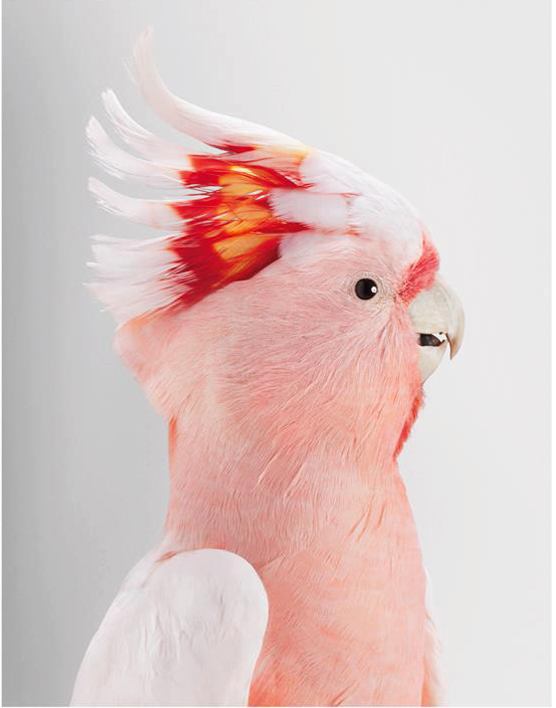
Wild Cockatoos by Leila Jeffreys
Sydney photographer Leila Jeffreys’s cockatoo portraits treat wild birds with studio gravity—feather, crest, and gaze held long enough to meet the eye.
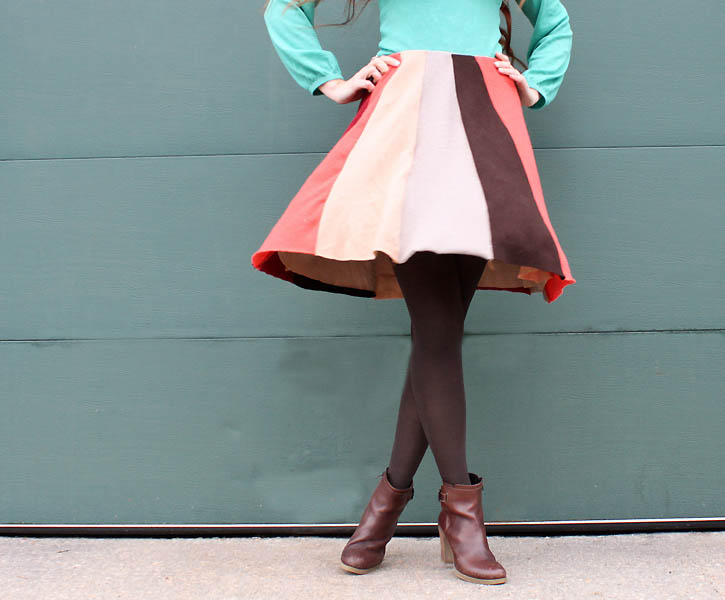
5 Simple DIY Skirt Tutorials You Can Sew This Weekend
Circle, tee-to-pencil, gathered dirndl, wrap, and print pencil—five beginner-friendly skirt projects that remake fabric you already own.

Photo vs Illustrated Save-the-Dates: How to Choose a Format
A practical comparison of photographic and illustrated save-the-dates—when a portrait earns the stamp, when a drawing carries the date, and how to match format to venue, guests, and printing.