
How to Wrap Gifts Without Wrapping Paper
Cloth, boxes, maps, leftover textile, and ribbon-only wraps—practical no-paper methods that still look finished under a tree or on a doorstep.
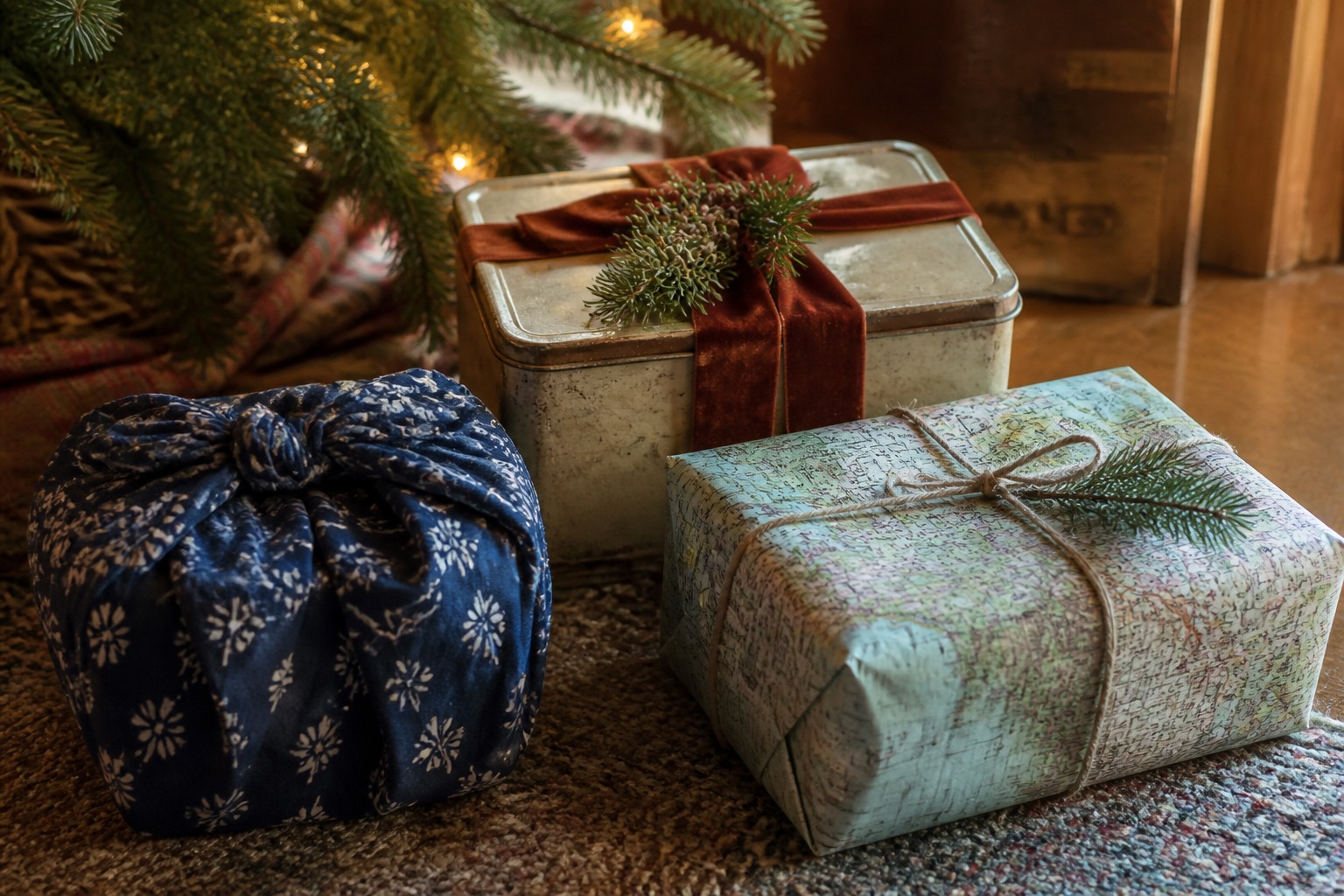
Wrapping paper is a printed sheet you tear, tape, and throw away. You can skip it and still hand someone a finished gift. This is not a gallery of fifty paper tricks; those live in the Christmas wrapping roundup. Here the constraint is: no wrapping paper, no gift bags that are just paper in another shape. Cloth, boxes, maps you already own, and ribbon doing structural work.
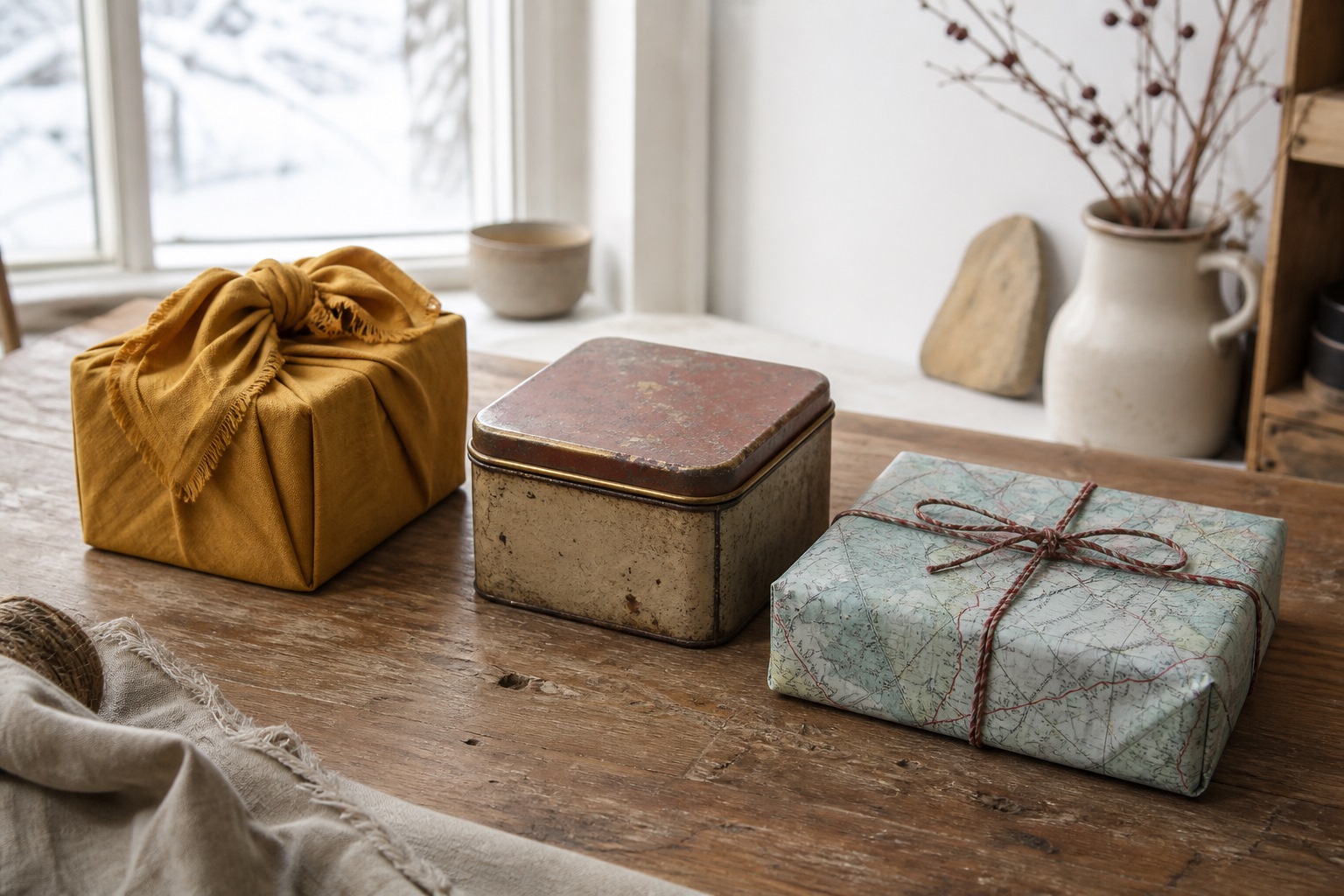
Cloth: furoshiki and the honest tea towel
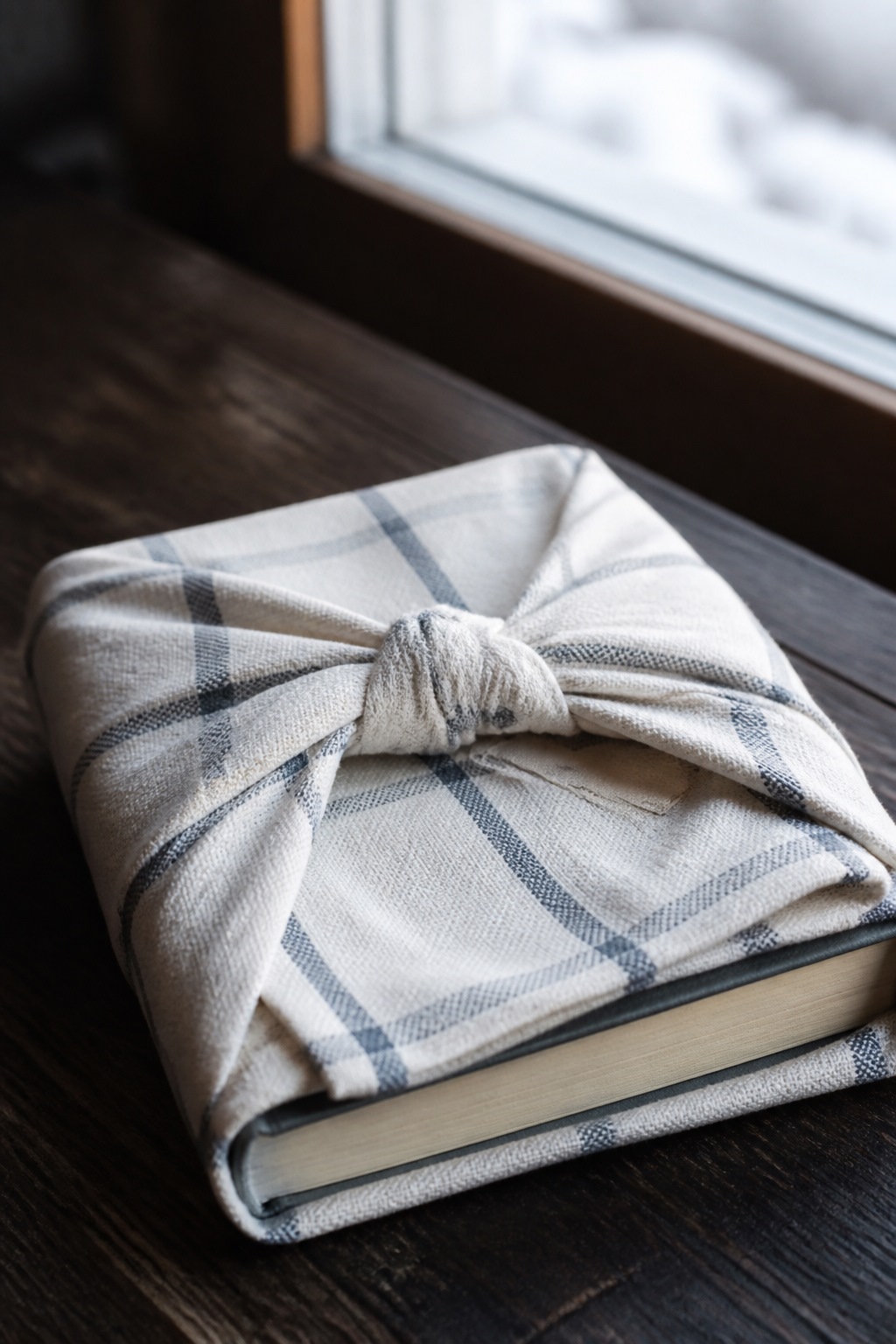
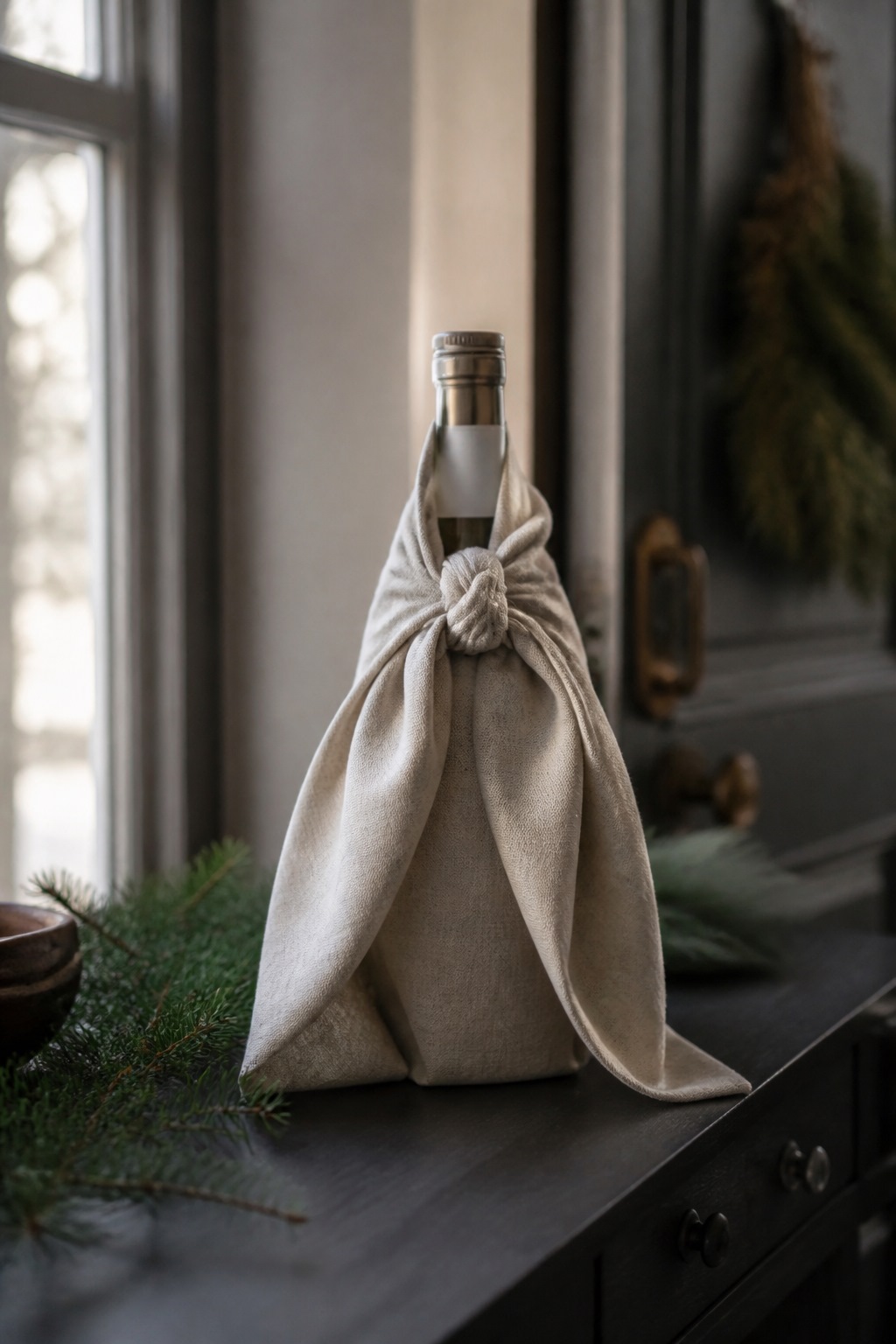
A square of fabric—cotton, linen, a scarf that is part of the gift—can wrap a book, a box, or a bottle. The basic carry wrap: cloth diamond-on, object in the center, opposite corners knotted on top. For a bottle, extra height in the cloth and a second knot at the neck.
If the cloth is the present, say so on a tag, or the recipient will “unwrap” a towel they were meant to keep. Patterns: small repeats hide clumsy folds. Huge florals need a larger square or they look like a face cut off at the chin.
Tape has no place here. A safety pin on the back is allowed if the knot will not hold. Better to size the cloth correctly. Practice twice on a hardcover book: once with a tea towel, once with a scarf. The second wrap is usually the one you will actually use on Christmas Eve. If the cloth is smaller than the gift’s diagonal, get a bigger square—tight corners split first.
Boxes that are the wrap
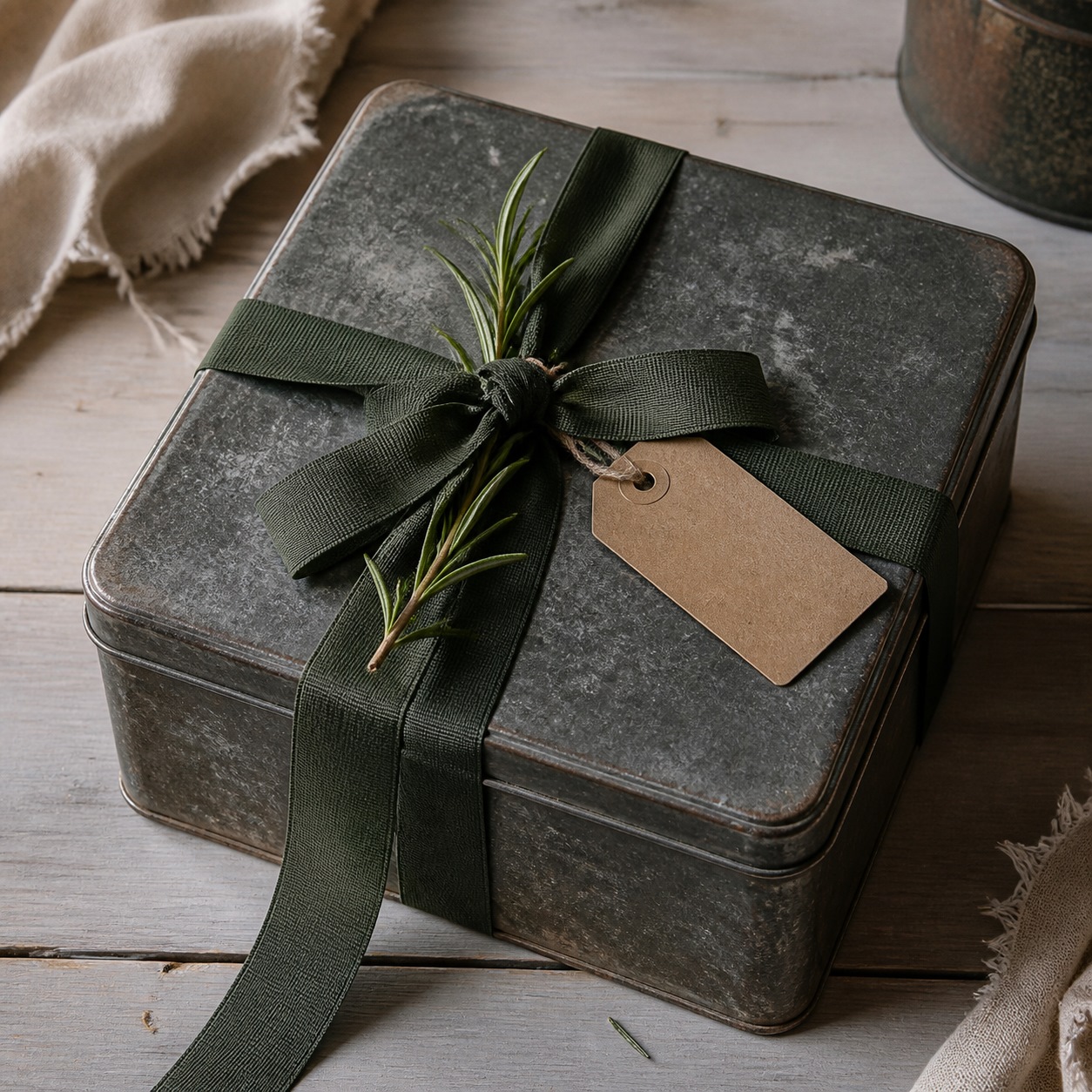
A sturdy shoebox, a tin, a hat box, a fruit crate lined with a napkin: the container is the finish. Paint or paper the lid once if you must decorate, but that is optional. A length of grosgrain around a plain box, tied, with a sprig tucked in, reads as decided.
Measure the gift into the box with crumpled kraft or fabric scraps, not polystyrene if you can help it. A rattling object inside a beautiful tin feels cheap.
Reuse last year’s tins. People remember a distinctive box more than they remember paper.
Maps, scores, and paper you already had
An outdated road map, sheet music, a child’s drawing, the spare page of a newspaper in a language you like: this is paper, but it is not wrapping paper. The distinction is reuse. Tape lightly; the point is that the sheet had a life.
Maps tear at folds. Reinforce the bottom with a second layer or put the gift in a box first. Newsprint rubs ink onto pale clothes; wrap a barrier cloth inside if the gift is fabric.
Sheet music tears along the stave. Fold so a dark bar hits a corner, not a white rest, or the wrap looks accidentally stained. A child’s drawing should occupy the largest face; pick that face as the front and put the tag there so nobody rotates the cube hunting for the picture.
Ribbon, string, and no covering at all
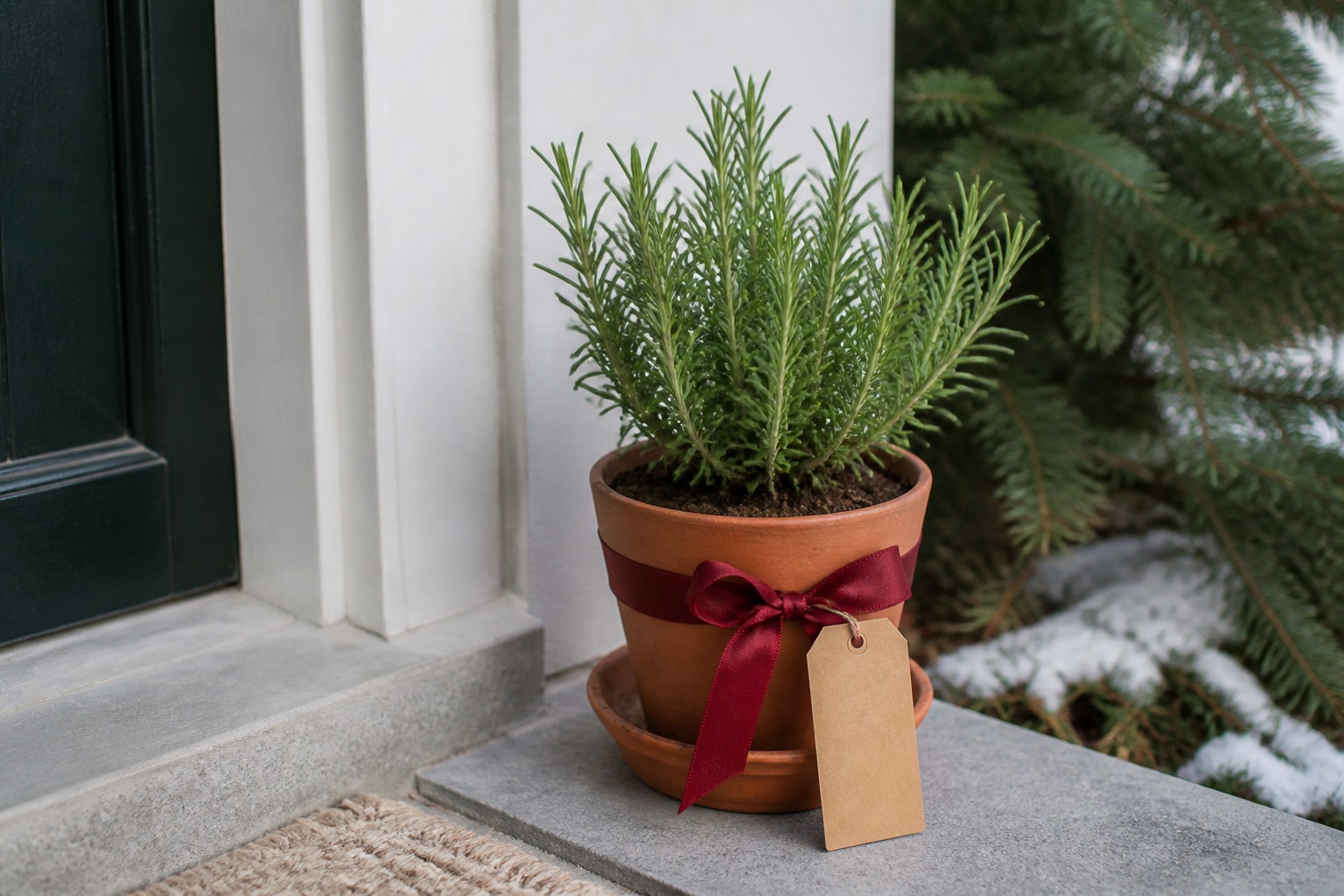
Some objects want to be seen: a wooden toy, a plant in a nursery pot (add a saucer), a bottle with a decent label. A wide ribbon in a simple wrap-and-bow, or baker’s twine with a tag, is enough. If you are embarrassed by the object unwrapped, wrap it. Decoration cannot apologize for a gift you do not stand behind.
Awkward shapes—stuffed animals, a bicycle helmet—fight cloth and boxes. A pillowcase tied at the top is a sack, not a failure. Call it a sack on the tag so nobody hunts for a hidden paper layer.
Volume gifts and the office pile
Ten identical staff gifts in cloth will cost more in fabric than in paper unless the cloth is cheap cotton cut from yardage. A stack of bakery boxes, stamped once, is a no-paper method that still looks like a set. Ribbon color is the identity; do not print a logo so large it looks like retail leftover.
Shipping: cloth knots loosen. Boxes and tins survive a courier. If you must mail a cloth wrap, put the already-wrapped object inside a plain shipping carton. The recipient still gets the no-paper moment at the end. The courier gets a cube.
Kids’ gifts: a pillowcase sack is faster than origami fabric folding when you have twenty. Let them draw on the tag. The wrap can be quiet.
Cost, honestly
A beautiful linen square can cost more than the gift. Then the wrap is the gift, which is only a problem if you pretended otherwise. Bargain tea towels, thrifted scarves with a stain on the underside, and last year’s extra napkins are the sustainable version of this idea. Buying new “furoshiki sets” in plastic packaging to avoid wrapping paper is a joke the landfill will get.
Time is the other cost. Paper is fast. Cloth is slower until you know two knots. Practice on a book you are giving to yourself. Hosts wrapping a pile of party gifts in paper are optimizing for speed, not failing the method—use cloth and tins for the two or three presents meant to be seen. A mixed under-tree landscape looks like a household. If a child wrapped it, leave the crooked knot. Keep a wrap drawer: two cloths, one tin, twine, tags. When the drawer is in the laundry, paper is allowed.
For a wedding or office pile, pick one method and buy materials once. Ten systems look like indecision. Tape belongs on the shipping carton, not on a vintage scarf.
Names, weather, and the walk to the door
Write the name on a luggage tag, a luggage-style sticker on a tin, or a luggage label tied to the knot. Do not write on a map you might want later.
Snow and rain destroy cloth knots and paper maps on a doorstep. For outdoor drop-offs, a box or tin wins. For under the tree, cloth is quieter than crinkling film.
Save a photograph of the wrap if it was beautiful. Then put the cloth back in rotation. The method only works if the materials return to the cupboard in January, not to a landfill in a different costume. Next year you will already know which knot you trust and which tin actually closes. Repeat a short list of methods—not a new wrapping personality every December.

Comments
Continue reading
Knit Kitchen Tools You Will Actually Use
Dishcloths, pot holders, bowl cozies, and other small knits for the kitchen—yarn choices, cotton vs wool, and projects that survive heat, water, and daily mess.
Botanical Christmas Ornaments from Citrus, Herbs, and Dried Flowers
Dried orange slices, rosemary, bay, and pressed flowers as tree ornaments—how to dry, string, and store them so they last the season without going moldy.
DIY Ideas for Old Socks: Rugs, Puppets, Mittens, and More
Sort leftover socks by fiber, then turn them into braided rugs, hand puppets, soft toys, mittens, and pin cushions with practical cutting and sewing tips.