
Wicker Swing Chairs: Hanging Seats with a Childhood Echo
How hanging wicker and rattan swing chairs bring gentle motion and porch-day nostalgia indoors or out—plus structure, materials, and placement that keep the whimsey livable.

A hanging wicker swing chair does a small magic trick in a room or on a porch: it turns sitting into floating. The weave softens hard architecture, the suspension adds gentle motion, and the cocoon shape recalls nests, baskets, and the backyard swings of childhood without requiring a tree or a playground. That mix of whimsy and comfort is why these chairs keep circulating through interior galleries—one piece that can make a corner feel finished.
This guide looks at how wicker and rattan swing chairs work as furniture, what to check before you hang one, and how to place them so the childhood echo feels intentional rather than novelty-store loud.
What “wicker swing chair” usually means
Wicker is a weaving method more than a single plant. Rattan, willow, bamboo, and synthetic resin fibers can all be woven into open patterns that read as classic porch furniture. Swing chairs add a hanging structure: a single-point suspension from a ceiling hook or beam, or a freestanding metal or wood frame that carries the seat like a hanging egg. Egg-shaped and teardrop cocoons are popular because they wrap the sitter; open bowl shapes feel more social and less cave-like. Seat cushions are almost always part of the package—woven seats alone can be beautiful and unforgiving.
Indoor versions often use finer weaves and softer finishes. Outdoor versions need UV-stable synthetics or carefully maintained natural fibers, plus hardware that shrugs off moisture. Mixing the two categories is how chairs fail early: a living-room rattan piece left through a rainy season on an open deck will teach you about mold faster than any article can.
Why the childhood association sticks
Swings encode play. Even a slow adult rock in a hanging chair reuses the vestibular pleasure of a playground arc. Wicker adds a second memory layer—porches, summer houses, grandparents’ sunrooms—without demanding literal nostalgia décor. The chair works best when it is one clear gesture in a calm room: pale walls, a plant, a side table for a book. Surround it with too many “fun” objects and the whimsy cancels itself.
Designers lean on these chairs in reading nooks, bedroom corners, spa-like bathrooms with enough ceiling height, and covered patios. In children’s rooms the romance is obvious, but load ratings and soft landings matter more than Instagram. A swing is still a pendulum; clearance and supervision are part of the design.
Structure and safety first
Hanging furniture is structural work pretending to be décor. A ceiling hook must reach a joist or a properly rated beam, not hollow drywall. Weight ratings should include the sitter plus energetic motion—people do not sit perfectly still. Swivel connectors reduce twist in the weave and in the rope or chain. Soft stops or a low clearance plan help if kids will use the chair; a hard floor under a high swing is an injury waiting for a slip.
Freestanding frames avoid ceiling drama and let renters move the piece, but they need a wide footprint so the whole assembly does not tip when someone leans hard. Check welds, base width, and whether the frame is rated for indoor floors or outdoor ground. On decks, confirm the joists below can take concentrated load; a charming corner is useless if it sits over a weak span.
Natural fiber ropes stretch and can abrade. Chains last longer but clang and look industrial unless sleeved. Many finished chairs hide the hardware inside a woven loop or canopy—inspect it anyway. Replace frayed lines before they announce themselves mid-sit.
Materials: natural vs synthetic
Natural rattan and willow feel warm and age into a lived-in patina. They dislike prolonged wetness and harsh sun. Occasional cleaning with a soft brush, mild soap, and thorough drying extends life; oil or sealant guidance depends on the finish the maker used. Synthetic wicker (often polyethylene) mimics the look with better weather tolerance and easier wipe-downs. It can look glossy or plasticky if the weave is coarse; better products dull the sheen and vary the strand color so the chair reads closer to plant material.
Cushions decide daily comfort. Outdoor foam and quick-dry fills matter on porches. Indoor down-wrap cushions feel luxurious and hold rain like a sponge—keep them honest about location. Removable covers earn their keep. Patterns should support the chair’s silhouette: busy prints fight the weave; solids and subtle textures usually win.
Proportion and placement
Leave swing arc room on all sides. A chair that kisses a bookshelf on every sway will damage both. Height should let feet touch down easily for most users; a chair that leaves short sitters dangling becomes a trap rather than a rest. In small rooms, a lighter weave and open sides prevent the cocoon from eating the whole visual field. In large lofts, a denser egg shape can anchor an empty corner that paint alone cannot fix.
Light loves wicker. Place the chair where daylight can pass through the weave and cast patterned shadows—late afternoon is especially kind. At night, a floor lamp beside rather than above avoids harsh overhead glare in the sitter’s eyes. Pair with a small table; without a landing pad for drinks and books, the chair’s romance fades after twenty minutes.
Color stories stay simple: natural tan against white walls, black-stained frames in modern lofts, white-washed weaves in coastal rooms. Painted wicker can look charming or craft-fair depending on finish quality—matte and even coats help.
Styling without turning the room into a set
One throw, not three. One plant, not a jungle. If the chair is the childhood wink, let the rest of the room stay adult: good rug, quiet art, decent reading light. On a porch, echo the weave with a simple side table or planter, not a matching suite of seven rattan pieces that shout “theme.”
Seasonal rotation helps outdoor chairs. Cushions stored dry through wet months last longer. In winter, a covered porch chair can stay; an exposed one may need to come inside or wear a breathable cover. Synthetic weaves forgive more neglect; natural weaves keep score.
Buying checklist
- Confirm indoor vs outdoor rating and match it to the real site.
- Read the weight limit and assume motion adds force.
- Inspect suspension hardware, frame welds, and weave integrity.
- Measure ceiling height, swing clearance, and door swing paths.
- Plan cushions you can clean—and a table within reach.
- For rentals, prefer a freestanding frame unless you have written approval to open the ceiling.
Hang the chair where you will actually sit with a book at the end of a day, not only where it photographs well empty. The childhood feeling is the gentle sway and the woven cocoon—not a catalog caption. If the hardware is solid and the corner is calm, that is enough whimsy for a house to hold.

Comments
Continue reading
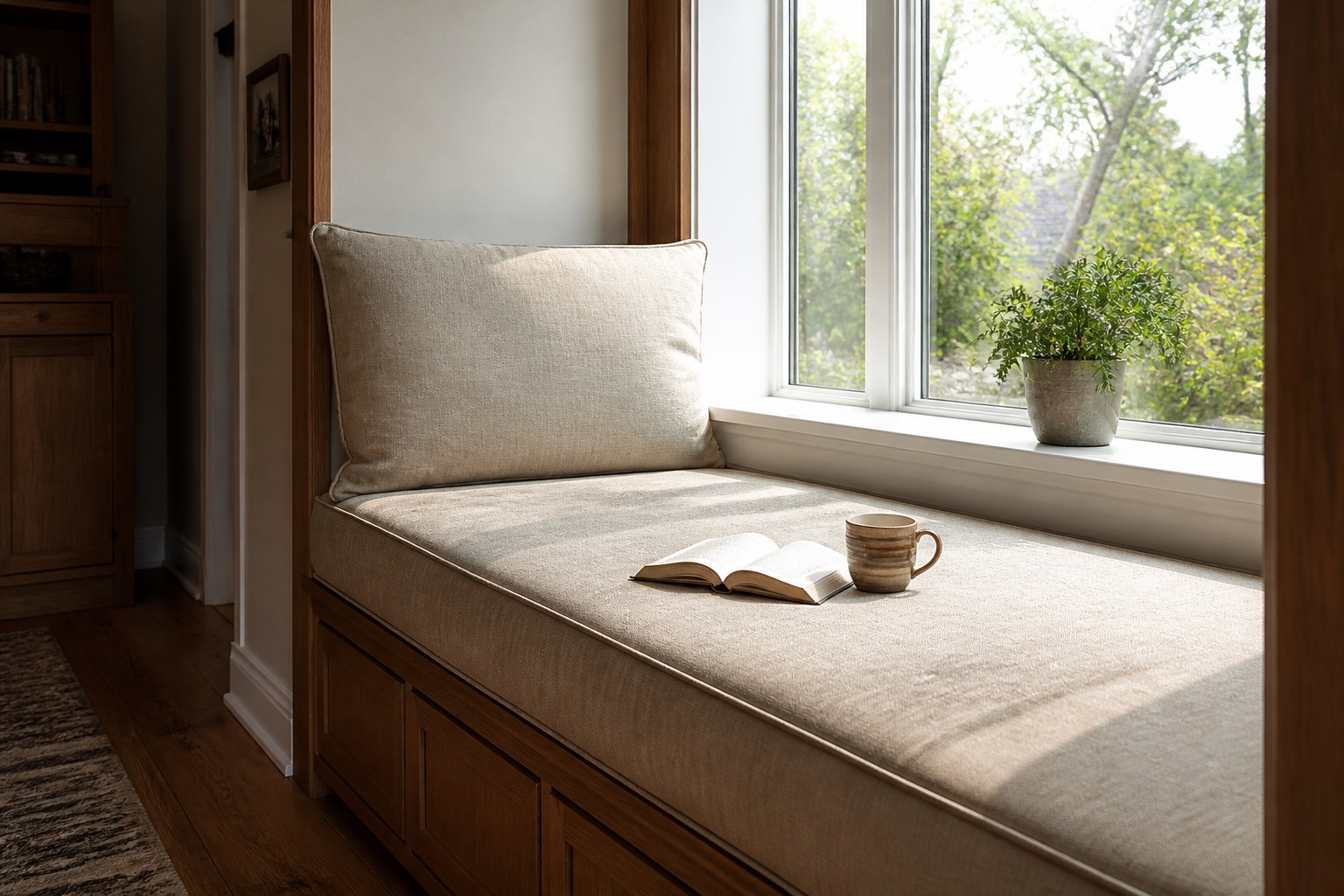
Window Seats That People Actually Sit In
Depth, cushions, storage, and light—how to build or dress a window seat so it becomes a reading spot instead of a dumping ground for laundry.

Garden Decoration Beyond Beds: Lace, Mosaiculture, and Upcycled Yard Art
From dressed topiary and floral cyclists to license-plate dragonflies and lace between trees—garden decorations that give a yard a voice.
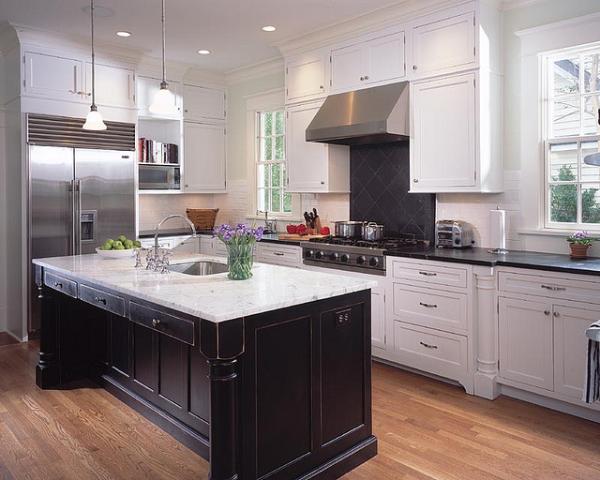
Kitchen Design Ideas: Layout, Storage, Light, and Finishes That Work
Practical kitchen design ideas—work zones, cabinetry, lighting, and durable finishes—so inspiration translates into rooms that cook and gather well.