
HDR by Jean-Michel Priaux: Dreamlike Landscapes from Alsace
Alsace photographer Jean-Michel Priaux turns bracketed exposures into vivid HDR photo-paintings—familiar places finished with cinematic color and glow.
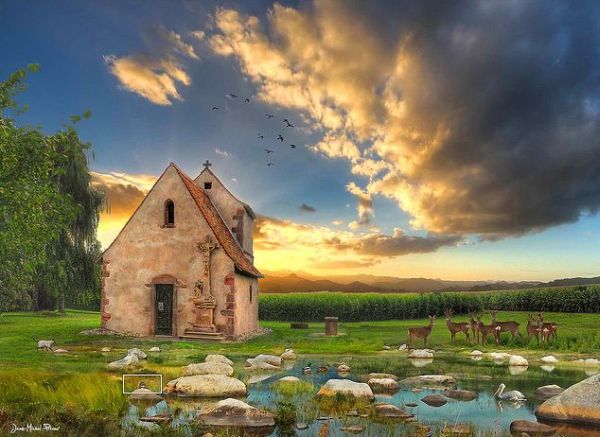
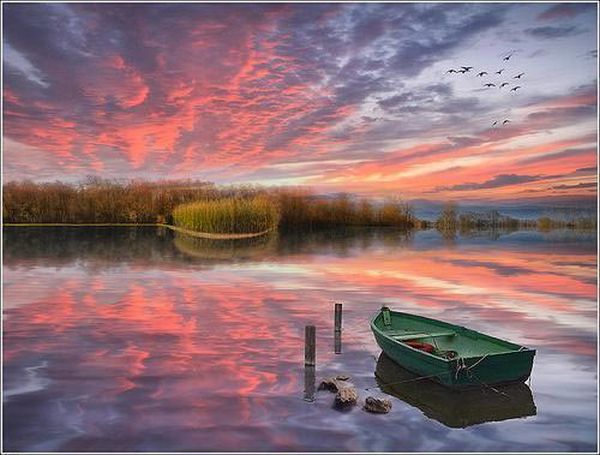
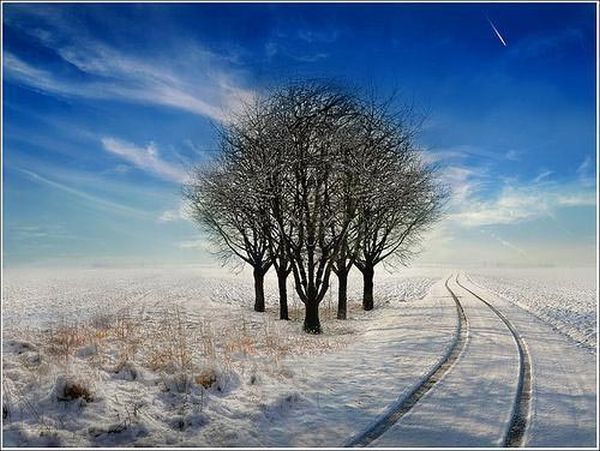
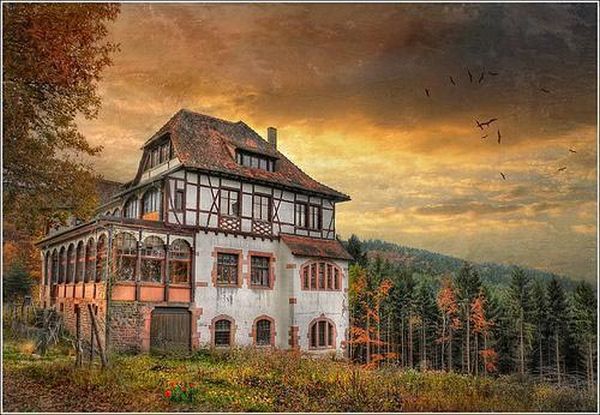
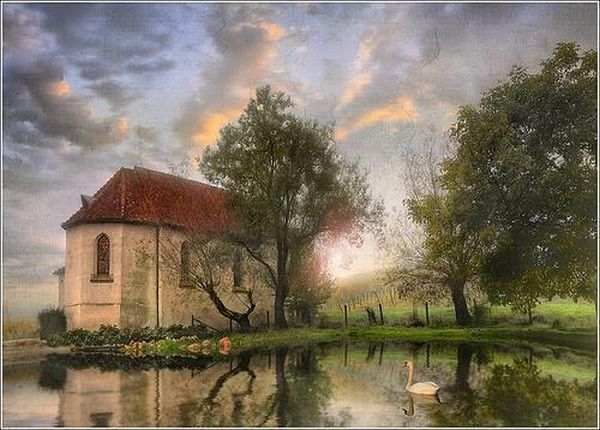
Jean-Michel Priaux photographs places until they stop behaving like ordinary weather reports. Based in Alsace, France, he works in high dynamic range—layering exposures so shadow detail and bright sky can coexist—then pushes color and contrast until a familiar landscape feels half-remembered and half-invented. The results are often called HDR photo-paintings: still rooted in a real viewpoint, but finished with a painter’s appetite for saturation, glow, and atmosphere.
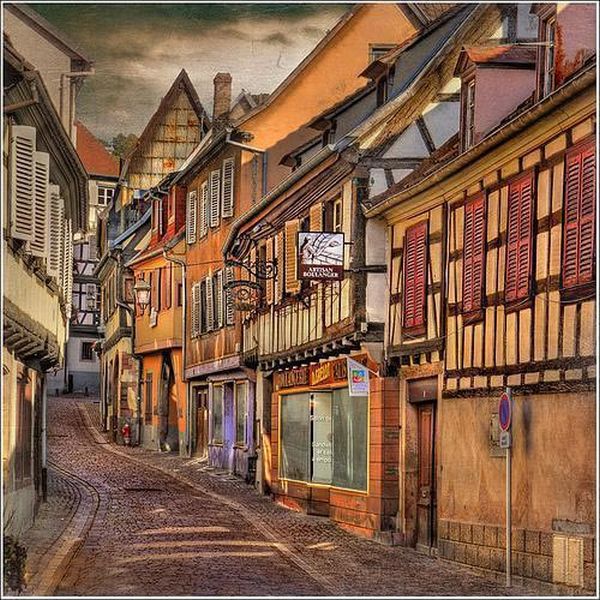
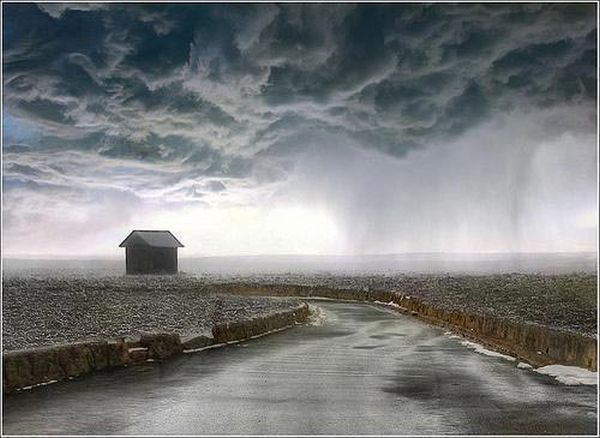
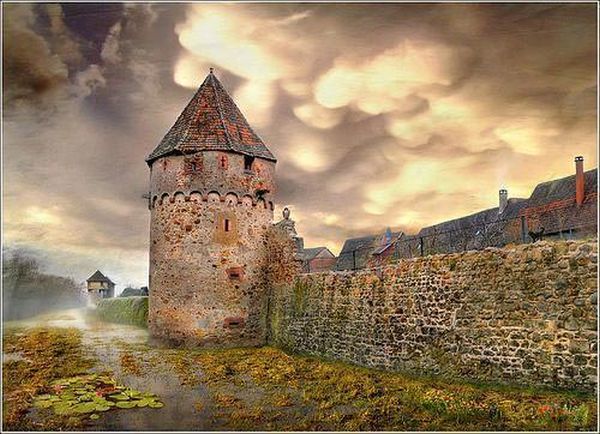
Priaux’s images circulated widely in the early 2010s on Flickr and in design blogs that prized luminous skies, reflective water, and architecture edged in neon dusk. They arrive at a moment when HDR was shifting from technical rescue tool to expressive style. Some photographers used the method for naturalism. Priaux’s public body of work leans toward the dreamlike: evenings that burn a little hotter, clouds that hold more weight, streets that look rinsed in cinema light. The difference is not that he ignores reality; it is that he edits toward feeling.
What HDR is doing in these frames
High dynamic range photography starts with a practical problem. A single camera exposure often cannot hold bright highlights and deep shadows at once. Photographers capture a bracket—darker and brighter frames of the same scene—then merge them so the final file contains more tonal information. Software can aim for realism or for drama. The merge is only the beginning; tone mapping, local contrast, and color decisions decide whether the picture feels believable or theatrical.
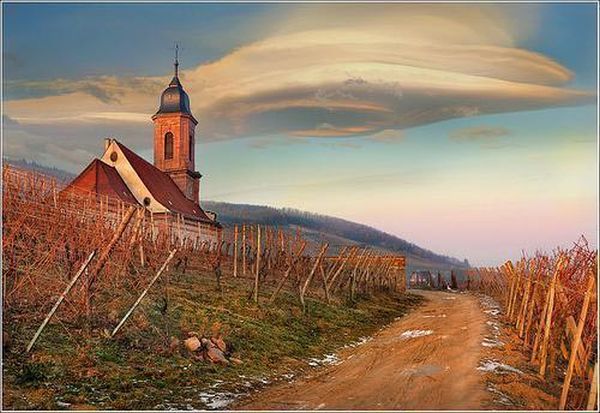
In Priaux’s gallery, theater usually wins—but not carelessly. Horizons stay level. Reflections still obey water. Buildings keep their volumes. The exaggeration lives in luminance and hue: skies become stages, windows become lanterns, foliage can look almost electrified. That balance matters. Pure distortion is easy; controlled intensity is harder, and it is what makes these photographs linger after a quick scroll would have discarded a flatter postcard version of the same street.
Viewers sometimes ask whether HDR “creates” a place that never existed. A fairer description is that it selects which truths to amplify. The wet road was there. The last light was there. The long exposure of looking—patience at the edge of day—was there. What changes is the permission to keep more of those truths in one file without surrendering either the glowing cloud or the dark doorway beneath it.
Alsace light, universal appetite
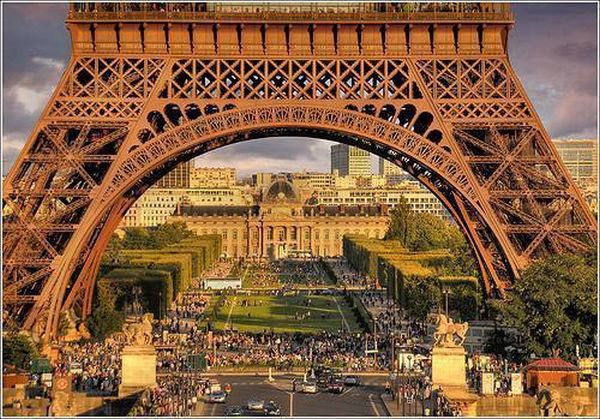
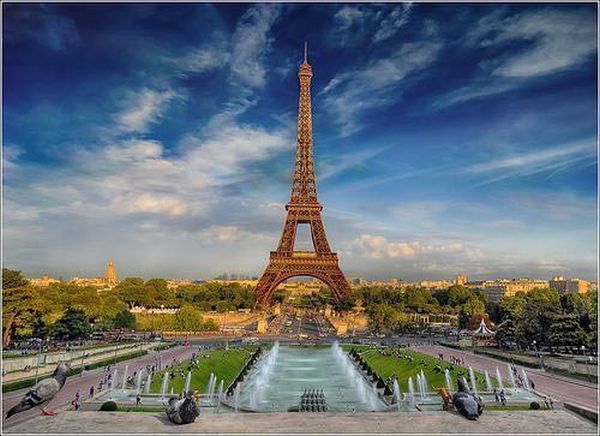
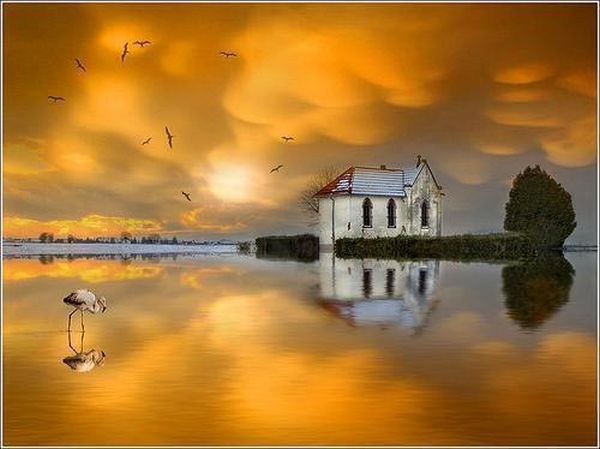
Priaux’s home region supplies rivers, villages, foothill weather, and the kind of transitional light that HDR loves—moments when the sun is low enough to paint sides of buildings while the sky still holds blue. Alsace also offers architectural variety: timber rhythms, church silhouettes, bridges, and road perspectives that give a composition a spine. Yet the appeal of his work is not only regional documentation. Viewers who never visited Alsace still recognize the emotional weather: solitude on a road, warmth in a window, the hush before night. The place names matter less than the invitation to look longer.
In interviews and captions that traveled with his images, Jean-Michel Priaux has emphasized patience and attention over exotic gear. Coverage from the period often notes consumer-friendly cameras such as a Panasonic FZ18 and a Nikon D90 among tools he used—equipment that was capable, not mythical. The reminder is useful for anyone intimidated by HDR discourse. Style is decided in the field by timing and composition, then refined at the desk. A better camera helps; a clearer intention helps more. Waiting for the right cloud can outrank buying the next lens.
That patience shows in how empty some frames feel in a good way. Priaux often leaves room for sky or road so the color has somewhere to breathe. Crowded HDR can feel like visual noise; spacious HDR can feel like a stage set just before the actors enter. Even when no person appears, the human scale remains implied by doorways, paths, and the width of a street meant for walking.
How to look at an HDR gallery without fatigue
Strong HDR can overwhelm if you race through it. Color intensity asks for pacing. A better way through Priaux’s set is to alternate between whole-image mood and small structural checks:
- Where is the brightest plane, and does it deserve that dominance?
- Do edges of buildings or trees stay crisp, or has contrast eaten detail?
- Is there a quiet zone—road, water, wall—that lets the eye rest?
- Would the composition still work in black and white, or does it depend entirely on hue?
- Does the color temperature feel like one hour of day, or like several hours stitched without care?
Those questions keep admiration from becoming numbness. They also clarify why some frames feel like paintings and others feel like enhanced postcards. Priaux’s strongest images usually pass the structure test: even if you turned the saturation down, the geometry would still hold. That is a useful filter for your own editing as well. If a file collapses when the fireworks leave, the problem was never “not enough HDR.” It was not enough picture underneath.
Between documentation and invention
Critics of HDR sometimes treat vivid processing as dishonest. Defenders answer that all photography is interpretive—film stocks, filters, and darkroom dodging always were. Jean-Michel Priaux’s work sits comfortably in that older argument. He has described adding only a little to what he sees, while also admitting that the finished “photo pictures” are not identical to literal daylight. The honesty is in the authorship: these are his nights and roads, not a claim to neutral meteorology.
That authorship is why names matter on a page like this. Jean-Michel Priaux should not be collapsed into other HDR travelers of the same decade. His Flickr presence and Alsace base locate a specific practice: patient local looking, consumer-camera pragmatism, and a finish that favors wonder over reportage. Keeping the credit clear protects both the artist and the viewer’s sense of where the dream begins.
It also protects the gallery’s purpose. You are not here for a generic HDR tutorial disguised as a slideshow. You are here to spend time with a particular eye—one that treats evening color as narrative and ordinary geography as eligible for marvel. The images that follow keep that eye visible frame by frame.
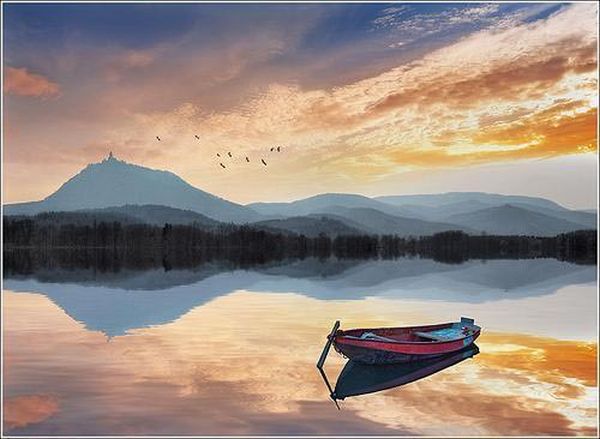
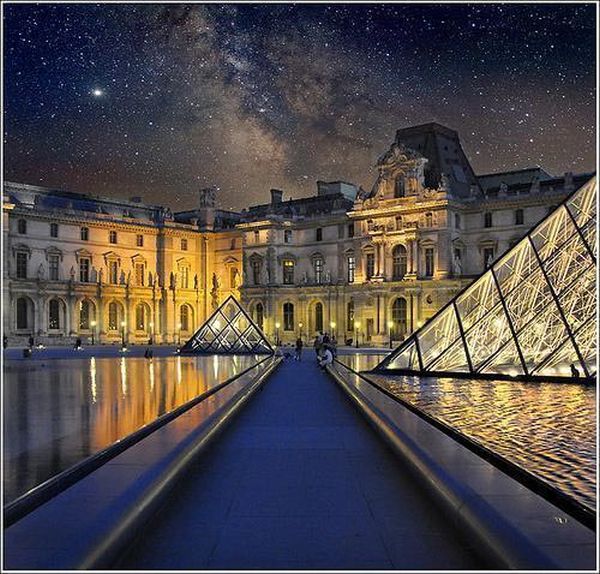
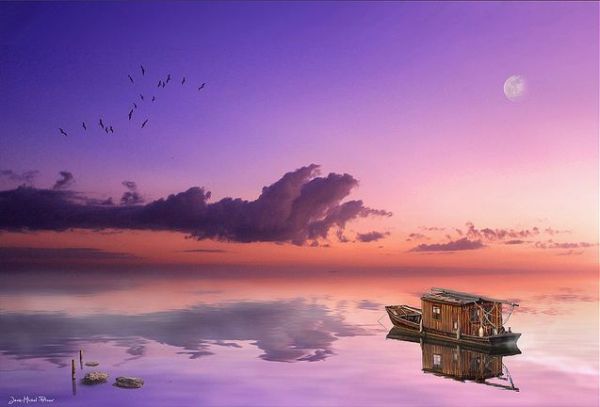
If you take one practical habit from this set, make it this: before merging brackets on your own work, decide whether you want the file to report a place or to dream it. Jean-Michel Priaux’s photographs choose the dream with discipline—enough structure to remain believable, enough glow to refuse ordinary. That is a useful compass even for photographers who prefer quieter color. The question is never only “how much HDR,” but “what kind of evening are you trying to keep?”

Comments
Continue reading
Still-Life Photography at Home with One Window
A table, north or side light, and a handful of objects—how to shoot still lifes in a small room without a studio, softboxes, or a prop closet.
Dramatic Photo Art by Sukron Ma’mun (Ipoenk Graphic)
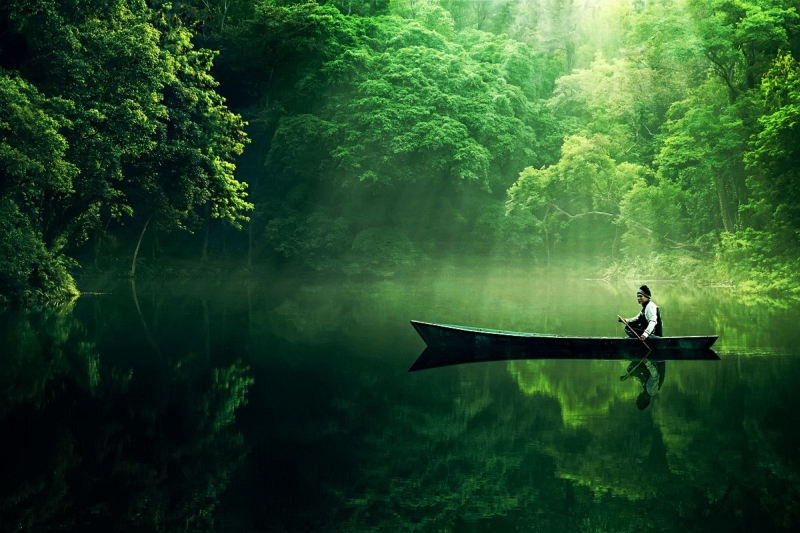
Cirebon, Indonesia photographer Sukron Ma’mun uses theatrical natural light to frame village life, play, and place in lyrical photo art.

Bird’s-Eye Views: Florian Beaudenon’s Instant Life
Paris photographer Florian Beaudenon’s Instant Life series captures people in their rooms from above—intimate, collaborative overhead portraits of everyday joy.