
Celebrities Covered with Tattoos by Cheyenne Randall
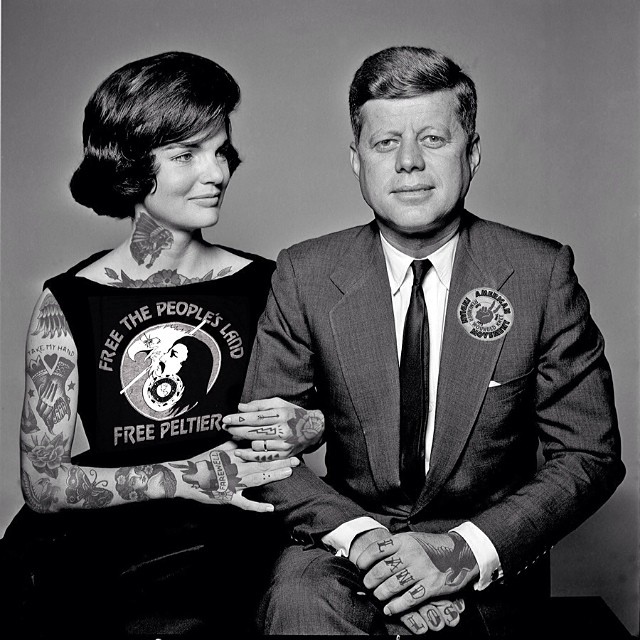
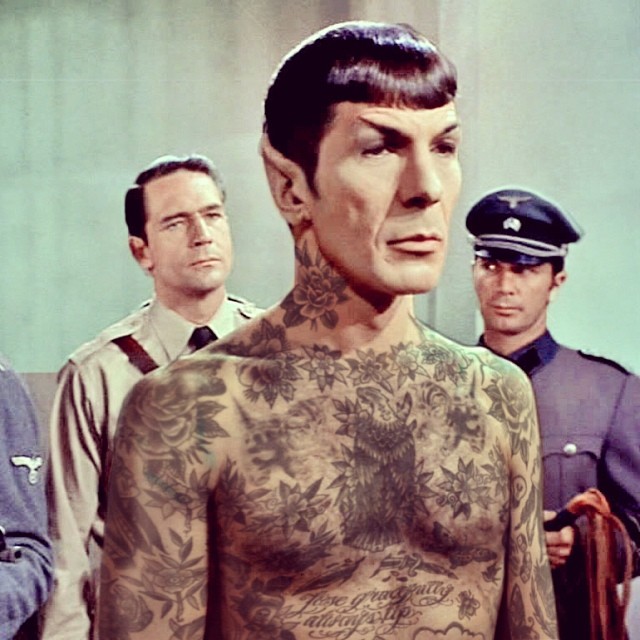
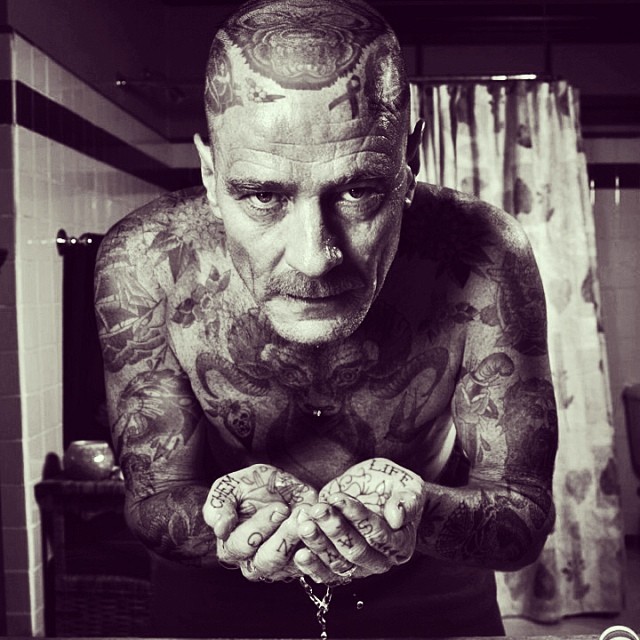
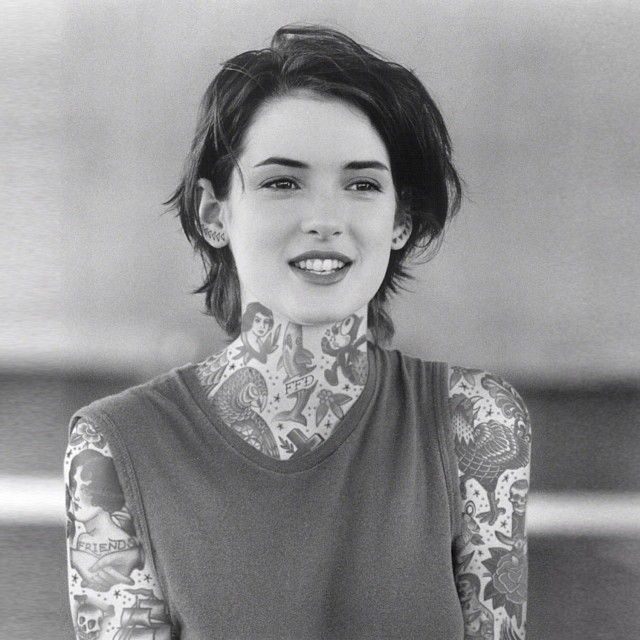
Seattle artist Cheyenne Randall’s Shopped Tattoos series reimagines iconic publicity photos as parallel-universe portraits dense with digital ink.
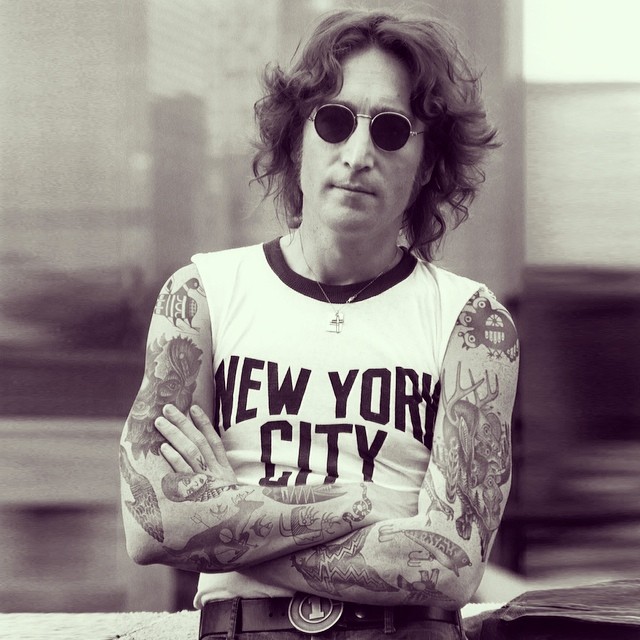
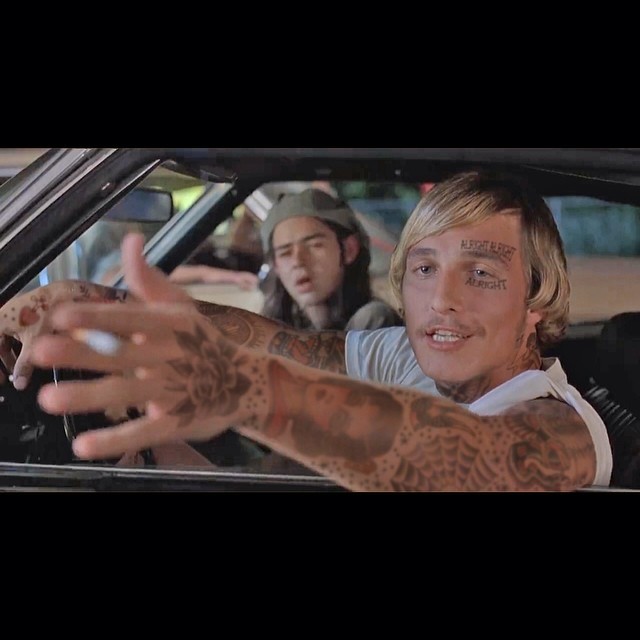
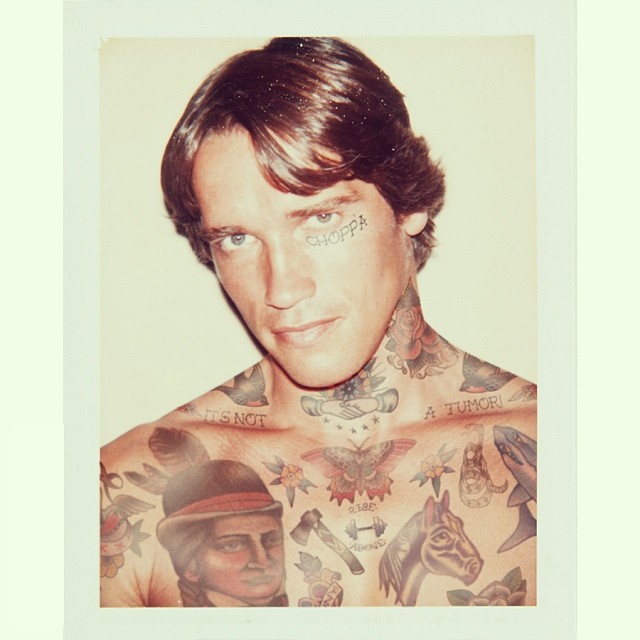
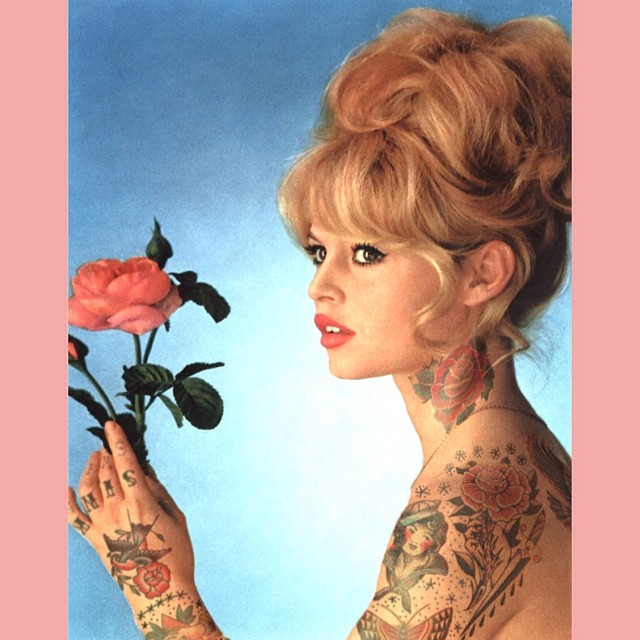
In the early 2010s, Seattle-based visual artist Cheyenne Randall began a digital series that asked a mischievous question with serious craft behind it: what would familiar public faces look like if their skin carried a lifetime of ink? Working in Photoshop, he took well-known photographs of cultural icons and covered them with tattoos until the images felt like visitors from a parallel universe. The project—often discussed as Shopped Tattoos—moved through Tumblr and Instagram first, then into mainstream features around 2014. This gallery preserves that moment: recognition colliding with reinvention, one publicity still at a time.
Randall has been careful about language. He has pushed back against framing the work as a shallow “tattooed celebrities” stunt. The series is less about gossip cosplay and more about how tightly audiences lock famous people into a single visual myth. Change the map of the skin and the myth wobbles. Audrey Hepburn, classic Hollywood faces, musicians, political figures—once flash and linework arrive, the viewer renegotiates intimacy with someone they never actually knew.
How the cover-up illusion is built
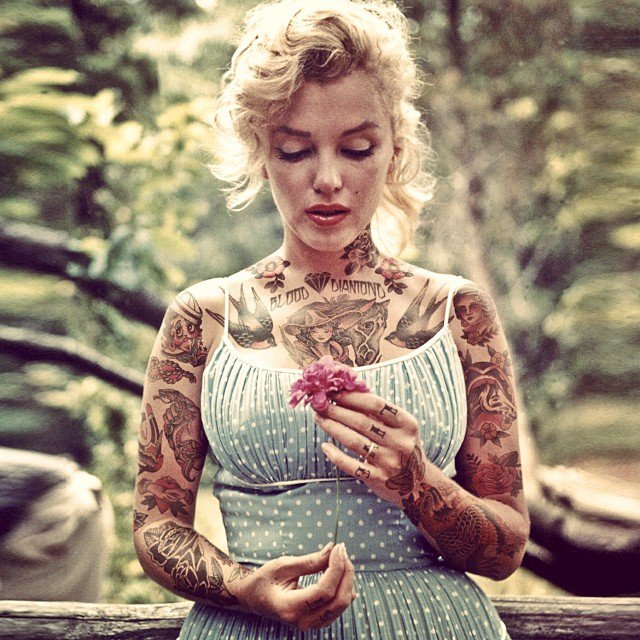
Technically, the pictures live or die on compositing discipline. Early experiments used found tattoo imagery placed onto portraits. When working tattoo artists objected to designs being reused without consent, Randall shifted toward classic flash vocabularies—roses, anchors, skulls, swallows, traditional Americana—and later toward drawing original tattoos digitally so authorship stayed clean. The better frames do not look like stickers dropped on a face. Ink follows muscle, clavicle shadow, and the fall of studio light. Specular highlights break across supposed pigment. Necks carry tension. Hands look occupied by history. That illusion is the craft.
Subject choice matters as much as rendering. Icons with “clean” public images create stronger friction when covered. A mid-century actress whose stills sold porcelain glamour becomes a different biography once décolletage and forearms carry dense work. A statesman or scientist taught as a textbook emblem suddenly reads as a person with private rooms. Randall’s own descriptions have emphasized curiosity about parallel lives: not vandalism of the archive photo, but speculative biography written in pigment.
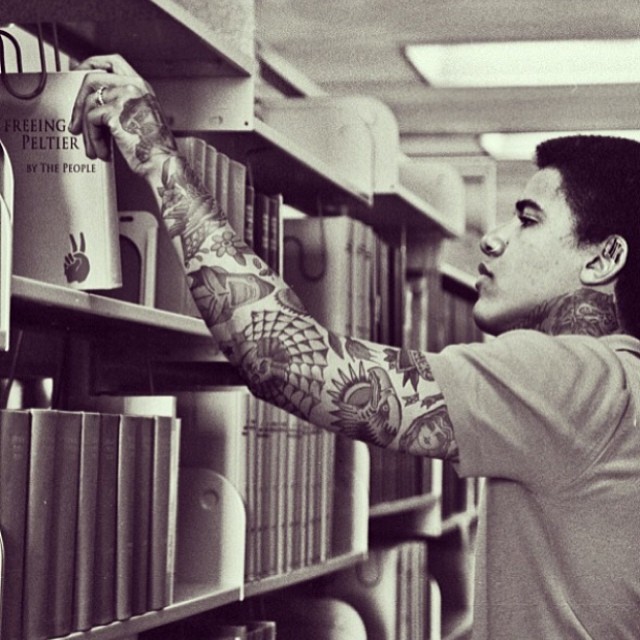
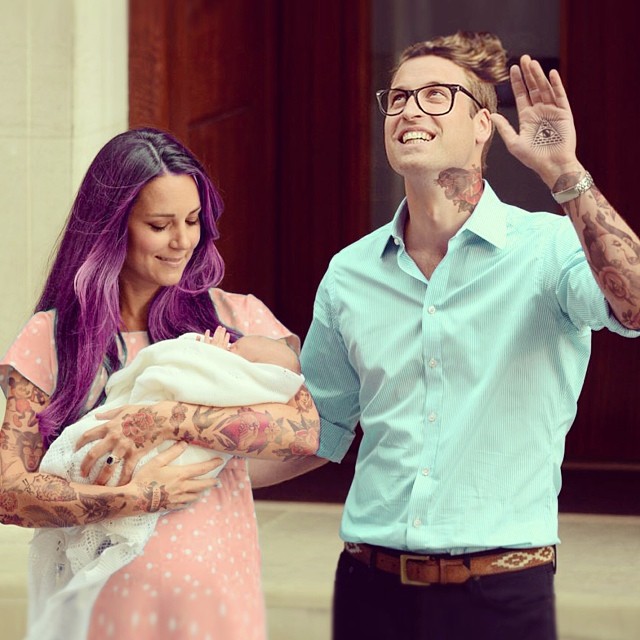
Scale and density do rhetorical work. Sparse placements can feel like rebellion that never quite left the weekend. Full sleeves, throat pieces, and chest plates suggest years of decisions. Viewers project timelines onto ink whether the artist intends a timeline or not. Shopped Tattoos weaponizes that projection. The face stays famous; the body becomes a rumor.
Fame, skin, and the parallel-universe trick
Tattoos in these images function like alternate costume design. They suggest subcultures, eras, and choices the official biography never recorded. A neck piece can imply belonging or defiance. A sleeve can imply time spent far from red carpets. Because the base photograph remains recognizable, the brain holds two identities at once: the archive face and the rewritten body. That double exposure is why the series entertains without needing a caption novel.
It also brushes against class and respectability politics. For decades, heavy tattooing carried meanings Hollywood publicity departments preferred to manage carefully. Placing traditional flash on a carefully lit studio portrait collapses that distance. The result can feel affectionate, unsettling, comic, or tender depending on the viewer’s own relationship to ink. Randall’s project does not resolve those feelings. It stages them and leaves the judgment with the audience.
As a Lakota artist working with American pop images, Randall has long treated remix as a live question. Later mural work, wheatpaste projects, and exhibitions extended beyond the early feed-driven wave, but Shopped Tattoos remains the series that introduced many people to his name. Celebrity skins were a portal into a broader practice of re-seeing Americana—icons, myths, and the surfaces we mistake for character.
Social platforms amplified the work for obvious reasons. The images are instantly legible at phone scale. They invite tagging, arguing, and “which one is your favorite” threads. Yet the durable interest is not the scroll rush. It is the slight grief and delight of watching a fixed publicity image lose its monopoly on a face.
Looking at this gallery
Move through the frames slowly enough to notice placement, not only famous eyes. Where does the densest ink sit—throat, hands, sternum, shoulder? Does the tattoo language feel old-school flash, fine-line contemporary, or mixed? How does jewelry, hair, or wardrobe from the source photo argue with the new skin? Strong pieces keep the original lighting logic intact; weaker remixes in the broader copycat wave often fail that test and look pasted.
Compare two portraits in sequence. One may feel like costume play. Another may feel eerily plausible, as if a documentary negative had been waiting in a vault. That range is useful. It shows how much of “who someone is” we construct from surface cues we barely admit we are reading. Makeup, grooming, and retouching already rewrite faces before Randall’s ink arrives. His cover-ups make the rewriting visible.
Try a simple exercise while you look: mute the celebrity’s name in your head for ten seconds and read only posture, gaze, and tattoo density. Then restore the name. The jump between anonymous body and famous label is the series’ real subject.
After the first viral wave
Coverage in 2014 treated Shopped Tattoos as an Instagram phenomenon with a Tumblr trail—fair, given how the images traveled. Print sales and gallery shows later gathered the work into rooms where scale and sequencing could do what a phone feed cannot. Standing in front of a large print changes the joke into a confrontation with craft: you see edges, gradients, and decisions that thumbnail culture flattens.
Randall’s practice continued into murals and other series, including later work rooted more explicitly in Native identity, recovery, and Western myth. The tattooed-icon pictures remain a clean entry point because they are accessible without being empty. You can enjoy them as entertainment and still leave with a sharper sense of how fame costumes people.
If you already wear ink, you may read these portraits as kinship fantasies—what if the pantheon looked more like your shop’s waiting room? If you do not, you may read them as thought experiments about stigma and glamour trading places. Either reading holds. Keep this local set as a sample of that early Seattle-period digital cover-up art: classic publicity stills made newly unfinished, as if biography could still be rewritten one careful needle pass at a time.
One last way to use the gallery: pick a single image, name three tattoo motifs you can actually identify, and ask what story those motifs would tell if the face were unknown. Then look again with the fame restored. The gap between those two readings is where Cheyenne Randall’s parallel universe does its real work.

Comments
Continue reading
Still-Life Photography at Home with One Window
A table, north or side light, and a handful of objects—how to shoot still lifes in a small room without a studio, softboxes, or a prop closet.

Dramatic Photo Art by Sukron Ma’mun (Ipoenk Graphic)
Cirebon, Indonesia photographer Sukron Ma’mun uses theatrical natural light to frame village life, play, and place in lyrical photo art.
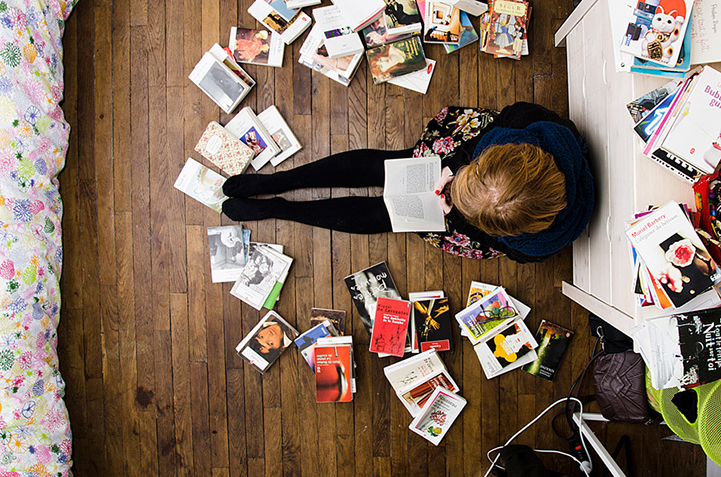
Bird’s-Eye Views: Florian Beaudenon’s Instant Life
Paris photographer Florian Beaudenon’s Instant Life series captures people in their rooms from above—intimate, collaborative overhead portraits of everyday joy.