
Romantic Long-Sleeve Bridal Gowns: A Fashion Gallery Essay
Why long-sleeve wedding dresses endure—from Grace Kelly and Kate Middleton references to lace, crepe, fittings, and veil pairings—with a full inspiration gallery.
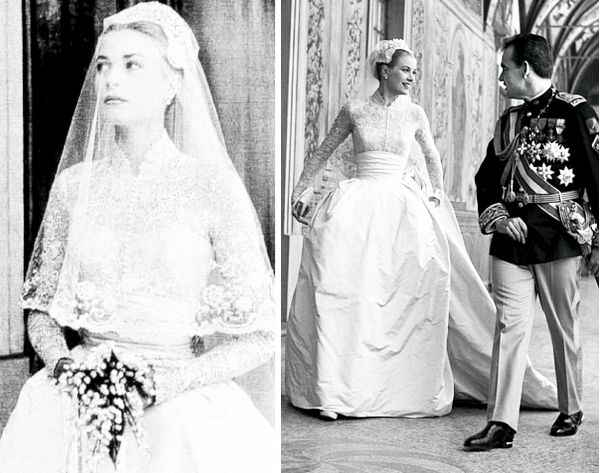
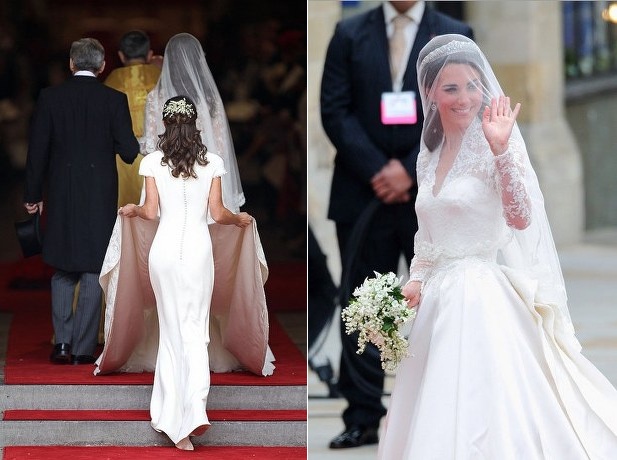
Long sleeves on a wedding dress are not a seasonal footnote. They are a silhouette choice with history, temperature logic, and a particular kind of romance—covered arms that still read as ceremony rather than coat. Royal references help explain the enduring pull: Grace Kelly’s wedding look remains a shorthand for composed elegance, and Catherine, Princess of Wales (then Kate Middleton) brought long sleeves back into mainstream bridal conversation for a generation watching in real time. Between those poles sits a wide field of lace columns, soft crepe, illusion nets, and structured cuffs. The gallery below is for looking closely at that field—comparing texture, volume, and neckline balance rather than chasing a single “correct” romantic dress.
Why long sleeves keep returning
Cool-weather weddings make the practical case obvious. Bare arms photograph beautifully in July and feel punishing in November. A sleeve solves comfort without defaulting to a stiff wrap that never appears in the portraits you actually want. But long sleeves also change line. They lengthen the torso visually, frame the face, and give lace or beading a continuous canvas from shoulder to wrist. That continuity is why so many romantic gowns lean on sleeves even for indoor ballrooms where temperature is controlled.
There is also a cultural memory at work. Mid-century bridal photography loved coverage that still felt feminine; contemporary designers reinterpret that memory with sheer panels, keyhole backs, and modern crepe that moves differently than heavy satin. The result is a wardrobe category that can look archival or current depending on fabric weight and how much skin the neckline and back allow. Autumn and winter brides often discover that long sleeves also simplify the accessory story: fewer last-minute shawls fighting the bouquet, fewer portraits where guests look warm and the couple looks underdressed for the air.
Reading the sleeve as design, not only coverage
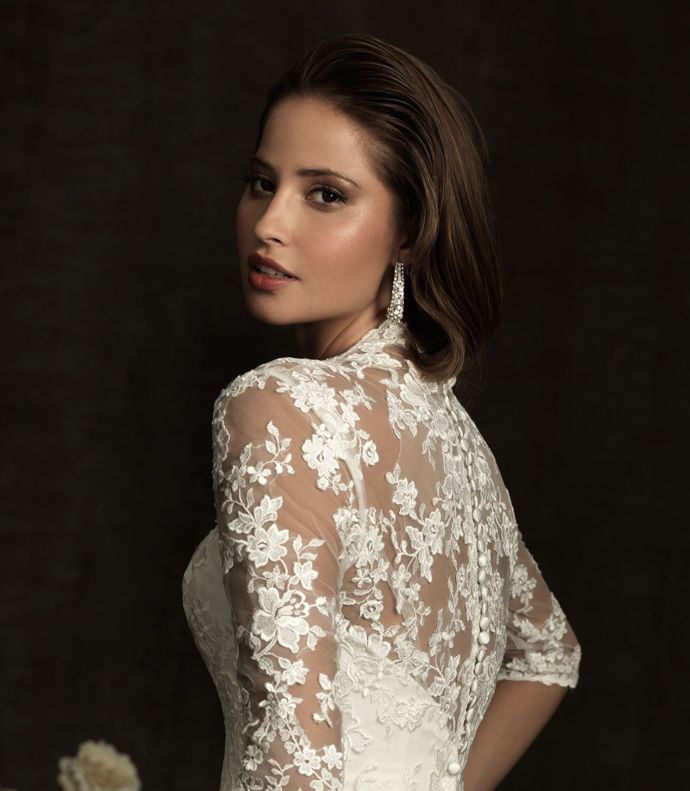
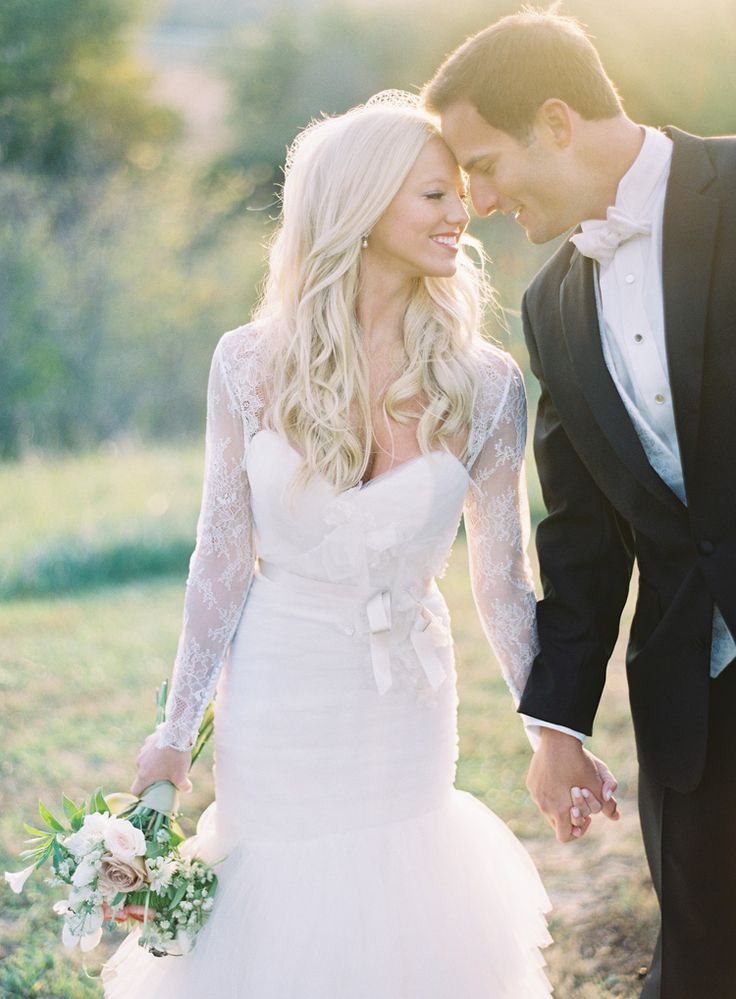
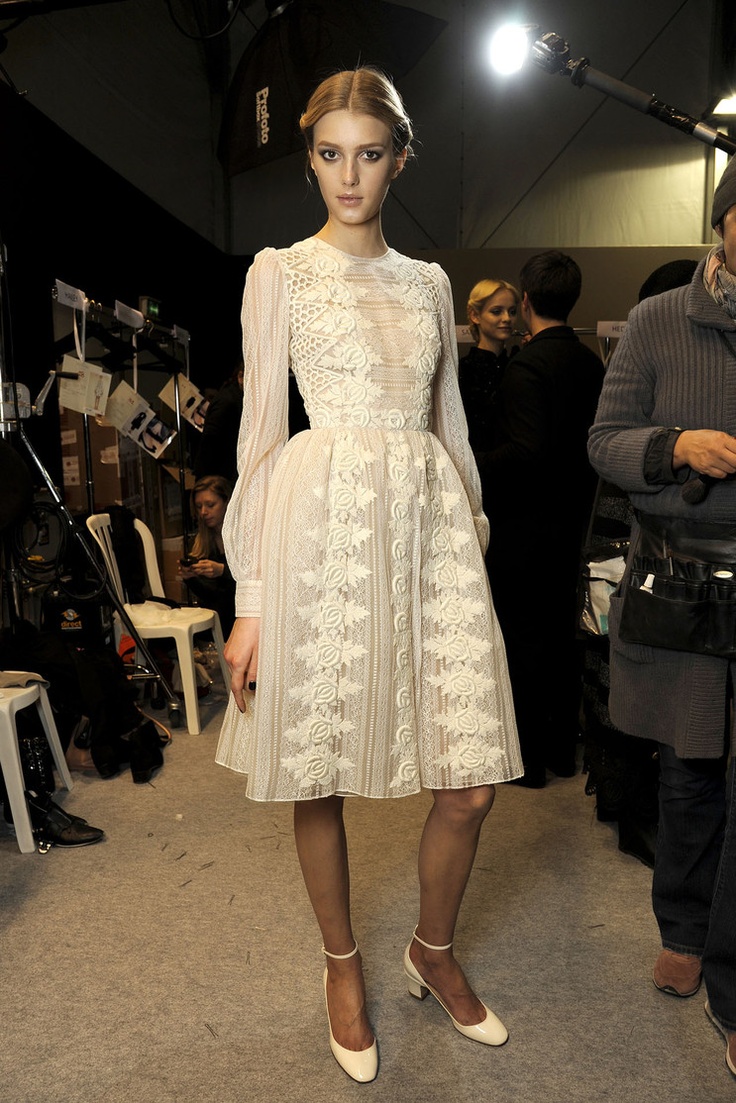
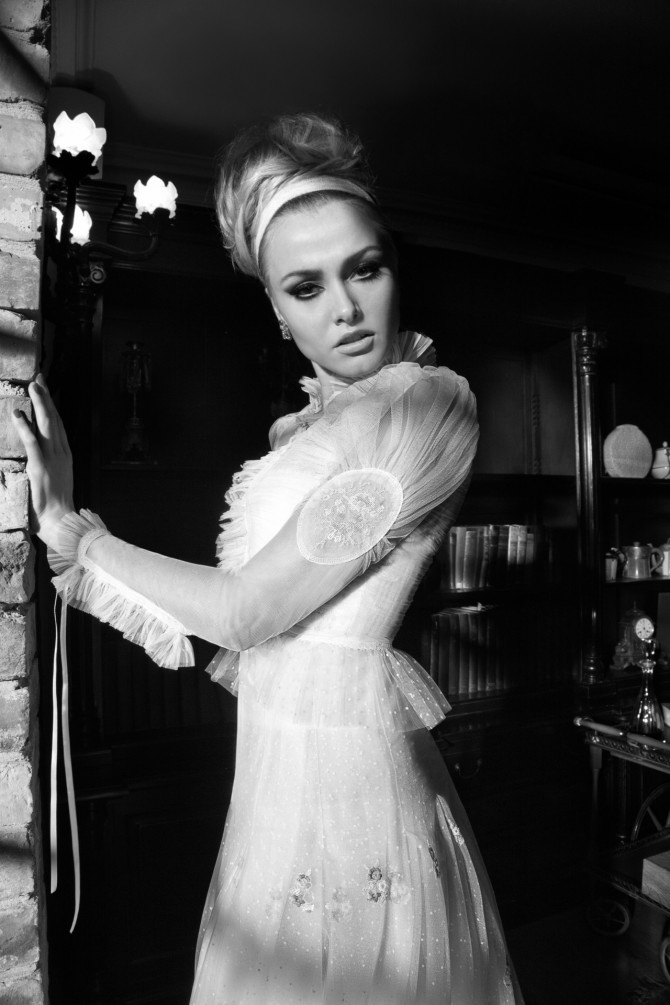
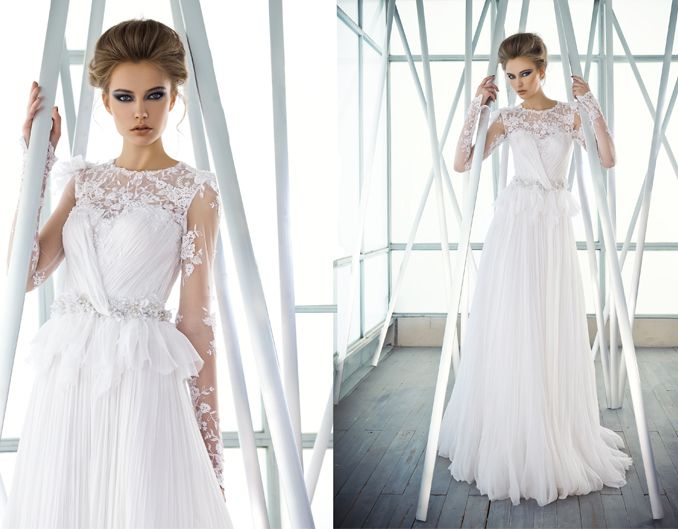
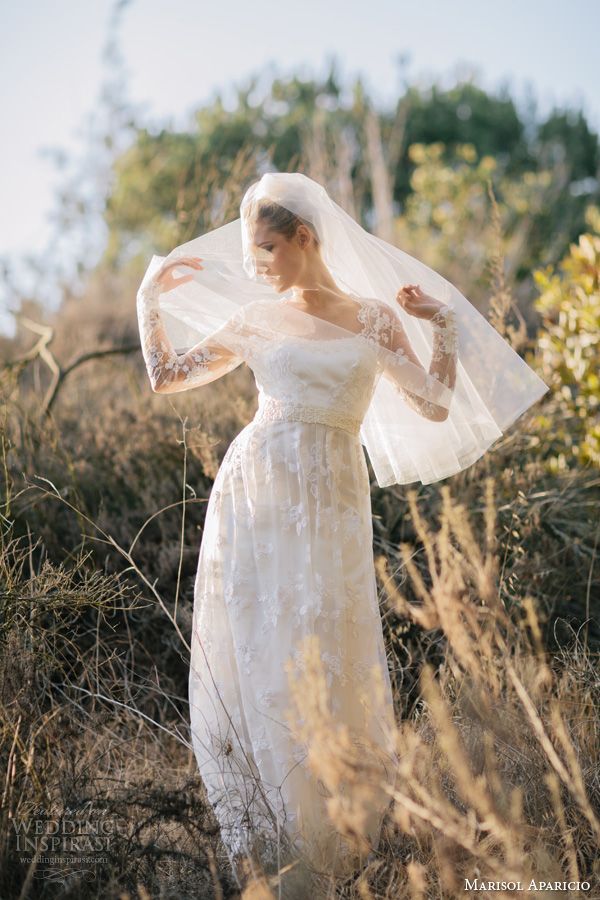
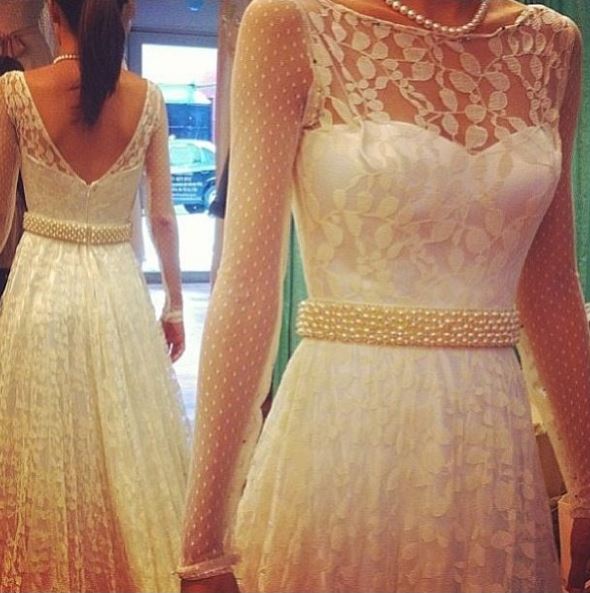
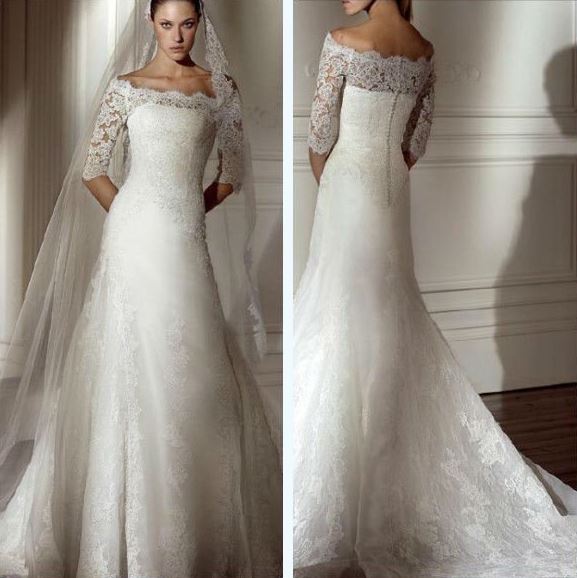
Not all long sleeves behave the same. A fitted lace sleeve that ends in a soft point over the hand reads bridal-traditional. A straight crepe sleeve with a clean cuff reads modern and architectural. Illusion tulle covered in scattered appliqué can look ethereal in daylight and nearly invisible in some evening light—worth testing under the lighting your venue actually uses. Bishop sleeves add volume and romance; they also need intentional undergarments and careful steaming so the gather does not collapse into wrinkles by cocktail hour.
Pay attention to where decoration concentrates. If the bodice is heavily beaded and the sleeve is plain, the eye travels in a clear path. If lace runs unbroken from neckline to wrist, the dress becomes a single textured field—beautiful, and less forgiving of wrinkles. Ask, in fittings, how the sleeve feels when you raise your arms for hugs, lift a glass, or sign a document. Romance that restricts movement becomes irritation by hour three, and photographers will still ask for those gestures.
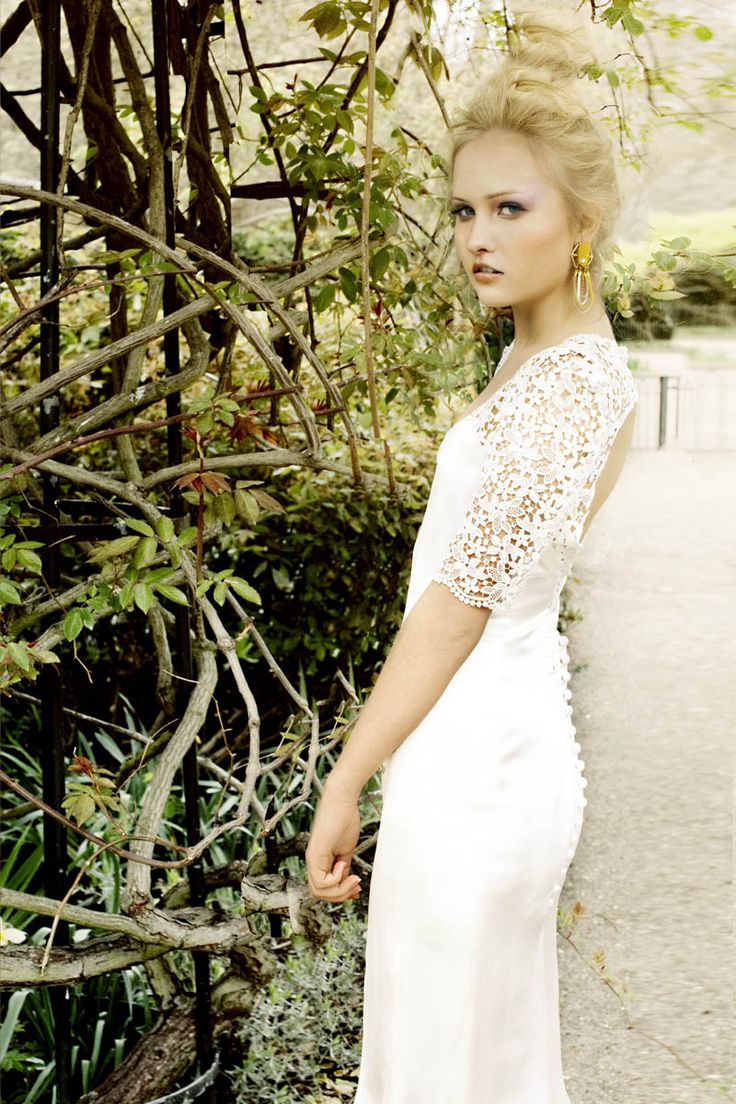
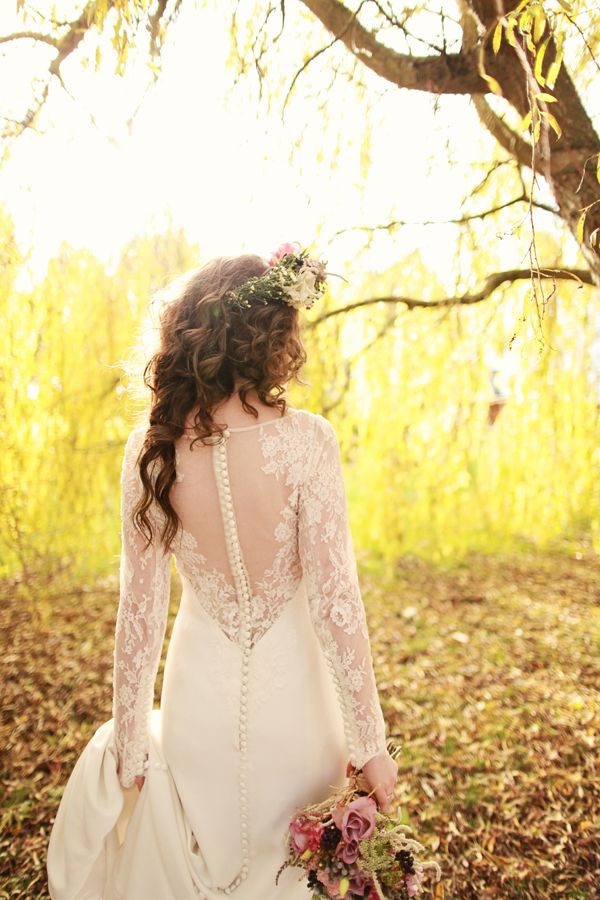
Back detail deserves equal study. Long sleeves paired with a closed front can still feel contemporary if the back opens, if buttons run in a precise line, or if a soft keyhole breaks the coverage. Conversely, a high lace collar with long sleeves can tip formal or ceremonial; that is a feature when the wedding itself is formal, and a mismatch when the reception is barefoot on a barn floor.
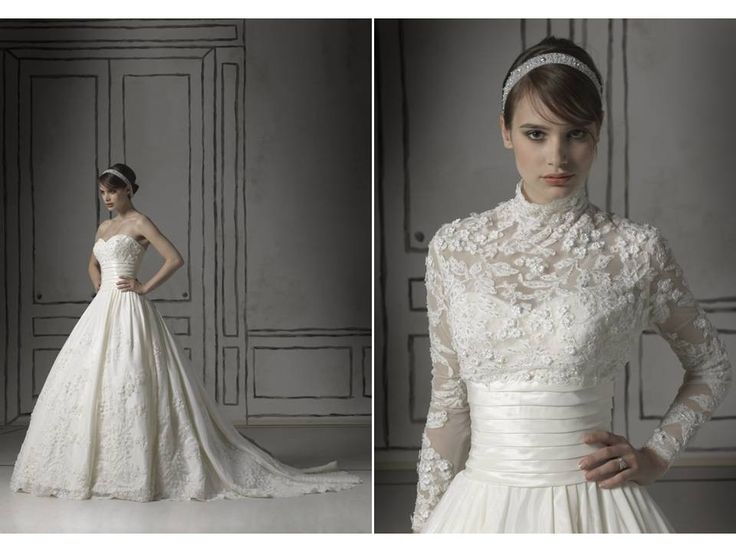
Hair, veil, and the long-sleeve frame
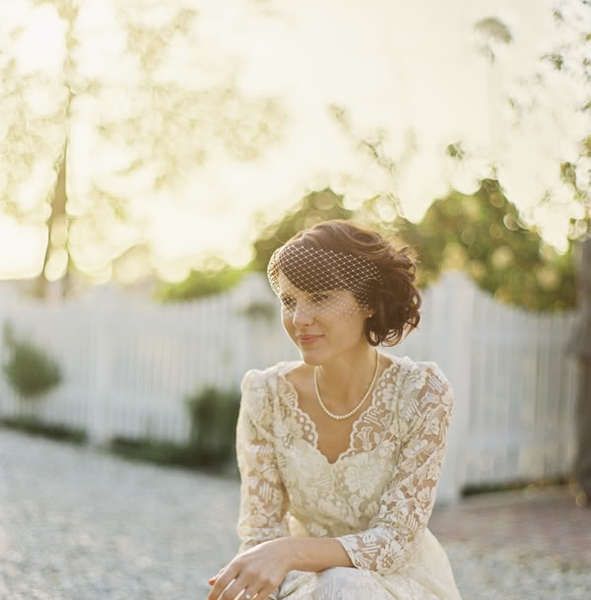
Sleeves change the balance of accessories. A fingertip-length veil often pairs cleanly with covered arms because it continues a vertical line without competing at the shoulder. Cathedral lengths still work, but they ask for careful bustle and aisle planning so fabric does not fight sleeve volume at every turn. A French chignon or similarly composed updo keeps the neck visible when the arms are dressed, which helps the portrait read as intentional rather than covered-up. Soft waves over one shoulder can also balance a high neckline, provided the sleeve fabric does not cling to hair spray or veil comb.
Jewelry should respect the sleeve’s visual weight. If lace already ornaments the wrist, a delicate bracelet may disappear or tangle. Earrings and a simple necklace—or no necklace with a detailed collar—usually photograph more cleanly. Gloves are optional history; if you love them, try them on with the exact sleeve so proportions do not stack into costume. Bouquets can go slightly smaller when sleeves are ornate; a massive cascade plus dense lace arms can crowd the frame in three-quarter portraits.
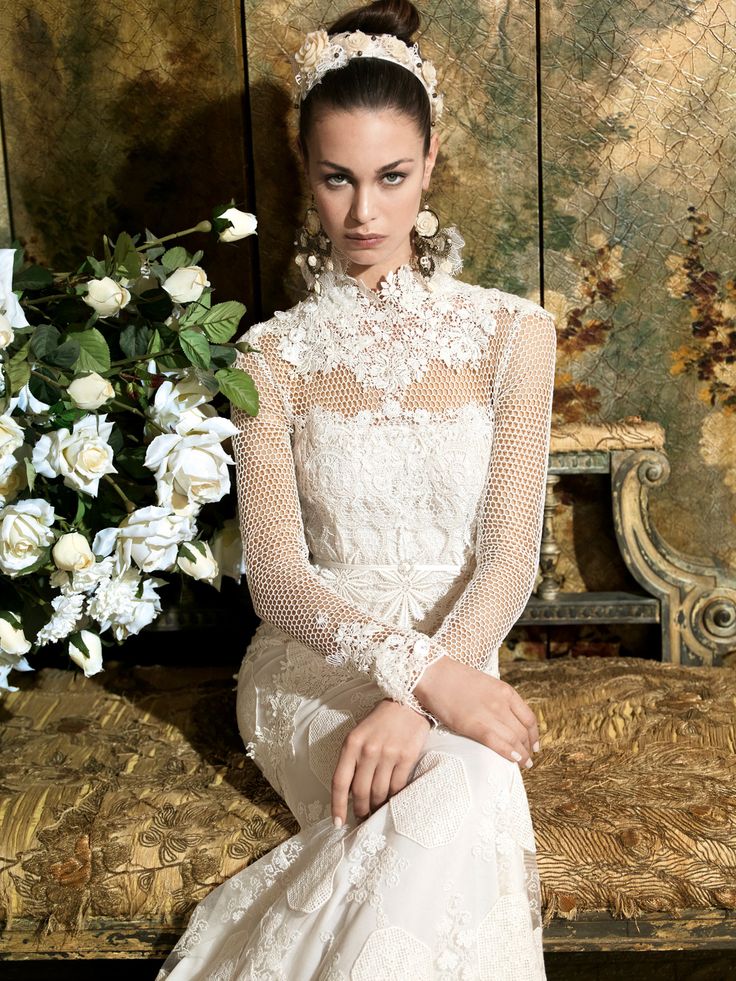
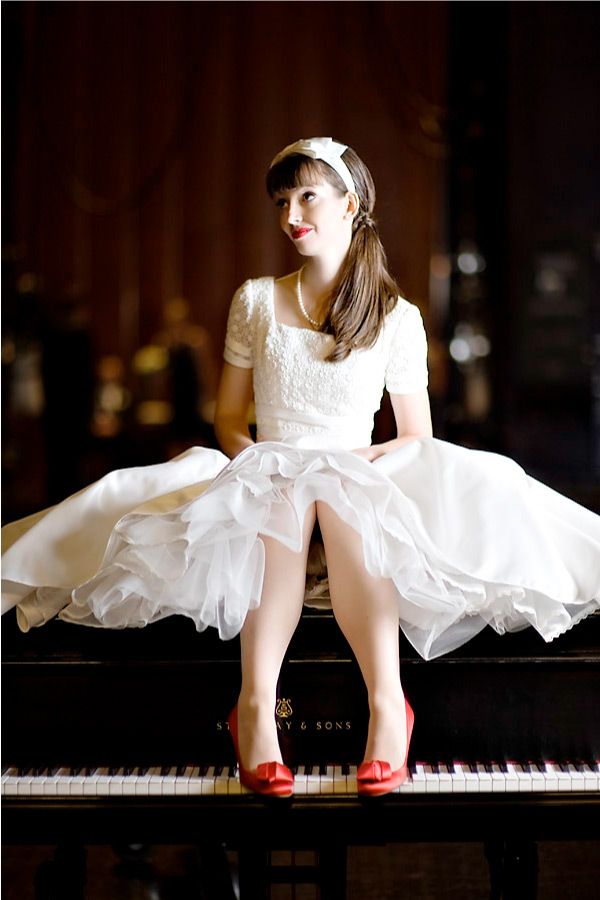
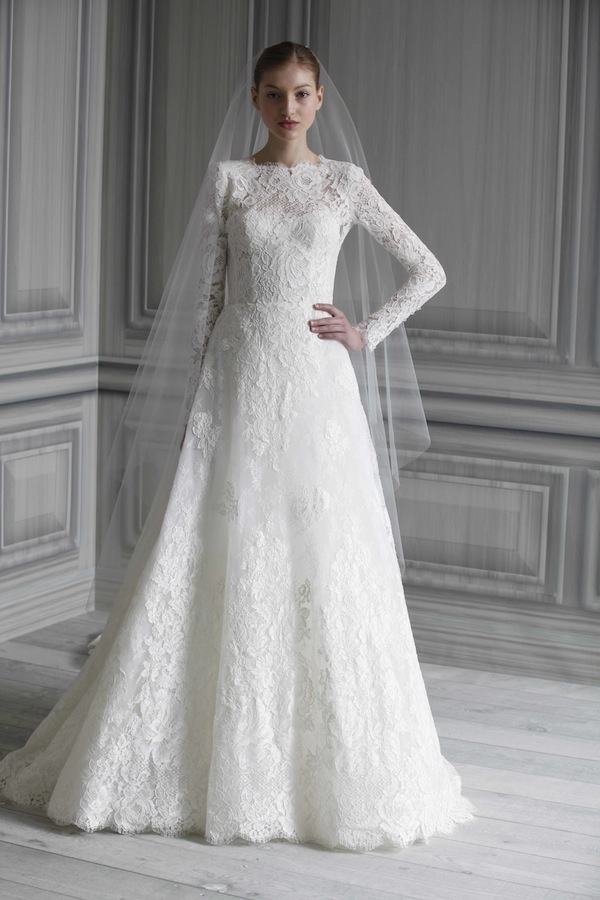
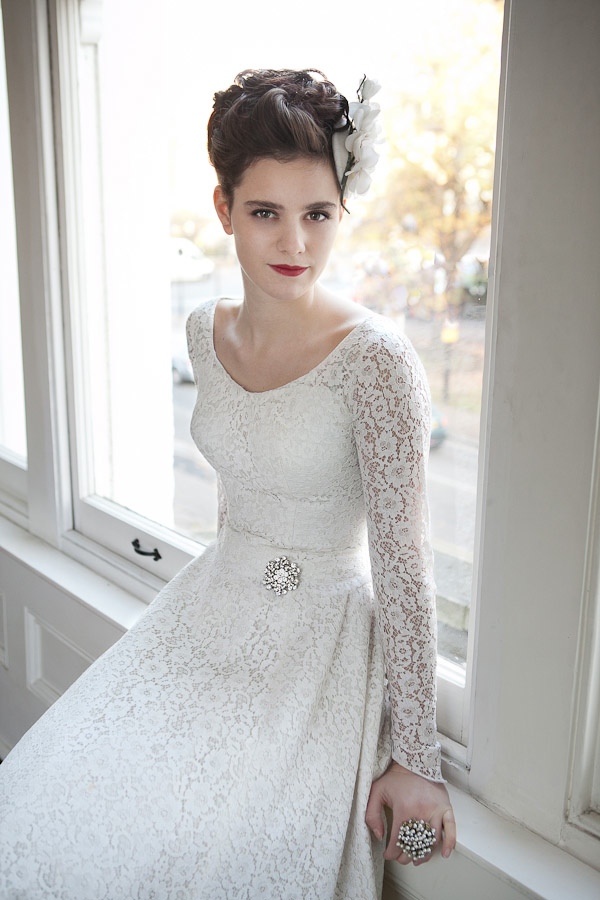
Fabric moods across the gallery
As you scroll the images, notice how fabric changes the same idea. Matte crepe long sleeves look calm and contemporary beside candlelight. Allover lace reads garden-romantic and often benefits from a clean shoe and restrained bouquet so the dress remains the texture hero. Satin with long sleeves can tip formal or old-Hollywood depending on the belt and neckline. Chiffon sleeves soften motion; they also photograph differently in wind, which matters for outdoor exits and rooftop portraits.
Color temperature matters too. Bright white long sleeves against cool winter light can feel crisp; ivory and soft blush sleeves warm skin in gray months. If your celebration leans autumn or winter, bring a fabric swatch outside during a fitting week and look at it at the hour your ceremony will happen. Phone photos lie less when taken in real conditions. Also notice lining: sheer sleeves need thoughtful underlayers so romance does not become transparency under flash.
Fitting notes that save the day
Long sleeves punish rushed alterations. Arm length, bicep ease, and wrist circumference need the same attention as bust and waist. Sit, reach, and mimic ceremony gestures in the sample or muslin. If you plan a reception look with bare arms, confirm the ceremony sleeves can be removed cleanly—or that a second dress is the wiser plan. Safety pins invented at the venue are a poor design strategy.
Undergarments should disappear. Seamless options, well-placed cups, and straps that do not print through illusion fabric matter more when the arm line is continuous. Bring the shoes you will wear; sleeve proportion changes with heel height and posture. Schedule a final steam plan for lace and crepe alike—long sleeves show travel wrinkles immediately in photographs.
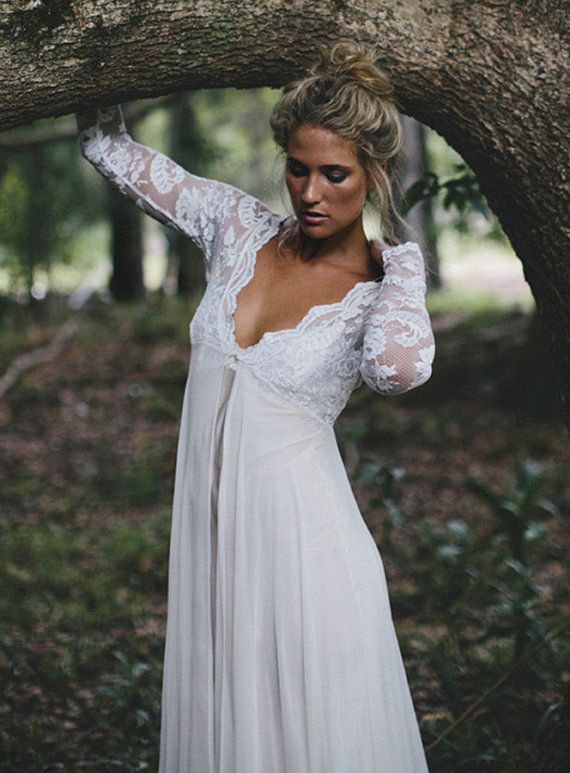
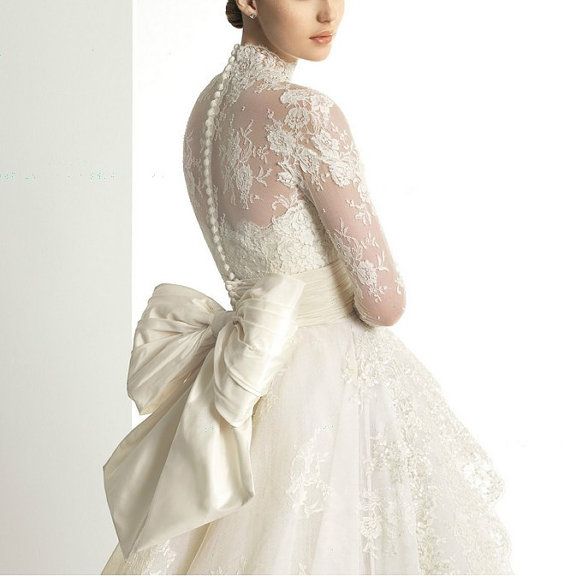
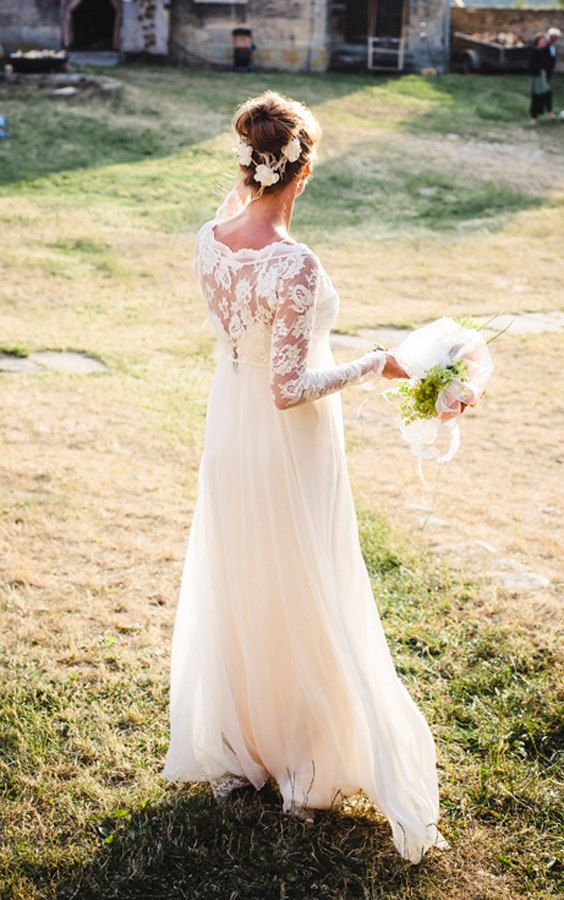
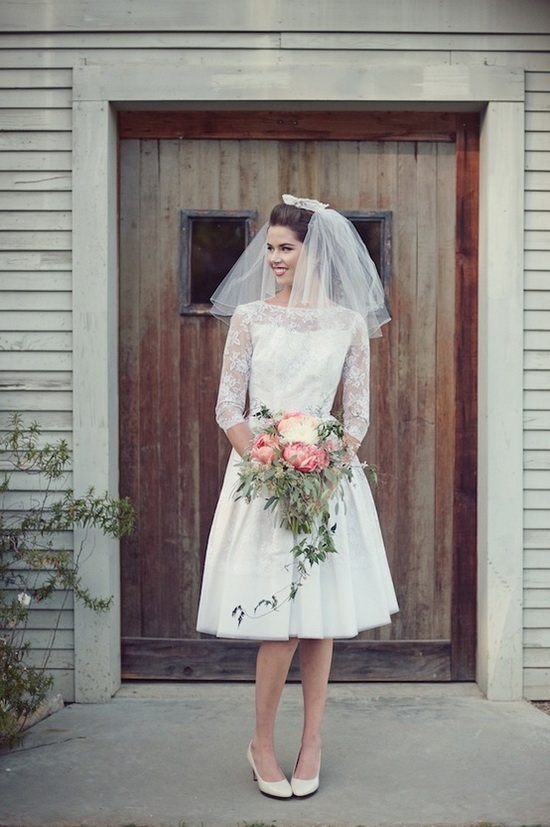
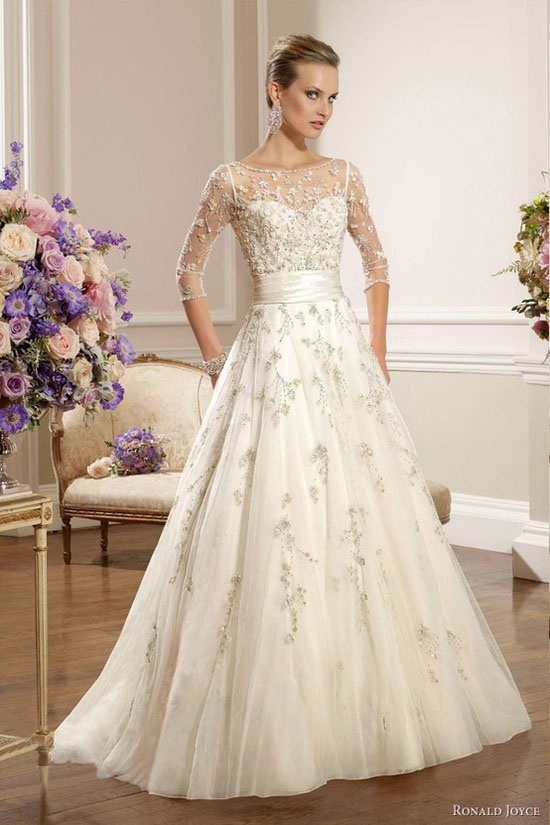
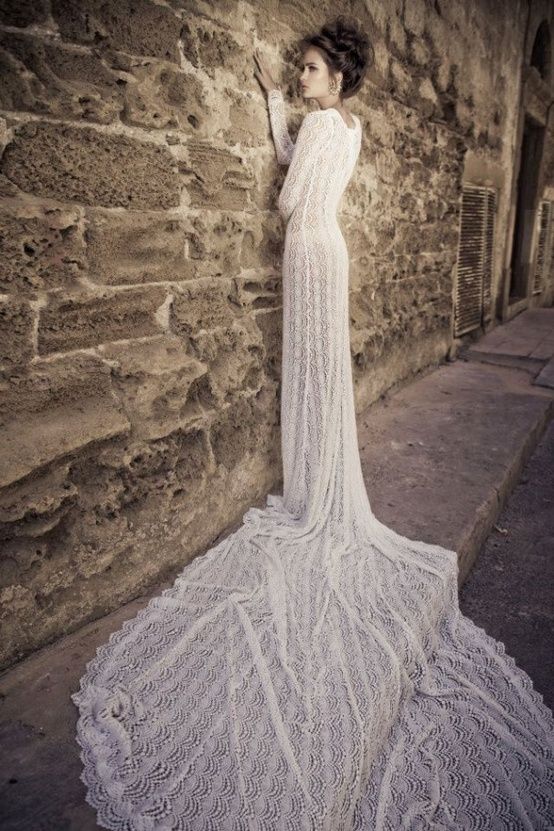
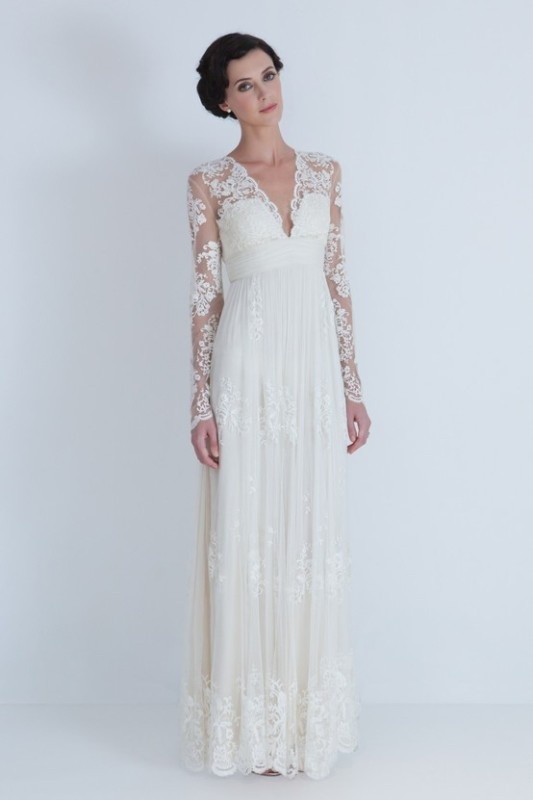
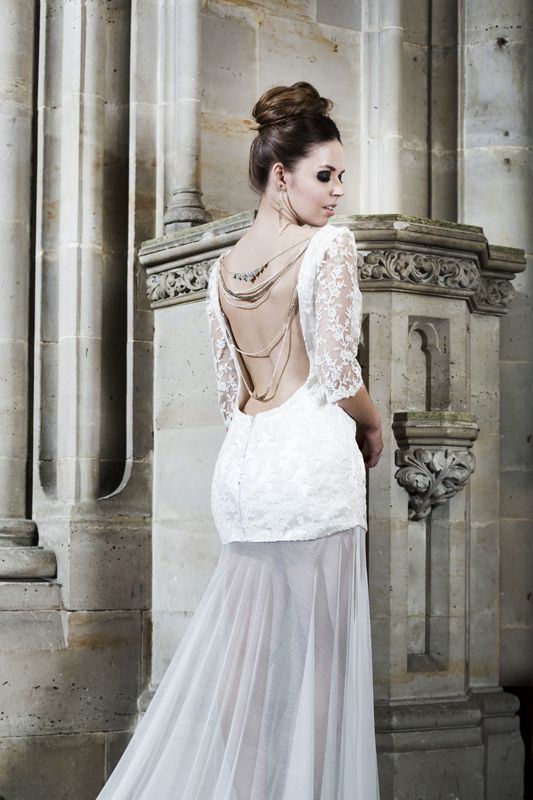
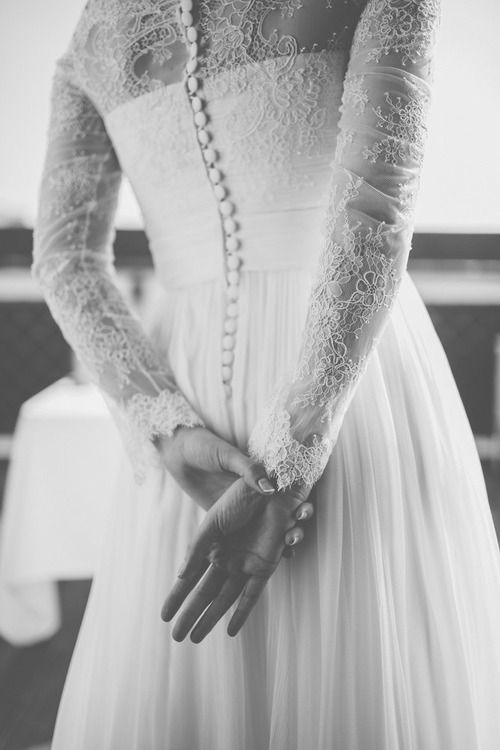
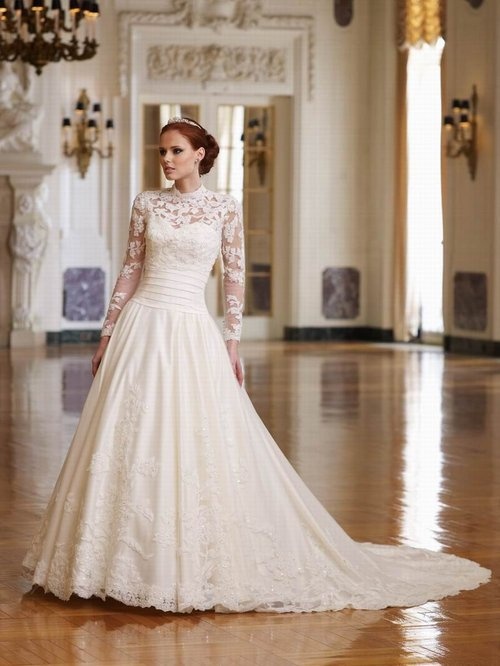
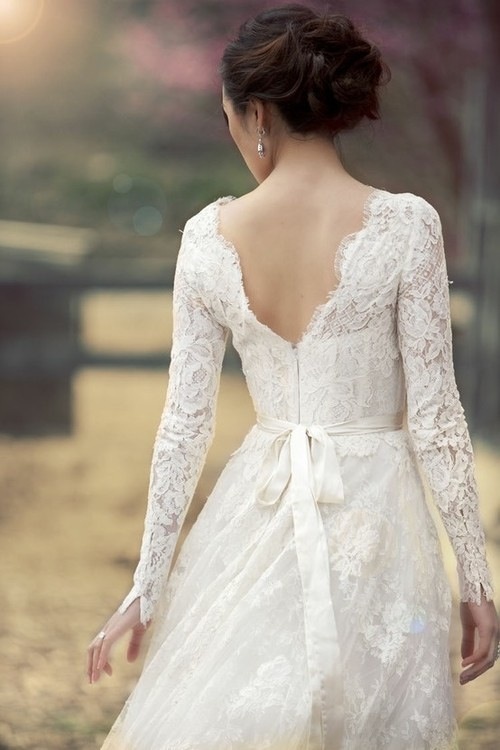
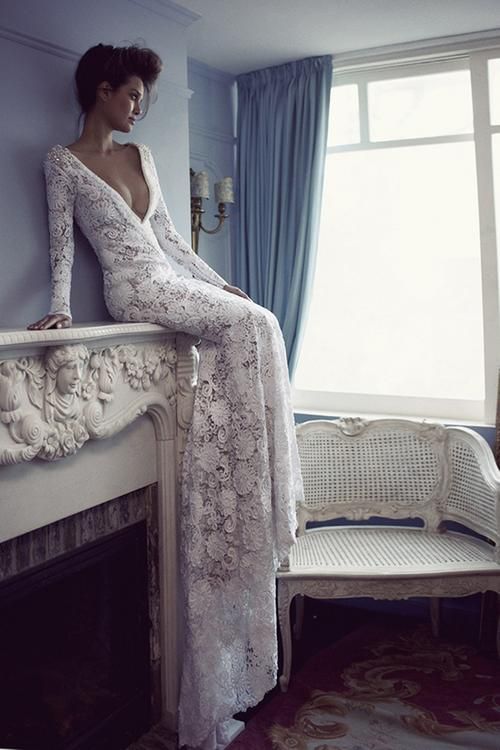
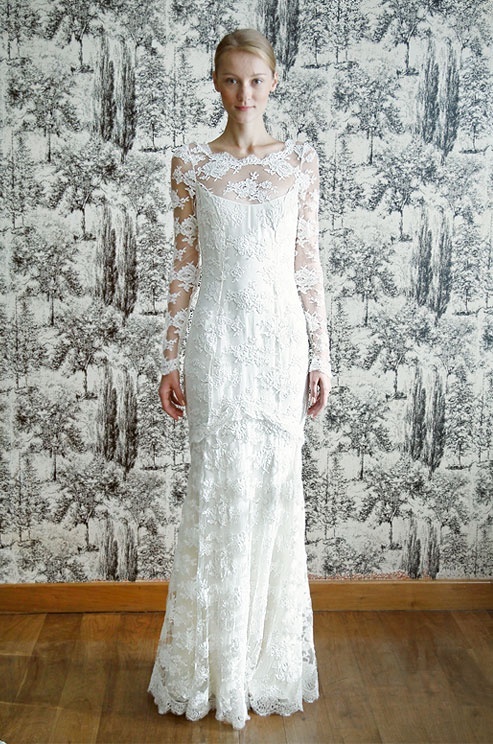
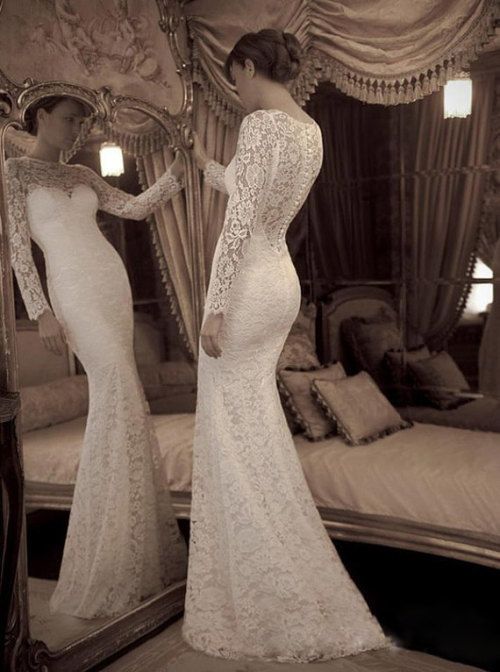
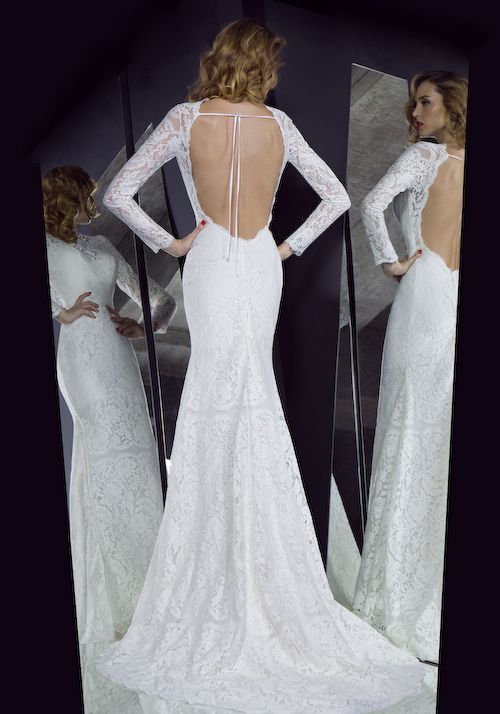
Use the gallery as a comparison tool more than a shopping list. Mark three images that share a feeling—lace density, neckline height, sleeve volume—and take those notes to a fitting. Decide whether you want royal composure, soft romantic texture, or modern crepe calm, then let the sleeve finish the sentence your neckline starts. When the arms are dressed with intention, the whole gown tends to read more finished—and more romantic—without needing extra ornament for its own sake.

Comments
Continue reading
Photo vs Illustrated Save-the-Dates: How to Choose a Format
A practical comparison of photographic and illustrated save-the-dates—when a portrait earns the stamp, when a drawing carries the date, and how to match format to venue, guests, and printing.
Escort-Card Displays That Aren’t a Table of Tiny Cards
Walls, branches, envelopes, mirrors, and numbered installations—how to stage escort cards so guests find their tables without a crowded lobby table.
Berry, Brick, and Brown Lipsticks That Still Read as Color
A guide to berry, brick, and brown lipsticks—undertones, finishes, and light—when classic fire-engine red is not the shade you want to wear.