
DIY Ideas for Old Socks: Rugs, Puppets, Mittens, and More
Sort leftover socks by fiber, then turn them into braided rugs, hand puppets, soft toys, mittens, and pin cushions with practical cutting and sewing tips.
A wardrobe clear-out almost always turns up the same quiet surplus: socks with thin heels, lonely mates after the dryer, novelty pairs you outgrew, and wool hikers with a hole at the toe. None of them earn a second season on your feet, yet the fabric is still soft, stretchy, and patterned in ways craft stores charge for. Turning that drawer into rugs, puppets, mittens, and pin cushions is less about “being thrifty” and more about matching small scraps of knit to jobs they already do well—cushioning, gripping, and holding shape when stuffed.
The projects below stay practical. Sort socks by fiber and thickness first, wash them hot if they will become toys or floor textiles, and keep a seam ripper handy for cutting along existing seams. You do not need a sewing machine for every idea, but a sturdy needle, polyester thread, and a bit of stuffing or scrap fabric will carry you through most of them.
Sort, wash, and cut with intention
Cotton ankle socks braid and sew cleanly for rugs and soft toys. Thick wool or thermal socks hold stuffing for animals and doorstops. Thin dress socks work for delicate mitts or as linings, not as the only layer on a hard-wearing floor mat. Stretchy novelty knits with glitter yarn look cheerful in puppets but pill quickly if you walk on them—save those for display crafts.
Wash and dry everything before you cut. Heat shrinks residual wool and knocks out dust. Discard socks with crumbling elastic or mystery stains you would not put near a child’s face. When you cut, prefer long continuous strips for braiding: open the sock along one side seam, flatten into a rectangle, then cut spirals or parallel strips about one inch wide. Heel cups and toe boxes become patch pieces or stuffing pouches rather than waste.
Keep a small “hardware” kit nearby: embroidery floss for faces, buttons for eyes only if the finished piece is for adults, safety eyes or stitched features for kids’ toys, and fabric glue for no-sew accents that will not be washed often.
Sock puppets with personality
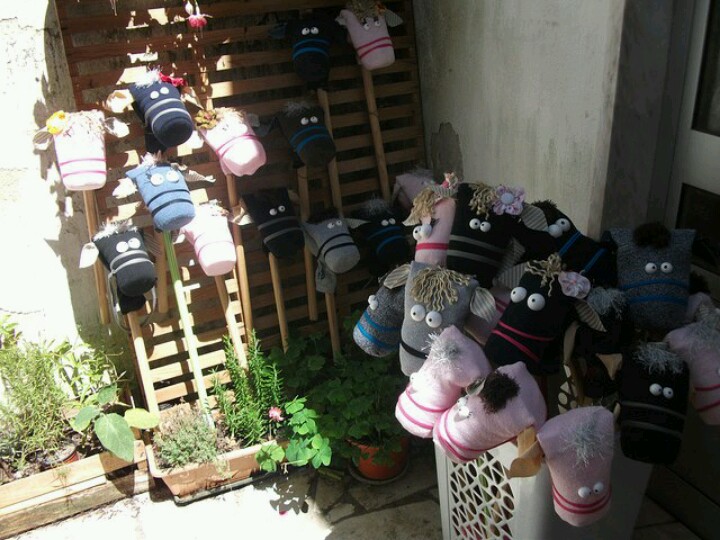
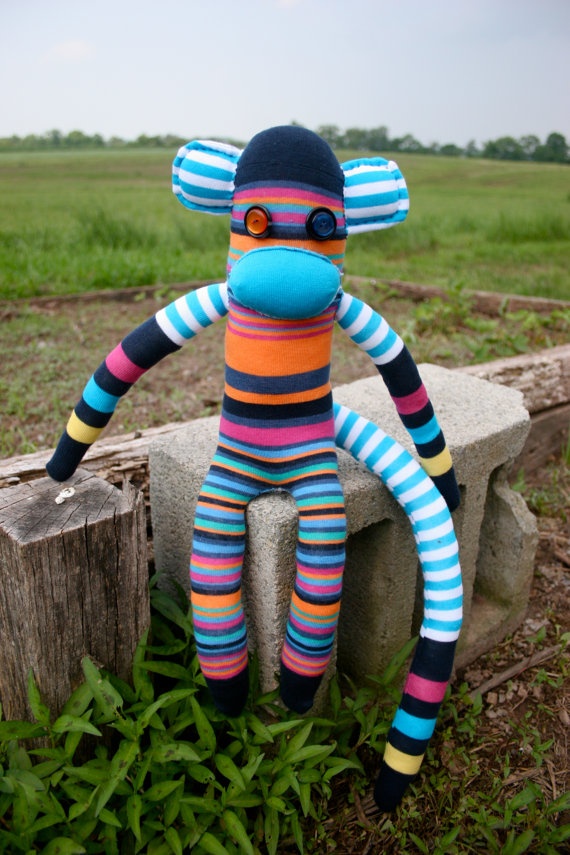
A classic hand puppet needs almost nothing: slide a sock over your hand so the heel sits on your knuckles, mark where the mouth will open, and either leave the toe as a snout or cut and restitch a mouth pouch. Felt scraps become ears, tongues, and hair. Yarn strands stitched across the crown make wild manes. For a cleaner finish, turn the sock inside out, sew a curved mouth opening, flip it right side out, and reinforce the lip with a few whipstitches so it survives enthusiastic performances.
Character comes from contrast. Pair a solid body sock with a patterned cuff for a collar, or reverse that for a striped torso and plain face. Stitch features slightly uneven on purpose if you want a comic look; for a calmer animal, keep eyes level and nostrils small. If several children will share puppets, label the cuffs with initials in fabric marker so the dragon does not permanently migrate to another backpack.
Soft animals and stuffed shapes
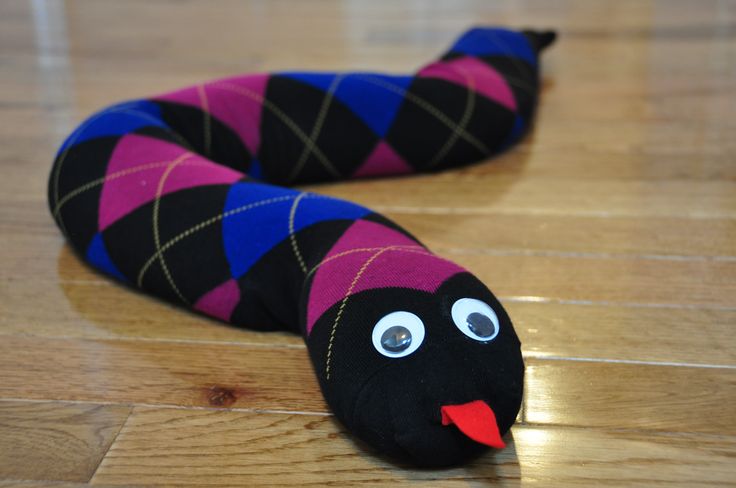
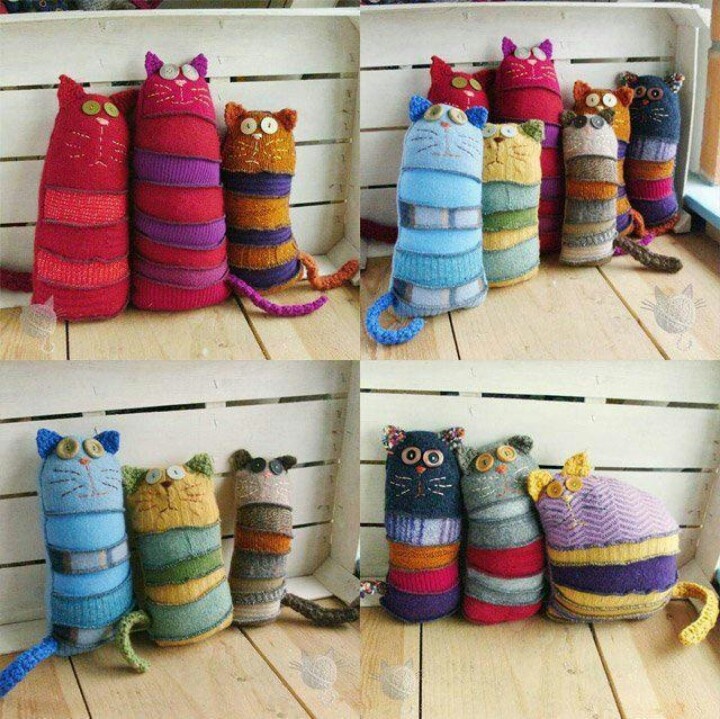
Sock animals start with the same geometry as puppets but get closed and stuffed. Cut two socks into body, head, and limb pieces, or use one long tube sock for a simple snake or caterpillar. Stuff firmly with polyester fiberfill or clean scrap fabric cut small. Ladder-stitch openings closed so the seam disappears into the knit. Ears can be triangles of the cuff; tails can be braided strips from leftover yarn-weight sock fabric.
For a standing creature, insert a small pouch of rice or plastic pellets in the base before finishing the outer stuffing. That weight keeps the toy upright on a shelf. Avoid raw beans if the toy might meet a washing machine—dried filling can mold. Embroider mouths and whiskers instead of gluing plastic if the piece will be chewed, hugged, or thrown in a car seat.
Braided and coiled rugs
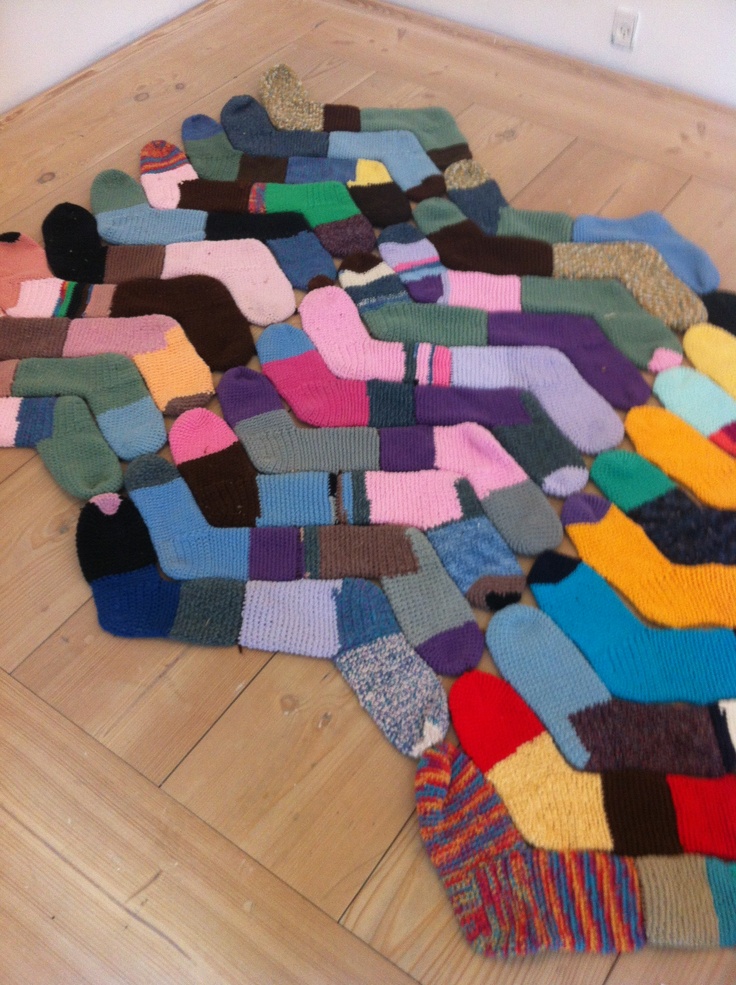
Rugs are where quantity matters. Collect a grocery bag of similar-weight socks, cut them into long strips, and braid three strands at a time. Sew braid ends into the next braid as you go so the coil never has a weak join. Coil the braid flat like a cinnamon roll, stitching through neighboring rounds with a heavy needle and strong thread. Keep tension even: too tight and the rug cups; too loose and gaps trap dirt.
Oval rugs start with a longer straight center braid before you begin turning. Rectangular mats can be built as parallel braided rows stitched side by side. For bathroom or entry use, choose darker mixed colors and consider a nonslip rug pad underneath—sock knit alone can skate on tile. Spot-clean with mild soap; full immersion washing can loosen the coil unless every join is overstitched well.
Mittens, fingerless gloves, and warmers
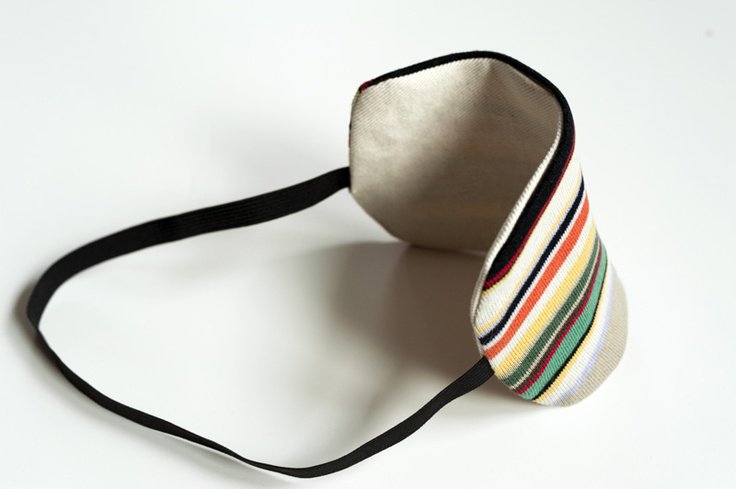
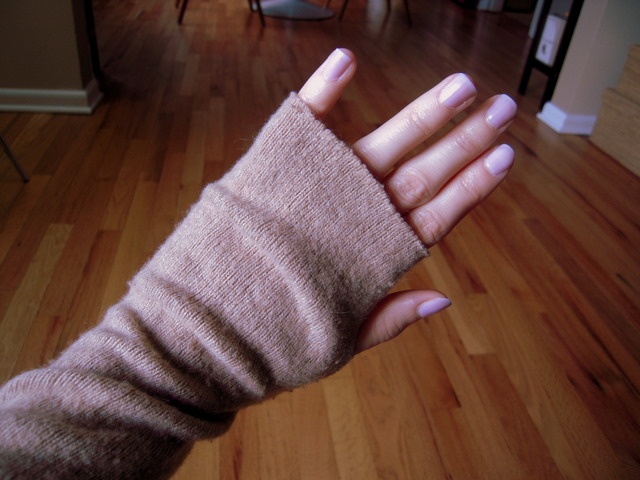
Adult ankle socks rarely cover a whole hand, but crew and knee-high socks do. Cut the toe off for fingerless mitts, leave the heel as a thumb gusset or cut a separate thumb hole and bind the edge. Wool hiking socks become camp mitts almost instantly: trim the toe, try them on, and reinforce the palm with a patch of denser fabric if you will hold hot mugs or bike handles.
For true mittens, sew two sock pieces into a mitten silhouette, leave a thumb tube, and finish edges with blanket stitch. Line with a thinner sock if the outer knit itches. Wrist warmers are even simpler—cut tubes from the cuff section only, and add a button or ribbon if you want them adjustable. These projects forgive imperfect stitching because stretch hides small errors.
Pin cushions, sachets, and desk helpers
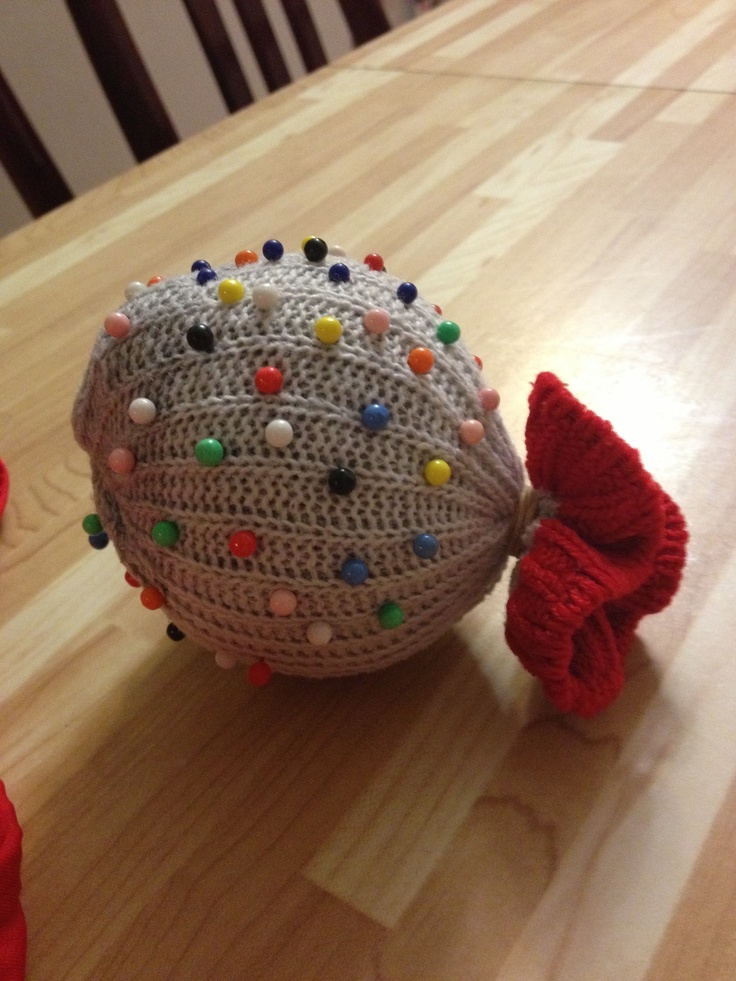
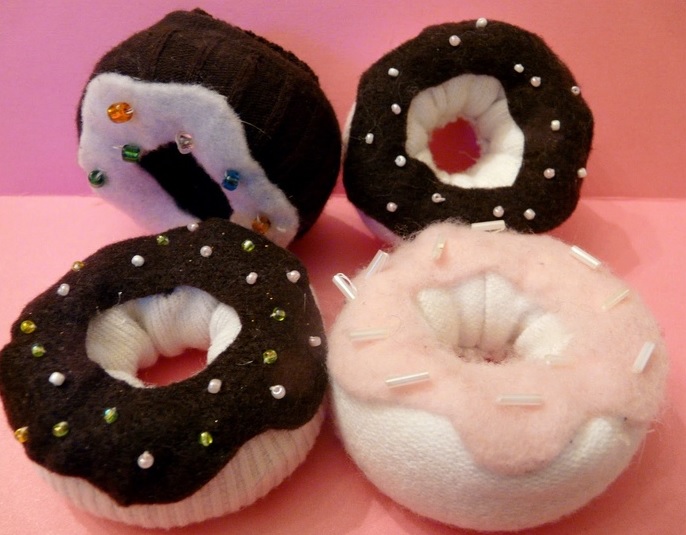
A tomato-style pin cushion is a stuffed sock ball gathered at the top with embroidery floss. Fill with fiberfill mixed with a spoonful of ground walnut shells or emery if you want pins to stay sharp—skip food fillings that attract pests. Embellish with felt leaves or a button “stem.” Flat pin mats can be made by sewing two sock rectangles together and stuffing lightly so needles do not disappear into a deep mound.
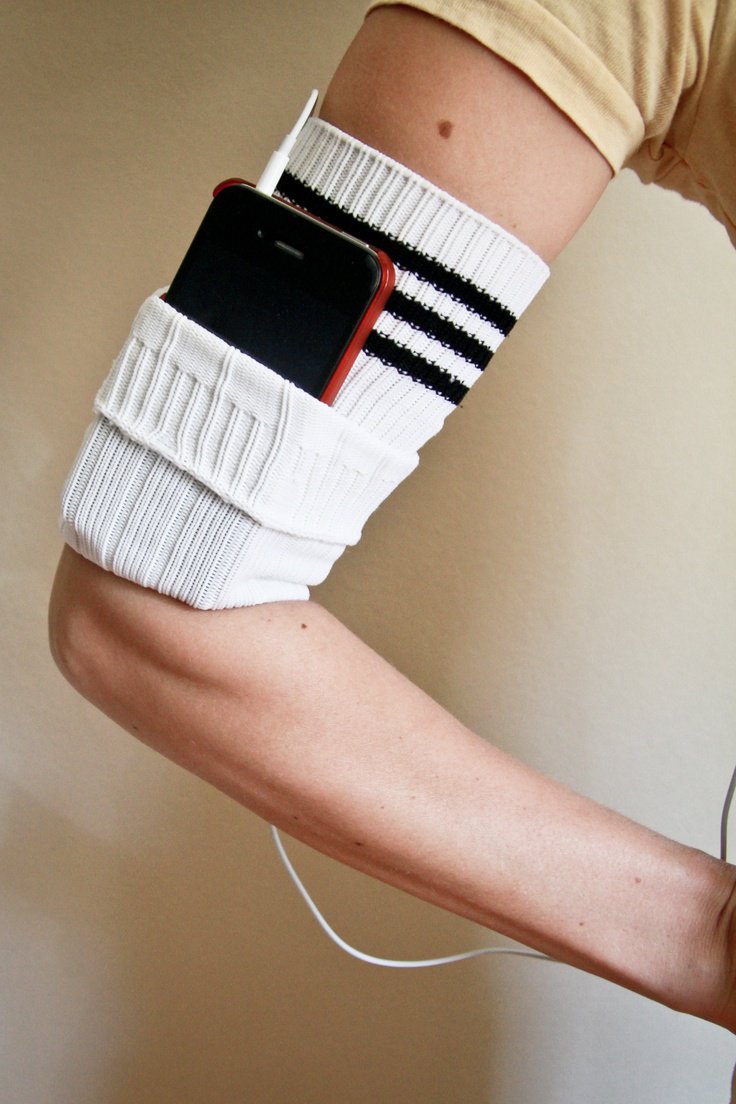
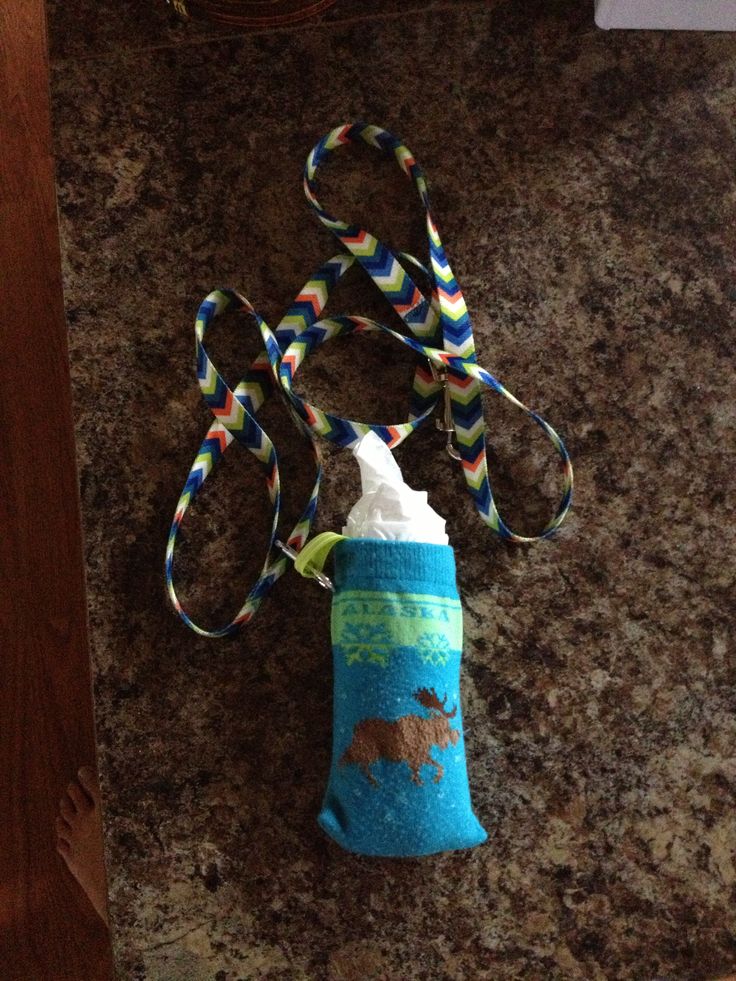
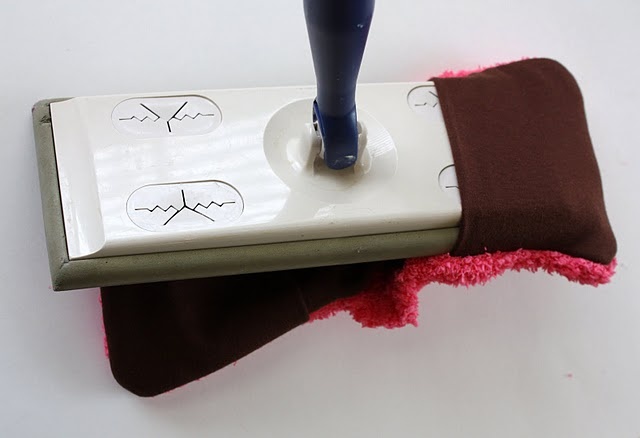
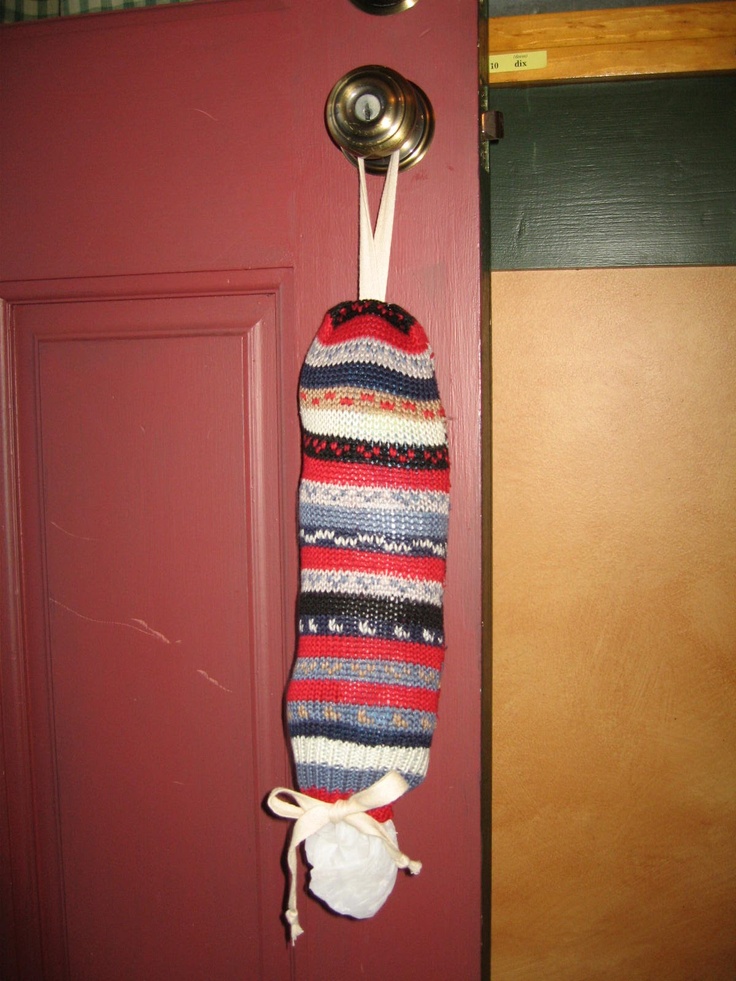
Sachets use the same pouch shape filled with dried lavender or cedar chips for drawers. Dusting mitts are simply socks worn on the hand with a microfiber scrap tucked inside for polishing furniture. Phone or remote cozies are tube socks shortened and finished with a cuff fold. None of these need patterns—trace around the object once, add seam allowance, and sew.
Seasonal décor and gift fillers
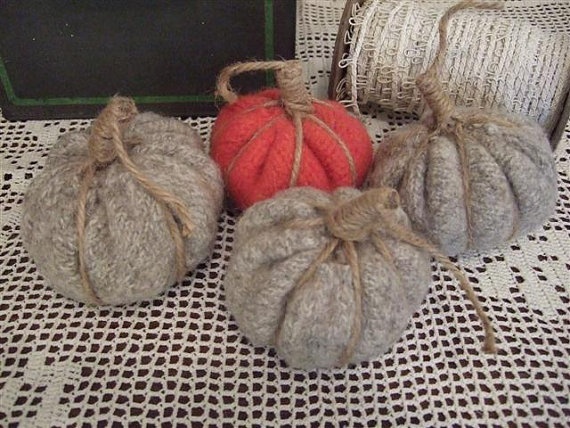
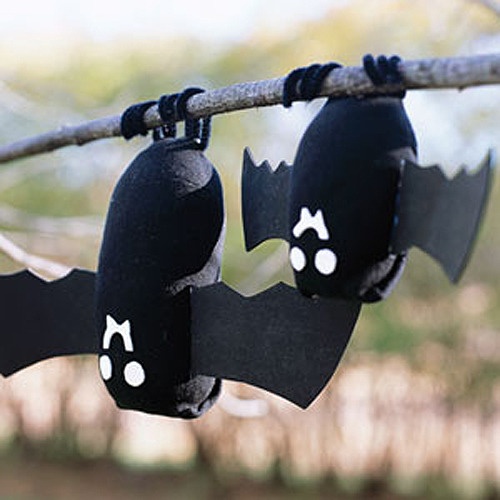
Holiday ornaments can be miniature sock balls hung from ribbon, or tiny stockings cut from patterned kids’ socks and stuffed lightly. Valentine hearts sew from two heart-shaped sock pieces. Halloween bats use black socks with felt wings. Keep decorations lightweight if they will hang on thin branches, and avoid glass eyes that shatter when a box of ornaments tips over in January.
Gift wrap accents—bows cut from striped socks, or a soft toy tucked into a gift basket—use leftovers too small for rugs. If you gift a puppet or animal to a child, include a note about fiber content and washing so parents know whether it survives a gentle cycle.
Finishing details that make the difference
Raw cut edges roll and shed. Zigzag, serge, or blanket-stitch openings that will be handled often. Match thread to the dominant color rather than chasing every stripe. When joining different sock brands, expect slight stretch differences—stabilize seams with a narrow strip of lightweight interfacing on the wrong side if one side grows longer while you sew.
Press lightly with steam only if the fiber can take it; acrylic novelty knits can melt under a hot iron. Photograph finished pieces before they leave the craft table; sock crafts photograph best in natural light where texture shows.
What to make with what you have
- One lonely dress sock: dusting mitt or small sachet.
- A mismatched colorful pair: two puppets or one stuffed animal.
- A bag of cotton crew socks: braided rug or bath mat.
- Thick wool hikers: mittens, doorstop animal, or heavy pin cushion.
- Kids’ novelty socks: ornaments, mini stockings, or soft toys with stitched faces.
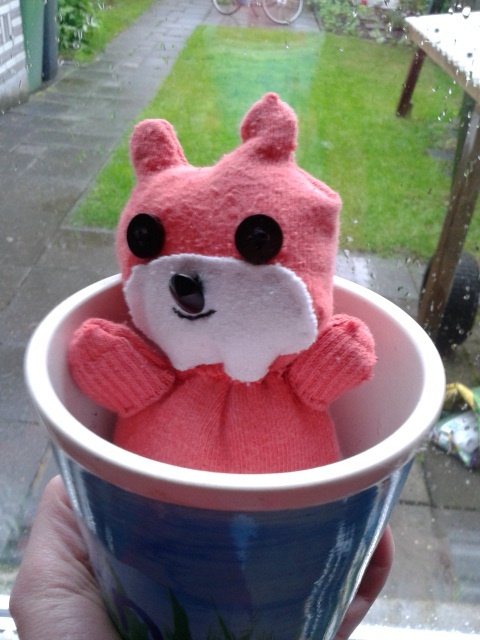
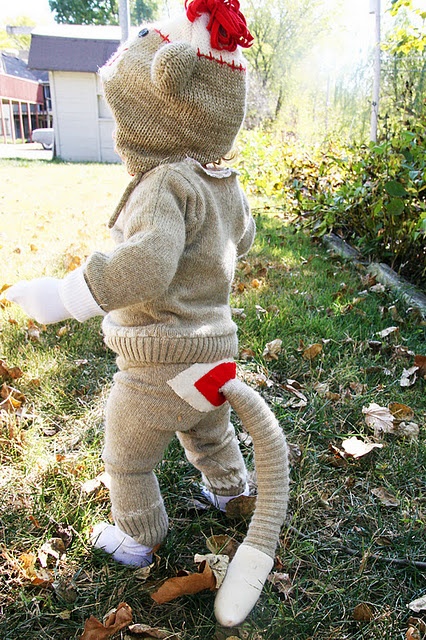
Start with the project that matches your biggest pile, not the cutest photo. A finished mitt from three wool socks beats an ambitious rug abandoned halfway through a braid. Empty one drawer completely before you open another craft supply bin—that is how sock projects stay fun instead of becoming a second clutter problem.

Comments
Continue reading
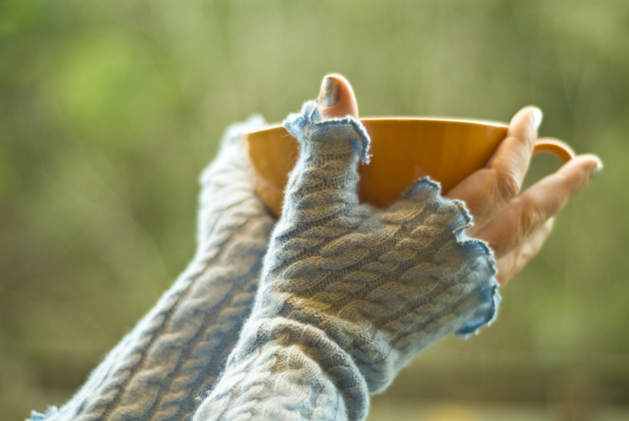
How to Make Cute Arm Warmers from Socks
Turn stretchy crew or knee-high socks into fingerless arm warmers—step-by-step cutting, thumb openings, finishing, and easy style variations.
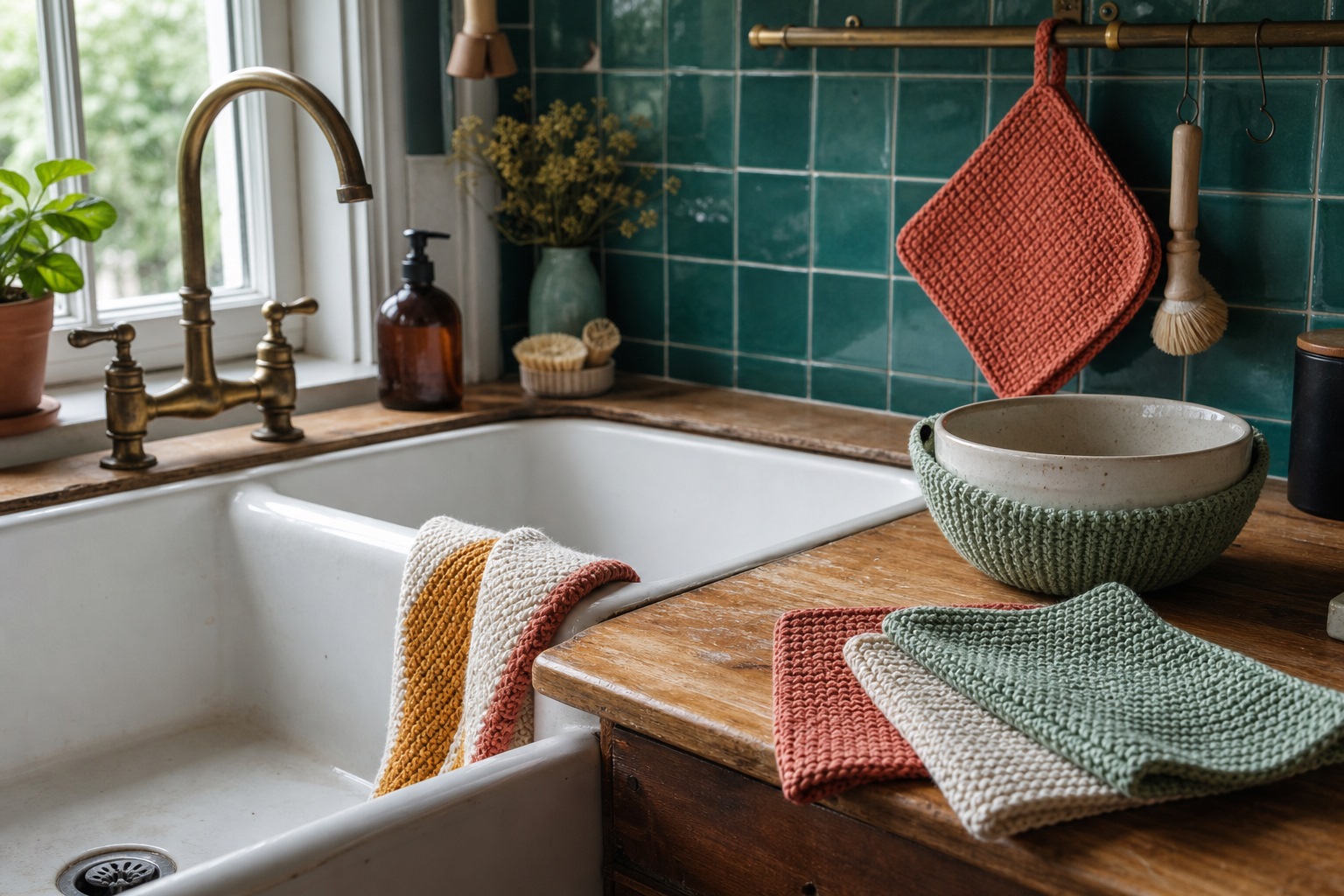
Knit Kitchen Tools You Will Actually Use
Dishcloths, pot holders, bowl cozies, and other small knits for the kitchen—yarn choices, cotton vs wool, and projects that survive heat, water, and daily mess.

Botanical Christmas Ornaments from Citrus, Herbs, and Dried Flowers
Dried orange slices, rosemary, bay, and pressed flowers as tree ornaments—how to dry, string, and store them so they last the season without going moldy.