
Desserts That Are Almost Too Cute to Eat
Macarons, cake pops, character cupcakes, and pretty fruit sweets—why “too cute to eat” desserts work, and how to serve them without freezing the party.
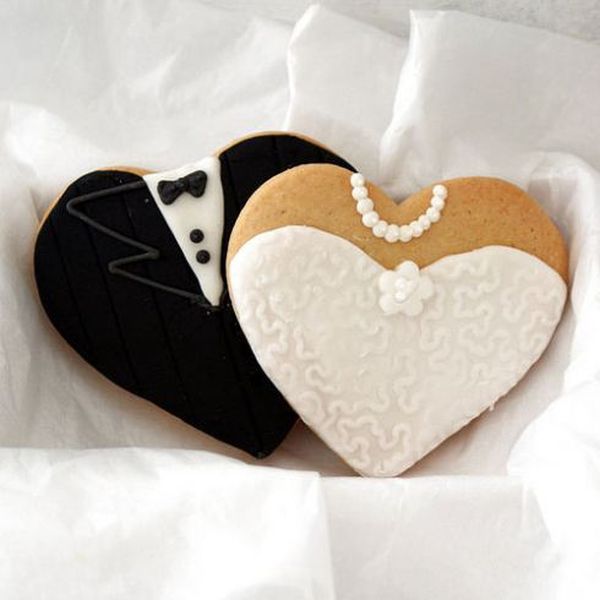
Some desserts are engineered for the fork. Others are engineered for the pause—the half-second when everyone at the table says they cannot bear to ruin something so small and carefully made, then ruins it anyway. That tension is the whole charm of “too cute to eat” sweets: they borrow the language of toys, characters, miniatures, and gift wrap, then ask you to dissolve the sculpture with your teeth.
The phrase travels easily across blogs and photo feeds because it names a real feeling. Cuteness in food is not only sugar and pastel frosting. It is scale, face-like details, tidy symmetry, and the sense that a human hand spent longer on appearance than a Tuesday night usually allows. Below is a map of the styles that keep triggering that feeling—and how bakers, home cooks, and party planners lean into it without turning dessert into pure decoration.
Why cute works on a plate
Humans read faces and round shapes quickly. A macaron with tiny ears, a cake pop with a bow, or a tartlet topped with a precise fruit mosaic triggers the same soft response as a plush toy, with the added joke that it is temporary. Portion size helps: bite-sized sweets feel collectible. You can line them up, photograph them, gift them in a box with a window, and still finish the set in one sitting.
There is also performance built in. Cutting a pristine mirror glaze, biting the head off a character cookie, or cracking a chocolate shell are small acts of theater. Guests remember the moment as much as the flavor. That is why these desserts dominate celebrations—birthdays, baby showers, holidays—where the table is part of the entertainment.
Macarons dressed as characters
French macarons already look like jewelry: smooth shells, tidy feet, pastel or jewel tones. Decorators push them further with royal icing faces, fondant ears, edible markers, and color-blocked shells that suggest animals, cartoon icons, or seasonal mascots. The best versions keep the sandwich cookie edible—chewy shell, flavored filling—rather than burying everything under thick fondant armor.
Home bakers who fall for the trend learn quickly that macaronage is unforgiving, so many buy plain shells and focus energy on decoration, or practice a single character design until the piping hand remembers it. For parties, a dozen identical tiny creatures often looks stronger than twelve unrelated experiments. Flavor still matters: vanilla bean, chocolate, berry, and citrus fillings keep people eating after the photos stop.
Cake pops and stick-mounted miniatures
Cake pops are the gateway cute dessert for many kitchens. Crumbled cake bound with frosting, chilled, dipped, and decorated, they accept almost any theme: animals, sports balls, moons, ghosts, monogram spheres. The stick turns them into a handheld object, which makes them easy to arrange in foam stands like a bouquet.
Structural honesty helps. Overly soft centers slide off sticks; overly thick candy coating cracks. A clean dip, a gentle tap to shed excess coating, and simple facial features usually beat elaborate sculpted add-ons that break in transit. If you are serving outdoors in heat, choose coatings and colors that tolerate a little softness, or keep the tray chilled until the last minute.
Cupcakes as tiny stages
Cupcakes give decorators a wider platform than a macaron without the commitment of a full tiered cake. Swirls of buttercream become fur, ocean waves, or soft-serve illusions. Fondant plaques, wafer-paper flowers, and piped animals turn each cupcake into a scene. The “almost too cute” line appears when toppers are detailed enough that guests hesitate—then the paper liner reminds everyone this was always meant to be eaten.
Balance height and stability. A topper that is taller than the cake can tip in a box. Flavor pairings should match the fantasy: lemon and berry for spring animal themes, chocolate and caramel for richer character designs, light vanilla when color is the main show so dye does not fight a heavy cocoa base.
Cookies with personality
Sugar cookies with royal icing are the graphic-design branch of cute desserts. Flat surfaces take precise outlines, flood fills, wet-on-wet patterns, and painted details. Animals, clothing, seasonal icons, and letter shapes all thrive here. Because cookies travel well, they are favorites for favor bags and shipped gifts—another reason the aesthetic spreads: people mail cuteness.
Texture contrast keeps them from feeling like sweet cardboard. A crisp edge, a soft center, and icing that sets firmly but still bites cleanly will outlast a cookie that is only a canvas. If you decorate with kids, pre-bake shapes and offer a limited palette of icing bags; constraint produces neater, cuter results than a dozen muddy colors.
Fruit, jelly, and the “pretty by nature” lane
Not every cute dessert needs a cartoon face. Glossy fruit tarts, flower-petaled citrus arrangements, jelly cups with suspended berries, and mochi with delicate fillings can look almost unreal without anthropomorphism. The cuteness comes from clarity—clean geometry, translucent layers, and color that looks lit from within.
These styles often photograph even better than fondant figures because they read as fresh. They also forgive less: cut fruit browns, jelly weeps, and pastry softens. Make them close to serving time, or choose stabilized glazes and fruits that hold.
How to serve sweets people are afraid to ruin
If you have ever watched guests stall in front of a decorated tray, plan a permission structure. Put one slightly imperfect piece at the front so the first bite feels allowed. Offer small plates and napkins within reach. Announce flavors out loud—“these are strawberry, these are chocolate”—so people choose with appetite, not only with their eyes. For very elaborate pieces, serve a simpler companion dessert too, so perfectionists can admire longer while others eat.
Photography is part of modern dessert culture whether you like it or not. Soft daylight near a window beats yellow overhead bulbs. Shoot quickly, then move the tray to the table. Food that sits under lights for twenty minutes of camera work is food that tastes tired.
A home baker’s reality check
Cute is a finish, not a substitute for technique. Start with recipes you already trust—one cookie dough, one cupcake batter, one filling—and change only the decoration. Limit colors. Practice faces on parchment before they land on expensive shells. Accept that some designs are bakery projects; buying a dozen decorated macarons for a milestone celebration is a valid design choice, not a failure of ambition.
Storage matters. Royal-icing cookies like airtight tins; cake pops like cool, dry boxes where sticks will not bend; macarons like the fridge and a short rest so shells and fillings marry. Label allergens clearly when you gift. Cuteness should never hide a nut or dairy surprise.
Ideas if you want the look this weekend
- Dip plain cake pops in one pastel coating and add two-dot faces—minimum effort, maximum pause.
- Bake simple round cookies and pipe animal ears from leftover dough scraps before baking.
- Buy undecorated cupcakes and top with fresh berries arranged like little crowns.
- Plate store-bought macarons in a grid by color; presentation alone can tip them into “too cute” territory.
- Use chocolate melts to drizzle tiny bows or initials—restrained details often read more charming than crowded ones.
The desserts that earn the phrase are not always the most difficult. They are the ones that make generosity visible: time spent on a face, a gloss, a tidy row. Eat them while they still look like themselves. The memory keeps the picture; the sugar was never meant to be a museum piece.

Comments
Continue reading
Sculptural Shoes That Were Never Meant to Walk Far
When footwear leaves the sidewalk: gallery heels, unwearable lasts, and object-shoes that belong on a plinth more than on a commute.
Ads That Live on the Floor, the Street, and the Mall
Ambient and out-of-home advertising that uses pavement, escalators, parking lots, and mall floors as the media—not a magazine page.
Attic Bathroom Design Ideas: Light, Layout, and Roof-Friendly Fixtures
Design ideas for converting an attic into an extra bathroom—working with slopes, skylights, wet-zone materials, eaves storage, and fixture placement.