
DIY Eco-Friendly Terrariums: Layers, Plants, Moss, and Care
Build closed or open glass gardens with drainage layers, matched plants, moss and stone detail, reused vessels, and light watering habits that keep small eco-systems healthy.
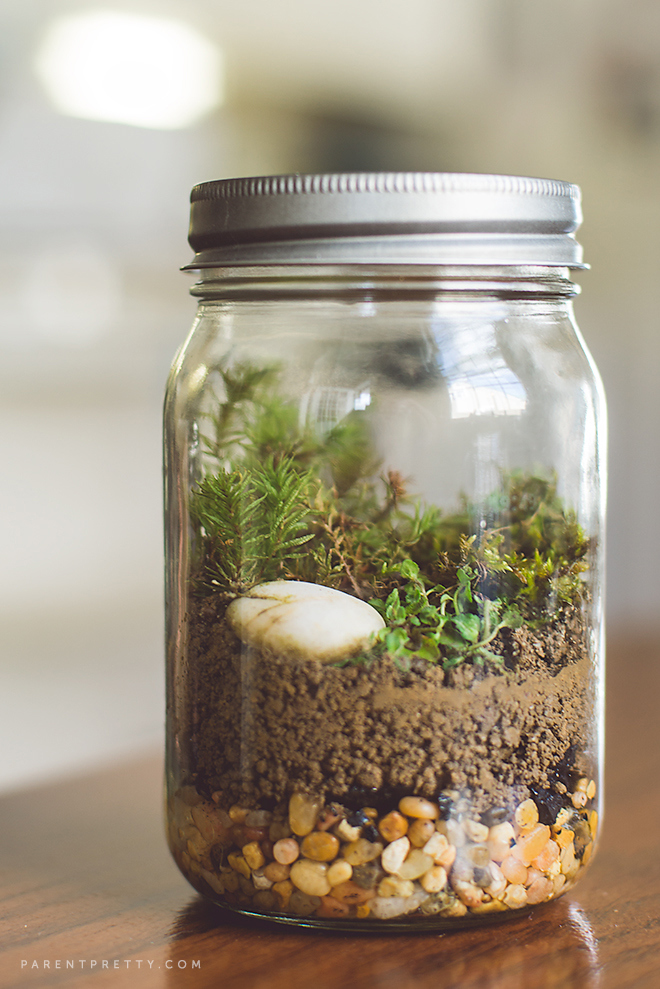
A terrarium is a small garden under glass: plants, a drainage layer, soil, and a clear container that holds humidity where you can see it. Done thoughtfully, it becomes an indoor eco-system that asks for less daily watering than a row of open pots—especially when you match plant type to open or closed vessels. The supplies are ordinary—gravel, charcoal, potting mix, moss, cuttings—yet the order you stack them and the honesty of your plant choices decide whether the jar thrives or turns into a fogged science experiment you hide behind a cookbook.
Eco-friendly builds lean on reused jars and bowls, peat-free mixes when available, nursery plants and sheet moss from suppliers rather than stripping wild patches, and restraint with plastic décor. Light and water do more work than novelty miniatures. The guide below walks through closed versus open styles, layering, plant selection, moss and stone detail, characterful containers, care, and a practical first-build rhythm.
Closed jars versus open bowls
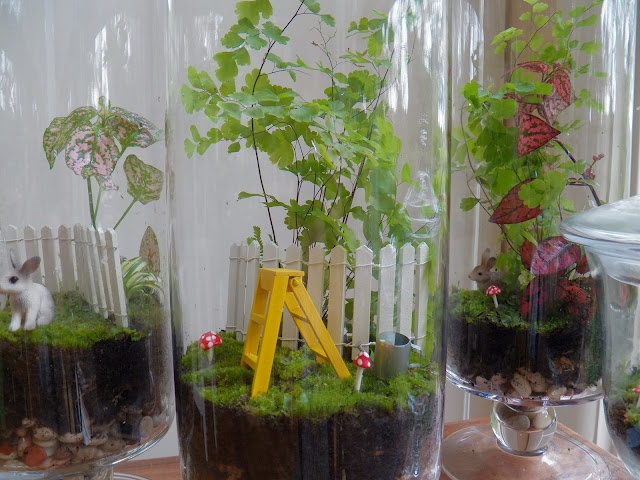
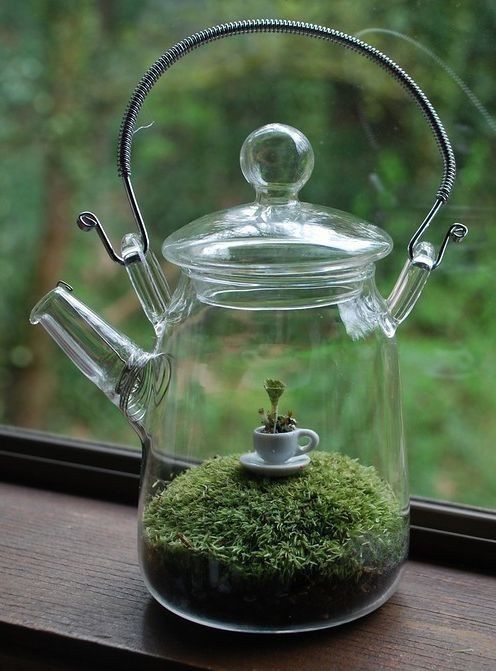
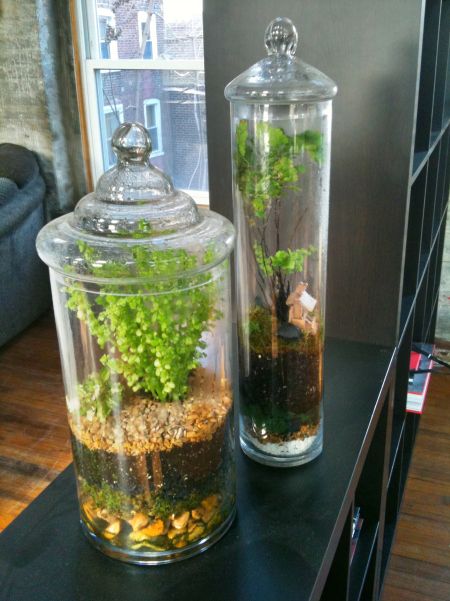
Closed terrariums with lids, corks, or tight cloches trap moisture and recycle it as condensation. They suit ferns, mosses, fittonia, pilea depressa, baby tears, and other plants that prefer steady humidity. A light film of condensation that appears and clears with the day is healthy. Constant heavy fog that never lifts usually means the soil started too wet; open the lid for a day and wait before adding more water.
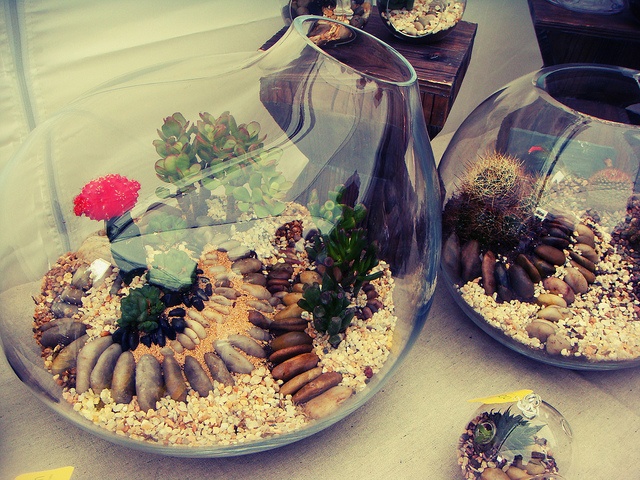
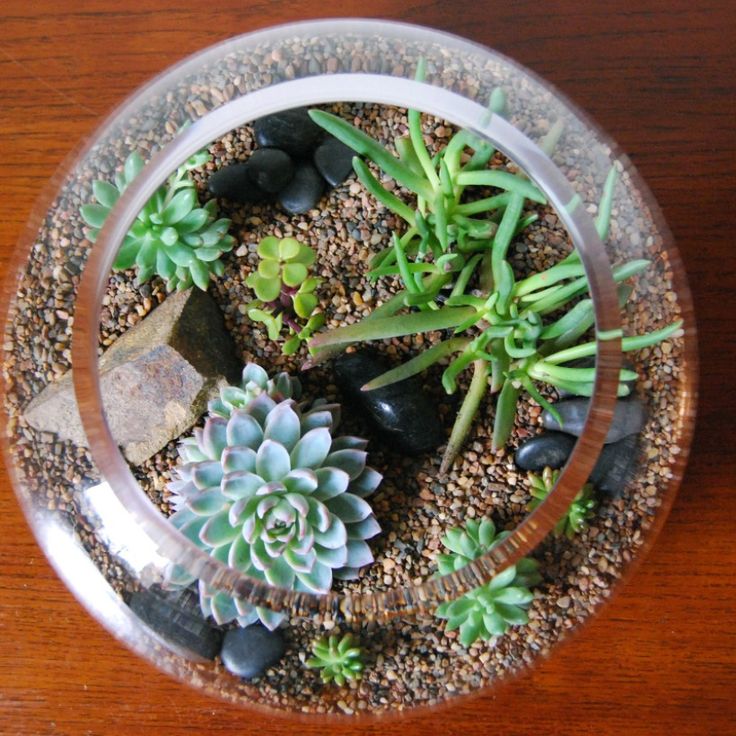
Open bowls, wide cylinders, and vessels without lids suit succulents, cacti, and airy mixed plantings that would rot in a sealed jar. Desert plants under a cork are a classic mismatch: the glass looks polished in a photo, then soft stems collapse within weeks. Choose the climate of the container first, then shop for plants that already live that way.
Layers that keep roots healthy
Most durable builds start with drainage. A base of washed gravel, clay pebbles, or recycled glass chips gives excess water a place to sit below the root zone. Without that pocket, closed jars become swamps after one enthusiastic watering. Add a thin barrier—landscape fabric, a pad of moss, or fine mesh—so soil does not sift down and fill every gap between stones.
Horticultural charcoal comes next in many closed designs. It is not a miracle filter, but it helps keep the enclosed environment fresher than soil alone. Use charcoal sold for gardens or aquariums, never barbecue briquettes laced with additives. Then add potting mix matched to the plants: a moisture-retentive indoor mix for tropicals, a gritty cactus-and-succulent mix for open desert bowls. Depth depends on root size; shallow moss landscapes need less soil than a small fern with a real root ball.
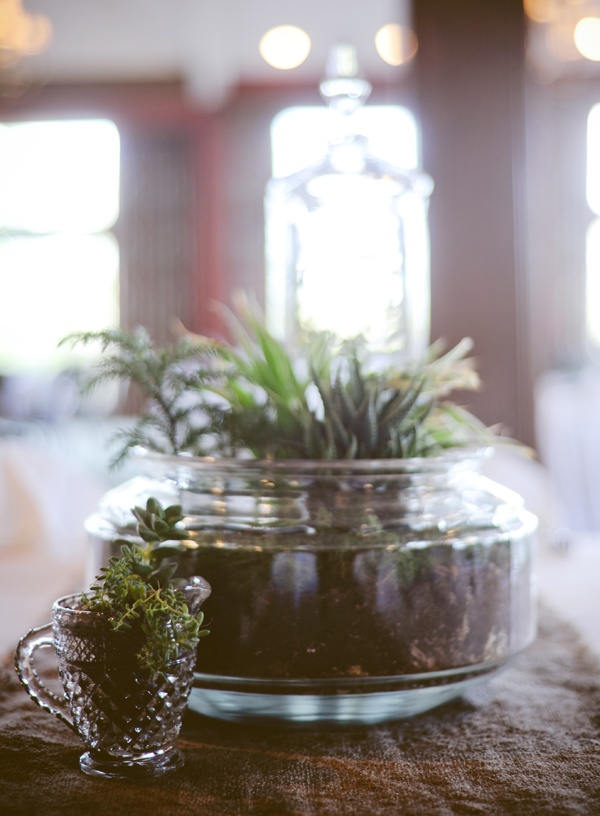
Narrow-neck jars need patience and long tools: spoons taped to sticks, chopsticks, paper cones as funnels. Wipe the glass as you work. Dirty interior walls stay visible on every shelf photo and make maintenance harder later. A gentle slope in the soil—higher in back, lower in front—creates a tiny landscape without extra props.
Plant selection and arrangement
Slow growers belong in small containers. A nursery plant that doubles in size every month will smother its neighbors and press wet leaves against cold glass. Aim for one taller accent, one mid-height filler, and a low cover of moss or creeping green. That simple structure reads as intentional even when the vessel is a reused pickle jar.
Knock off excess nursery soil if it is heavy with fertilizer salts, and trim circling roots so the plant settles into the new mix. Leave space between foliage and the walls; air movement matters, and leaves plastered to glass stay wet and invite rot. In open succulent bowls, plant in odd numbers, show some bare gravel, and resist the urge to fill every inch—empty space is part of the design and part of the drainage story.
Moss, pebbles, and soft landscape detail
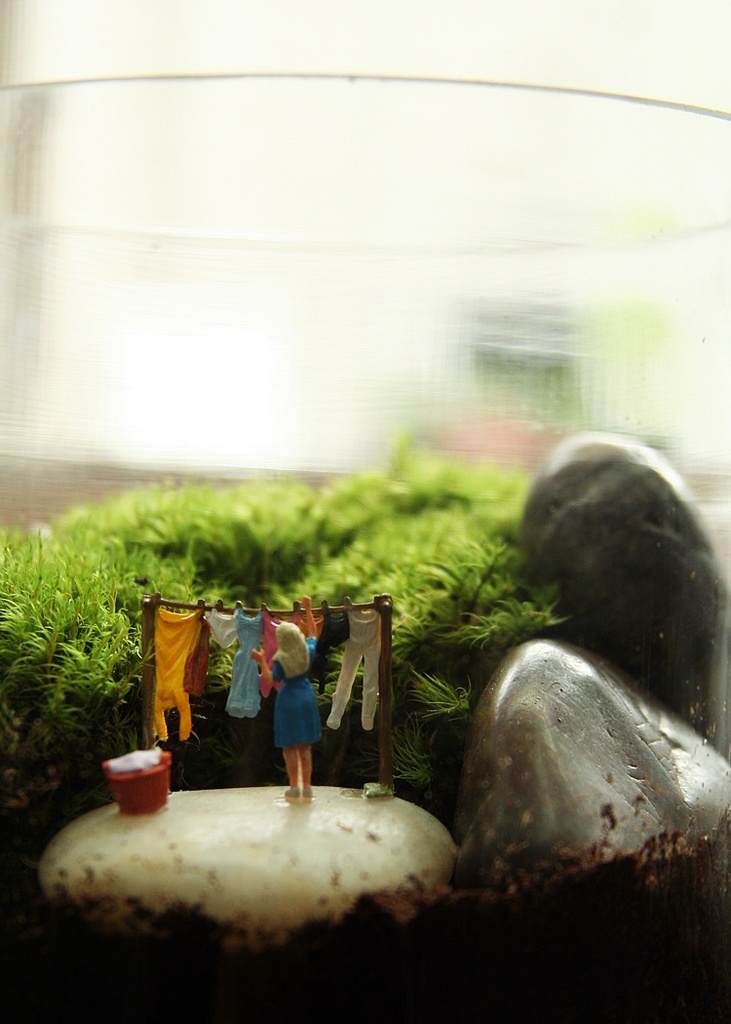
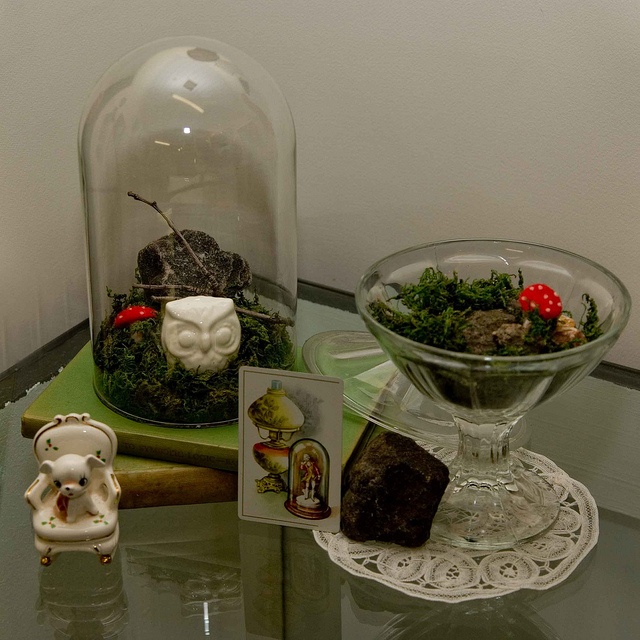
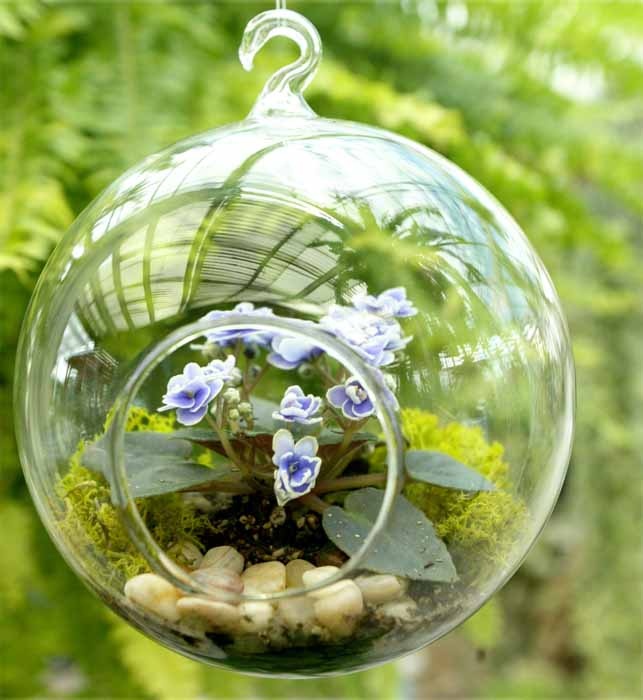
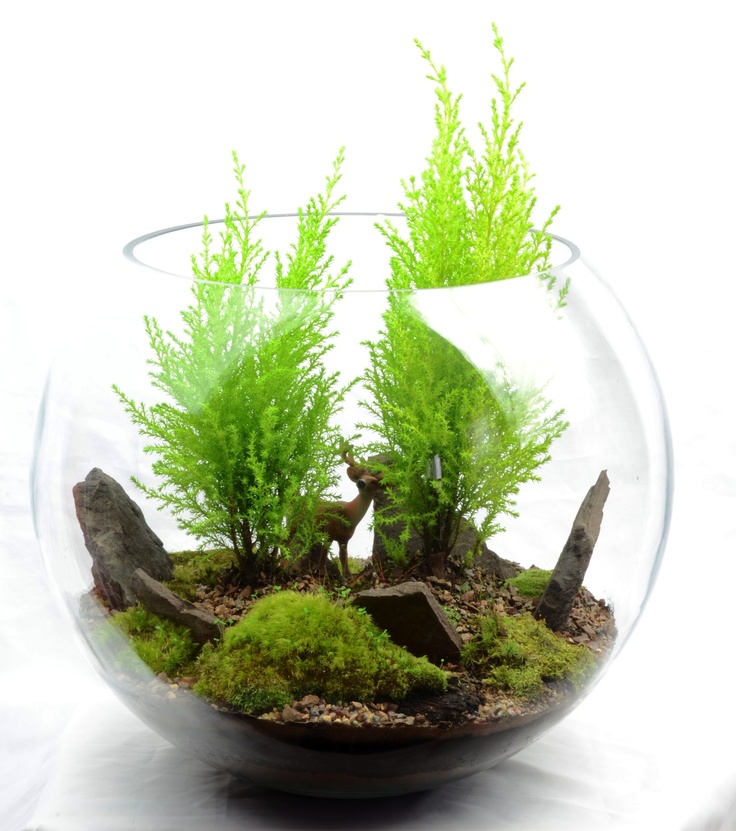
Sheet moss and cushion moss finish the soil surface, soften hard edges, and help hold humidity in closed builds. Settle moss with a light mist rather than a flood that soaks the layers underneath. Natural pebbles, fine gravel paths, and a clean twig or two suggest scale. Painted aquarium gravel and piles of plastic mushrooms fight the calm garden look most shelves need; use them only if that playful style is the point of the piece.
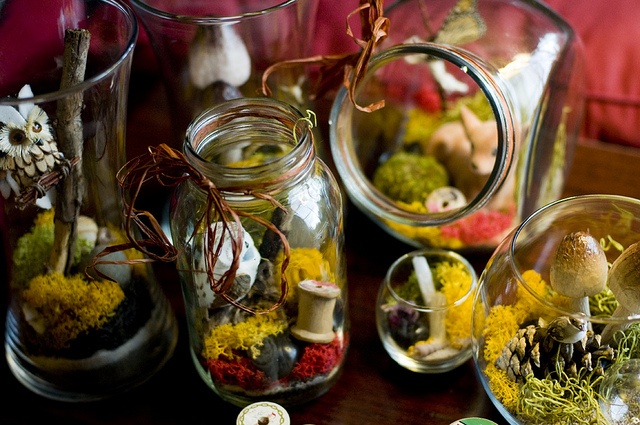
Found wood should be dry and free of mold or insects. Miniatures—benches, animals, tiny houses—work when the scale stays consistent. One well-chosen object beats a crowded toy shelf under glass. Kid-friendly moss jars can skip breakable décor entirely and focus on soft green texture and safe, rounded vessels.
Containers with character and a second life
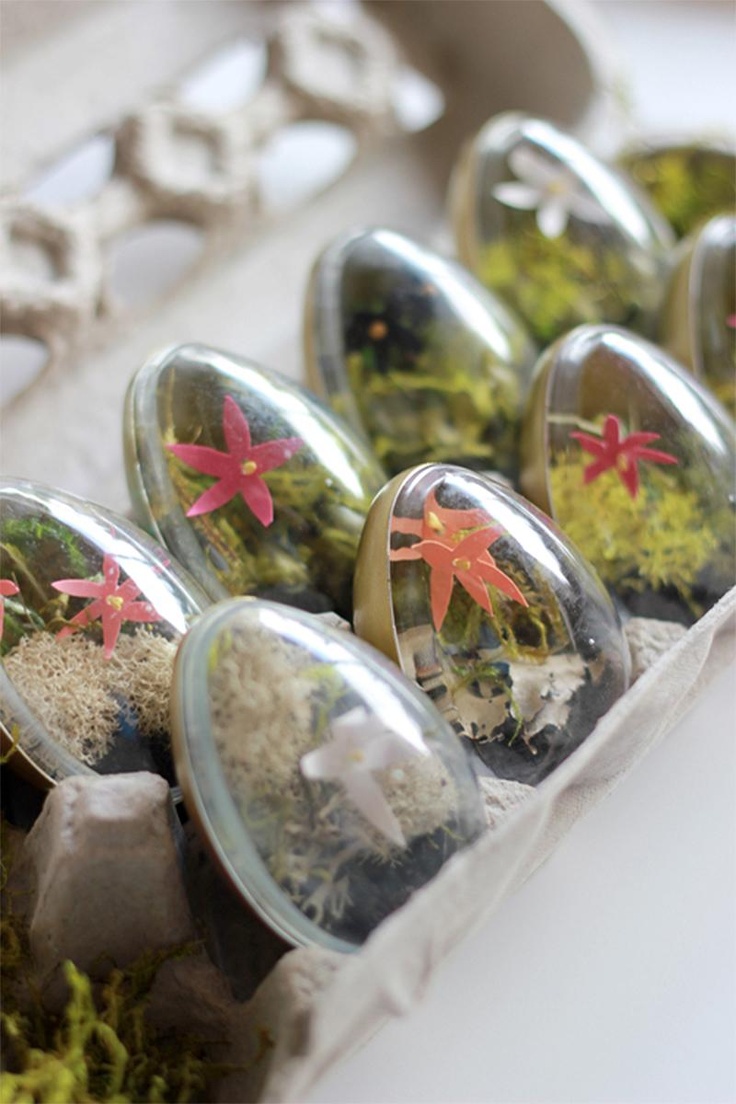
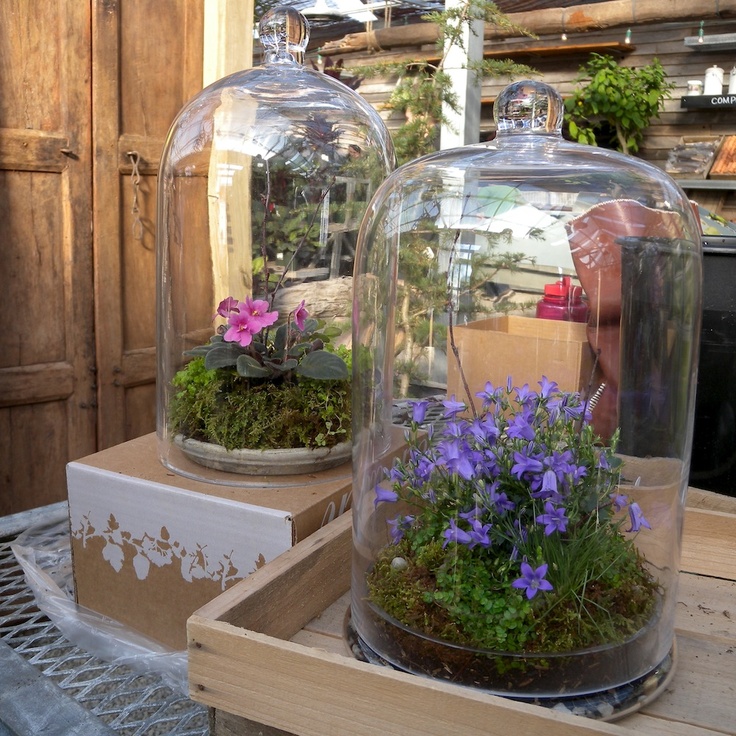
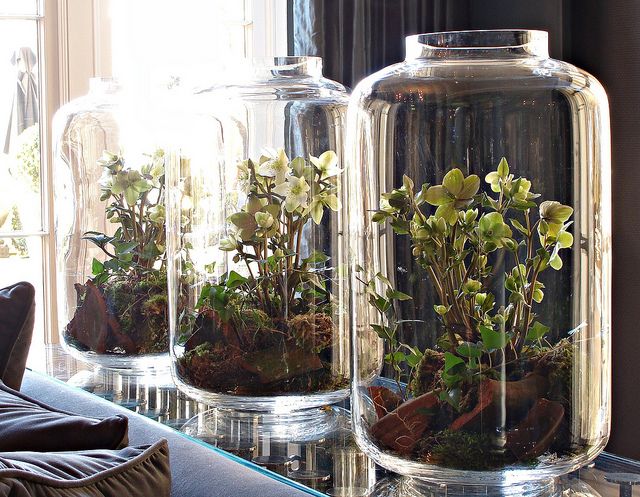
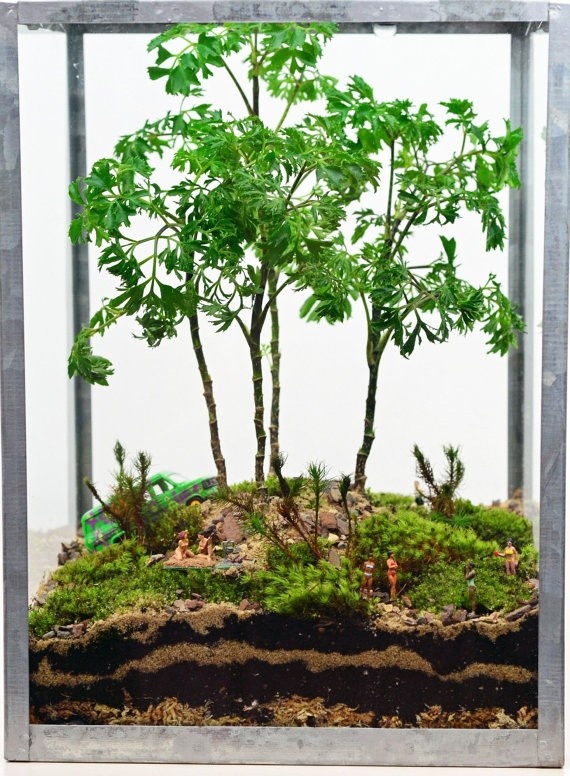
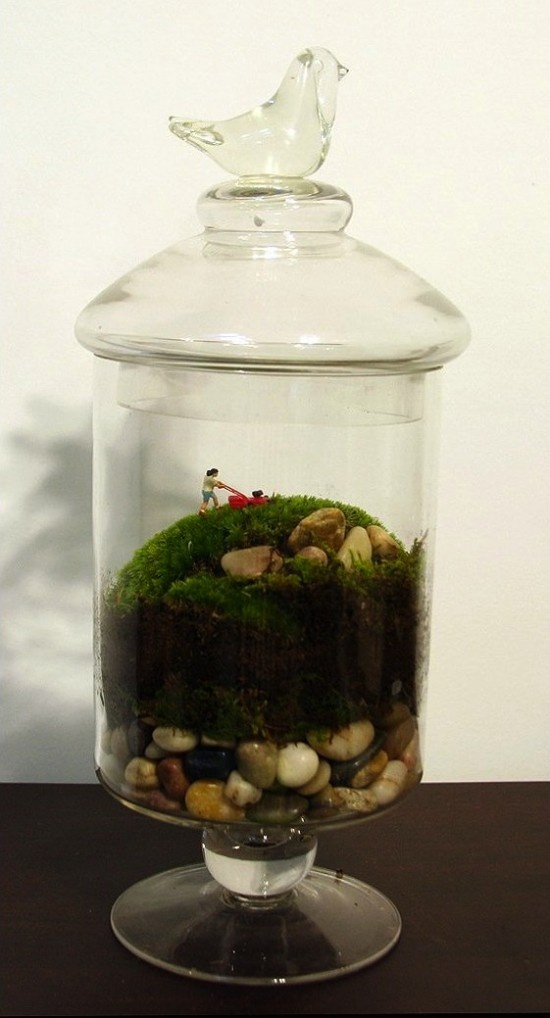
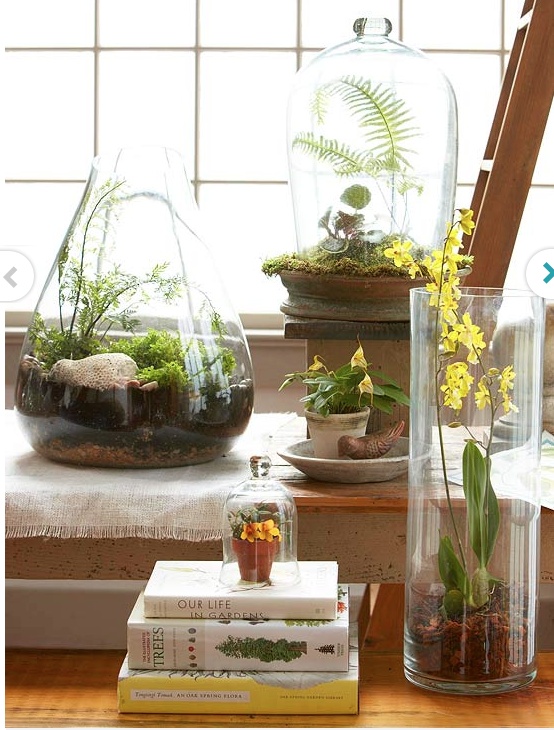
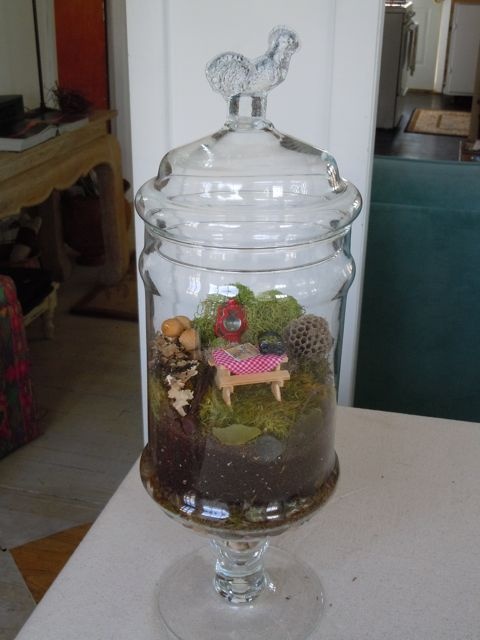
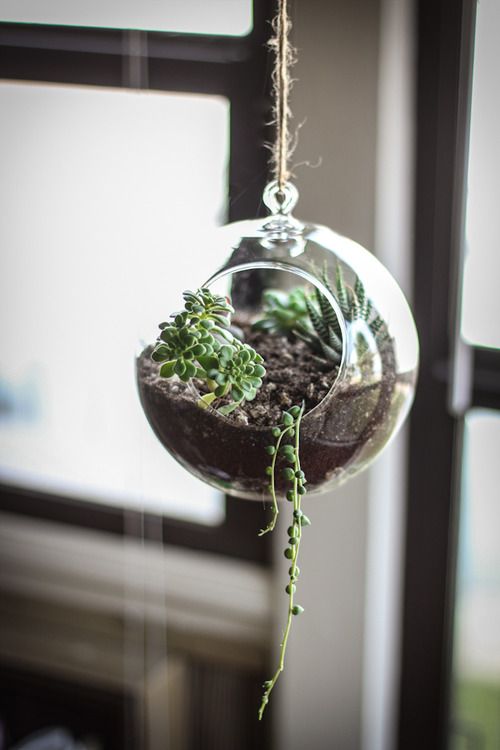
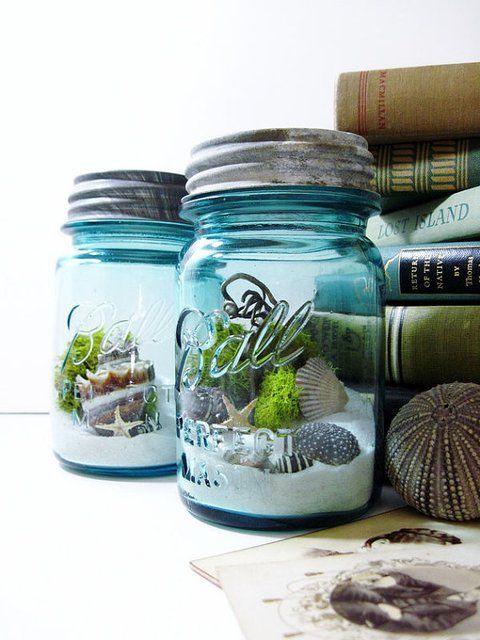
Reused clear jars, bowls, cloches, and clean light-fixture globes give eco-friendly terrariums their personality without new packaging. Wash thoroughly, strip labels and adhesive, and reject chips that could cut hands. Colored glass looks atmospheric but reduces light; move those vessels closer to a bright window or choose harder plants. Geometric glass boxes show layers beautifully and are easier to reach into for pruning than bottles with tiny necks.
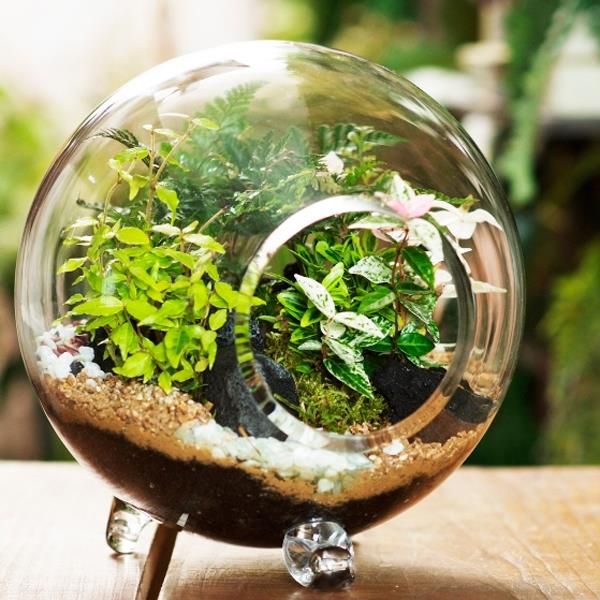
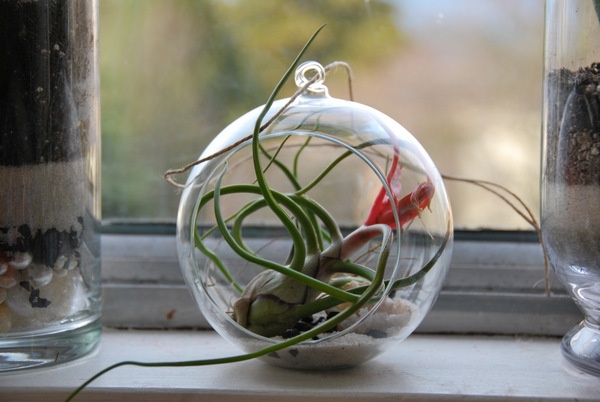
Hanging globes need secure hardware and lighter plantings so hooks and stems are not stressed. Keep them out of busy doorways. Pedestal bowls suit open designs you will water and groom often. Whatever you choose, commit to one vessel size for your first project; juggling three unfinished jars is how soil dries out on the counter while you hunt for the perfect pebble.
Light, water, and ongoing care
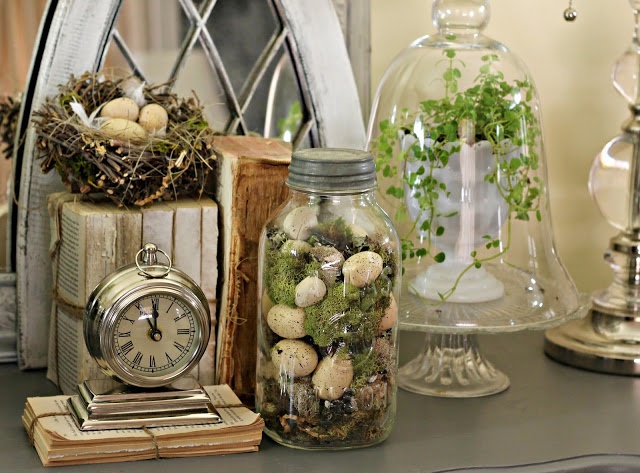
Bright indirect light suits most closed tropical terrariums. Hard midday sun through glass can cook leaves. Open succulent bowls want stronger light and much less water—soak the mix only when it is dry, never on a rigid daily schedule. Closed jars often need only a spoon of water every few weeks once established, or a light mist when moss looks dull. Overwatering remains the most common way to kill a “low maintenance” terrarium.
Wipe interior glass when algae or mineral film builds up. Pinch back leggy stems. Remove yellow leaves before they rot. If mold spots appear on the soil of a closed jar, ventilate for a day or two and ease off moisture. Rotate the vessel occasionally so growth does not lean permanently toward the window.
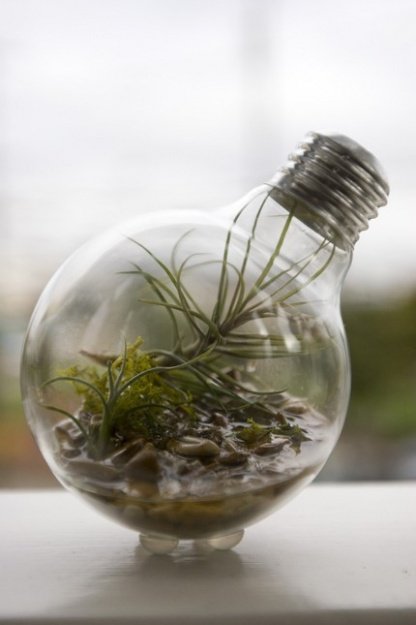
- Match closed or open containers to plant humidity needs before you buy greenery.
- Stack drainage, barrier, charcoal, then soil—then plant.
- Prefer reused glass and peat-free mixes when you can find them.
- Water less once the system stabilizes; watch condensation and leaf feel.
- Prune, clean glass, and remove debris so the garden stays visible and healthy.
Before you open a second bag of moss, run this checklist once: clean vessel, plant group that matches open or closed air, layered base, restrained first watering, and a shelf with steady indirect light. When those five are honest, the glass earns its place as a small living landscape instead of a project you keep meaning to fix.

Comments
Continue reading
Knit Kitchen Tools You Will Actually Use
Dishcloths, pot holders, bowl cozies, and other small knits for the kitchen—yarn choices, cotton vs wool, and projects that survive heat, water, and daily mess.
Botanical Christmas Ornaments from Citrus, Herbs, and Dried Flowers
Dried orange slices, rosemary, bay, and pressed flowers as tree ornaments—how to dry, string, and store them so they last the season without going moldy.

How to Wrap Gifts Without Wrapping Paper
Cloth, boxes, maps, leftover textile, and ribbon-only wraps—practical no-paper methods that still look finished under a tree or on a doorstep.