
Feminine Elegant Bathroom Design Criteria
Design criteria for a feminine, elegant bathroom: palette restraint, lasting materials, layered light, proportion, and calm styling details.
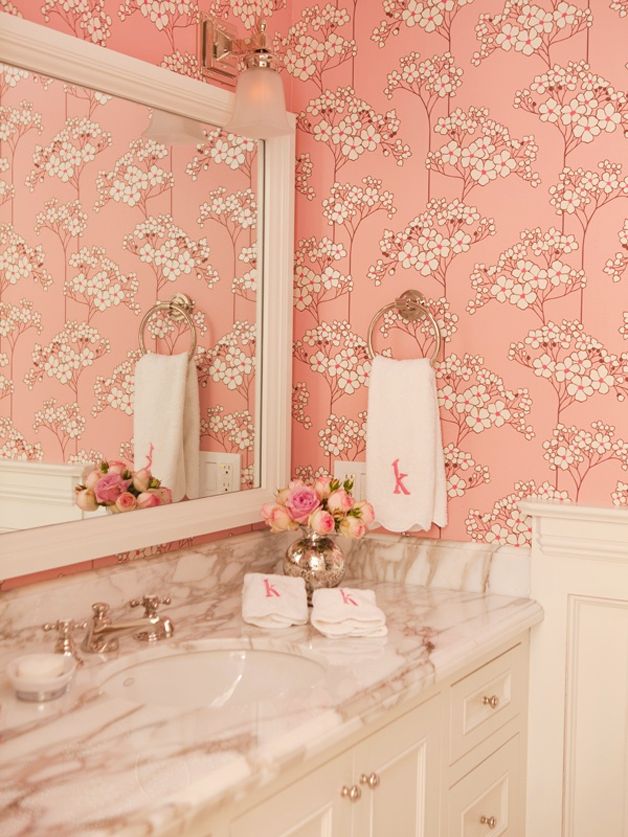
A feminine, elegant bathroom is not a checklist of pink tiles and lace. It is a room where materials, light, storage, and a few chosen objects support slow routines without visual noise. Soft color can help, but proportion, finish quality, and honesty about cleaning habits do the lasting work. Treat what follows as design criteria you can apply to a powder room or a full bath—criteria that stay useful whether you are restyling what you have or planning larger changes later.
Skip the fantasy that elegance equals a palace set. Skip the opposite fantasy that elegance equals empty white nothing. The sweet spot is composure: surfaces that look intentional after towels are hung, products are put away, and steam has cleared.
Atmosphere before accessories
Elegant bathrooms fail when decoration arrives before structure. Decide the feeling first:
- Spa-quiet: pale stone, minimal pattern, hush, almost no sparkle.
- Hotel-glam: deeper color, controlled shine, a statement mirror, one luminous fixture.
- Soft classic: creamy whites, gentle curves, quiet florals as accent only.
Also note light. Strong daylight asks for different wall values than a windowless bath that will live on lamps. Ask whether you want cool serenity (blues, greys, soft whites) or warm romance (blushes, mauves, creamy stone). Answer before you buy candles. Atmosphere decides tile sheen, metal finish, and whether fabric belongs near water at all.
Write the atmosphere in one sentence and tape it inside a cabinet. When a cute accessory fights the sentence, leave it at the store. That single discipline prevents most “almost elegant but busy” bathrooms.
Color used with restraint
Feminine palettes often include blush, dusty rose, lilac, powder blue, or muted plum. Elegance comes from control. Choose one dominant quiet field (large tile or wall), one supporting tone (cabinetry or textiles), and one accent that appears only a few times (vase, stool, framed print).
High-chroma reds and magentas can work in teaspoon doses; on every surface they shout. If you love pink tile, balance it with white fixtures, clear glass, and unfussy hardware so color reads couture rather than candy. Neutral rooms can still feel feminine through curve and reflection: an arched mirror, a skirted console, polished nickel catching warm bulbs.
Test paint and tile samples at morning and night. Bathrooms change character under steam and different bulbs; a blush that looks gentle at noon can turn chalky or peach under cool LEDs. If your mirror light is cool for makeup accuracy, warm the ambient layer separately so the room does not feel clinical when you are not grooming.
Materials that look refined and survive steam
Select surfaces for beauty and maintenance:
- Stone and marble-look porcelain: Veining adds quiet movement. Matte or honed finishes hide water spots better than mirror gloss in busy homes.
- Cabinetry: Soft greige, pale blush, or classic white. Keep door profiles simple if stone is busy.
- Metals: Brushed nickel, polished chrome, or warm brass—one family across faucet, towel bars, hooks, and lighting.
- Glass: Clear panels keep small rooms open; reeded or frosted glass softens visibility without heavy drapery.
- Textiles: Plush towels in a short palette, a washable bath mat, optional light privacy curtains only where architecture needs them.
Lace and florals belong as accents, not as the structural finish. A sheer panel or embroidered hand towel can nod romantic without trapping moisture the way dense fabric does in a wet zone. If you cannot commit to laundering decorative textiles often, skip them; elegance dies faster under mildew than under minimalism.
Grout color matters more than mood boards admit. High-contrast grout turns a soft field into a grid. Tone-on-tone grout keeps feminine calm intact, especially with blush or lilac tile.
Light for grooming and calm
Bathrooms are ritual rooms and mirrors are workplaces. Layer light:
- Even side lighting at the mirror to reduce under-eye shadow.
- Soft overhead ambient light on a dimmer.
- Optional low evening accent—sealed sconces or shelf glow—for baths, used with ventilation.
Warm-white bulbs flatter skin better than harsh clinic cool for ambient scenes. Avoid a single ceiling glare that turns good finishes into a locker room. If you wear makeup here, check color accuracy with the bulbs you will actually live with, not showroom spots. Shadows from overhead-only lighting are a common reason “pretty” bathrooms feel unkind in daily use.
Fixture and furniture proportion
Elegance is often a silhouette problem. Pedestal or console sinks feel lighter than bulky boxes in small rooms. A freestanding tub needs clear floor around it or it looks stranded. Floating vanities can feel modern-feminine when paired with slender metal or a soft curtain conceal for plumbing.
Storage should disappear into calm: deep drawers for daily products, a closed cabinet for backups, open shelves only for objects you accept seeing every day—ceramic jars, a tray, one humidity-tolerant plant. Countertop sprawl breaks elegance faster than an imperfect tile choice. If you need more storage, add a tall shallow cabinet before you add more open styling ledges.
Hardware scale should match door and drawer size. Tiny knobs on large slab fronts look timid; oversized pulls on delicate furniture look costume. Consistency across the room matters more than any single “statement” piece.
Details that signal care
Once structure and light are right, details finish the mood:
- A tray that groups soap, lotion, and a small vase so counters stay composed.
- Towels folded in a limited color story instead of a rainbow stack.
- Art or a mirror with a gentle curve; skip cluttered galleries in humid zones.
- Fresh stems or carefully kept faux only if you refresh them—dusty flowers kill the room.
- Candles in stable holders, away from fabric and drafts, never as a substitute for exhaust fans.
These are styling moves. They do not replace waterproofing, ventilation, or surfaces that can handle steam and cleaners. A feminine bathroom that smells damp is not elegant, regardless of palette.
Layout criteria for a feminine plan
When sketching a remodel or re-styling what you have:
- Clear axis: One calm visual path from door to vanity or tub.
- Negative space: Breathing room around the hero object.
- Privacy layering: Glass, shade, or curtain solutions that match the architecture.
- Wet versus dry: Soft textiles and paper goods out of direct splash.
- Maintenance honesty: If you will not squeegee glass or polish unlacquered brass weekly, choose finishes that age politely.
- Scale check: Oversized chandeliers and tiny powder rooms rarely agree; match fixture scale to ceiling height and floor area.
Three coherent directions
Soft classic: Quiet field tile, marble-look top, nickel fixtures, pale pink or ivory towels, almost no pattern beyond subtle stone.
Romantic hotel: Deeper mauve or blue walls, statement mirror, warm brass, plush robe hook, sparkle limited to one light.
Airy spa: Pale stone, minimal metal, greenery, linen textures, pattern kept near zero.
Pick one direction. Mixing all three usually creates noise that no accessory can fix. If you inherit mixed finishes, unify metal first—swapping towel bars and hooks is often cheaper than living with visual argument.
A short working checklist
- One metal finish family throughout.
- One dominant quiet color field.
- Mirror lighting that flatters, plus dimmable ambient light.
- Closed storage for daily clutter.
- Textiles limited to a short palette.
- Ventilation strong enough that soft finishes survive steam.
If those six hold, a single flower or candle can appear without carrying the whole design. Feminine elegance in a bathroom is the sense that every object was chosen on purpose—and that the quiet surfaces will still look composed after the towels are hung and the tray is wiped dry.

Comments
Continue reading
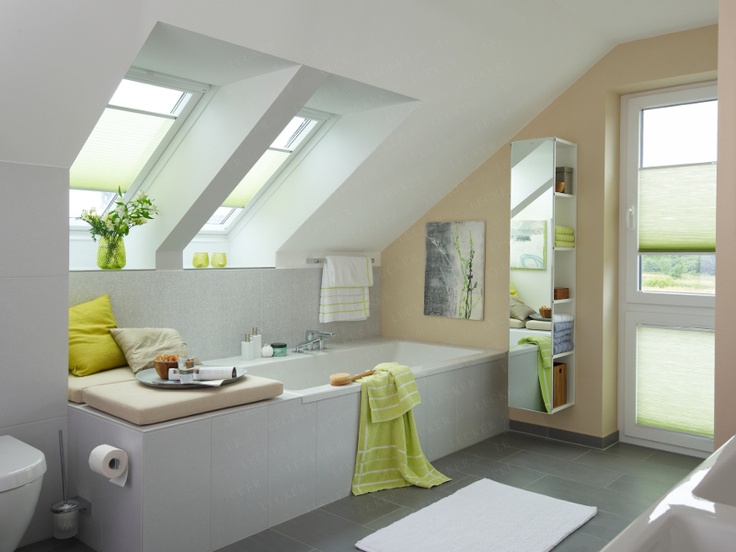
Attic Bathroom Design Ideas: Light, Layout, and Roof-Friendly Fixtures
Design ideas for converting an attic into an extra bathroom—working with slopes, skylights, wet-zone materials, eaves storage, and fixture placement.
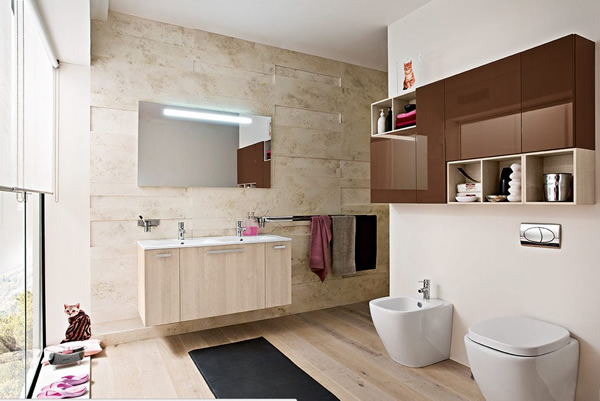
17 Bathroom Design Ideas: Floating Vanities, Spa Showers, and Practical Layout Moves
Seventeen bathroom design directions—from floating wood vanities and glass walk-in showers to heated floors, niches, and calm storage—built around the original gallery.
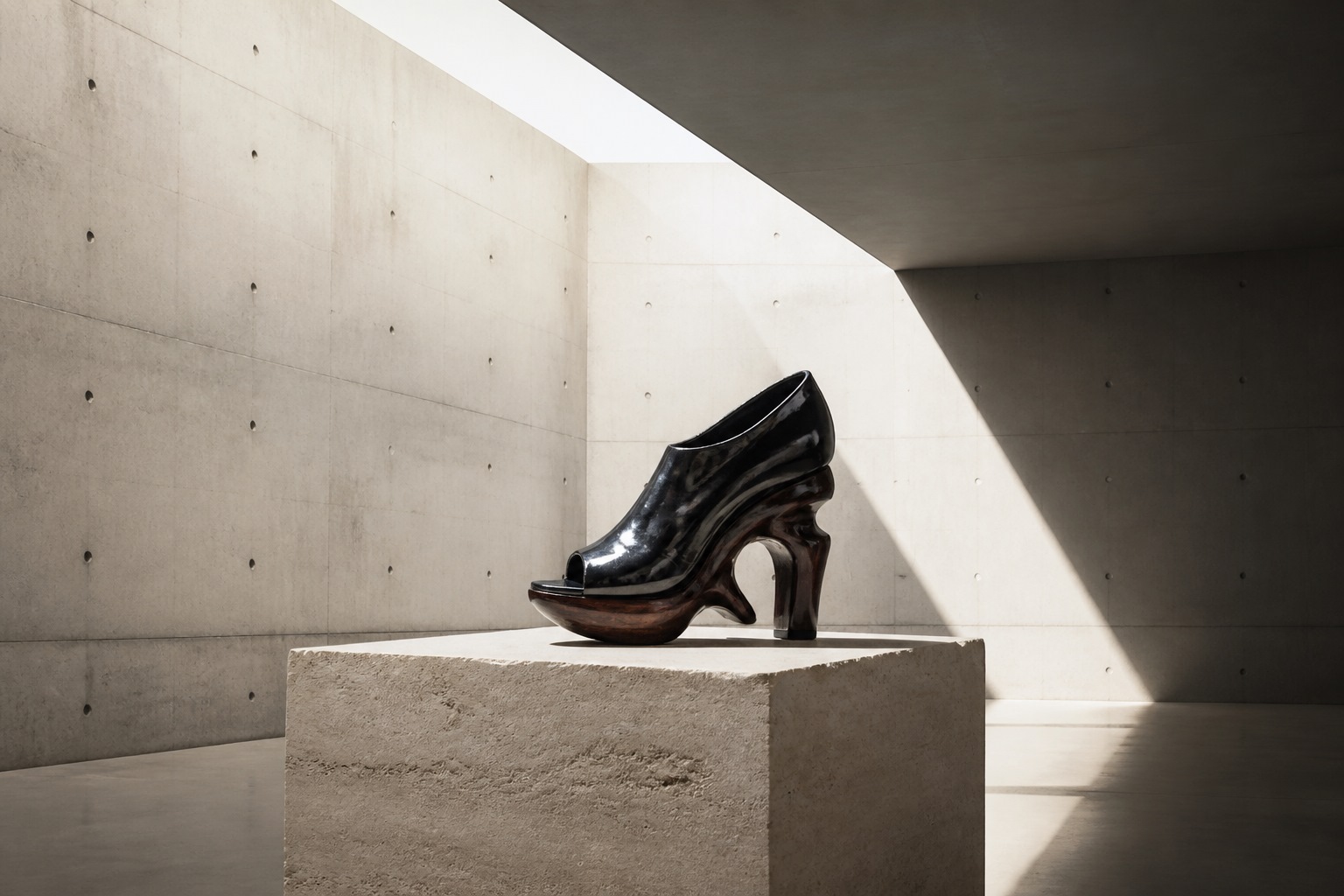
Sculptural Shoes That Were Never Meant to Walk Far
When footwear leaves the sidewalk: gallery heels, unwearable lasts, and object-shoes that belong on a plinth more than on a commute.