
Fantasy Homes: Floating Huts, Rock Cottages, and Cliffside Dreams
A gallery of extraordinary dwellings—on water, stone, cliffs, and forest edge—plus what their drama can teach ordinary rooms.
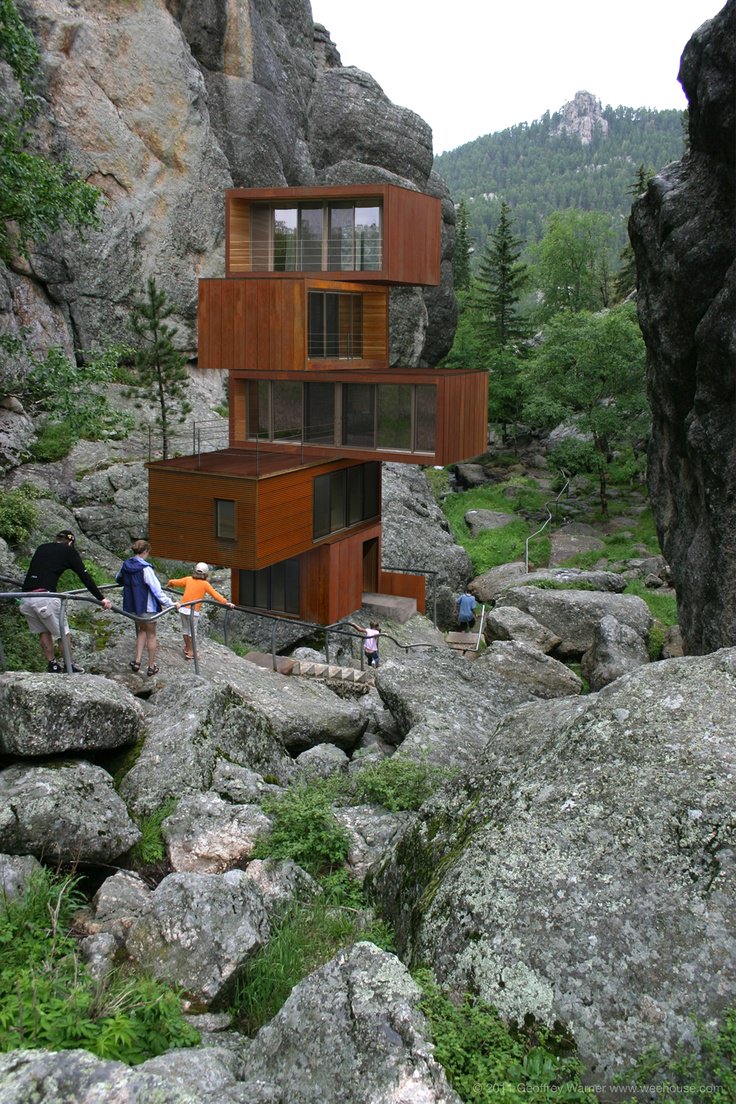
Most housing fantasies start small: more windows, a quieter street, a kitchen that finally fits a proper table. Then there are the places that stretch the word “home” until it almost becomes fiction — a hut that floats on still water, a cottage perched on a lonely rock, a glass box hanging over a cliff as if gravity were optional. They look impossible in photographs. Many of them are real enough to visit, rent, or, for a rare few owners, live in year-round.
This gallery gathers those dream dwellings: houses that trade ordinary neighborhoods for water, stone, forest canopy, or sheer dramatic drop. They are less about square footage and more about a single strong idea — isolation, immersion in landscape, or architecture that feels borrowed from a storybook. Looking at them is half tourism, half design education.
Why “fantasy” homes feel so persuasive
Fantasy architecture works when the setting does half the design work. A modest cabin becomes unforgettable once it sits alone on a lake. A simple pitched roof becomes theatrical when it crowns a rock island. The building may be small; the horizon does the heavy lifting. That is why these images travel so well: the story is visible even before you understand the floor plan.
There is also an emotional shortcut at play. Floating rooms, cliff houses, and tree-level retreats promise escape from traffic noise, neighbors’ fences, and the visual clutter of suburbs. Even if you never intend to buy one, looking at them is a form of mental travel. You try on a different rhythm of life for a few seconds: mornings measured by water glare, evenings by wind against glass. The fantasy is not only the building — it is the calendar that building seems to invent.
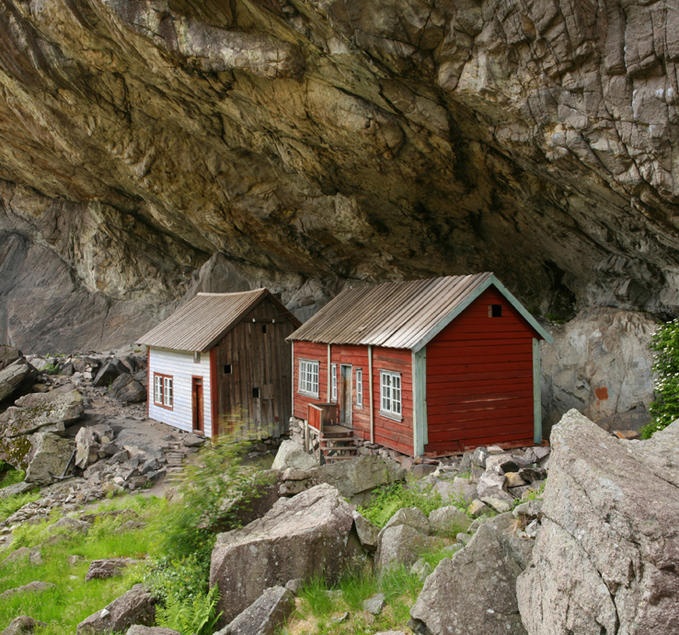
Designers and ordinary daydreamers both use these images as compasses. A floating hut says you crave separation. A glass cliff house says you want immersion and drama. A round forest cottage says you want softness and play. Naming the craving is more useful than saving fifty photos without knowing why they pull you.
Houses on water
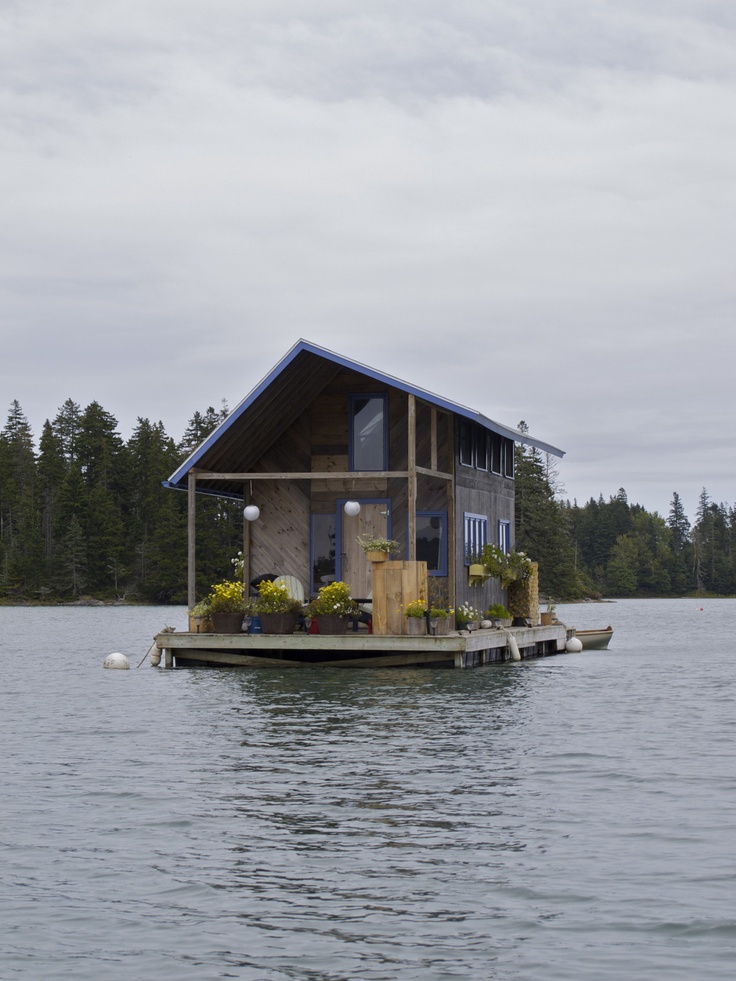
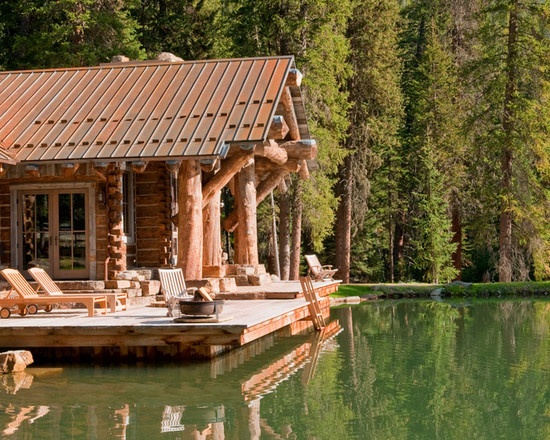
Floating and lakeside homes dominate the fantasy category for good reason. Water multiplies light. It softens hard edges with reflection. It creates a literal boundary between your door and the rest of the world. Some of these places are traditional stilts or pontoons; others are solid foundations built so close to the shoreline that every window becomes a waterfront gallery.
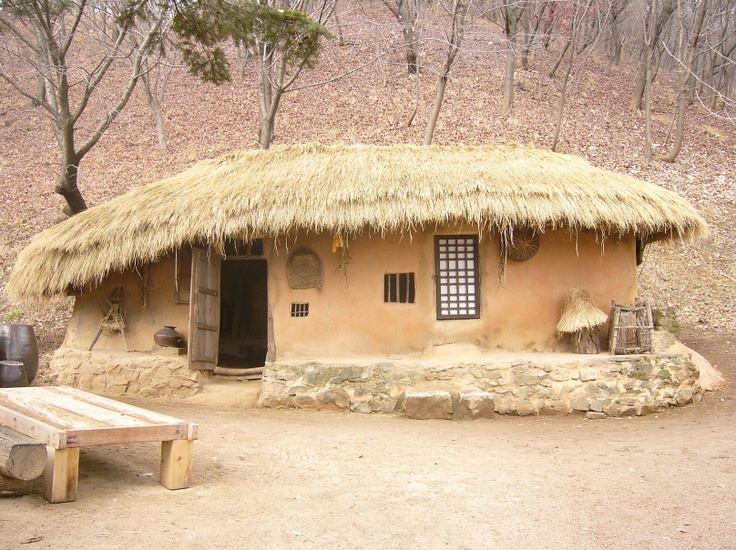
Living on water is rarely as effortless as the photos suggest. Access can depend on boats, seasonal ice, or narrow walkways. Humidity challenges materials. Weather is not background scenery — it is a roommate. Maintenance schedules lengthen. Supply runs become events. Still, the dream persists because the payoff is singular: a home that feels temporarily unmoored from ordinary street life, with light that changes by the hour across a moving surface.
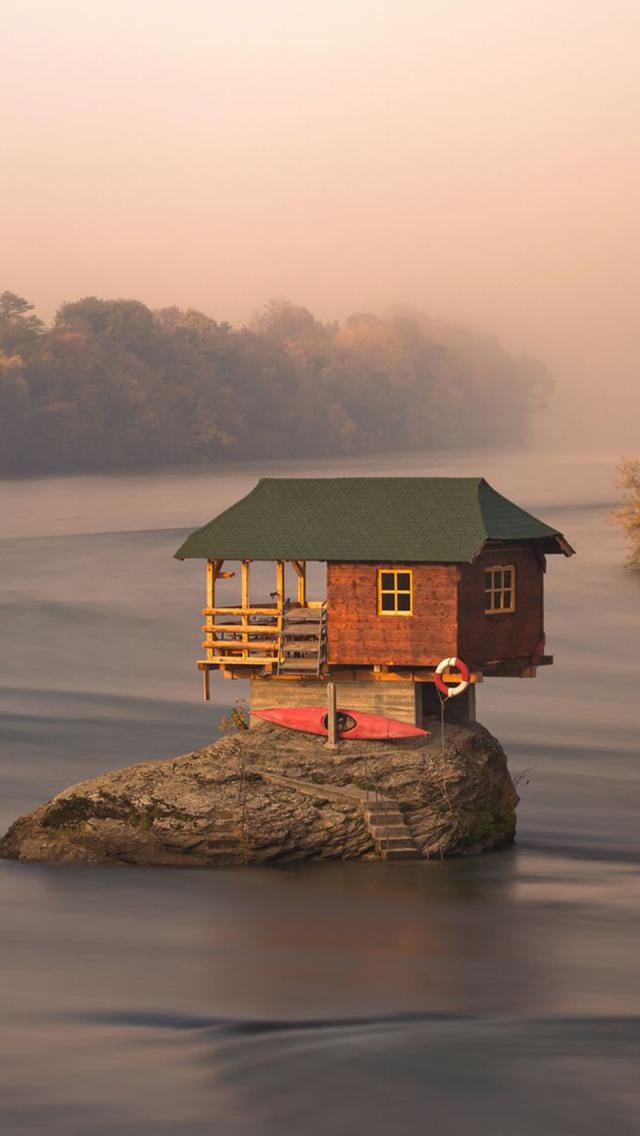
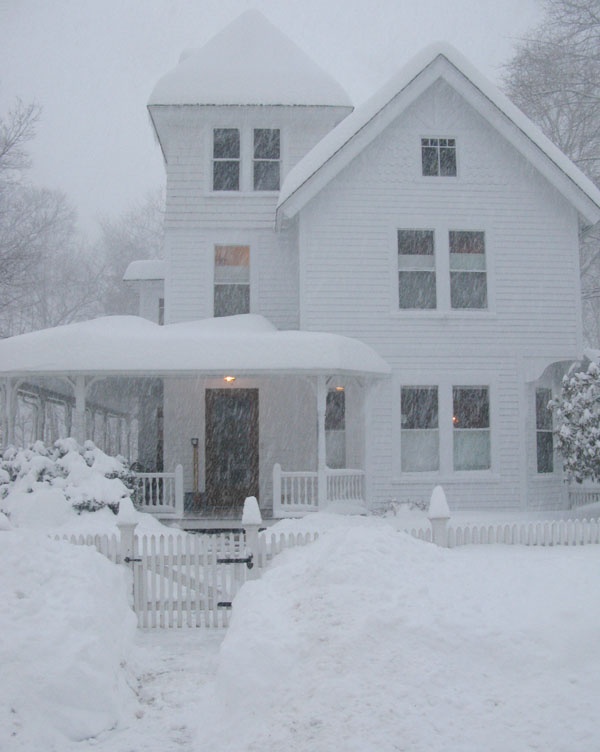
Even as a short stay, water houses rewire attention. Without a street outside the window, small sounds matter more: rain, dock ropes, birds. That sensory reset is part of why people keep booking the dream even when they know it is temporary.
Rock islands and cliff edges
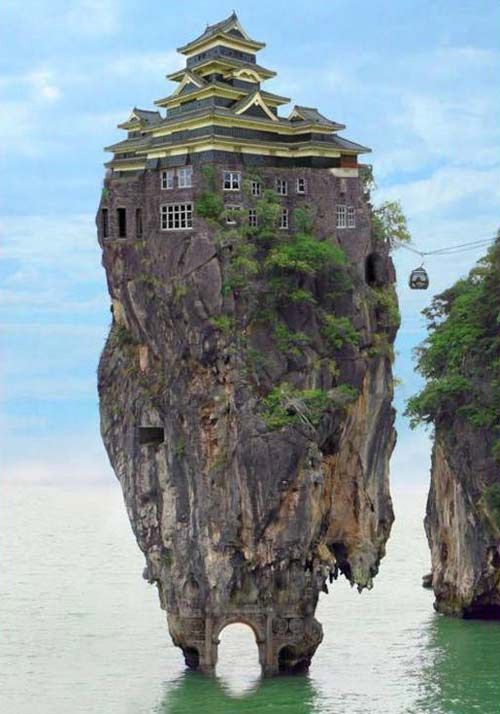
Another recurring fantasy is the solitary house on stone — a cottage that looks as if it grew from the rock rather than being delivered by a contractor. These homes exaggerate privacy. There is nowhere to expand, no casual neighbor dropping by, and often only one dramatic approach by path, bridge, or boat. The architecture becomes inseparable from geology.
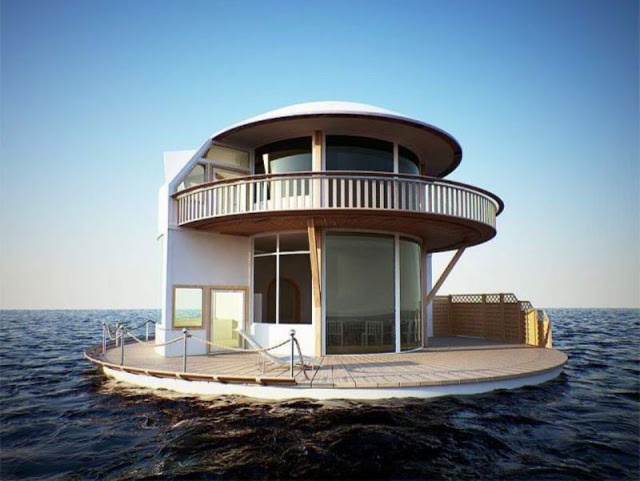
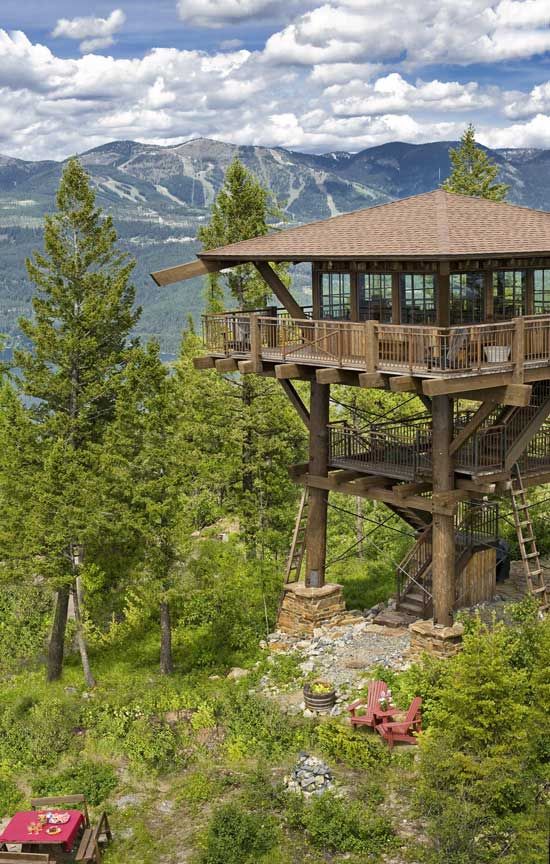
Cliff and overlook houses work differently. Instead of isolation by water, they sell vertical drama: rooms that hover above a drop, terraces that make your morning coffee feel slightly reckless, glass walls that turn weather systems into entertainment. Structural engineering and local codes matter enormously here, which is part of why these places remain rare and photograph so well — they are exceptions, not templates. Looking at them, you feel both longing and a healthy respect for whoever signed the engineering drawings.
Forest hideaways and storybook forms
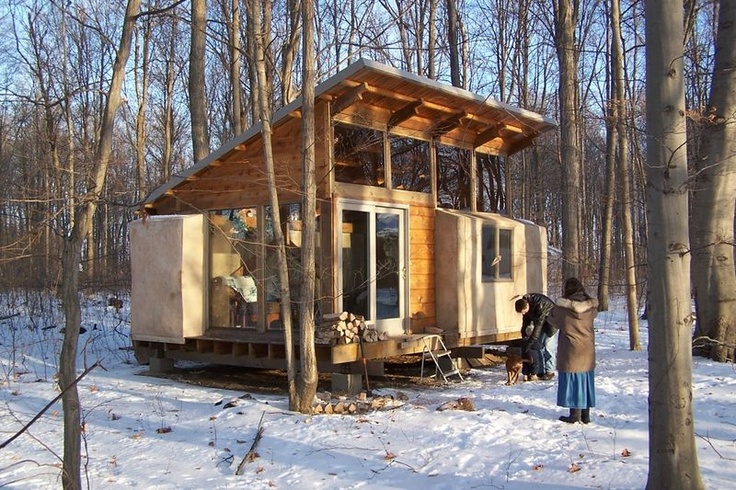
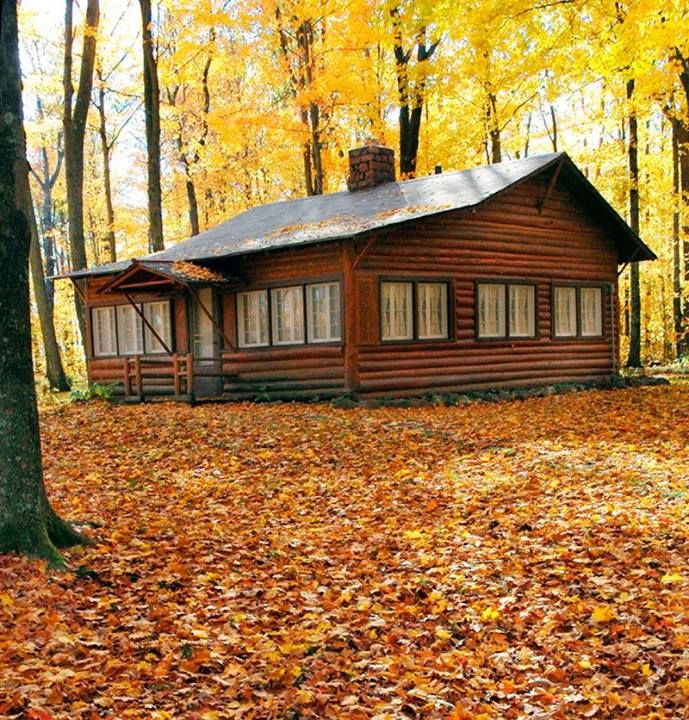
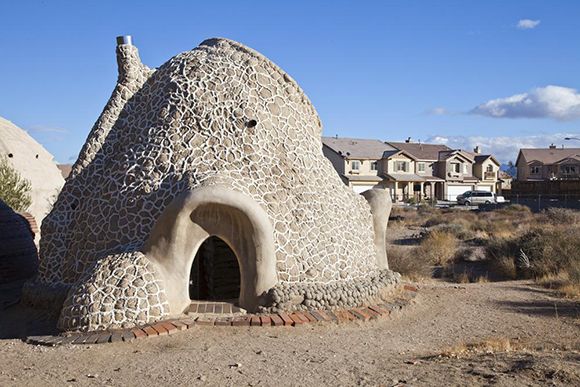
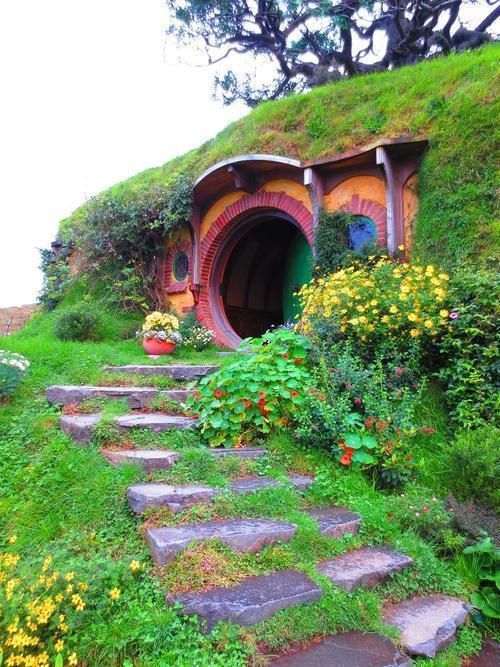
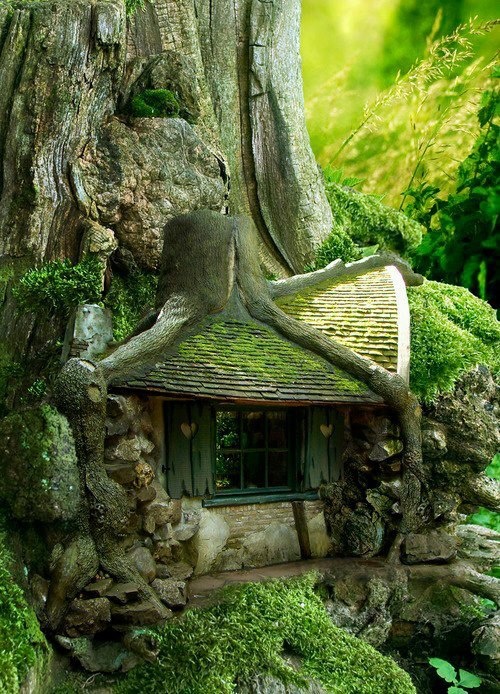
Not every fantasy home needs a cliff or a lake. Deep woods, round roofs, tiny footprints, and exaggerated chimneys can make an ordinary building read like a fairy-tale set. These houses often prize intimacy: one main room, a loft, a porch that feels like a stage facing trees. Their charm is scale. They look handmade even when they are carefully engineered.
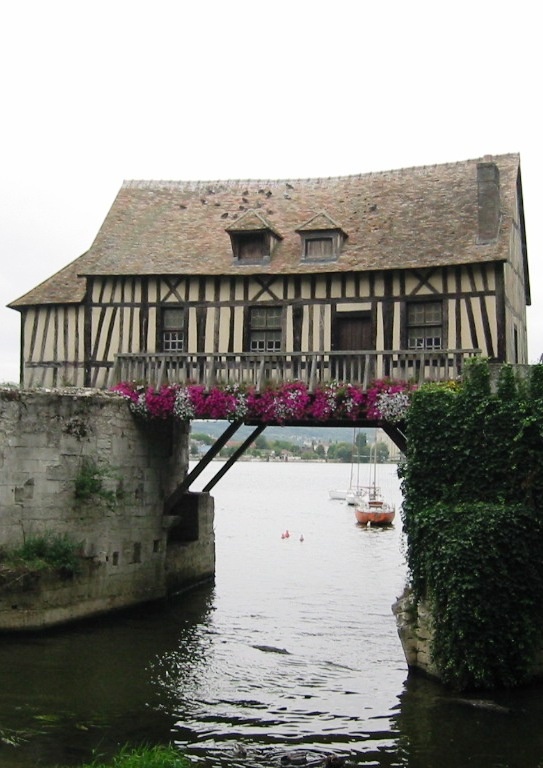
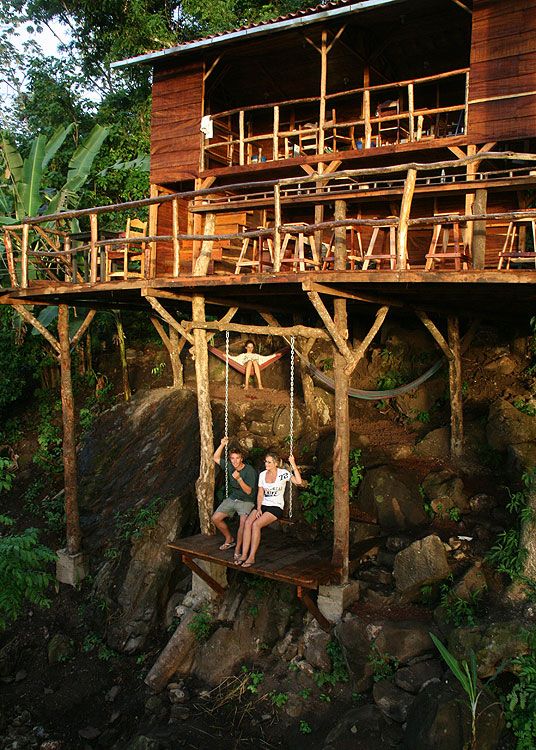
Modern fantasy homes take the opposite route: clean planes, huge glazing, and almost no ornament. The “magic” then comes from contrast — a minimal white volume dropped into wild landscape, or a transparent room that makes weather and wildlife feel like décor. Either language works when the site is strong enough. In weak sites, both languages fall flat, which is why copying the silhouette without the setting rarely satisfies.
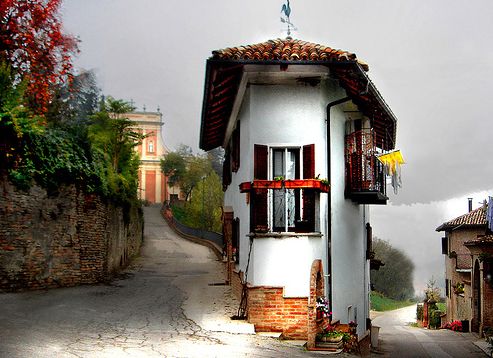
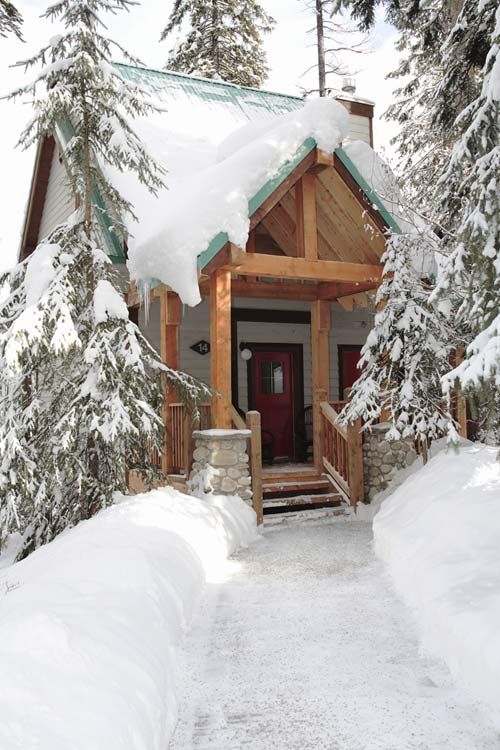
What these places teach ordinary rooms
Few readers will relocate to a rock island next month. That does not make the gallery useless. Fantasy homes clarify priorities you can steal in smaller ways:
- One dominant view. Arrange seating toward the best light or landscape you already have, even if it is only a tree and a strip of sky.
- Clear thresholds. Bridges, docks, porches, and deep overhangs mark arrival. A small entry ritual — bench, mat, plant — can do a milder version at home.
- Material honesty. Weathered wood, stone, and glass read as intentional in dramatic sites. In ordinary rooms, fewer finishes often feel calmer than many competing ones.
- Compact living done with pride. Tiny fantasy cottages prove that a small footprint can still feel generous when storage is smart and clutter is low.
- Atmosphere over square meters. A memorable room is often about light and outlook, not an extra unused bedroom.
Renting the dream versus owning it
Many of the world’s most photographed “impossible” houses are hospitality projects as much as residences. That matters. A week in a floating hut is a different proposition from wintering there through storms, supply runs, and maintenance. Looking at these images with that distinction in mind keeps the fantasy enjoyable without pretending every postcard is a practical floor plan.
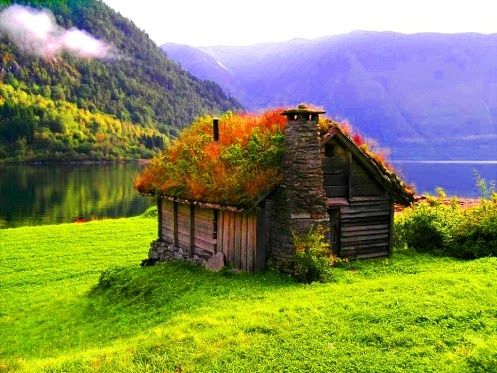
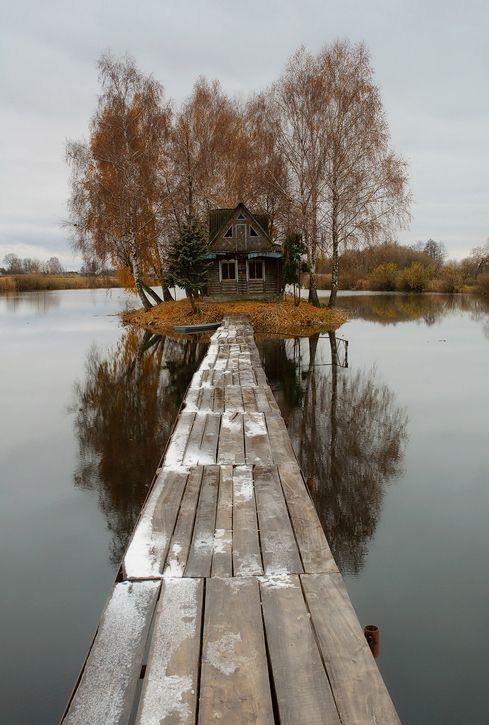
Still, ownership fantasies endure because architecture has always been a way people announce hope. A house on a rock says, “I want distance.” A glass room over trees says, “I want immersion.” A floating cabin says, “I want the world to quiet down.” Those wishes are older than any design trend cycle, and they explain why galleries like this keep getting shared long after any single house style has gone out of fashion.
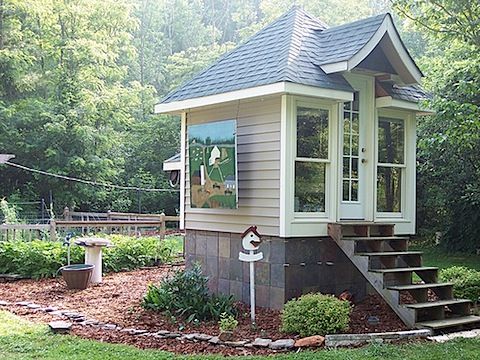
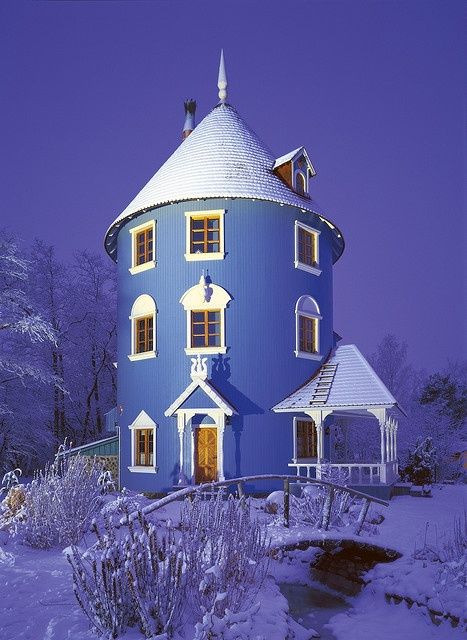
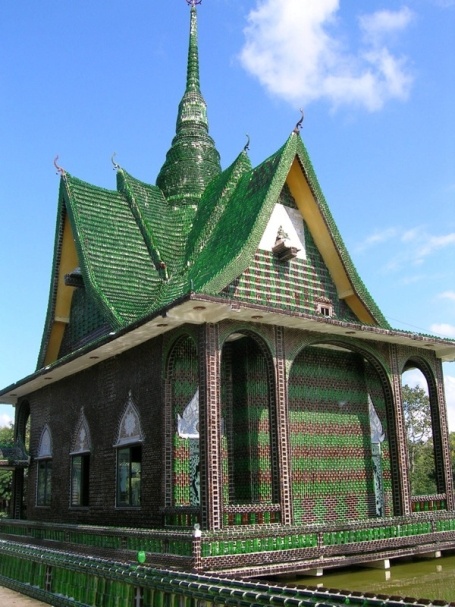
A walk through the rest of the set
As you scroll the remaining images, ask a simple question of each house: what is the one non-negotiable idea holding it together? Is it solitude? Water? Height? A childlike silhouette? Once you name that idea, the building becomes easier to “read,” and the fantasy becomes sharper — less vague wish, more specific appetite for a place. You may even notice that two houses look nothing alike yet satisfy the same hunger.
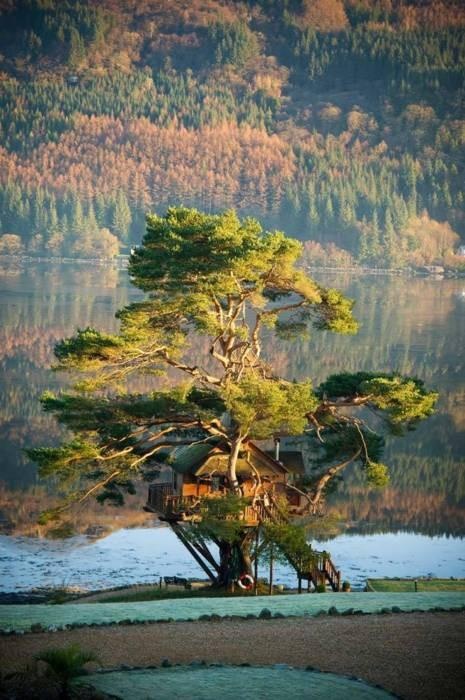
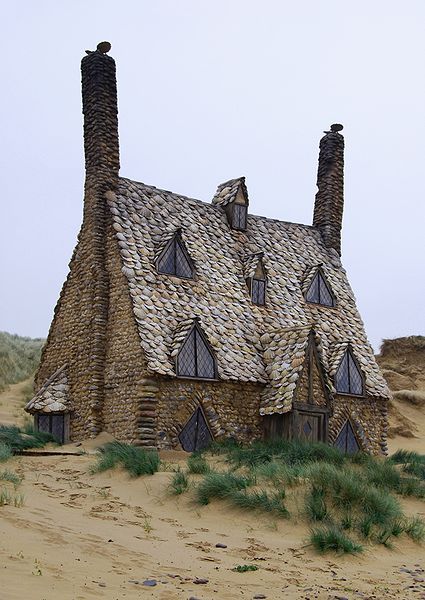
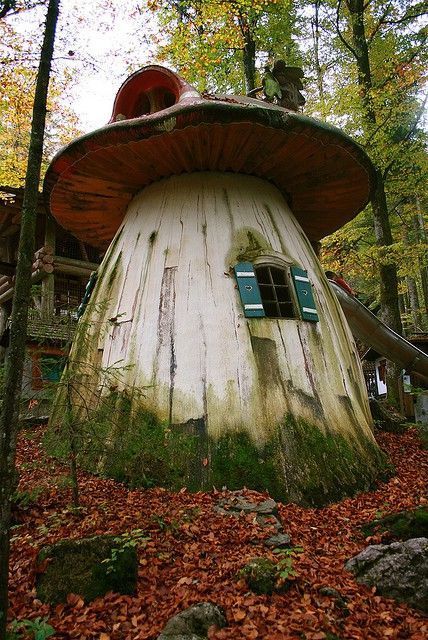
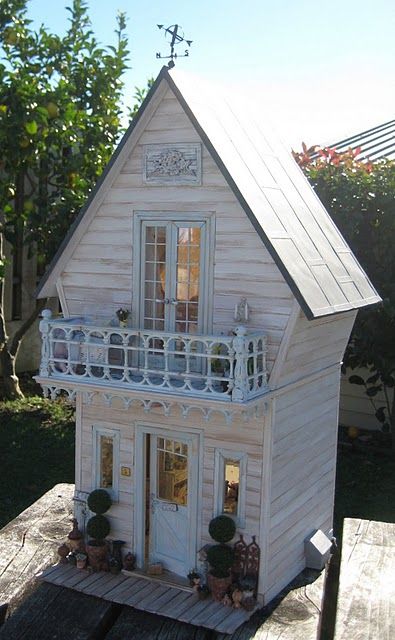
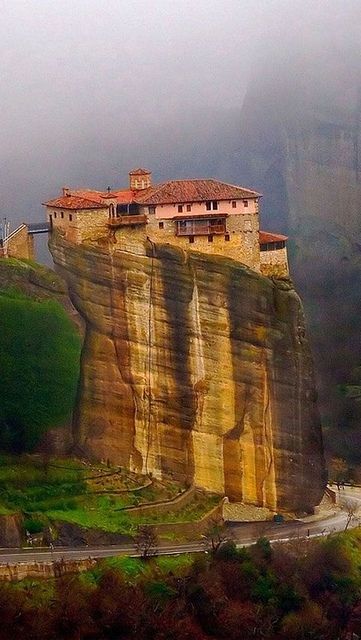
Which one would you actually keep after the novelty wore off — the floating hut, the rock cottage, the cliff room, or the forest cabin? Answer that, and you have learned something useful about the kind of quiet you are hunting for, even if your next move is only rearranging a chair toward better light.

Comments
Continue reading
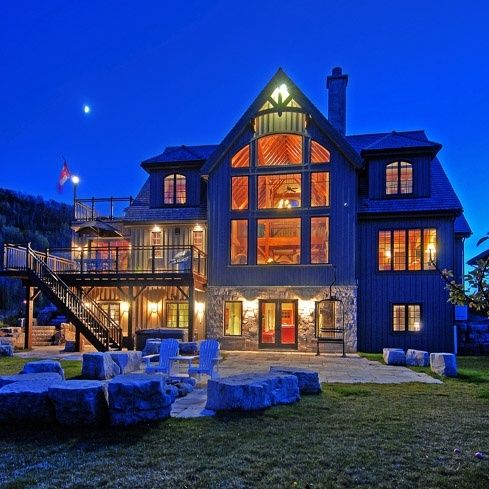
Home Dream Home: Looking from the Outside
Curb appeal as the series’ exterior chapter—façade proportion, entry clarity, planting, dusk light, and maintenance that match the home inside.
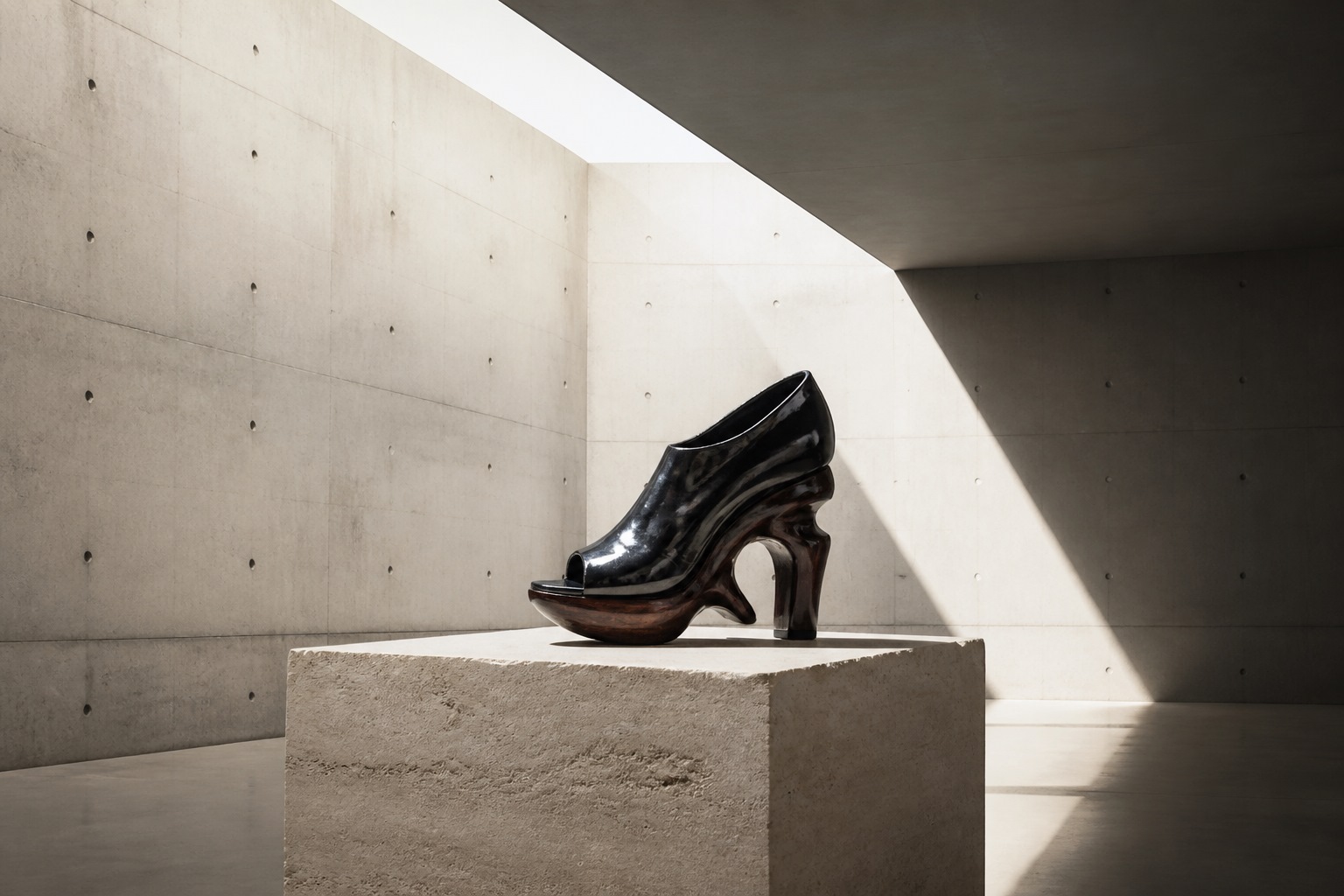
Sculptural Shoes That Were Never Meant to Walk Far
When footwear leaves the sidewalk: gallery heels, unwearable lasts, and object-shoes that belong on a plinth more than on a commute.
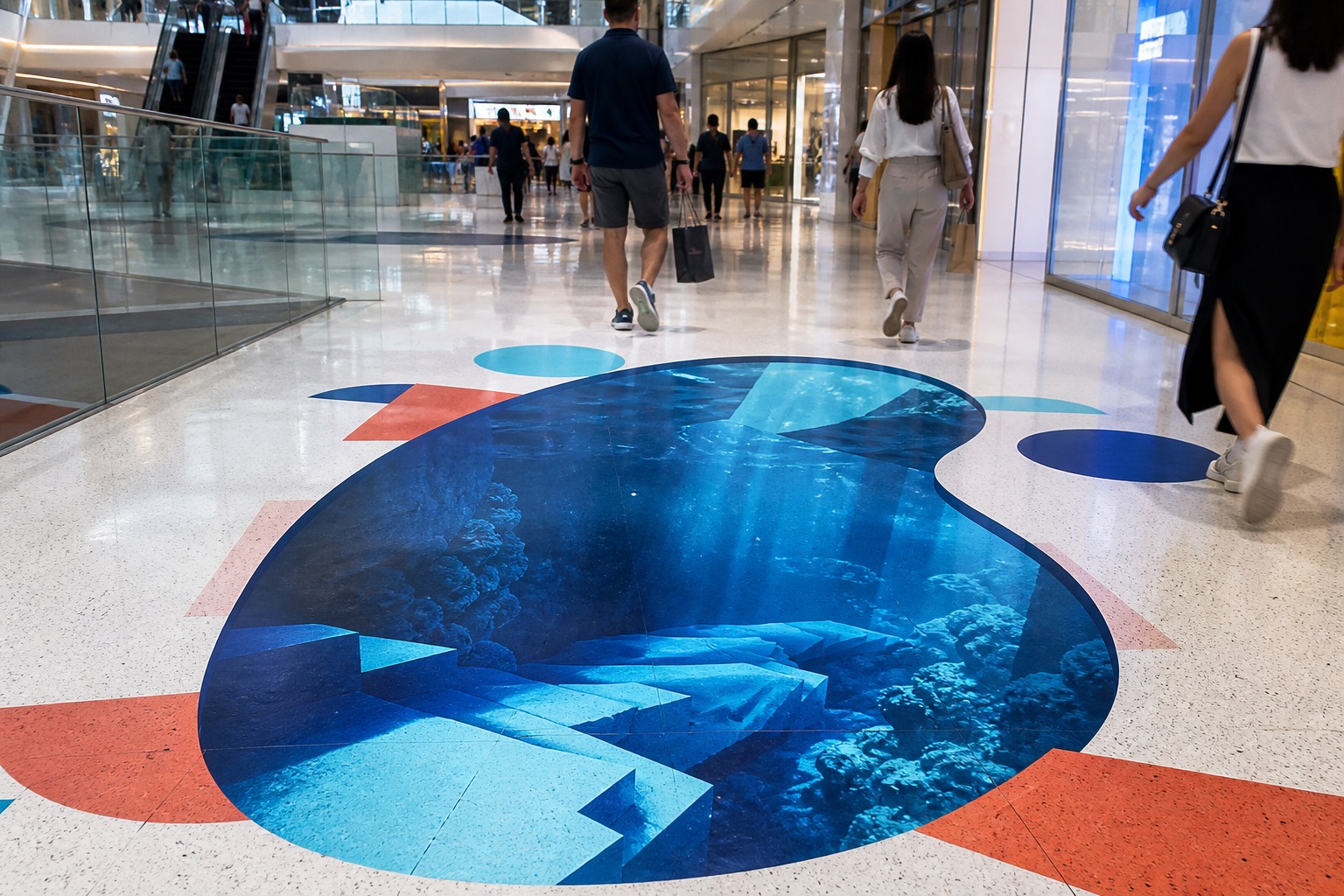
Ads That Live on the Floor, the Street, and the Mall
Ambient and out-of-home advertising that uses pavement, escalators, parking lots, and mall floors as the media—not a magazine page.