
Santlov’s ToysRLikeUs: Private Lives of Famous Toys
Miami artist Santlov’s ToysRLikeUs photos drop Woody and other iconic toys into adult downtime—phones, sneakers, drinks—parodying modern habits with near in-camera realism.
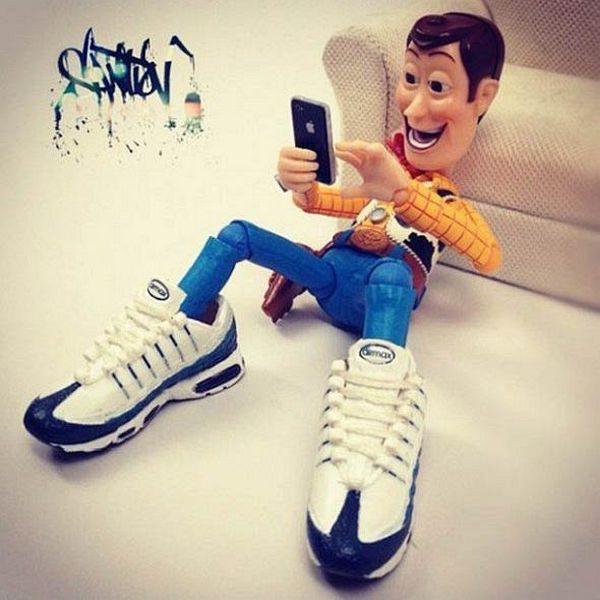
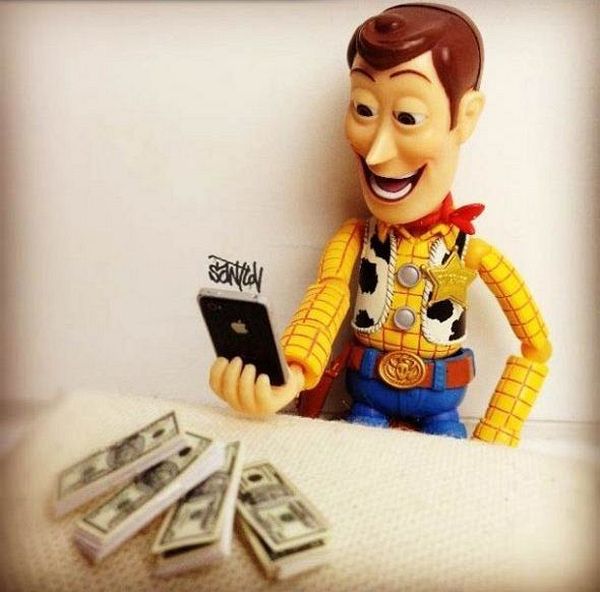
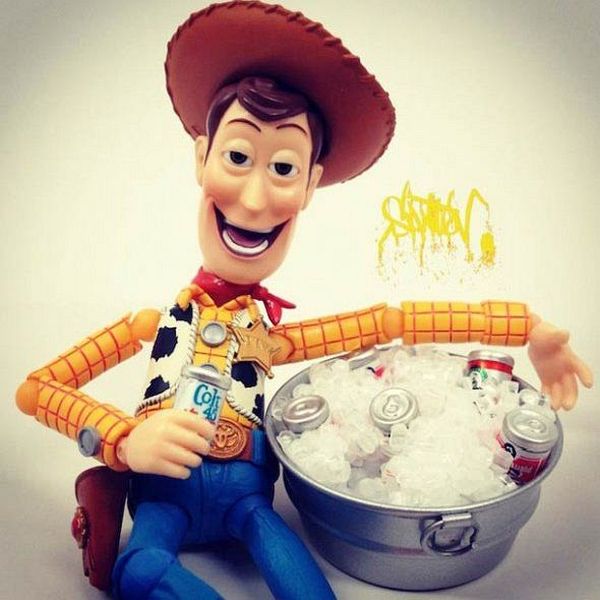
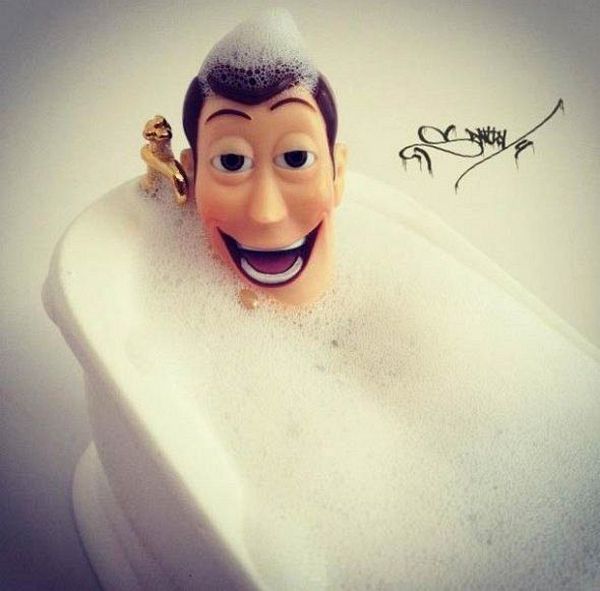
Miami photographer and graphic artist Santlov built a viral habit out of a simple premise: put famous toys into the private habits adults actually have. The series—often filed under the campaign name ToysRLikeUs—treats action figures and dolls as people with downtime. Sheriff Woody from Toy Story shows up again and again, not rescuing anyone, but drinking, scrolling, bathing, collecting sneakers, and posing like a minor celebrity who knows the camera is on.
Pixar already asked what toys do when children leave the room. Santlov asks a sharper follow-up: what do they do when the other toys leave too? Across this photo set the answer looks uncomfortably familiar—less adventure, more leisure rituals that would fit any apartment on a weeknight.
Parody with almost no digital rescue
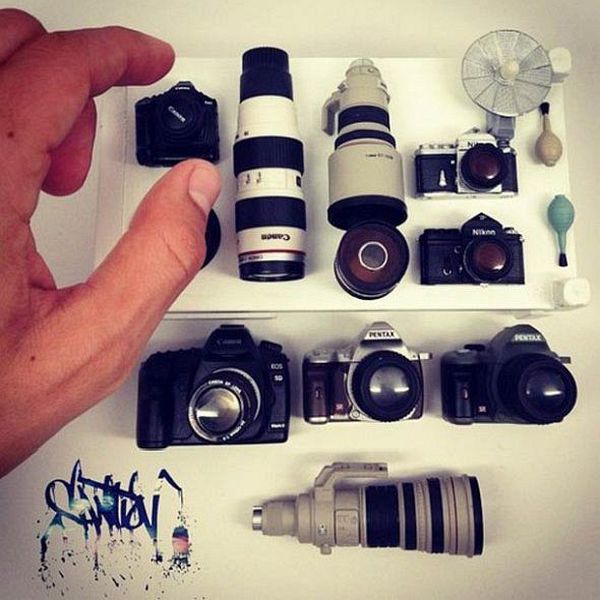
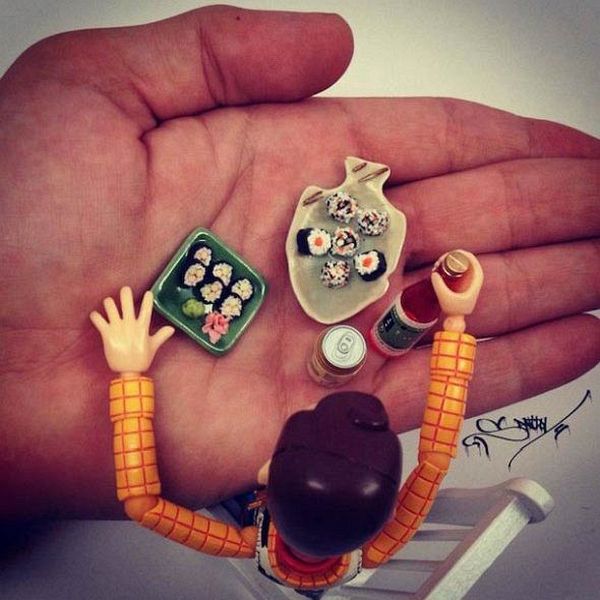
Santlov has described ToysRLikeUs as parody aimed at modern habits—especially dependence on phones, tablets, and the performance of life online. Many setups use toys he grew up with. The twist is technical as much as conceptual: he has emphasized pushing realism with little or no heavy post-editing, so the joke has to work in-camera. Scale, focus, props, and lighting do the persuasion. If Woody looks like he is really holding a bottle or checking a screen, the satire lands harder than a collage that announces itself as fake.
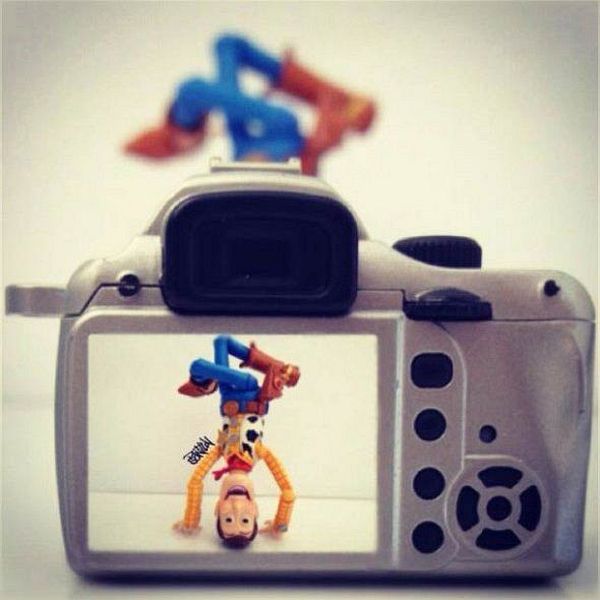
That constraint also explains why the pictures feel closer to miniature set photography than to digital illustration. You can almost hear the patience required: nudge a figure a millimeter, adjust a prop, wait for the reflection on a phone screen to read as intentional. The “private life” illusion depends on that craft boredom becoming invisible. In an era when many viral images are obviously composited, the near-straight photograph becomes part of the punchline.
Woody as the reluctant everyman
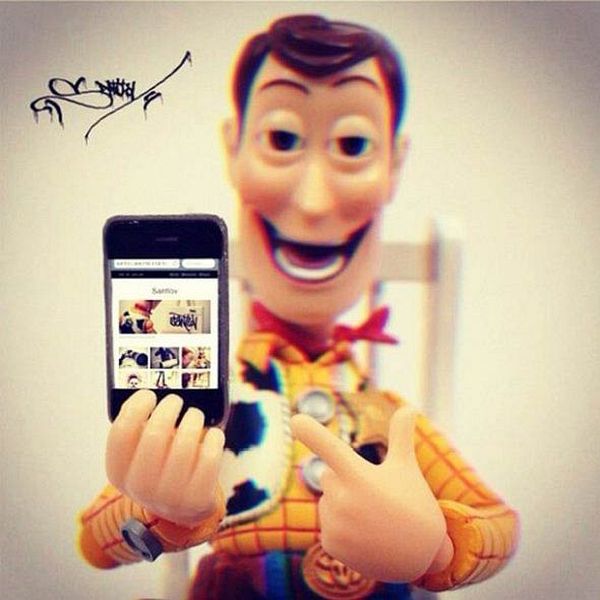
Woody is the series’ unofficial lead because he is already a public face. Audiences know the cowboy’s smile from family films; seeing that smile next to beer, bubble baths, sneaker shelves, or late-night phone glow creates instant cognitive dissonance. Entertainment coverage around 2012 treated the images as both fan art and social critique: the sheriff as sneakerhead, as food photographer, as someone nursing vices the G-rated movies never showed.
That casting choice matters. A generic army man in the same poses would be cute. Woody in those poses feels like celebrity gossip about a character who was never supposed to have a private life. The fixed painted grin becomes part of the joke—innocence performing adulthood without changing expression. Fame, in other words, is the prop that makes ordinary leisure look scandalous.
A cast beyond the cowboy
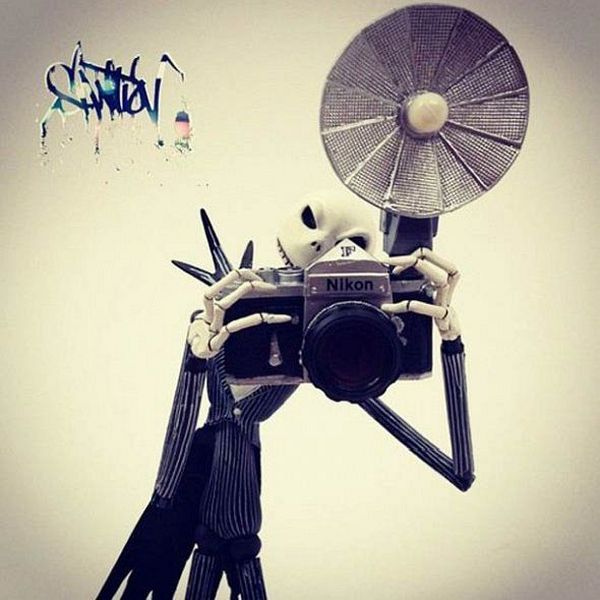
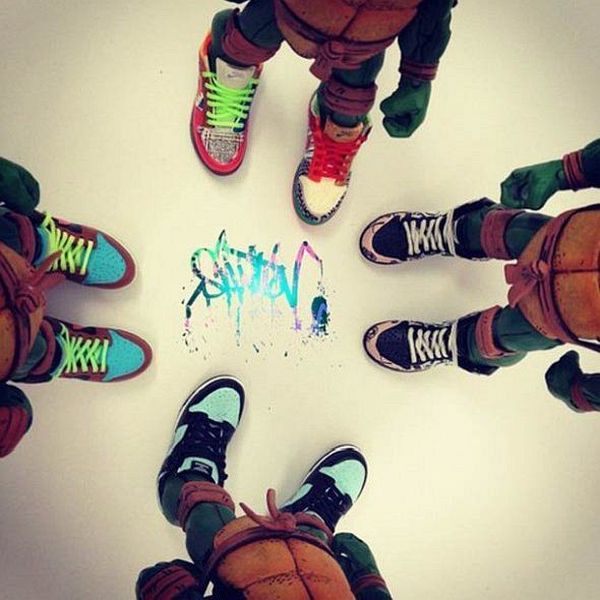
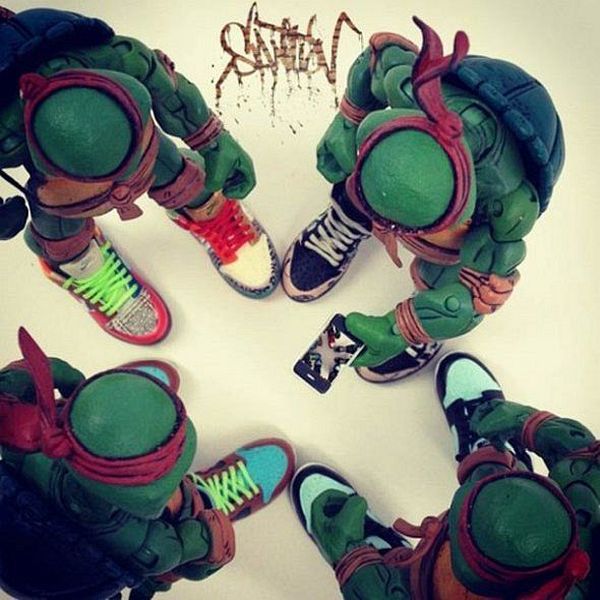
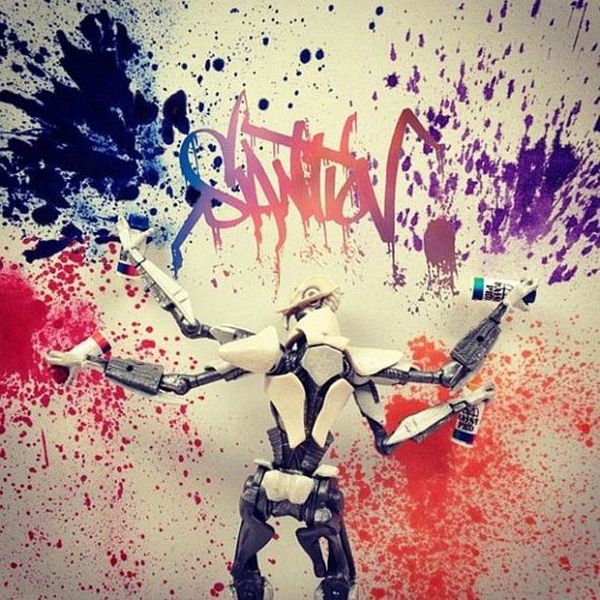
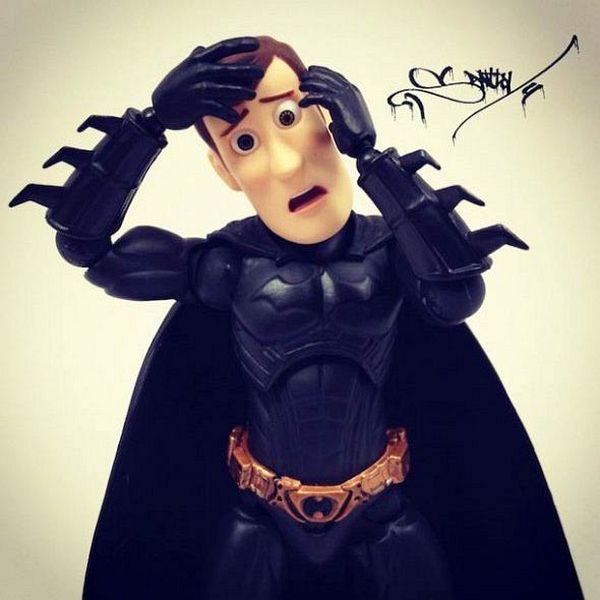
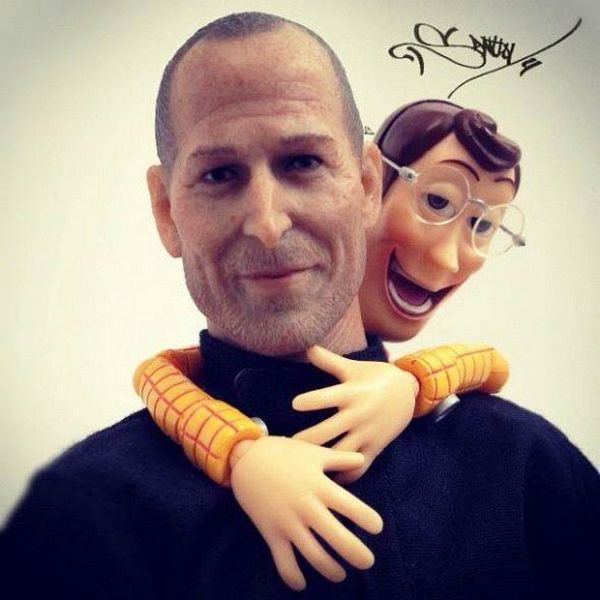
The project is not only Woody. Teenage Mutant Ninja Turtles, Star Wars figures, Batman, and other shelf icons appear in similarly human messes. The through-line is recognition plus mismatch: childhood brands performing adult leisure. One photo might read as harmless; a sequence starts to feel like a contact sheet from a weekend you were not invited to—parties, screens, self-care rituals, small vanities.
Because the figures come from different franchises, the series also works as a soft critique of brand culture itself. Heroes designed for merchandising end up advertising human habits instead: drink this, wear these sneakers, post that meal. The toys become influencers by accident. That cross-franchise cast also keeps the project from collapsing into a single-character gag reel; Woody may be the star, but the world is crowded with other “celebrities” off the clock.
Instagram as both subject and distribution
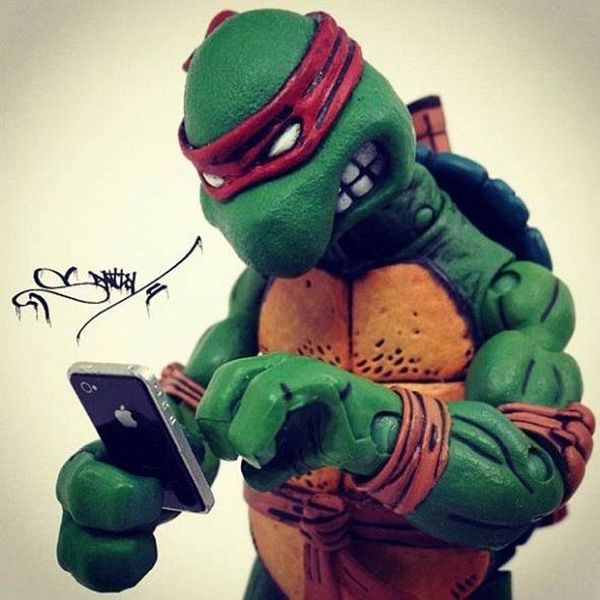
Santlov’s rise tracked Instagram’s early boom. The app was not only where the pictures spread; it was part of what the pictures mocked—food photos, sneaker flexes, mirror selfies, the urge to document leisure as identity. Feeding new images regularly to a fast-growing following turned the parody into a practice. Viewers did not just see a one-off gag; they met a character universe updating like a social feed.
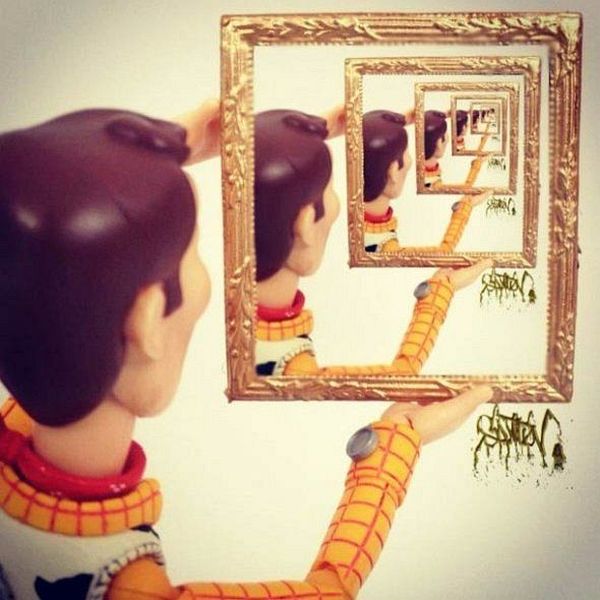
That loop is elegant and a little merciless: critique of phone culture delivered through the native channel of phone culture. You laugh at Woody’s screen addiction while scrolling. The series understands that the audience is implicated, and it does not scold so much as hold up a plastic mirror. In that sense ToysRLikeUs belongs equally to photography history and to early-2010s internet humor—two categories that rarely share a shelf.
How to look at the set
Read the photographs as a series, not as isolated punchlines. A single frame is a gag; a dozen frames become a sociology of leisure in miniature. Try this looking method when you scroll the gallery:
- Prop honesty: Are the objects toy-scale or human-scale forced into frame? Either choice changes the joke.
- Face vs. activity: Childhood characters have fixed expressions; humor often comes from an innocent face doing a not-so-innocent leisure task.
- Brand collision: Sneakers, phones, and soft drinks are as cast as the figures. Consumer culture is a co-star.
- Lighting: Soft domestic light sells “real private moment”; harsher flash can feel like paparazzi. Notice which mode each frame chooses.
- Sequence: Which vices or hobbies repeat? Repetition is how parody becomes theme.
Where the series sits among toy photography
Toy photography has many modes: tidy product shots, diorama storytelling, stop-motion stills, collector portraits. Santlov’s lane is closer to lifestyle satire. The figures are not posed as inventory; they are cast as people with evenings. That decision links the work to advertising language—lifestyle spreads, sneaker campaigns, nightlife photography—while using childhood icons to puncture the glamour. The result is affectionate rather than cruel. You are invited to laugh at Woody, then notice your own coffee table.
For artists and photographers, the series is also a useful case study in constraint. Limited digital cleanup, recognizable subjects, everyday props, and a repeating cast create a brand without needing a manifesto paragraph under every image. The concept is visible in the frame.
Why the joke still works
ToysRLikeUs refuses the safe version of toy photography—cute arrangements on a nursery shelf—and instead stages the awkward middle of adult life. Famous toys become mirrors. If Woody looks a little too comfortable with a drink and a glowing rectangle, the discomfort is intentional: the private lives on view are mostly ours, shrunk to plastic and lit for the feed.
Keep the series filed where it belongs: not as random meme images, but as a photo project about recognition, scale, and habit. Santlov’s Woody is funny because he is famous; he is sharp because his downtime looks like Monday night anywhere. Scroll the frames once for laughs, then again for how carefully the “candid” moments were built. Which of your own private rituals would survive being performed by a cowboy doll—and which ones look funnier once a toy does them first?

Comments
Continue reading
Disney Princesses as Vogue Covers by Dante Tyler
Dante Tyler’s early-2010s fan-art series casts eight Disney princesses as mock Vogue cover models—high fashion poses, witty cover lines, and all eight images.
Photo vs Illustrated Save-the-Dates: How to Choose a Format
A practical comparison of photographic and illustrated save-the-dates—when a portrait earns the stamp, when a drawing carries the date, and how to match format to venue, guests, and printing.
Escort-Card Displays That Aren’t a Table of Tiny Cards
Walls, branches, envelopes, mirrors, and numbered installations—how to stage escort cards so guests find their tables without a crowded lobby table.